Reports of "knockoff products" by serious media actually indicate that the smart ring is doomed.
In the consumer electronics industry, "counterfeiting" or "knock - offs" has never been a very rare phenomenon.
From an industry perspective, this is because knock - off manufacturers also have a mature and powerful industrial chain. There are even some "major chip manufacturers" backing them up for the sake of sales volume.
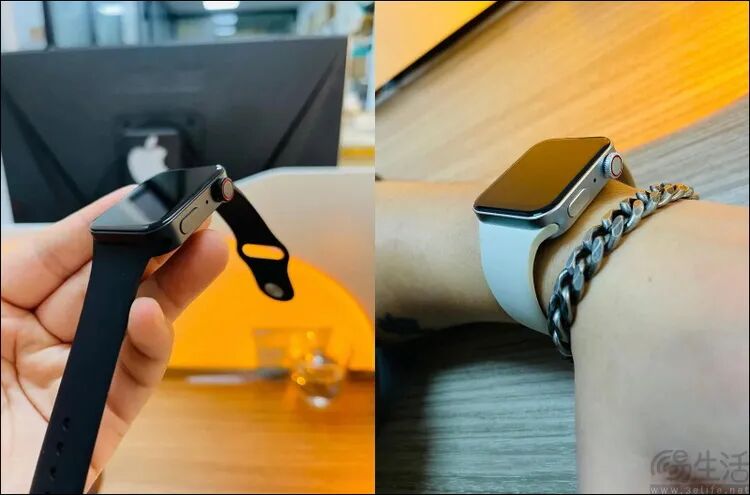
From a market perspective, the reason why knock - off products have always existed is also because producers and consumers are actually in a "mutual pursuit". Those who produce knock - off products are eyeing the low cost and the huge profits that "riding on the popularity" may bring. Consumers who buy knock - offs often have a fluke mentality, thinking that they might get a bargain. Or if others can't tell they are using a knock - off product, they can at least "save face".
But precisely because in most cases these knock - off products are "blatantly and ridiculously fake", people also notice that the mainstream "legitimate media" will almost never actively report on such products. Because reporting on them would be tantamount to "aiding the evildoers".
But if there is a type of knock - off product that the proper media generally "has no scruples" about, and they are not even doing critical reports, what does this indicate?
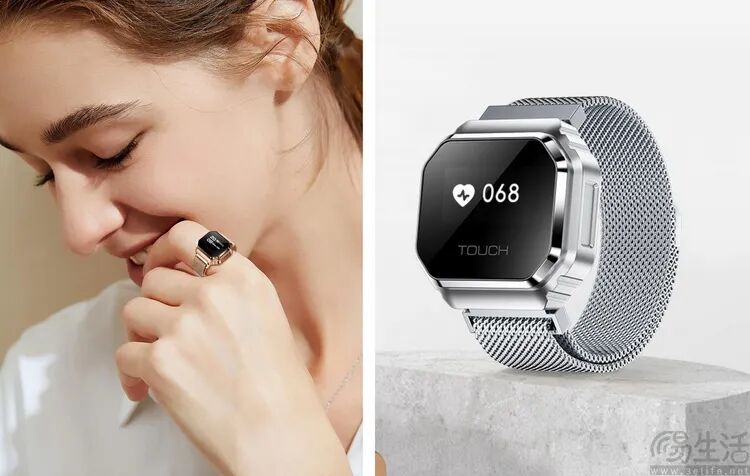
Recently, we at San Yi Life saw a device called "Rogbid Fusion" in multiple media.
Actually, it is a "two - in - one smart ring". The reason it's called "two - in - one" is that, different from common smart rings, in terms of structure and appearance, it doesn't really look like a smart ring but more like a "mini smartwatch". It has a very small touch screen and can switch between two different "wearing modes" of a smart ring and a smart bracelet by changing different "straps".

At first glance, the special shape of Rogbid Fusion means that it uses a larger "ring face" in exchange for more space for the battery and sensors, which makes it expected to solve the problems of existing mainstream smart ring products, such as small batteries, few health monitoring functions, and inaccurate monitoring data.
But this is only the "theoretical" benefit. In fact, when we further tried to find out its functional features, we found that this "seemingly beautiful" two - in - one smart ring is most likely a knock - off product that doesn't match its description.
Why do we say so? It's because the official website of Rogbid, the manufacturer that launched it, looks something like this.
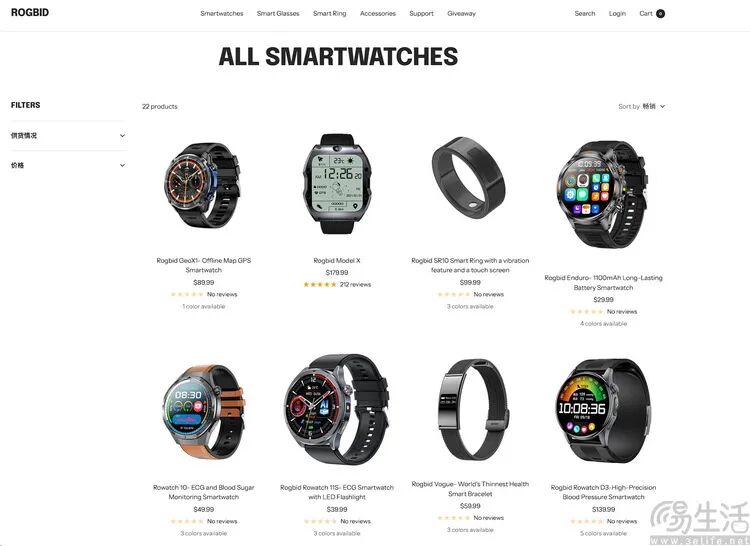
I believe everyone has already noticed that this is just a design that "borrows" from the popular smartwatches of Samsung, Apple, OPPO, etc. Moreover, most of the "product pictures" on Rogbid's official website are just obviously fake renderings, and there are very few real actual shot pictures.
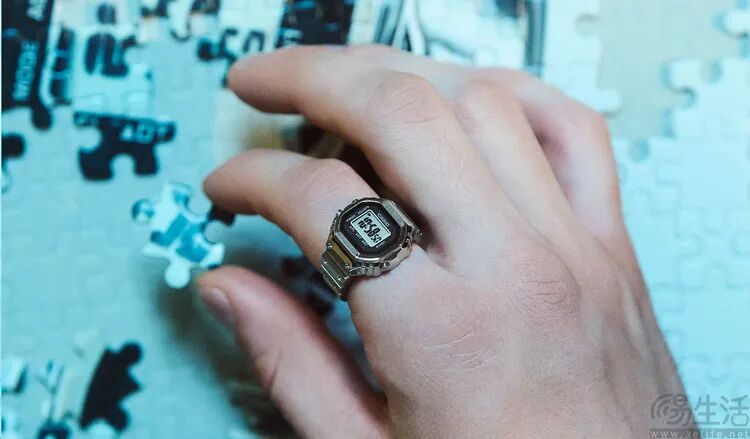
Casio CRW001 "Ring Watch"
Secondly, the idea of "wearing a watch as a ring" in Rogbid Fusion is not original. It most likely comes from Casio's "ring watch" CRW001. The latter is not a smart device but a "limited edition" developed by Casio to show off its electronic watch technology. Therefore, it naturally has scarcity and is worthy of being "copied and modified" by knock - off manufacturers.

Is this really the same product on the wrist and on the finger?
Finally, the renderings officially released by Rogbid Fusion may be the most obvious evidence to "seal its fate". In fact, anyone with normal eyesight can probably tell that the size of this so - called "two - in - one smart ring" when worn on the wrist and on the finger is obviously different.
We at San Yi Life seriously suspect that the so - called "Rogbid Fusion" is most likely a low - cost smart bracelet that copies the appearance of Casio CRW001. Secondly, the relevant manufacturer may have indeed made accessories that allow it to be worn as a ring, but the real wearing effect is most likely not as coordinated as it looks in the "official (rendered) pictures". Finally, it's still hard to say whether this thing can actually be shipped. Let alone expecting its actual experience to be better than those existing but already unreliable smart rings produced by major manufacturers.
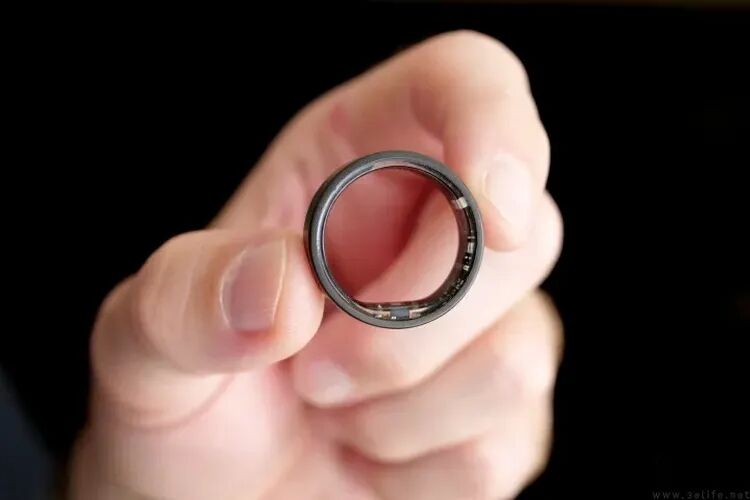
So, let's go back to the question at the beginning of this article. Since we at San Yi Life can easily tell that this so - called "smart ring" is most likely an unreliable knock - off product, why do so many technology media with more experience and more exposure to various products actively report on it? Aren't they worried about the risk of aiding knock - off manufacturers?
Regarding this, we think there are probably two situations. One is that these media know they are reporting on a knock - off product, but they may know more about the "background" of this manufacturer than we do. They may even know very well that this so - called "smart ring" may just be a gimmick to attract attention and will never be shipped, so it can't deceive anyone.
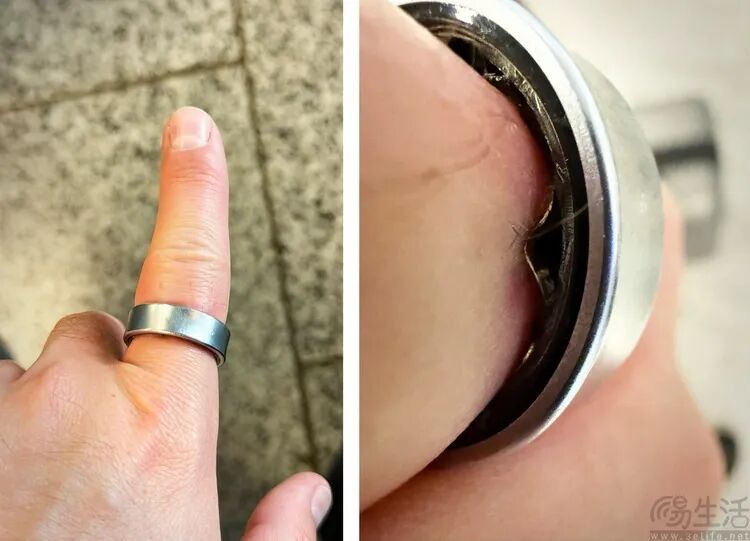
The other situation may be even more ironic, that is, the entire smart ring industry is actually in a state of slacking off. People say that the products of this knock - off manufacturer are unreliable, but are the smart rings of those major manufacturers really good? Don't they also have problems like rapid battery aging, and even ring explosions that harm users. In comparison, "Rogbid Fusion" can at least be said to have a bit of creativity.
Therefore, from this perspective, the fact that it has been "favored" by these media has both positive factors and also reflects to a certain extent the general disappointment of the outside world towards the entire smart ring industry.
[The pictures in this article are from the Internet]
This article is from the WeChat official account "San Yi Life" (ID: IT - 3eLife), author: San Yi Jun. It is published by 36Kr with authorization.