Resilient Toyota
1
High growth in North America, sales in the Chinese market stop declining and stabilize
"The engine still plays its role." Relying on the steady performance of its traditional fuel - powered vehicle business, Toyota Motor has once again claimed the title of the world's top - selling automaker.
On January 29, 2026, the Toyota Motor Group released its global sales data for 2025. Throughout 2025, Toyota sold a total of 11.3225 million vehicles, a year - on - year increase of 4.6%, setting a new historical record. This is also the sixth consecutive year that Toyota has retained the throne of the world's best - selling automaker.
Looking at different vehicle types, traditional fuel - powered vehicles remain Toyota's largest source of sales. In 2025, the sales volume of Toyota's traditional fuel - powered vehicles was approximately 6.35 million, accounting for 56% of the total sales. The cumulative sales volume of new energy vehicles (including Lexus), including HEVs, PHEVs, BEVs, and FCEVs, reached 4.9949 million, accounting for about 44% of the total sales. Even in the Chinese market, traditional fuel - powered Toyota models accounted for more than 70%. Classic fuel - powered models such as the Corolla, Levin, and RAV4 still contribute significantly to Toyota's sales.
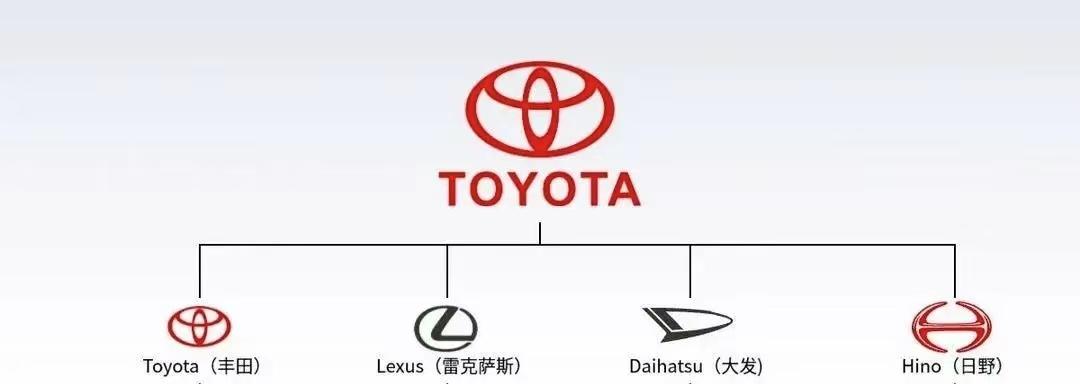
Looking at different brands, the Toyota brand (including Lexus) achieved a total of 10.5368 million new vehicle sales, a year - on - year increase of 3.72%. Among them, the global sales volume of the Lexus brand was 882,200, a year - on - year increase of 3.6%. In addition, the annual sales volume of the Daihatsu brand was 675,300, a year - on - year increase of 25.8%; the annual sales volume of the Hino brand was 110,500, a year - on - year decrease of 12%.
Looking at different regions, the strong performance in the North American and Japanese domestic markets has become one of the powerful driving forces for Toyota's sales growth. Among them, Toyota sold 2.9297 million vehicles in the North American region, a year - on - year increase of 7.31%. North America remains Toyota's largest regional market in the world. In response, Toyota Motor stated that the resumption of production after last year's suspension due to the recall of the TX and Grand Highlander, along with the continuous strong performance of hybrid vehicles, has further boosted sales in North America.
With Trump's second term in the White House, Toyota Motor faced the threat of import tariffs on cars from the United States at the beginning of 2025. Eventually, Toyota ensured a stable supply through its global localized production layout, partially alleviating the impact of trade policies. In addition, the high premium of Toyota's hybrid models also offset some of the tariff costs to a certain extent. Data shows that Toyota's sales in the US market exceeded 2.5 million for the first time, a year - on - year increase of 8%, accounting for 86% of its total North American sales.
Throughout 2025, Toyota's sales in the Japanese domestic market reached 2.0713 million, a year - on - year increase of 11.9%. This is mainly due to the recovery from the production interruption caused by the recall of models such as the Lexus TX and Grand Highlander in 2024, as well as the continuous strong performance of hybrid models.
According to public information, in June 2024, Toyota Motor was exposed for serious issues such as test violations and submission of false data. This incident not only severely damaged Toyota's reputation but also raised concerns about the quality of Japanese cars. Eventually, Toyota Motor Corporation reluctantly announced that it would suspend the production and delivery of two SUV models, the Grand Highlander and the Lexus TX, due to airbag problems. Currently, the brand - trust crisis triggered by Toyota's vehicle certification fraud scandal seems to have returned to normal.
Compared with the strong performance in the North American and Japanese domestic markets, Toyota's growth in the Chinese market is obviously struggling. Data shows that throughout 2025, Toyota sold 1.7804 million vehicles in China, a year - on - year increase of 0.2%. Although it is still far from its peak in 2021, it is the only Japanese brand that maintained sales growth in China.
Data shows that in 2020, the combined market share of the "Big Three" Japanese automakers in China once reached as high as 24.1%. Since then, with the rapid rise of Chinese car brands in the fields of new energy and intelligentization, the market share of the "Big Three" Japanese automakers has been continuously shrinking.
Throughout 2025, the combined sales of the "Big Three" Japanese automakers in China were approximately 3.08 million, and their market share was less than 9%, a decline of more than 15 percentage points from the peak. Among them, Honda's cumulative sales in the Chinese market were 645,300, a year - on - year decrease of 24.28%. This is also the fifth consecutive year of decline for Honda in the Chinese market. Nissan's sales in the Chinese region were 653,000, a year - on - year decrease of 6.26%. Compared with its peak in 2018, the sales volume has shrunk by nearly 60%. This is the seventh consecutive year of sales decline for Nissan in the Chinese region.
2
Hybrid models lead, while pure - electric models account for less than 2%
In 2021, Toyota's sales in China reached 1.944 million. After that, it suffered an embarrassing "three - year consecutive decline." However, compared with Nissan and Honda, Toyota's decline in the Chinese market was significantly smaller, mainly due to its product strategy of "stabilizing the traditional fuel - powered vehicle market, focusing on hybrid models, and supplementing with pure - electric models."
As is well - known, Toyota made a strategic misjudgment in the new energy transformation, thus falling from the "king of hybrid vehicles" to a "laggard in pure - electric vehicles." In 2024, Toyota's sales in China were 1.776 million, a year - on - year decrease of 6.9%. This was also the third consecutive year of year - on - year decline for Toyota in the Chinese market. Among them, the proportion of pure - electric models was less than 1%, far lower than the overall penetration rate of 35% for new energy vehicles in the Chinese market, which became a major reason for the slowdown in Toyota's sales in China.
In terms of revenue composition, Toyota's Chinese region mainly consists of FAW Toyota, GAC Toyota, and Lexus China. Throughout 2025, FAW Toyota achieved new vehicle sales of 805,000, a year - on - year increase of 1.4%. Among them, the sales volume of intelligent hybrid models was 380,100, a year - on - year increase of 14%. GAC Toyota's annual sales volume was 772,000, a year - on - year increase of 0.3%. Among them, the total annual sales volume of the three flagship models, the Camry, Grand Highlander, and Sienna, reached 378,000, accounting for 49% of the total sales. In addition, the Lexus brand achieved sales of 183,800, continuing to maintain positive growth. It is also the only imported luxury car brand that maintained sales growth.
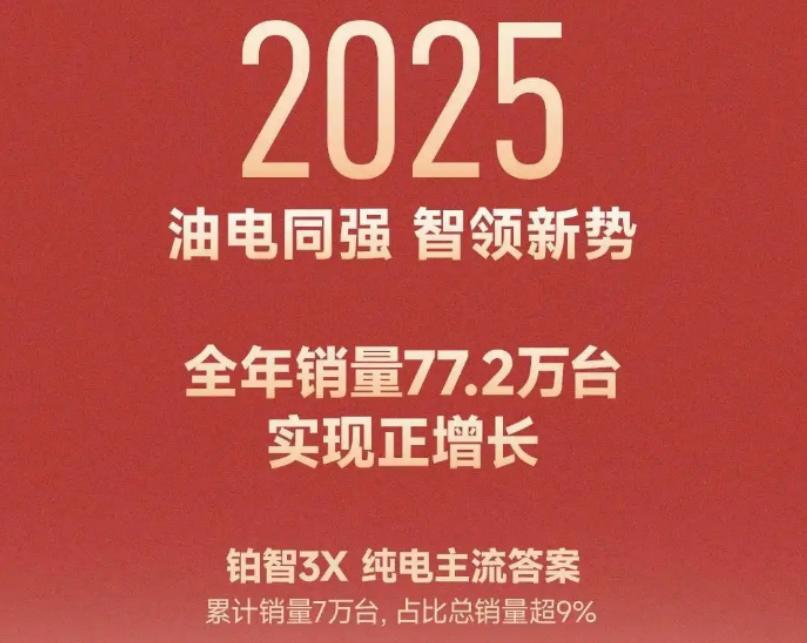
In fact, in the face of the electrification wave in the Chinese automotive market, Toyota did not blindly follow the trend of "full electrification." Instead, it adopted a more pragmatic market strategy. On the one hand, Toyota significantly reduced the prices of its popular models such as the Corolla, Camry, Fenglanda, and Venza, effectively maintaining its traditional fuel - powered vehicle market share. On the other hand, Toyota also vigorously promoted the layout of new energy and strengthened the competitiveness of its products. Data shows that throughout 2025, the annual delivery volume of the new energy model, the C-HR EV, under GAC Toyota exceeded 70,000, ranking first in the sales volume of new energy models among joint - venture brands. The sales volume of the hybrid version of the Camry increased by 62% year - on - year, and hybrid models have become the main force in Toyota's sales in the Chinese market.
Data shows that throughout 2025, the sales volume of Toyota (including the Lexus brand) HEVs was 4.4335 million, a year - on - year increase of 7%, accounting for as high as 88.8% of the total sales. Among them, hybrid vehicles represented by the Toyota Prius are very popular in the European and American markets, and HEVs have become Toyota's fastest - growing power models.
However, considering that pure - electric models will still be the mainstream technical route for new energy vehicles in the future, Toyota's current overall sales structure still faces certain challenges. Throughout 2025, the sales volume of Toyota's pure - electric models was only 199,100, a year - on - year increase of 42.4%. Among them, the sales volume in the Japanese domestic market was only 4,227, and the overseas sales volume was 194,900, a year - on - year increase of 41.4%. In the Chinese market, the total annual retail volume of FAW Toyota's pure - electric models, the bZ3 and bZ5, was approximately 35,000, and the cumulative annual sales volume of the C-HR EV under GAC Toyota was 70,000. In contrast, BYD's sales volume of pure - electric models reached as high as 2.2567 million, a year - on - year increase of 27.86%.
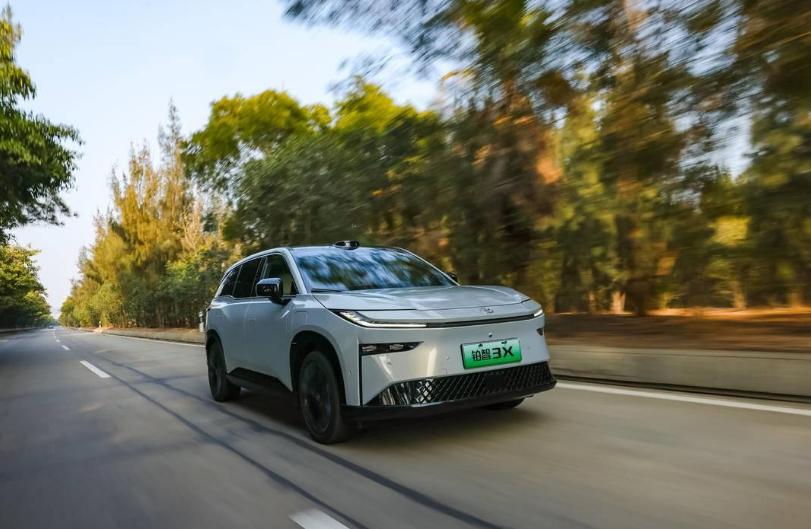
It is not difficult to see that the cumulative sales volume of FAW Toyota and GAC Toyota's pure - electric models is still far less than a fraction of BYD's sales volume in the same period, which to a certain extent reflects Toyota's embarrassing situation in the world's largest new energy vehicle market, China. In addition, even when compared with overseas competitors such as Volkswagen, Toyota is significantly lagging behind in the field of pure - electric vehicles. Data shows that throughout 2025, Volkswagen's global delivery volume of pure - electric models was 983,100, a year - on - year increase of 32%. Among them, nearly 750,000 electric vehicles were delivered in the European market alone.
3
Localization of Lexus in China is the key variable
In order to accelerate the new energy transformation of the entire group, Sato Koji, the current president of Toyota, has decided to make Lexus the leader of Toyota's future electrification. The long - rumored localization of Lexus in China has finally been officially implemented, which also represents an active offensive by Toyota in the field of pure - electric vehicles.
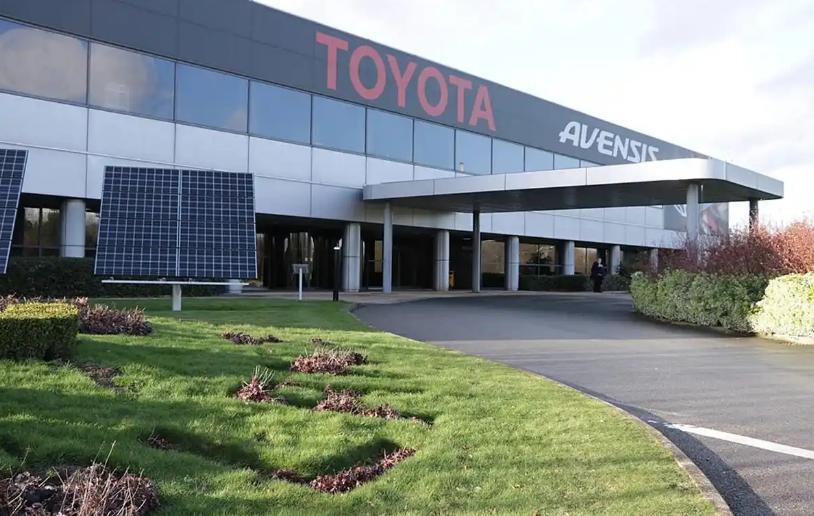
At the beginning of 2025, Toyota Motor officially announced that it had reached a cooperation intention with the Shanghai Municipal Government and decided to establish a research, development, and production company for pure - electric vehicles and batteries of the LEXUS brand in Jinshan District, Shanghai in a wholly - owned form. It is reported that the new factory will produce pure - electric models of the Lexus brand, with an investment of approximately 5 billion yuan and an annual production capacity of 100,000 units. The first pure - electric model is expected to be put into production as early as 2027. So far, the long - awaited localization of Lexus in China has finally become a reality.
On February 18, 2025, the National Enterprise Credit Information Publicity System in China showed that Lexus (Shanghai) New Energy Co., Ltd. has been officially established. The legal representative is Kato Takeo, with a registered capital of 107.1 billion yen. It is a wholly - owned enterprise of a foreign legal person. This is also the second foreign automaker to build a wholly - owned factory in China and settle in Shanghai after Tesla.
As a luxury car brand under Toyota, Lexus entered the Chinese market as early as 1995 and has always been sold in a pure - import form. Relying on the signboard of "Made in Japan, Pure Import," Lexus quickly rose after entering China. From 2019 to 2021, Lexus' sales in the Chinese market remained above 200,000 for three consecutive years. Many popular fuel - powered models often required price mark - ups in the terminal market and were in short supply.
However, since 2022, against the background of chip shortages, limited production capacity, and the rapid rise of Chinese new energy vehicle brands, Lexus' sales in China have been continuously declining. In 2023, Lexus' sales in the Chinese region dropped to 181,400, a shrinkage of more than 20% compared with the same period in 2021. In 2024, Lexus' sales in the Chinese region exceeded 180,000, a slight year - on - year increase of 0.3%. It barely maintained sales stability through significant terminal discounts, but there was still a gap of 44,000 units compared with the sales volume in the same period in 2021. From the perspective of the sales structure, the proportion of Lexus' pure - electric models was less than 1%, far lower than the overall penetration rate of 35% for new energy vehicles in the Chinese market in the same period.
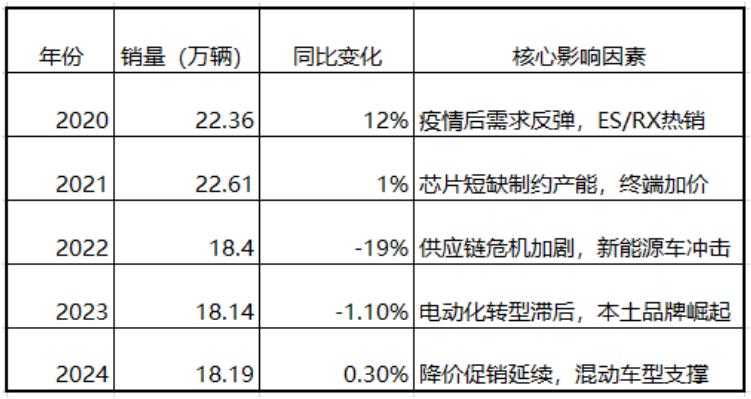
In recent years, with the rapid rise of Chinese new energy vehicle brands such as NIO, Li Auto, and BYD, overseas luxury car brands that were once very successful in the Chinese market have collectively suffered setbacks. Throughout 2024, Mercedes - Benz's sales in China decreased by 7%, BMW's decreased by 13.4% year - on - year, Audi's decreased by 10.9% year - on - year, Porsche's sales in China dropped sharply by 28%, and Cadillac's dropped even more sharply by 38%. In contrast, Lexus, with only a slight increase in sales, has become the "only imported luxury car brand with year - on - year positive growth."
However, it should be noted that although Lexus has temporarily stabilized its sales through the "price - for - volume" strategy, it lags far behind its competitors in the electrification transformation. In 2024, the proportion of electrified models in Lexus' global sales was only 3%, far lower than that of Mercedes - Benz (19%) and BMW (15%).
The latest data shows that throughout 2025, Lexus' global delivery volume reached 882,231, a year - on - year increase of 4%. Among them, the combined sales volume of hybrid, plug - in hybrid, and pure - electric models accounted for more than 50%