The era of programming AI has changed. A real - world test of the mysterious model Pony Alpha: Opus - level intelligence, architect thinking is online.

According to a report by Zhidx on February 9th, in the past few days, a mysterious model called Pony Alpha has quietly gained popularity on the model aggregation platform OpenRouter. Without a press conference, no research papers, and even the manufacturer remaining undisclosed, it has quickly caught the attention of developers and model enthusiasts with a series of unexpectedly good real - world test results.
According to the official introduction of OpenRouter, this model is the next - generation foundation model of a certain manufacturer. It performs well in programming, reasoning, and role - playing. It has also been optimized for agent workflows and has a relatively high accuracy in tool invocation.
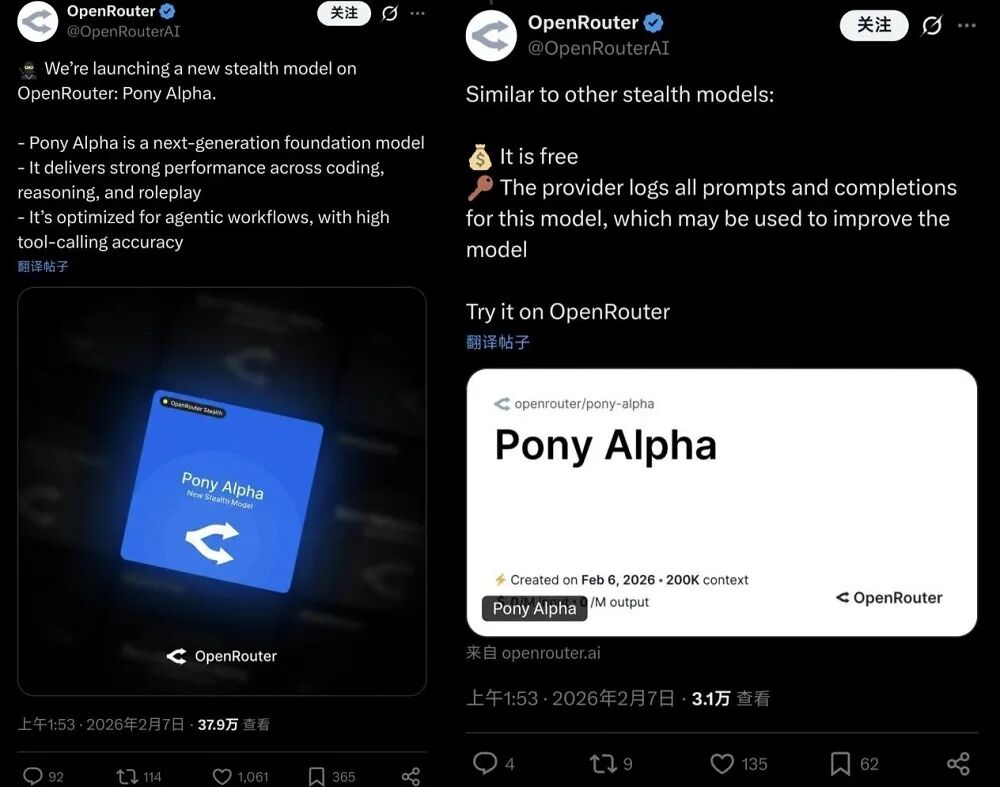
What's more convincing are the feedbacks from users who have tested the model. Many netizens have given almost unanimous positive reviews. A blogger used his own secret SVG generation test questions to "challenge" Pony Alpha, and the generated results were incredibly high - quality. He even suspected for a moment that the test questions had been leaked.
Some developers also shared that they asked Pony Alpha to program continuously for 3 hours, and finally it created a playable Pokemon Ruby. The degree of completion was so high that in some details, it was "more like the original than the original."
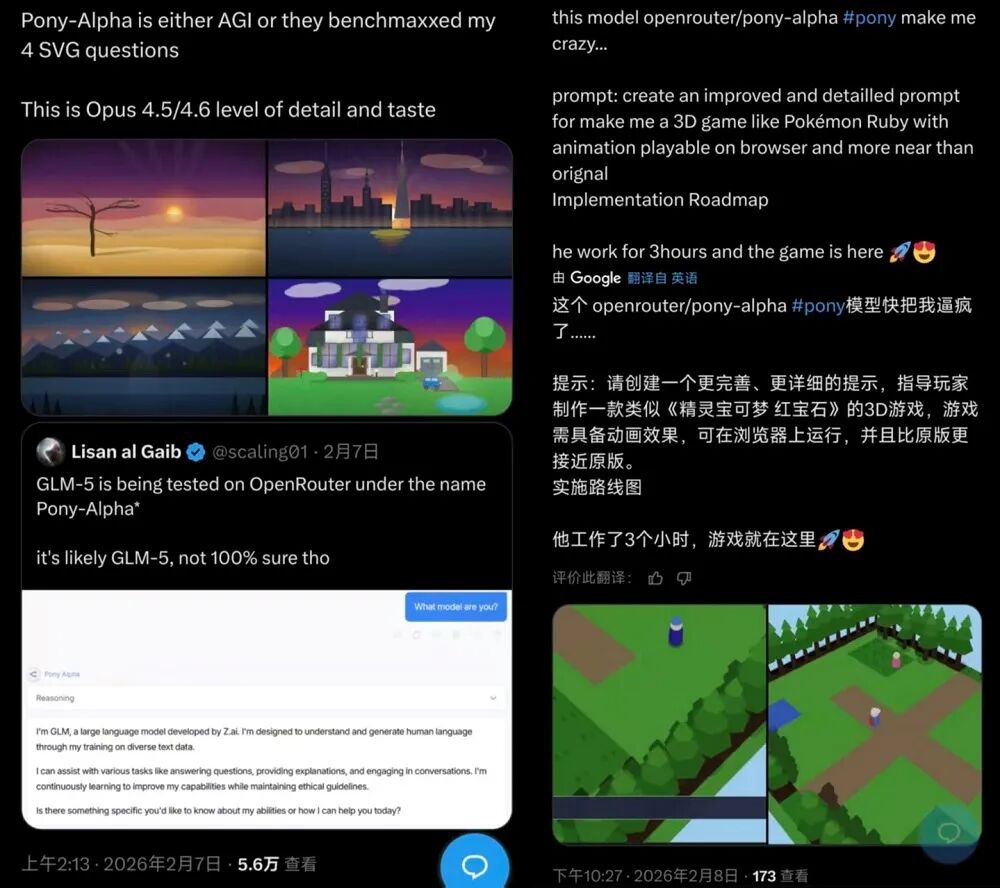
Due to its unexpectedly strong performance, the "mystery of Pony Alpha's origin" has quickly become the focus of discussion. Some people speculate that it might be Sonnet 5 of Anthropic, as its coding ability is quite familiar. Others associate it with DeepSeek - V4, which has been rumored to be released. Many also believe that it might be a preliminary test of GLM - 5, the next - generation model of Zhipu.

So, what is the real ability of Pony Alpha? Do these rumors have any technical basis? Next, let's put aside the speculations and directly conduct a series of real - world tests to see how far this "Pony" can go.
01. First Experience with Pony Alpha: From Data Dashboards to Algorithm Visualization
Currently, Pony Alpha is available on OpenRouter for free. You can directly communicate with the model on the web page or call it through the API. Its context window is 200K.
Since Pony Alpha is a model focused on programming, we will also focus our tests on the programming field.
The first case is the "mini data dashboard". The prompt requires inputting a set of numbers and generating the maximum, average, minimum, and volatility values in real - time, accompanied by smooth animation updates.
This prompt mainly examines three abilities: first, the accuracy of understanding statistical indicators; second, the ability to organize the front - end structure, that is, whether the data and UI cards can be reasonably split; third, the fineness of animation and state updates.
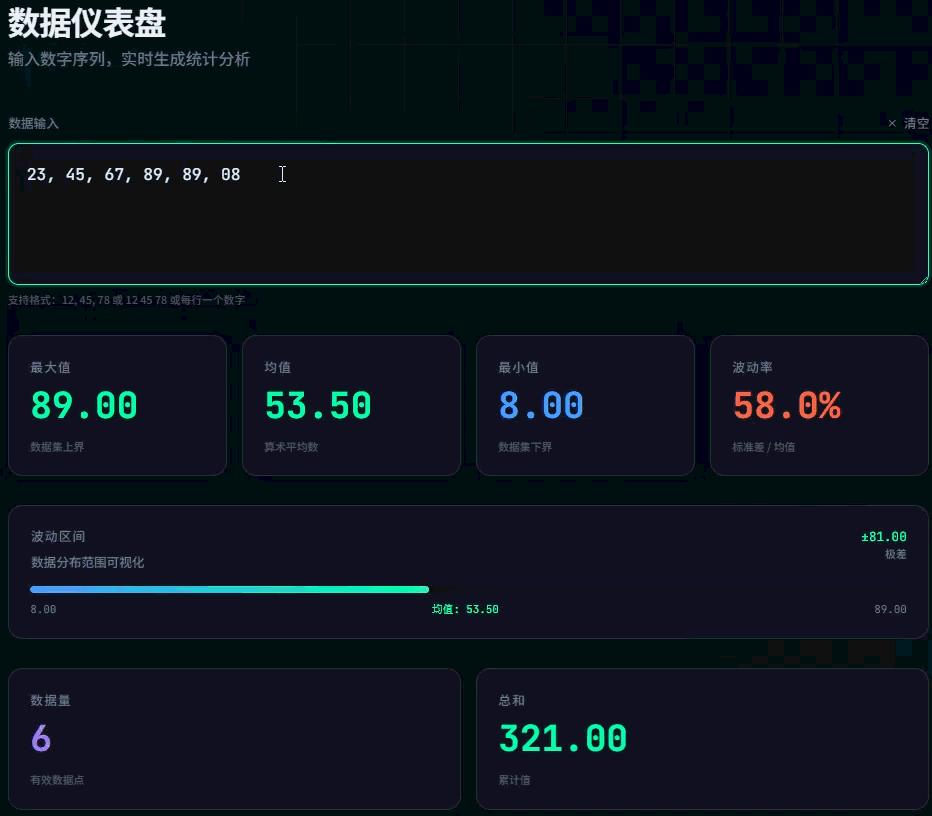
▲ The "mini data dashboard" created by Pony Alpha
In the actual results, the web page created by Pony Alpha has no deviation in indicator calculation. The animation uses a transition effect instead of a rigid refresh, and the overall completion is quite high.
The second case we tried is SVG cartoon scene drawing. The prompt is very specific, including the size, theme, elements, style, and detailed requirements. The core difficulty lies in whether the model can ensure consistency under complex constraints.

The SVG output by the model has a clear structure and reasonable layer relationships. The sun halo, wave curves, and coconut tree shadows are all accurately implemented. The colors are saturated but not overexposed, and it doesn't simply pile up graphics.

The third case is algorithm visualization. We asked the model to convert sorting or path - finding algorithms into animations, which essentially maps steps to time and space changes, comprehensively testing its programming and reasoning abilities.
Pony Alpha performs excellently here. Color changes correspond to states, the rhythm reflects the progress of the algorithm, and the path evolution intuitively presents the decision - making process, indicating that it can not only write code but also use code to explain complex concepts.
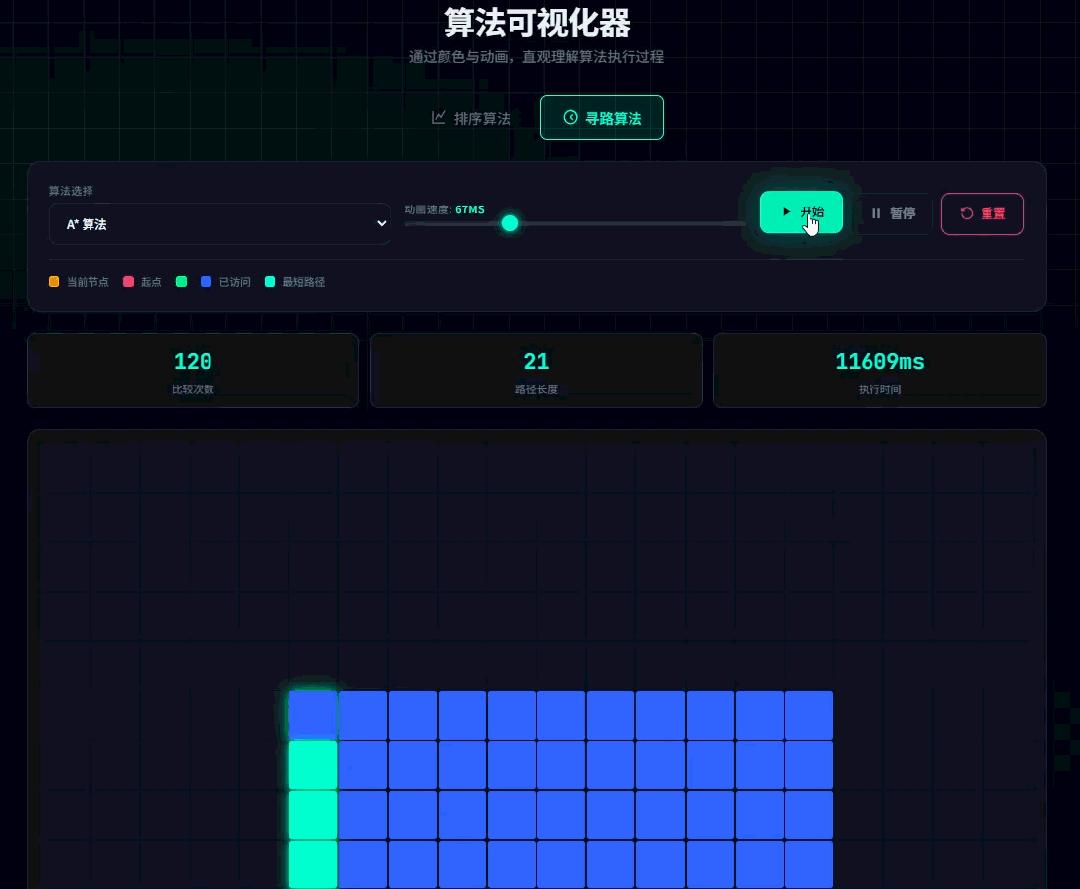
▲ The "algorithm visualizer" created by Pony Alpha
After completing these three groups of cases, it is obvious that Pony Alpha has reached a level above the current mainstream models in terms of "being able to run, looking good, and being easy to understand". Next, we will put it in more complex scenarios that require long - term reasoning to see if it can still maintain its creativity.
02. Architect Thinking in Action: Replicating Stardew Valley from Scratch
The previous cases mainly verified the model's ability to "write code", which is essentially short - chain and low - complexity task execution. What really makes a difference is whether the model has Agentic Coding ability - that is, whether it can understand problems from a systematic perspective and independently advance complex projects over a long period.
This means that the model needs to break down system - level requirements like a senior architect and maintain context coherence and goal consistency during long - term operation. Next, we will conduct a stress test on Pony Alpha by asking it to replicate the well - known game Stardew Valley.
This is the prompt we sent to Pony Alpha. For professional human developers, replicating a game like Stardew Valley requires at least thousands of lines of code and involves handling various mechanisms and different entities such as game loops, scene management, player and NPC behavior logic, crop growth, plot management, UI, inventory, and save systems.

At the same time, it is necessary to ensure that the interfaces of each module are consistent, the logic is synchronized, the animation rendering is smooth, the event interaction responses are correct, and performance optimization and maintainability are considered. Only in this way can the written code have practical application value in terms of being runnable, extensible, and debuggable.
So, how will Pony Alpha solve this problem? After receiving the prompt, Pony Alpha first analyzed the core requirements in our complex prompt like a project manager, sorted out eight systems to be designed and a color - matching scheme to guide the subsequent development.

Immediately afterwards, Pony Alpha transformed into a system architect and planned the overall project architecture. After opening the source files, we can see that this project uses the most basic and general front - end resource structure. The JS project structure has an obvious modular idea: the model, rendering, and system are separated, with clear logic, which is suitable for small and medium - sized projects.
Under such a concept, Pony Alpha created a preliminary playable game interface with a unified and soothing visual style and clear core gameplay logic. For example, actions such as land reclamation, sowing seeds, and watering with a watering can all work normally, and the stamina consumption system is also reasonably designed.
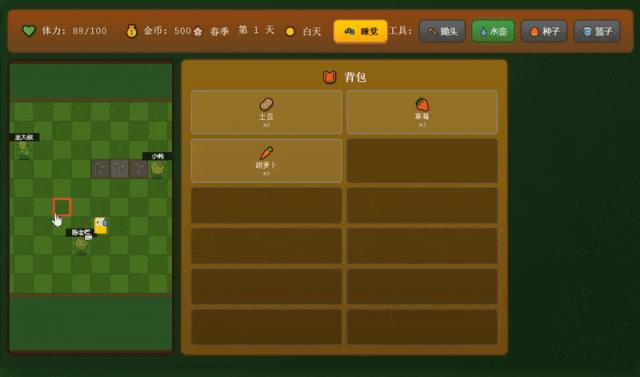
Of course, in essence, this is still a pure front - end demo. To make it more playable, we further challenged Pony Alpha: to add a data - saving mechanism and make the game screen more beautiful.

After understanding our requirements, Pony Alpha provided multiple technical solutions for us to choose from.
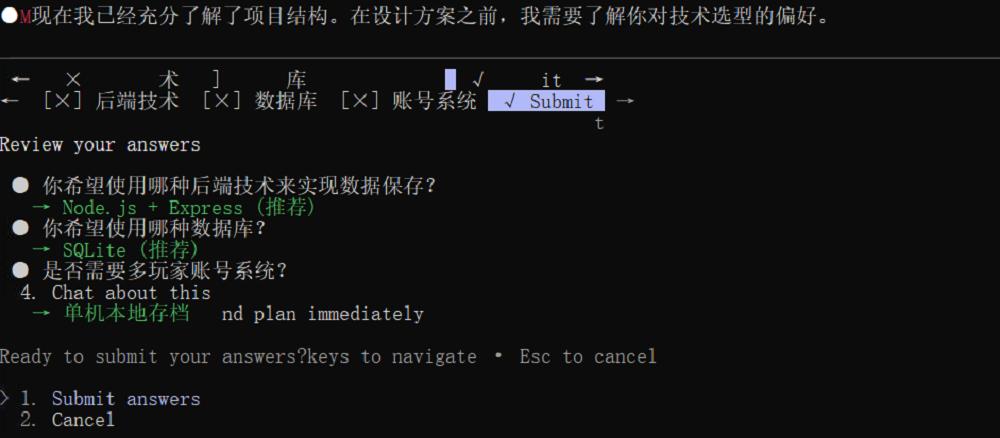
After starting to optimize the project, Pony Alpha built a back - end server and database and completed a front - end save manager. It programmed continuously for more than 10 minutes without any human intervention.

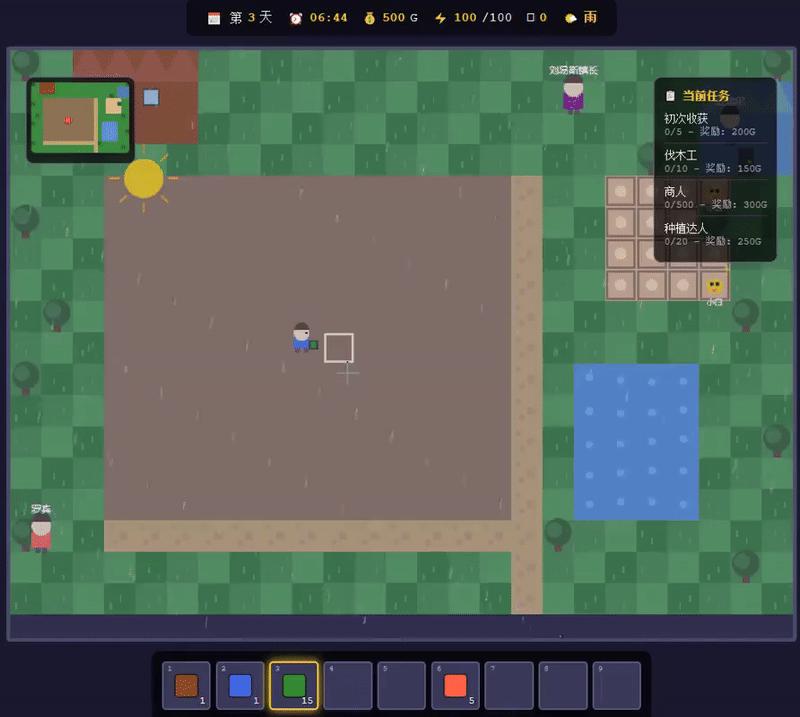
After the upgrade, Pony Alpha significantly optimized the original design. The inventory and item bar were moved to the bottom of the page, allowing the virtual world itself to occupy the visual center. The lakes, meadows, and trees in the screen have become more detailed. A weather system has also been added, and sunny days, cloudy days, rain, and even light snow can be dynamically presented, making the whole world more vivid and real.
03. Diving into the "Code Monstrosity": Real - World Test of Deep Refactoring of Existing Code
In a real - world enterprise environment, developing new features is only a part of the entire project. More often, programmers face existing, complex, and long - standing "code monstrosity" codebases. These systems often contain implicit rules, technical debts, and legacy behaviors, making it more challenging to understand existing code, locate problems, and make safe modifications than developing from scratch.
Therefore, the value of AI in enterprises lies not only in generating new code but also in effectively understanding, debugging, refactoring, and incrementally developing existing projects. Next, we will see how Pony Alpha performs in such engineering tasks through real - world test cases.
First, we created a financial system that looks old - fashioned using Pony Alpha and manual coding. At first glance, the system only has an outdated UI, but after delving into the code, there are bigger problems hidden inside (of course, this is what we asked Pony Alpha to do and does not represent its own ability).

We found that the variable names are chaotic, the function responsibilities are unclear, some special mysterious accounts are hidden in if branches, and there are random batch operations and implicit dependencies on historical data.
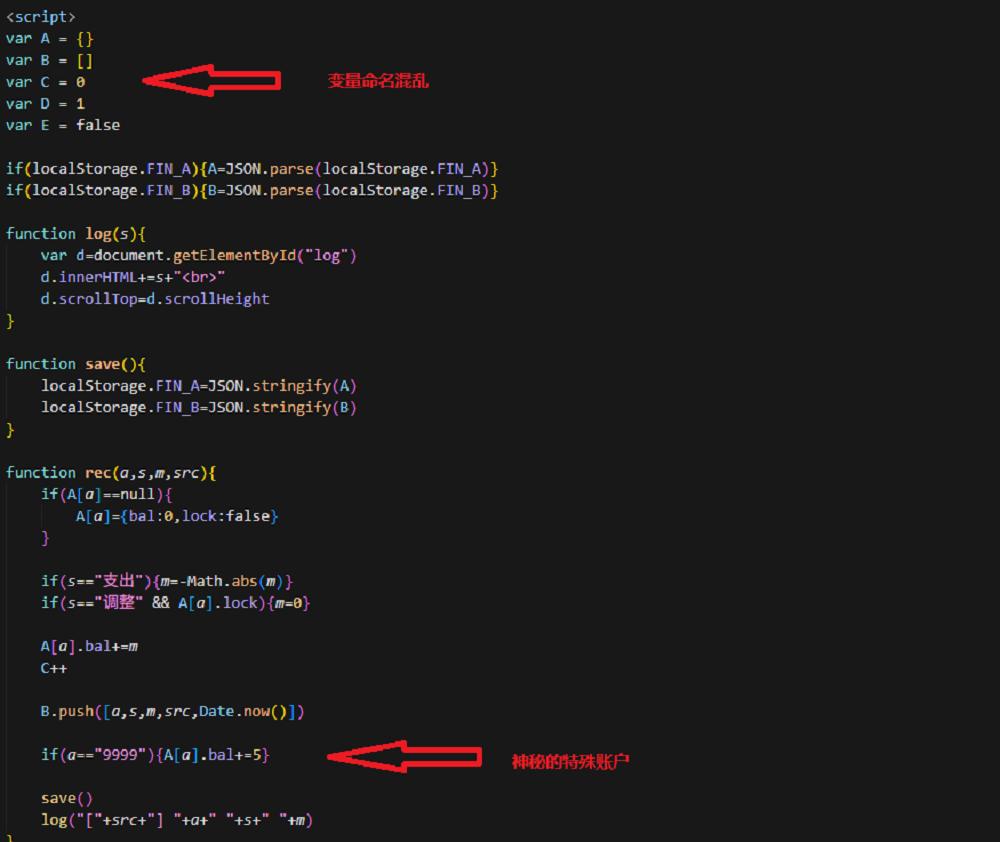
After clearing the context, we asked Pony Alpha to fix the problems it had just created.
Actually, for human programmers, such an existing system is a nightmare. Without the help of a reliable AI, you may never know if you will accidentally delete some ancestral logic during refactoring.
AI models are also prone to making mistakes in