Kapasci's Verdict: The End of Vibe Coding, 99% of Code to Be Taken Over by AI, and the Dawn of the "Agent Engineering" Era
From the casual tweet - posting "atmosphere group" to the all - controlling "engineer", Karpathy has shown us in one year that AI programming is no longer a toy. Those who don't understand architecture will eventually become onlookers, while those who can harness agents are reshaping the rules.
Goodbye, Vibe Coding!
Hello, Agentic Engineering!
It's only been a year since the era of "coding by intuition" frenzy, and Andrej Karpathy has personally pressed the upgrade button.
This time, it's no longer about the "atmosphere", but the cruel and precise "engineering".
Just yesterday, Andrej Karpathy presented his new thought - answer sheet —
"Agentic Engineering".
An Unexpected "Blockbuster"
Looking back on that moment, Karpathy admitted that he himself found it incredible:
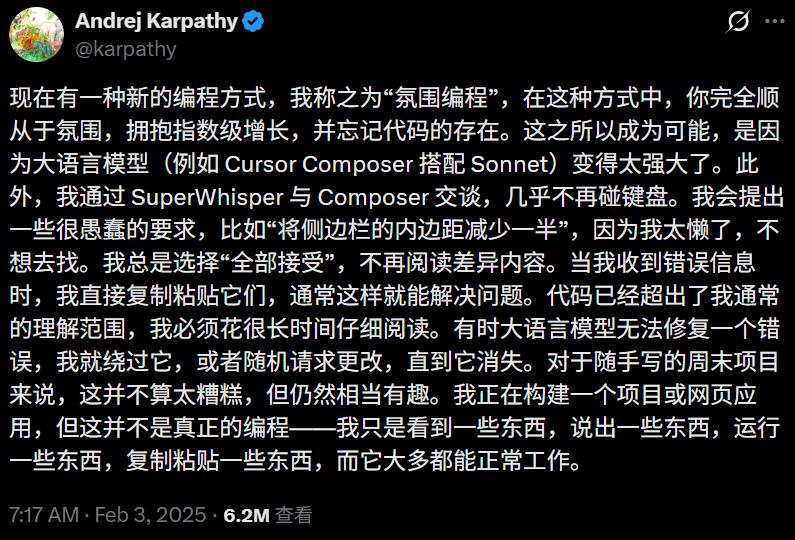
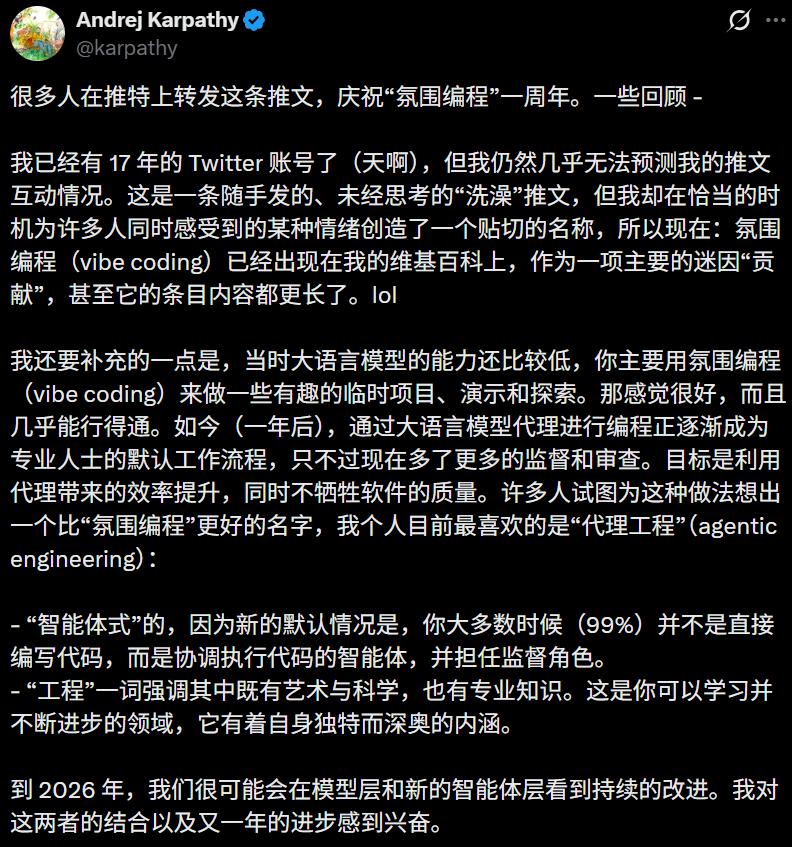
I've been using my Twitter account for 17 years, but to be honest, I still basically have no idea about the rules of tweet interaction.
That tweet was actually just a "bathroom epiphany", and I just posted it casually without much thought.
But somehow, it just hit the right moment and found a perfect name for what many people were feeling at that time.
The ending was a bit absurd and funny —
"Vibe Coding" became his main "contribution" in the meme world and was written into Wikipedia. In fact, the content of that entry is even longer than his own Wikipedia entry.
But joking aside, Karpathy pointed out the core change:
A year ago, with Vibe Coding, people used the relatively weak LLM at that time to do some fun one - off projects, demonstrations, and small explorations;
And today, one year later, programming with LLM Agents has become the "default setting" for professionals. It's just that there is more supervision and review.
To distinguish this more rigorous and quality - focused mode from the previous "atmosphere style", Karpathy proposed a new concept — "Agentic Engineering".
The so - called "agent" is because 99% of the time you're no longer writing code directly, but commanding agents to work and acting as a supervisor.
The so - called "engineering" is to emphasize that it involves art, science, and professional skills. It is a deep and improvable skill.
Looking forward to 2026, with the dual evolution of models and agents, the real show is just beginning.
Netizens' Hot Discussions
The proposal of this new concept quickly resonated in the developer community.
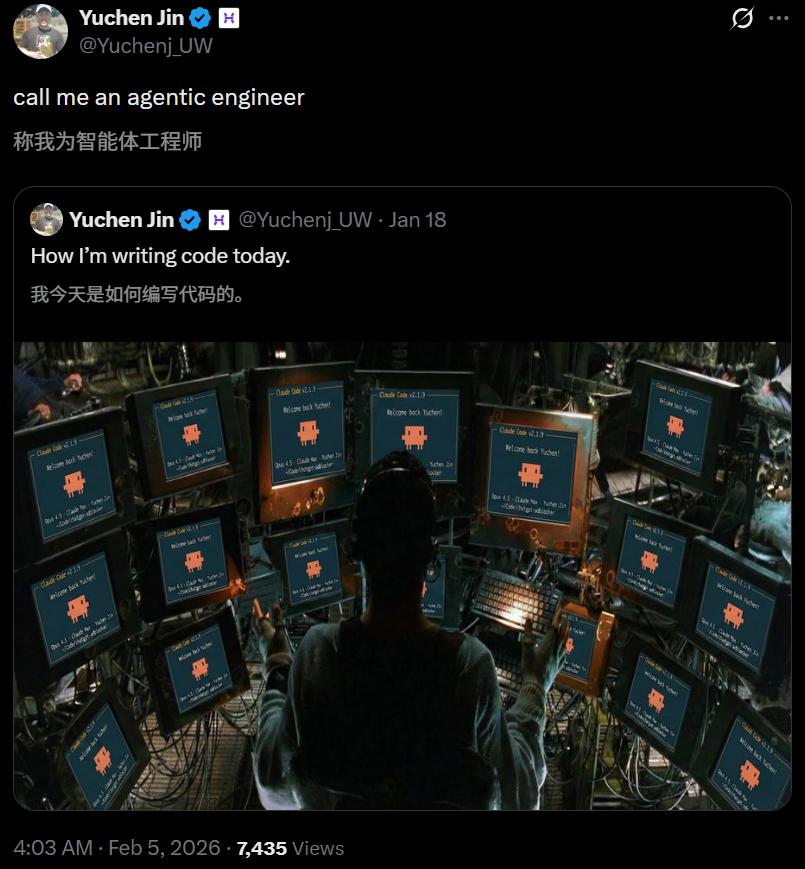
Yuchen Jin showed a screen matrix like in "The Matrix" and captioned it: "Call me an agent engineer."
Reefli humorously celebrated:
Everyone, note that we've just been collectively promoted from "atmosphere coders" to "agent engineers"!

David Ackerman pointed out that this is not just a name change, but the maturity of technology:
Previously, "Vibe Coding" was only for fun, but now the models are so powerful that the current meaning of this term is actually very simple — it's just "using AI efficiently".

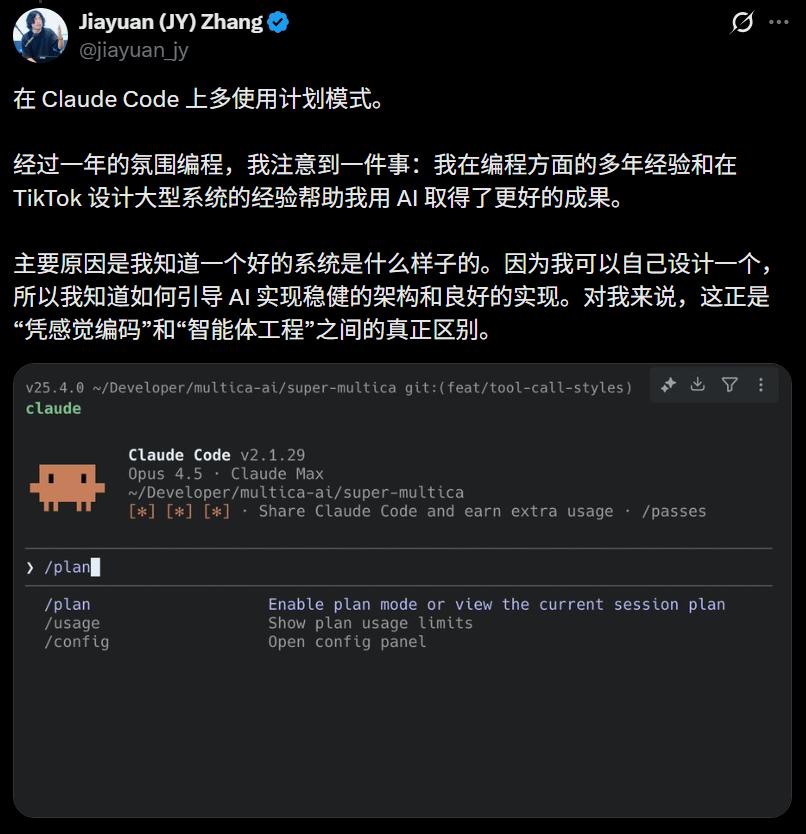
And Jiayuan Zhang's comment pointed out the key difference from "amateur" to "professional" precisely. This is the core of this transformation:
My experience in designing large - scale systems in big companies actually allows me to better harness AI. The core reason is that I know what a good system looks like.
Because I have the ability to design, I can guide AI towards a stable architecture. This is the essential difference between "Vibe Coding" and "Agentic Engineering".
The Real Key: "Engineering"
Karpathy's observation hit the nail on the head: "Engineering" is the keyword.
Many people are misled by the word "Vibe" and think that as long as they feel right, the code will run.
But the reality is much crueler than the internet memes.
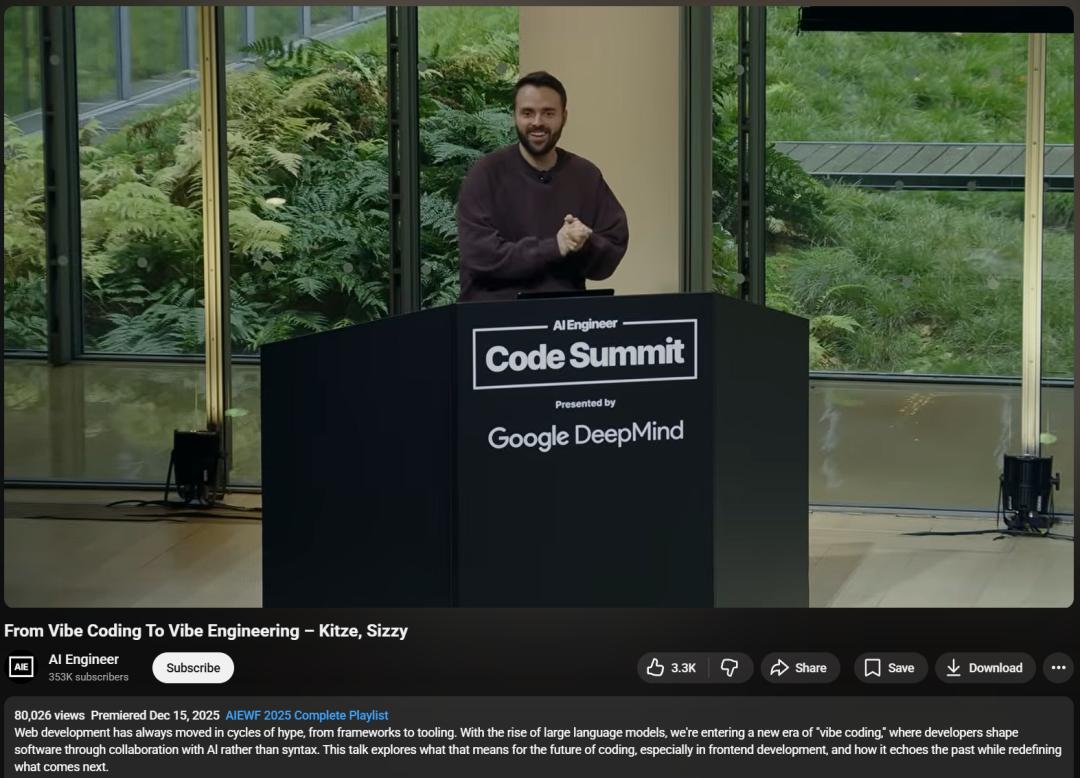
The latest speech by Kitze, the founder of Sizzy
Are You Programming or Drawing Cards?
In the current technology circle, the term "Vibe Coding" has been over - hyped.
Since Andre Karpathy proposed this concept, everyone seems to be fantasizing about a programming utopia where you "just make a wish and don't ask about the process".
But the reality is cruel:
If you find that the current AI programming experience is full of randomness and frustration, it's probably because you've turned writing code into a trip to the casino.
Let's peel off the gorgeous coat of Vibe Coding and see the actual operation process of most people:
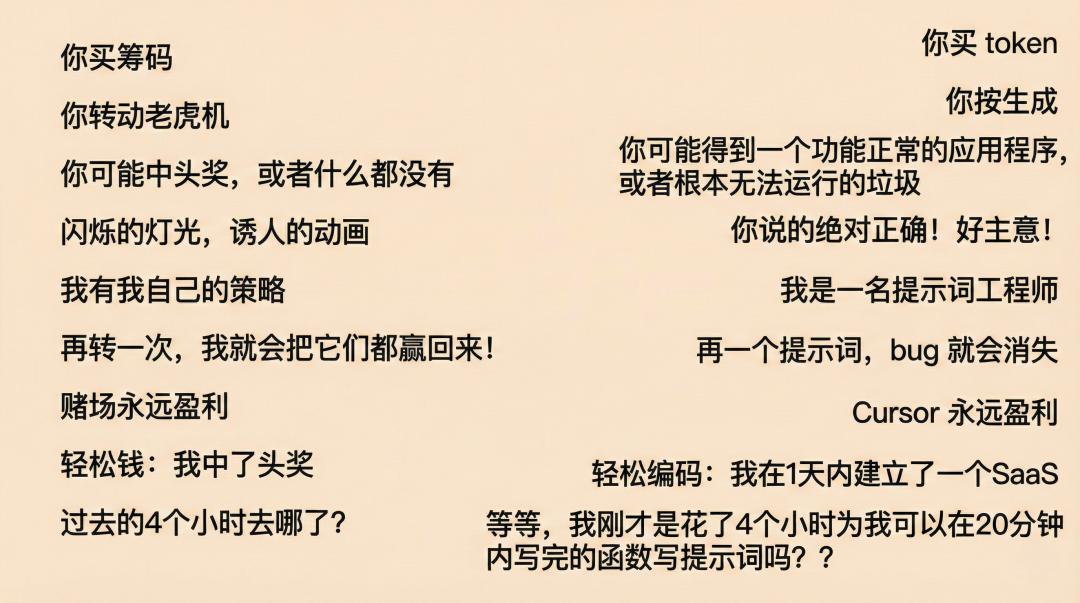
Exchange chips: Recharge Tokens
Pull the lever: Input instructions and click generate
Wait for the lottery: Pray that the code will run
In the next few seconds, your heart beats faster as you expect a perfectly running full - stack SaaS application to appear on the screen.
But most of the time, all you get is a bunch of flickering UI components, logical dead - ends that don't work, or a pile of meaningless junk code.
At this time, the typical "gambler's mentality" appears.
Instead of checking the code logic, you tell yourself: "I have a strategy. I'm a Prompt Engineer."
So you pull the lever again (Regenerate), praying to win back your principal in the next round.
As a result, the code that you could have written manually in 15 minutes ends up taking 4 hours in a "card - drawing game" with AI that has no chance of winning.
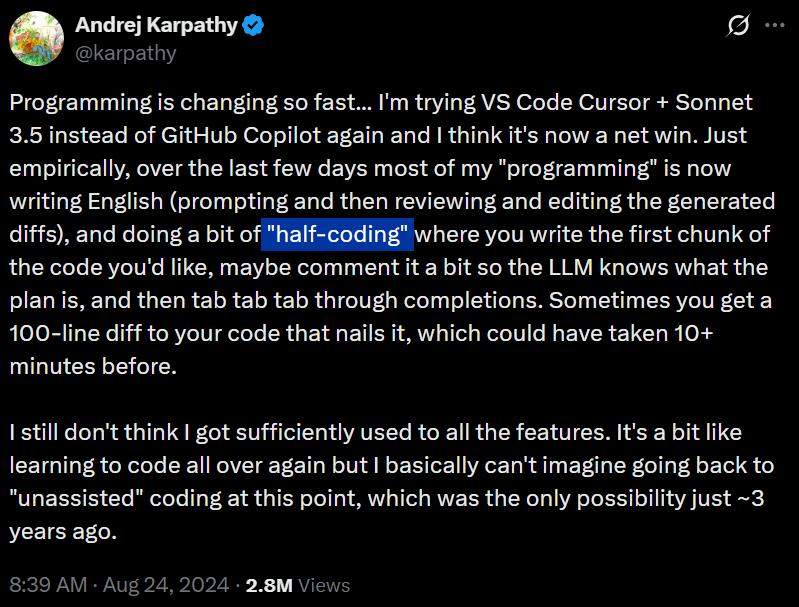
Even the "Half Coding" (watching AI write code) mentioned by Karpathy has changed its meaning for many people.
Instead of "supervising", they just stare blankly at the screen until an error occurs and then wake up from their daydream.
How to Become an Architect in the AI Era?
As Karpathy emphasized the word "engineering", the real masters are doing Vibe Engineering.
When you're in the driver's seat, you must stare at every line of code generated by AI as if you're watching a suspicious person with a criminal record.
Your subtext is always: "Well... I think your current way of writing is a bit suspicious. Why are you writing it like this? Are you just making it up?"
This kind of suspicion based on technical intuition is the key to harnessing AI.

To achieve this control, we need two weapons:
1. "Chatter" like a madman
When there's a problem with the UI generated by AI, don't just type "Fix this bug".
Instead, you should try a seemingly crazy but extremely effective technique: Brain Dumping.
You should turn on the microphone and "dump" all the context in your head at once, as if you're arguing with a colleague sitting next to you:
I see that you've modified this component, but the UI isn't working as expected. I'm testing it now. Look, when I click this button, it doesn't respond.
I think the logic here shouldn't rely on the state machine, but should directly get the value from the Context. And the part you just modified has overwritten the original style. This won't work...
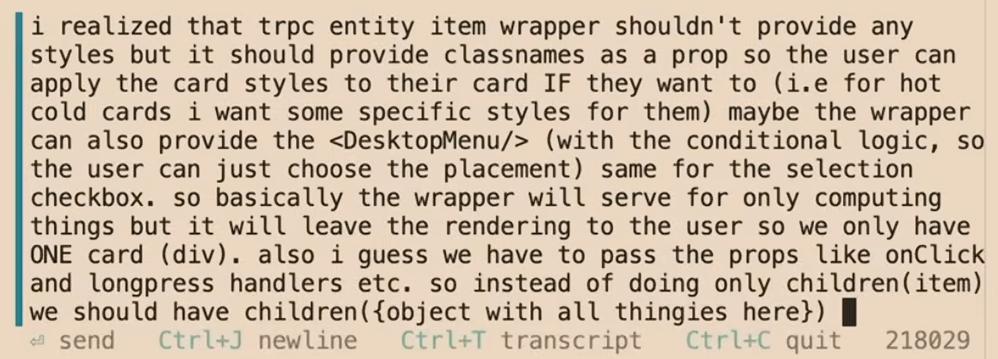
This kind of voice input that lasts for several minutes can transmit the rich context that includes human intuition, logical reasoning, and causal relationships to AI completely.
What AI gets is no longer a dry "instruction", but a vivid "human intention".
This is why those who only type "Make it work" in the dialog box never get good results, while those who know how to "chat" can get amazing accuracy.
2. "Speak Jargon" like an Architect
In addition to the communication method, Vibe Architecting is also the dividing line between novices and experts.
This is directly reflected in the prompts you use.
A: Make me a million - dollar app. Don't make mistakes. It has to be perfect.
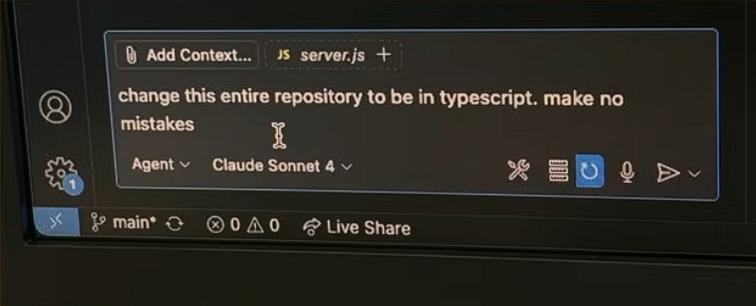
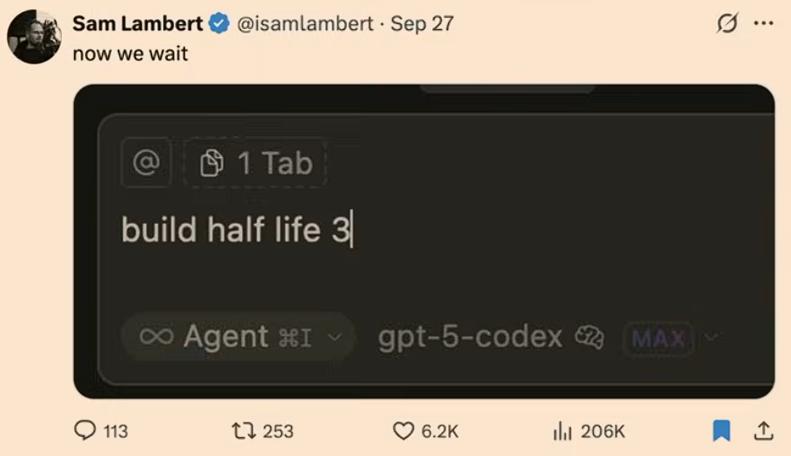
B: Use TRPC for front - end and back - end data transmission. The definition of CRUD should follow this specific abstract pattern; Integrate NextAuth in the Auth part. Don't reinvent the wheel; Abstract this logic into a custom Hook to keep the components pure.
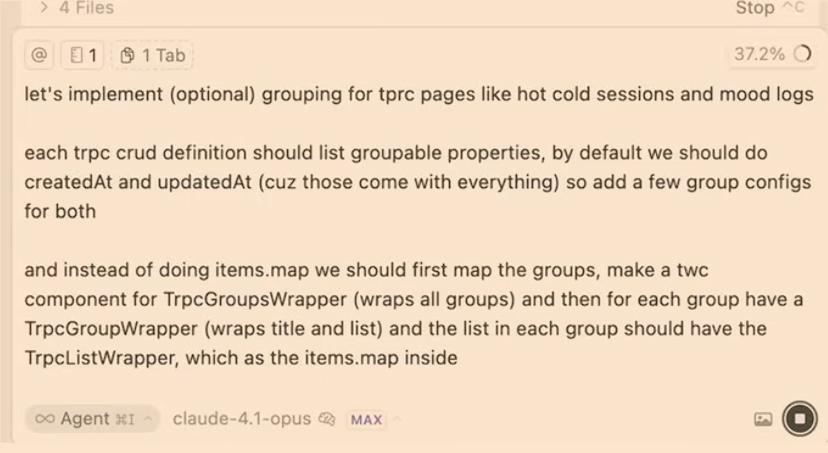
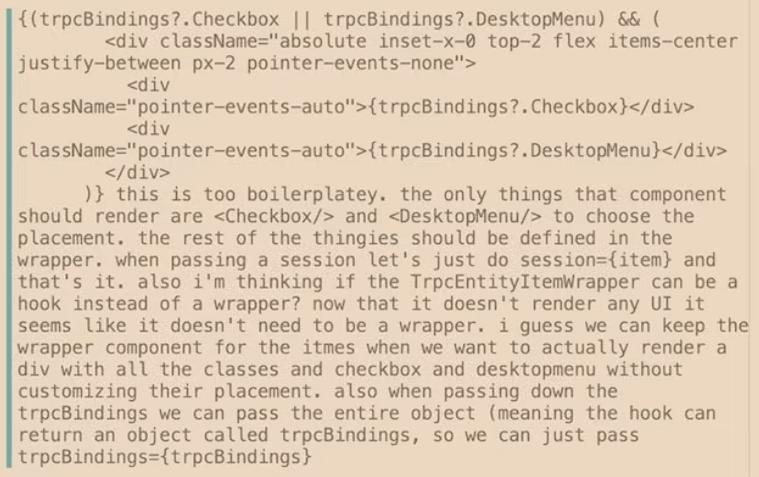
See the difference?
The former is asking for a "result", while the latter is designing an "architecture".
You must preview the code structure in your mind and then tell AI "how to do it" like a commander, instead of crying like a baby and asking for "what you want".