In the world of technology, the forgotten Bangalore
Around the year 2000, a name frequently appeared in many science and technology parks and policy documents in China - Bangalore.
This city, located in southern India and almost at the same latitude as Beijing, is known as the Silicon Valley of India. The outsourcing centers of Microsoft, IBM, and Deloitte are scattered there. Hundreds of thousands of Indian programmers write codes, test systems, and provide customer support for global enterprises.

Bangalore has become a symbol: it can rise without relying on resources or capital, but only on outsourcing.
In China, the slogan of "learning from Bangalore" was once repeatedly mentioned by technology officials and entrepreneurs.
Many local government plans even clearly stated that "they want to build a Chinese Bangalore."
However, more than two decades have passed. Bangalore remains the heart of India's IT industry, while China hardly mentions "learning from Bangalore" anymore. When AI, large models, and cloud computing have become the new keywords, the city that was once regarded as an example seems to have been completely forgotten.
Why is the halo of Bangalore no longer pursued? What path has China's IT industry taken?
01 The Once - Popular Craze of Learning from Bangalore
In the 1990s, Bangalore was a global model of the outsourcing economy. Giants such as Infosys, Wipro, and TCS emerged, contracting software customization projects from large European and American companies.
At that time, China had just joined the WTO and was on the verge of informatization. Everything was in the upsurge of integrating with the world.
In this context, a craze of "learning from Bangalore" quickly spread.
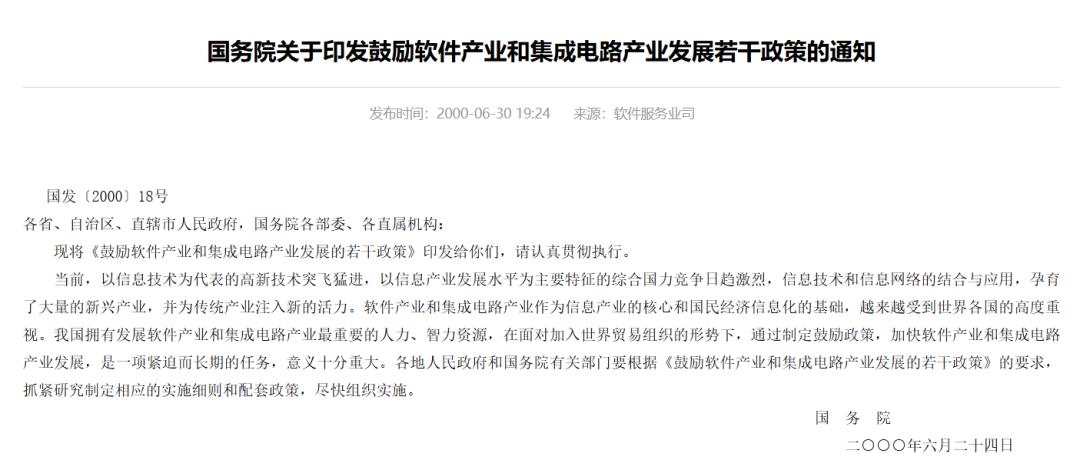
In 2000, the State Council issued the guiding "Several Policies for Encouraging the Development of the Software Industry and the Integrated Circuit Industry" (commonly known as "Document No. 18"), clearly elevating the encouragement of software exports and undertaking international projects to a national strategy.
In 2005, People's Daily published reports such as "What's the Secret of the Rise of India's Software Industry?", analyzing the experience of India's software industry. Meanwhile, professional publications such as Computer World also focused on the Indian model, in - depth discussing the CMM certification, software factory, and talent training mechanism of enterprises such as Infosys and TCS, providing specific learning references for the domestic industry.
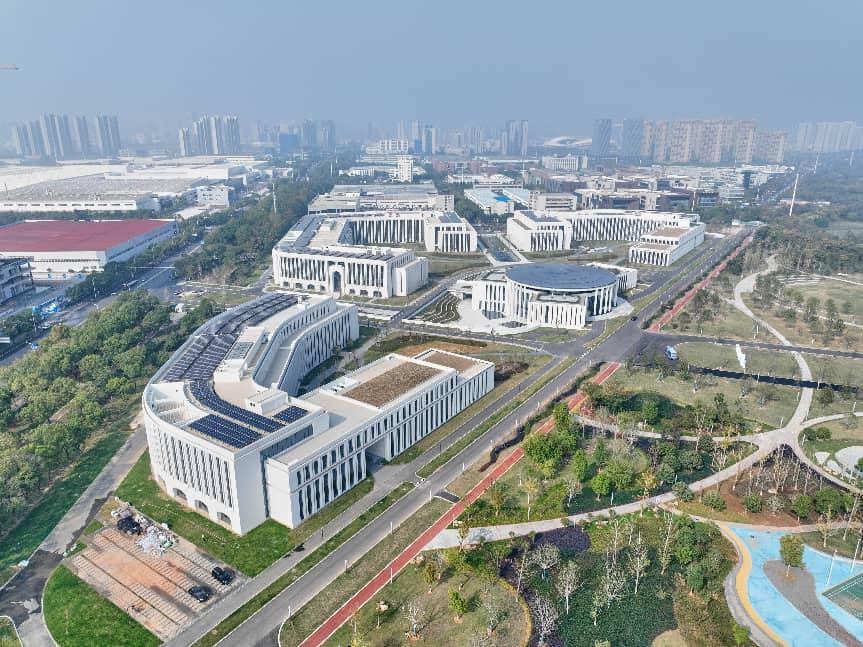
Driven by this trend, local governments across the country built software parks one after another, attempting to replicate the cluster effect of Bangalore: Dalian was positioned as a "software outsourcing base for Japan"; Shanghai Pudong Software Park, Shenzhen Software Park, etc. also vigorously attracted outsourcing enterprises to settle in. For a time, software parks became a new business card for urban modernization.
In this craze, enterprises such as Dalian Huaxin and Neusoft were the first to take the plunge. Huaxin focused on software outsourcing to Japan, starting from detailed specifications and gradually moving into coding and testing. Neusoft proposed the concept of a "software factory", trying to undertake projects from Europe and the United States through standardization and scale - up.
At that time, outsourcing seemed to be a safe path for technology commercialization: there was no need to take the risk of product failure, no need to spend a lot of money on the market. As long as one understood technology and English, they could get orders.
Therefore, in the new millennium in China, cities and enterprises competed to imitate, as if by replicating Bangalore, they could get an entry ticket to the information age.
However, people ignored a key fact: the success of Bangalore was not only due to cheap labor, but also because of the education system, English - speaking environment, and global trust chain accumulated over decades.
And these were not yet mature in China at that time.
Only a handful of Chinese companies could really get outsourcing orders, and multinational enterprises still preferred to outsource to India. Even if there were orders, most of them remained at the low - end coding and testing stages and could not promote industrial upgrading.
When the gap between ideal and reality emerged, the IT industry began to reflect: Can a country based on manufacturing and market scale really learn the outsourcing myth of Bangalore?
02 The Hidden Costs of the Outsourcing Myth
The charm of the outsourcing model lies in its speed, but its fate is doomed to be short.
In the craze of learning from Bangalore in the new millennium, China was also attracted by this speed. Urban policies were oriented towards outsourcing, software parks aimed at exports, and talent training used international standards as a selling point. In just a few years, outsourcing seemed to be a shortcut to the information age.
It enabled a city to catch the globalization train in a short time: developed countries outsourced low - value - added and repetitive coding work, while developing countries used thousands of engineers to complete projects at a lower cost.
But soon, China felt the cost of this hidden OEM model.
After the 2008 financial crisis broke out, global outsourcing orders plummeted, and many coastal software parks fell into silence. Enterprises that relied on project flow to operate suddenly lost their survival foundation. The prosperity of outsourcing seemed fragile and powerless in the face of international market fluctuations.
To understand why the outsourcing model is so fragile, we need to analyze its essence.

First of all, the outward - oriented nature of the OEM model determines its fragility.
Software outsourcing may seem high - tech, but in fact, it is another form of OEM in the digital age. Engineers perform standardized and replaceable tasks with low technical content and little innovation space. Enterprises earn hourly wages rather than intellectual property rights. It depends on the flow of global capital. Once the international economy contracts, the local industry loses its support. The collective shortage of resources of Chinese software parks during the crisis shows that this kind of prosperity cannot form a stable endogenous driving force.
Moreover, the industrial foundation, institutional, and cultural environments in China and India are different, so it is impossible to completely replicate the successful model of Bangalore.
The success of India's outsourcing relies on the English - speaking system, the Anglo - American education tradition, and the long - accumulated global trust network. China's IT ecosystem is rooted in manufacturing and the domestic market and lacks the matching conditions in language, law, and business culture. It is easy to imitate the surface processes, but very difficult to replicate the underlying institutional and cultural foundation.
After entering the 21st century, the technology iteration cycle is extremely fast, and the world has entered the Internet era.

The standardized and process - oriented thinking of the software factory, which the outsourcing model is good at, seems cumbersome and lagging when facing the Internet game rules that emphasize speed and encourage disruptive innovation. The change of the technology cycle has squeezed the living space of traditional outsourcing from two aspects: on the one hand, there is a fierce price war in the low - end market; on the other hand, it is replaced and surpassed by the more dynamic Internet model.
IT enterprises have realized that fundamentally, software outsourcing is an outward - oriented prosperity rather than an endogenous growth. It can make a city rich, but it cannot support a country's technological future.
At this time, it is no longer a wise choice to adhere to the OEM thinking of Bangalore.
After the defects of the Bangalore model emerged, China's IT industry fell into another kind of anxiety:
How should it position itself in the wave of globalization?
03 After the Craze Fades, the Self - Awakening of China's IT Industry
After 2008, the story of China's Internet began to dominate the narrative.
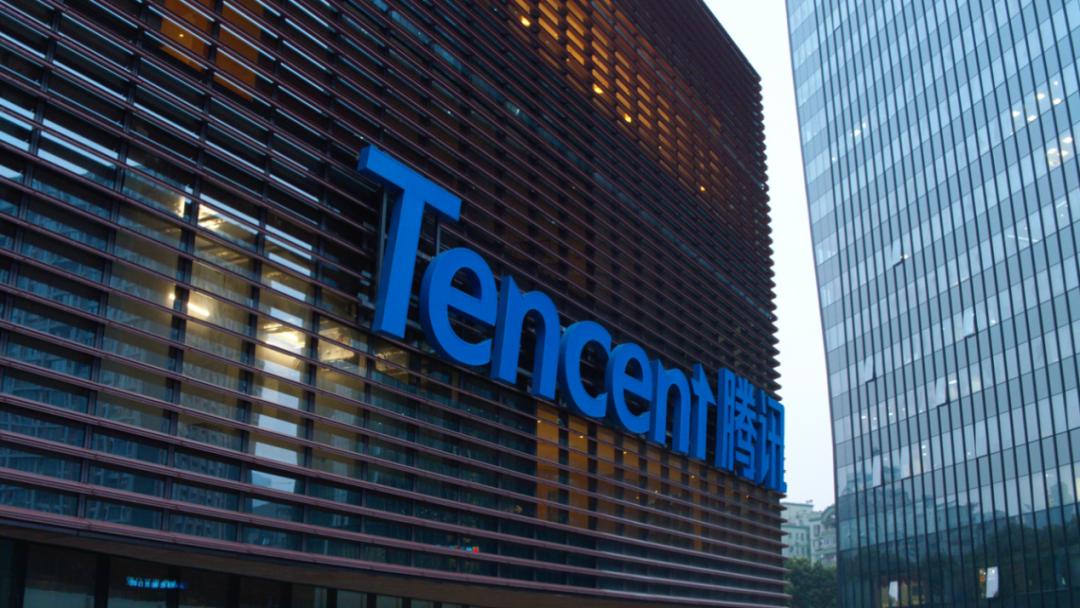
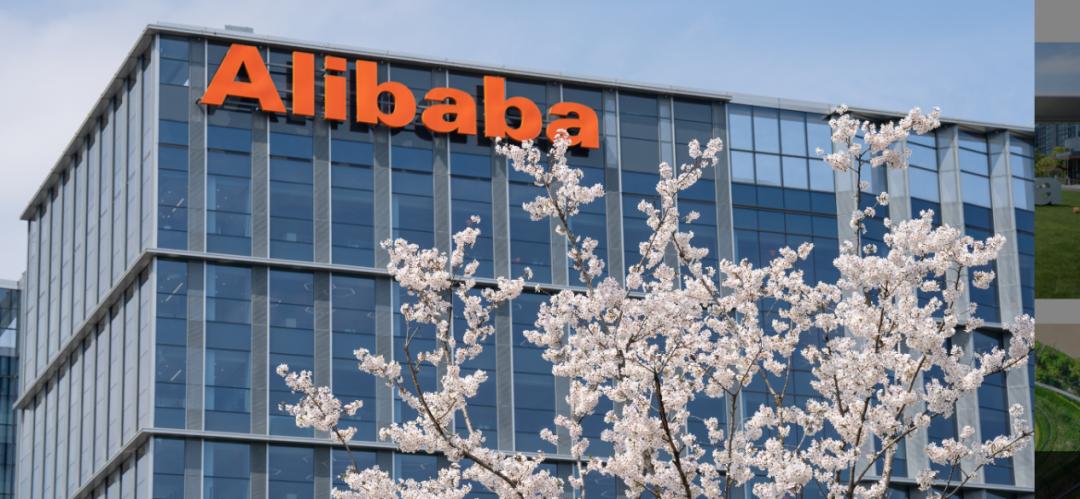
Alibaba completed the prototype of its B2B business model, Tencent's QQ users exceeded 100 million, and Baidu was listed on the NASDAQ.
The software outsourcing base in Dalian is still operating, but it is no longer the center of China's technology narrative. The once - popular "Indian model", "CMM certification", and "software factory" have gradually faded from view, and people have started to discuss new technological concepts such as "BAT", "unicorns", and "mobile Internet".
History took a turn here. China did not become the next Bangalore but created another path: from outsourcing to an ecosystem, from imitation to self - building.
This transformation is both the inevitable result of market logic and the choice of national strategy.
Different from India, which is highly dependent on overseas orders, China at that time had a huge and rapidly digitizing domestic demand market. The Bangalore model relies on outward - oriented orders and cheap labor, while Internet companies directly target consumers and create new business scenarios. China has the world's largest Internet user group, and the meager profits from outsourcing cannot be compared with the potential of the domestic market. Internet companies have found that the real gold mine lies in local demand. The innovation here is not about writing codes for someone, but about redefining the way of life: payment, social networking, e - commerce, mobile services, short videos... There is no sign of Bangalore in these fields.
Deeper forces come from the dual promotion of technology and policy.
Technologically, the innovation of domestic enterprises has become the new keyword. At the forefront of the industry, Huawei has continuously made breakthroughs in the fields of communication and chips, Alibaba has combined e - commerce with cloud computing, and Tencent has built a social ecosystem and a digital financial system... A group of globally competitive technology companies have emerged rapidly, giving the entire Chinese IT industry a sense of industrial self - confidence from within: outsourcing is to serve others, while innovation is for self - growth.
Politically, the national strategy of technological self - reliance has gradually guided enterprises to shift from dependent growth to core innovation. Funds, talents, infrastructure, and industrial policies have been systematically integrated, providing solid support for the independent development of China's technology ecosystem. When the resources of the whole society are inclined to core technology research, the growth of the outsourcing model is naturally marginalized.
It can be said that the combination of market demand, technological accumulation, and policy guidance has enabled China's IT industry to take a path very different from that of Bangalore: a path of independent innovation that is based on the local market and has global influence.

When Bangalore is mentioned today, it is still an indispensable part of the software supply chain, but it is no longer the focus of global innovation. The outsourcing miracle that was once imitated and deified has long faded from the mainstream technology narrative.
Now, China has completed its own narrative of technological independence:
Beijing has scientific research, Shenzhen has manufacturing, and Hangzhou has algorithms.
Perhaps this forgotten craze of learning from Bangalore is the real starting point of the awakening of China's technology industry.
This article is from the WeChat public account "Brain Pole Body" (ID: unity007), author: Shan Hu Shan Hu. Republished by 36Kr with permission.