The precious metals that have made me suffer huge losses, are they still going to take advantage of me when I'm buying a car?
Brother Neck really didn't expect that even gold, which is used for risk avoidance, could be affected.
Last Friday, the sudden change of stance by the Federal Reserve Chairman caused a magnitude-10 earthquake in the global futures market. A wave of short-selling bombs hit, and the price of gold directly dropped below $5,000, while silver also tumbled by 30%.
I just want to ask the brothers who bought gold and silver, isn't it exciting?
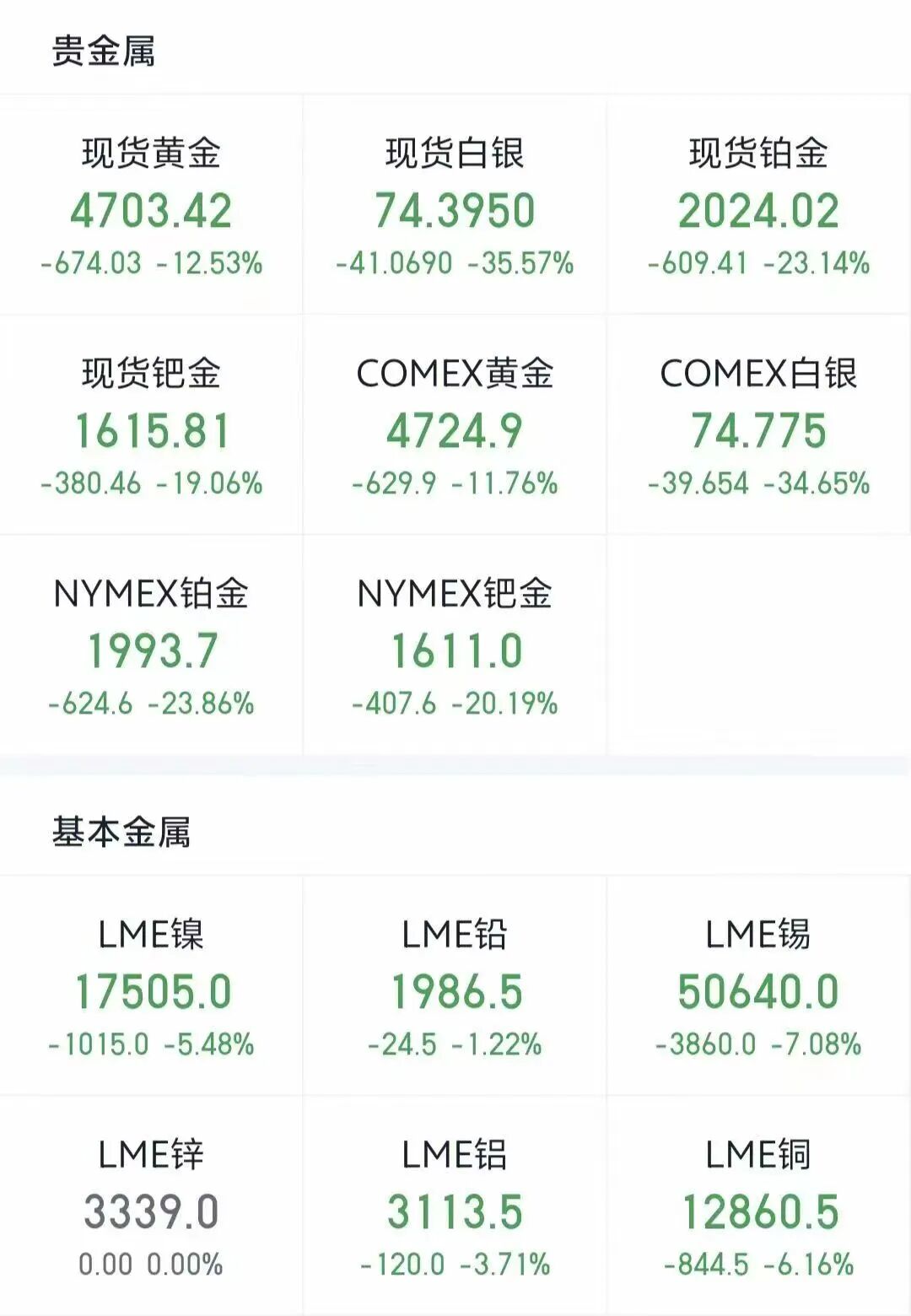
Anyway, if Brother Neck could have predicted this trend, he wouldn't be chatting with you guys here...
But what everyone might not have expected is that this sharp decline might also affect the price of cars. Because mineral resources such as copper, aluminum, and lithium, which are closely related to the automotive industry, have also experienced flash crashes.
You know, these resources have performed no worse than gold in the past.
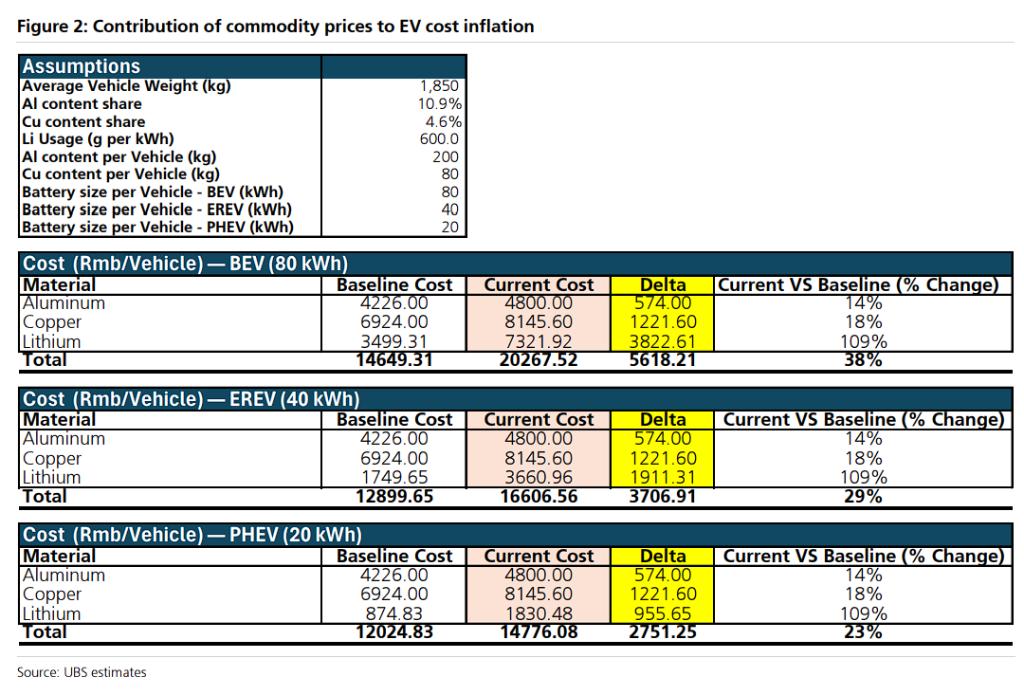
For example, last Monday, UBS released a report saying that within the past three months, lithium has risen by 115.4%, copper by 19.9%, and aluminum by 14.5%, which will lead to an increase of 4,000 to 7,000 RMB in the production cost of a mid-sized electric vehicle.
In the current market environment where thin profit and high turnover are the norm, it basically eats up all the profits of car manufacturers.

Although UBS didn't expect the sharp decline on Friday when it released the report, the significant increase in the past three months has not been fully digested by the consecutive declines in recent days.
So, this data still has great reference value. Brother Neck will take you to study it carefully.
According to the report, to produce a mid-sized electric vehicle, it takes approximately 200 kilograms of aluminum and 80 kilograms of copper. Calculated from the price difference in the past three months, the cost of aluminum has increased by about 600 RMB, and that of copper by 1,200 RMB, totaling 1,800 RMB.
But the more exaggerated one is lithium. Calculated based on the fact that each 1 kWh battery requires 600 grams of lithium carbonate, the cost of an 80 kWh pure-electric vehicle has increased by 3,800 RMB, that of a 40 kWh extended-range vehicle by 1,900 RMB, and that of a 20 kWh plug-in hybrid vehicle by 1,000 RMB.
Just the metal part alone may increase the car manufacturing cost by 2,800 - 5,600 RMB .
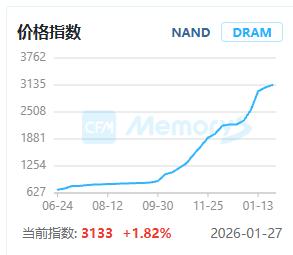
And it doesn't end there. What gives car manufacturers a headache is also the memory chips. Take the DRAM chips commonly used in electric vehicle infotainment systems. They have also skyrocketed in the past three months, rising from 700 RMB to 2,000 RMB, suddenly increasing the cost by 1,300 RMB.
In total, this may increase the cost of an electric vehicle by about 7,000 RMB.
Think about the past. Product managers might have argued with R & D for a long time over a 200 RMB electric door handle. Now, the cost has suddenly increased by 7,000 RMB. It's really a disaster.
So, even though the prices have dropped a lot now, many people may still think that car prices may rise under this influence, and those who want to buy a car should hurry up.
But things are not that simple.
For the logic of price increase to work, at least two conditions need to be met. One is that the raw material prices continue to rise, putting great pressure on car manufacturers. The other is that car manufacturers are qualified to pass on the cost to users instead of bearing it themselves.
First of all, have the raw material prices really risen? It depends on what time you are comparing with, right?
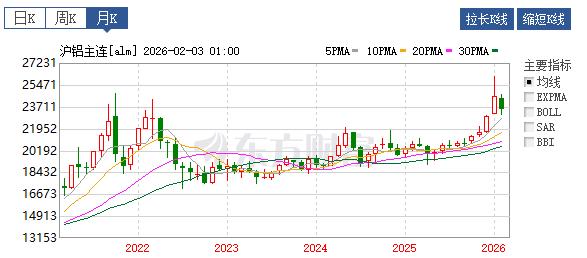
If we look beyond these three months and take a longer view, you will find that these raw material prices have indeed been rising all the time, and the consecutive declines in recent days can't even break through the defense.
Take lithium carbonate for example. Its price has soared since the middle of last year, from a minimum of 60,000 RMB per ton to the current 130,000 RMB per ton. Even after a two - or three - day plunge, it has still more than doubled.
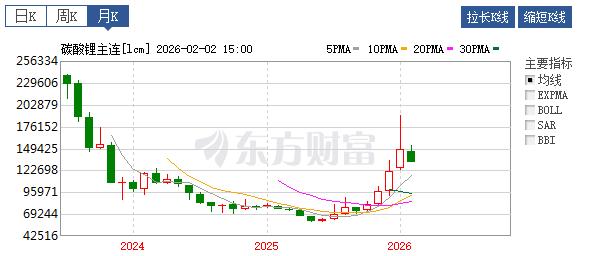
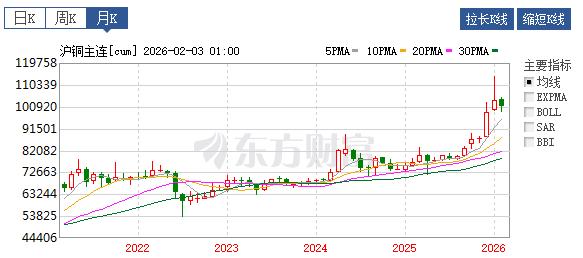
In addition, the prices of copper and aluminum have also increased significantly. In the long run, this trend has lasted for several years. It's definitely unlikely that the recent sharp decline can reverse the long - term trend.
As for the situation of memory chips, I won't go into details...
In short, there is no sign that these raw material prices will fall back to the levels of a few years ago.
Moreover, have you noticed that their recent trends are surprisingly consistent? This is definitely not a coincidence. Yes, the reason why these raw materials have all increased in price is the same, that is, the large - scale infrastructure construction of AI data centers.
Not long ago, Reuters reported that the construction of data centers in China and around the world has strongly promoted the growth of demand in the energy storage field. After a 71% increase in the demand for lithium carbonate in 2025, it is expected to increase by another 55% in 2026.

UBS also believes that energy storage will be the second growth curve for lithium carbonate. In the future, the proportion of lithium batteries used in energy storage will exceed that in electric vehicles. It is estimated that 55% of the demand will come from energy storage, while the proportion for electric vehicles will drop to 19%, indicating that there are sufficient conditions for the price of lithium carbonate to rise.
So, regarding the recent sharp decline, it says don't be afraid. It's just a technical adjustment.

The same goes for copper and aluminum. The high - density power distribution systems of computing devices require a large amount of copper, and aluminum is used as a substitute when copper is too expensive.
The International Copper Study Group (ICSG) once predicted that there will be a shortage of 150,000 tons of refined copper ore globally in 2026. Coupled with the complex international relations, it's not surprising that the price of copper has risen.
As for the memory chips, it is also because of the construction of AI servers that there is a structural shortage. If you want to replace your memory chips, don't wait for now.
In short, the price increase of these raw materials is due to the global expansion of data centers seizing existing resources. Although the current hype enthusiasm may have exceeded their original value, their prices will probably remain high for a long time.

Okay, now that the condition of continuous cost increase is met, let's look at the next question. Do car manufacturers have the guts to pass on this cost to consumers?
It's really hard to say.
Because product pricing doesn't depend entirely on cost but more on demand. As long as you can sell your products, you can set the price as high as you want. For example, Xiaomi and Wenjie have very loyal fan bases, so they can have a high premium, and their gross profit margin per vehicle is close to 30%. But if you can't sell your products, you have to bear the high cost yourself.
Brother Neck interviewed a marketing staffer, Little M, from a leading new - energy vehicle brand. He said that the raw material price increase has not only occurred recently but has been a problem for the past year. However, so far, car manufacturers have not proposed a price increase.
In addition, regarding the question of whether car prices will rise in the future, although he doesn't have the decision - making power, he firmly believes that they won't.
Because the entire automotive industry is still in a price - war environment. Whoever raises the price first will be the one to be eliminated.
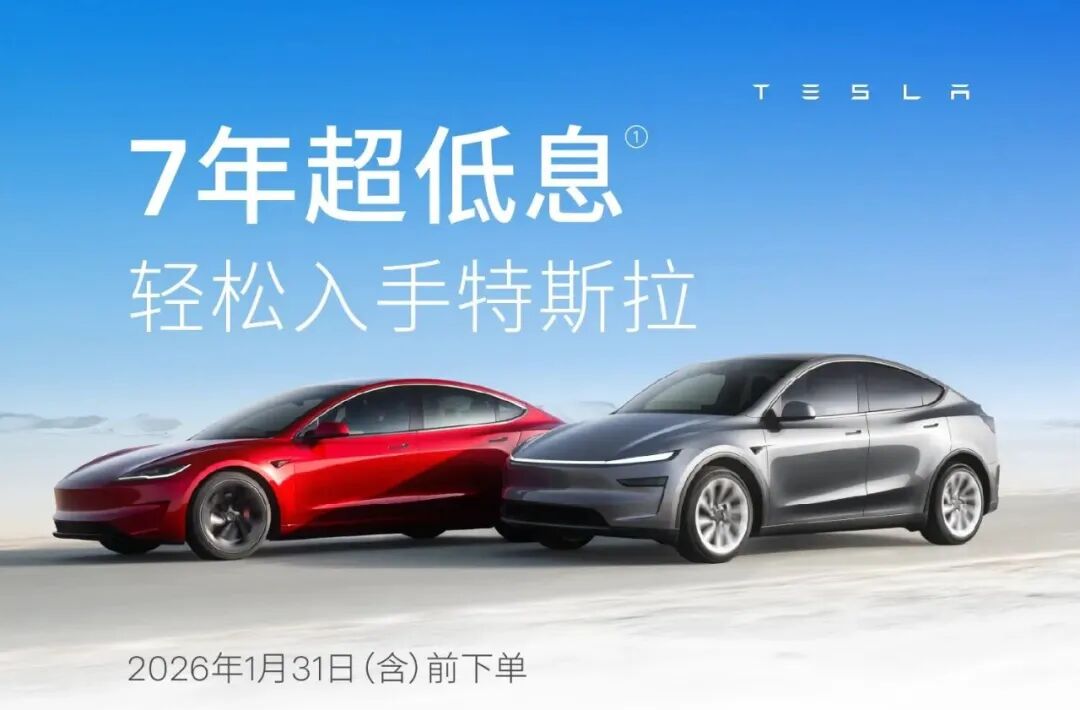
Recently, car manufacturers have even been coming up with various ways to offer discounts. For example, many brands are now offering 7 - year low - interest loans, which is just a financial trick to attract more potential customers to buy cars.
So, what if selling cars results in losses? Most likely, car manufacturers will take some small actions. For example, they may launch new models with additional features and higher prices, or secretly reduce the configuration when making model changes. Generally, they don't dare to raise the price openly.
But more likely, car manufacturers or suppliers will bear this part of the cost. Whoever has no say in the value chain will bear the cost.
For example, they may make their employees suffer a bit more. Not to mention a certain car manufacturer that only gives instant noodles as year - end bonuses. Little M complained that his company doesn't even have a decent year - end gift...

Then another question arises. Will car manufacturers get out of the price war in the future? I think it's still very difficult. The reason is that the production capacity of domestic car factories has seriously exceeded the demand. Without changing this background, it's unlikely that car prices will rise.
Generally speaking, a capacity utilization rate of over 80% in an industry is considered healthy, but the actual long - term capacity utilization rate of the domestic automotive industry is lower than 75%.
For example, in 2025, the production capacity potential of domestic cars was close to 48 million vehicles. But even including exports, the annual sales volume was only 34.4 million vehicles . The capacity utilization rate was only 73.2%. You can imagine how competitive the market is.

A big reason for this is that there are too many brands. The competition between joint - venture brands and domestic brands has not been settled yet. Now, in the new - energy era, there are also a lot of new - energy vehicle brands, making the domestic market even more competitive.