Is it true that the iPhone might face production difficulties next year just because Japan refuses to produce one more piece of cloth?
Will you possibly be unable to buy an iPhone next year?
This is not an alarmist statement. Just a couple of days ago, the media broke a bombshell, revealing that tech giants like Apple, Qualcomm, and NVIDIA are collectively caught in a panic - they're worried about running out of fabric.
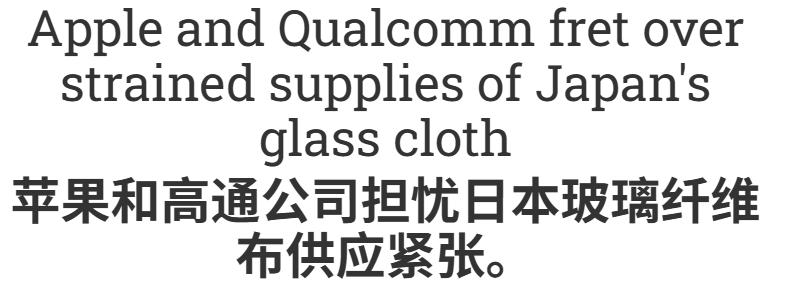
How desperate are they?
Last autumn, Apple sent a special envoy directly to Japan and stationed at Mitsubishi Gas Chemical Company, asking them to stabilize the production of BT resin substrates.
For Mitsubishi Gas Chemical Company to stably produce BT resin substrates, one major prerequisite is an adequate supply of a material called fiberglass cloth.
That's not all. There are even reports that Apple once directly approached Japanese government officials, hoping they could coordinate with suppliers to increase fiberglass production to ensure the smooth progress of its products in 2026.

On the other hand, NVIDIA and AMD are also busy. They've also sent people in a hurry to Japan to urge orders.
What exactly is this fabric that makes trillion - dollar giants so humble? And why is it so scarce?
Ultimately, fiberglass is a very common yet essential key material in modern electronic devices.
What the big manufacturers are eager for is actually high - end glass fiber cloth (Glass Cloth), which is mainly used in the core support structure of high - performance printed circuit boards (PCBs) and advanced chip packaging substrates.
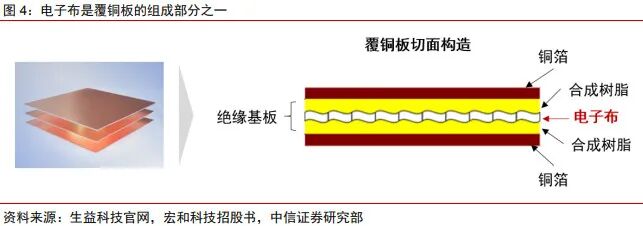
In a PCB, fiberglass is used in two aspects, the inside and the outside.
On the inside, which is the core board part, the factory will soak multiple layers of fiberglass cloth in resin (such as epoxy resin), let it harden, and then attach copper foil on both sides. This forms the most basic thickness and hardness of the PCB.
On the outside, the PCB is formed by pressing together core boards covered with different circuits. Between different layers, fiberglass is needed for separation.
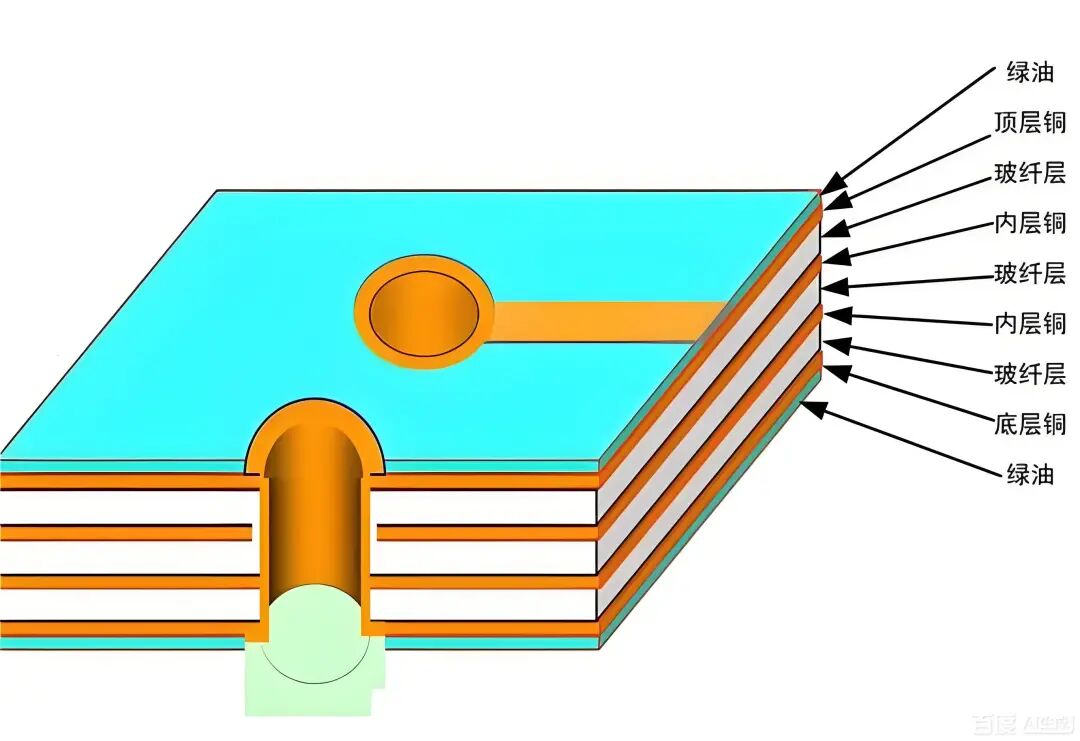
If you think of it as a multi - layer cake, the fiberglass cloth is like the cream in the middle.
In a chip, fiberglass is used inside to help the chip resist thermal expansion and contraction and prevent the chip from warping.
However, in AI servers, 5G communications, and high - speed switches, the previous ordinary electronic cloth is no longer sufficient.
Now, the giants are all vying for two high - end products. The first is Low - dK (low dielectric constant) fiberglass cloth, and the other is Low - CTE (low coefficient of thermal expansion) fiberglass cloth.
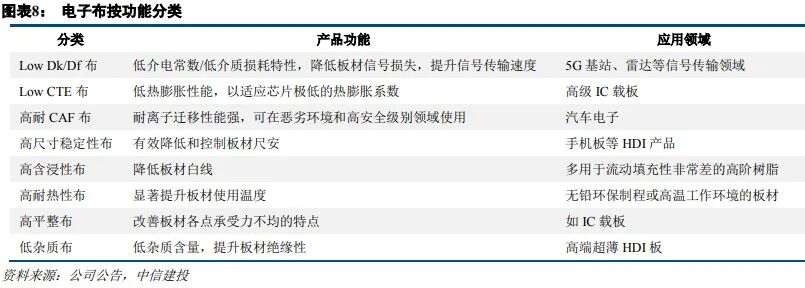
Because in fields such as AI and 5G, the data transmission speed is extremely fast. If ordinary fiberglass cloth is still used, the signal on it is like a car running on muddy ground, slow and fuel - consuming.
Therefore, the fiber cloth must further reduce its own signal resistance to ensure signal transmission efficiency and reduce losses.
On the other hand, everyone must have heard about chip heat dissipation every day. For a frequently used mobile phone or computer, it's common for the internal chip to reach the temperature of boiling water, not to mention AI chips.
Besides overheating, there's also a very tricky problem, which is the thermal expansion and contraction of the medium.
If ordinary fiber cloth is still used at such high temperatures, the too high coefficient of thermal expansion will cause the solder joints between the substrate and the chip to break or the substrate to bend.
Low - CTE cloth (such as T - glass) not only has high hardness but also shows very little thermal expansion and contraction. It can firmly hold the overheated substrate and prevent it from bending and deforming due to heat, making it the favorite of big manufacturers.
So, it seems that the demand for high - end fiberglass is extremely large.
What's even more headache - inducing is that almost only Nitto Boseki Co., Ltd. in Japan can stably produce this high - end fabric.
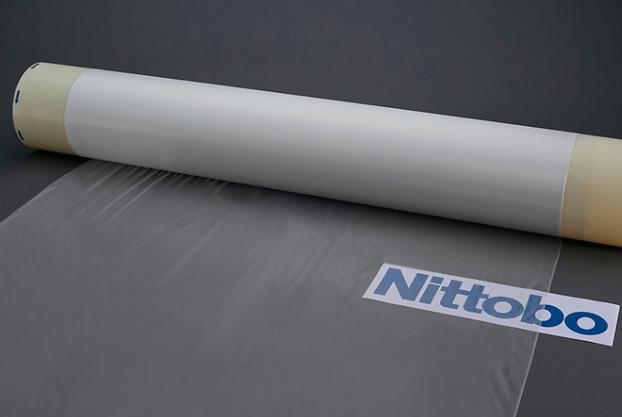
This company holds the golden formula for NE - glass and T - glass and, together with two other Japanese companies (Asahi Kasei and Asahi Glass), monopolizes nearly 70% of the global high - end market.
Don't think that fiberglass cloth just sounds like a plastic cloth. In fact, the technical barriers are quite high.
Developing a qualified electronic glass formula may require tens of thousands of experimental trials and errors.
Take NE - glass for example. Nitto Boseki started researching it in the 1990s and it took more than 30 years to achieve results.
Moreover, the production cost of fiberglass cloth is extremely high.
Building an electronic yarn kiln requires an investment of over 500 million to 1.5 billion yuan, and the production expansion cycle often takes more than 2 years. Both technological catch - up and capital investment need to be followed up in the long term.
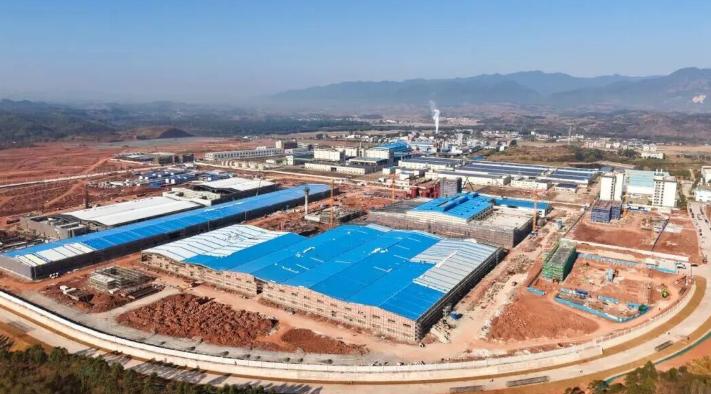
So now, whether you're an Android user or an Apple user, whether you're an AMD fan or a NVIDIA fan, you have to rely on Nitto Boseki's supply.
Originally, these years people have been saying that the frequency of changing mobile phones is low and the personal computer market is cooling down, and Nitto Boseki's supply was more than enough.
But then, as we all know, the AI big manufacturers, which are spending money extravagantly, are basically forcing money into Nitto Boseki's pockets, trying to take away a large amount of production capacity.

Since the market is so hot, why isn't Nitto Boseki willing to increase production at full steam?
Actually, they're a bit paranoid.
Back around 2022, Nitto Boseki actively expanded production once, but what followed was a cold winter in the PC and mobile phone markets, and they suffered a great loss.
So, even though the outside world is shouting loudly this time, Nitto Boseki repeatedly states that it wants to proceed steadily, ensure quality, not pursue quantity, and even thinks it doesn't matter if it loses some market share.

This "laissez - faire" attitude has worried Apple greatly.
To avoid being restricted, Apple has started to turn its attention to China.
According to reports, Apple has quietly sent people to inspect a Chinese fiberglass factory called Honghe Electronic Materials. They claimed to have conquered the 9 - micron ultra - fine fiber cloth in 2021 and then mastered the Low - CTE technology. So Apple has asked its Japanese partner MGC to help supervise the quality improvement of this Chinese factory, trying to cultivate a backup supplier.
On the other hand, domestic companies such as Taishan Fiberglass and Taiwan Glass in Taiwan Province have already broken through the research and development of Low CTE fiberglass and have planned to invest 1.428 billion yuan to build a project with an annual output of 35 million meters of special fiberglass cloth. After reaching full production, it is expected to produce 35 million meters of high - performance fiberglass cloth annually.
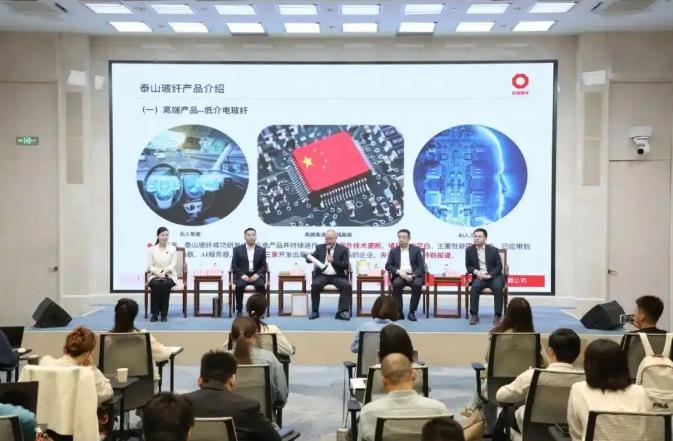
There's also Feilihua, which is even more remarkable. They directly bypassed the existing routes and developed M9 - grade quartz fiber cloth (Q - glass). As far as we know, this is a more advanced material than ordinary fiberglass cloth, specially prepared for NVIDIA's next - generation Rubin architecture and has now passed NVIDIA's official certification.
However, for mobile phone and graphics card manufacturers, trying new things and taking risks may not be the top choice for now.
Whether it's the iPhone 17 or NVIDIA's graphics cards, they may still have to depend on Nitto Boseki's attitude and even face the risk of shortages and price increases.
But during the period when Japanese manufacturers are expanding production in a laid - back manner, Chinese manufacturers are accelerating from being backup suppliers to becoming main suppliers.
After all, even Apple has started to support Chinese factories in person. The monopoly myth of this fabric may not last long.
Source of pictures and materials:
Some pictures are generated by AI
Nikkei: Apple and Qualcomm fret over strained supplies of Japan's glass cloth
iPCB: PCB production technology
OFweek: Low CTE cloth (low coefficient of thermal expansion fiberglass cloth) is suitable for high - end chip packaging. The localization process of the market in China is accelerating
Open - source Securities: "The supply of special fiberglass cloth is in short supply, and domestic manufacturers are accelerating penetration."
This article is from the WeChat public account "Chaping X.PIN", author: Bajie, editor: Jiangjiang & Mianxian. Republished by 36Kr with permission.