Industry-level technology is trickling down. Anker is doing something more "heavy".
In the past few years, the consumer electronics industry has entered a delicate phase.
New product releases remain frequent, and the specification sheets are still impressive. However, users' excitement thresholds have been continuously raised. Technical declarations of "faster," "stronger," and "bigger" can hardly serve as a sole reason for purchase anymore.
Users' focus has started to shift from individual extreme indicators to whether the overall experience is stable and coherent. Especially in scenarios where multiple devices are used simultaneously under high load for an extended period, the differences between products are no longer limited to the specification sheets but are magnified during actual use.
Chargers are a most representative type of product in this change.
As shared infrastructure for multiple devices, chargers often need to meet various usage requirements simultaneously. Their system capabilities are more perceptible than single - point performance.
In an office environment, when a meeting is about to start, multiple devices are almost connected to the power source at the same time, and the load accumulates rapidly in a short period. During travel, devices need to be recharged within a limited time after a long - term operation. Or, during continuous work, when the charging connection is maintained for a long time, whether the system can adjust the output actively according to changes in temperature and load - these seemingly ordinary usage scenarios continuously test the charger's performance in terms of stability and coordination ability.
In other words, modern chargers are no longer just "power - replenishing tools" but more like energy - scheduling nodes that can coordinate power distribution, temperature control, and safety control within a limited volume.
Against this backdrop, Anker launched the Anker Prime Smart Display Charger Pro 160W High - Power Charger, attempting to offer a new solution: introducing engineering standards originally used in servers and industrial equipment into consumer - grade product design. Through systematic stability design, it makes the experience in complex usage scenarios more controllable.
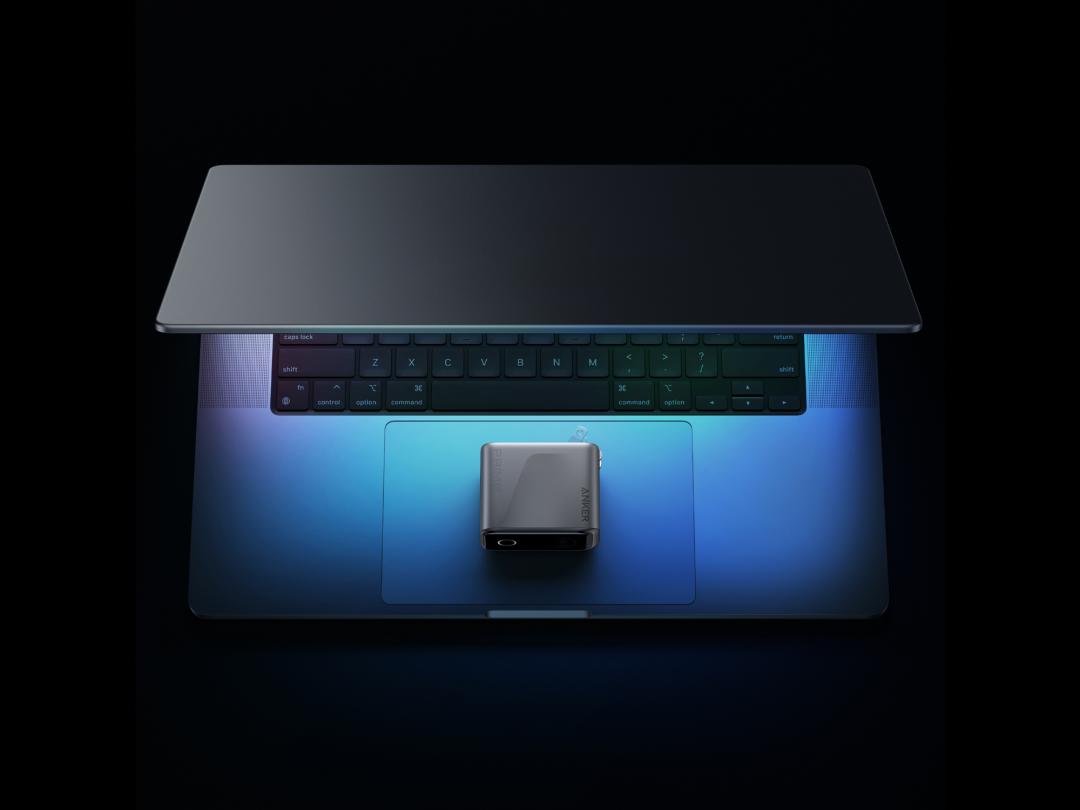
How to Continuously Support Extreme Performance?
Judging from the surface parameters, the Anker Prime Smart Display Charger Pro is a typical flagship - level product: high - power output, multi - port fast charging, and a compact design, which almost meet all the "explicit expectations" of current consumers for high - end chargers.
However, if we only understand it through parameters, it's easy to overlook its real core value. This is more likely to be captured in the feedback from real users.
Looking through the shopping page of the Anker Prime Smart Display Charger Pro, many users call it a "graduate - level charging head" or the "ceiling of chargers." The focus of their evaluations is not only on the power itself but on specific experience details: it can stably power high - power devices despite its unobtrusive size; when charging a laptop, it is faster than the original adapter without significant heat generation.
These seemingly scattered feelings actually point to a long - standing but rarely addressed fact - under high - load conditions, a continuous and stable user experience, which has always been a scarce commodity in the charger market.
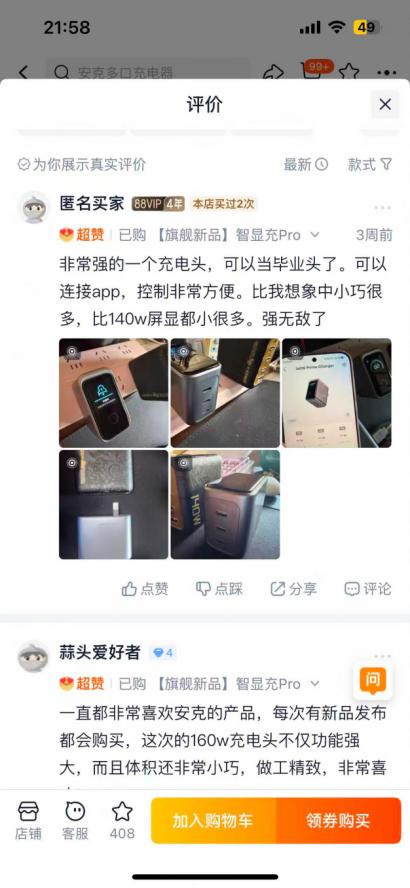
Why is the "seemingly natural" experience lacking for a long time? The reason is not complicated but quite realistic.
The current high - power charger market still highly relies on "parameter competition" to create product differentiation. Power, the number of interfaces, and size are indicators that are easier to understand, compare, and form selling points in a short period.
Under this logic, the design focus of many products naturally leans towards "short - term peak performance": presenting excellent data under ideal conditions without considering the stability of multiple devices running simultaneously for a long time as a system - level design premise.
Once "continuous full - power, low - temperature, safety, and compactness" are taken as prerequisites simultaneously, the problem quickly becomes a typical engineering "impossible triangle": continuous and stable full - power output, reliable temperature control, and a portable and compact size are often difficult to achieve simultaneously.
The mainstream solutions in the market usually have to make a trade - off between two of them. They either increase the size to gain more heat - dissipation space or reduce the power actively under high load to avoid risks. A typical example is the original laptop charger, which sacrifices size and portability significantly in exchange for stability during long - term high - power output through a larger case and more generous heat - dissipation space.
The difference of the Anker Prime Smart Display Charger Pro lies in its decision to confront this engineering challenge head - on.
Within a volume similar to that of an AirPods charging case, the Anker Prime Smart Display Charger Pro not only integrates a three - port circuit design with a total power of 160W but also becomes the world's first charger to pass the German Rhein TÜV certification for "140W continuous full - load output for 24 hours on a single port." In multi - port usage scenarios, power is not divided roughly but dynamically scheduled to the last watt. With the screen display and the APP, the operating status of the power system is fully presented - the power changes of each interface are perceptible and understandable.
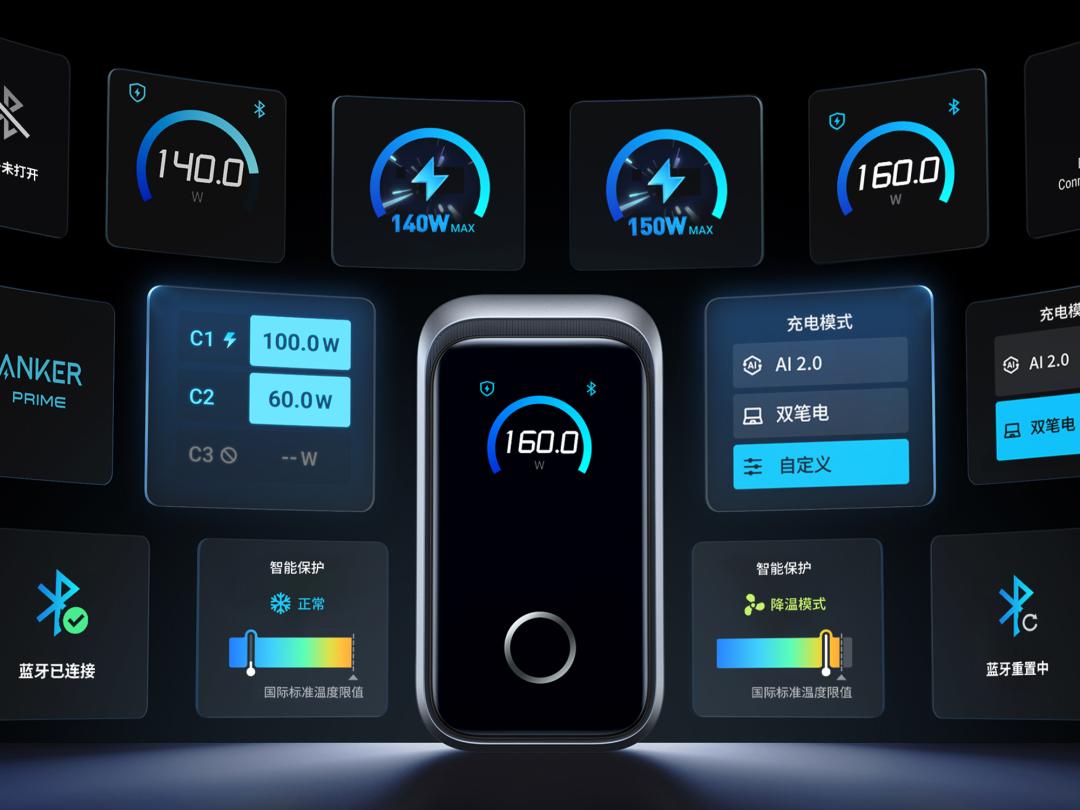
It is precisely in this regard that it differs fundamentally from products that rely on redundant volume or reduce power to gain safety margins. This naturally leads to a deeper question: Under the constraints of product volume and cost, how can the Anker Prime Smart Display Charger Pro stably support this "seemingly incompatible" extreme performance?
When Engineering Capabilities Take Center Stage
For a long time, the evolution logic of high - power chargers has been quite simple.
If the power is insufficient, increase it; if the size becomes larger, try to compress it; if the heat generation rises, rely on materials and heat - dissipation structures to address it. In the era when fast charging was just a "quick boost," this logic was always effective.
However, when the simultaneous use of multiple devices becomes the norm and high - power output is no longer an occasional event but a daily load for several hours, this design path centered on single - point parameters has started to become a source of risk.
The power can be increased, but can the system still handle it? The size can be reduced, but can the heat still be effectively dissipated? These problems cannot be solved by simply "optimizing the structure again."
Therefore, as a pioneer in the field of intelligent charging, Anker began to seek answers externally.
In the Anker Prime Smart Display Charger Pro, Anker chose a more challenging path: not making minor adjustments to the original architecture but making a more thorough path switch, compressing the power capabilities originally used in servers and industrial equipment into a volume similar to that of an ordinary mobile phone charger.
This means that the engineering logic must be comprehensively optimized.
Given that the traditional single - stage step - down architecture can hardly balance efficiency and heat generation simultaneously, Anker introduced a multi - level DC - DC architecture. This technology has long been used in power grids and power transformation systems, trading a more complex conversion path for lower energy loss. It has hardly been used in chargers, which are extremely sensitive to volume and cost, but it is one of the few solutions that can still improve efficiency.
In multi - port high - power output scenarios, power management is no longer a simple division. To deal with the uncertainties brought by multiple devices running simultaneously, Anker and Infineon jointly introduced the HFB architecture, which operates at a higher frequency and emphasizes coordinated management, transforming multi - port output from passive distribution to a continuously scheduled system behavior.
Even in the seemingly "terminal" rectification process, Anker chose the more expensive active bridge rectification solution - this technology usually only appears in server and AI workstation power supplies. In professional equipment, even a 1% increase in efficiency is worth the cost.
Putting these technologies into a high - power charger does not mean the problem is solved. They need to operate in coordination within a tiny volume, be controlled within an acceptable cost range, and maintain stable performance in the complex and unpredictable usage habits of real users.
After all, real - world charging behavior is not as stable and predictable as in a laboratory: the order of device connection is random, and the power demand fluctuates at different stages. Some people need to quickly recharge their devices before a meeting. Some people switch between charging devices frequently during high - load office work for multi - port charging. Some people keep the connection for a long time and require the charger to operate continuously at a high - power level.
Finally, with the coordination of multiple architectures, the energy conversion rate of the Anker Prime Smart Display Charger Pro has been increased to over 95%, heat generation has been reduced by 40% - 60%, and its volume and weight (210g) have been compressed to an almost industry - leading level.
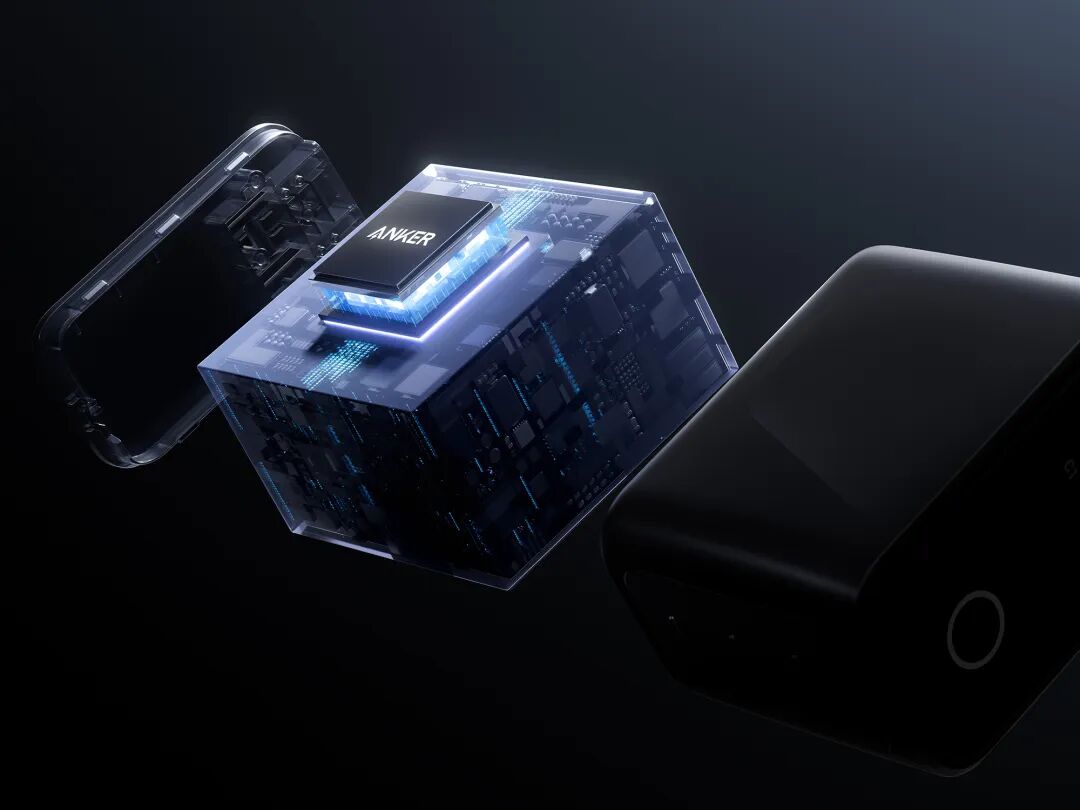
Behind all this is continuous and intensive R & D investment.
Financial report data shows that in the first half of 2025, Anker Innovations' R & D investment reached 1.195 billion yuan, a year - on - year increase of 49.35%. The cumulative R & D investment in the past three years was nearly 3 billion yuan. According to Tianyancha data, Anker Innovations obtained 306 new patent authorizations in 2025, a 50% increase compared to the same period last year. In the field of chargers and power management, it has accumulated more than 600 valid patents.
From a capital perspective, this choice is not "easy." It means a longer R & D cycle, higher upfront investment, more complex supply - chain coordination, and does not necessarily result in obvious parameter or cost advantages in the short term.
However, from an industry perspective, this is an almost inevitable path.
When the industry enters the stage of stock competition, only companies that can consumerize professional - grade capabilities and scale complex engineering have the opportunity to build a real long - term moat.
What's Rewritten Is Not Just the Product
Looking back at Anker's development path, a clear main line can be found. Each of its key technology choices is hardly to chase a single parameter but to solve system complexity in advance.
When fast charging was just emerging, the biggest obstacle in the industry was not insufficient power but fragmented protocols and chaotic compatibility. At that time, it was difficult for different brands and devices to work together, and the fast - charging experience was highly uncertain: some devices could not trigger fast charging, some had frequent power fluctuations, and some reverted to normal charging under high load.
For users, "fast charging" was not a stable ability but more like a series of luck tests.
The emergence of Anker's PowerIQ™ intelligent drive compatibility technology essentially solved the problem of "inability to communicate between systems," giving fast charging a universal meaning across brands and devices for the first time.
As high - power devices such as laptops and tablets gradually became mainstream, a new contradiction emerged - power density.
Users began to expect a charger to perform multiple tasks simultaneously: providing stable high - power for laptops, fast - charging mobile phones and tablets synchronously, and being small and portable.
The consumer - grade application of gallium nitride (GaN) changed this situation. The power density originally only found in servers and professional power supplies was compressed into daily usage scenarios, making high - power and small size no longer mutually exclusive for the first time.
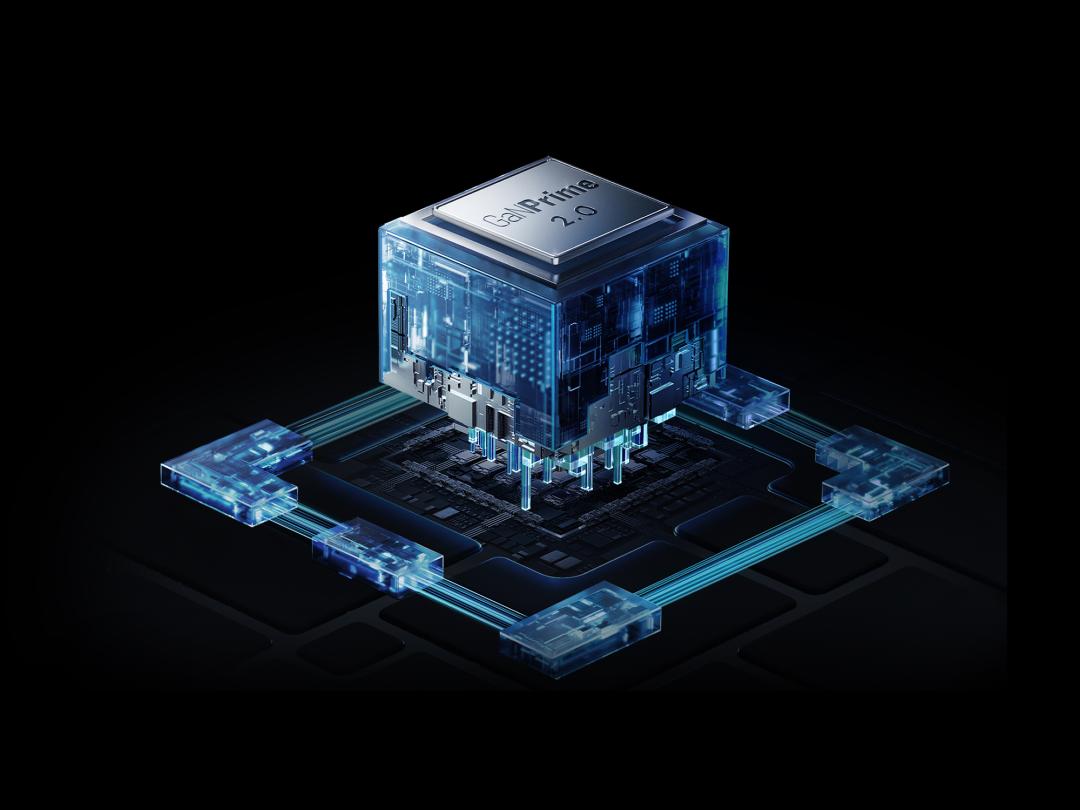
During this period, what Anker promoted was the reconstruction of form boundaries: making "high - power and portability" an ability that can be replicated on a large scale rather than a privilege of a few engineering prototypes.
Today, the Anker Prime Smart Display Charger Pro is facing the next threshold on this path - "intelligence."
For a long time, it has been difficult to truly talk about "intelligence" in chargers. When the power output fluctuates greatly and the thermal state is unpredictable, any monitoring and management can only stay on the surface. Without system certainty, data loses its meaning, and so - called intelligence can only be an additional function.
Therefore, what Anker did this time is not simply "adding a screen to the charger" or "connecting it to an App."
Its logic is the opposite. First, through engineering means, it makes high - power, multi - port, and long - term operation controllable. Then, on this basis, it makes the system state perceptible and manageable.
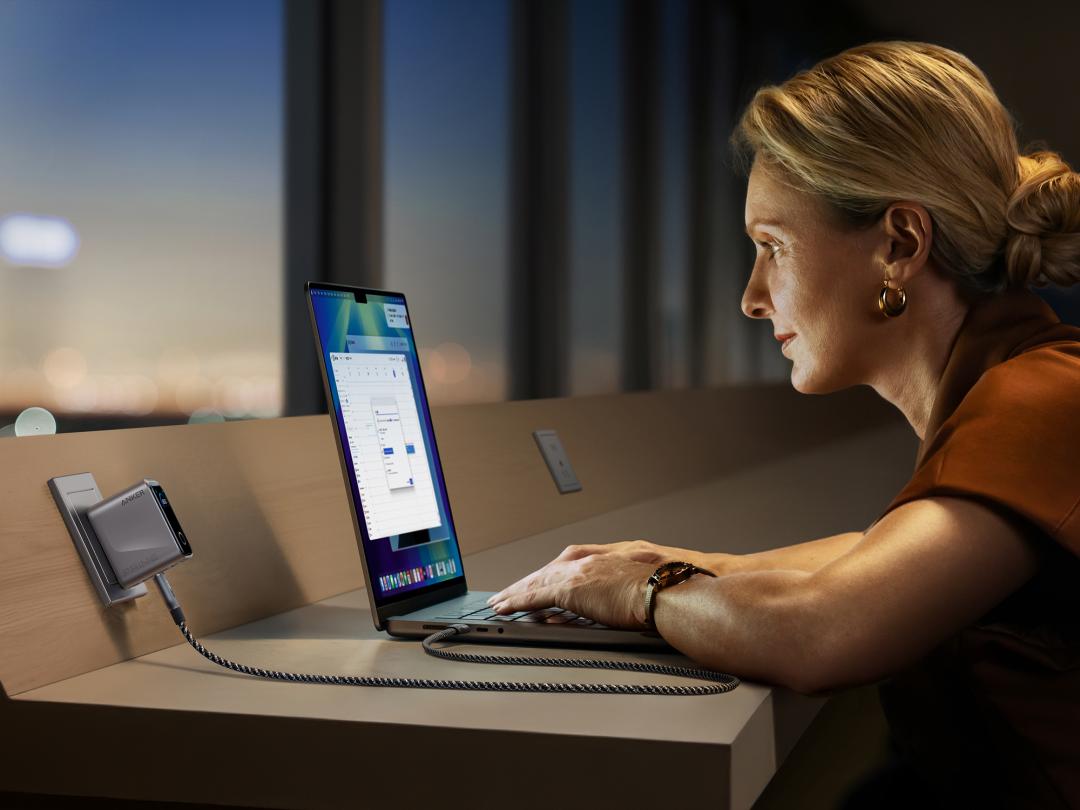
Under this premise, the screen display, APP, and OTA truly become part of the power system rather than decorative function overlays. How power is distributed, how the load changes, and when temperature control intervenes - these originally "black - box" processes start to be faithfully presented, allowing users to understand and control them.
This change means different levels of value to different users: for business people, it means certainty when multiple devices are running simultaneously. For tech enthusiasts, it is a system behavior that can be observed and verified. For ordinary users, even if they don't understand the underlying technology, they can clearly perceive the difference - it is more stable and "smarter."
Thus, chargers have evolved from "how fast they can charge" to "knowing how they are charging."
For Anker, introducing industry - level technology is not just to challenge the parameter limits but to achieve the integration of extreme performance and in - depth intelligence. This may be the key to the next stage of the consumer electronics industry.