In 2026, it's time for mobile phone manufacturers to embrace the public fast-charging protocol.
Openness and Win-Win
For a long time, mobile phone charging has always been an important factor influencing the user experience.
With the end of 2025, after witnessing the widespread application of silicon-carbon anodes, the continuous increase in battery cell density, and the prevalence of mobile phones with capacities of seven or eight thousand, or even ten thousand milliampere-hours on the streets, it's hard not to think that:
For mobile phones, 2025 was truly the "Year of Energy".
However, having just a large battery is not enough. To fully leverage the advantages of high capacity, fast charging is also an essential aspect.
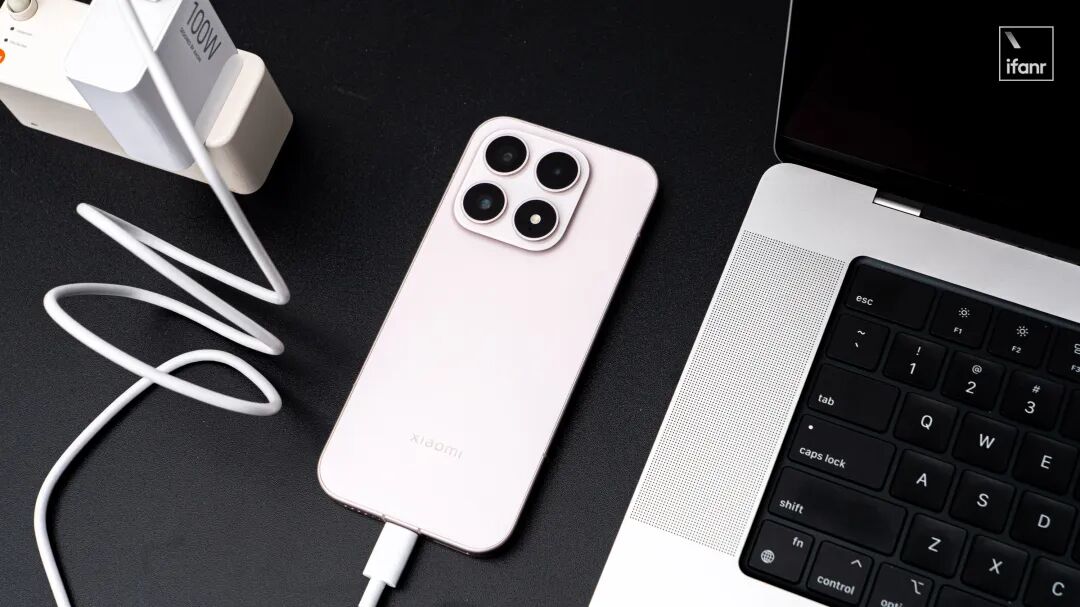
And this is another interesting phenomenon we observed in the past year:
More and more manufacturers are starting to expand their support for public fast-charging protocols such as PPS and UFCS. We may be approaching a watershed between "public protocols" and "proprietary protocols".
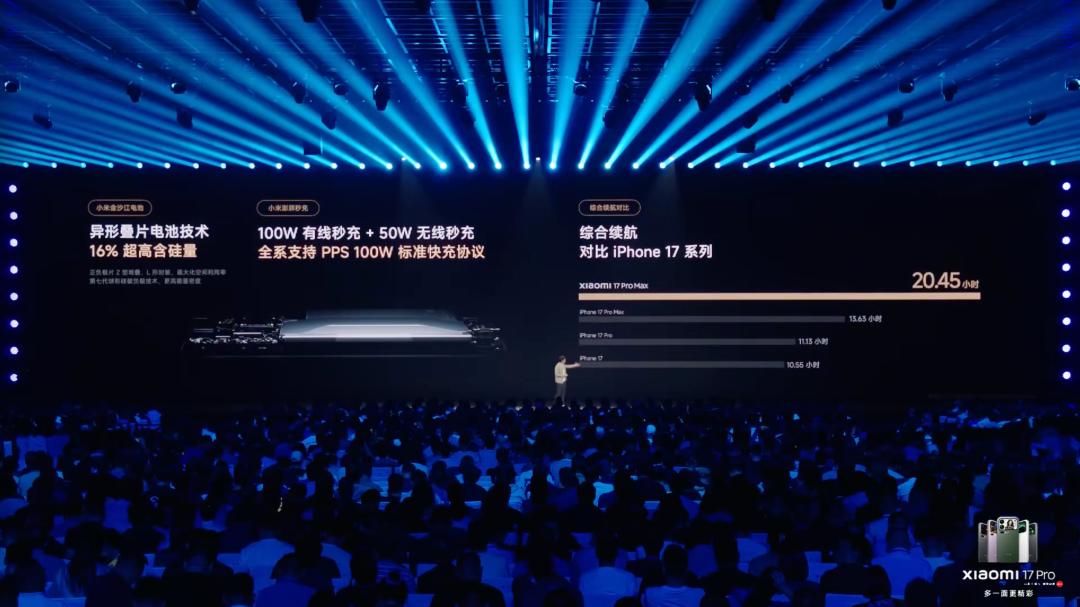
For example, in the Xiaomi 17 series, Redmi K90 series, and Turbo series, in addition to Xiaomi's own "Pump Express" fast-charging technology, these models also support PPS fast charging under the USB PD protocol -
Not the 55W PPS that has accompanied us for several years, but the current highest-spec 100W PPS.
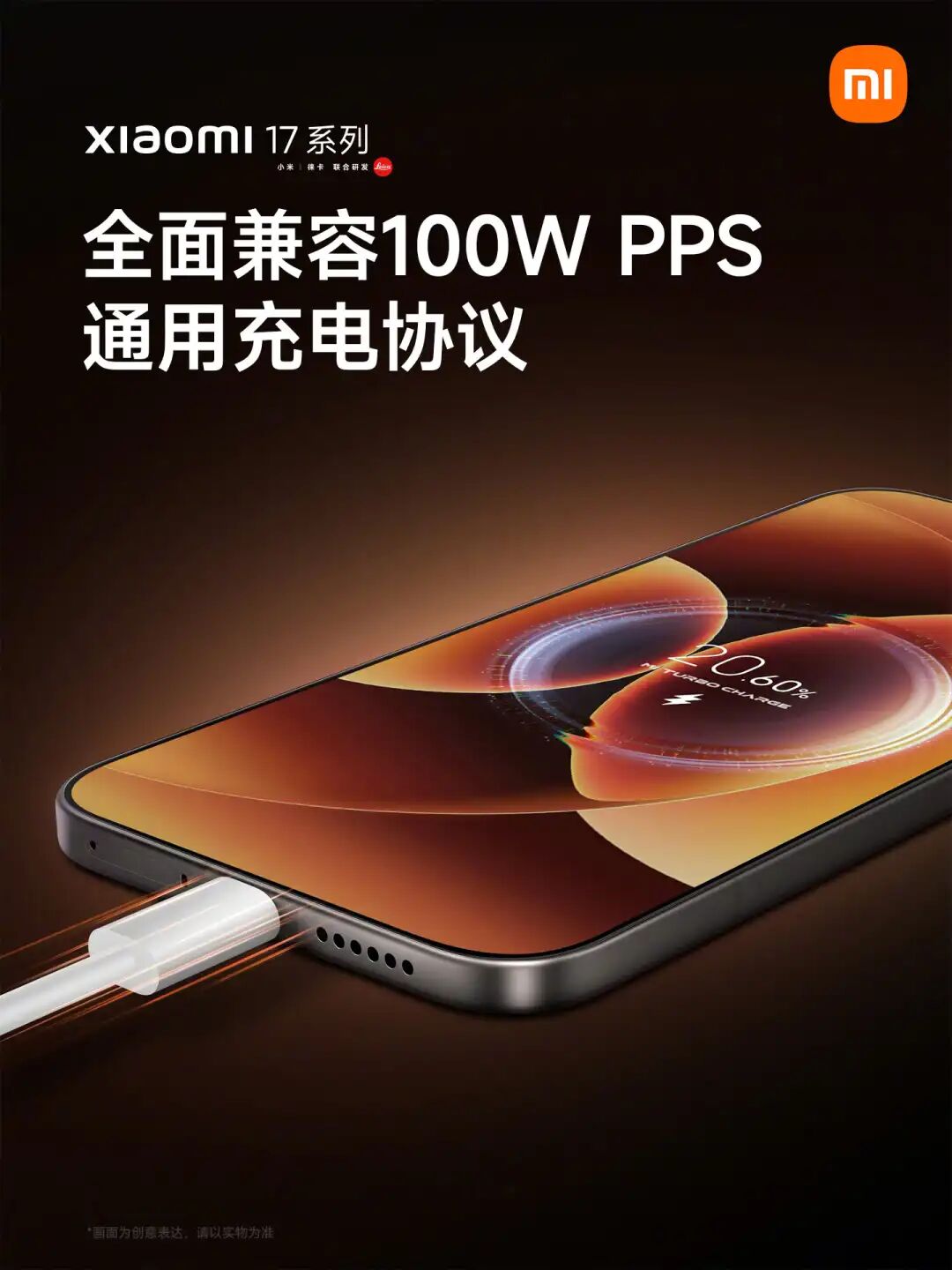
In other words, Xiaomi set a new benchmark for domestic mobile phones in 2025: Even public fast-charging protocols that prioritize compatibility can now match the charging efficiency of manufacturers' proprietary protocols.
We can even make a bold statement:
In 2026, the golden age of proprietary mobile phone charging protocols has come to an end.
What's so good about PPS? Fast, cool, and cost-effective!
But then again, PPS isn't actually something brand new that emerged last year.
As a sub - standard under the USB PD charging protocol, PPS actually started to gain prominence in the USB-PD 3.0 standard announced in 2015.
The full name of PPS is Programmable Power Supply. Compared with the old protocols before PD 3.0, the biggest advantage of "programmability" lies in its flexibility.
We can simply understand that before the emergence of PPS, chargers could only provide three to five fixed power levels for mobile phones, and these were all pre - set at the factory.
However, the "appetite" of lithium batteries is constantly changing. Battery temperature, cell status, and remaining battery capacity can all affect the optimal charging voltage.
As a result, there has always been a gap between the fixed power levels and the dynamic needs of the battery, which imposes a lot of additional step - down and current - boosting work on the mobile phone's power management system.
On a macro level, the losses from these step - down and current - boosting processes are ultimately converted into heat, resulting in slow (third - party) fast charging.
PPS aims to solve the problem of "inflexible charger power supply" -
By enabling chargers to communicate with mobile phones and dynamically adjust the power supply voltage, PPS chargers can "align the granularity" with the battery at any time and directly provide the battery with the optimal voltage it currently needs.
In this way, the mobile phone's power management chip doesn't need to perform as much "step - down and current - boosting" work, which not only reduces heat generation but also makes fast charging more sustainable.
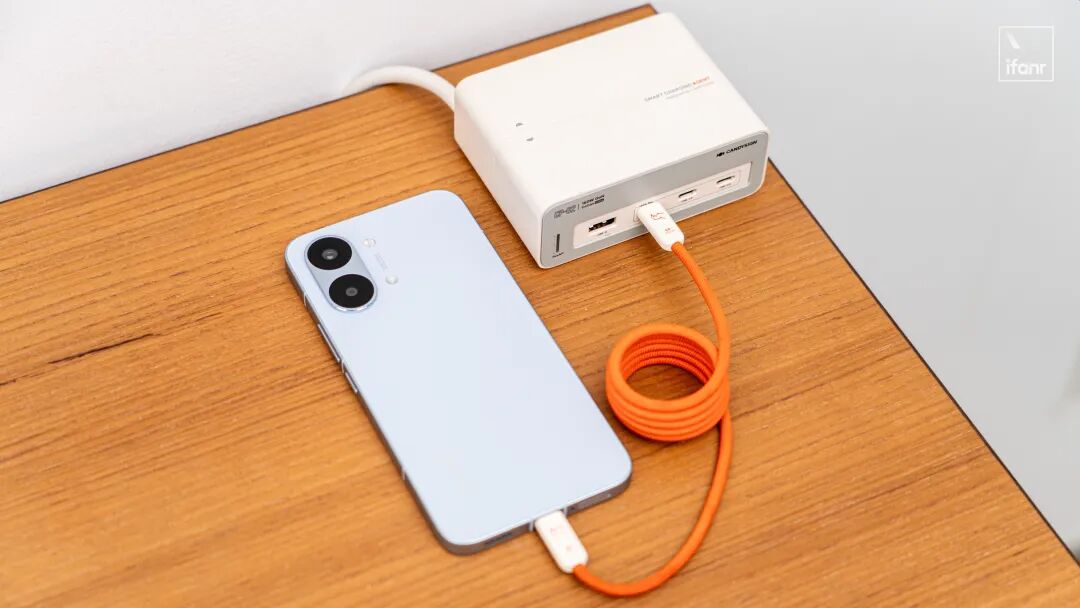
However, in the past few years, the power limit of PPS has remained around 55W, and there has been a significant gap in experience compared with proprietary fast - charging protocols that can easily reach over a hundred watts, which has also partially affected the popularization of PPS.
With the gradual adoption of the "dual - cell series" technology in domestic mobile phones last year, the voltage that the battery pack can accept has increased, and PPS has also had the opportunity to achieve a power breakthrough, ultimately making a leap from 55W to 100W.
Moreover, the advantages of PPS are not limited to "public availability", "fast charging", and "less heat generation". Compared with proprietary fast - charging protocols, it also has a lower cost.
Different from proprietary charging protocols that require specially - designed chargers and charging cables, as a product within the existing PD framework, achieving high - power fast charging with PPS hardly requires any customized parts -
A mobile phone that supports PPS, a third - party charger that supports the PPS protocol, and a standard USB - C 5A fast - charging cable (the kind with an E - Marker) can achieve high - power fast charging comparable to that of the original charger.
Under the existing universal USB PD protocol, mobile phone manufacturers can "easily be compatible with PPS" without doing much, and it doesn't conflict with their proprietary protocols.
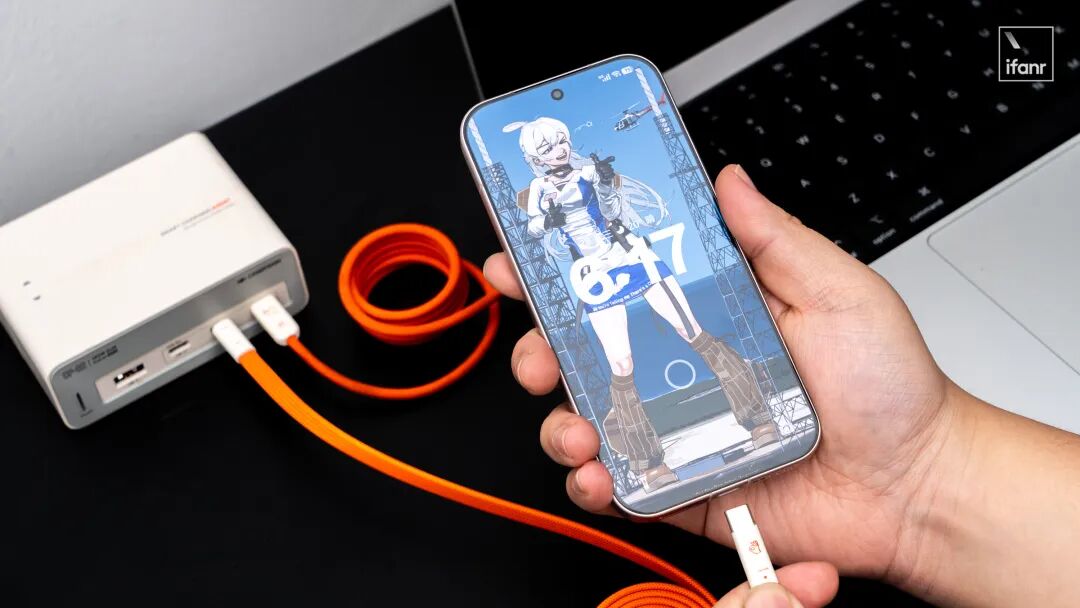
Furthermore, since no special parts are required, the high - power capabilities of PPS can even be updated via OTA.
Theoretically, a mobile phone that supports 55W PPS can unlock the 100W PPS fast - charging capability with just a few - kilobyte update package.
Of course, due to the heat dissipation design, charging management system, and current limitations of old mobile phones, there are many hardware safety concerns when upgrading to high - power PPS out of the blue, which may not be feasible in the real world -
But on the other hand, this also indirectly proves the strong universality of the PPS protocol.
As long as mobile phone manufacturers are willing to conduct thorough safety tests, a PPS upgrade is believed to benefit many old users.
Actual performance of 100W PPS in testing
As a universal standard, PPS has so many theoretical advantages. But how does it actually perform in real - world use?
Take the Redmi Turbo 5 Max, which was recently reviewed by ifanr, as an example. With a battery capacity of 9000 milliampere - hours, it really needs the support of 100W PPS to fully demonstrate its capabilities.
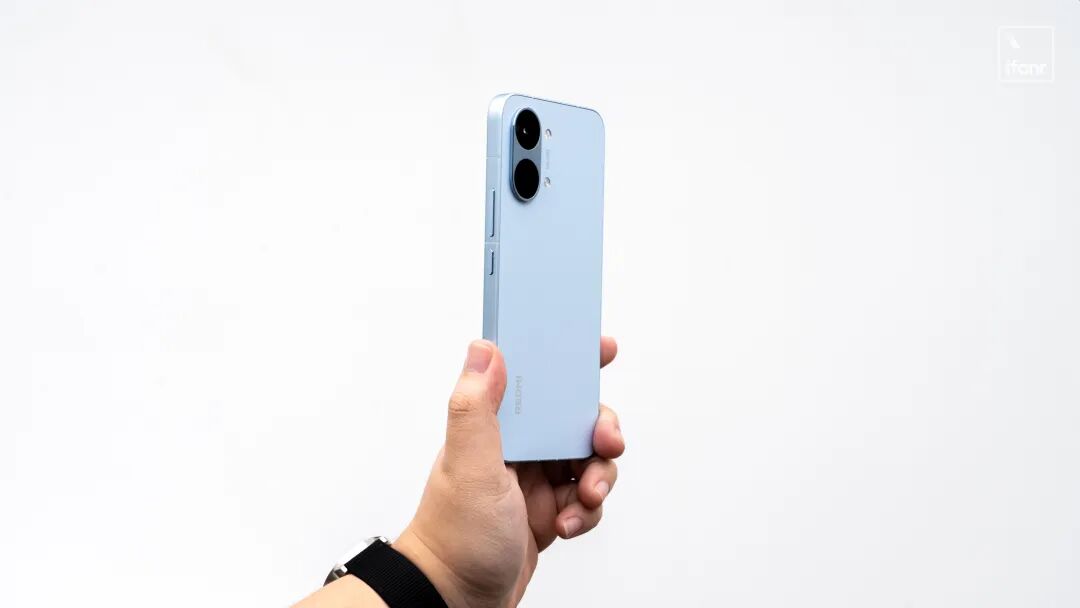
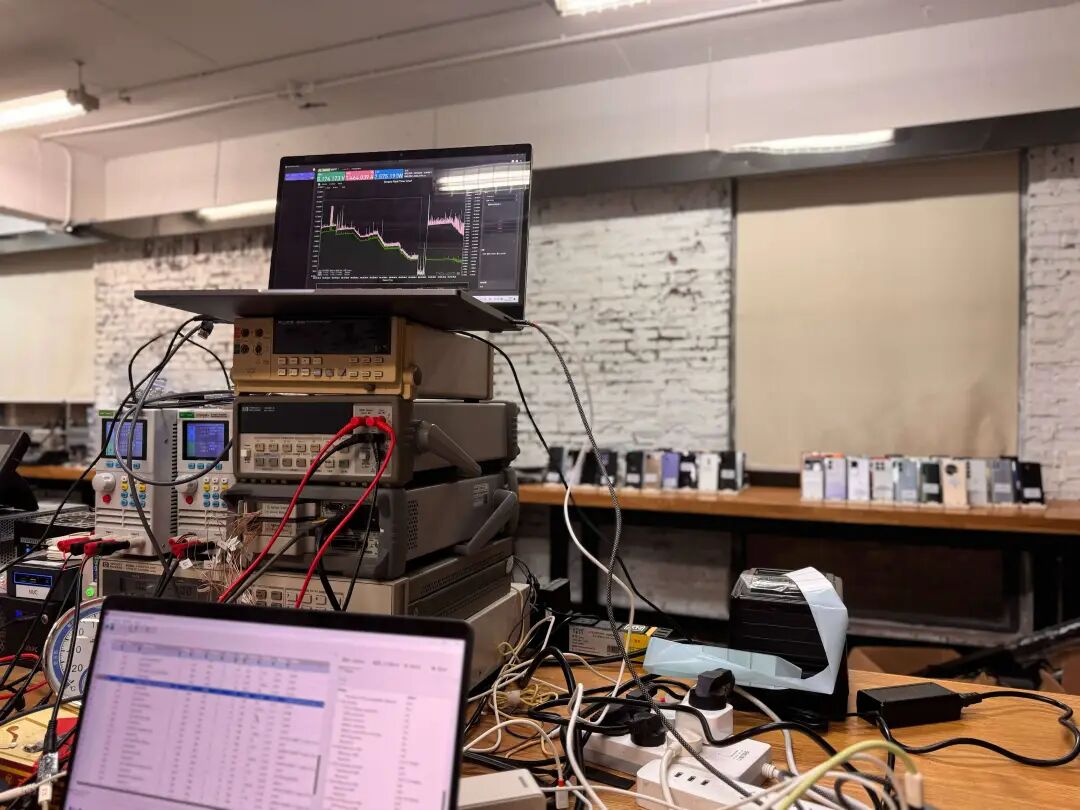
According to the data recorded by a neighboring testing facility, when using the original 100W Xiaomi charger and a third - party high - power PPS charger respectively, the actual full - charging speed of the Redmi Turbo 5 Max is almost the same:
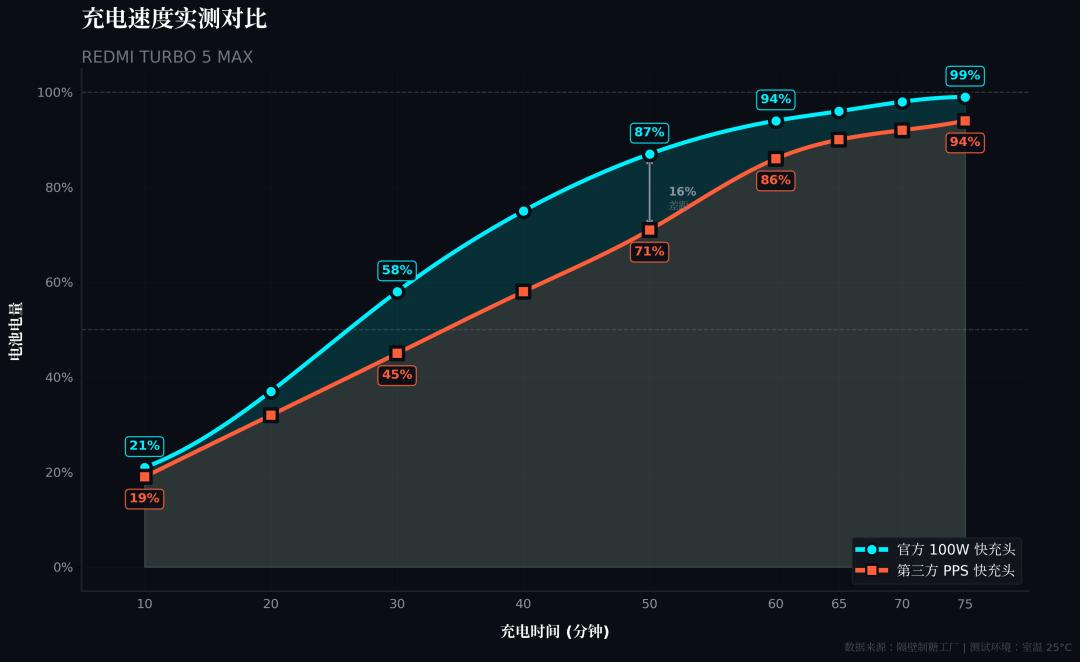
From the charging curve, we can see that the official charger is faster in the first half of the high - power charging stage, but the trickle - charging time after reaching 90% is quite long.
Although PPS is slightly slower in the first half, its overall speed is very stable, and the speed reduction during the trickle - charging period is more gradual.
Most importantly, whether calculating the total time for 0 - 100% charging or the need for rapid energy replenishment in the first 50%, the difference between the official charger and the third - party PPS charger is actually within ten minutes -
This speed represents a milestone - like progress for public fast - charging protocols.
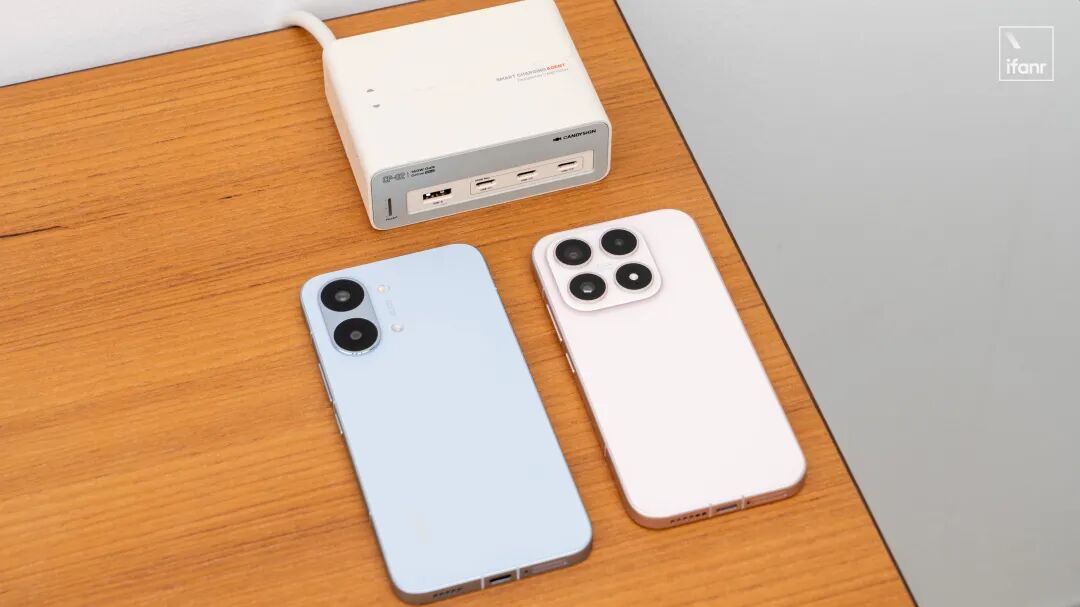
Although Xiaomi always mentions "100W PPS" in its promotional materials, like all charging protocols, it's difficult to precisely reach the theoretical limit of 100W in actual use.
For the Redmi Turbo 5 Max, the actually measured average power of PPS is around 70 - 80W, which is similar to the average power that can be achieved with the "Pump Express" proprietary protocol.
We also conducted actual tests on several other new mobile phones released in early 2026, and the conclusions are basically the same -
Mobile phones compatible with PPS fast charging are now on par with those using proprietary protocols in terms of charging speed, and there is a significant improvement in convenience.
It's time to embrace public protocols
In the past, we always wondered why most mobile phones come with chargers and cables with Type - A ports. Why can't they come with Type - C peripherals?
However, most of the current proprietary fast - charging protocols adopt the "low - voltage, high - current" approach. The USB - A port is more compatible with the 6A cables required for fast charging and is easier to control heat.
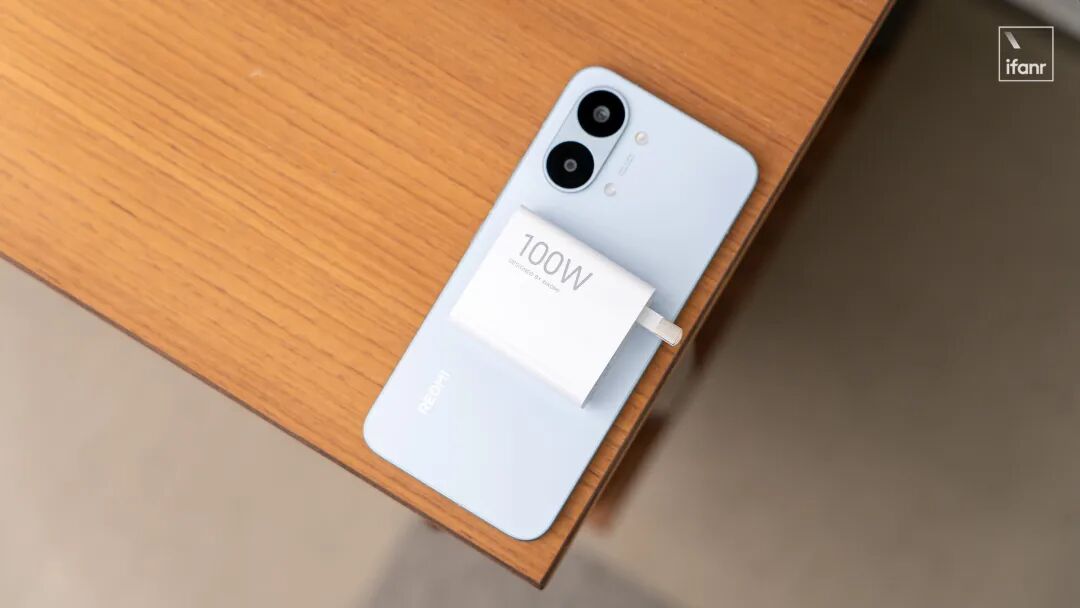
But in recent years, public fast - charging protocols, including PPS, can mostly match the charging efficiency of the dazzling array of proprietary fast - charging protocols -
This is not only a victory for public fast - charging protocols but also a major benefit for consumers in terms of having more choices.
Even with "giant batteries" in the 8000 or even 9000mAh range, high - power PPS charging can match proprietary protocols, basically ending the dilemma of "sacrificing speed for compatibility".
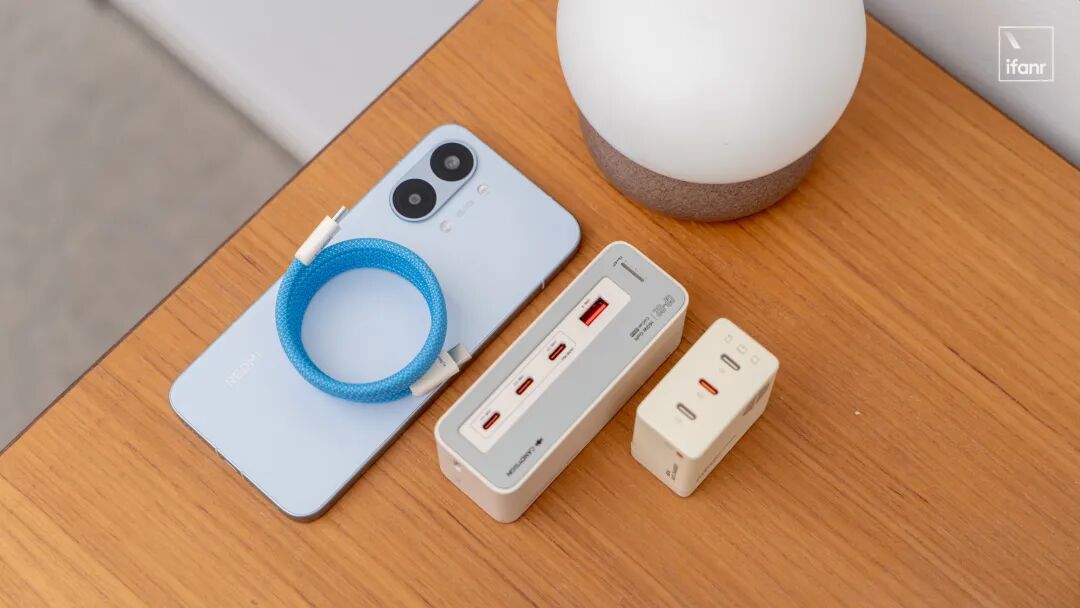
For consumers, grabbing a high - power charger that supports the PPS protocol when going out can meet the fast - charging needs of computers, tablets, and mobile phones, eliminating the need to carry three or four different brand chargers for the sake of charging speed.
For mobile phone manufacturers, being compatible with PPS is a rare and almost "cost - free" good thing -
It doesn't conflict with existing proprietary fast - charging protocols, doesn't take up extra internal space in the phone, and at the same time, keeps up with the pace of standardization, achieving a win - win - win situation for the market, users, and compliance.
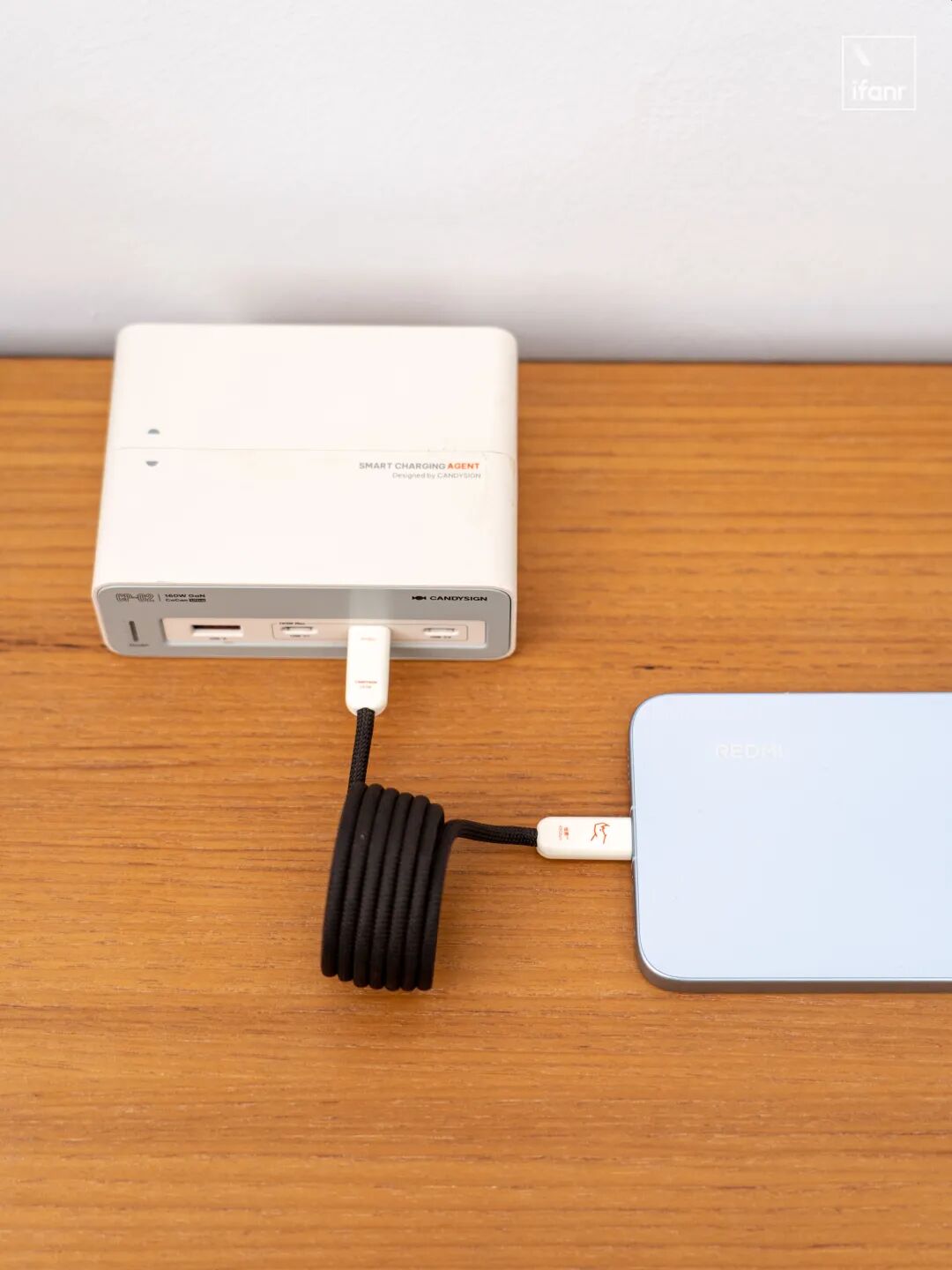
In 2026, with the soaring costs in the upstream supply chain, manufacturers' support for third - party public fast - charging protocols will be a very good strategy to gain consumers' word - of - mouth and support.
In other words, in 2026, it's time for mobile phone manufacturers to abandon their obsession with proprietary fast - charging protocols and learn to embrace public fast - charging protocols such as PPS and AVS.
After all, as the old saying goes: When everyone is happy, it's truly a good situation.