Leica's century - old legacy hits the shelves, and it's time for Xiaomi to fulfill its dream.
It seems that Xiaomi is really going to succeed in its attempt to enter the high - end market this time.
Although the Xiaomi 17 Ultra didn't sell particularly well, and the issue of the loose master zoom ring made quite a stir some time ago. However, after the public opinion subsided, every time you browse Xiaohongshu or Weibo, you can always see wave after wave of posts praising the Xiaomi 17 Ultra.
There was no such a scene during the era of the Xiaomi 15 Ultra and 14 Ultra.
What's more interesting is that, different from many people's stereotypes of Xiaomi, the focus of these discussions is not on Xiaomi's traditional strengths such as performance and benchmark scores, but on another unexpected topic - Leica's color tone.
There is even a professional blogger on Weibo with 500,000 followers, who has long been deeply involved in the field of digital imaging. Usually, he has criticized a lot about the poor usability, lag, and incomplete functions of Xiaomi's Pengpai OS. But after trying the 17 Ultra, he sighed:
“I really love the color tone and watermark of this device... When will they sell the algorithm separately? I'll buy it at the original price. I don't even need the phone for 7,999 yuan.”
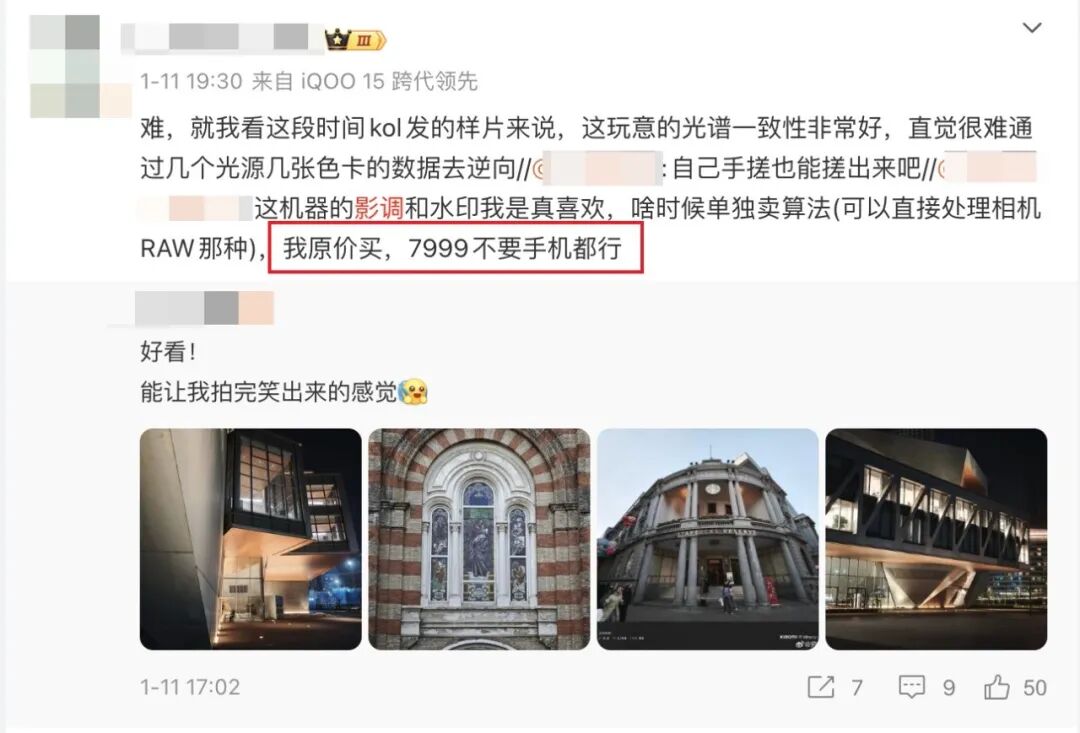
This is not the first time Xiaomi's imaging has been praised, but such high - level praise is indeed rare.
And this is exactly where the problem lies.
Just when Xiaomi finally reached the threshold of high - end imaging and got this narrative on track, the biggest contributor has suddenly become a huge uncertainty.
It's going to be sold.
Xiaomi's body, Leica's soul
Recently, Blackstone Group, which holds 45% of Leica's equity, spread the news that it is looking for a new buyer for this century - old company, asking for about 1 billion euros.
The list of potential acquirers given by the media is quite long: HSG (formerly Sequoia China), Nordic private equity firm Altor, Asia Optical Group, and even its old rival Zeiss.
1 billion euros can't buy much decent commercial land in the core area of Haidian, Beijing, but it may be the key lever to pry open Xiaomi's 200 billion yuan in mobile phone revenue.
As soon as the news came out, a very interesting phenomenon appeared in the comment section. A large number of netizens began to collectively mention Lei Jun and shout to Xiaomi:
“Don't hesitate. Just acquire Leica.”
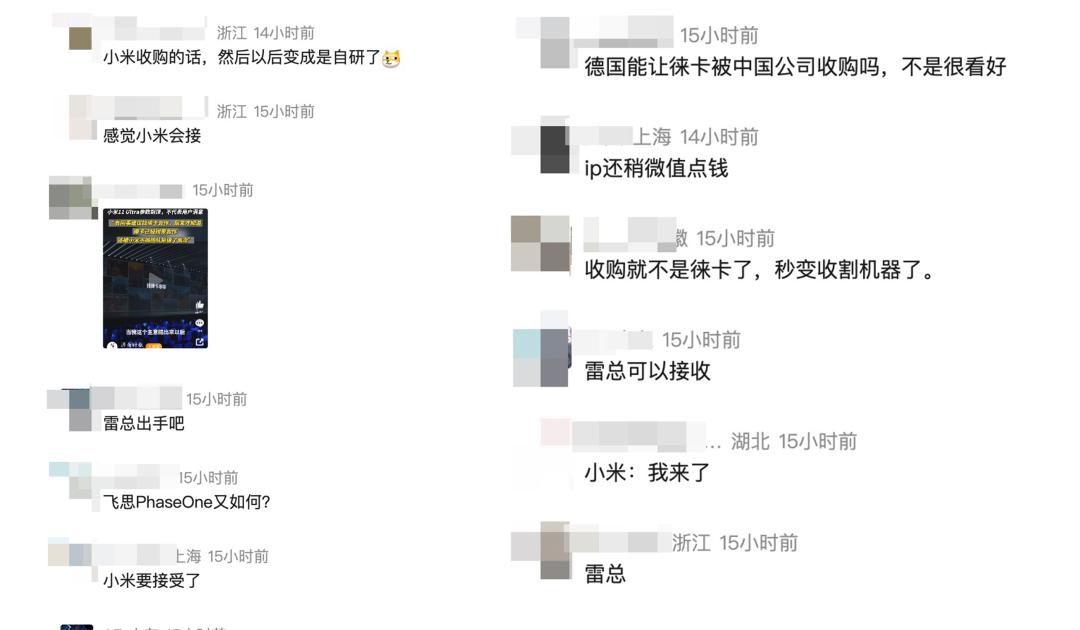
Of course, there is a bit of joking and a desire to watch the fun. But at this point in time, this suggestion is not absurd; it's quite realistic.
Because if you've really used the Xiaomi 17 Ultra, especially the “Leica Edition” that costs 800 yuan more, you'll realize one thing:
This is no longer “Xiaomi + Leica”; it's a product with “Xiaomi's body and Leica's soul”. To some extent, it's more Leica than Leica's own mobile phones.
Let's start with the most intuitive tactile experience.
In order to reproduce that iconic shutter feedback, Xiaomi has taken “simulation” to an almost obsessive level this time.
The master zoom ring is made of precision stainless steel, with 20 ball bearings inside. To restore the sense of scale when zooming and focusing a camera lens, the vibration motor has been specially tuned to provide clear feedback with each turn.
You'll find that Xiaomi is no longer just pursuing “usability” but also an emotional value: to give you the psychological suggestion of using a camera when you take out your phone to take a photo.
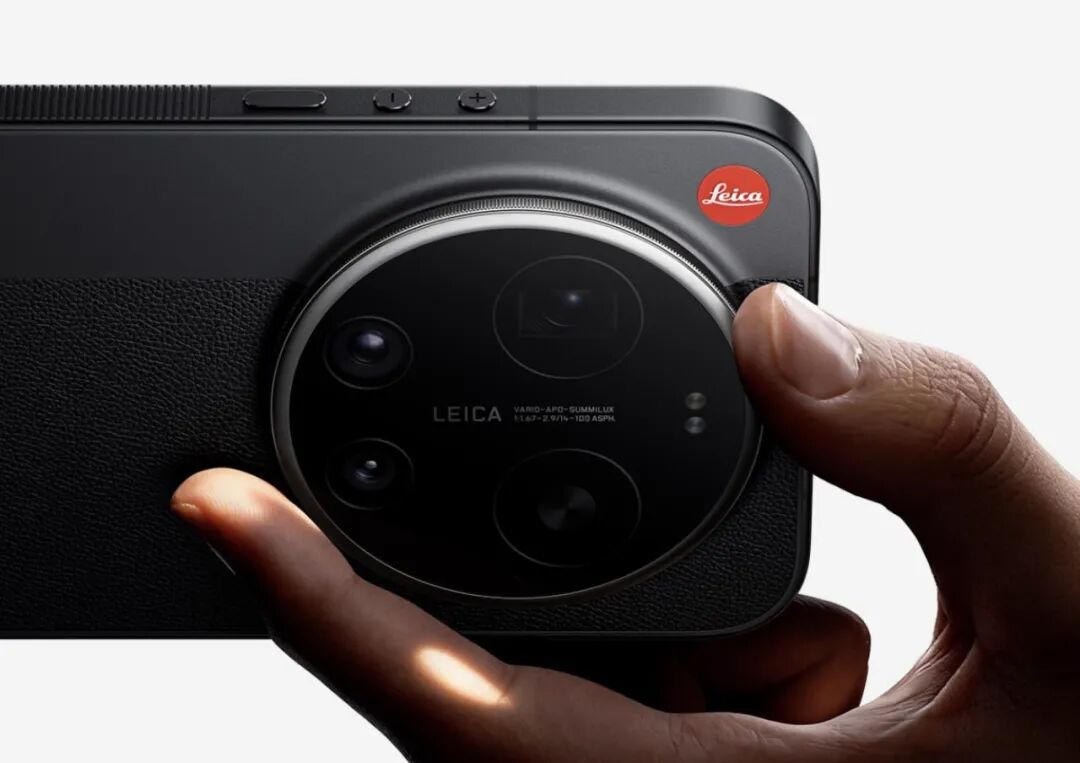
Looking further.
In the past, the cooperation between Xiaomi and Leica was more like a functional partnership, with at most a low - key “LEICA” printed on the phone body.
But on the Leica Edition of the 17 Ultra, that iconic red circular “Coke logo” was allowed to be inlaid into the back panel using real inlay technology for the first time, and “Leica Camera Germany” is engraved on the middle frame.
This is not just a decoration; it's a declaration of identity.
It deliberately creates an illusion that you're not holding an Android phone but a “digital Leica” from Wetzlar.
However, compared with all the hardware, the soul and core that support the high - end positioning of the Leica Edition of the Xiaomi 17 Ultra are still the famous Leica color tone.
For example, the “Leica M9 image quality restoration” mode that is repeatedly mentioned.
The engineers used tens of thousands of CCD sample photos from the M9 to train the algorithm. The goal is not “more clarity” but to restore the warm, rich, and even slightly noisy film texture.
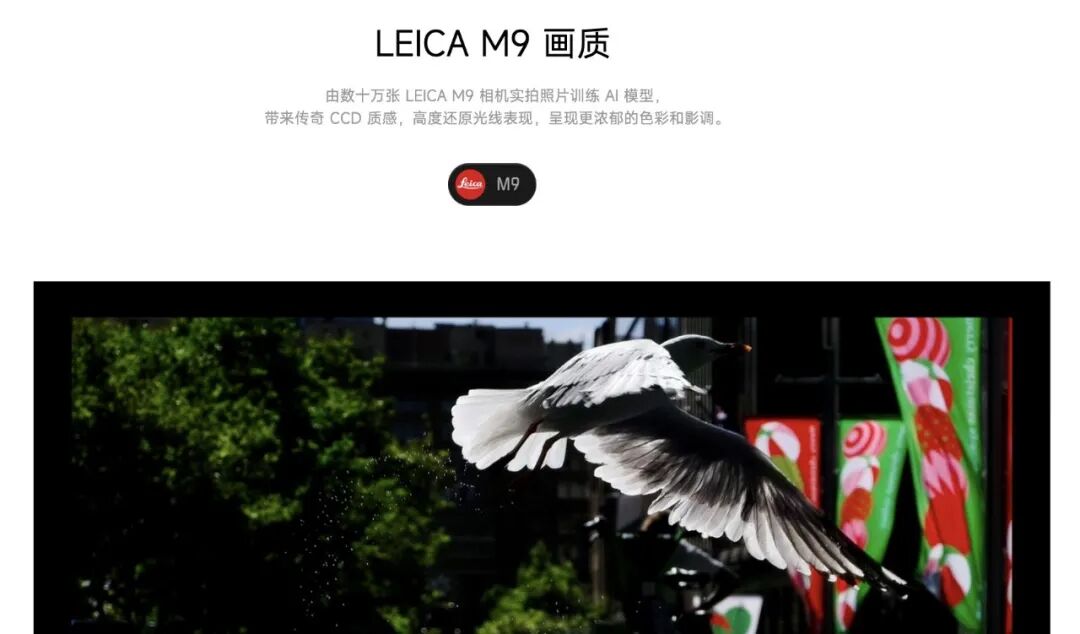
Another example is the “Leica M3 + Monopan 50” black - and - white mode, with high contrast, deep shadows, and no excessive brightening of the dark areas. The picture is depressing but full of emotional tension.
Therefore, on the 17 Ultra, Xiaomi doesn't regard Leica as an optional partner but as the strongest selling point and the most powerful marketing weapon for the phone.
Whether it's that deliberately restrained color scheme or the repeatedly emphasized M9 image quality restoration, in essence, what this generation of Ultra wants to sell to high - end users is not performance parameters but an imaging aesthetic that “only Leica can deliver”.
No wonder a blogger said, “I'd be willing to pay 7,999 yuan just for the algorithm.” Because to some extent, Xiaomi has entrusted Leica to endorse the value it wants to sell to high - end users in advance.
And if you want to get the same Leica filter, apart from Xiaomi phones, you can only buy a Leica camera that costs tens of thousands of yuan.
Of course, a more practical problem supporting Xiaomi's acquisition of Leica is: when the most recognized part of a high - end phone is almost entirely concentrated on Leica's color tone, can this relationship really stay at the level of “long - term cooperation”?
Not to mention that once Leica is really sold to someone else, the possibility of “long - term cooperation” will even be in doubt.
Leica likes to change its mind
Many Xiaomi fans may not know what kind of company Leica is.
Titles like “a century - old optical brand” and “the pioneer of cameras” are of course correct. But on the business side, like Hasselblad and Ricoh, Leica has had a floating ownership for a long time, changing hands from one company to another.
In the past decade or so, this century - old imaging brand has been put on the market several times.
From the early ACM project to later private - equity holding, and now Blackstone holding 45% of the equity, Leica's equity structure almost follows the capital cycle rather than the product cycle.
To put it bluntly, Leica is used to being sold.
Against this background, Xiaomi can't be without a sense of crisis.
There's no need to look back at Leica's distant era of capital wandering. Just looking at their operations in recent years is enough to prove that for Leica, business cooperation is phased, and capital exit can happen at any time.
Huawei is a very typical example.
Back then, Leica's choice of Huawei was also regarded as a “perfect match”. The imaging reputation of the P series and Mate series was gradually built up with the help of Leica. Concepts like “German flavor”, “humanities”, and “color tone” were also introduced into mobile phone photography on a large scale for the first time in those years.
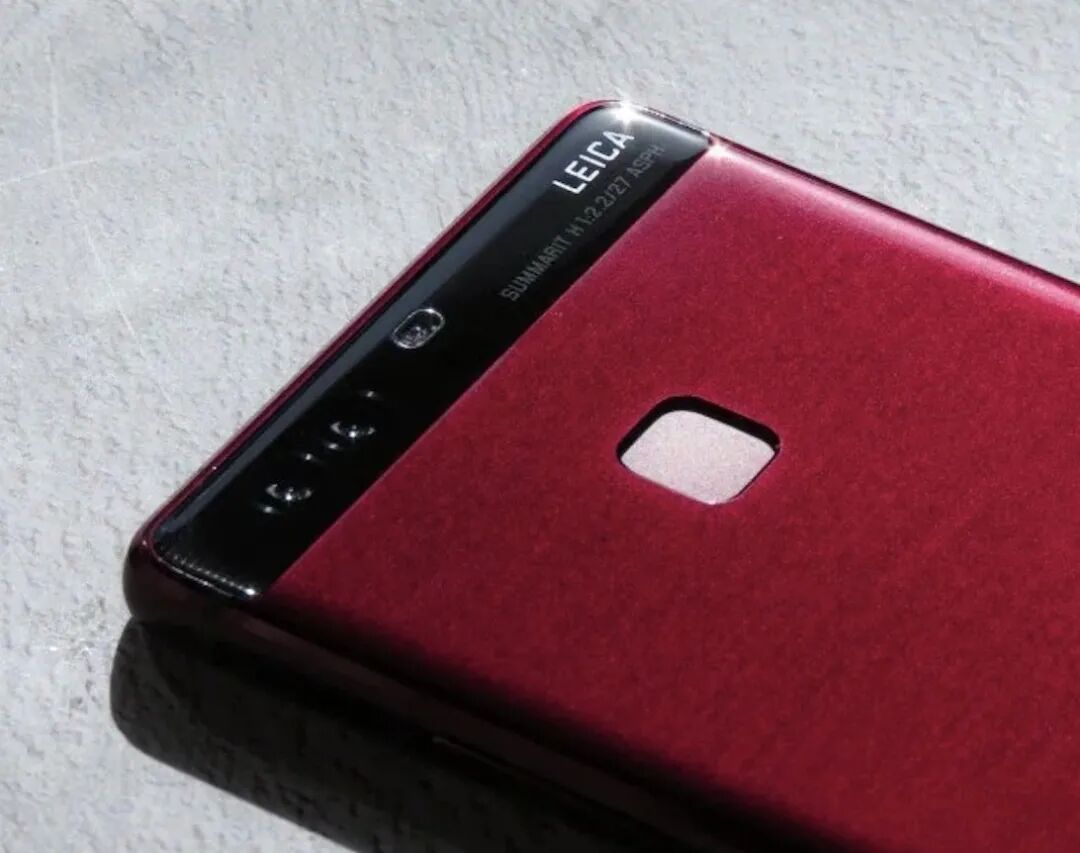
But the cooperation eventually ended.
It wasn't that Huawei didn't want to continue, nor was it that Leica had suddenly lost its appeal. It was the combined changes in the external environment, business conditions, and strategic priorities that put an end to a once seemingly unbreakable cooperation.
What's more cruel is that after the cooperation ended, the color tone, style, and influence didn't automatically stay.
Now, Huawei has launched XMAGE, which follows a real, natural, and transparent style, completely different from Leica's style with distinct emotions and even a slightly depressing color tone.
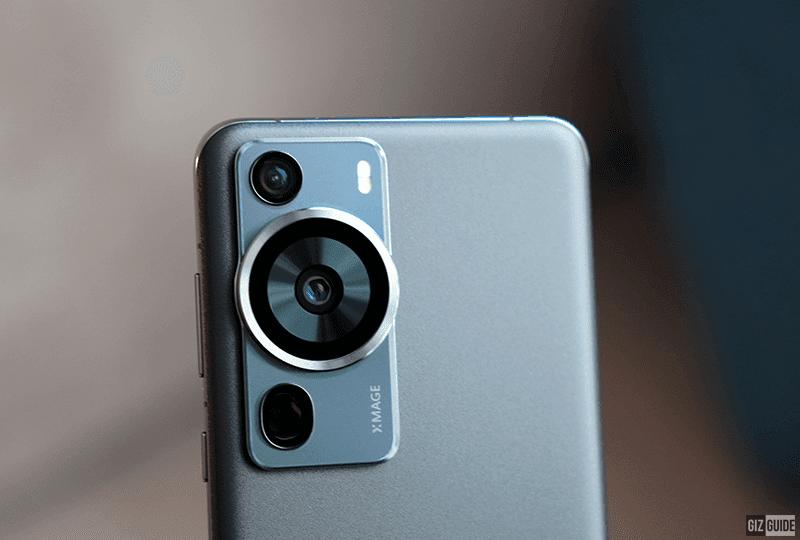
Today, Xiaomi is on a very similar, or even more deeply - bound path.
The only difference is that back then, Huawei “had strong imaging capabilities but didn't rely solely on Leica”; while today, the most recognized part of the Xiaomi 17 Ultra's imaging is exactly Leica.
That's why, once the ownership of Leica changes, it won't just affect whether the logo can continue to be printed or the algorithm can continue to be used. Instead, it will uproot the high - end imaging narrative that the market has just recognized.
The best defense is offense
At this time, looking at DJI next door, you'll find a clear answer.
Back then, it directly acquired Hasselblad.
Since then, the images taken by Mavic are no longer just aerial photography materials but an imaging system with a clear aesthetic label. Also, since then, people have said, “Finally, we have a domestic camera manufacturer.” In the end, DJI and Hasselblad have achieved success together.
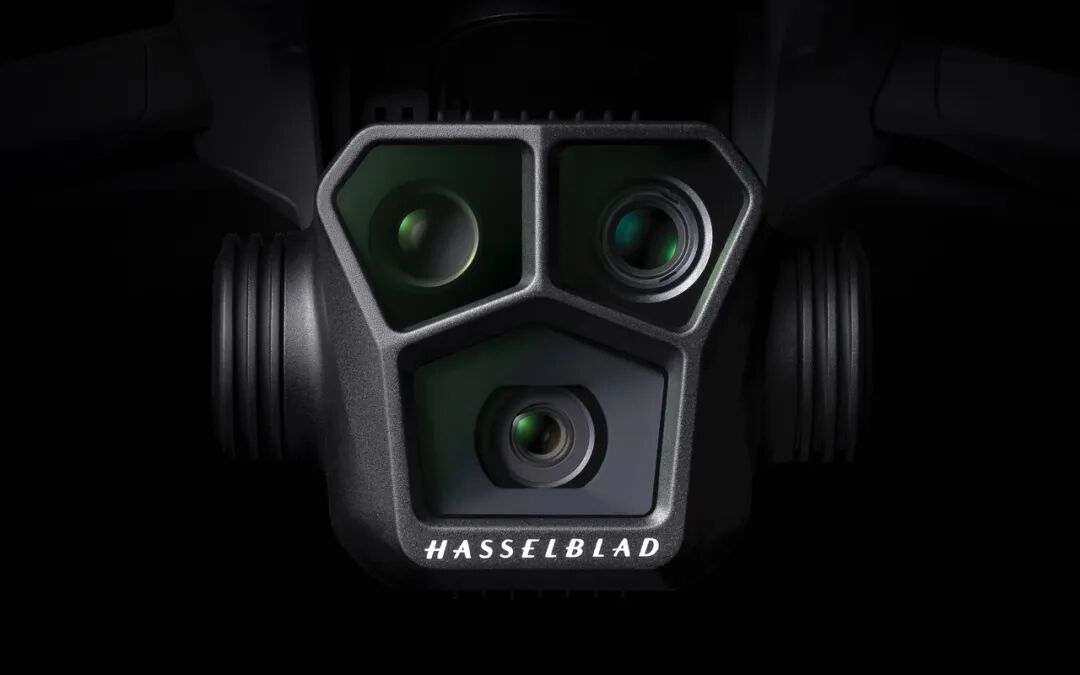
What Xiaomi is facing today is actually the same choice.
If it continues the cooperation, the risk will always exist. If it acquires Leica all at once, the color tone, algorithm, and aesthetic direction will all become “internal variables” in Xiaomi's imaging system.
There's no need to keep bargaining about how the color tone should develop, how the algorithm should evolve, and where the aesthetic should lean. Xiaomi will have the final say.
By then, there's no need to repeatedly emphasize “strategic co - creation” and “in - depth cooperation” at the press conference. Simply saying “This is our imaging system” would be much cooler.
As for the price, it's actually the least worrying part.
Breaking down “1 billion euros”, it's just about selling more than 20,000 SU7s, and a month's sales would be enough.
Moreover, this matter has an additional emotional value for Xiaomi.
Old Xiaomi fans should know that Xiaomi has always had a “camera dream”.
Around 2016, Xiaomi released the Xiaoyi M1 mirrorless camera. However, this product had a bad ending. Because of its slow focusing, complex operation, and poor “usability”, it was severely criticized by camera media at that time. The ecological chain company that made the mirrorless camera for Xiaomi later cut ties with Xiaomi and switched to making security cameras.
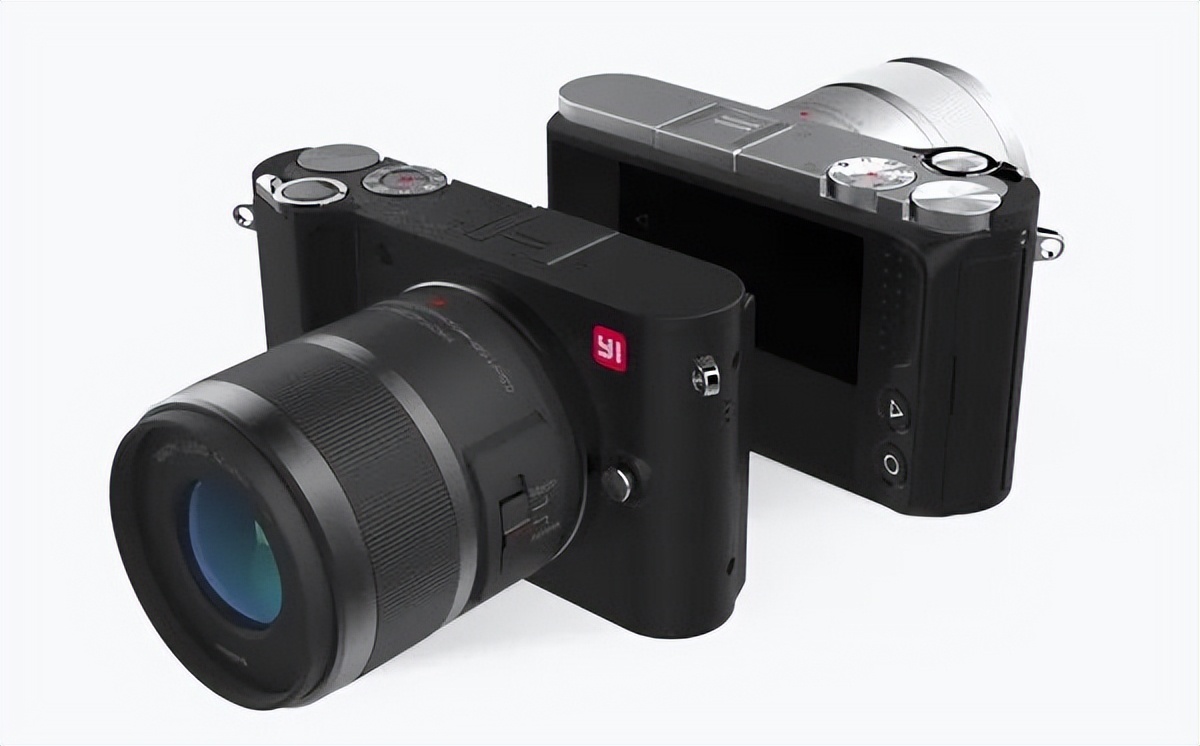
But looking back today, the problems that the Xiaoyi M1 mirrorless camera was criticized for back then actually coincide subtly with Leica's long - term user experience.
Maybe the reason the Xiaoyi M1 couldn't tell a good story back then was not that the direction was wrong but that it lacked the most crucial endorsement. If Xiaomi really acquires Leica, even if it brings the Xiaoyi M1 “back to life”, it can confidently claim that these are not flaws but the authentic Leica operating logic.
By then, the problems will not be problems but selling points.
Therefore, from a strategic perspective, acquiring Leica means that Xiaomi will truly have the final say in the imaging system for the first time;
From an emotional perspective, it also fills the unfinished “camera dream”.
Mr. Lei, we can really take this deal.
This article is from the WeChat official account “Blue Word Plan”, author: Hayward. Republished by 36Kr with permission.