Leica is up for sale again. Will a Chinese company acquire the century-old brand?
The century-old Coca-Cola logo is about to change hands again.
This news quickly caused a stir in the photography and technology circles: The two major controlling shareholders of Leica Camera - Austrian investment company ACM and US private equity giant Blackstone - are considering selling the controlling stake in Leica Camera. The overall valuation is about 1-1.2 billion euros ($1.2-1.5 billion), and the final price may still fluctuate with the bidding of buyers.
This German legendary brand with a century - old history, representing the pinnacle of optics, has once again stood at the crossroads of fate. According to reports, current potential buyers include Chinese private equity giant HSG (formerly Sequoia Capital China), Nordic private equity fund Altor Equity, an Asian optical group, and German optical giant Zeiss, etc. Currently, the negotiations are still in the initial stage and have not entered the formal bidding stage.
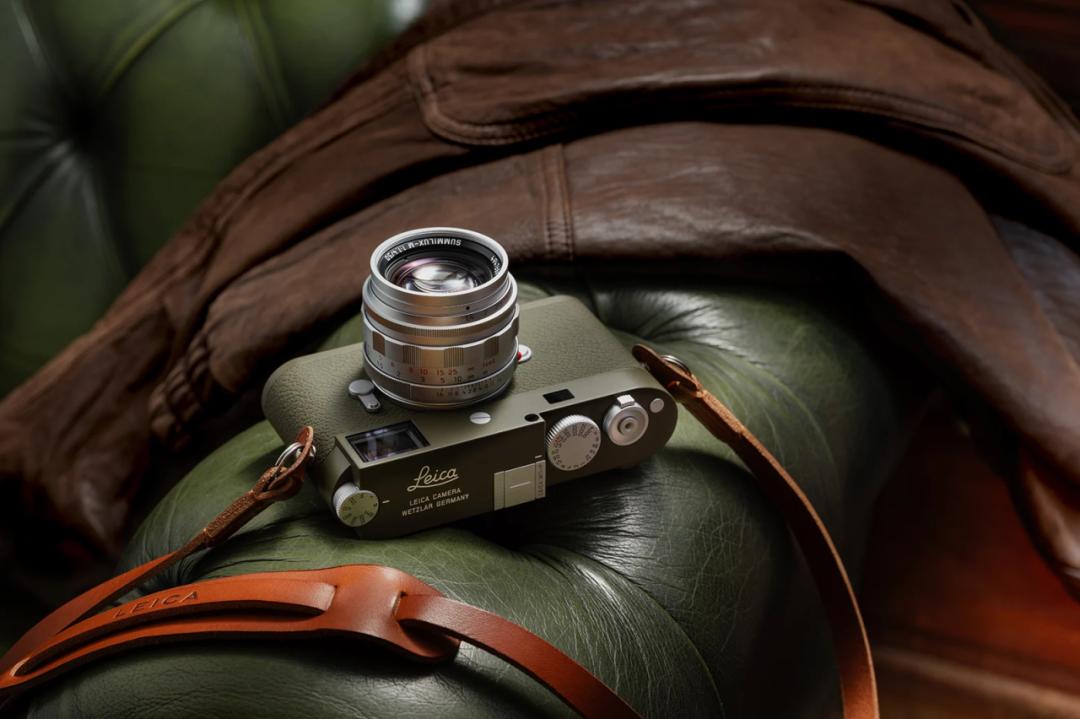
A Century - Old Legendary Photography Brand
In 1849, German engineer Carl Kellner founded the "Optical Institute" in Wetzlar, Germany, producing eyeglasses, microscopes, and telescopes. This was the predecessor of Leica. Twenty years later, mechanic Ernst Leitz I became the owner of the company and renamed it Ernst Leitz Optische Institut (abbreviated as Leitz).

In 1914, Oskar Barnack designed the world's first 35mm camera prototype, the Ur - Leica, which completely changed the history of photography. In 1925, the Leica I was officially mass - produced, inaugurating the era of portable photography and also creating the legendary Leica brand (Leica is the abbreviation of Leitz camera).
Over the past hundred years, Leica has become synonymous with documentary photography and a standard for photography masters. From Henri Cartier - Bresson's "decisive moment", to Robert Capa's war photography, to Alfred Eisenstaedt's "V - J Day in Times Square", and then to Sebastião Salgado's humanistic epics, Leica has almost witnessed and recorded the entire visual history of the 20th century.

However, after the imaging industry entered the digital age, Leica, which was slow to transform, also fell into trouble and was even on the verge of bankruptcy. In 2004, Austrian billionaire Andreas Kaufmann acquired the majority stake in Leica Camera through his family - controlled company ACM for about 65 million euros ($82 million), injected crucial liquidity, and began the transformation to digital imaging.
It should be explained that the Leica Group originally had three major businesses, which were sold to different buyers. In addition to selling Leica Camera to the Kaufmann family, the Leica Group also sold its medical equipment businesses such as microscopes to US medical equipment giant Danaher. Although these businesses now belong to completely different parent companies, they all have the right to use the classic red - labeled logo.
Building an International Luxury Brand
In 2011, private equity giant Blackstone spent about 130 million euros ($179 million) to acquire a 44% stake in Leica from the Kaufmann family, valuing Leica as a whole at about 278 million euros. Subsequently, Leica Camera was delisted and became a private company. Currently, the equity structure of Leica Camera is: ACM holds 55% and Blackstone holds 45%.
If the Kaufmann family was the "savior" who pulled Leica back from the brink of bankruptcy in 2004, then Blackstone, which invested in Leica in 2011, is the professional promoter who transformed Leica from a "German handicraft workshop" into a "global luxury brand".
Blackstone's 15 - year shareholding in Leica has brought not only capital but also a whole set of capital operation logic and the ambition for global expansion. Before Blackstone's entry, although Leica was well - known, it still had a strong "equipment mindset" in business operations. After Blackstone's investment, it was clear that Leica's positioning was no longer just a photography brand, but the "Rolls - Royce of the imaging world".
To build a luxury brand, Blackstone opened Leica retail stores in prime locations in global first - tier cities such as London, Paris, Tokyo, and San Francisco, turning camera counters into luxury stores similar to Hermès and Rolex. Blackstone used its global resources to support Leica in launching co - branded, limited - edition products, and peripheral products such as watches, greatly increasing the brand's gross profit margin.
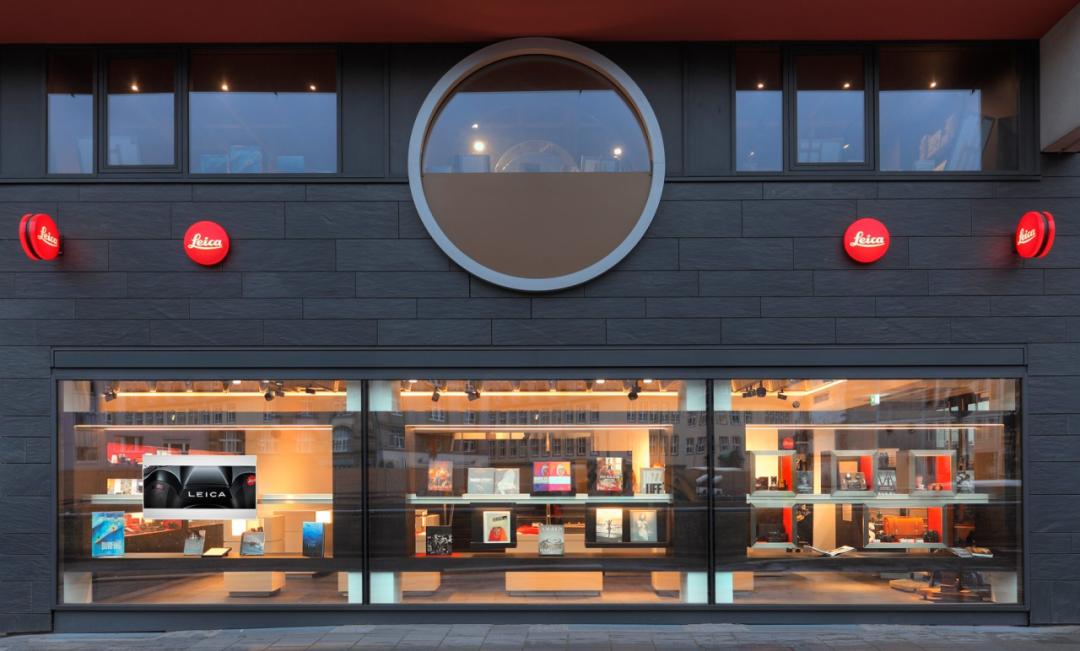
More importantly, Blackstone's investment helped Leica enter the fastest - growing Chinese market in the world. Blackstone's global commercial real estate layout and financial network helped Leica quickly secure top - notch store locations in first - tier Chinese cities, ending the previous agency model and establishing Leica China. Through Blackstone's matchmaking, Leica reached cooperation agreements with Huawei and Xiaomi successively, and obtained substantial profits in the emerging mobile imaging market.
Against the backdrop of the shrinking traditional camera market, Leica's revenue has maintained steady growth, making it one of the few traditional camera brands that have bucked the trend. In the past four fiscal years, Leica's revenue has continuously reached new highs, surging from 450 million euros to 596 million euros. This is directly related to Blackstone's promotion of Leica's business diversification and luxury product strategy.
Blackstone Reaches the Exit Deadline
Since Leica's performance has been growing so steadily, why does Blackstone want to sell its shares? After all, Blackstone is a private equity investment giant and must exit within a certain period to achieve investment returns. When Blackstone invested in 2011, the agreed exit period was 5 - 7 years, and now it has far exceeded the originally set shareholding period.
Blackstone has invested in Leica for 14 years. If valued at the current 1.2 billion euros, Blackstone's stake is worth about 540 million euros, with a profit of more than 400 million euros, a return of more than three times, and an internal rate of return of more than 8%. For a private equity fund, this is a qualified but not outstanding performance.
Leica's slowdown in growth is also a reason for Blackstone to accelerate its exit. Although the revenue has reached new highs, the growth rate has significantly slowed down. In the previous fiscal year, the revenue growth rate slowed from double - digits in previous years to 7.6%. To maintain the growth momentum, new strategies and capital need to be introduced.
This is not the first time Blackstone has tried to exit. In 2017, Blackstone tried to sell its stake but failed. Now they have launched the sales plan again and hired Morgan Stanley as an advisor. Potential buyers include Chinese and European private equity funds, Asian optical groups, and family investors, etc.
On the other hand, billionaire Kaufmann is also over 70 years old and also intends to sell all or part of his majority stake after 20 years of investment. Coupled with the 44% stake in Leica that Blackstone is selling, it means that after this transaction, Leica Camera will have a new controlling shareholder.
Since Leica Camera is a private company, it does not need to publish detailed financial reports like a listed company. The outside world only knows that Leica's revenue and profits have reached new highs, but does not know the contribution ratio of specific businesses. However, the mobile imaging business is undoubtedly the fastest - growing and most profitable emerging business for Leica in recent years, which is mainly due to the cooperation with two Chinese mobile phone giants, Huawei and Xiaomi.
A Win - Win Cooperation with Huawei
In 2016, Huawei and Leica officially announced a strategic cooperation, and the first product, the Huawei P9, was released in April of that year. This cooperation was unprecedented in depth: the cooperation between the two sides covered the entire chain of "R & D, design, joint engineering, user experience, marketing, and retail distribution". Leica brought not only optical technology but also brand premium and market recognition to Huawei.
After the release of the Huawei P9, Yu Chengdong, CEO of Huawei's consumer business, once proudly said that although the P9 was priced 100 euros more expensive than the previous model, reaching 599 euros, a 20% price increase, foreign consumers still thought it was very cheap because of Huawei's cooperation with Leica.
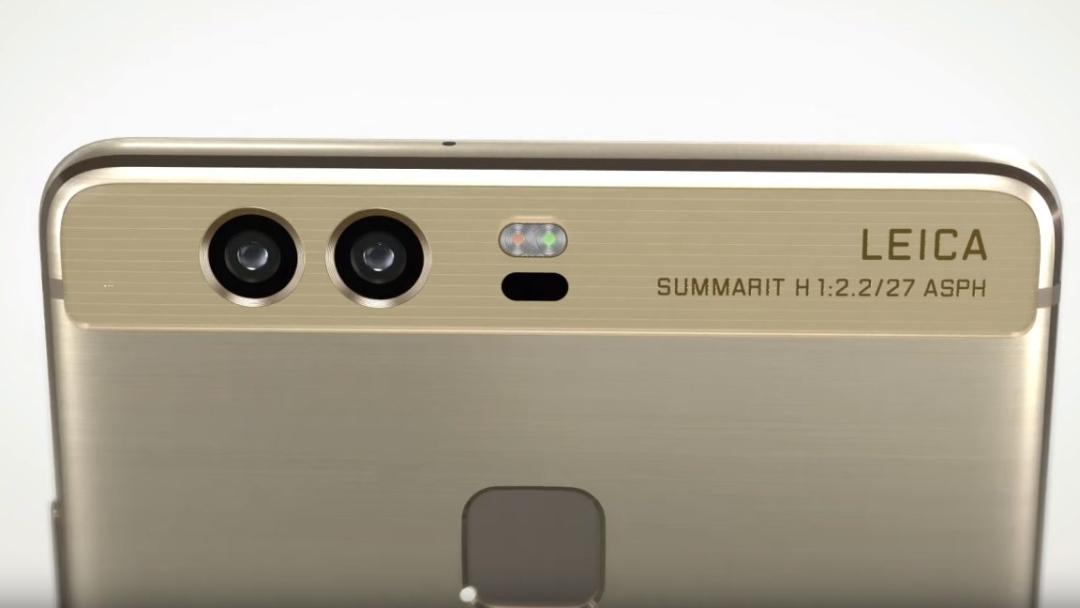
The hot sales of the Huawei P9 proved the success of the cooperation. The sales of this flagship mobile phone exceeded 4.5 million units in three months after its launch, and 12 million units were sold globally in less than a year, a 152% surge compared with the previous model, making it Huawei's first flagship mobile phone with shipments exceeding 10 million units. By 2017, the sales of Huawei - branded mobile phones reached 103 million units, accounting for 23% of the Chinese market, and Huawei became the number one in the Chinese market for the first time in a whole year.
More importantly, it was the premium brought by brand improvement. In 2017, the price of the Huawei P10 in Europe was further increased to 649 euros, and the global average price of Huawei - branded mobile phones reached $320, 1.4 times that of Samsung, which reflected Huawei's successful transformation in the high - end market.
For Leica, the cooperation with Huawei brought huge revenues and brand exposure. In 2020, Siegmund Dukek, General Manager of Leica Greater China, said: "In 2016, Leica China was established in Shanghai to officially take over the Greater China market. Huawei deserves a lot of credit for the increase in Leica's brand awareness in China."
Although the two sides have never publicly disclosed the specific financial terms, the industry estimates that based on Huawei's huge shipments, the annual licensing fees, technical service fees, and share payments they make to Leica are in the tens of millions to hundreds of millions of dollars.
However, the win - win cooperation between Huawei and Leica officially ended in March 2022, and the P50 became the last Huawei - Leica mobile phone. The reason for the termination of the cooperation was not a technical or share - splitting issue, but rather that due to the impact of sanctions on Huawei's mobile phone business, its global market share plummeted, and it no longer had the basis for cooperation.
Helping Xiaomi Improve Its Brand
After losing Huawei as a partner, Leica urgently needed to find a new partner and revenue source in the mobile field. Xiaomi, which lacked technical accumulation in imaging and was eager to improve its brand positioning, had an urgent need to cooperate with Leica.
On May 23, 2022, Xiaomi and Leica announced a strategic cooperation, and the first product, the Xiaomi 12S Ultra, was released in July. For Xiaomi, this was a crucial step in its attempt to enter the high - end market. In 2021, Xiaomi's average selling price was only 1097.5 yuan, far lower than Huawei's level. Although the shipments of Xiaomi's models priced over 3000 yuan doubled in that year, showing initial results in high - end transformation, overall, it was still a mid - to - low - end brand relying on low - price and high - volume sales.
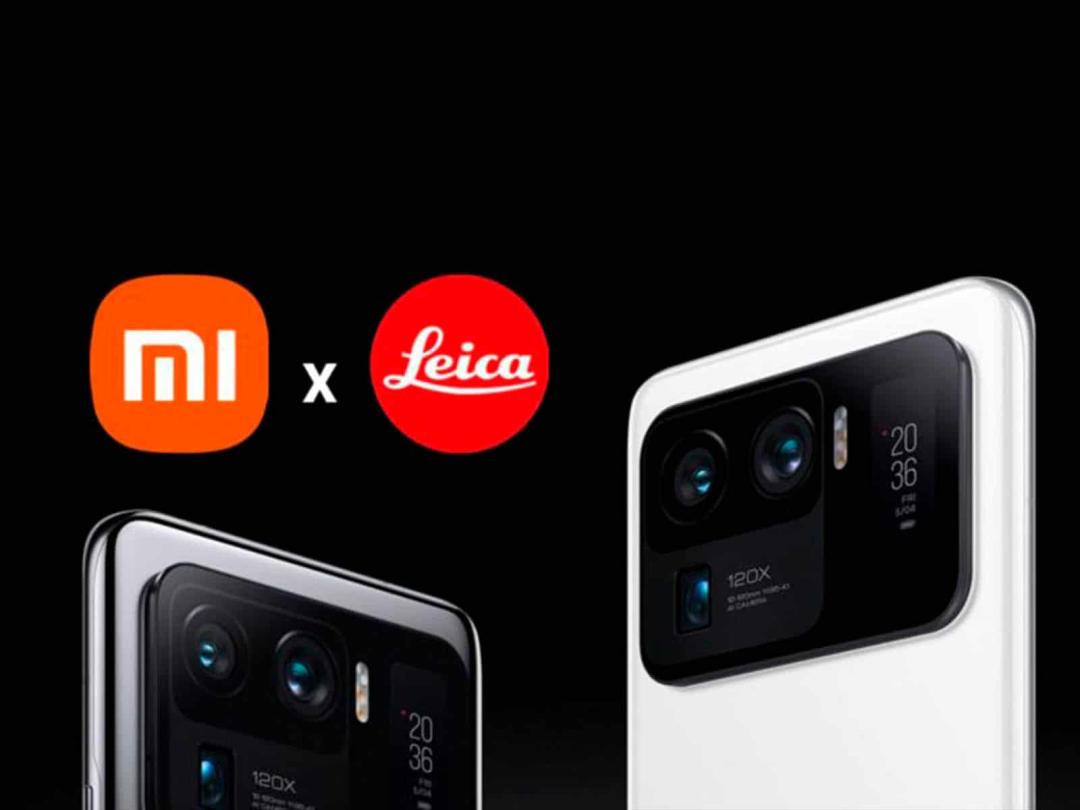
As of January this year, the cooperation between Xiaomi and Leica has lasted for more than three and a half years. This cooperation has significantly promoted Xiaomi's transformation from a "cost - effective/mid - to - low - end" brand to a "high - end imaging flagship" brand, especially in terms of imaging tuning, brand premium, and high - end sales.
In 2021, Xiaomi was still struggling with "specification stacking", and the price increase was mainly due to the rising prices of components. After starting the cooperation with Leica in 2022, Xiaomi's Ultra series successfully established itself in the price range above 5000 yuan. Leica not only significantly improved Xiaomi's imaging capabilities but also brought a "luxury" attribute, making consumers willing to pay a premium of 2000 yuan more for Xiaomi mobile phones than before.
Cooperating with Xiaomi also brought stable returns to Leica. Leica's financial reports show that the mobile imaging business has been "one of the main growth drivers" in the past two fiscal years, on par with the core photography business. However, Leica has not separately disclosed the specific income from the cooperation with Xiaomi. The industry estimates that Leica's total annual income from Xiaomi is between 50 million and 100 million dollars.
Zeiss Has Long Been Interested in Leica
In addition to smartphones, Leica is also actively exploring new product - field cooperation opportunities. In 2020, Leica reached a technical cooperation with Insta360, a Chinese panoramic action camera manufacturer. Their cooperation was not a simple "co - branding" but went deep into the levels of lens design and image algorithms, and they jointly launched the One R and Ace Pro series of products.
Compared with the mobile imaging cooperation between Huawei, Xiaomi, and Leica, the cooperation between Leica and Insta360 is more like an attempt at "extreme optics". Leica's heritage in optical design helps Insta360 maintain excellent edge image quality and extremely low distortion even with ultra - wide - angle lenses, which is crucial for action cameras. In addition, Insta360's cameras have a dedicated "Leica Color" option built - in, aiming to retain that rich and smooth German - style tone even in high - dynamic outdoor scenes.
