Guys who plan to buy a car this year are advised to check out the car companies' New Year plans first.
I'm afraid the New Year's Eve firecrackers will be too loud, and I'm afraid there will be too many New Year greetings on the first day of the Lunar New Year. So, with still about a month to go before the Spring Festival, Brother Neck here wishes all you Chayou a happy new year!
I wish everyone in the new year to get high scores if you're a student or earn more money if you're working. Dumplings, dumplings, lots of dumplings.
While the editorial department is getting ready for the holiday, many car companies have also announced their sales targets for 2026.
Comparing the targets set by each company last year with their final achievement rates, some players are still quite aggressive this year. They just go all out.
Another group of players has chosen to step back from the fierce competition. They just want to have an okay year next year. Of course, there are also some brands that you would never expect to make some unexpected decisions.
It's quite interesting. Brother Neck will quickly take you shareholders through this. You can also see what state your favorite or desired brands will be in next year.
So, first up, the controversial car company, Xiaomi. During a recent live - stream, Lei Jun, the boss of Xiaomi, said that the target for Xiaomi's car business in 2026 is a "moderate" 550,000 vehicles.
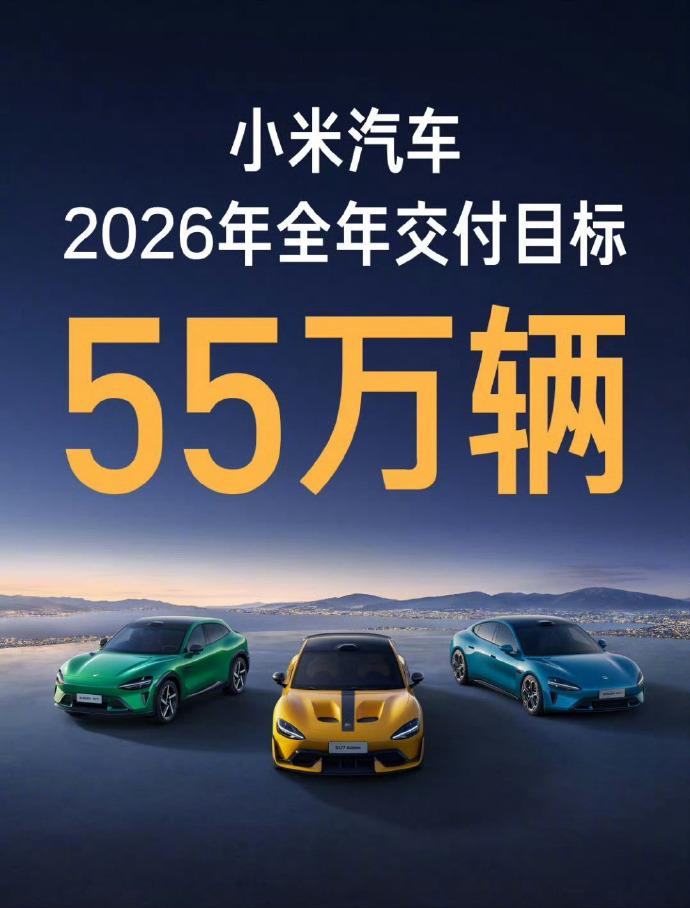
Compared with Xiaomi's delivery volume of 410,000 vehicles last year, this number doesn't seem too outrageous. The increase is only a "mere" 34%. But don't forget, Xiaomi's initial annual target last year was only 300,000 vehicles, and it has already exceeded the target by a huge margin.
On the one hand, this has made Xiaomi, which has only been on the market for a short time, a popular hit everywhere. On the other hand, it has also put a great strain on the new - car production capacity, which usually takes several years to gradually increase.
You know, Xiaomi's earliest Yizhuang Phase I factory only had an annual production capacity of 150,000 vehicles. To fulfill the numerous orders, Xiaomi managed to set up a Phase II factory in the middle of the year and squeezed the production line utilization rate to 200%.
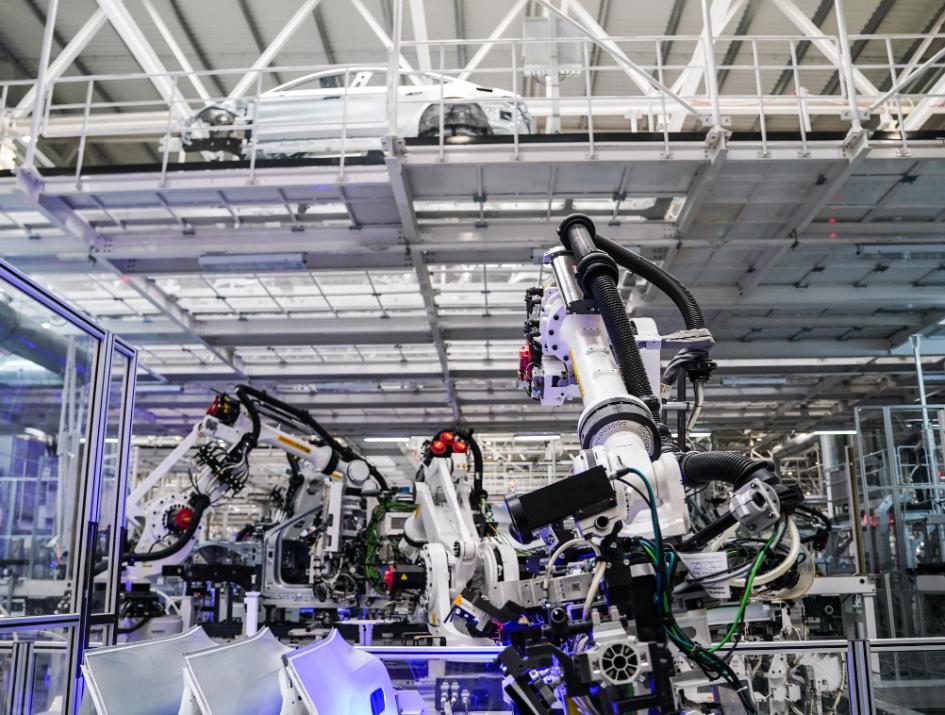
As a result, they only managed to reduce the delivery cycle of the SU7 from the initial 40 weeks to 10 - 20 weeks. At the end of the year, some configurations of the YU7 still had to wait 3 - 4 months for delivery.
For users, the experience is not really good.
So, although Xiaomi's Yizhuang Phase III factory and the Wuhan factory will start production this year (with a combined annual planned production capacity of over 2 million vehicles), and various new cars (such as the new - model SU7, the long - wheelbase SU7, and the Kunlun SUV) will be launched one after another, the sales target is only more than 100,000 vehicles higher than last year's result.
The meaning behind this is quite clear, right? It's to speed up the delivery process so that everyone can get their cars earlier. By the way, it also aims to win back some customers who were snatched by competitors due to the long delivery time.
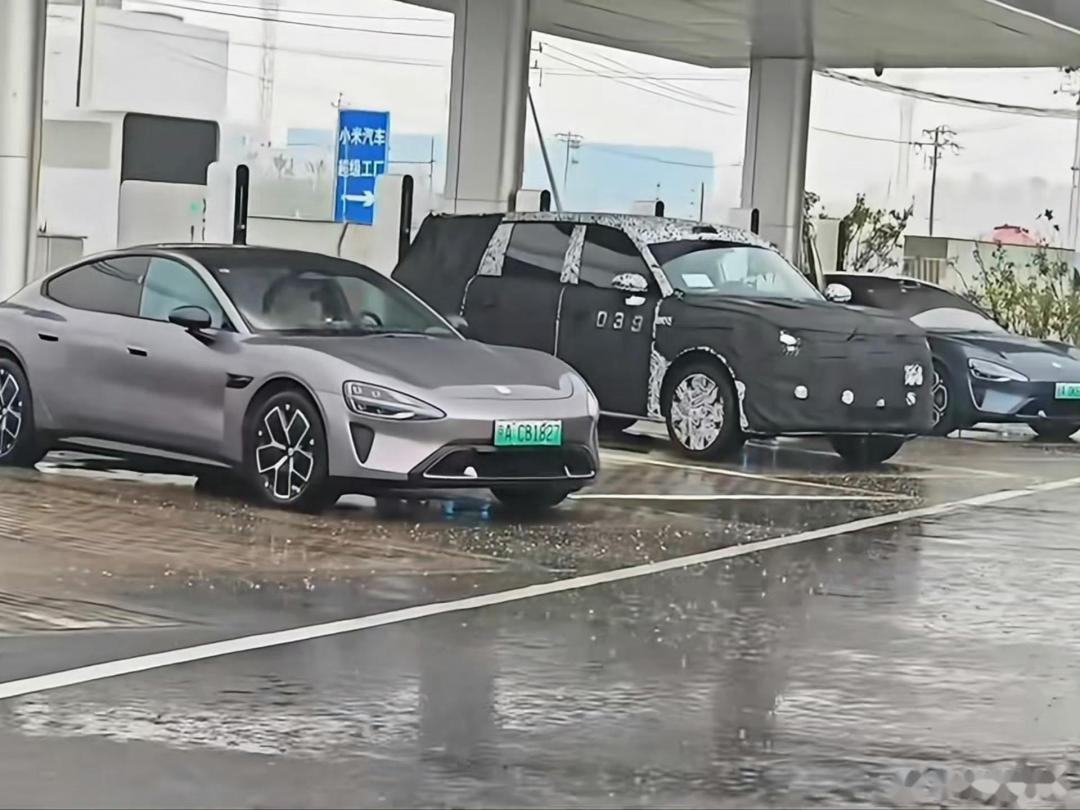
Compared with Xiaomi's relative conservatism, BYD's goal for next year is all about a fierce battle. However, this battlefield is not in the domestic market but overseas.
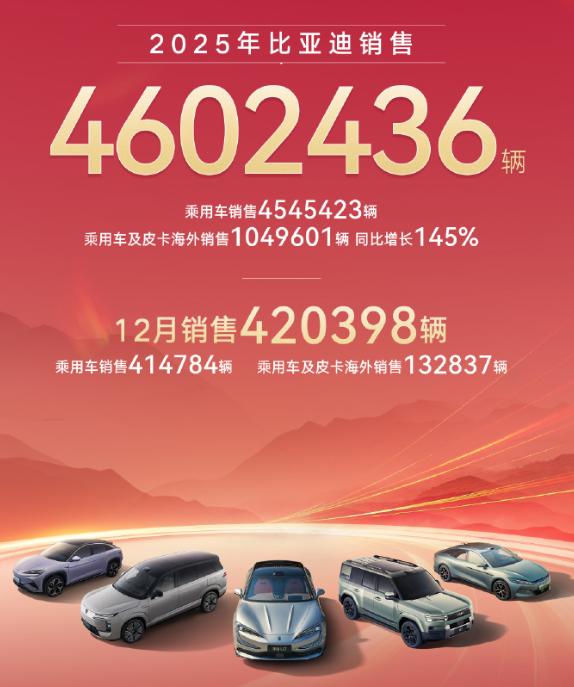
At the end of last year, BYD's executives revealed to the researchers of Goldman Sachs and Citibank that BYD's overseas sales target for 2026 is 1.5 - 1.6 million vehicles, a terrifying increase of over 50% compared with the sales of just over 1 million vehicles in 2025.
In contrast, you may not know that although BYD was still the sales champion in the domestic market last year, its performance actually declined. In 2024, BYD's domestic sales were 3.83 million vehicles, and last year it dropped to 3.5 million vehicles.
On the one hand, large companies like Geely have joined the price war. Models like the Xingyuan have taken away a large number of BYD's customers.
On the other hand, with an annual sales volume close to 4 million vehicles, which accounts for about one - tenth of the total domestic passenger - car sales, it has reached the upper limit that a single car company can achieve. Except for a more intense price war, it's almost impossible to have a significant increase.
Overseas, however, BYD's growth rate has been sky - rocketing. Last year, it delivered over 1 million vehicles overseas, more than double the 433,000 vehicles in the previous year.
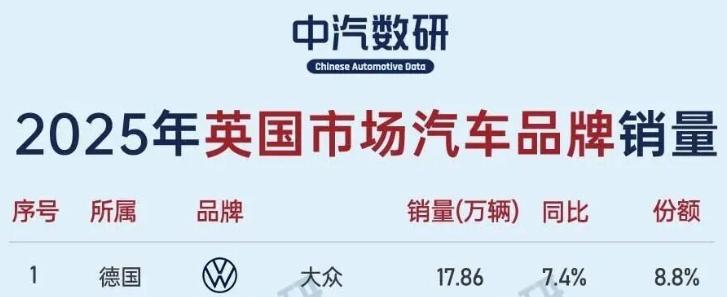
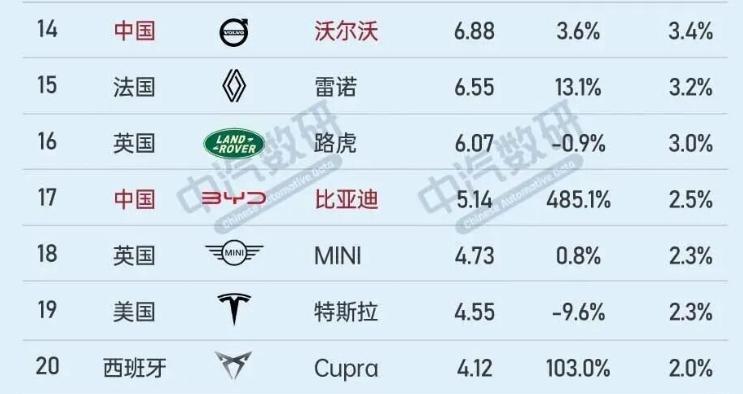
It has a presence in 119 countries and has even surpassed Tesla in traditional European markets like the UK.
It's obvious that not only domestic but also global users have little resistance to affordable and high - quality models.
This year, the resistance for Chinese cars to go overseas has started to decrease.
On the one hand, the long - awaited anti - dumping punitive tariffs in Europe have not been implemented after all. Instead, there are pricing rules stipulating that the selling price cannot be too low, which has greatly reduced the difficulty for Chinese car companies to enter the European market.
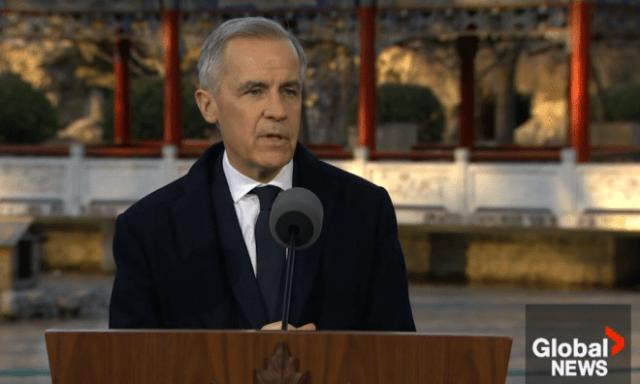
On the other hand, the Prime Minister of Canada also said during a visit to China a few days ago that Canada will import 49,000 Chinese electric vehicles this year, and the tax rate is only a low 6.1%.
Since Canada is essentially like a state of the United States, this is actually like the United States has opened the door for Chinese cars to enter the market.
The American people can finally buy the cheap and intelligent Chinese cars they've been talking about for so long. I'm really happy for them.
Since both the European and American auto markets have given the green light to Chinese cars, it's very reasonable for BYD, a major exporter, to set a higher target.
Another brand that, like BYD, has chosen a 50% growth goal, which you probably won't expect, is NIO, which was previously known as an investment black hole.
At a communication meeting half a month ago, Li Bin introduced NIO's plan for this year to the media present.
Although there is no specific target number, the growth rate this year and in the following years will be 40 - 50% (last year, the total sales volume of the three NIO - related brands was 326,000 vehicles), which is an extremely fast growth rate among new - energy vehicle startups.

There won't be any extremely explosive new models. Instead, existing models such as the ET5 and ES6 will be switched to the same third - generation platform as the ES8 and ET9.
Annual profitability is a sure thing.
The reason why NIO is so confident is that its current situation may be the most favorable in recent years.
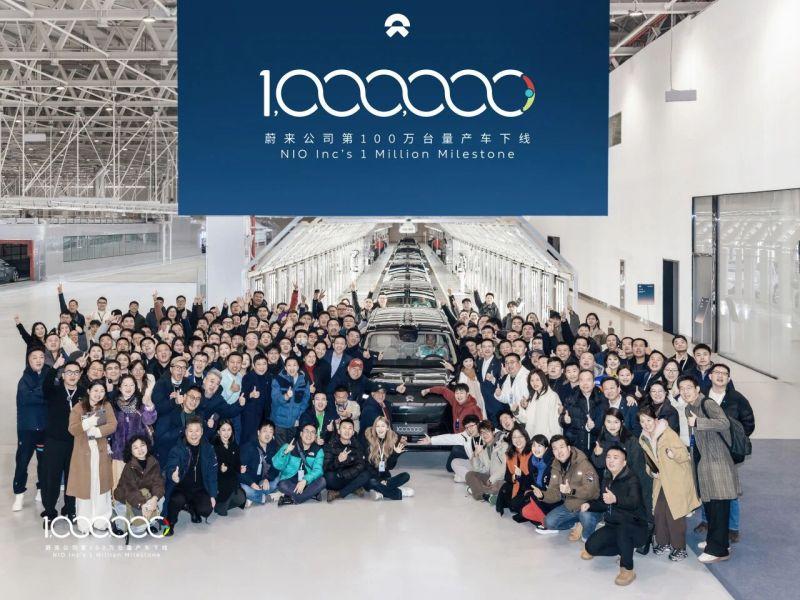
Since the launch of the third - generation ES8, it has been extremely popular. Thanks to its amazing price, it only took 120 days to deliver 50,000 vehicles, and NIO quickly achieved the milestone of producing 1 million mass - produced vehicles. It has even made a 400,000 - yuan - level model a best - seller.
Coincidentally, according to Li Bin, the third - generation ES8 is also the most profitable model in the NIO system. With a 20% gross profit margin, it is not only higher than that of the previous - generation ES8 but also higher than that of models like the ET5 and ES6 on the second - generation platform. For NIO, it means the more it sells, the more it earns, creating a positive cycle.
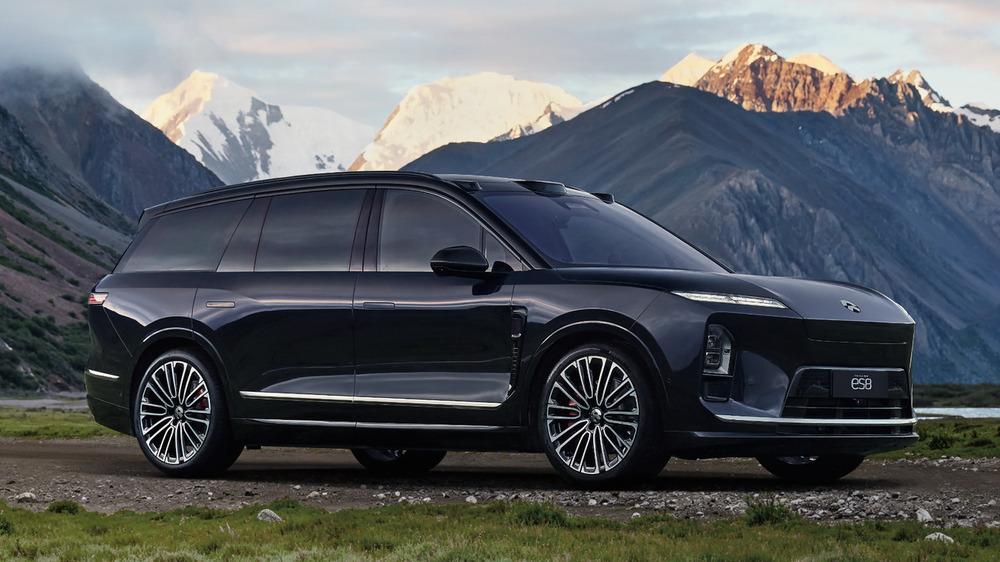
As for how NIO increased the profit margin of the ES8... the explanation is a bit long, so we won't go into details here. You can discuss it among yourselves.
Generally speaking, if there are no unexpected situations, after all the main models are upgraded to the third - generation platform like the ES8, NIO's models are likely to see a significant price cut across the board this year, which will boost sales.
At the same time, NIO also has plans to expand overseas this year, entering more than 40 countries. In addition to its own brand, Firefly will be launched in Singapore after the Spring Festival, aiming to make a full - scale attack both at home and abroad.
A 50% sales growth target doesn't seem too outrageous in comparison.
Of course, the suspense for NIO is far from just about predicting sales growth. Mr. Li, when can we see the financial report for the fourth quarter of last year?
After talking about representative domestic brands, let's quickly take a look at the situation of overseas car companies.
Generally speaking, last year was almost the worst year for traditional luxury brands in China. Porsche's sales in the Chinese market plummeted by 26% last year. Many dealerships closed down, and there were even reports of 4S stores closing overnight, leaving customers who had paid unable to get their cars.


When it comes to future targets, Pan Lichi, the president of Porsche China, didn't mention specific numbers. He only said that the sales decline is an inevitable result of competition and is within Porsche's expectations. Winning back the Chinese market is a long - term goal for Porsche and is full of challenges.
BMW and Mercedes - Benz also had a tough time. Mercedes - Benz sold just over 550,000 vehicles in China last year, a year - on - year plunge of nearly 20%. BMW did relatively better, selling more than 620,000 vehicles, but still down 12.5% compared with the previous year.
