Brüder, die dieses Jahr ein Auto kaufen möchten, werden empfohlen, zunächst die Neujahrspläne der Automobilhersteller zu prüfen.
I'm afraid the fireworks on New Year's Eve are too loud, and I'm afraid there are too many greetings on the first day of the new year. Therefore, almost a month before the Chinese New Year begins, Brother Hals here wishes all enthusiasts a happy new year!
I wish all those who study in the new year good grades, and those who work, to earn a lot of money. Dumplings, Dumplings, always just Dumplings.
While the editorial team is already preparing for the holidays, many automobile manufacturers have announced their sales targets for the year 2026.
If you compare the targets of previous years with the actual achievement rate, you can say that some manufacturers will still remain very aggressive this year and just go for it.
Another part of the manufacturers has decided to withdraw and take it easy next year. Of course, there are also some brands that one would never have expected to make certain decisions.
This is quite interesting. Brother Hals will now quickly take you through this information. So you can see how the brands you like or want to buy will develop next year.
So first: the controversial company Xiaomi. Recently in a live broadcast, Lei Jun, the head of Xiaomi, explained that the target of Xiaomi's automobile business for the year 2026 is a "not too high, but also not too low" number of 550,000 vehicles.
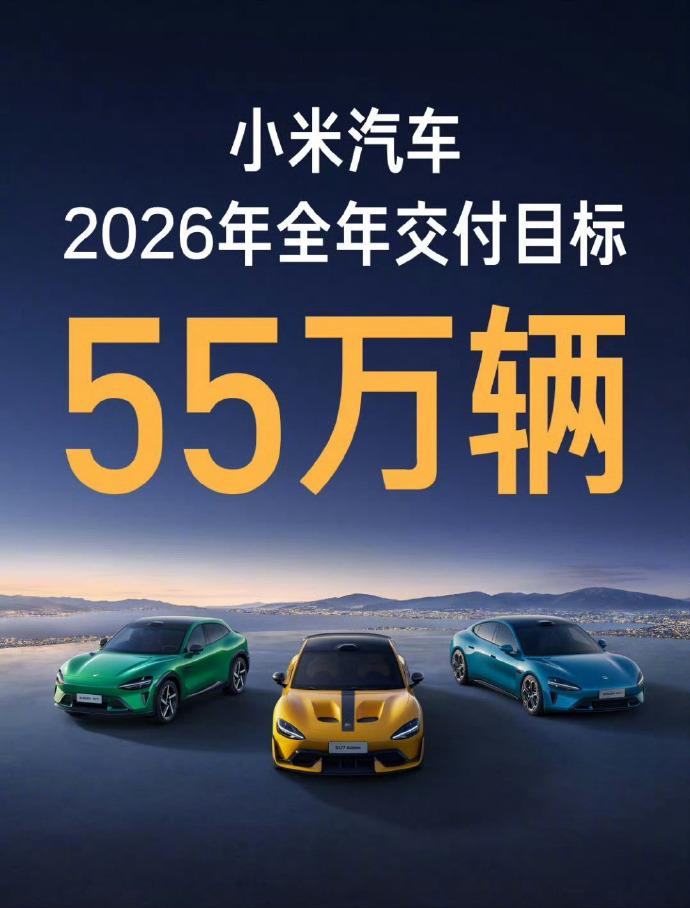
Compared to the 410,000 vehicles delivered by Xiaomi last year, this number actually doesn't seem excessive. The increase is only "34%". But one shouldn't forget that Xiaomi originally only set an annual target of 300,000 vehicles last year and has already very surprisingly exceeded this target.
On the one hand, Xiaomi has thus created a huge success model shortly after entering the market, on the other hand, it has severely strained the capacities that normally only increase after years.
One must know that Xiaomi's first factory in Yizhuang originally only had an annual capacity of 150,000 vehicles. To fulfill the many orders, Xiaomi built a second factory in the middle of the year and increased the utilization of the production lines to 200%.
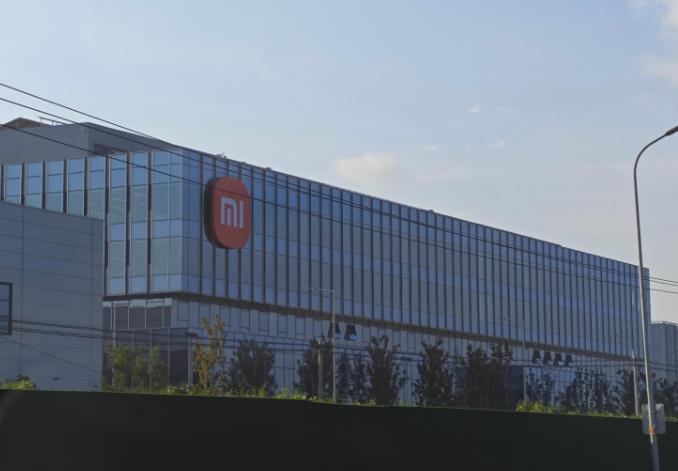
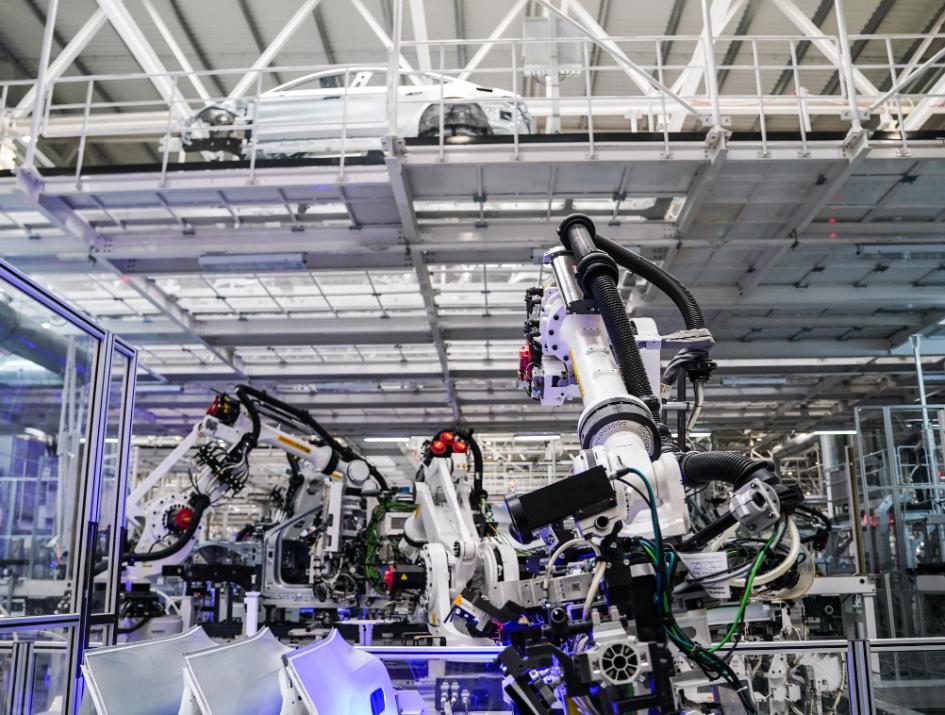
Nevertheless, the delivery time of the SU7 could only be reduced from initially 40 weeks to 10 - 20 weeks. At the end of the year, customers still had to wait 3 - 4 months for some configurations of the YU7.
The experience for the customers was not necessarily good.
Therefore, although Xiaomi's third factory in Yizhuang and the factory in Wuhan will go into operation this year (the planned annual capacity together is over 2 million vehicles) and various new models (new SU7, extended SU7, Kunlun SUV, etc.) will be presented one after another, the sales target is only a little more than 100,000 vehicles higher than last year's result.
The meaning is clear, namely to increase the delivery speed so that people can pick up their car earlier. And also to win back some customers who have gone to the competition due to the long delivery times.
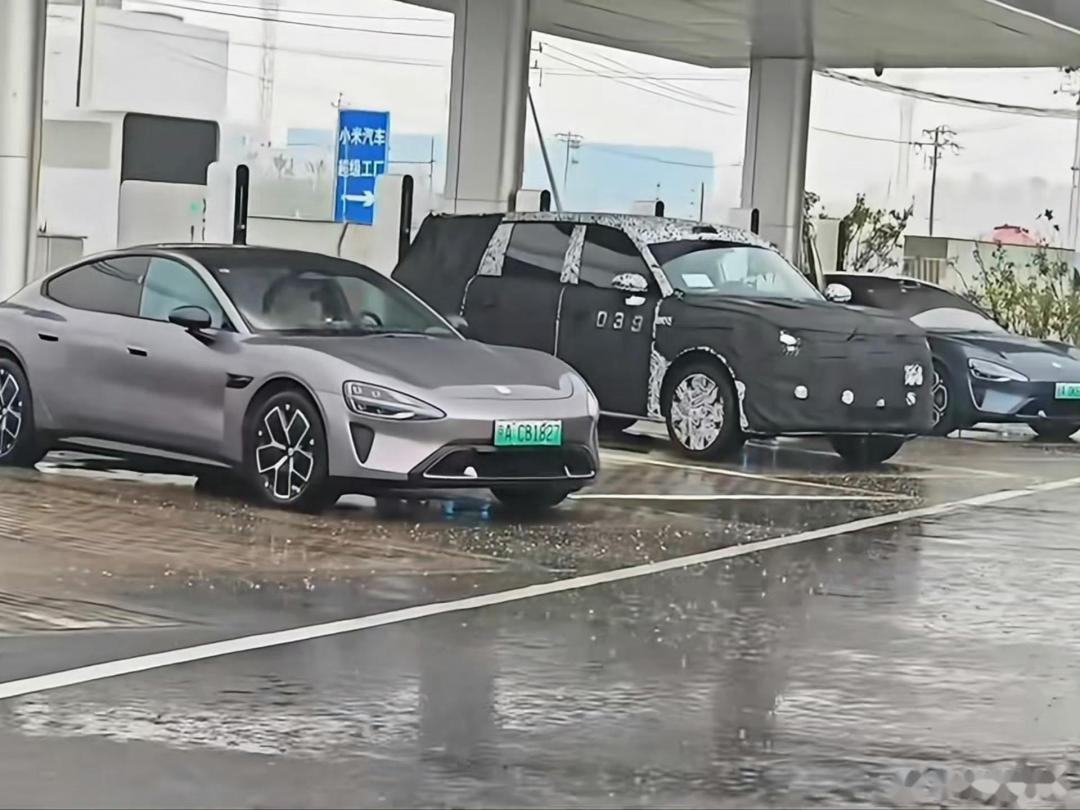
In contrast to Xiaomi's relative caution, BYD is betting on an aggressive advance next year. However, the stage is not the Chinese, but the foreign market.
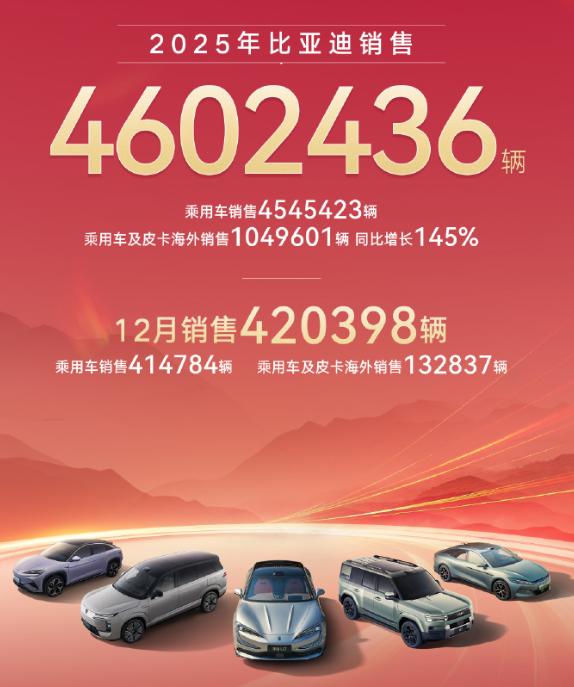
At the end of last year, senior BYD officials told analysts from Goldman Sachs and Citibank that BYD has a sales target of 1.5 - 1.6 million vehicles abroad for the year 2026, which means a crazy increase of over 50% compared to the just over 1 million vehicles sold in 2025.
In contrast, many may not know that although BYD was still the sales leader in the domestic market last year, its results have actually declined. In 2024, it was 3.83 million vehicles sold in the domestic market, last year the number dropped to 3.5 million.
On the one hand, a large company like Geely has followed the price comparison and snatched a large part of BYD's customers with models like the Xingyuan.
On the other hand, the almost 4 million vehicles per year already make up about a tenth of the entire Chinese passenger car market. This is almost the upper limit that a single manufacturer can reach. Except for an even tougher price comparison, it is almost impossible to achieve a large increase.
But abroad, BYD has had a rocket - start development. Last year, a total of over 1 million vehicles were delivered abroad, more than twice as many as the previous year with 433,000 vehicles.
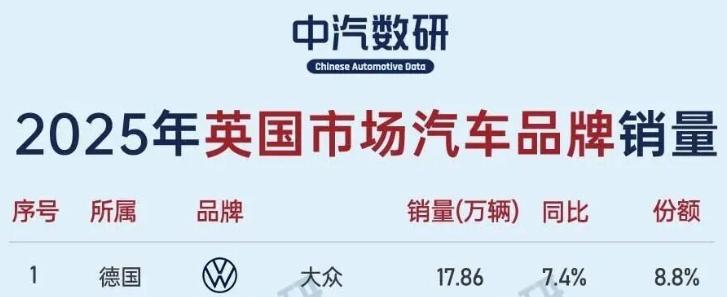
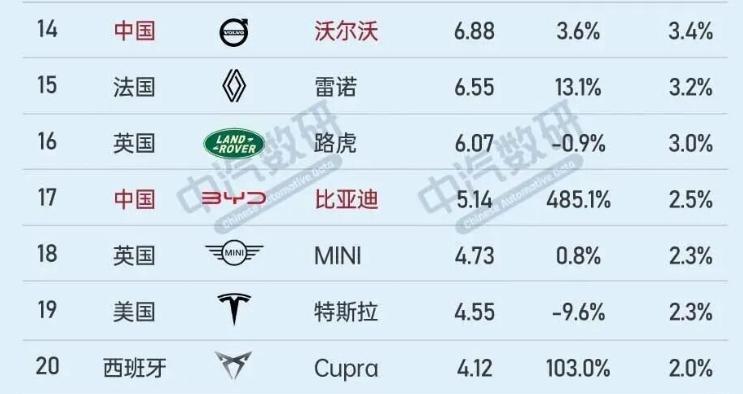
BYD has established its presence in 119 countries and has even overtaken Tesla in traditional European markets like Great Britain.
It is obvious that not only in China, but worldwide, consumers have no resistance to inexpensive and well - functioning models.
This year, the resistance for Chinese automobiles during export will become increasingly lower.
On the one hand, the long - announced anti - dumping tariff from Europe has finally not come into force and has instead become a price guideline stating that the selling prices must not be too low. This has greatly reduced the difficulties for Chinese automobile manufacturers to penetrate the European market.
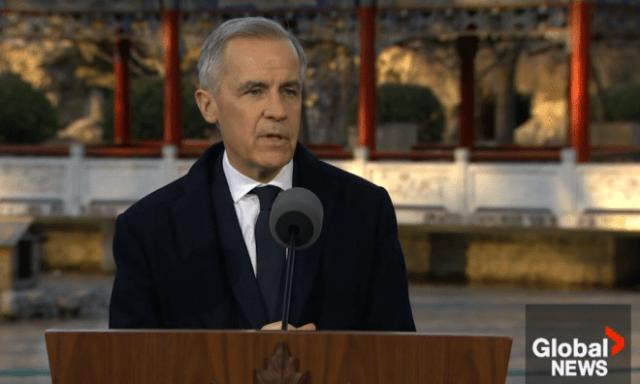
On the other hand, the Canadian Prime Minister also explained during a visit to China a few days ago that Canada will import 49,000 Chinese electric vehicles this year and the tax rate is only a low 6.1%.
Since Canada is basically like a state of the USA, this actually means that the USA has opened the gates for Chinese automobiles.
The Americans can finally buy the inexpensive and intelligent Chinese cars they have been talking about for so long. I'm happy for them!
Since both the American and the European automobile markets are giving the green light for Chinese cars, it is very reasonable that BYD, as one of the leading export manufacturers, is setting its targets higher.
Another brand that is also betting on a 50% increase, just like BYD, is probably hard to imagine: NIO, which was formerly always referred to as a "money pit".
Two weeks ago at a communication event, Li Bin presented NIO's plans for this year to the media present.
Although no exact target numbers were mentioned, the growth rate this year and in the coming years will be between 40 - 50% (last year, the total sales number of NIO's three brands was 326,000 vehicles). This is an extraordinarily fast increase among the new automobile manufacturers.

There will probably not be any very eye - catching new models, but the existing models like ET5, ES6, etc. will be switched to the same third platform as ES8 and ET9.
An annual profit is almost certain for NIO.
NIO is so confident because its current situation is perhaps the best in recent years.
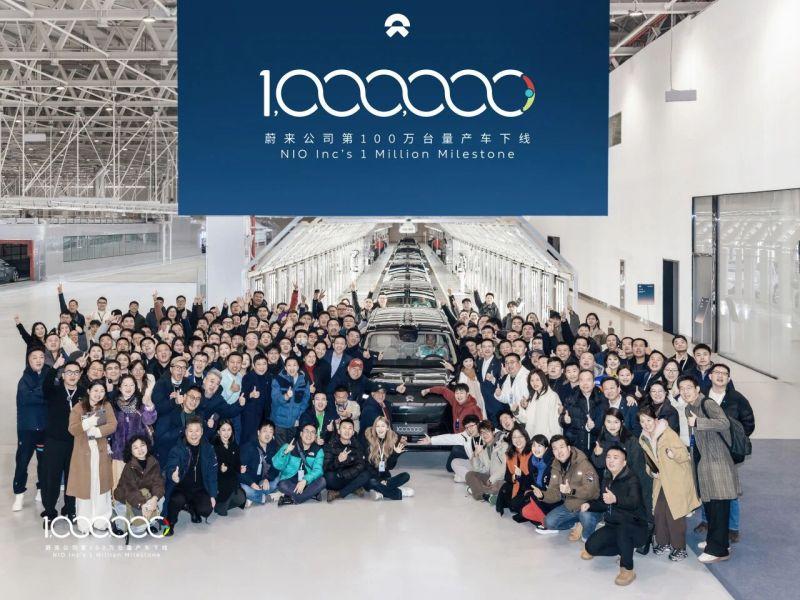
After the release of the third - generation ES8, it has experienced a steady upswing. Thanks to the incredible price, it only took 120 days to deliver 50,000 vehicles and has thus quickly reached the milestone that a total of 1 million serial vehicles have been produced. It has even turned a vehicle in the 400,000 - Yuan class into a mass - market product.
Interestingly, according to Li Bin, the third - generation ES8 is the most profitable model in the NIO group. The 20% market margin is not only higher than that of its predecessor ES8, but also higher than that of models like ET5 and ES6 on the second platform. For NIO, this means the more sold, the more profit, a positive spiral.
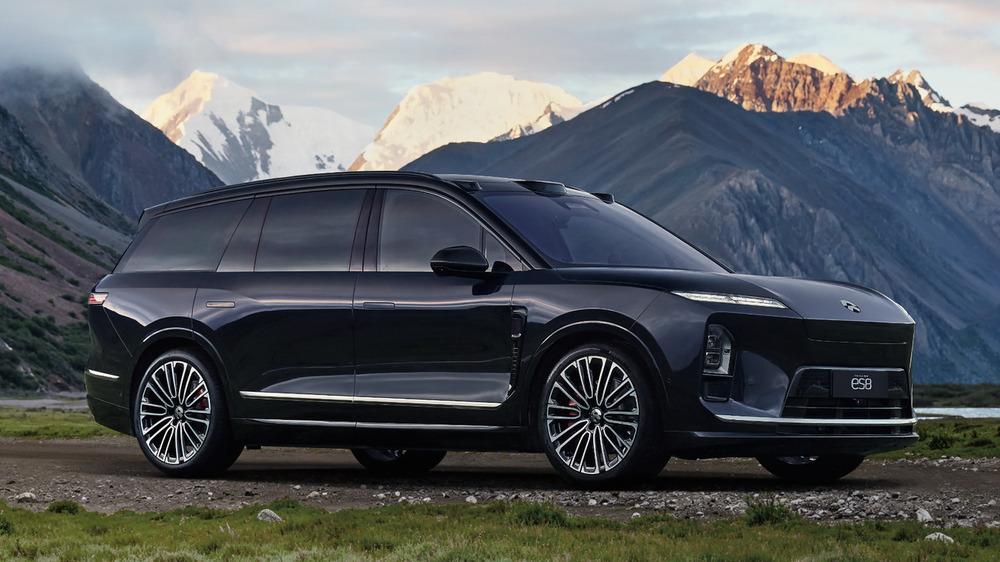
How NIO has increased the profitability of the ES8... It's too long to explain in detail here. You can discuss it.
Overall, it is likely that after all the main models are switched to the third platform like the ES8 this year, there will be a general price reduction for NIO models to further increase the sales numbers.
In addition, NIO also has plans to expand into over 40 countries this year. In addition to the main brand, the "Firefly" will also be introduced in Singapore after the Chinese New Year. So it's going forward on all fronts.
A target of a 50% increase in sales numbers doesn't seem so excessive in comparison.
Of course, the biggest question for NIO is not yet the prediction of sales growth. Lei Bin, when can we finally see the annual report for the fourth quarter of last year?
After looking at the representative Chinese brands, let's now quickly take a look at the situation of foreign automobile manufacturers.
Overall, last year was almost the worst year for traditional premium brands in China. Porsche's sales in China dropped by 26% last year. Many dealers have closed their businesses, and there were even reports that some car dealerships closed overnight and customers who had already paid didn't get a car.
