Is the real reason for not daring to build car factories in India that they can't bring back the profits?
When the application window set by the Ministry of Heavy Industries in India for the Scheme for Promotion of Manufacturing of Electric Passenger Cars in India (SPMEPCI) closed on October 21, 2025, the final outcome was rather embarrassing. None of the global automakers submitted an application.
This plan, regarded as India's attempt to build a global electric passenger car center, was bluntly described as "useless" by senior internal officials and became a dead letter. Amid the global wave of accelerating the layout of the electric vehicle industry, India intended to attract global capital with its huge market potential but encountered collective indifference.
Many people attribute this to the saying "Earn money in India and spend it all here; not a single cent can be taken away." However, a deeper analysis reveals that the concern about whether profits can be taken back is just the surface. Behind it are multiple intertwined factors such as the inherent flaws in policy design, the uncertainty in trade negotiations, the key shortages in the supply chain, and the weakness of the market foundation.
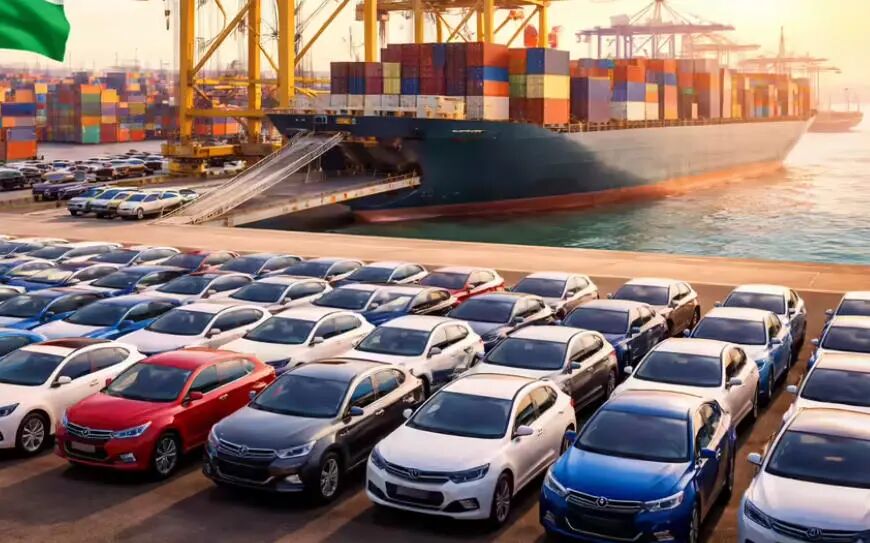
The collective wait - and - see attitude of global automakers is, in essence, a rational avoidance choice made after a comprehensive weighing of the risks and opportunities in the Indian market. This result has ultimately dealt a heavy blow to India's vision of becoming a manufacturing powerhouse.
There are major problems in policy - making
Insiders in India admit that the impracticality of policy design and the uncertainty of the trade environment constitute the first barrier for global automakers to enter the Indian market, and their obstructive effect is far greater than the simple consideration of profits.
The original intention of the Indian government to launch the SPMEPCI plan was to exchange tariff concessions for large - scale investments and local production from global automakers, thereby promoting the rise of the domestic electric vehicle industry. This idea itself is reasonable, but the strict and vague policy terms have discouraged automakers.
According to the plan requirements, participating OEM manufacturers need to commit to investing at least 415 billion rupees (US$500 million) to build a manufacturing plant, and achieve a 25% domestic value - added rate (DVA) within three years and increase it to 50% within five years. Failure to meet the standards will result in penalties.
Such a high investment threshold and strict localization requirements place extremely high demands on the capital strength and supply - chain integration ability of automakers. What's more unreasonable is that the policy excludes large - scale investments in land from the total investment, further increasing the financial pressure on enterprises.
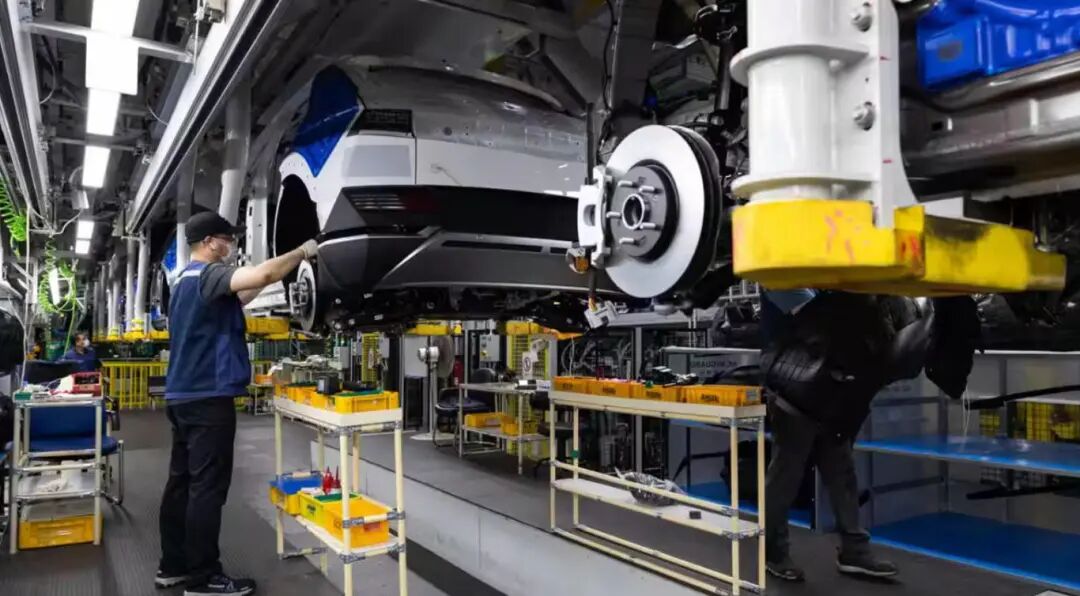
Meanwhile, the requirements of a global revenue of up to 100 billion rupees and global fixed assets of 30 billion rupees directly block small - scale electric vehicle manufacturers from entering. Even large - scale automakers need to carefully evaluate the balance between investment and return.
If the strict policy terms are the obvious obstacles, then the pending India - EU Free Trade Agreement (FTA) negotiations are the underlying factors that make automakers dare not rush into the market.
Many original equipment manufacturers have clearly stated that their participation in the SPMEPCI plan depends on the final result of the India - EU FTA negotiations. Currently, India imposes a high tariff of over 100% on imported cars. The 15% preferential tariff rate provided by the SPMEPCI plan was originally the core incentive to attract automakers.
However, the EU has clearly demanded in the trade negotiations that India significantly reduce or even cancel the import tariffs on cars, and the Indian government has shown an intention to make concessions, considering gradually reducing the import tariff on cars to 10%. Once this negotiation result is implemented, the tariff concession advantage of the SPMEPCI plan will disappear, and the huge investments previously made by automakers will face the risk of not being recovered.
This uncertainty of policy dividends has put automakers in a dilemma of whether to invest or not. After all, for the capital - intensive automotive industry, any large - scale investment requires a stable policy environment as a guarantee. No one is willing to bet billions of dollars when the policy outlook is unclear.
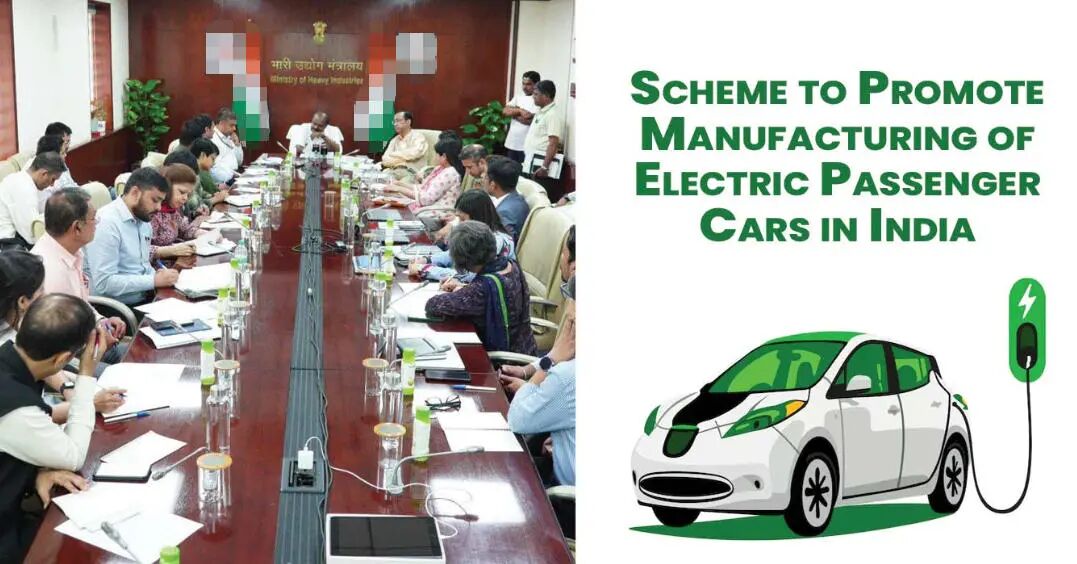
What's more noteworthy is that when faced with the policy modification suggestions put forward by automakers, the Indian government not only failed to give a positive response but also clearly stated that "there are currently no proposals under consideration for revision or extension of the deadline." This rigid attitude has further aggravated the concerns of automakers, making them more inclined to wait and see rather than take risks.
In addition, the misalignment of policy incentives has also greatly reduced the attractiveness of the plan. The SPMEPCI plan limits the import tariff reduction to the import of high - value complete vehicles worth $35,000 or more. This design was intended to encourage automakers to produce mid - to high - end models in India, but it is seriously out of touch with the actual needs of the Indian market.
Currently, the penetration rate of the electric vehicle market in India is less than 4% and is only expected to reach 6% in 2025. The price of mainstream domestic models is only half of the cheapest Tesla model. The market demand for high - end models is extremely limited. Even if automakers import high - end models through preferential tariffs, it is difficult to achieve large - scale sales, let alone support the cost sharing of local production.
This deviation between policy design and market demand has greatly reduced the actual value of tariff concessions and failed to effectively stimulate the investment enthusiasm of automakers. Meanwhile, the Indian government's refusal to provide tariff concessions for the production of internal combustion engine vehicles has also disappointed some automakers that are still balancing the transformation rhythm between fuel - powered and electric vehicles, further reducing their enthusiasm to participate in the plan.
No favorable development environment
In fact, the key shortages in the supply chain and the weakness of the market foundation constitute the second obstacle for global automakers to build factories in India, and their restrictive effect on industrial implementation is no less than that of policy and trade factors.
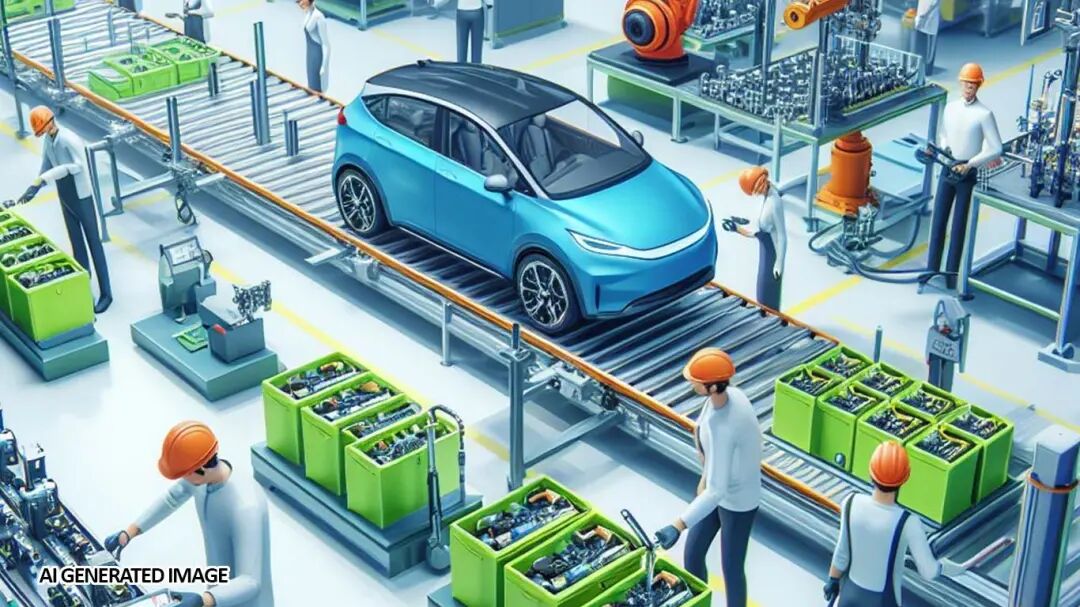
The development of the electric vehicle industry highly depends on the support of core raw materials and infrastructure, and India has fatal flaws in both aspects. Rare - earth magnets, as the key raw materials for electric vehicle motors, directly determine the production safety of automakers with their supply stability.
Although India ranks third in the world in terms of rare - earth reserves, with proven reserves of 6.9 million tons, its mining and processing capabilities are extremely backward, contributing less than 1% to the global rare - earth production. The rare - earth permanent magnets required for electric vehicle production are heavily dependent on imports from China.
After China tightened its export controls on rare earths, the supply of rare - earth permanent magnets in India fell into a crisis. The production of many auto parts manufacturers has been continuously declining, and they even face the risk of production interruption. For global automakers, this high uncertainty in the supply of core raw materials is an unacceptable production risk.
Although the Indian government plans to invest 25 billion rupees to support the development of the rare - earth permanent magnet industry, and some enterprises are trying to develop rare - earth - free alternatives, the former requires long - term policy support and technological accumulation, and the latter requires at least a 6 - to 9 - month R & D cycle and faces multiple unknown challenges such as efficiency and cost. Therefore, the supply - chain shortage problem cannot be solved in the short term.
In this situation, if automakers rashly build factories in India, they will face the dilemma of having no raw materials to work with. Even if they can achieve local production, they may be forced to stop production due to raw material shortages.
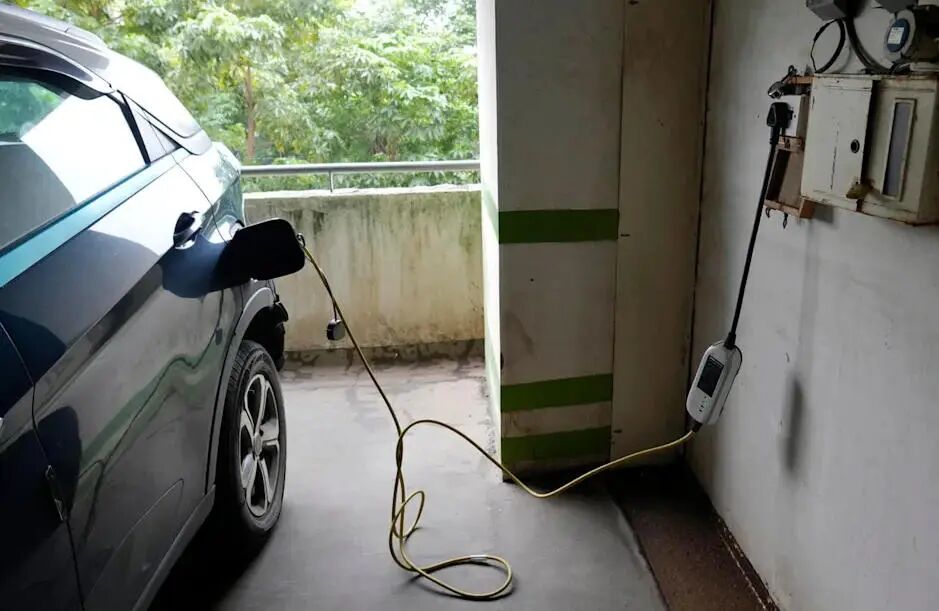
The serious lag in charging infrastructure has further weakened the investment confidence of automakers from the market consumption side. Currently, the biggest concern of Indian consumers about electric vehicles is the range anxiety caused by the imperfect charging facilities.
Although the Indian government has been promoting the construction of charging infrastructure, the progress has been slow, and charging stations are mainly concentrated in a few big cities, leaving vast rural and underdeveloped areas almost blank. What's more severe is that the electronic components and semiconductors of India's charging infrastructure are heavily dependent on imports, the approval process is cumbersome, and frequent power outages in some areas further reduce the reliability of charging services.
In addition, the competitive landscape and road conditions of the Indian domestic auto market have also become hidden obstacles for global automakers to enter the market. Currently, Tata Motors dominates the Indian electric vehicle market with a share of over 60%, followed by MG Motor with a 22% market share. Domestic brands have formed a strong first - mover advantage.
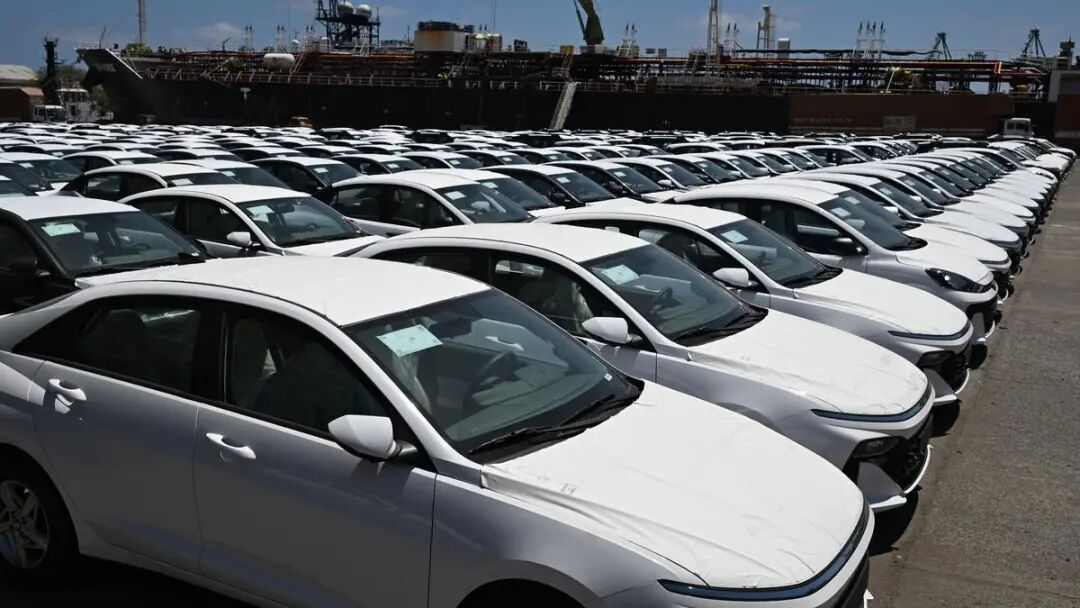
If global automakers enter the Indian market, they not only have to face multiple challenges in policy and supply chain but also compete fiercely with domestic brands, which undoubtedly further increases the difficulty of market access. At the same time, the poor road conditions in some parts of India place higher requirements on the reliability of components such as the chassis and batteries of electric vehicles. Automakers need to invest additional R & D costs for vehicle adaptation, which also reduces the attractiveness of the Indian market to some extent.
It is worth noting that the concern of global automakers about Chinese automakers entering the local market through the India free - trade agreement has also intensified their wait - and - see attitude. With the superposition of multiple risks, it is undoubtedly the most rational business decision for global automakers to temporarily put on hold their plans to build factories in India.
It can be said that these factors are intertwined and jointly form a high - risk barrier for global automakers to enter the Indian market. For the Indian government, if it wants to realize its vision of building a global electric vehicle center, simply launching preferential policies is far from enough. Otherwise, the dream of "Made in India" electric vehicles will probably continue to be stranded in the collective wait - and - see attitude of global automakers.
This article is from the WeChat official account "Automobile Commune" (ID: iAUTO2010), author: Yang Jing, published by 36Kr with authorization.