With a 90% tariff reduction and subsidies for electric vehicles, who will benefit from the turning point in Canada's trade with China?
Despite the game and potential variables, the globalization of the automotive industry cannot stop. True competitiveness does not lie in barriers but in who can continuously innovate in an open environment.
Recently, China's automobile exports have frequently reported good news.
Data from the China Association of Automobile Manufacturers shows that in 2025, China exported 7.098 million vehicles throughout the year, a year-on-year increase of 21.1%. The data from the General Administration of Customs is even higher. Including complete vehicles and complete sets of spare parts, the annual export volume reached 8.32 million units, a year-on-year increase of 30%, and the export value was 142.4 billion US dollars.
On one hand, there are rapidly growing figures. On the other hand, a series of favorable policies have emerged in overseas markets.
On January 20th, it was reported that the German government plans to introduce a 3-billion-euro subsidy to promote the growth of electric vehicle sales. The subsidy plan is open to all manufacturers, including Chinese brands.
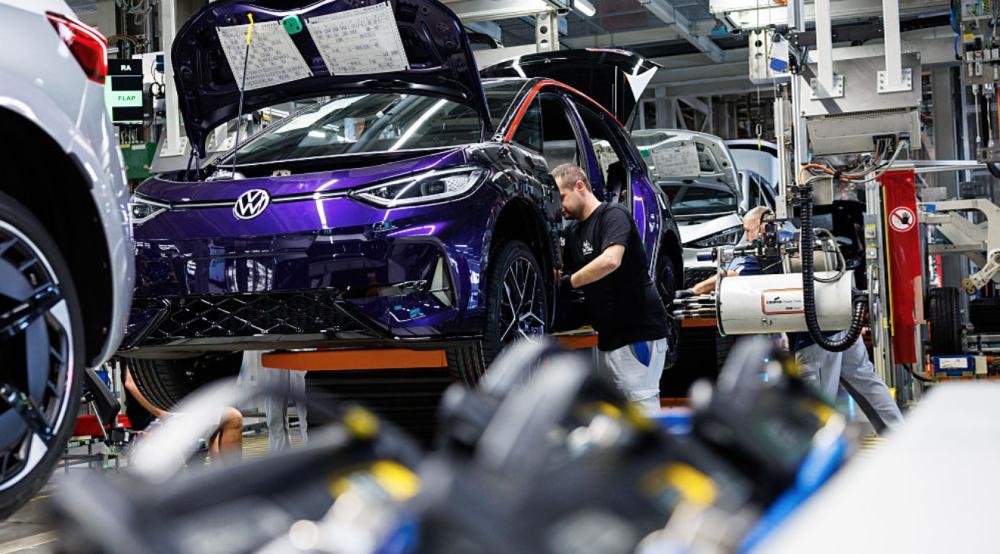
The new subsidy plan will last until 2029 and is expected to support the purchase of approximately 800,000 electric vehicles. The subsidy amount ranges from 1,500 to 6,000 euros, depending on the vehicle model and the purchaser's income level, mainly targeting low - and middle - income groups. Industry analysts believe that this move by Germany will bring significant benefits to China's automobile exports to Germany.
In 2025, Chinese automakers sold 68,700 passenger cars in the German market, a year-on-year increase of 120.4%. Despite facing various unfavorable situations, Chinese automakers still set a new sales record in the German market. According to institutional forecasts, Chinese automakers are expected to reach a scale of 100,000 vehicles in the German market in 2026.
A few days ago, Canada also announced that it will reduce the tariff on Chinese electric vehicles from 106.1% (6.1% most - favored - nation tariff + 100% additional tariff) to 6.1% and set an import quota of 49,000 vehicles in the first year. This quota will increase to approximately 70,000 vehicles per year by the fifth year. Moreover, more than 50% of the imported vehicles will be "affordable electric vehicles priced below $35,000", creating new low - cost options for Canadian consumers.

Canada also said that it plans to cooperate with Chinese companies through joint ventures and investments in the next three years to build local electric vehicles in Canada relying on Chinese technology, aiming to become the first country in North America to achieve this vision.
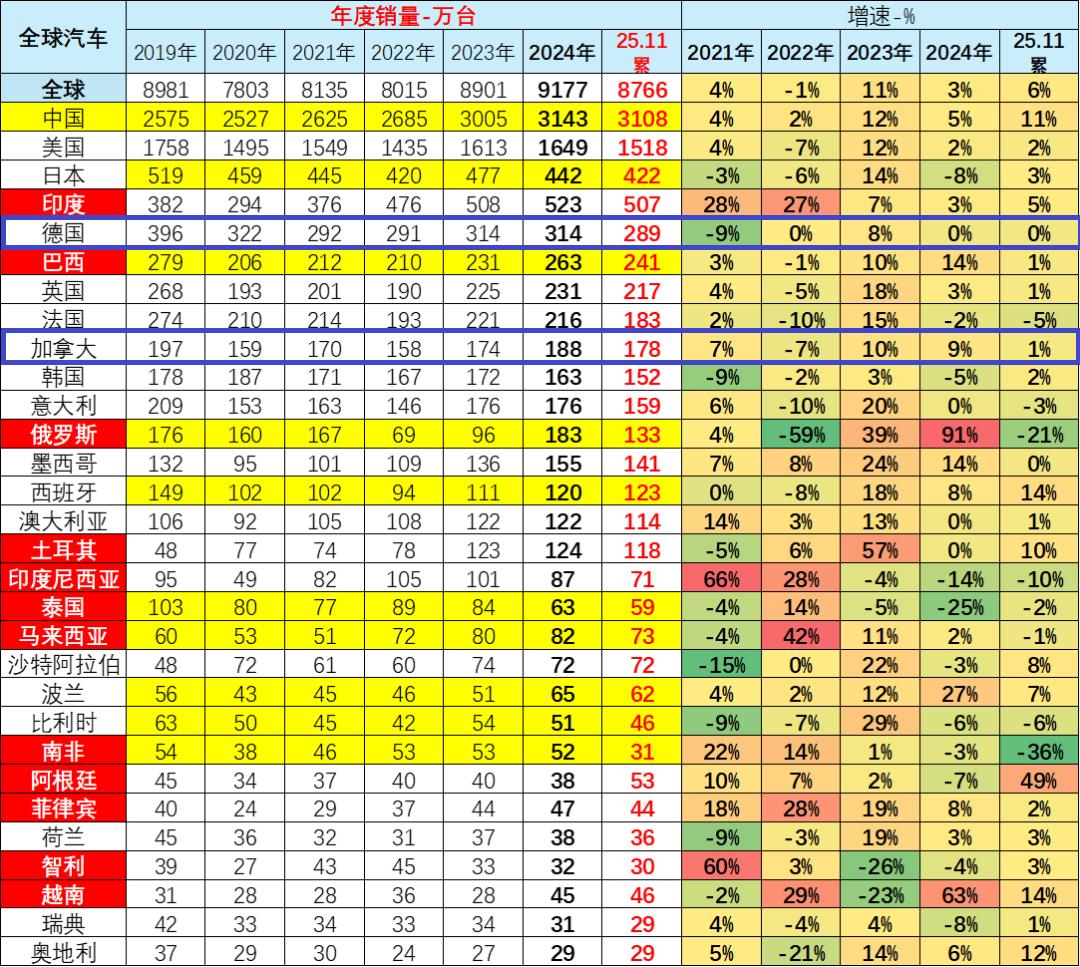
Against the background of severe domestic competition, weak growth, and soaring overseas exports, the potential and future of China's automobile growth must lie in the vast overseas market. In recent days, the relative relaxation of trade barriers in the Canadian market with a scale of 2 million vehicles and the German market with a scale of 3 million vehicles has indeed brought more opportunities and possibilities for China's automobile exports.
Canada and Germany Didn't Have a Change of Heart
The world doesn't show kindness to you for no reason. There are often some motives behind it, especially in international trade.
Obviously, Canada's relaxation of trade barriers on Chinese automobiles is not an accidental policy adjustment but the result of being forced by reality in terms of industry, market, and diplomacy.
Firstly, the disruption of the local industry has led to a relatively slow pace of green transformation. Although Canada has five major automakers such as General Motors, Honda, and Toyota, the new - energy field is almost "semi - blank". Data shows that there is currently no electric vehicle factory in Canada with an annual production capacity of over 50,000 vehicles, and the self - sufficiency rate of core components is less than 8%. Key components such as batteries and motors are highly dependent on imports.
However, Canada has set a goal of having new - energy vehicles account for 20% (approximately 380,000 vehicles) of total vehicle sales in 2026 and banning the sale of fuel - powered vehicles by 2035. In 2025, pure - electric vehicles accounted for only 6% of new vehicle sales in the country, and plug - in hybrid vehicles accounted for 4%. The market share is monopolized by US, Japanese, and Korean automakers. A report from the Financial Accountability Office of Ontario predicts that if there is a lack of external supply, the province's automobile manufacturing industry will lose 3,400 jobs, and the parts industry will lose 16,300 jobs in 2026, intensifying the risk of industrial hollowing - out.
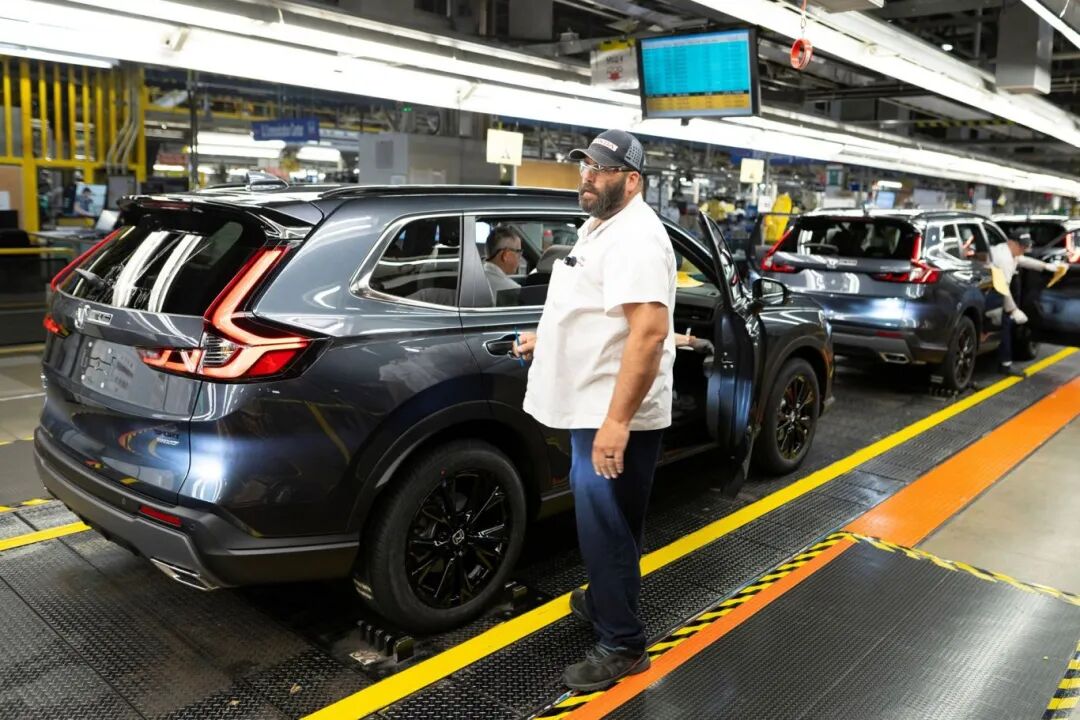
After imposing an additional 100% tariff in October 2024, the Canadian electric vehicle market has completely fallen into a dilemma of "high prices and few choices". In 2025, the average selling price of new electric vehicles in Canada reached C$63,000 (approximately RMB 310,000), while the entry - level price of Chinese electric vehicles before the tariff was only C$26,000 (approximately RMB 138,000). This directly led to a 40% year - on - year plunge in the new registration volume of zero - emission vehicles in the third quarter of 2025, and the sales of pure - electric vehicles were halved.
More importantly, the Canadian automobile industry has long been dependent on the US. 95% of Canada's automobile exports rely on the US market. However, Trump's tariff stick dealt a fatal blow to the Canadian automobile industry.
In April 2025, after the Trump administration imposed a 25% tariff on Canadian - made automobiles and parts, General Motors closed a factory in Oshawa and reduced the production capacity of its Ingersoll factory. Stellantis cancelled the Jeep production plan at a factory near Toronto, and 750 workers were at risk of losing their jobs.
Some analysts pointed out that the US tariff threat has made Honda and General Motors consider relocating their factories, which may cause Canada to lose more than C$30 billion in automobile exports annually.
Recently, Trump has been causing trouble in Venezuela, planning to "acquire land" in Greenland, and even drawing the US flag on Canadian territory, which has inevitably raised more concerns in Canada. Under multiple pressures, the Canadian automobile industry either continues to rely on the US and bear the continuous impact of policy fluctuations or actively breaks the situation and seeks new cooperation anchors in the global market.
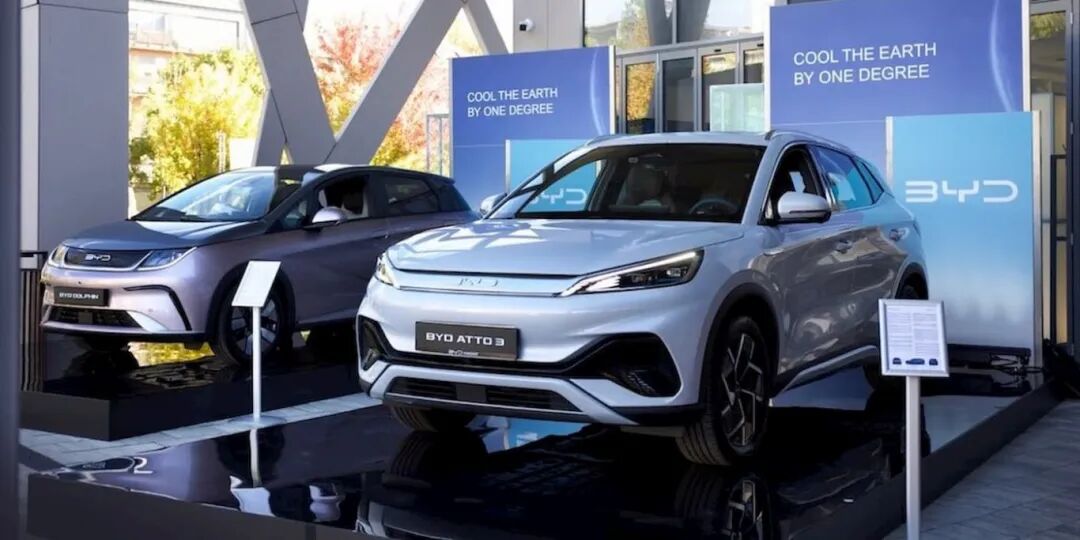
Turning to cooperate with China can essentially be regarded as a passive counter - attack against US trade protectionism.
Isn't Germany's situation the same? Although the outside world generally interprets it as "showing kindness to China", a deeper analysis of the logic behind it reveals that it is basically an inevitable choice for Germany under the multiple pressures of industrial dilemmas, climate goals, and geopolitical games.
On the one hand, there are market difficulties. After Germany terminated the electric vehicle subsidy at the end of 2023, the market immediately fell into a slump: the registration volume of pure - electric vehicles plunged by 27% in 2024. The core reason for the weakening growth is that electric vehicles are too expensive without subsidies.
Data shows that low - and middle - income families in Germany account for 50% of new car buyers, while the electric models of local automakers are mostly priced above €30,000. The starting price of Volkswagen ID.3 is €35,000, and Mercedes - Benz EQA is even more than €40,000, which is out of line with the needs of low - and middle - income groups.
"What we need are electric vehicles that ordinary families can afford, not luxury products only for high - income groups." The statement of the president of the German Association of Automobile Importers reveals the core demand for policy opening. The cost advantage of Chinese automakers can bring the post - subsidy vehicle price down to €20,000, directly activating the low - end market. This is the key for Germany to achieve its goal of "1 million electric vehicle registrations in 2026".
Volkswagen Group closed its Dresden factory at the end of 2025. This is the first time in its 88 - year history that it has shut down a vehicle factory in its home country, exposing the contradiction between high costs and low production capacity. Although BMW and Mercedes - Benz are accelerating their electrification, their software capabilities and battery technologies still lag behind Chinese automakers.
Analysis by the German Institute for Economic Research shows that due to the decline in market share in China, the impact of US tariffs, and the slow progress of electrification transformation, the profits of German automakers have been continuously declining, and up to 90,000 jobs may be cut by 2030.
The difficulties at the industrial level and the pain of transformation have also made Germany realize that it needs a "catfish" to force German automobile innovation, and this "catfish" may come from China.
Germany's Environment Minister said bluntly: "There is no evidence that Chinese automakers will flood in. We choose to face the competition rather than set restrictions." The German Association of the Automotive Industry predicts that the subsidy will drive a 17% increase in electric vehicle registrations in 2026, and the participation of Chinese brands will make it easier to achieve this goal.
Of course, the most core factor is geopolitical game. Germany's green - lighting of subsidies for Chinese electric vehicles can also be seen as using policy sincerity to exchange for cooperation with China, providing a buffer for Sino - EU electric vehicle trade frictions. After all, Germany's automobile industry business in China has also been quite affected in the past two years, and it urgently needs new cooperation methods and communication strategies.
Who Will Be the First to Enjoy the Dividends?
The policies of the two markets have different impacts on China, and the resulting benefits also vary.
First, let's look at Canada. Tesla has firmly locked in the short - term dividends of the 49,000 - vehicle quota, which is determined by its early - established channels and production capacity advantages.
As early as 2023, Tesla exported 44,000 Model 3/Y vehicles from its Shanghai factory to Canada, accounting for more than 80% of China's total electric vehicle exports to Canada that year (China exported 41,700 new - energy passenger cars to Canada in 2023).
Tesla currently has 39 stores in Canada, covering major cities, and its Supercharger network is already in place, with a mature after - sales service system. In contrast, most Chinese independent brands have not entered the Canadian market, and building channels from scratch requires huge costs and time.
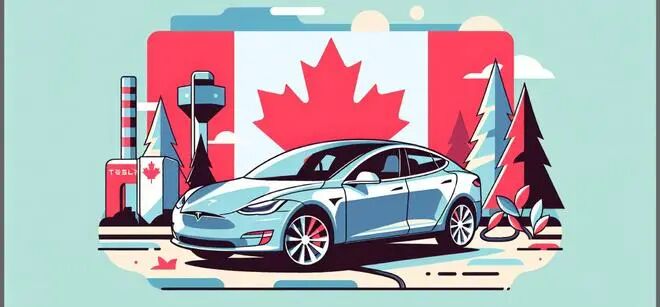
Reuters predicts that Tesla's exports of Model 3/Y vehicles from its Shanghai factory to Canada in 2026 are expected to return to the level of 40,000 vehicles in 2023, accounting for more than 80% of the 49,000 - vehicle quota, making it the biggest short - term winner.
Lotus Cars, which is now owned by Geely, has clearly stated that its all - electric super - SUV Eletre completed the strict North American market certification in 2024 and has become the only Chinese - made electric vehicle that has successfully entered the price range above $80,000 in the North American market. The significant benefit of the tariff policy is expected to cause the planned selling price of the Eletre in Canada to drop by approximately 50%. This highly competitive price advantage is expected to drive an exponential increase in the wholesale sales volume of Lotus Cars in Canada.
For Chinese independent brands, the opportunity in the Canadian market lies not in the short - term quota competition but in local production and industrial chain output after three years. BYD, Geely, Chery, and Stellantis are expected to become long - term players with their respective advantages.
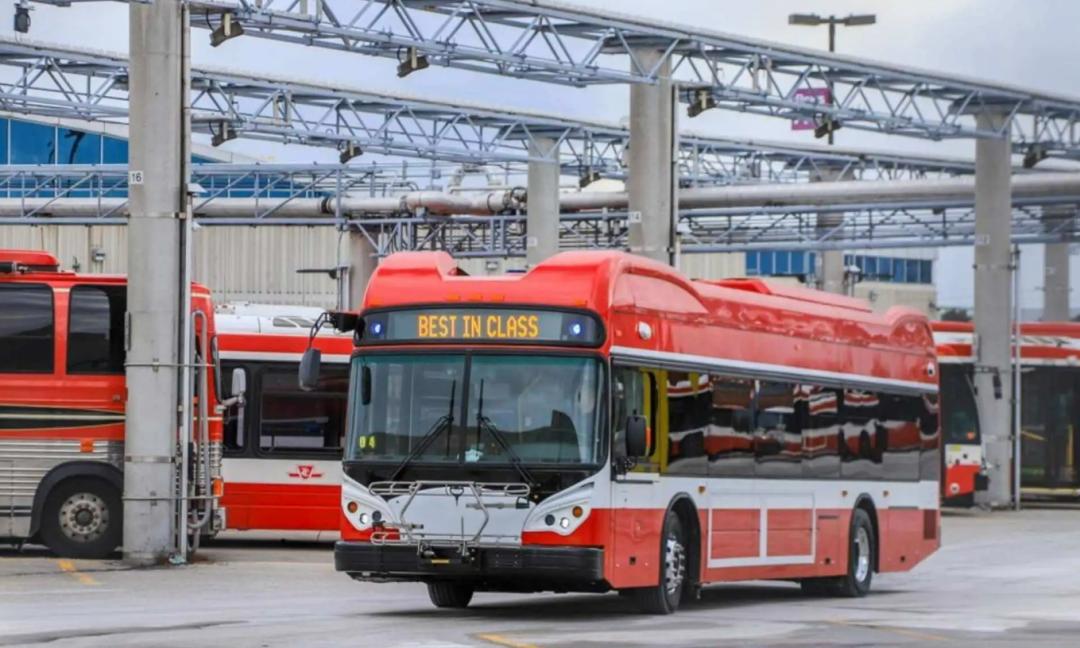
BYD should have the first - mover advantage. It has been supplying electric buses to Canadian transportation agencies for many years, and the reliability of these vehicles has been verified in the cold climates of Toronto and Vancouver. In July 2024, BYD also submitted a document to the Canadian government to inquire about entering the passenger car market. This policy relaxation coincides with BYD's ambitious overseas target plan in 2026, and it may accelerate its preparations to enter the Canadian market.
Geely may be among the first batch of automakers to enter the Canadian market more quickly through the synergy of Volvo and Lotus Cars. Any automaker entering Canada must comply with strict safety and compliance standards. Vehicles must pass the Canadian Motor Vehicle Safety Standards certification, including crash tests, lighting requirements, and bilingual labels. Charging compatibility, cold - weather performance, and software positioning are also key considerations. Geely already has an edge in terms of regulations and access verification.
Chery, another major exporter, may have an opportunity in the economy - class SUV segment. The SUV market accounts for more than 50% of the Canadian market, and models like the Toyota RAV4 and Honda CR - V have been best - sellers for years. Moreover, Chery has accumulated sufficient experience in Russia, Brazil, etc., both in terms of climate conditions and actual combat.
Of course, as a new - force automaker, Leapmotor's new - energy technology, sales volume, and influence are gradually increasing. It is not ruled out that it may enter the Canadian market through Stellantis.
Back to Germany, to determine who will benefit from the electric vehicle subsidy policy, we need to look at the specific performance of Chinese automobiles in the German market. According to data from the first 11 months of this year, no Chinese brand ranked among the top ten in terms of brand sales. However, BYD, MG, and Leapmotor rank among the top Chinese brands in the German market.
MG, the earliest Chinese brand to enter Europe, sold 26,000 vehicles in Germany in 2025, with a market share of 1%. BYD sold 23,0