The Stanford of China is coming soon.
In 2025, Fujian Fuyao University of Science and Technology was officially announced, with "treasure president" Wang Shuguo serving as the first president.
In the words of the founder, Mr. Cao Dewang, and President Wang, the school-running concept of "benchmarking against Stanford" was repeatedly mentioned.
In Silicon Valley, USA, what commands the most respect is not technology giants like HP, Google, and Intel, but rather Stanford, a private university.
When people start to discuss the significance of a school for China's future, it seems necessary to re-understand Stanford across the ocean.
What exactly makes Stanford different?
Which of our universities has the potential to become China's Stanford?

01 Starting from an Ideal
"I'm a volunteer. I don't get a single cent of salary... We're all giving, including Mr. Cao..."
President Wang explained this as "a concept, an ideal," and netizens were immediately moved to tears.
In fact, Stanford is a school built purely out of passion.
In March 1884, Leland Stanford, the 8th governor of California and a railroad tycoon, lost his only son, Leland Stanford Jr., to typhoid fever in Europe.
This was a heavy blow to the Stanfords, who had their son late in life.
For the next five weeks, Stanford locked himself in a Paris hotel room, constantly revising his will. When he emerged, he told his wife, "From today on, all the children in California are our children."
Two years later, this belief materialized into the founding fund for Stanford University, both to commemorate the death of Leland Stanford Jr. and to bless the future of California.
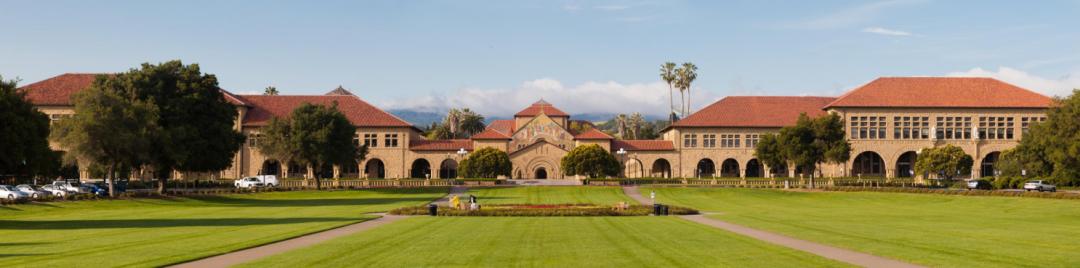
Stanford University Campus
After overcoming numerous difficulties, Stanford University officially opened in 1891, with the motto "Let the wind of freedom blow."
Modeled after Cornell University in the East, Stanford became the first coeducational, non-religious liberal arts college in the West. It invited David Starr Jordan, the president of Indiana University, whose educational philosophy was very similar, to be its first president.
Among the first 555 students admitted was Herbert Hoover, the 31st president of the United States.
The establishment of Stanford University received a total donation of $40 million from the Stanfords, with a purchasing power equivalent to approximately $1.4 billion in 2024. In addition, there was 8,180 acres of university-owned land, equivalent to 33.1 square kilometers.
Such a legendary and selfless beginning truly had a profound impact on the cultural genes of this school. In the words of the clause written by the Stanfords in the foundation agreement text:
"The trustees are obliged to establish an educational system that teaches students to find their ideals after graduation and to follow their inner calling for the meaning of life."
Over the next hundred years, this idealistic wind, combined with the waves of two technological revolutions, swept across the entire San Francisco Bay Area and influenced the world.
02 The Godfather of Silicon Valley
The deep integration of Stanford with the technology industry and the incubation of technology companies are almost one of the most important things in the 21st-century technology world.
The "godfather" who played the most significant role in this was Frederick Terman, a professor in the Department of Electrical Engineering at Stanford and later the provost.
In 1910, Terman's father, a psychologist and eugenicist, was hired as a professor at Stanford, and the family moved to California.
In this environment, Terman grew into an enthusiastic radio enthusiast. After graduating from Stanford University, he went to the Boston Institute of Technology (the predecessor of MIT) to pursue a doctorate under the guidance of Vannevar Bush.
This mentor and this experience had an extremely important influence on Terman. Bush was not only the inventor of the analog computer but also led the Office of Scientific Research and Development (OSRD) in the United States and was the initiator of the Manhattan Project, holding the resources and decision-making power in the field of American defense science and technology.
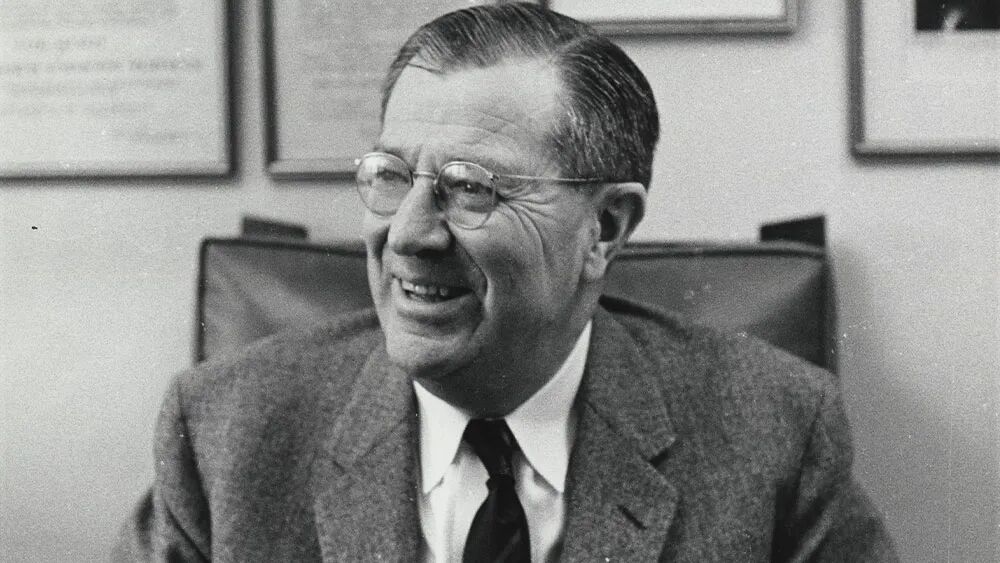
Frederick Terman
Terman returned to Stanford as a top radio expert and brought all 11 of his colleagues from the Harvard Radio Research Laboratory to the West Coast, making Stanford a real research center for the National Security Agency, the Central Intelligence Agency, the Navy, and the Air Force during the "Cold War."
After experiencing the Great Depression and providing research services for the war, Terman sincerely encouraged graduate students to start their own businesses after graduation instead of pursuing a doctorate and to get involved in the industry as much as possible. He also encouraged professors to participate in corporate consultations, and he himself and other professors became members of the investment council.
He kicked open the academic door of the university. If anyone was interested in Stanford's research results, they could just sign a contract and take them away.
At that time, no other school did this, but Stanford did.
The earliest, most successful, and most typical example of incubating a company from a university was Terman's support for Hewlett-Packard (HP).
Around 1937, when two outstanding Stanford graduates, Bill Hewlett and David Packard, decided to "do something," Terman helped Packard obtain a graduate scholarship.
On New Year's Day in 1939, HP was officially established. To solve the financial difficulties, Terman borrowed $1,000 from Sperry Gyroscope, a major military contractor at that time. $500 was used to purchase equipment, and the other $500 was used as Packard's salary as a married man.
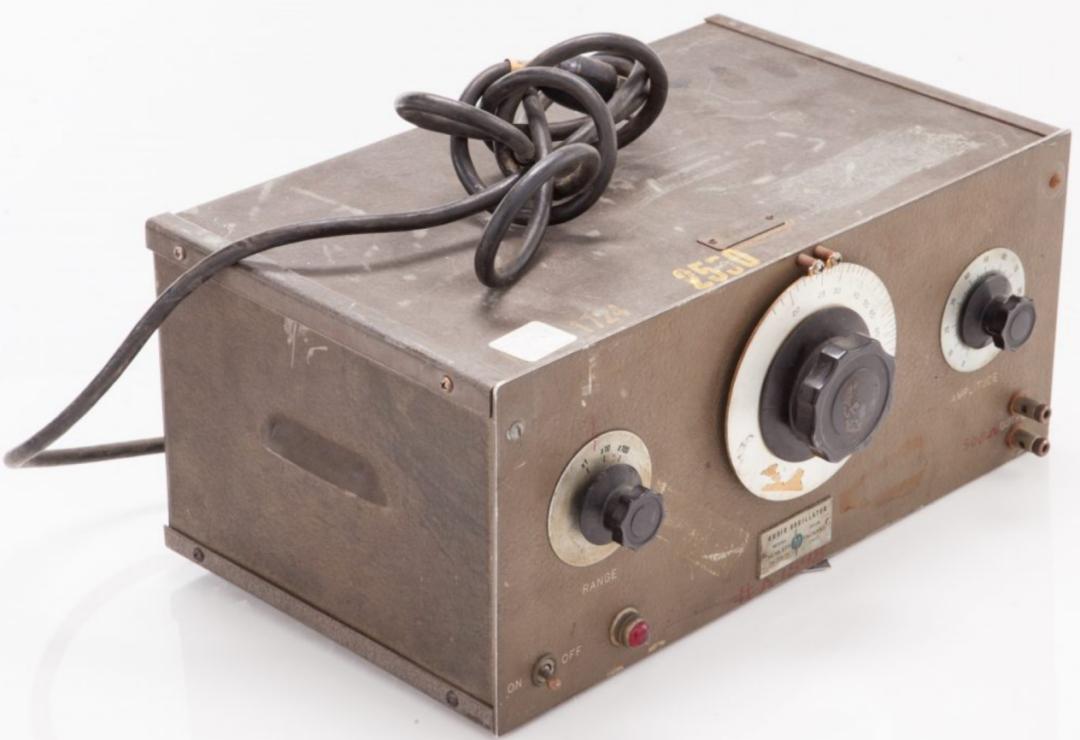
HP's first product, the HP-200B audio oscillator
When Hewlett took out the audio oscillator he designed in college and was ready to sell it under the model "HP-200A," Terman recommended dozens of customers within his network.
Finally, Disney ordered eight improved HP-200Bs at a unit price of $71.5 to test and develop the sound for the animated film "Fantasia." This contract put the young HP on the right track.
Terman evaluated his two outstanding students like this: "They can quickly master what they need in any environment and reach a high level. They don't need guidance in running a company. They learn as they go and can quickly master what they need. They learn faster than problems arise."
Since then, HP has become a benchmark for technology companies in Silicon Valley, with steady growth for over 70 years and no losses.
In 1977, Hewlett and Packard donated $9.2 million to Stanford University to build the modern Terman Engineering Center.
By 1980, when they had already achieved great success, the value of their HP stocks totaled $316 billion.
In 1989, the garage at 367 Addison Avenue, where HP was originally founded, was designated as a historical relic by the California government and named the "Birthplace of Silicon Valley."
Terman, as a good teacher and friend, deserves great credit.
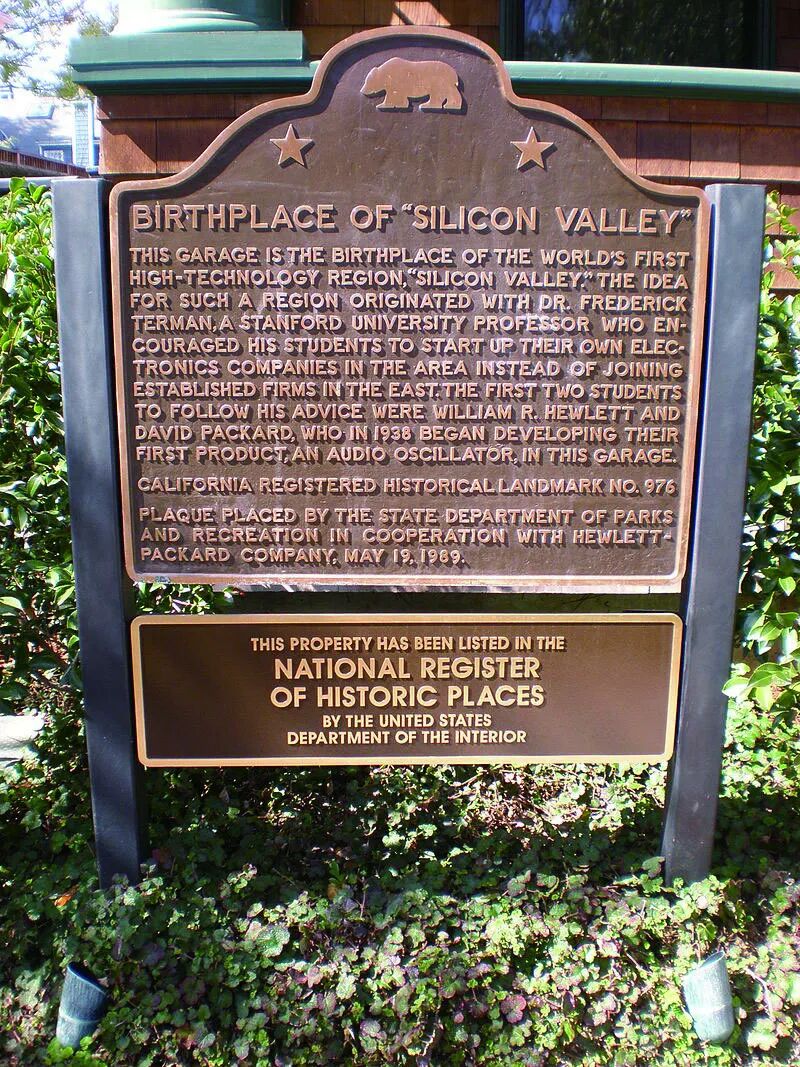
The bronze plaque of the "Birthplace of Silicon Valley" erected by the local government for the garage where HP was founded
Before the 1950s, "Silicon Valley" was not yet Silicon Valley but Microwave Valley, with representative products such as ultra-short wave vacuum tubes, backward wave tubes, and traveling wave tubes.
The "Cold War" stimulated a large amount of military demand, and Terman mobilized the entire strength of Stanford to provide research services.
The military giant Lockheed Martin has a laboratory here.
At the semi-military and semi-civilian Sylvania Electronic Defense Laboratory (Sylvania EDL) in Mountain View, the director, William Perry, is a Stanford graduate and later served as the Secretary of Defense under President Clinton.
The laboratory employed more than 1,300 people, including Stanford professors like Terman, for research, with a contract value of $18 million.
Taking advantage of a series of opportunities, in 1951, Terman, who was already the provost, promoted Stanford to set aside a part of the campus land near Palo Alto (about 580 acres) to establish the Stanford Industrial Park, where research institutes, laboratories, and office buildings were built.
It could not only achieve rental returns but also facilitate the integration of industry and education. The world's first university industrial park was born.
General Electric on the East Coast finally couldn't sit still and moved its microwave laboratory into the Stanford Industrial Park in Silicon Valley in 1954. At that time, 16 of the best 40 scientists and engineers at General Electric were from Stanford.
03 Spreading Branches and Leaves
The key figure who truly brought silicon to Silicon Valley was William Shockley.
At the end of the 20th century, when Bell Labs reviewed its inventions in the 20th century, it believed that the two most influential inventions of Bell Labs in the 20th century were the transistor and the computer operating system UNIX.
Among them, Shockley, Bardeen, and Brattain, the inventors of the transistor, shared the 1956 Nobel Prize in Physics.
But Shockley was not satisfied with these. He wanted to create a new industry with his transistor and get rich from it.
Shockley thought of his hometown in California and Stanford. He called Terman, and Terman said, "Come to Northern California."
Terman immediately wrote a letter to Shockley, telling him that Stanford had incorporated the transistor technology and theory into its textbooks, and those electronics majors would be the source of employees for his new company.
It was again Terman's enthusiasm and influence that moved Shockley.
The Shockley Semiconductor Laboratory was built in Santa Clara, only 5 miles away from Stanford.
But Shockley was really a terrible manager, and the company closed down soon.
The mystery of history lies here. Fortunately, Shockley was not a good boss, which made eight talented employees leave him. Otherwise, there would be no Fairchild Semiconductor in the world.
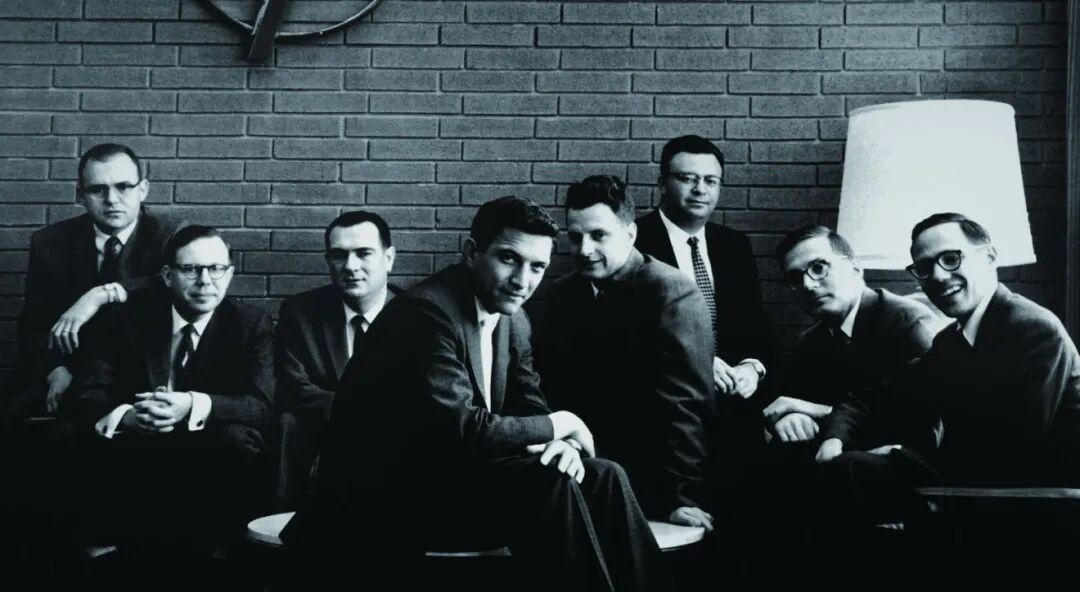
The "Traitorous Eight"
As the first company to be founded with venture capital, Fairchild pulled the world vigorously into the Silicon Valley era, and the third industrial revolution began on the West Coast of the United States.
Fairchild achieved what Shockley had not accomplished with the transistor, mass-producing and selling it, and was the first to propose a method for commercial production of integrated circuits.
By 1965, less than 10 years after its establishment, Fairchild, together with Texas Instruments and Motorola, became one of the three giants in the semiconductor industry.
But at the same time, the rebellious character of Silicon Valley also caused the talent at Fairchild to start leaving one after another.
In the late 1960s, former employees of Fairchild Semiconductor founded 38 companies, and in the early 1970s, it reached 41. By 1984, there were more than 70 companies directly or indirectly spun off from Fairchild Semiconductor, including the well-known Intel, Molectro, AMD, etc.
In 1969, at a meeting of semiconductor industry leaders in Sunnyvale, among the 400 participants, only 24 were not former employees of Fairchild Semiconductor.
Steve Jobs of Apple said, "Fairchild Semiconductor is a mature dandelion. Once the wind blows, the seeds of the entrepreneurial spirit will be scattered everywhere."
It can be said that it was Shockley, invited by Terman, who let the "silicon" take root in the Bay Area, but Fairchild became the main trunk, and finally there were lush branches and leaves covering the sky.
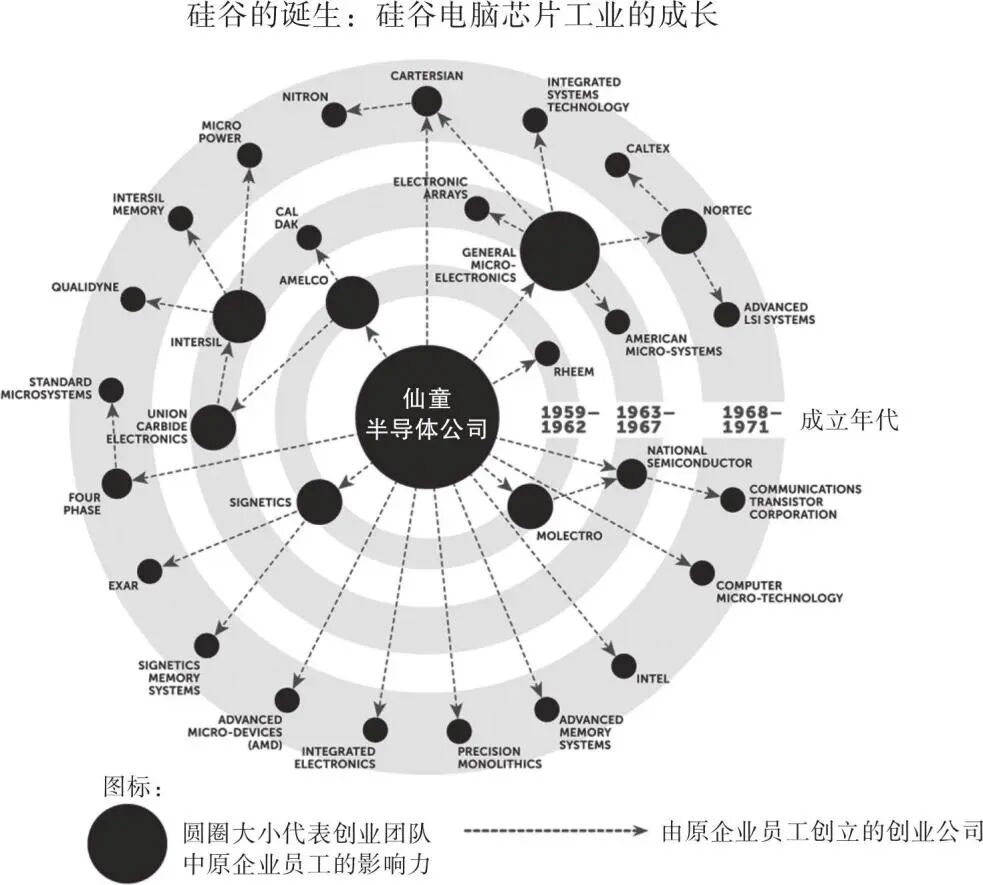
By the end of the 20th century, John Hennessy, the 10th president of Stanford, further promoted the "Cambrian explosion" in Silicon Valley.
Hennessy's experience at Stanford is a typical example of the combination of teaching and business at Stanford.
Hennessy himself is a computer expert. He redefined the microprocessor (CPU) architecture and joined Stanford as an assistant professor in the Department of Electrical Engineering in 1977.
But he hardly stayed at school. In 1984, he co-founded the well-known Reduced Instruction Set Computer (RISC) company and served as both CEO and CTO. In 1992, he sold the company to Silicon Graphics Inc. for $333 million. In 1986, he was promoted to a full professor.
Throughout the 1990s, he served as the chair of the Department of Computer Science, the dean of the School of Engineering, and the provost.
But it didn't stop him from co-founding Atheros Communications with Chinese-American professor Meng Huaiying in 1998. He also received venture capital and served as the chairman of the company.
By the time the company went public in 2004, Hennessy had already been the president of Stanford for four years.
In 2011, when Qualcomm acquired Atheros Communications for $3.7 billion, he still had five years left before retiring as the president.
Besides being the chairman of the board of Google (later Alphabet Inc.), Hennessy has also served on the boards of directors of Cisco