If the spare parts are broken, they can only be replaced. Are new energy vehicles just a way to take advantage of consumers?
It only costs a dozen yuan to replace a light bulb, but you have to spend thousands to replace the entire assembly. Car owners bleed money on repairs, while car manufacturers make huge profits.
I wonder if you've recently come across similar videos saying that today's car manufacturers, especially new - energy ones, don't consider post - sales maintenance at all when building cars.
If a small part breaks, you have to replace the whole assembly. To remove a single part, you might as well take the whole car apart. A minor issue that can be solved in minutes for a gasoline car becomes a time - consuming and costly project for an electric vehicle.
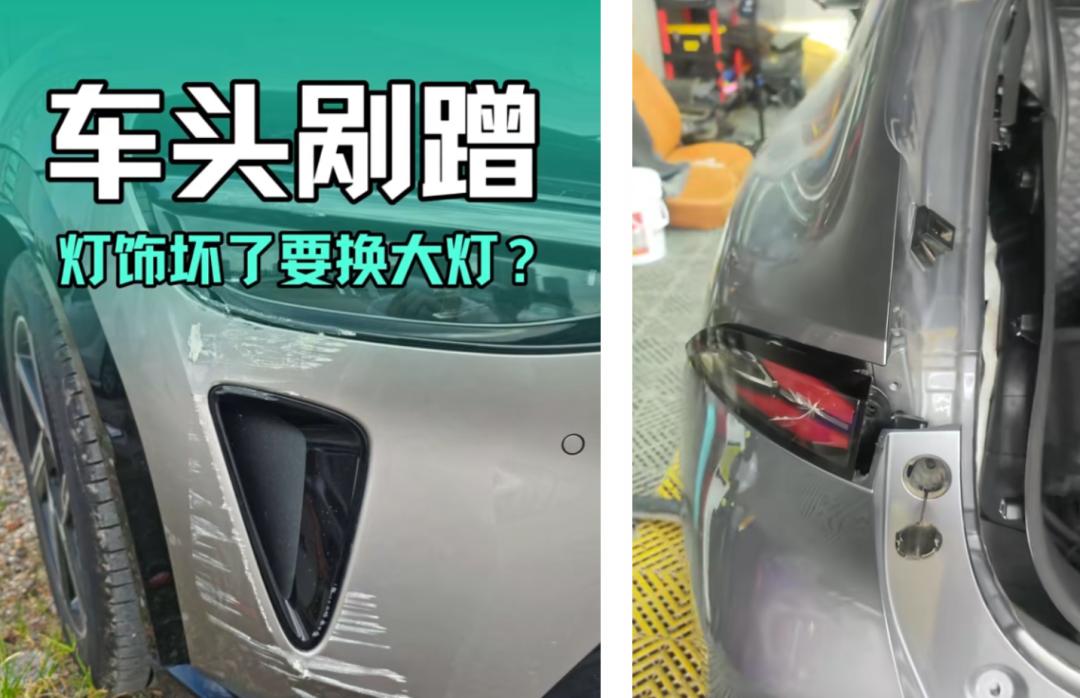
Some even say that car manufacturers actually know how to design but intentionally build cars this way. Because they can make a fortune from parts and labor costs. They're basically taking advantage of car owners.
But is this really the case? Why do car manufacturers design cars to be so difficult to repair, even though they'll face criticism?
First and foremost, are car manufacturers deliberately making cars difficult to repair to squeeze our wallets?
Of course they are. No doubt about it.
However, their original intention was actually good, but things went wrong along the way.
One of the most annoying things is that you can only replace parts through the official channels at high prices. If you try to get a salvaged part or a third - party part, it's like a rejection reaction. For example, you can't do OTA updates, or the ACC function malfunctions. In short, it won't work at all once installed. It's completely useless.
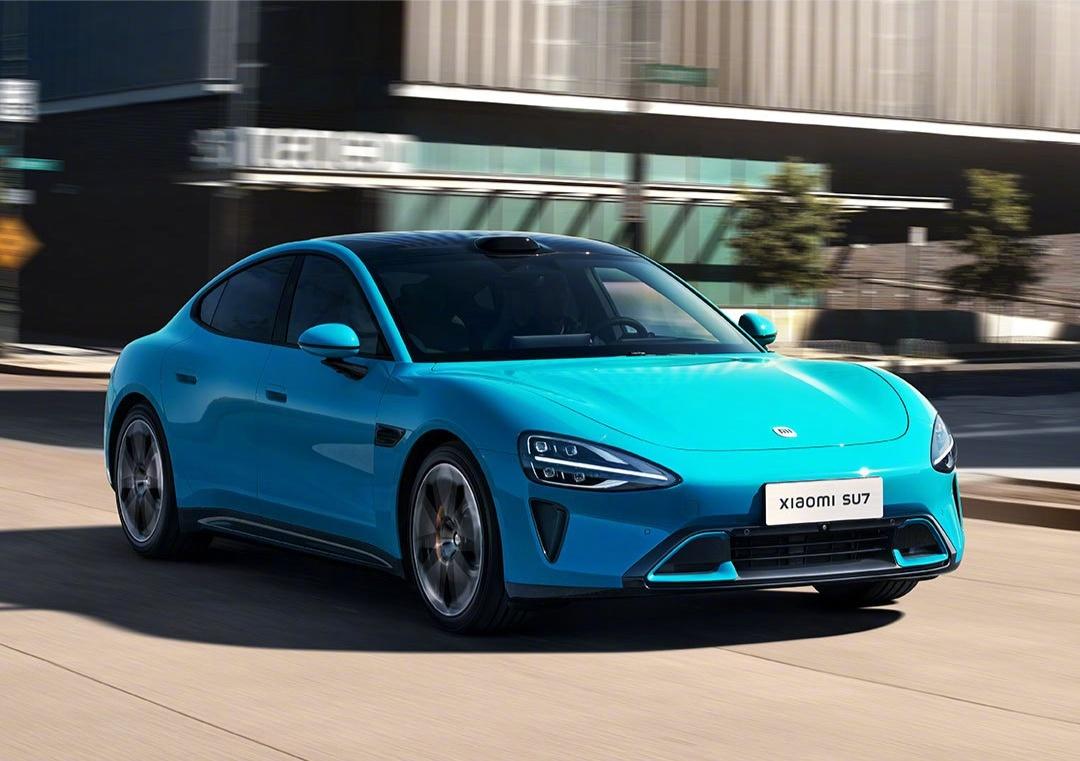
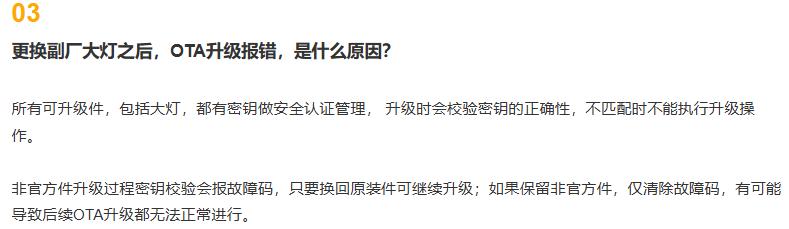
Xiaomi's response to the error of non - original headlights
This behavior seems like car manufacturers are monopolizing after - sales services. But do you know why they started doing this?
Yes, it's for anti - theft purposes.
There was a time when car parts could be freely replaced. It made repairs convenient, but it also made it easier to sell stolen parts.
You place an order for a salvaged part, and someone goes out to steal it from a car on the street.
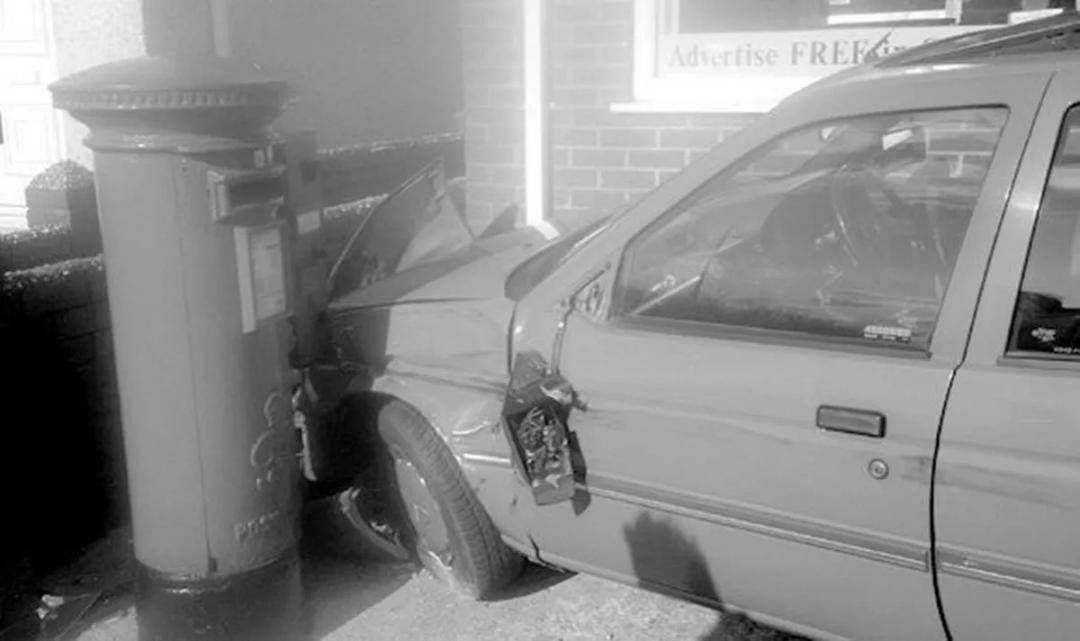
In the 1990s, the United States and Europe experienced a wave of car thefts. Valuable parts like rear - view mirrors, stereos, and airbags would disappear if you weren't careful.
There was even a configuration called the removable stereo system, which allowed you to take the stereo panel with you when you got out of the car.
Back then, if you could pull out such a thing from your pocket, you'd be really cool.

Affordable cars could have such features, but what about luxury cars full of valuable parts? In 2003, Volkswagen introduced a mechanism called component protection in the Audi A8.
Expensive parts in the car, such as the MMI host, seat memory module, and engine computer, store a vehicle VIN code inside.
Every time the car starts, it needs to match the VIN code of the car with that of the part. If they don't match, the functions will be downgraded. For example, the stereo will mute every few seconds, and the seats can't be adjusted.
So even if the parts are stolen, they can't be easily used in other cars.
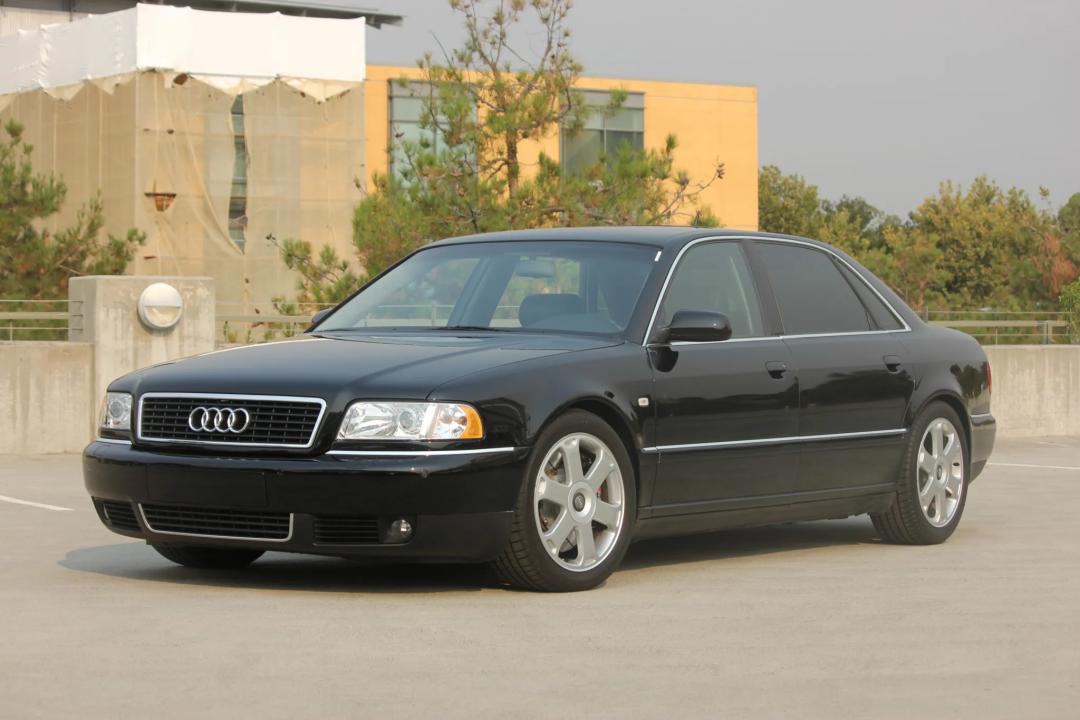
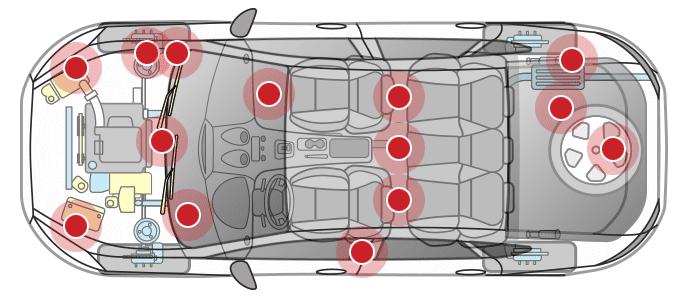
It's for anti - theft, right?
Since the Audi A8, various third - party tools for cracking verification have emerged, leading to more complex encryption methods. The original VIN code comparison has gradually evolved into UDS protocol, X.509 certificate, and AUTOSAR's SecOC real - time encryption, making the circulation of parts increasingly difficult.
The situation is similar for electric vehicles. More importantly, many important commands in electric vehicles, such as the accelerator, brakes, and power output, are controlled by electrical signals.
If you use a third - party part with a backdoor, there's a risk of information leakage or even remote hijacking.
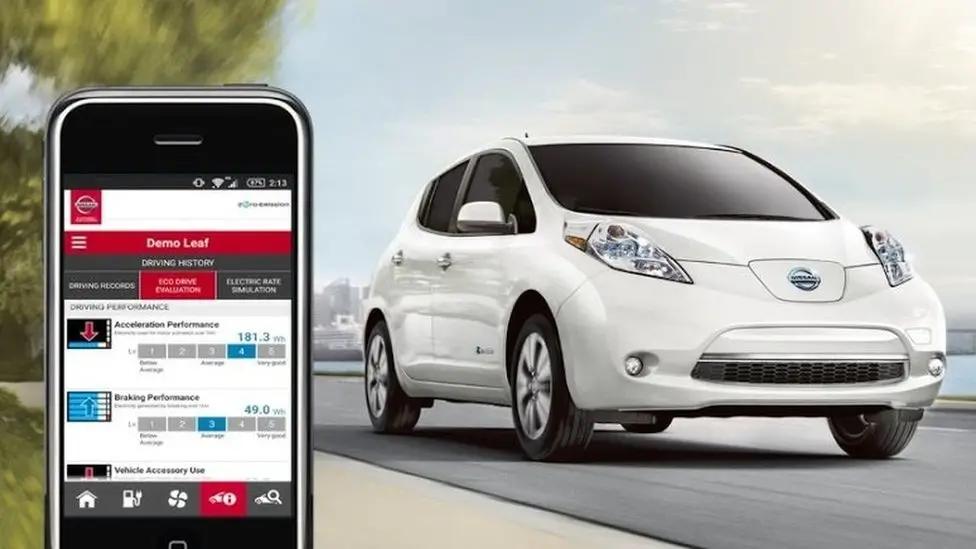
For example, the Nissan Leaf had such poor security for its mobile app interface that hackers could remotely control the car if they knew the vehicle identification number. Some hackers even turned on the air - conditioning and seat heating for fun, leaving the car with no power when the owner got in.
In 2021, the United Nations' Economic Commission for Europe issued two new regulations.
They not only require new cars to withstand various cyber - attacks but also demand that the hardware and software in cars have unique identification, virtually turning a car into a completely closed system.


The unpopular practice of only replacing parts instead of repairing them among car owners actually has complex engineering considerations behind it.
Given the numerous complex circuits in electric vehicles today, to meet vehicle - grade standards like AEC - Q, strong sealing and weather resistance are essential.
As a result, various controllers are difficult to disassemble. Many modules in components such as OBCs, DC/DC converters, and LED light - groups use full - potting technology to enhance heat dissipation and stability.
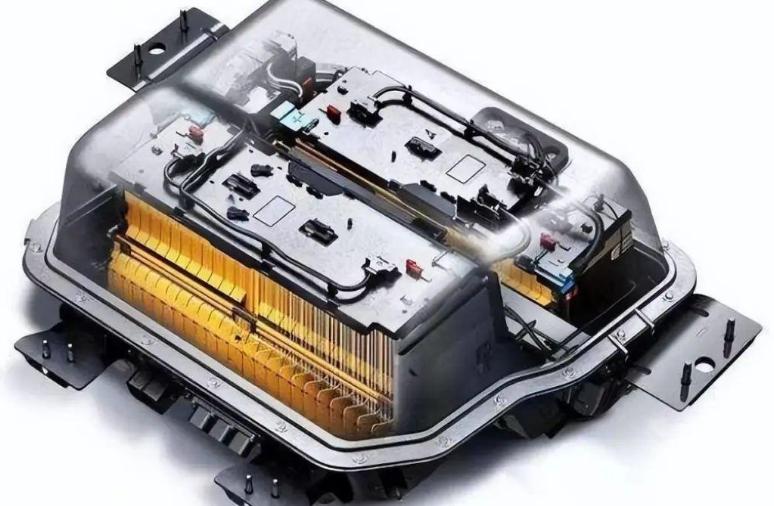
They can't be repaired at all and can only be replaced as a whole assembly.
Moreover, modern electric vehicles pay great attention to interior space, aiming to maximize the cabin space. The space for various components is increasingly squeezed, and components have to be assembled like building blocks.
As a result, if you don't go through the official channels of car manufacturers to repair an electric vehicle, you'll find yourself in a dead - end.
After all this, do you think I'm going to say that car manufacturers have no choice but to make cars difficult to repair and we just have to accept it?
Of course not.
As I mentioned earlier, although the safety and integration measures have good intentions, they've significantly increased our car - using costs.
Take the parts - to - whole ratio for example. It refers to the ratio of the total price of all parts of a car to the price of the whole vehicle.
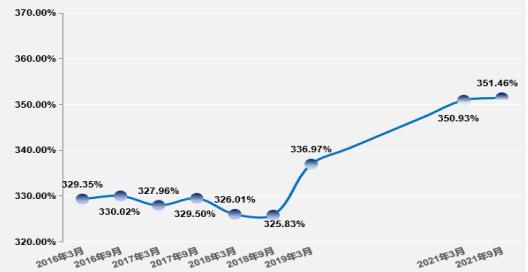
In the era of gasoline cars, the parts - to - whole ratio of family cars was around 200%. That is, the parts were worth two cars. Only more expensive luxury cars might have a ratio above 400%.
In the era of electric vehicles, it's very normal for the parts - to - whole ratio of pure - electric cars to exceed 300%. For more compact and precise hybrid cars, the ratio can even reach above 400%. The prices of parts are now similar to those of luxury gasoline cars in the past.
But what about the theft rate of electric vehicles?
It's low. Extremely low.
Not to mention China with good public security. In the United States, the IIHS released a vehicle theft report for 2022 - 2024 a few months ago.
The cars with the fewest theft reports and the lowest theft rates are all electric or hybrid vehicles. Their theft probability is only 1 - 10% of the average for all passenger cars.
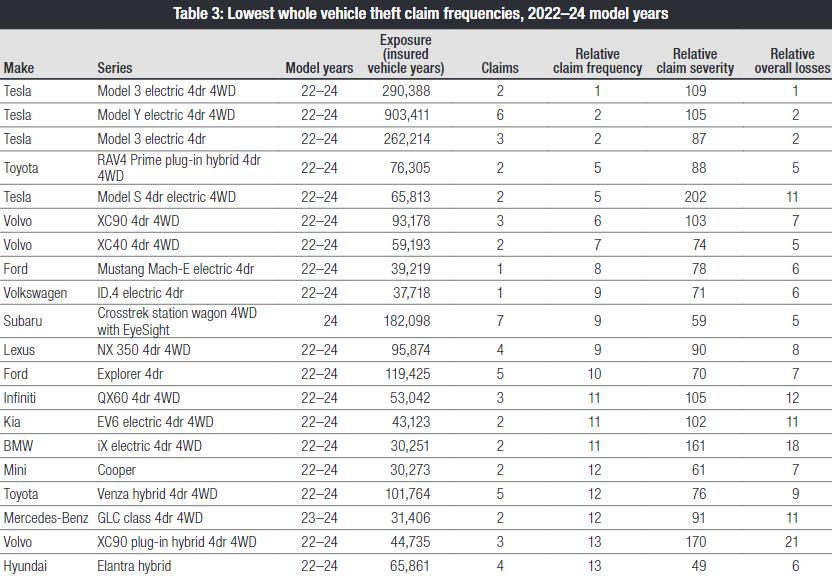
This shows that the anti - theft designs have worked, and few thieves are now interested in stealing parts from electric vehicles for profit.
If car manufacturers don't think about making repairs more affordable and convenient at this time, it's a matter of attitude.
Do you think it's because of technological bottlenecks and it's difficult to make changes?
Look, Mercedes - Benz recently launched a sustainable development plan called Tomorrow XX. It specifically mentions that they'll separate non - detachable parts and use screw - fixing instead of glue - sealing for headlights to facilitate repair and recycling.
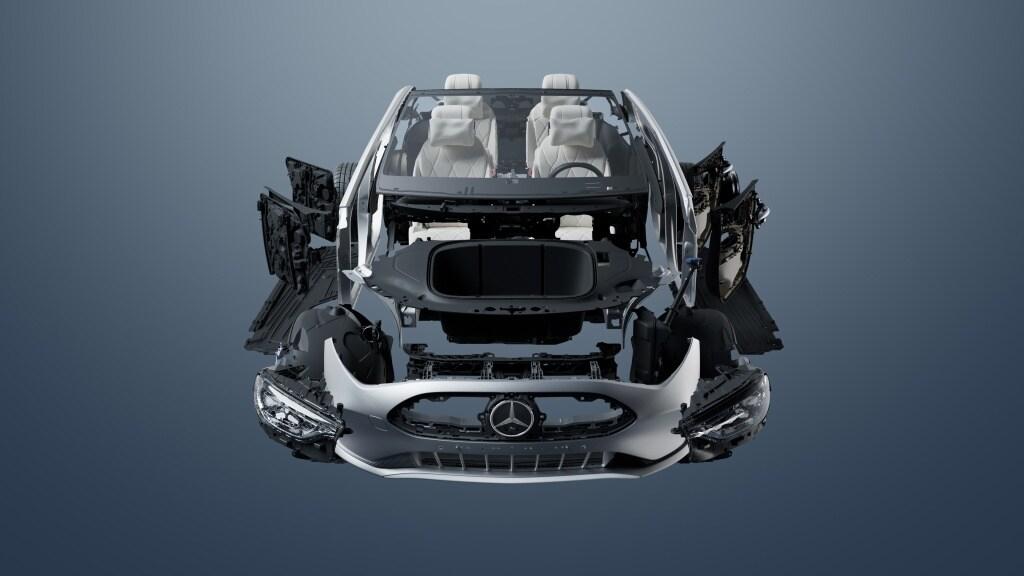
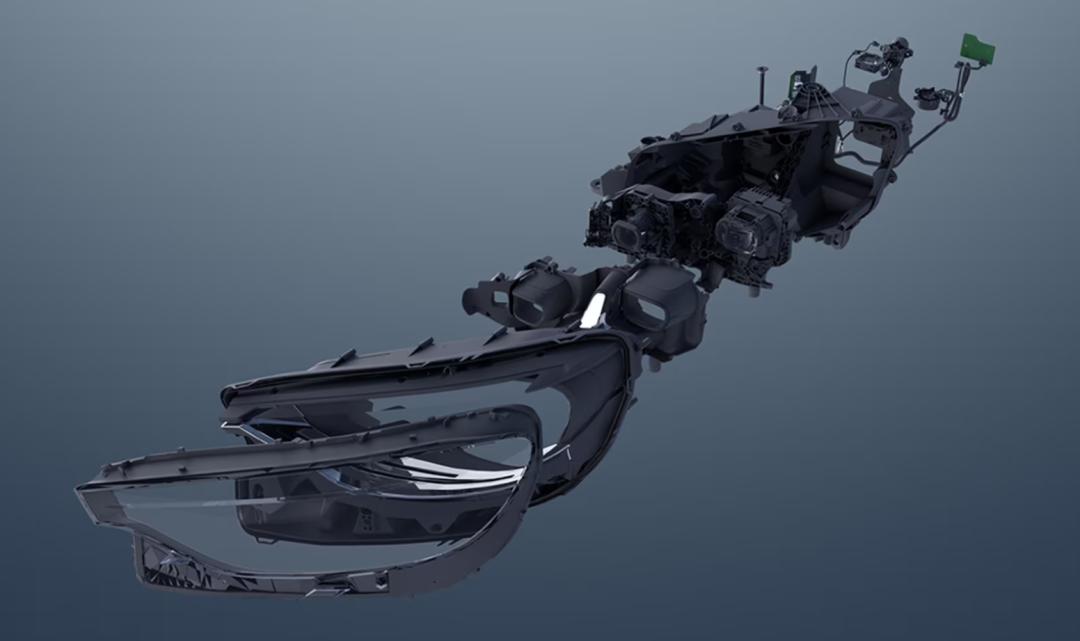
Mercedes - Benz is a typical example of only replacing parts instead of repairing them among luxury brands. One of the earliest part - handshake protocols, SCN, was also popularized by Mercedes - Benz. Why has it suddenly had an epiphany?
Did it suddenly have a conscience?
Of course not. It's because of new regulations in Europe.
In mid - 2023, the European Union announced that to better recycle and disassemble various parts and materials when cars are scrapped, they'll upgrade a directive called "Vehicle End - of - Life" into a law. It clearly stipulates that car manufacturers need to make parts easier to disassemble through new designs.
Well, Mercedes - Benz has even revealed its "bolt - fixing secret".
Some car manufacturers are even faster than Mercedes - Benz. When the EU revised the scrapping rules in 2021, BMW launched a concept car called