This is a camera doomed to fail, but we need more Sigma BF.
In the spring of 2025, a camera named BF made its debut.
This rather peculiar name is derived from the term "Beautiful Foolishness" in the famous book "The Book of Tea," which tells the story of Japanese tea ceremony.
Sen no Rikyū, a master of the tea ceremony, believed that if one cannot understand the essence of the tea ceremony under simple conditions, then collecting numerous precious utensils is in vain. His exact words were:
It should be known that the essence of the tea ceremony lies merely in boiling water, preparing tea, and drinking tea.
The product concept of Sigma BF is also in the same vein - just focus on photography and don't let the camera distract you all the time.
The concept is wonderful, but after using it intensively for half a year, I've come to a rather cruel conclusion:
This is probably a doomed-to-fail camera.
Initial Delight
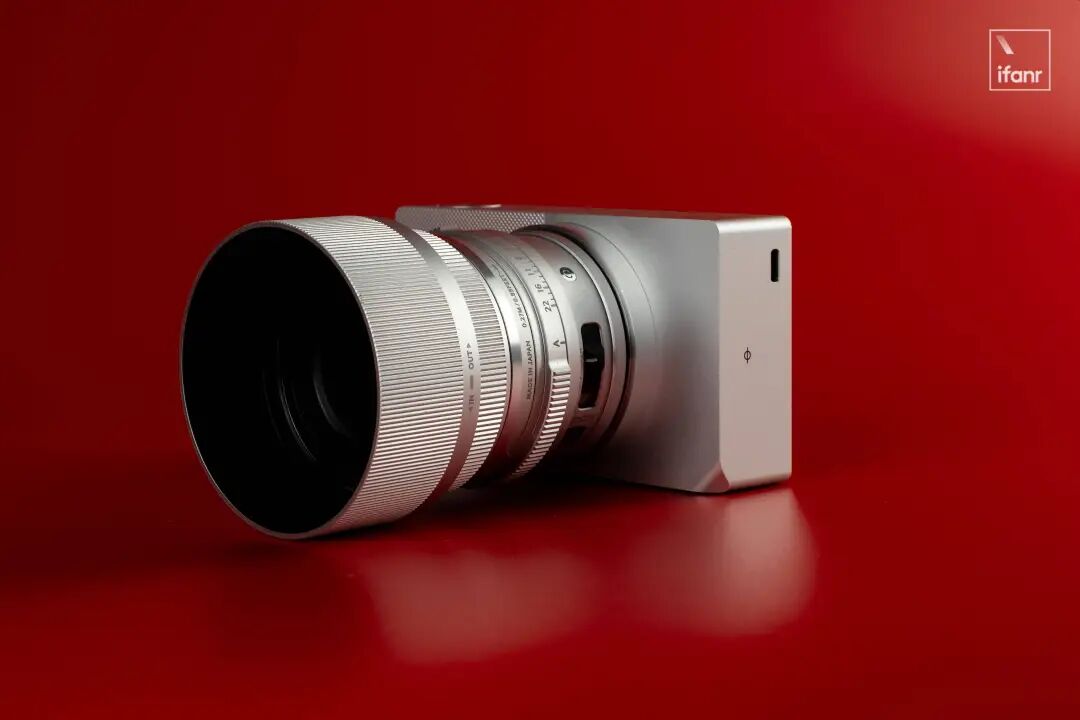
Among a bunch of dull - looking cameras, Sigma BF is definitely the one that will catch your eye at first sight.
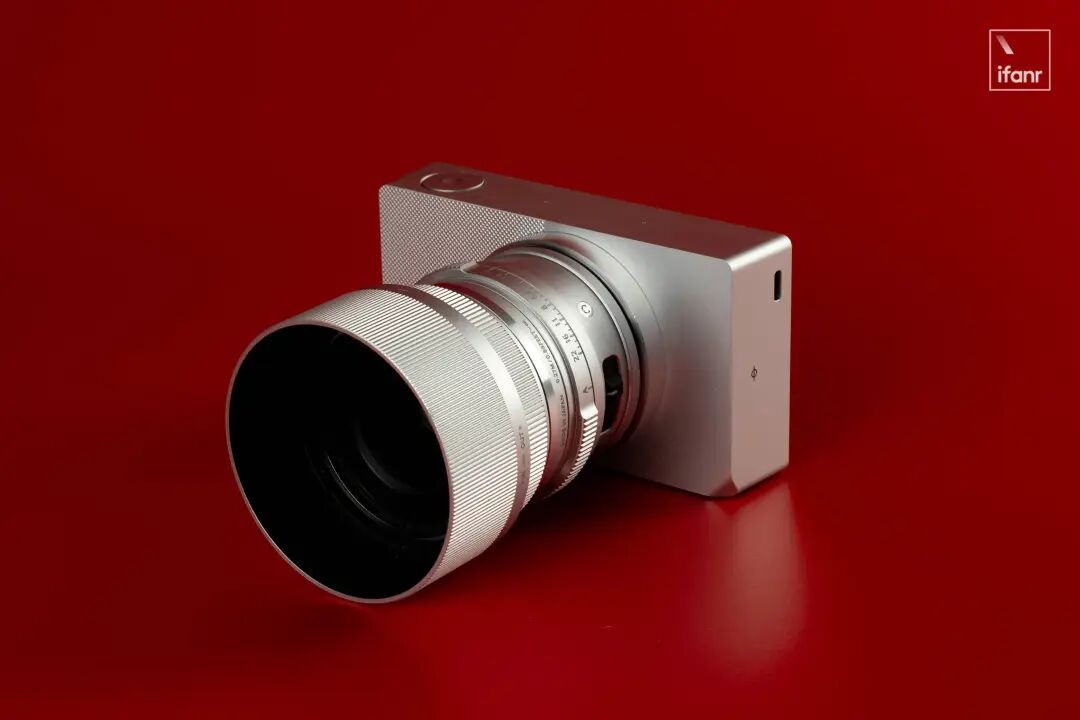
The integrated body craftsmanship is the ultimate manifestation of the term "aluminium unibody" often mentioned by Apple designer Jony Ive. A whole piece of silver - white aluminum metal is meticulously carved for seven hours to create the ultimate simplicity of Sigma BF.
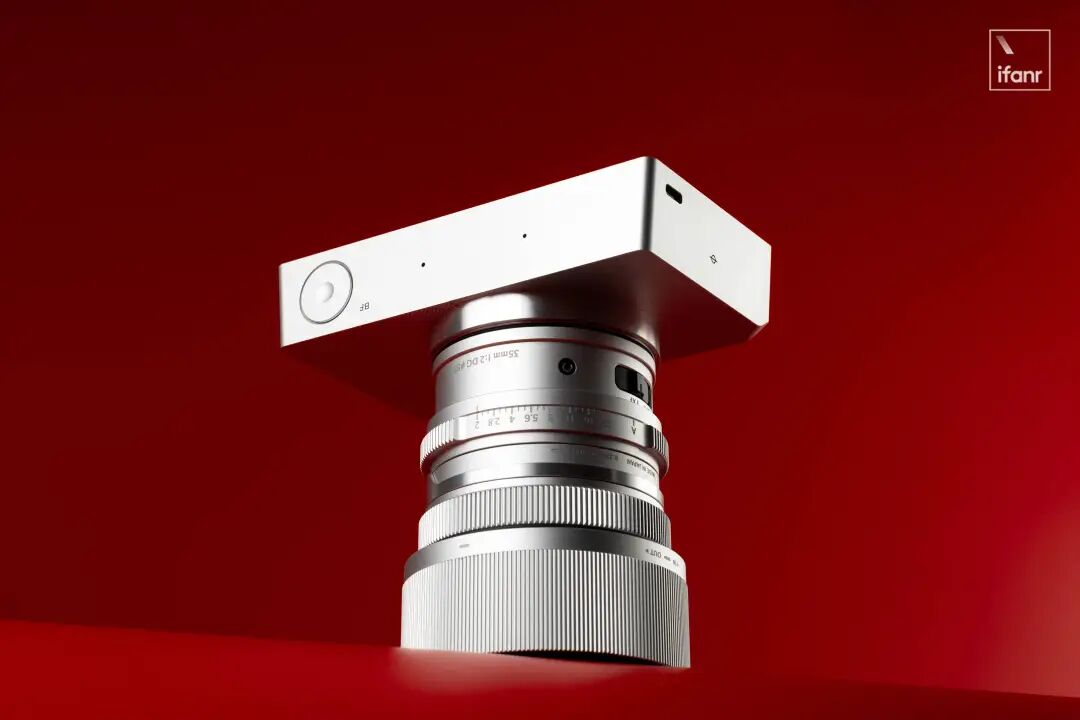
The body design follows a restrained and rational aesthetic - there is a diamond - shaped texture on the right side of the front bayonet to enhance the grip, while the other side retains a smooth metal surface. The overall weight is only 338 grams, making it light and delicate.
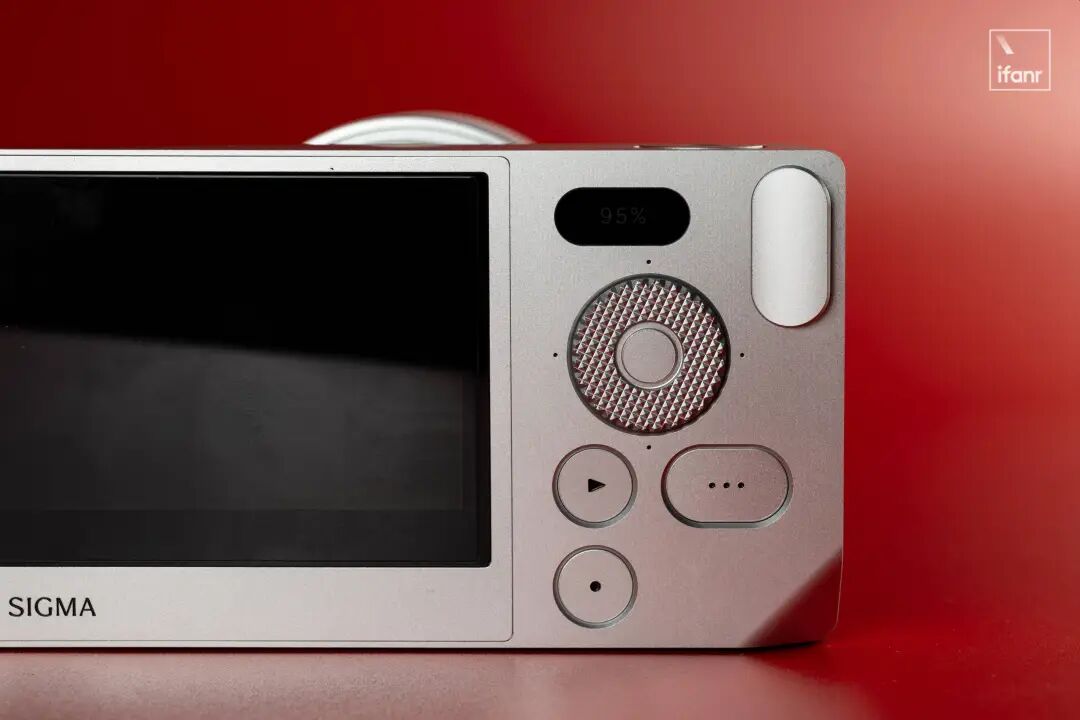
If you're a user of the "Big Three" camera brands, when you first get your hands on the BF, you might feel at a loss - the Sigma BF has very few buttons on the body. It stingily gives you only a shutter, a multi - directional dial, and three function buttons. Apart from the lonely USB - C port and the strap hole on both sides of the body, there's nothing else.
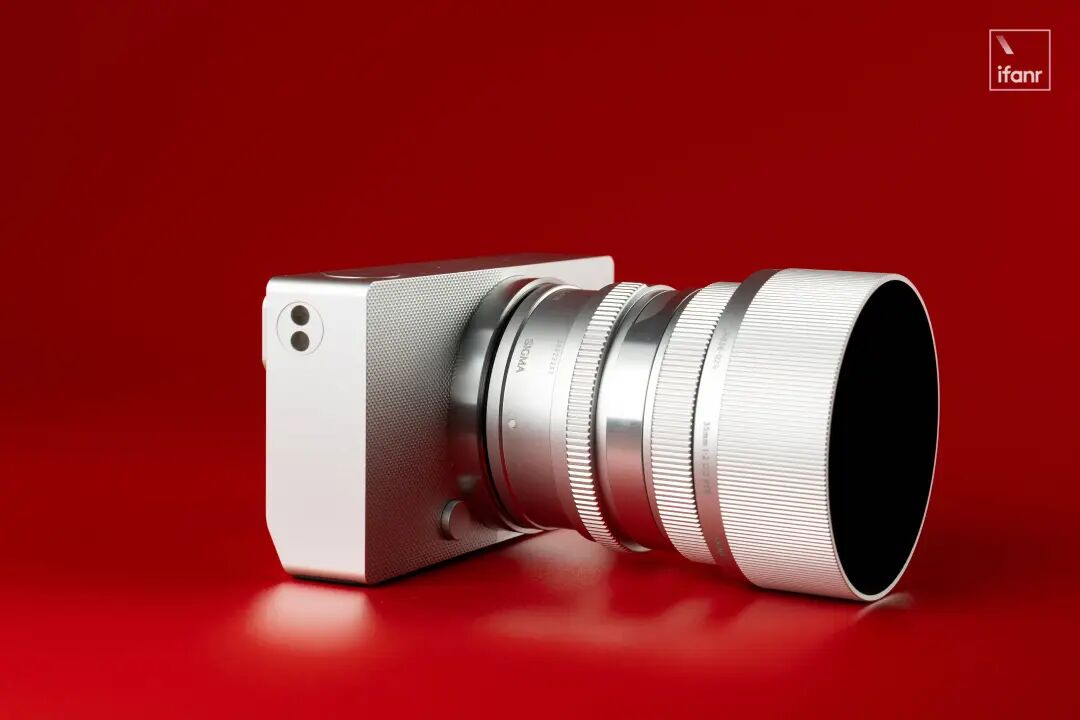
Notably, except for the shutter and the wake - up button, the other buttons on the body have no mechanical structure. The feedback is completely simulated by the built - in vibration motor in the body. Once the camera is turned off, no matter how hard you press, the buttons won't work -
Yes, it's the same solution as the Touch ID on the iPhone 8 and the trackpad on the MacBook, but Sigma BF does a better job in simulating the press than the iPhone. I couldn't tell which button was a real mechanical one and which was simulated vibration until I cut off the power. Only then did I realize I had been pressing against a solid piece of metal.
The body of Sigma BF houses a 24 - megapixel CMOS sensor - yes, it's still the hard - working IMX410. This sensor has withstood the test of time, with very mature performance and craftsmanship, and its hard - core conditions such as dynamic range are not lagging behind. In an era when storage prices are soaring, 24 million pixels is a very sweet spot. It maintains good image quality without putting too much pressure on the memory. Paired with 230GB of internal storage, it can store 14,000 JPG - format photos or 4,300 RAW - format photos, which can fully meet the needs of a short - term trip. You don't have to worry if you forget to bring a memory card when going out.


If I had to use one word to describe my first impression of Sigma BF, it would definitely be "Initial Delight".
This stems from a strong contrast - looking back at the development of cameras over the past hundred years, it's actually a history of constantly adding features.
At first, a camera only needed a lens, a light - tight box, and a shutter to control the curtain's opening and closing. Gradually, there were speed regulators, electronically - controlled shutters, automatic film advance, automatic light metering, and automatic focusing. The stacking of functions exploded in the digital era. Digital cameras have far more functions than the sum of the previous century and have become more professional.
Today's cameras in front of us are essentially the result of countless functions being piled up. In this result, design only has two tasks: maintaining family - style recognition and barely wrapping the ever - increasing functions.
With dozens of buttons and multi - layer menus, almost all cameras in our era seem to only believe in the principle of maximalism.
However, Sigma BF has picked out and embarked on the less - traveled path of minimalism. This rebellious design - first approach is truly appealing.
We once joked that this is the kind of camera Apple would make, but in fact, even today's Apple is probably not going to make such a camera - it looks more like the kind of product Apple would come up with during the period between the iPod and the iPhone - the Apple that created the iMac G4 "desk lamp" or the Mac Pro "trash can". It has an extreme form of formalism that catches people's eyes and is bound to be both loved and hated.
However, visual stimulation doesn't last long. After all, a camera is meant to be used.
Growing Weariness in Proximity
Beautiful things often come with a hefty price tag. The price of Sigma BF's minimalist design is the lack of various experiences.
The limited number of buttons on the body means that the three most core exposure elements in photography - shutter speed, aperture, and ISO - must be adjusted through the menu system behind the screen. Although Sigma has optimized the menu hierarchy, placing key parameters in the first - level menu and retaining the physical aperture ring on the lens, the adjustment is still not very intuitive.
To pursue purity, sacrificing the speed and intuitiveness of operation is the price of Sigma BF's design philosophy.
The absolutely square shape and large - sized screen of Sigma BF bring a more acute visual impact, but also deprive the viewfinder of its space.
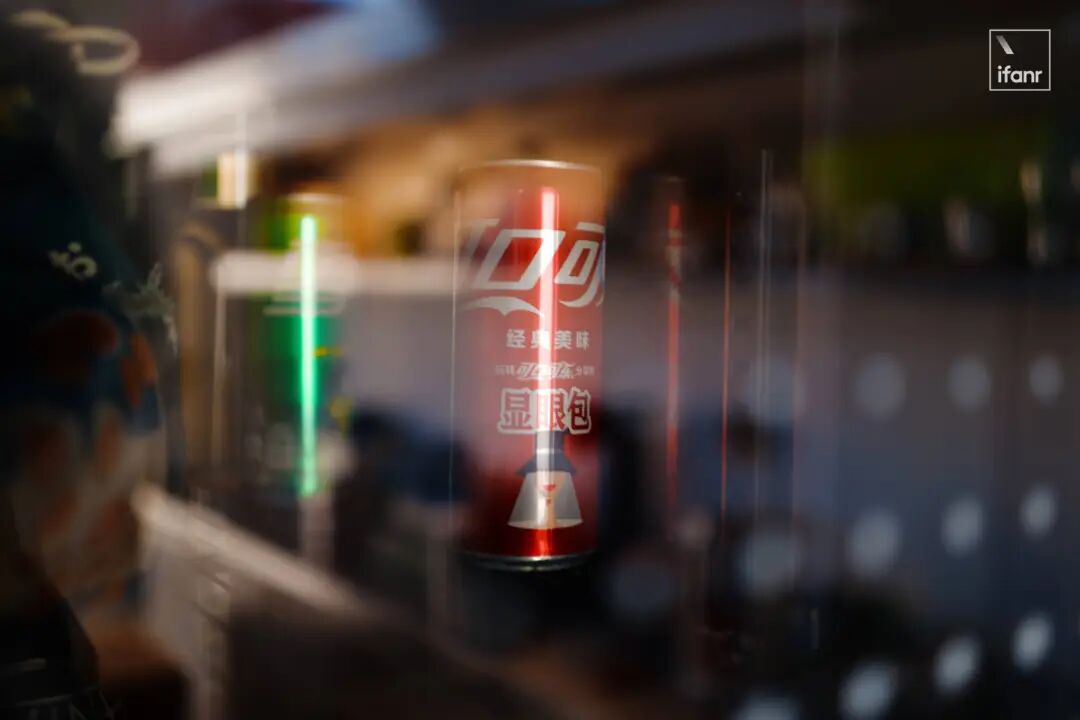
The absence of a viewfinder itself isn't a problem. The problem is that the LCD screen of Sigma BF only has a maximum of five brightness levels, and even at the highest level, it's difficult to see the picture clearly in strong sunlight. The display visibility of the whole camera is not good. And the fixed screen further magnifies this drawback - when shooting a flock of birds at a high angle, you have to look up and compete with the sun; when shooting petals at a low angle, you have to kneel on the ground and be with the dust.
The price of this design philosophy is turning the freedom of composition into a compromise of angles.
To pursue purity, sacrificing the user's composition experience when taking photos is the price of Sigma BF's design philosophy.
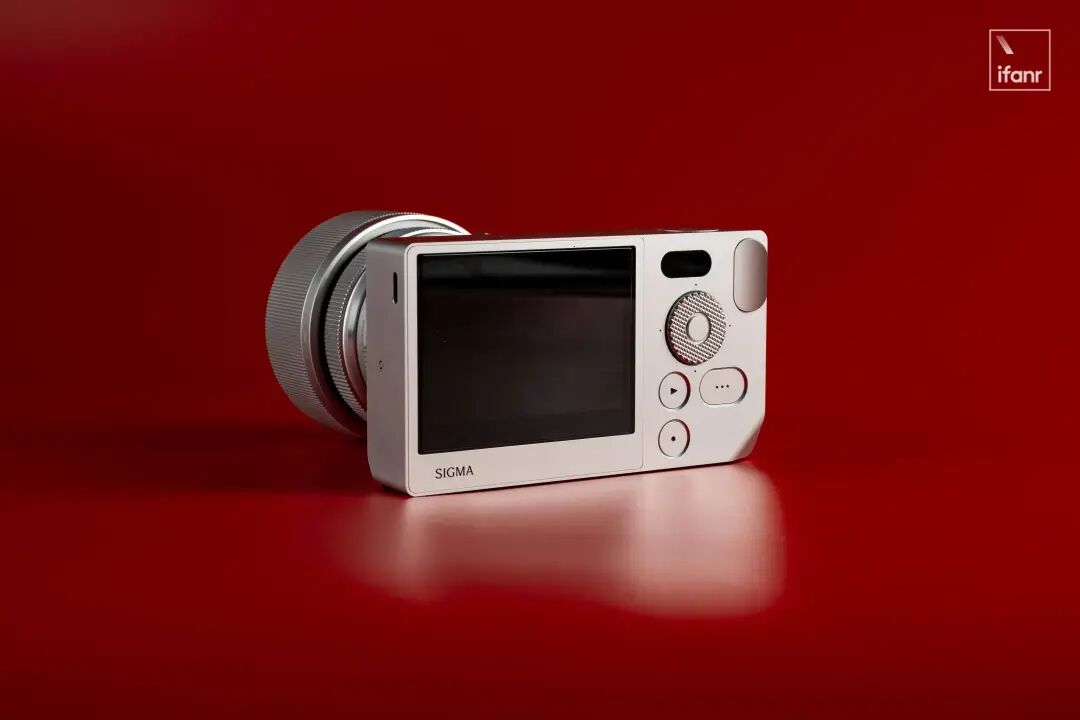
The grip of the body is even more disappointing. Except for a tiny curved depression in the upper - right corner of the back, the edges and planes of Sigma BF's metal body are like a precisely cut brick. It's quite delicate, so you're reluctant to bump it, which increases the psychological pressure of taking this camera out for photography.
Even with the help of the diamond - shaped texture on the body, it only takes five minutes to make your fingers sore.
To pursue purity by subtracting features, and as a result, sacrificing ergonomics, is the price of Sigma BF's design philosophy.
By now, we've talked about the price behind the design. And as a camera, its lack of body configuration also affects the experience to some extent -
The white balance of Sigma BF is not very accurate. When taking three photos simultaneously in a complex environment, the color temperatures of each photo are different (it has improved slightly after the firmware update). It only supports single - point and full - area autofocus, with not enough diverse modes, which slows down the shooting rhythm. There is no in - body image stabilization, making it difficult to increase the shutter speed in low - light environments. Although the battery capacity is not small, in actual use, if you don't turn off the screen in time after taking photos, the battery will drain quite quickly.


Looking through the whole thing, in fact, many of these shortcomings are small and "adaptable" problems - if the screen brightness is not enough, just cover it with your hand; if adjusting parameters takes a few more clicks, so be it; if you buy a grip and install it, the grip can be acceptable.
But all these various problems add up to become a huge burden and distraction.
It can even be said that the actual usage experience of Sigma BF is exactly the same as its name in literal terms: beautiful but foolish.
As for the concept contained in "Beautiful Foolishness", Sigma BF goes against it.
The Doomed - to - Fail BF, and the Expectation for More BFs
By now, some people might ask: since the experience of this camera is very poor and I believe it's doomed to fail, why do I still say that I'm looking forward to more BFs?
As mentioned above, in order to pursue ultimate efficiency and performance, most cameras look the same - black engineering plastics, increasingly bulky bodies for heat dissipation and grip, and a multitude of customizable keys.
However, with the rise of mobile imaging, cameras that are becoming more and more professional can no longer support the R & D costs and revenues of manufacturers, and thus cannot attract more users. If this endless involution continues, it's just a struggle like a trapped animal, leading to a slow death.
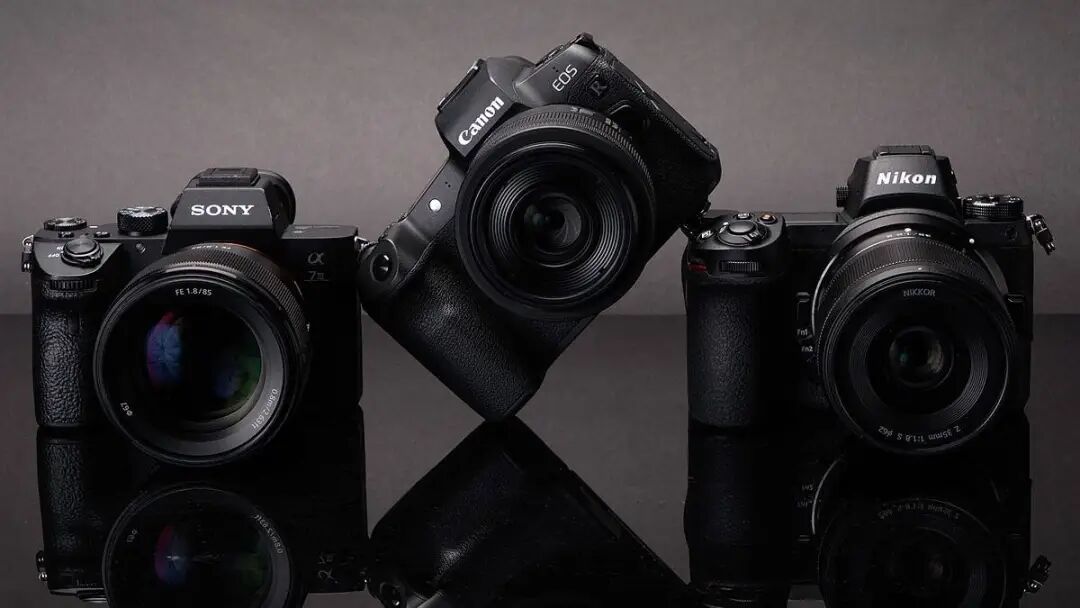
After entering the digital era, the once - blooming and fun - filled film cameras have all disappeared. And I don't want there to be no other options in the era of mobile imaging except for extremely professional cameras and productivity - oriented devices.
Fortunately, the market is honest. After the great success of the Fujifilm X100V and X100VI cameras, a way out is presented to everyone - there is still a gap between mobile imaging and professional imaging.
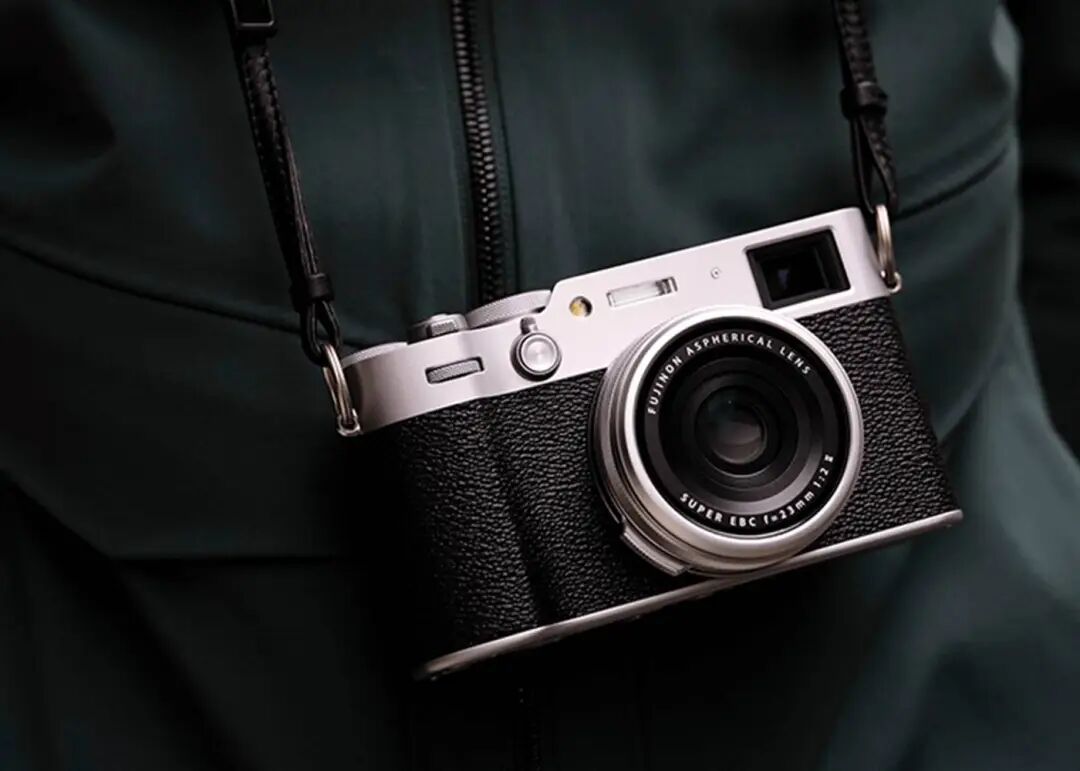
Camera manufacturers understand this truth, and we've also mentioned it many times in previous articles. The emergence of Sigma BF provides further refined support for this theory -
Fujifilm and Nikon have taken the path of reformism. Under the framework of maximalist cameras, they have cleverly "packaged" those complex functions with a retro design. The core is still a powerful working machine, but the appearance is a plaything full of emotional value and personality, so they have achieved success.
However, Sigma BF is more radical. It tries to break away from the main line of camera history and take the minimalist path, creating a product through subtraction.
Regrettably, Sigma BF failed to find the balance between minimalism and user experience, and an irreconcilable contradiction emerged between design and experience. So it's doomed to fail - the contrast between the initial "hand - crafted by artisans" publicity with extremely low production and the single - digit audience in the official live - streaming sales room now is an embarrassing footnote.
However, I still want to applaud this "loser".
Can complex functions be seamlessly hidden in an elegant shell? Can a camera balance minimalist design and interaction efficiency? Where exactly is the balance