Selling cars is as easy as selling cabbages. Automobile companies' "small goals" for 2026 are quite ambitious.
Recently, various automakers have successively revealed their sales targets for 2026. Netizens can't help exclaiming: Are they selling cars as if they were cabbages?
Among the new - force automakers, Hongmeng Zhixing, Leapmotor, and NIO are more ambitious than one another. Hongmeng Zhixing aims for 1 - 1.3 million vehicles, Leapmotor challenges the 1 - million - vehicle mark, and NIO also strives for over 450,000 vehicles.
Even Xiaomi, which has just entered the market, has directly set its 2026 target at 550,000 vehicles, clearly showing its ambition.
Traditional automakers are also not showing weakness. Geely, Changan, and Chery all aim to exceed 3 million vehicles. Although Great Wall leads in growth rate, it has quietly lowered its expectations a bit.
So far, nine automakers/alliances have announced their targets, and the total adds up to a staggering 18.339 million vehicles!
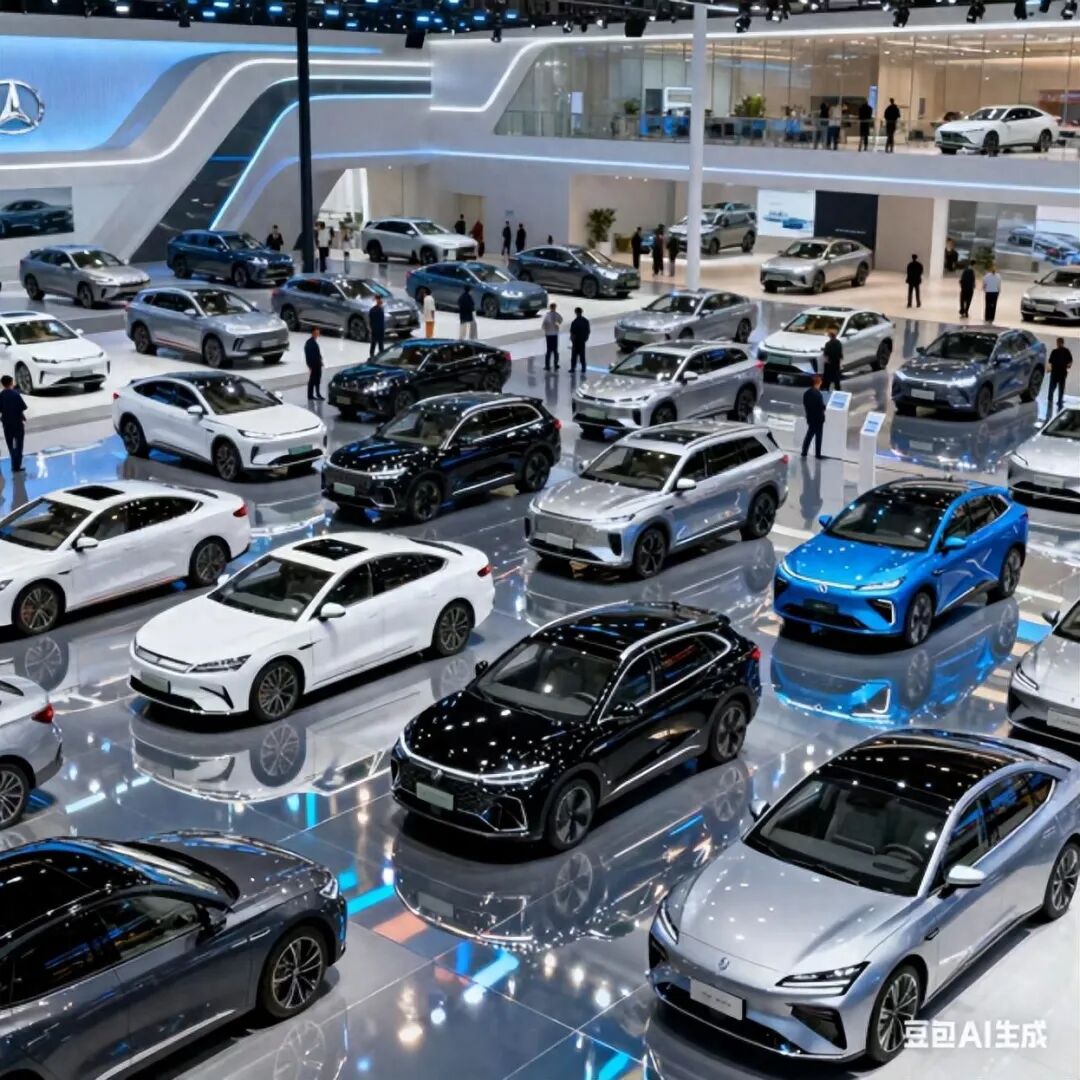
That's not all. The two "giants", BYD and SAIC, haven't made their moves yet. Each of them sold nearly 4.6 million vehicles last year. If we also count other players like Li Auto, the entire industry's target for 2026 is heading straight towards 30 million vehicles.
The question is, will there really be that much new demand in 2026?
The domestic market may cool down in 2026
The automotive industry is currently facing a "high - scoring test paper". The market is gradually shifting from an incremental to a stock market, and the challenges are escalating. According to data from the Passenger Car Association, although the sales volume of passenger cars increased by 4% year - on - year in 2025, reaching 23.744 million vehicles, over half of the growth was driven by policies, and the room for natural growth is getting narrower.
This stock competition has put automakers in front of the "triple hurdles" of profitability, production capacity, and transformation.
In terms of profitability, the price war is intensifying. Especially in the market below 200,000 yuan, automakers are in "close - combat" with each other, constantly squeezing profit margins. From January to November 2025, the industry's profit margin was only 4.4%, significantly lower than the average level of downstream industries.
In terms of production capacity, the shadow of structural overcapacity always exists, which has also intensified the competition within the industry. Next, some new - force brands on the periphery of the market may face a new round of reshuffle.
The policy environment is also being adjusted in 2026. The purchase tax exemption for new - energy vehicles has changed from full exemption to half exemption. At the same time, the subsidy for trading in old cars for new ones has changed from a "fixed amount" to a "calculation based on the vehicle price ratio", with a subsidy cap.
Although the maximum subsidy amount remains the same, for models with a price below 100,000 yuan, which account for the majority of sales, the subsidy they can get has significantly shrunk, from over ten thousand yuan in the past to only a few thousand yuan now.
Against this background, new - energy vehicle enterprises have still set high - growth targets. Is it radical and bold, or do they believe the market is resilient?
Don't be in a hurry. In fact, Chinese automakers still have room for growth.
The overseas market is expected to become the second growth pole
While the domestic market has entered the stock stage, there is still great potential in the overseas market.
BYD has set a successful example. In 2025, its overseas sales exceeded 1 million vehicles for the first time, with a cumulative annual overseas sales volume of 1,049,601 passenger cars and pickups, a year - on - year increase of 145%.
According to Tianyancha App, Chery's exports accounted for half of its total sales volume in 2025.
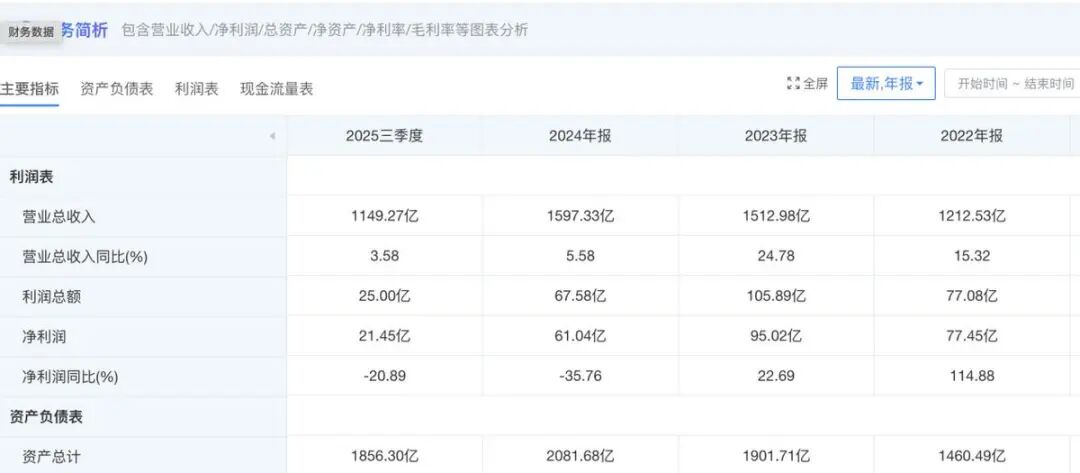
The most important thing is that the Chinese automotive market is arguably the most competitive in the world, with continuous price wars.
The overseas market is relatively less competitive, and consumers are not as picky as Chinese consumers. Automakers that have experienced the tough Chinese market are likely to have a significant advantage when competing overseas.
Moreover, due to the less - intense competition, the gross profit per vehicle of Chinese cars overseas is higher than that in the domestic market.
Taking BYD as an example, the pricing of its models in the Brazilian market is in sharp contrast to that in the domestic market. The Song PLUS DM - i is priced at 195,800 reais (about 257,400 yuan) in Brazil, while its starting price in the domestic market is only 102,800 yuan. The Brazilian price is more than twice the domestic price.
The flagship version of another model, the Han, is priced at nearly 700,000 yuan in Brazil. In contrast, the top - end version of the Han L currently on sale in the domestic market is priced at 279,800 yuan, with a price difference of nearly three times.
This gap clearly reflects how popular Chinese models are in the overseas market.
In China, you can call BYD casually, but overseas, it's a big deal.
It's only in the past two years that I've understood. I used to think Germany was so developed that all taxi drivers drove Mercedes - Benz. Now I finally get it.
So, if Chinese automakers set a sales target of 30 million vehicles, they must further expand in the overseas market. We hope that more Chinese automotive enterprises can make a name for themselves overseas.
This article is from the WeChat official account "Talk about Engine and AI" (ID: Mr - dushe), written by Talk about Engine and AI, and published by 36Kr with authorization.