Finland has produced the first mass-produced solid-state battery with a cycle life of 100,000 times and an energy density of 400Wh/kg.
Is the all-solid-state battery finally here?
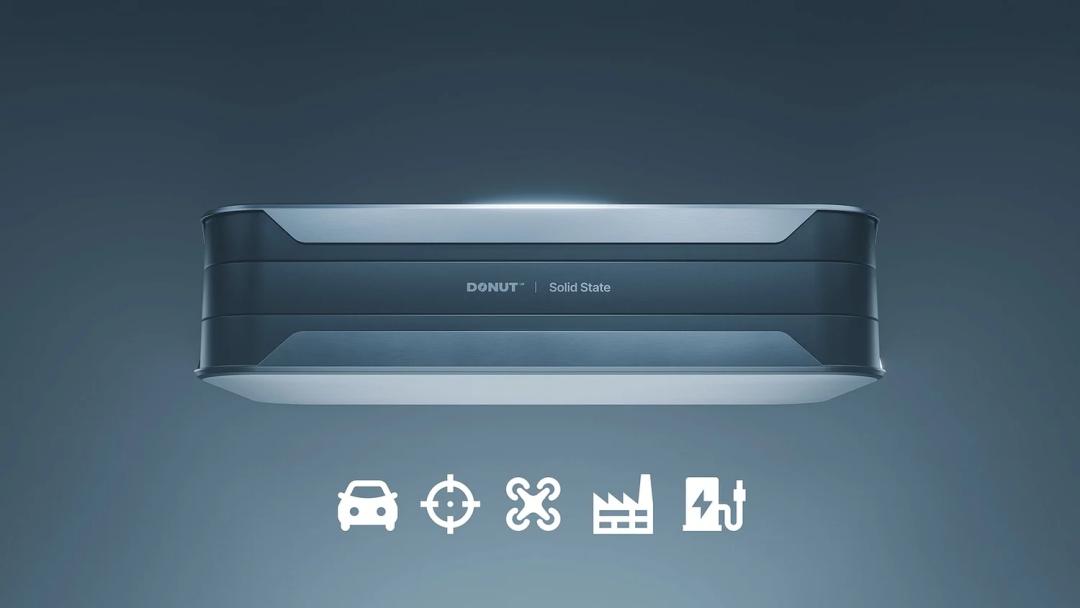
At this year's CES, a Finnish startup battery company called Donut Lab stole the show by creating the world's first all-solid-state battery.
Moreover, it's a battery that can be truly commercialized and mass-produced, suitable for use in actual vehicles.
To further prove its technology, the company has also provided a clear timeline for its implementation in vehicles. The battery will be installed in an electric motorcycle from the Verge Motorcycles brand in Q1 2026, and pre-orders have already begun.
If all this comes true, the all-solid-state battery that the industry has been waiting for for years will finally step out of the PPTs and laboratories.
01 It Can Last for at Least 1000 Years
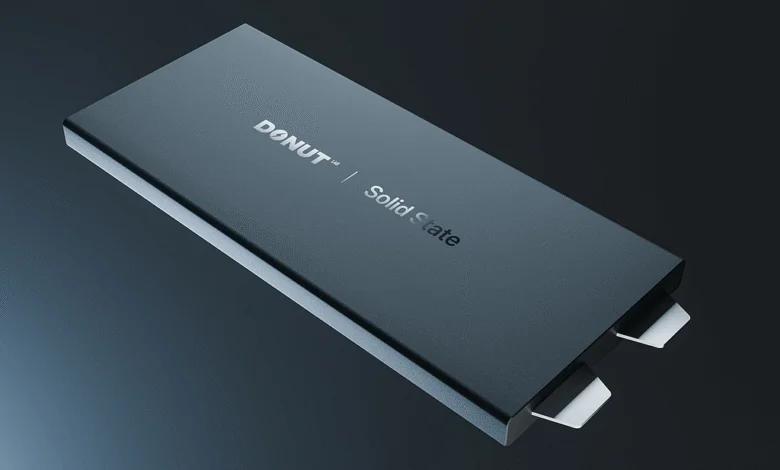
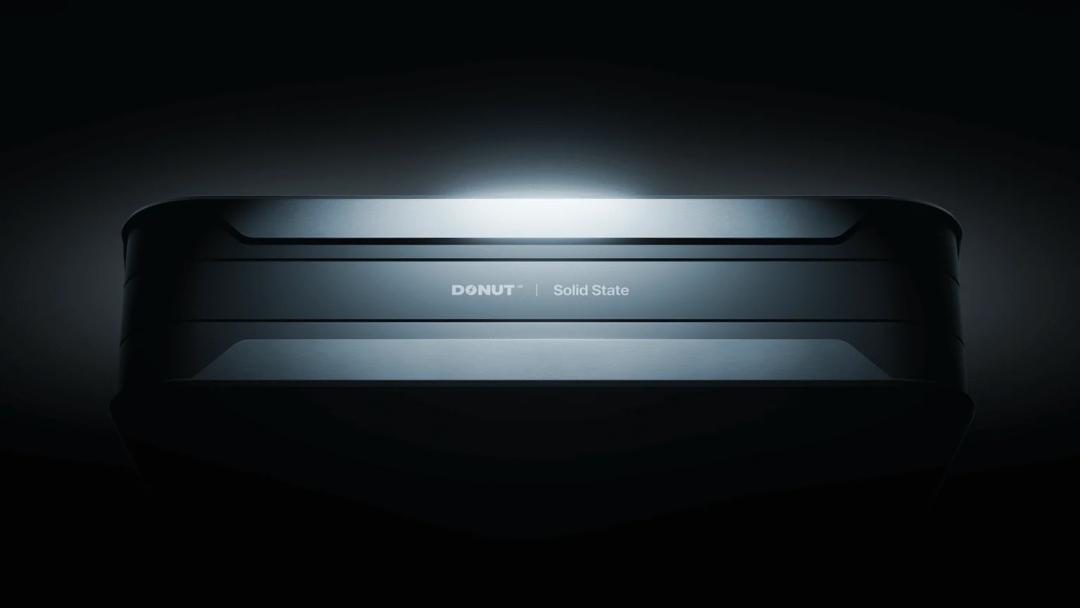
What's the "world's first mass-producible all-solid-state battery" like? At the exhibition, Donut Lab displayed a "sample." It looked like a small black rectangular battery, about the size of a large-screen smartphone, nothing special at first glance.
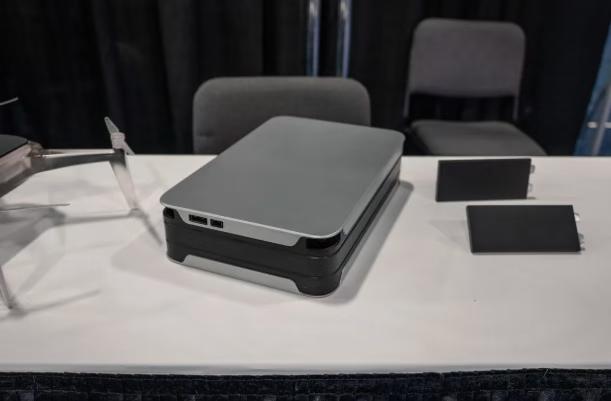
However, the disclosed battery data is quite astonishing. This battery can achieve an energy density of up to 400Wh/kg. Although this figure isn't extremely remarkable for an all-solid-state battery, it's nearly twice that of most traditional lithium batteries on the road today. The Verge motorcycle equipped with this solid-state battery can offer a maximum range of 600 kilometers.
It also features a modular design, allowing it to adapt to different capacity requirements through module combinations and cover various scenarios. That means it can be used not only in motorcycles but also in new energy vehicles.
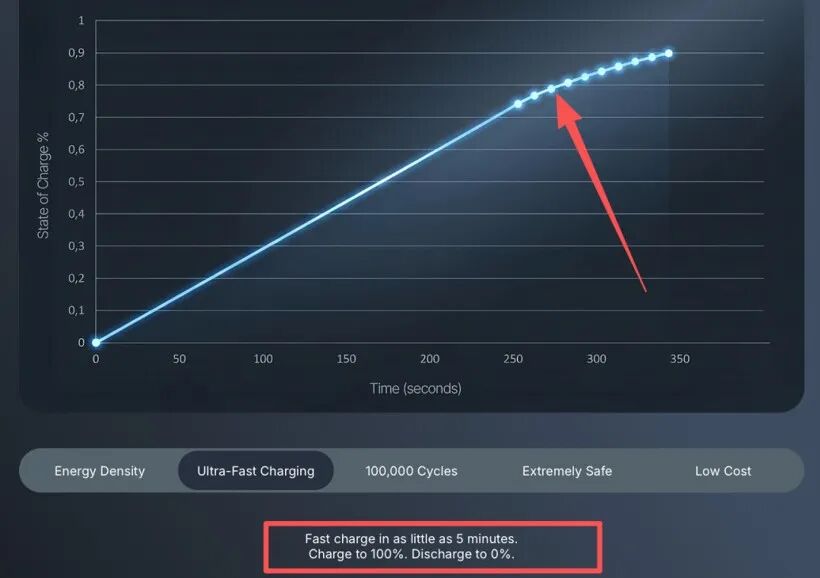
The charging speed is even more impressive. It claims to be able to fully charge in 5 minutes. Note the word "fully charge," which means that even after the battery's SOC reaches over 80%, it still has strong charging capabilities, unlike traditional lithium batteries that enter a low-power trickle charging rate.
There's no need to limit the charging to protect the battery. It can be charged directly to 100%, and repeated full discharges won't cause degradation. The battery's designed cycle life exceeds 100,000 times, which is almost the current standard for the longest cycle count of solid-state batteries.
We can do a simple calculation. Even if it's charged and discharged once a day, it can last for over 27 years, far exceeding the vehicle's lifespan. If we calculate based on the Verge motorcycle's 600-kilometer range, a cycle life of up to 100,000 times means the theoretical total range of the power battery can reach 60 million kilometers.
Even with high-intensity driving of 60,000 kilometers a year, this all-solid-state battery can theoretically be used for 1000 years, becoming a truly "long-lasting" battery that can outlive its owner and be passed down for generations...
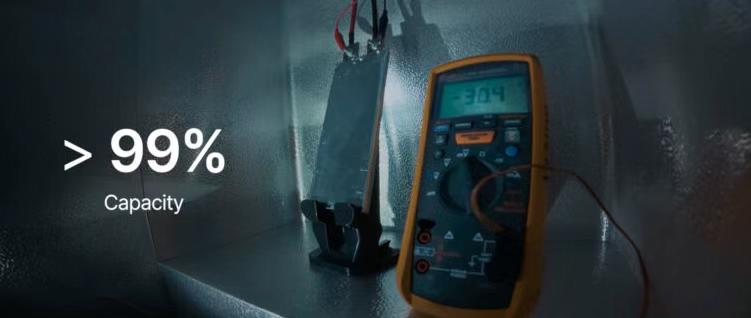
Moreover, Donut Lab also stated that this all-solid-state battery has extremely high safety and stability and has passed strict tests under extreme conditions. Even in extremely cold conditions of -30°C, this battery can still maintain over 99% of its actual capacity. Even when heated to over 100°C, it can still maintain over 99% of its capacity without any signs of fire or degradation.
If all the battery parameters claimed by Donut Lab can be achieved in mass production, almost all pain points seem to be solved at once. Undoubtedly, it's a revolutionary breakthrough in the field of power batteries. Some overseas media even commented that this battery "sounds too good to be true."
The company's CEO, Marko Lehtimäki, also said, "When we first introduced the Donut motor at CES last year, many people didn't believe it was real until they saw this technology in actual use on the road."
02 The Whistle Has Blown
Due to the perfection of Donut Lab's product, doubts have arisen.
Many netizens think its product parameters are too good and far beyond the level that current mass-produced products can achieve. Some have questioned the battery's materials. However, Donut Lab's response has been vague.
It only stated that this battery uses a completely different technical route from traditional all-solid-state batteries. It's made entirely of materials that are abundant, inexpensive, and geopolitically secure, without relying on rare or sensitive elements. It also shows lower costs than lithium-ion batteries, but it didn't clearly state the specific materials required to produce this all-solid-state cell.
What's more interesting is that the data disclosed by the company doesn't quite match the information on its official website.
On Donut Lab's official website, information about this battery is also introduced. However, in the displayed charging power curve, if it can be fully charged in 5 minutes as officially disclosed, that's 300 seconds. But on this graph, at 300 seconds of charging, the corresponding battery SOC is only about 80%, and at 350 seconds, the corresponding SOC state is 90%.
Moreover, the charging speed, which was originally claimed to be 5 minutes for a full charge, has become 10 minutes when it comes to the actually produced Verge motorcycle.
According to Verge Motorcycles, this battery will be installed in the TS Pro and Ultra electric motorcycles of Verge Motorcycles. Pre-orders have already started, and the first batch will be delivered in Q1 2026.
The starting price is $29,900. There are two battery options: a standard battery with a range of up to 217 miles (about 350 kilometers), and a long-range battery with a range of 370 miles (about 600 kilometers), but it costs an additional $5,000. The long-range battery can be fully charged in 10 minutes.
It's worth mentioning that this brand of electric motorcycles became popular before because of the hub motor technology developed by Donut Lab, with a 0-100km/h acceleration time of easily 2.5 seconds. Now it's about to become the world's first motorcycle equipped with an all-solid-state battery.
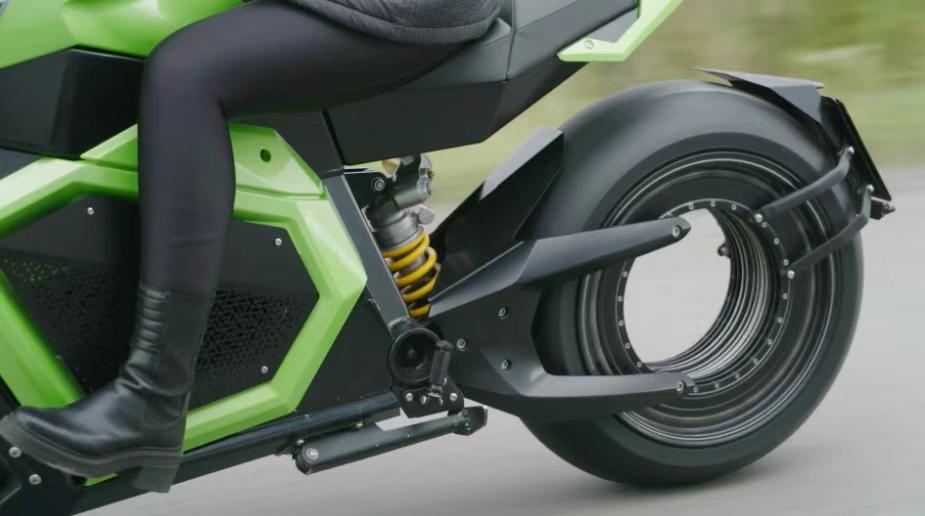
Actually, Verge Motorcycles has only been established for 8 years, and Donut Lab was founded by Marko Lehtimäki, who is also the founder of Verge Motorcycles.
We can even say that these two companies are the same enterprise because Donut Lab was spun off from its parent company at the end of 2024 and has only been independent for about a year.
In addition, Donut Lab also announced that it will cooperate with the electric vehicle company WATTEV to create an ultra-lightweight modular electric vehicle platform that combines Donut's motor and battery technologies.
Regardless of the credibility of the all-solid-state battery technology announced by Donut Lab, its appearance this time has successfully brought the all-solid-state battery from the "future tense" to the "present continuous tense."
Previously, the enthusiasm of the capital market and the industry chain for solid-state batteries was all directed at a clear time node - 2027. As Zeng Yuqun of CATL said at the end of last year, "If we use numbers from 1 to 9 to represent the technological and manufacturing maturity of solid-state batteries, the current industry's highest level is only around 4. We've only made some device samples for experimental verification."
This means that the large-scale implementation of solid-state batteries may be slower than expected.
Many companies have also set clear mass-production timelines, mostly concentrated between 2026 and 2030. For example, Toyota claims that it will launch pure electric vehicles equipped with "all-solid-state batteries" in 2027, which can travel 1200 kilometers after a 10-minute charge. BYD also plans to start small-scale vehicle installations between 2027 and 2029 and enter the mass-production ramp-up phase between 2030 and 2032.
Domestic battery companies have also made announcements. CATL publicly stated that its goal is to achieve small-scale mass production in 2027. Funeng Technology also said that it will promote small-scale mass production and vehicle installations between 2026 and 2027 and achieve large-scale mass production in 2030. Gotion High-Tech has also set its mass-production time in 2027.
It's undeniable that many current cutting-edge technological innovations come from small startups, such as OpenAI and DeepSeek. When a startup like this steps forward with a clear timeline and product, the competition rhythm of the entire industry may be forced to speed up.
This article is from the WeChat official account “SuperEV-Lab” (ID: SuperEV-Lab), written by Wang Lei and published by 36Kr with authorization.