What kind of electric motorcycle dares to be sold for hundreds of thousands of yuan without following the rules of fair play?
The Verge TS Pro electric motorcycle, which made its debut at CES recently, is really something.
It is equipped with a hubless motor with over 100 horsepower and can accelerate from 0 to 100 km/h in just 3.5 seconds. It also features the world's first mass - produced solid - state battery and can travel up to 600 kilometers on a single charge. Goodness, in terms of core hardware, it's a masterpiece in the electric motorcycle industry.
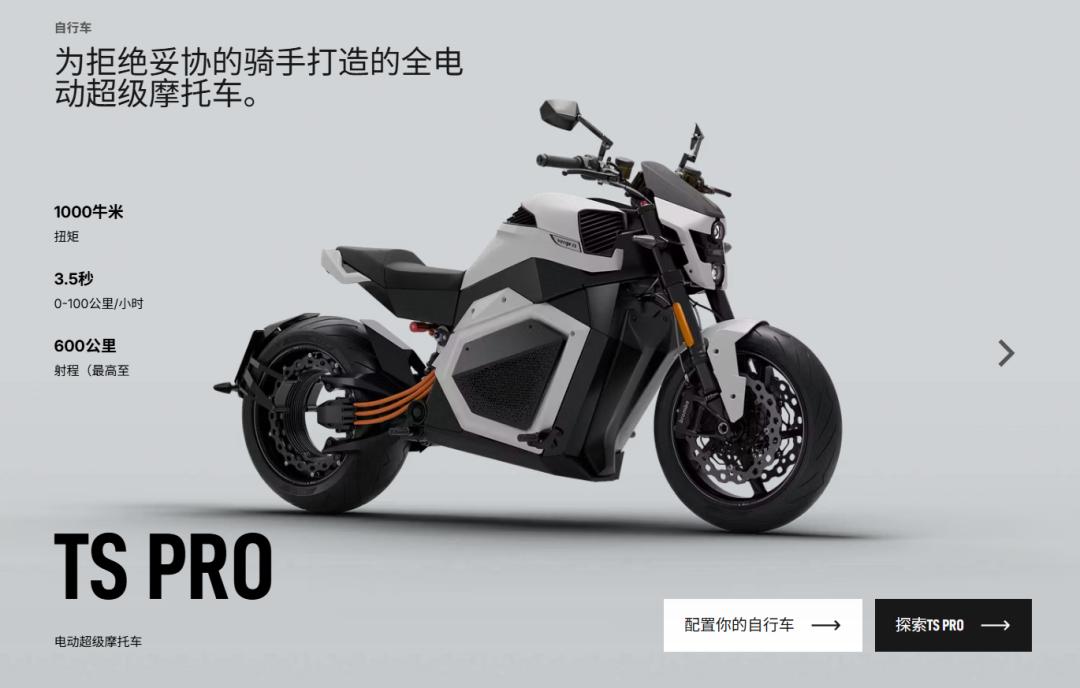
This motorcycle is from the Finnish brand Verge. It's an old player with a new identity. Its predecessor was RMK, founded in 2018, and it was officially renamed Verge in 2020. In 2022, it launched the first - generation TS Pro.
The motorcycle unveiled this time is the latest 2026 version. Its selling points are the hubless motor and the solid - state battery. Both of these hardware components are supplied by a company called Donut Lab.
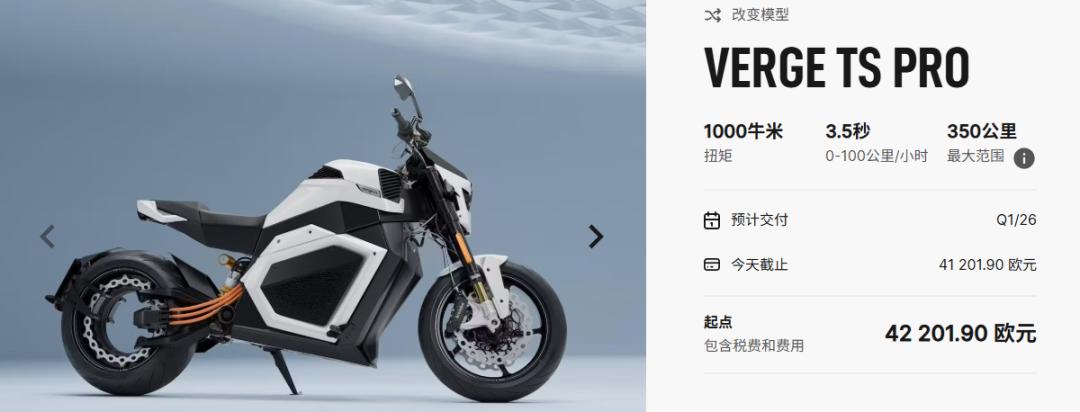
Since it can integrate a hubless motor and a solid - state battery into a mass - produced vehicle, the price can't be low. In the United States, the base price of the naked bike is $29,900, and in Finland, including taxes, it starts at €42,200. It's truly a ride exclusive to the wealthy. In Finland, this amount of money can buy a Volvo XC40.
Is it really worth the price? Let's start with the cool hubless motor.
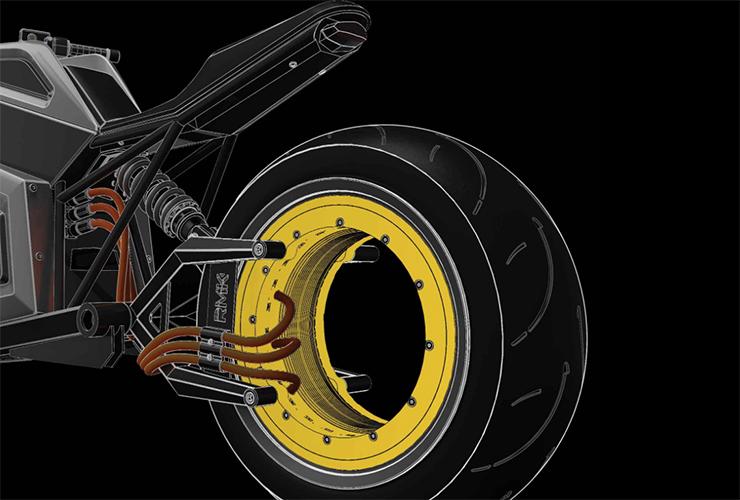
Its patent is called the rim - integrated motor. In fact, it's also a type of hub motor. It looks like a donut, which is really eye - catching.

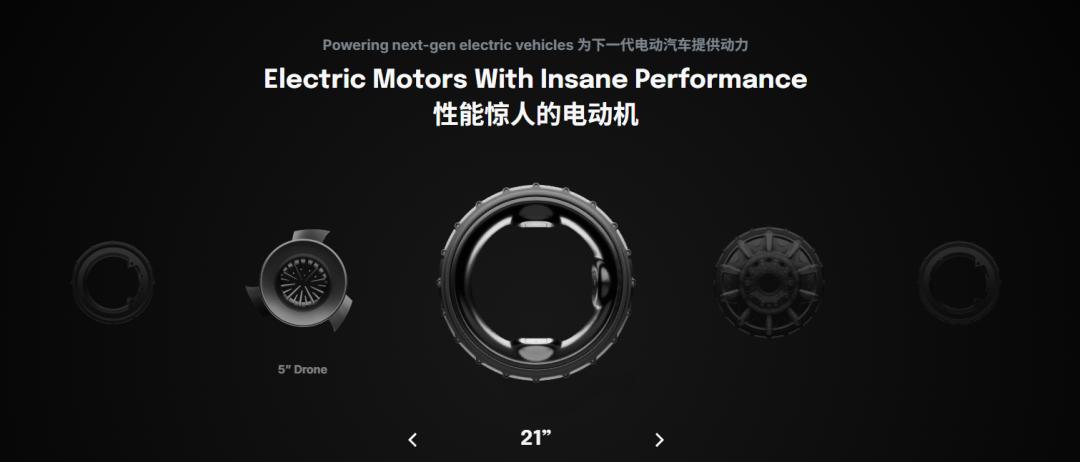
There aren't many companies in the world working on donut motors. Only Donut Lab has a product line of donut motors ranging from 4.7 inches to 21 inches.
The working principle of the donut motor is quite simple, similar to the hoop - rolling game we played as kids. The stator is fixed on the motorcycle's rear swingarm, and the wheel itself is the rotor. It's like the motor is embedded in the rim. The stator generates a rotating magnetic field, which makes the rim rotate with the tire.
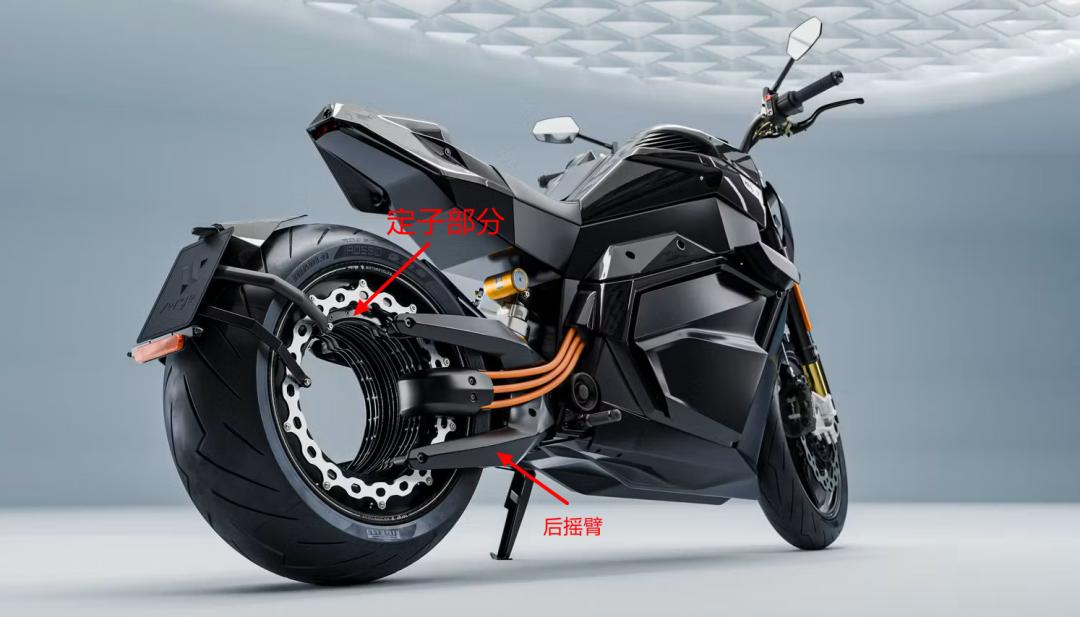
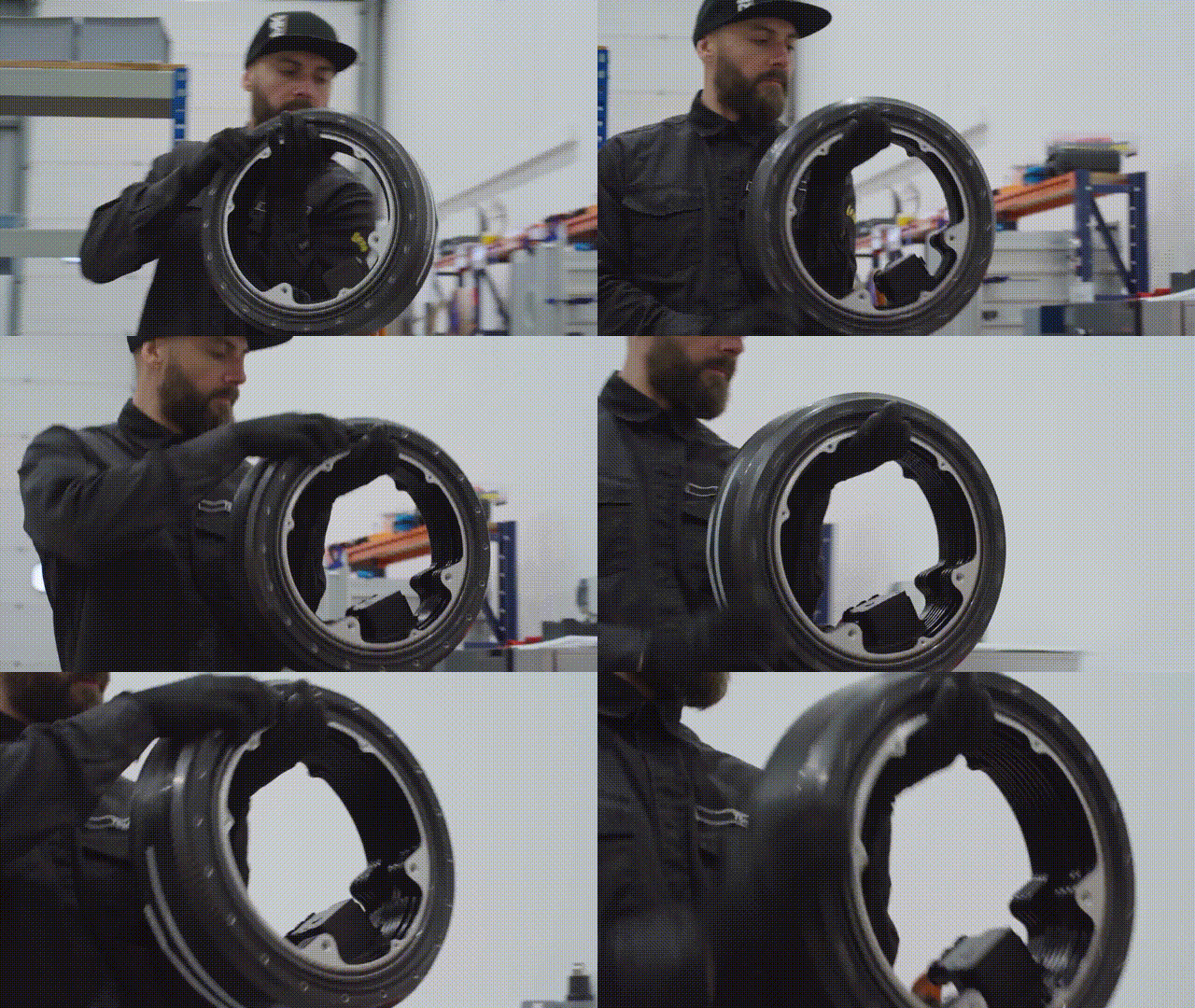
Compared with traditional motorcycles, it eliminates components such as chains, belts, and gears. There are no middlemen taking a cut, so the transmission efficiency is significantly improved. However, there are both advantages and disadvantages. Motorcycles are prone to bumps and scrapes. With such a high - integration rear wheel, repairs will definitely be expensive.
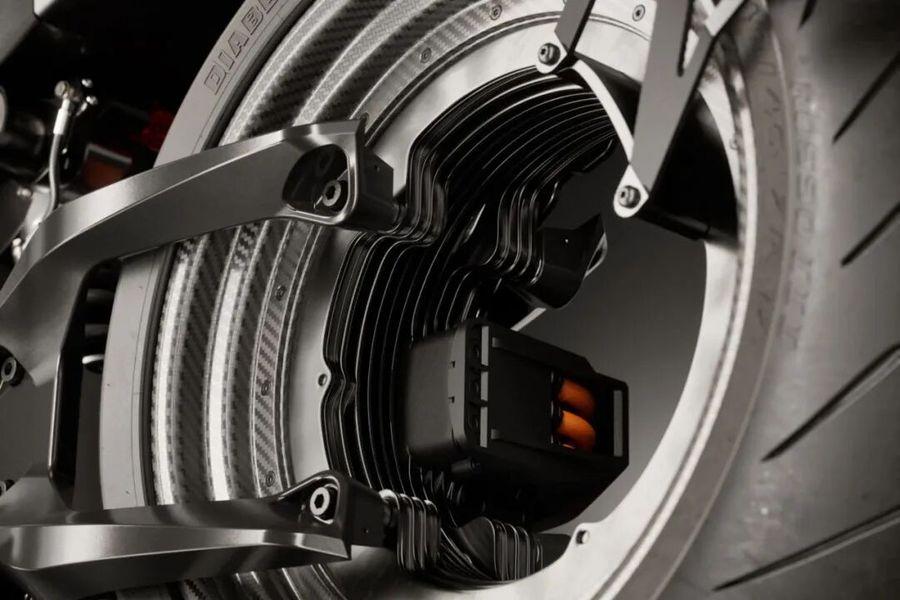
The 2026 TS Pro uses the 2.0 version of the donut motor, which is lighter and has better heat dissipation than the 1.0 version. It is said to be able to withstand 30 minutes of peak - power output without any attenuation.
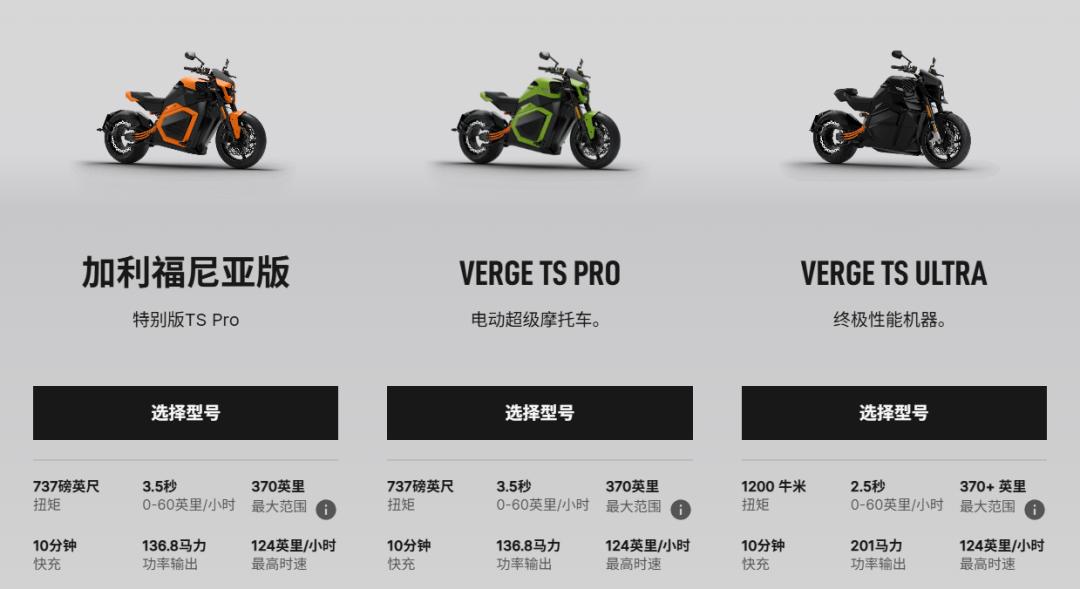
In terms of performance, the Pro version has 136 horsepower and 1000 Nm of torque, accelerating from 0 to 100 km/h in 3.5 seconds, which is truly outstanding. The Ultra version has 204 horsepower and 1200 Nm of torque, and can accelerate from 0 to 100 km/h in just 2.5 seconds.
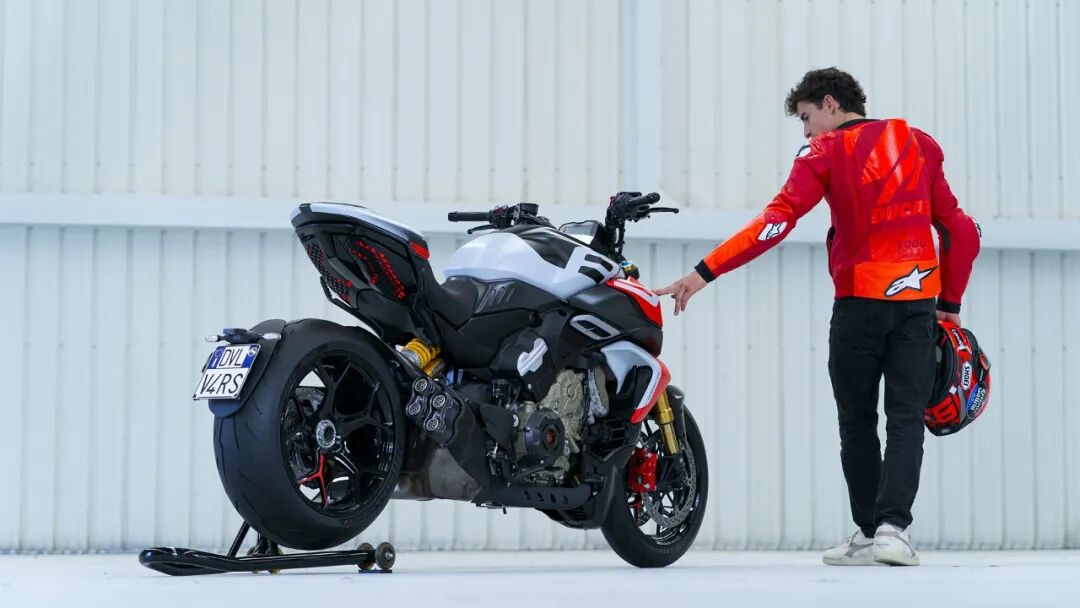
This performance is comparable to that of the Ducati Diavel V4 RS, truly the ceiling of the performance of factory - stock cruisers. When riding the Ultra version in a straight - line acceleration, as long as you're brave enough, 99% of the cars in the world won't be your match.
In addition to the hubless motor, another major selling point is the so - called world's first mass - produced solid - state battery, whose performance is also amazing.

There are two solid - state battery options for the TS Pro this time. The 20.2 kWh battery can provide a range of 350 km. By paying an additional €3000 or $5000, you can choose the 33.3 kWh version, which can offer a range of 600 km.
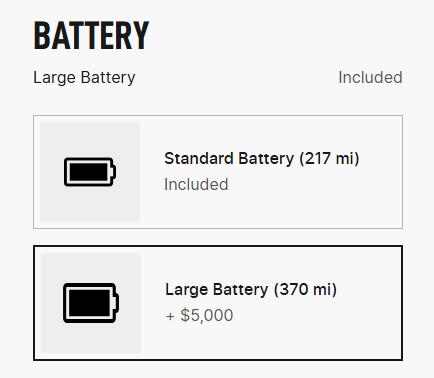
Calculating the battery cost, it's not as outrageous as expected. The cost per kWh is about 1800 - 2700 RMB. Compared with the ternary lithium batteries commonly used in domestic electric motorcycles (1200 - 1500 RMB per kWh), the premium isn't too exaggerated. Overseas players with real purchasing power will mostly choose the large - battery version directly.
Just looking at the range might not seem that exciting, but the parameters announced by Donut Lab are quite astonishing.
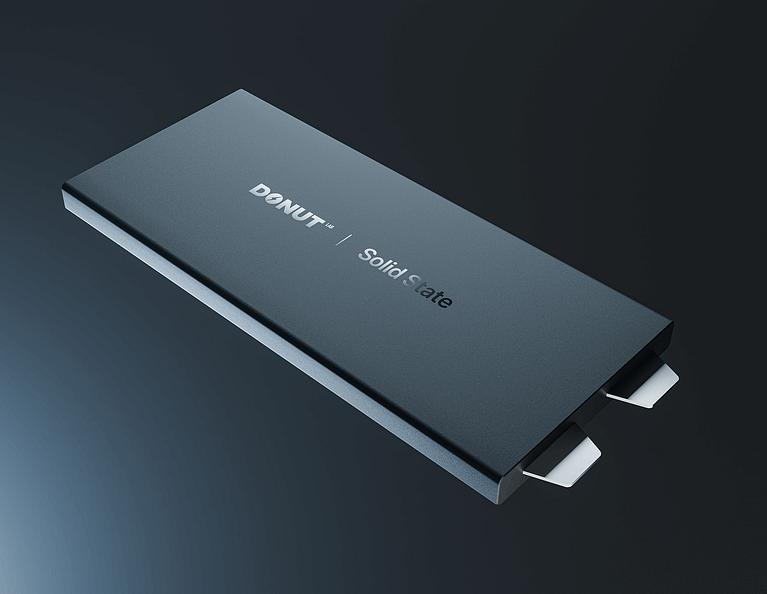
For example, the energy density of this battery can reach 400 Wh/kg. If it were used in current electric vehicles, only 50% of the battery mass would be needed to achieve a similar range.
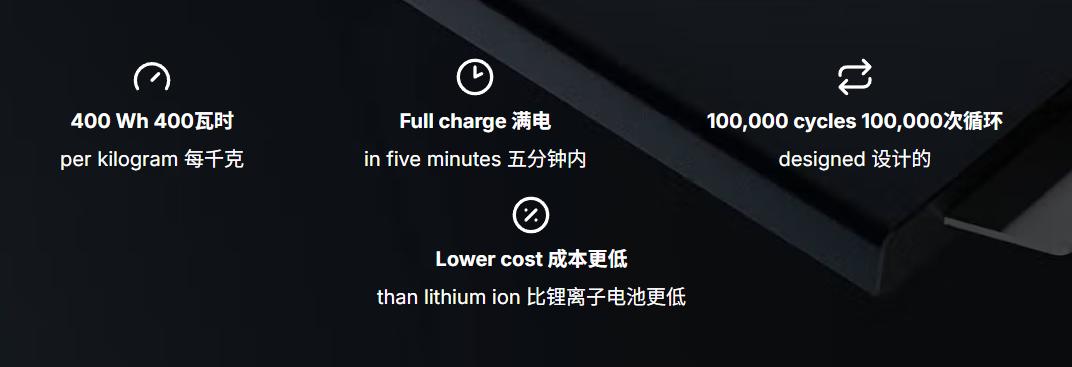
Moreover, it is claimed that the battery has a cycle life of up to 100,000 times. This is not just about a vehicle being passed down through three generations. Assuming there is no mandatory scrapping and other parts of the vehicle don't break, with one cycle per day, and each generation riding from 18 to 70 years old, it can serve five generations. No wonder this motorcycle is so expensive. It's truly a great vehicle that benefits both the present and future generations.
It also supports 200 kW fast charging, and it can charge enough for a 300 - km range in 10 minutes. In summary, this motorcycle is the top choice for the construction team of the Foolish Old Man Removing the Mountains.
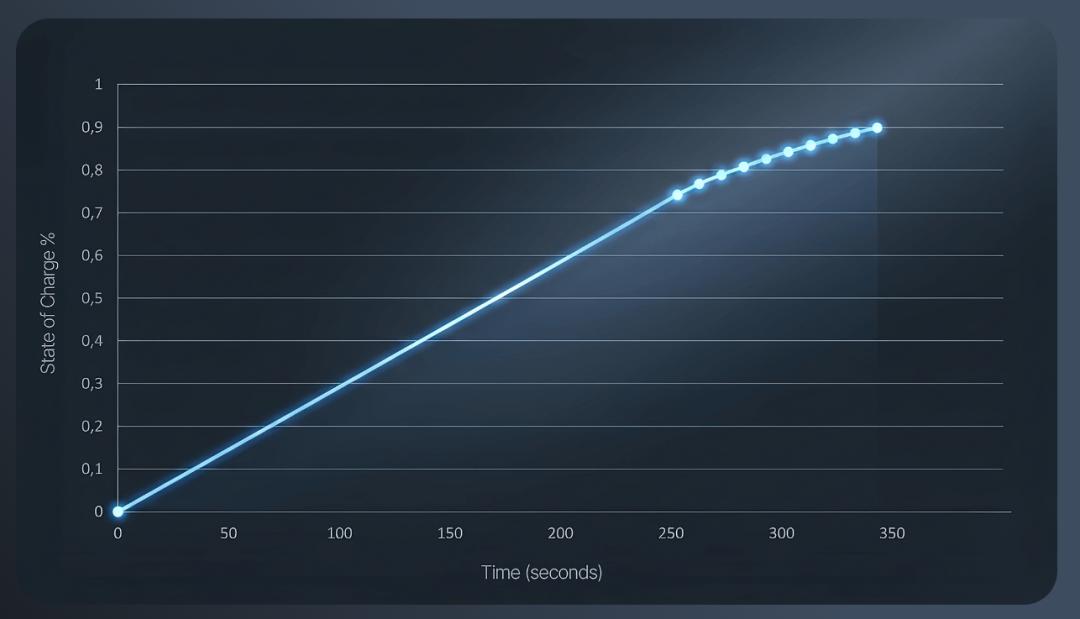
If these amazing parameters can only be achieved in the laboratory, it's nothing special. But if it can really be mass - produced, it's far ahead of the times.
You know, currently, both automobile manufacturers and battery companies generally expect that solid - state batteries won't be commercially available until around 2030. However, Donut Lab claims that they can be installed in vehicles and mass - produced now. This is like someone from the future being reborn and developing solid - state batteries at Donut Lab. It's incredibly fast.
More importantly, it is claimed that this battery doesn't use rare earths or lithium, and the cost can be similar to that of current lithium batteries.
Moreover, they said they have built a 1 - GWh production line and plan to expand production. With such ambition to grow and succeed, even CATL would have to avoid its edge.
The problem is that all this is just Donut Lab's self - assertion. There is no actual test data from any third - party institutions regarding the parameters and production capacity. They even don't disclose the specific technical path of the battery. It's very mysterious.
Digging deeper into the relationship between Verge and Donut Lab, these two companies aren't just a simple client - supplier relationship. The two bosses are actually brothers, which makes it even more thought - provoking.

In late 2024, Verge split its technology department into an independent subsidiary, Donut Lab, which is specifically responsible for motor and battery R & D. After the split, Donut Lab can not only supply Verge but also sell its technology externally.
The valuation of a battery and motor technology platform is much higher than that of a motorcycle - manufacturing company.
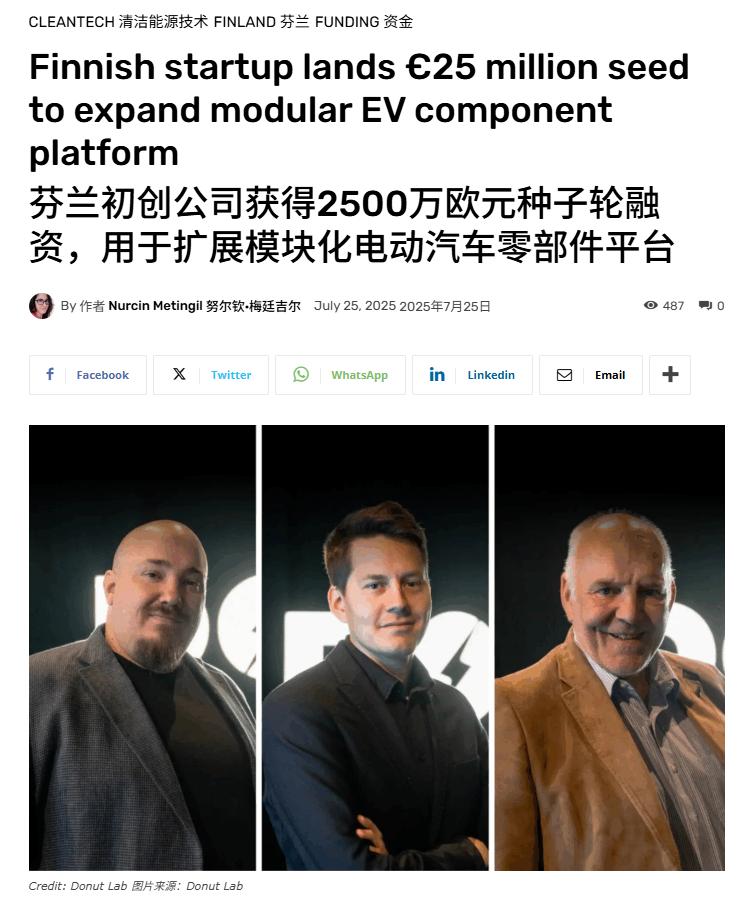
Sure enough, in July 2025, Donut Lab received a seed - round financing of €25 million. It's obvious to anyone with a discerning eye that splitting the company is a combination of technology and capital. The solid - state battery is just the most attractive selling point in this strategy to attract investors.
It's really hard to tell whether they have real technology or are just playing a capital game.
Actually, Verge isn't the first time to play the game of promoting concepts first.
In 2019, when it was still called RMK, it launched the E2 concept motorcycle with a starting price of €24,990 and collected a €2000 deposit. It directly received more than 500 orders globally at that time.
It wasn't until July 2022 that it was officially mass - produced. Due to the company's name change, the RMK E2 became the Verge TS, and a high - performance version, the TS Pro, was also launched.
This time, the 2026 TS Pro uses the solid - state battery as a gimmick, which inevitably makes people wonder whether it's a real technological breakthrough or just a marketing ploy to