The world's first mass-produced solid-state battery has been born in Finland. Why aren't Chinese companies afraid?
China, Japan, and South Korea have been engaged in a silent battle in the solid-state battery race for many years, all vying for the first-mover advantage in launching solid-state batteries. Unexpectedly, a dark horse emerged. On January 6, 2026, Finnish startup electric mobility technology company Donut Lab took the lead in releasing solid-state batteries.
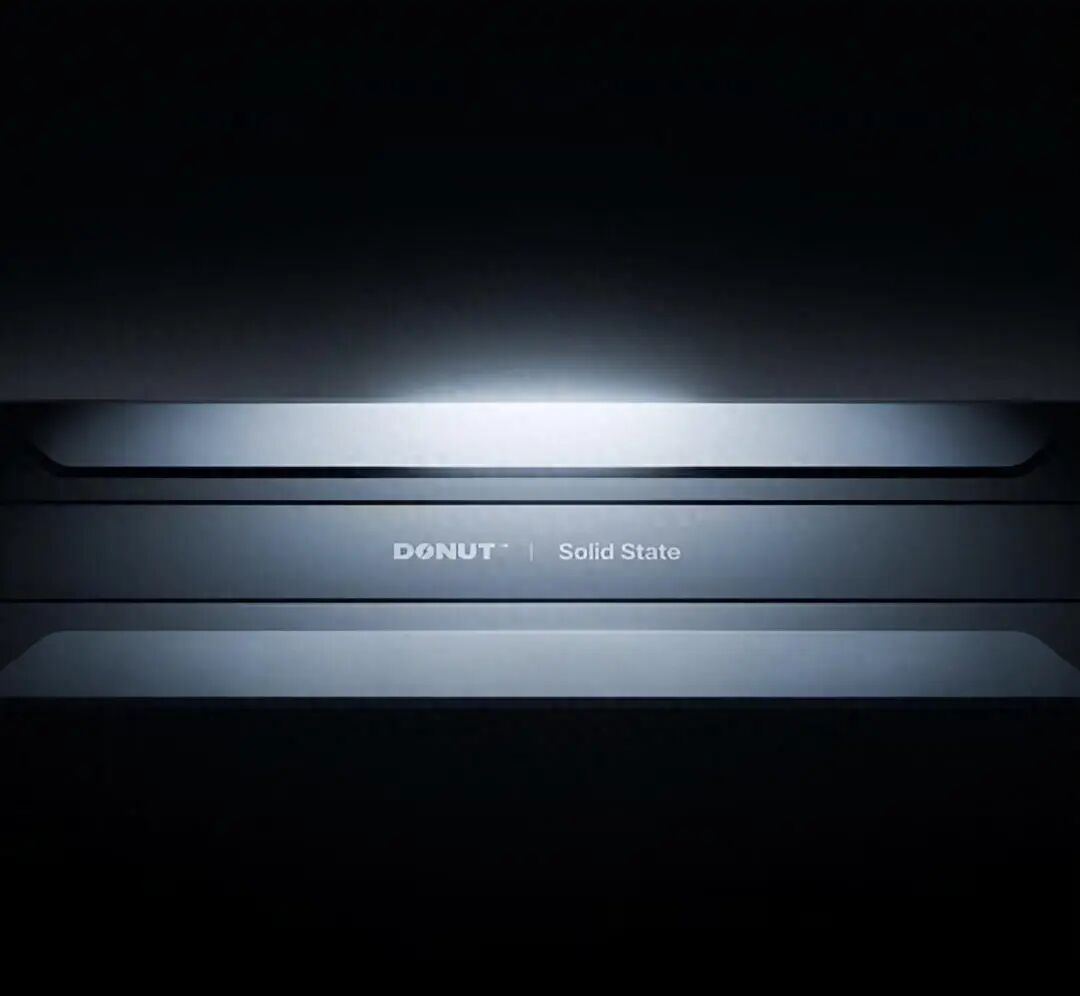
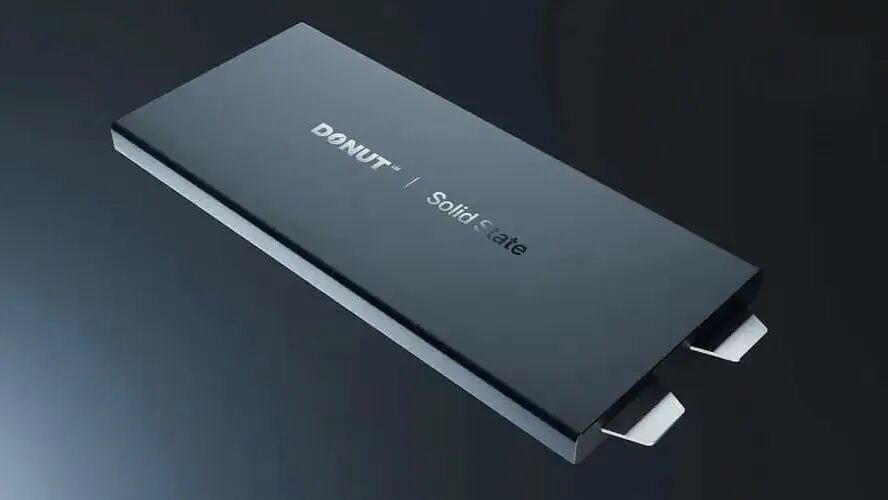
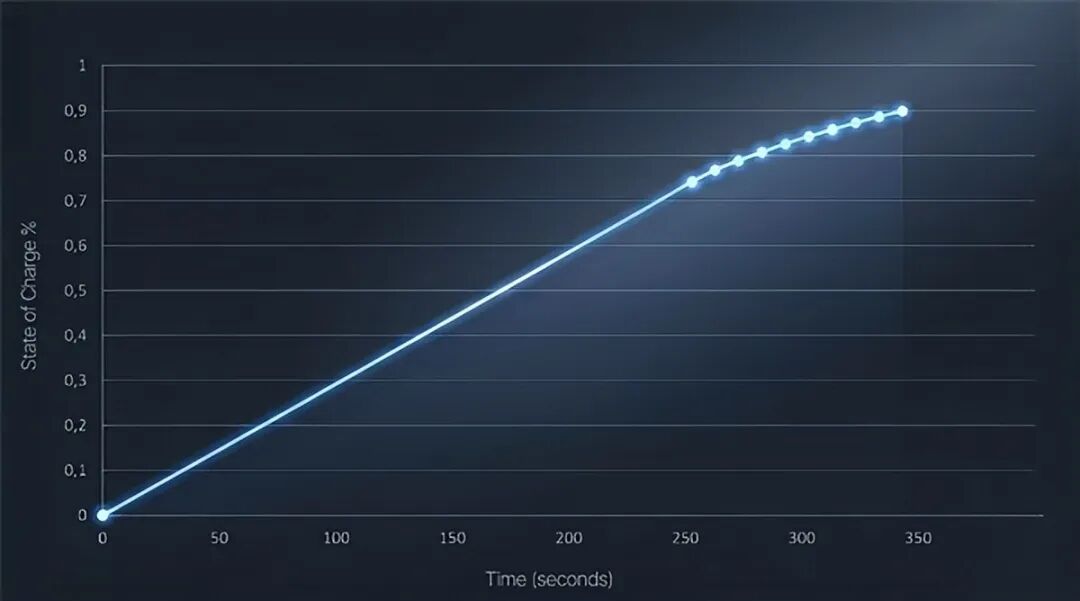
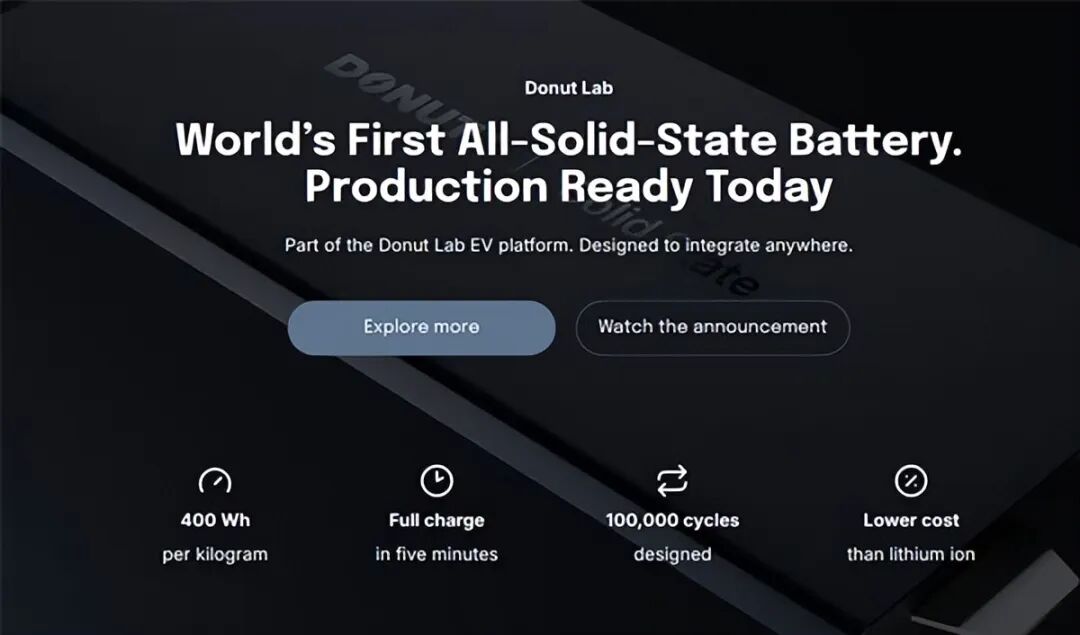
Donut Lab claims that its solid-state batteries have a cycle life of up to 100,000 times, an energy density of 400 Wh/kg, and a miraculous charging speed, being able to fully charge in just 5 minutes. Moreover, the cost is lower.
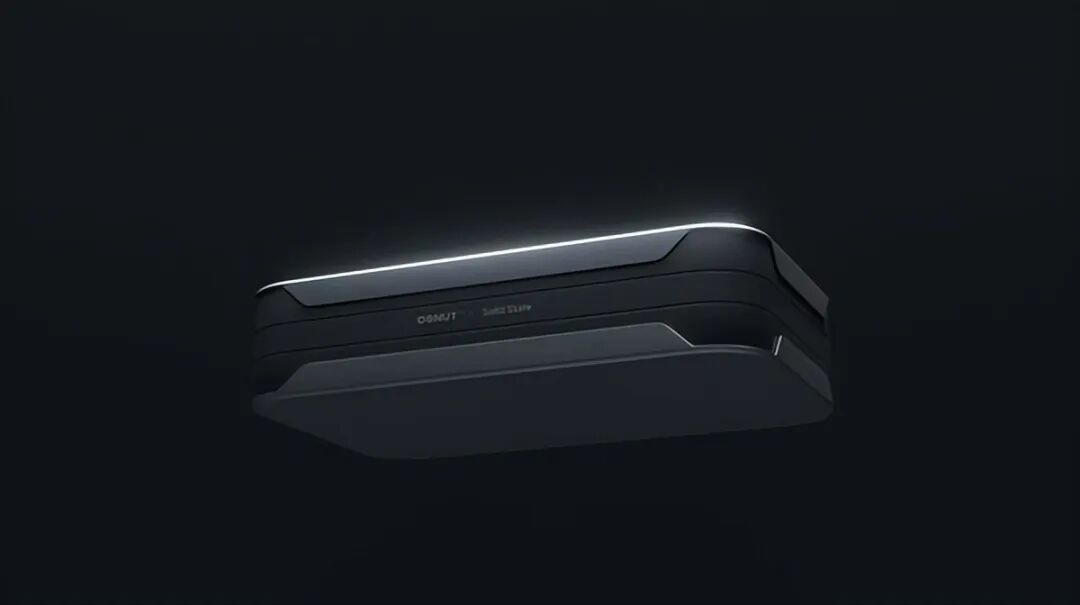
The company said that this revolutionary electrolyte-free battery cell and battery pack have the mass production capacity at the gigawatt-hour level and can supply products to global enterprises.
Verge said that its upgraded TS Pro two-wheeled vehicle will be officially delivered to users in the first quarter of this year, and it will become the world's first mass-produced electric vehicle powered by all-solid-state batteries at that time.
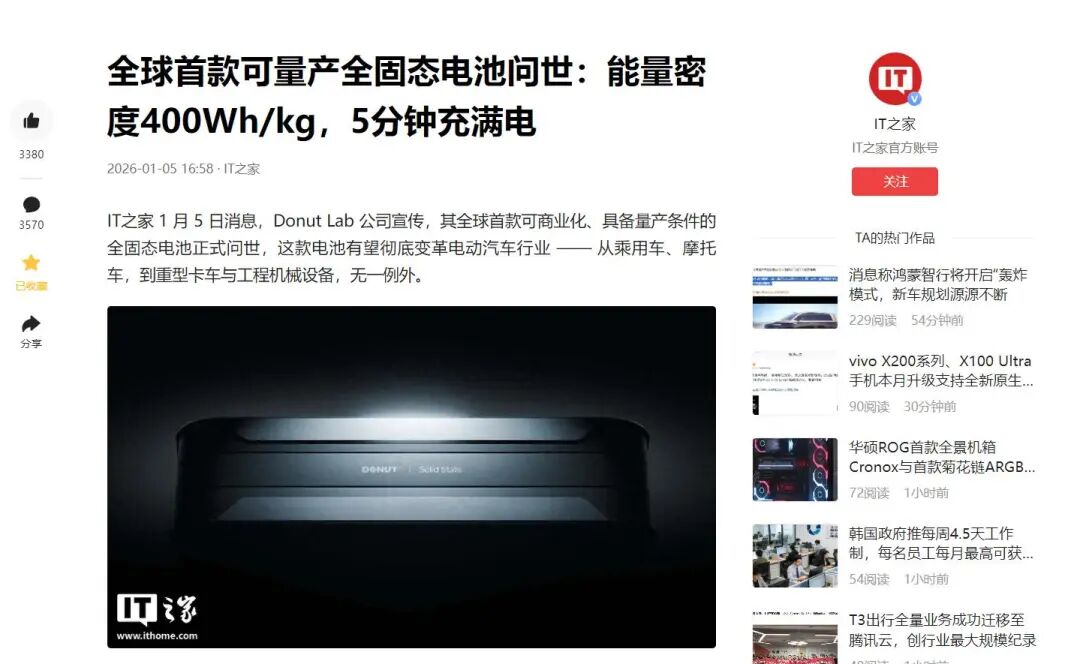
As soon as the news came out, the market was in an uproar. Many investors were worried: Has the "Normandy Landing" of solid-state batteries already happened, while we are still watching on the shore?
Solid-state batteries have always been regarded as a revolutionary technology. However, when Finland released such a high-profile technological product, battery manufacturers and automobile manufacturers around the world seemed to react very calmly. Especially Chinese automakers hardly showed any reaction to this news.
Why aren't Chinese enterprises afraid?
There are probably several reasons for this.
First of all, we must maintain a rational and prudent attitude towards the news from Donut Lab.
In the past two years, news about major breakthroughs in solid-state batteries has become quite common. In 2023, Nissan was the first to announce that it had conquered solid-state battery technology.
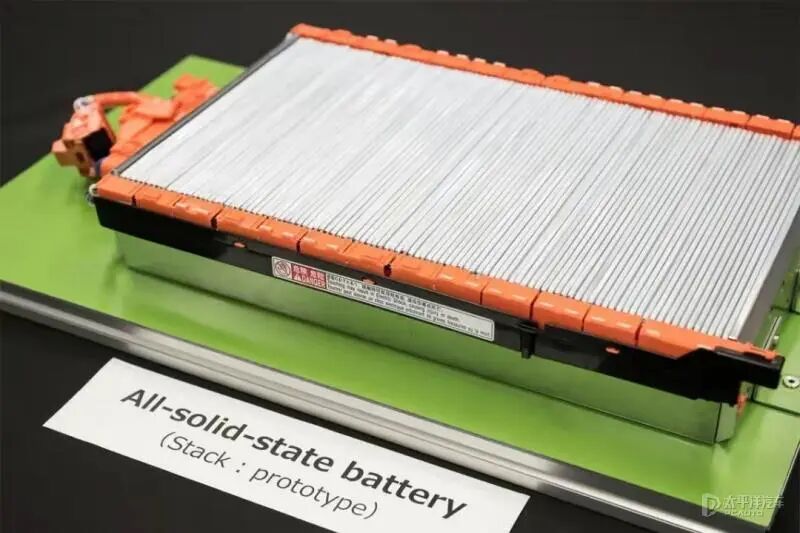
In July 2023, Toyota also claimed that it would launch pure electric vehicles equipped with "all-solid-state batteries" on the market in 2027. These vehicles can travel 1,200 kilometers after a 10-minute charge, and the cruising range will be extended to 2.4 times that of existing EVs. Later, Panasonic and Honda also claimed to have made breakthroughs in this technology.
In addition, on October 14, 2024, ProLogium in Taiwan announced at the Paris Motor Show that it had launched the world's first electric vehicle battery with a 100% silicon composite anode, which can travel 1,000 kilometers after a 12-minute charge.
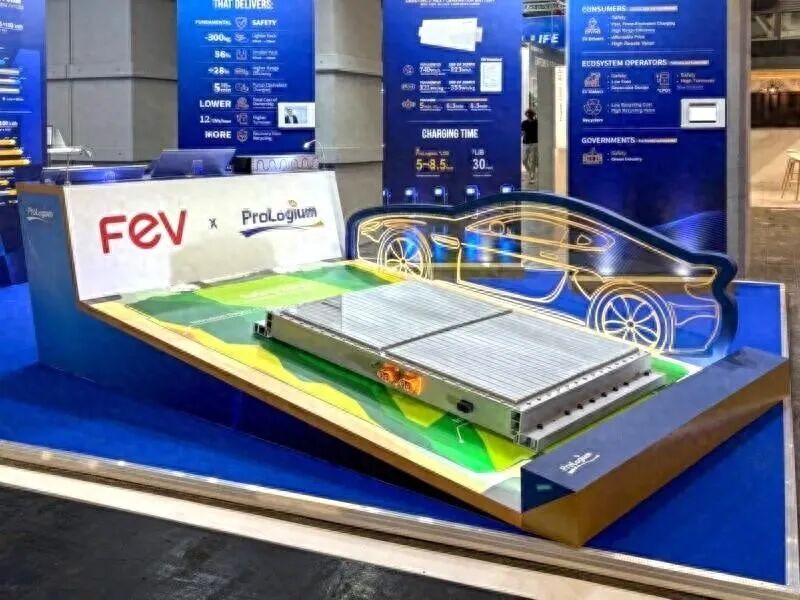
The founder of ProLogium said that since 2023, they have continuously led their competitors in terms of energy density and fast charging. They expect this new technology to become a "game-changer" in the market and solve various challenges faced by the electric vehicle industry.
However, until today, those players who announced early that they had conquered solid-state battery technology have gone silent. Even Toyota and Nissan are still focusing on the fuel vehicle sector and have been slow to produce a good electric vehicle, failing to make a breakthrough in the field of electrification.
When it comes to Donut Lab, we can also think about it. A company that makes in-wheel motors suddenly develops the world's first commercially available solid-state battery overnight. How much truth and exaggeration is there in this?
The emergence of any disruptive technology requires a gradual process and a complete industrial chain and market environment to nurture it. It cannot appear out of thin air.
Finland is located in Northern Europe. In Europe, it is a market where fuel vehicles dominate. Europe has long seen the development trend of electric vehicles, but due to the limitations in battery technology, it has been coveting China's battery technology. In the past, the EU has repeatedly required Chinese mainland enterprises that want to invest and build factories in Europe to transfer their technological property rights to European enterprises in order to be eligible for EU subsidies. This is no longer news.
Just imagine, if there were such a high-profile player in solid-state batteries in Europe, like a master descending from the sky, who could directly outshine the years of investment and accumulation of Chinese and Japanese players with a single move, would Europe still need to eagerly hope that Chinese enterprises come to invest in Europe and transfer battery technology property rights to Europe?
As a Nordic country, Finland has relatively cold weather. There is a motivation to develop all-solid-state batteries that can withstand low temperatures of -30°C. But how can I believe that it can be recharged 100,000 times? Even the current high-end lithium-ion batteries can only be recharged 5,000 times at most, which is already quite remarkable.
Moreover, the cost is even more terrifying. Earlier industry data showed that the manufacturing cost of real all-solid-state batteries is 4 - 25 times that of lithium-ion batteries, and the cost of facilities required to manufacture all-solid-state batteries is 10 - 20 times that of current lithium-ion batteries. Of course, if relying on China's industrial chain, the cost may decrease to some extent, but it is impossible to be lower than that of liquid batteries.
However, this company claims that the battery has an energy density of 400 Wh/kg, does not rely on rare or sensitive elements, and has a lower cost than lithium-ion batteries such as ternary lithium and lithium iron phosphate.
Compared with traditional lithium-ion batteries, whose capacity will suddenly drop by 30% - 50% at low temperatures (below -10°C) and face the risk of thermal runaway at high temperatures (above 60°C), Donut Lab's all-solid-state batteries still have a capacity retention rate of over 99% in the extreme temperature range of -30°C to 100°C, and the charging efficiency is not affected by temperature.
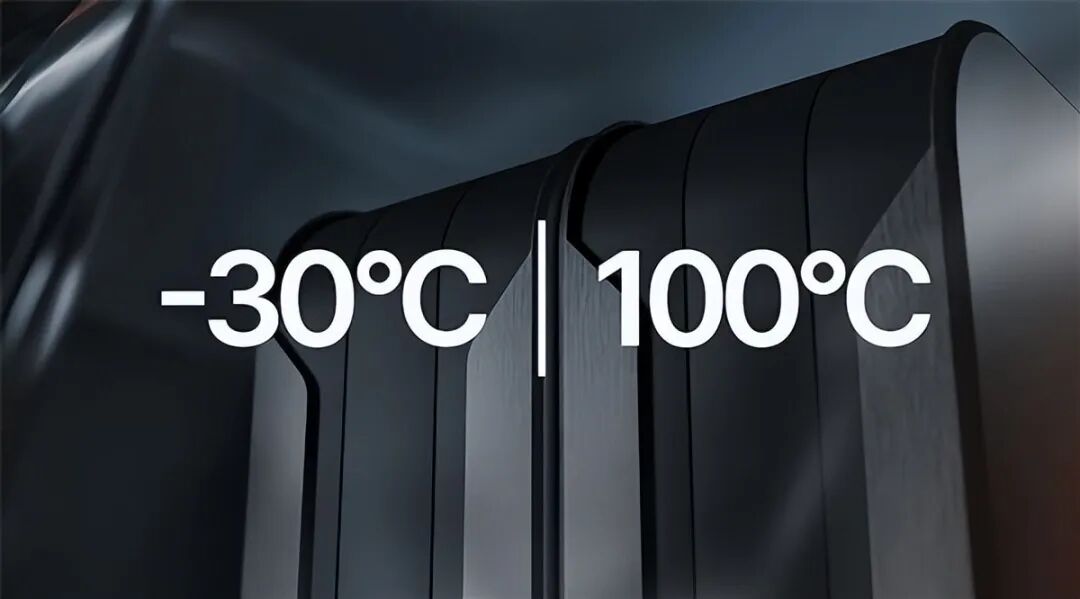
Judging from a series of data claimed by Donut Lab, such as "100,000 cycles", "lower cost than liquid batteries", and maintaining 99% capacity in the range of -30°C to 100°C, in the current electrochemical system, these are almost "perpetual motion machine" - like data that go against common sense.
Real all-solid-state batteries still face world-class problems globally, such as high impedance at the solid-solid contact interface, slow ion transmission, high manufacturing cost, short cycle life, and low yield.
However, the solid-state batteries claimed by Donut Lab far exceed traditional batteries in almost all performance dimensions. They are lighter, have a higher energy density, better safety, faster charging speed, and stronger durability.
If Donut Lab has the ability to overcome a world-class problem, then Europe would not choose to return to the fuel vehicle route, nor would it covet China's battery technology. Instead, it would directly choose to overtake on the curve in the field of solid-state batteries.
Moreover, we can see that Donut Lab has not disclosed the specific parameters of its current batteries, nor is it clear about their chemical composition, and the price of a single battery has not been announced. It is very likely to follow an improved route of "polymer +" or "quasi-solid state", and its current application scenarios are only limited to fields such as electric motorcycles with less extreme power requirements.
Why aren't Chinese enterprises afraid? China has taken a more down-to-earth approach, with a more complete industrial chain and broader market demand.
Therefore, we can probably infer that the pressure on Finland lies in its limited demand as a European country. Finland is more eager to gain the first-mover advantage in the market and supply products to enterprises with demand first. It needs to raise market expectations and attention through publicity to attract manufacturers to place orders.
But China is different. China has the world's largest electric vehicle market, the most complete, largest, lowest-cost, and most efficient new energy industrial chain in the world, and firmly controls the dominance of key raw materials. Consumers are eagerly looking forward to solid-state batteries, and manufacturers have a strong motivation to overcome market problems.
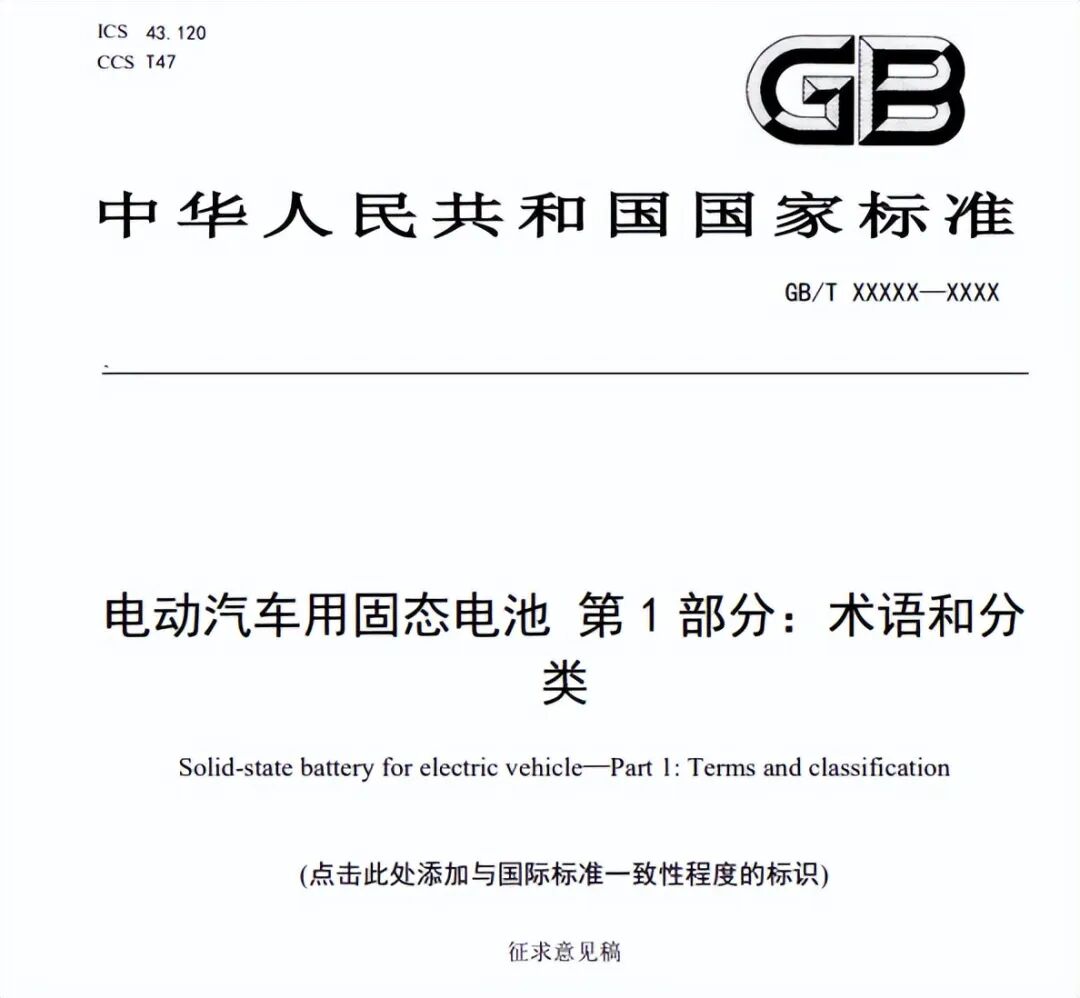
However, in order to meet market expectations when the products are launched, Chinese enterprises have a longer product verification process and cycle, and more stringent standards. At present, China has issued the first standard for solid-state batteries, clearly defining the definition, classification, and testing standards of solid-state batteries.
It stipulates that after a solid-state battery is dried in a vacuum environment at 120°C for up to 6 hours, its weight loss rate shall not exceed 0.5%, and there shall be no liquid oozing out. That is to say, the standard has been raised higher, which means that manufacturers already have the ability to meet such standards.
Today, China is accelerating its progress in terms of the mass production schedule. The energy density of CATL's 20Ah solid-state battery samples has reached 450 Wh/kg, and "small-scale production is expected to be achieved in 2027". That is to say, Donut Lab is targeting CATL, but CATL will be more than one year later than it.
Guoxuan High-Tech has launched the vehicle-grade all-solid-state battery "Jinshi Battery" with an energy density of 350 Wh/kg and plans to install it in a small number of vehicles in 2027. EVE Energy plans to install it in a small number of vehicles in 2027 and achieve mass production in 2028. BYD achieved the pilot production of 60Ah solid-state battery cells in 2024, with an energy density of 400 Wh/kg, and plans to install them in a small number of vehicles from 2027 - 2029.
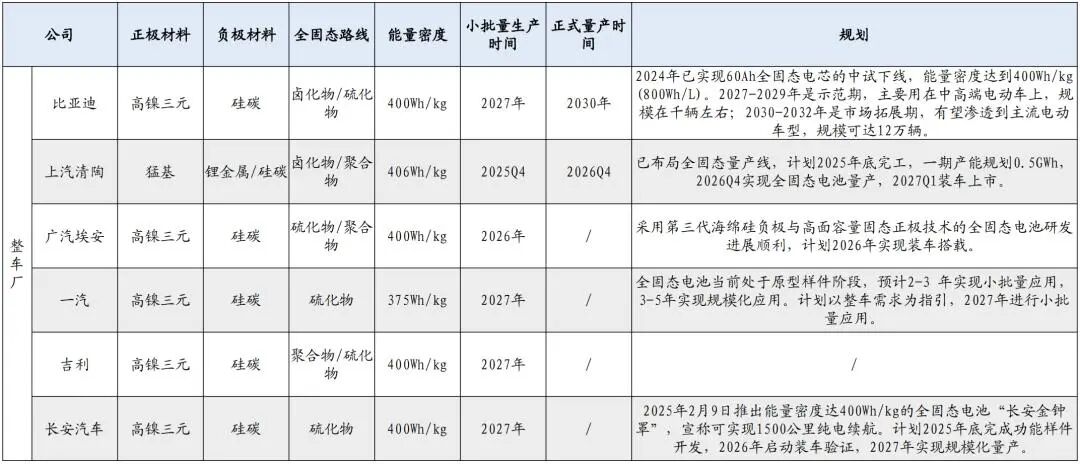
SAIC Qingtao is expected to start production in 2025, with a target energy density of 406 Wh/kg, and the vehicle will be launched in 2027. FAW, Geely, and Changan also plan to install it in a small number of vehicles in 2027.
Judging from the trend, a number of Chinese players plan to launch vehicles equipped with solid-state batteries in the next 2 - 3 years. In the field of solid-state batteries, China has achieved a full layout in terms of sulfide, oxide, and polymer routes.
From mining and refining materials, to making batteries and cars, to charging networks and recycling, the entire industrial chain and 90% of the global production capacity of anode and cathode materials are in China. Relying on the mature supporting facilities of the domestic photovoltaic and lithium battery industrial chains, Chinese solid-state batteries have more cost advantages in the production of sulfide electrolytes and battery cells.
With the same energy density, more cost-effective products can be supplied to meet the commercialization needs of a series of domestic scenarios such as robotics, low-altitude economy, energy storage, and electric vehicles.
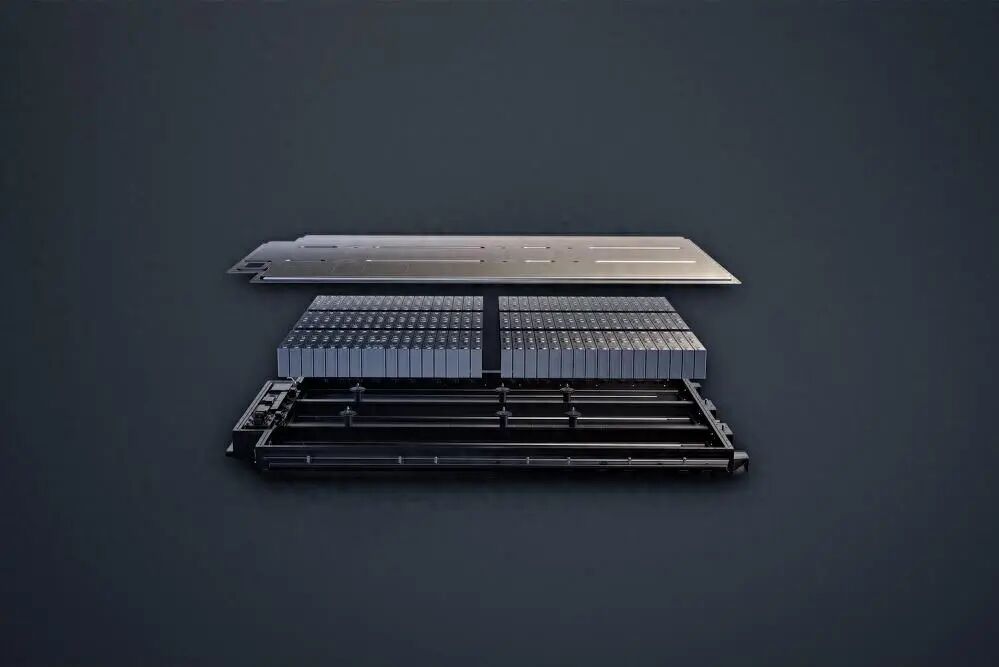
Different from Donut Lab's "futures-style" publicity, China's solid-state batteries are taking steady steps towards the huge domestic consumer market. Whether it is technology, industrial chain, or materials, there is a complete layout. In this situation, do you think Chinese enterprises will be panicked when Finland claims that its battery technology is more advanced? Obviously not.
Because Chinese enterprises really have the strength. Even if a startup company overseas comes up with some "black technology", as long as it is not a disruptive change in physical rules, it is difficult to bypass the huge industrial chain that we have established.
On the contrary, this "catfish effect" will force domestic automakers and battery factories to accelerate technological iteration, thus directly driving the explosion of demand for upstream materials and equipment.