realme confirms its return, and OPPO and its sub-brand enter a new stage of "group combat".
Should sub-brands hatched by mobile phone brands develop independently or under the main brand?
Realme, which has always preferred "independence," has chosen option B.
On January 7th, reports indicated that to further coordinate operations and integrate resources, Realme will return to OPPO and become its sub-brand.
A relevant person in charge of Realme confirmed this news to Lianxian Insight and stated that in the future, OPPO, Realme, and OnePlus will jointly provide more innovative and differentiated products, as well as more convenient and considerate services, to global users.
According to Lei Feng Network, Li Bingzhong, the CEO of Realme, will lead the overall sub-brand business. New Realme products will be released as scheduled, and at the same time, it will fully access OPPO's after-sales service system.
Judging from a series of adjustments, both OPPO, Realme, and OnePlus have reached a stage where they need to cooperate and fight side by side.
For OPPO, it is increasingly difficult to expand new market space, and the technological routes in the industry are gradually converging. Fighting independently with its sub-brands may lead to the dispersion of resources and internal competition pressure.
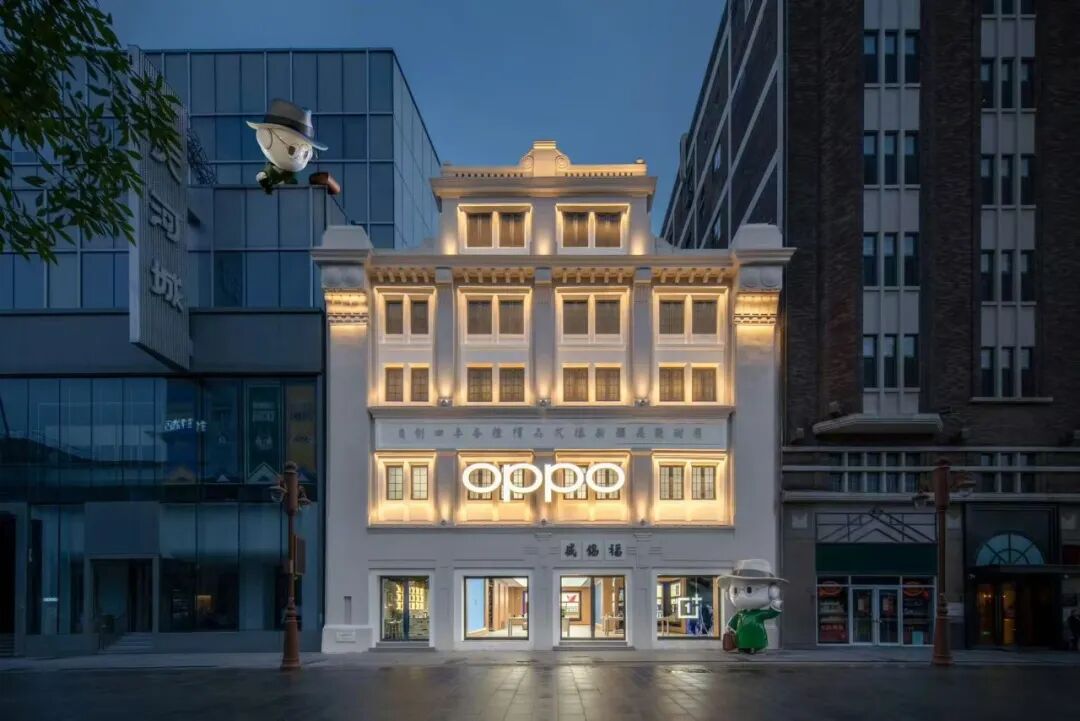
Image source: OPPO's official Weibo
For Realme, the explosive power for its subsequent growth still requires strong support from the supply chain, channels, and after-sales system.
However, when a sub-brand returns to the main brand, it often has to face the transformation from a personalized brand to a "supplement" in the main brand system, and the unique characteristics of the sub-brand may be weakened.
In addition, Realme may not only need to cooperate with OPPO to compete for the market but also coordinate with another sub-brand, OnePlus. The cooperation may be quite challenging for all three brands.
Whether 1 + 1 + 1 will really be greater than 3 still needs to be answered by OPPO, Realme, and OnePlus.
After nearly 8 years of independent development, Realme finally chooses to return to OPPO
In Realme's past growth story, "independence" was a key word. This sub-brand, hatched by OPPO in May 2018, announced its official separation from OPPO and independent operation in July of the same year.
During that period, the pattern of the domestic mobile phone industry was initially established. The main brands represented by Huawei, Xiaomi, OPPO, and vivo were constantly expanding their market share, and the sub-brands represented by Redmi and Honor also began to stand out in the cost - effective brand track.
The signal of the approaching saturation of the industry was not only reflected in the formation of the industry pattern. At that time, IDC data also showed that the shipment volume of Chinese smartphones had been in a negative growth state since 2017. The shipment volume in 2018 was about 398 million units, a year - on - year decrease of 10.5%, and it did not resume positive growth until 2021.
Realme played a flexible game as an independent sub - brand in such a market environment: avoiding the homogenized brand positioning on the one hand and the highly competitive market on the other hand.
Specifically, in Realme's early general positioning, the key words were not only "cost - effectiveness" but also "Internet" and "young people". Realme targeted the online channel at the beginning of its establishment and attracted young users through IP co - branding and trendy designs.
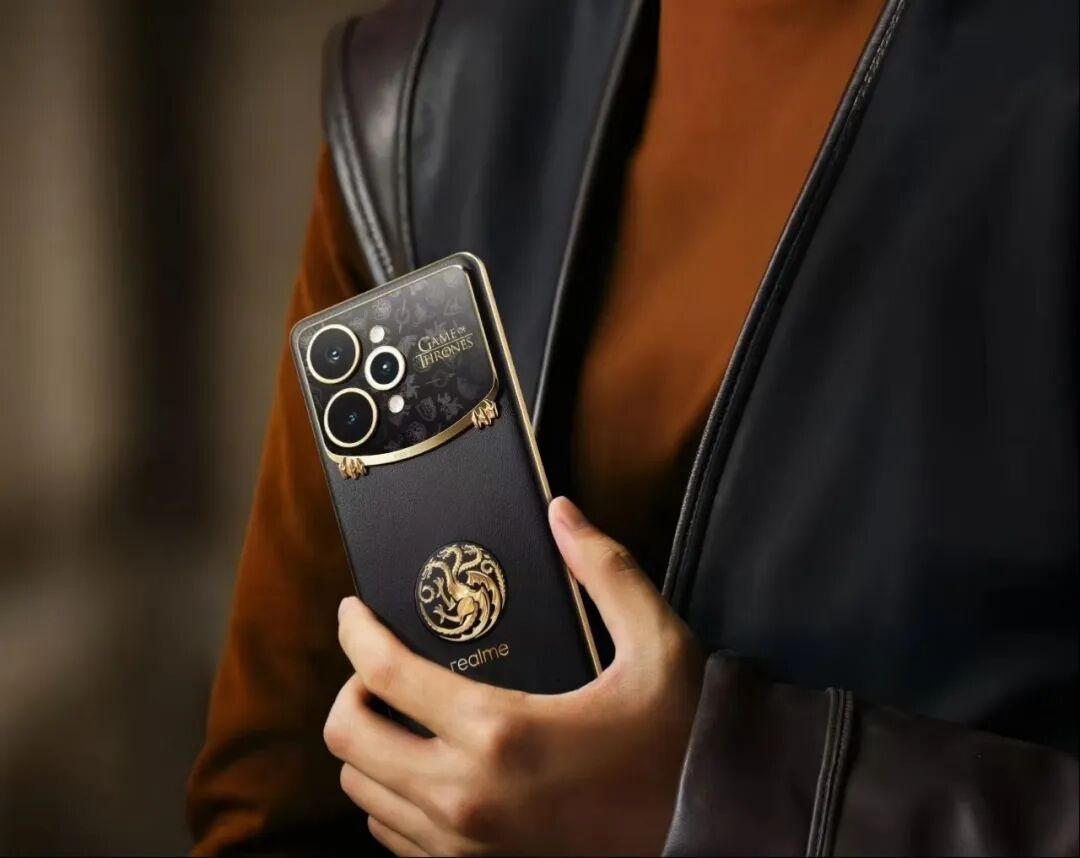
Realme 15 Pro Game of Thrones Limited Edition. Image source: Realme's official Weibo
In terms of market selection, Realme was the first to enter the Indian market and gradually opened up the situation in India, Southeast Asia, and other regions.
Ultimately, the fierce market competition could not stop the footsteps of this new sub - brand. Counterpoint data showed that Realme became the fourth - ranked brand in the Indian mobile phone market in the fourth quarter of 2018 and also became the mobile phone brand that reached 4 million unit sales the fastest.
With a smooth start, Realme returned to the domestic market in the second year of its establishment. During that period, the sales of 4G smartphones became increasingly difficult, and as soon as Realme returned to China, it took the lead in proposing the "full 5G" strategy in the industry, seizing another opportunity when other major mobile phone manufacturers were struggling to make the transition.
According to a report from market research firm Strategy Analytics, Realme achieved the goal of selling 100 million units globally in just 37 months.
At this time, although Realme was independent of OPPO, it still had a close relationship with OPPO. OPPO had provided support to Realme in terms of the supply chain, production and manufacturing, etc. In the after - sales link, Realme also shared OPPO's after - sales service network. Users could enjoy services such as warranty and repair at OPPO's authorized service centers.
The move that was truly regarded by the outside world as Realme's further independence was in July 2022 when Realme's products were removed from the OPPO Mall, which meant that Realme was striving for further independence at the channel level.
Since then, from 2023 to the present, Realme has continued to develop rapidly.
In November 2023, Xu Qi, the vice - president, global marketing president, and president of the Chinese region of Realme, revealed that the global sales of Realme mobile phones had exceeded 200 million units. In August 2025, Realme announced that its global mobile phone sales had officially exceeded 300 million units.
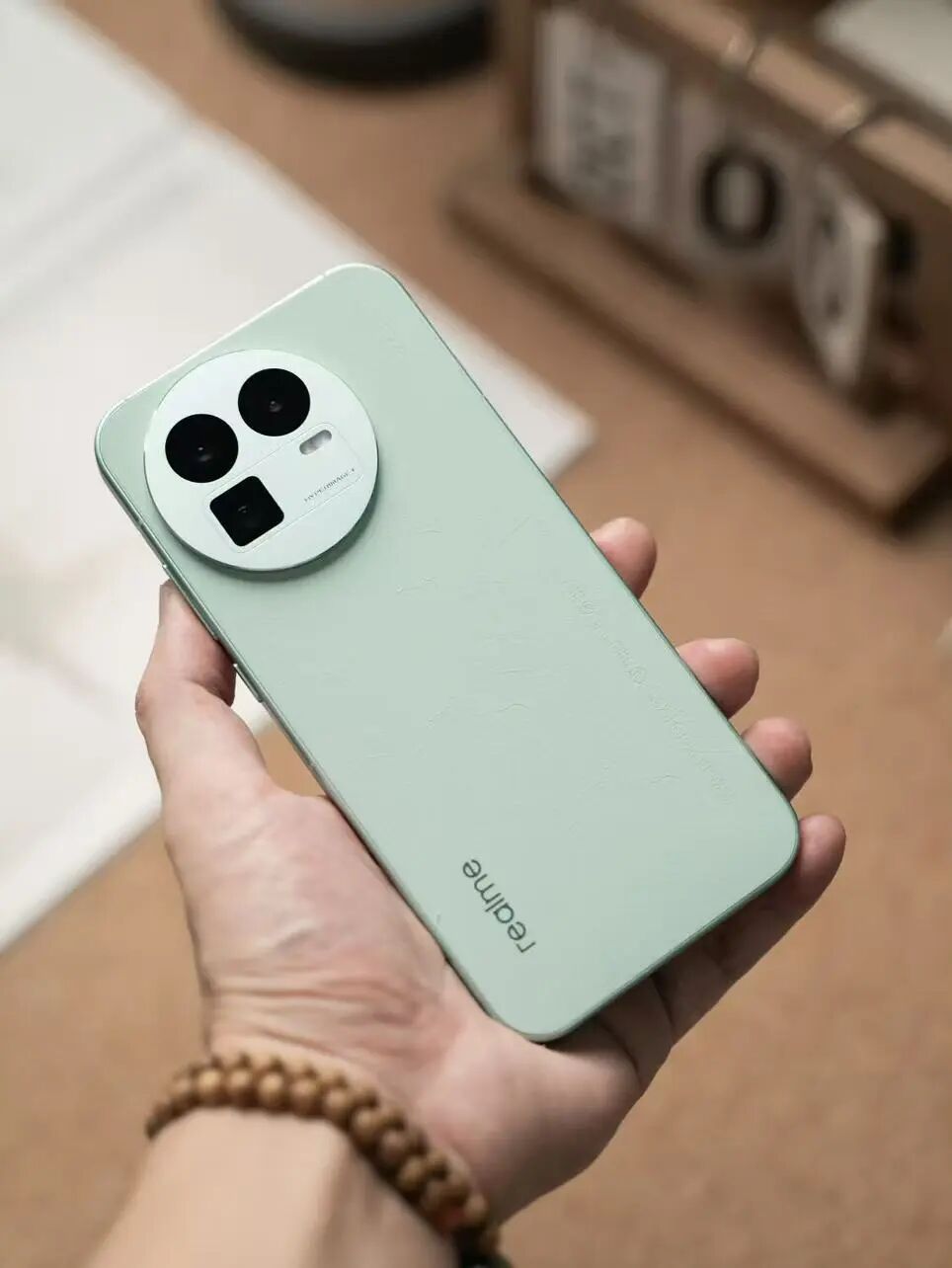
Image source: Realme's official Weibo
Now, after independently crossing two sales milestones, Realme's return to OPPO will bring the greatest boost to the brand in that it can regain OPPO's resources in the supply chain, technology R & D, channels, etc., and at the same time fully access OPPO's after - sales service system.
Different from the situation before Realme achieved full independence in 2022, after several years of development, Realme, which already has a certain reputation in the domestic market, has developed its brand uniqueness.
Now that it is back under OPPO's framework, Realme will have more confidence than it did three years ago.
OPPO enters the era of unified operations
Whether to let a sub - brand be independent or return depends on the changes in the industry.
Independent sub - brands often emerge in the early stage when a brand needs to break through externally. Allowing sub - brands with different positioning and routes from the main brand to make more flexible and independent decisions is equivalent to releasing a part of its strength to find new growth opportunities in the highly competitive market.
Letting a sub - brand return often occurs when market competition intensifies, technologies converge, and the marginal cost of innovation increases. At this stage, the main brand and the sub - brand with a certain influence should fight together, concentrate resources, and improve efficiency.
For OPPO, the return of its other sub - brand, OnePlus, in 2021 is a case in point.
That year, although the overall annual shipment volume of Chinese smartphones was increasing, looking at each quarter, the second, third, and fourth quarters were all in a state of negative growth.
At that time, there was a problem of self - competition between OPPO and its sub - brand. The positioning and pricing of OPPO's Find series and OnePlus's flagship series overlapped, and the two were competing for the same target customer group in the high - end market, which easily led to internal friction.
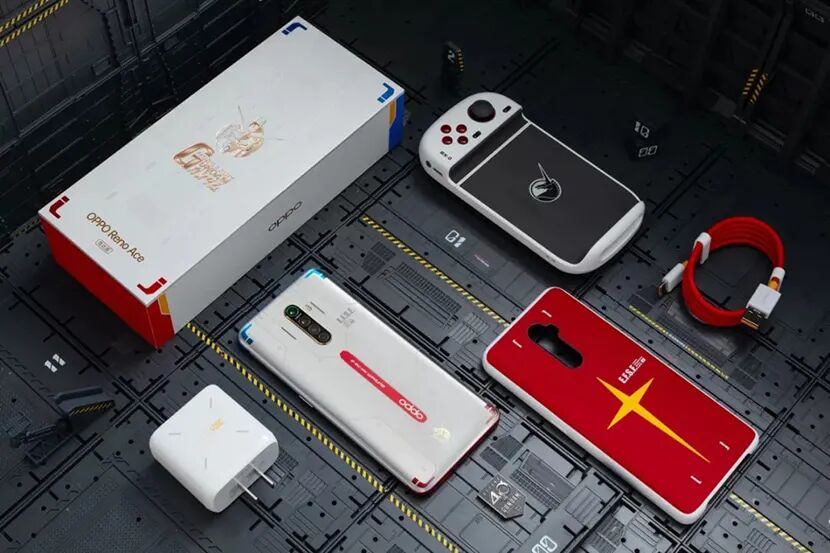
Image source: OPPO's official website
Moreover, since then, domestic smartphone brands have had fewer and fewer technological stories to tell. Competing in imaging technology and the high - end market has become the development direction for most enterprises in the industry.
Therefore, letting OnePlus return can help OPPO better fight the high - end battle.
Now, when it comes to the stage where Realme needs to return, the above - mentioned trends in the domestic mobile phone market still exist, and after years of fierce competition in the industry, the competitive pressure has further increased.
According to data released by the China Academy of Information and Communications Technology, from January to November 2025, the total shipment volume of the domestic mobile phone market only increased by 0.9% year - on - year, with a relatively low overall growth rate.
Under the industry pressure, mobile phone manufacturers can no longer choose only one technological route. Whether it is to pursue extreme cost - effectiveness or to explore the high - end market, a comprehensive layout from imaging to chips, battery life, and display is required.
Therefore, the positioning of mobile phone brands is likely to overlap. Realme's positioning as an AI performance flagship and a benchmark for peer - level performance also overlaps with OPPO's positioning that focuses on fashion and youthfulness, resulting in potential competitive pressure.
In addition, the cost pressure from the upstream is also increasing significantly. According to data released by Counterpoint Research, the storage price may increase by about 40% before the second quarter of 2026, further pushing up the BoM cost, with an increase ranging from about 8% to more than 15%.
Another foreseeable major cost expenditure lies in the R & D of AI technology.
In February 2024, Chen Mingyong, the founder of OPPO, wrote a letter to OPPO employees, stating that from the perspective of the industry's development stage, AI - enabled mobile phones will become the third stage of mobile phones after feature phones and smartphones. "Through AI, we can reinvent the mobile phone experience."
According to a report from Lei Feng Network, in December 2025, not long ago, OPPO completed a new round of organizational structure adjustment for its AI center. The three core businesses of Xiaobu Memory, Xiaobu Assistant, and Xiaobu Suggestion will be integrated into "Super Xiaobu," and this project will be uniformly managed by the newly established Smart Product R & D Department.
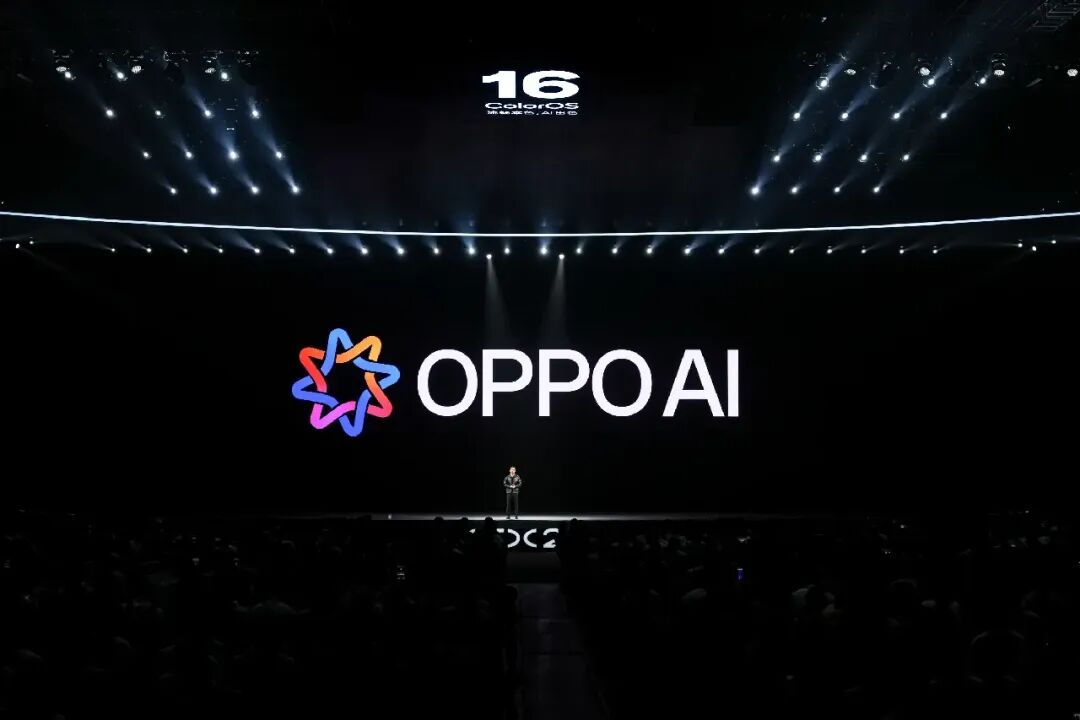
Image source: OPPO's official website
Letting OnePlus and Realme return one after another can avoid internal friction, reduce costs, increase efficiency, and achieve unified operations.
In addition to "defending" against environmental pressure, OPPO's decision to bring back Realme also takes into account "attacking" the overseas market.
To date, OPPO's overseas business is also an important source of revenue and a key layout direction for the brand. According to data released by research firm Canalys, in 2024, OPPO ranked first in the Southeast Asian market with an 18% market share; it ranked fourth in the Mexican market with a 23% growth rate; in the Egyptian market, OPPO's growth rate was even as high as 71%.
Since its establishment, Realme has had successful expansion experience in the overseas market. As of the end of 2025, India has always been Realme's largest single market globally. Its return means that OPPO will have another powerful helper in its overseas market layout.
Overall, if OPPO wants to gain more market share, letting its former sub - brands return and fight together is a logical choice in the current market environment.
How to cooperate well is the key
Now, what the outside world is most concerned about is how OPPO and Realme will cooperate after Realme enters the OPPO system.
Both OPPO and Realme have their own problems to solve.
After OPPO terminated the R & D of its Zeku chips, its high - end models rely on external suppliers such as Qualcomm for chips. Its once - proud imaging and fast - charging technologies have gradually become standard features in products launched by the industry, and the brand's technological difference advantage is no longer obvious.
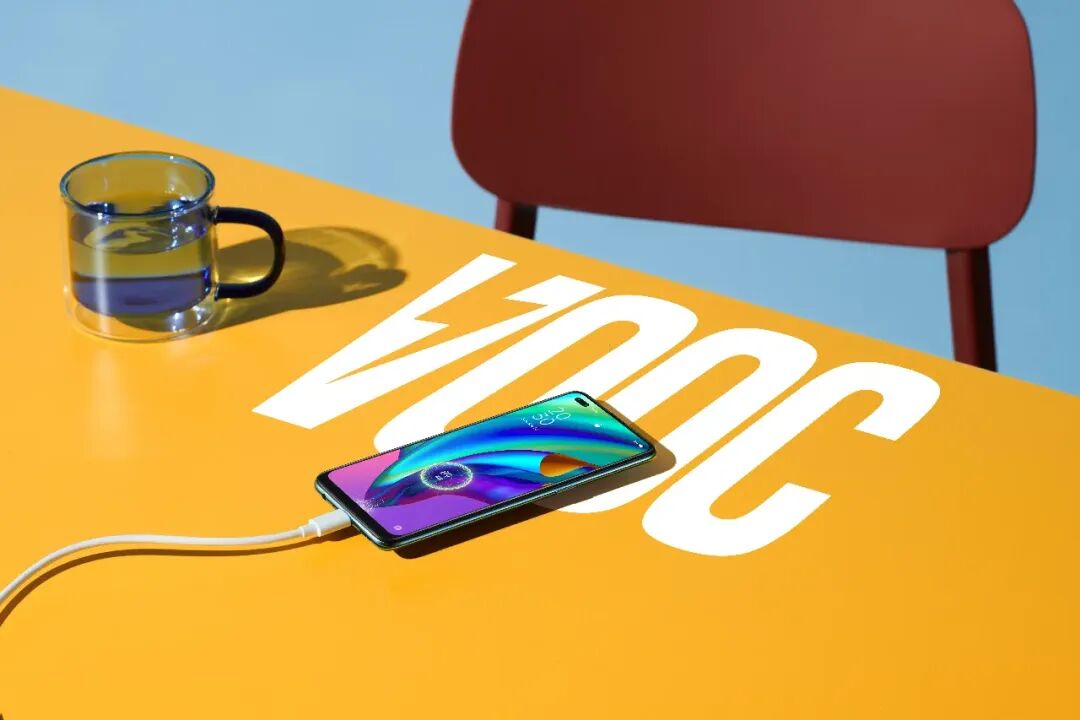
Image source: OPPO's official website
After rapid growth, Realme has gradually entered the deep - end of industry competition. While pursuing cross - level cost - effectiveness, it is urgent to ensure product quality, technological innovation, profit margins, and brand uniqueness in a supply - chain environment with rising storage prices.
Both sides will enter a new stage of development with this return.
OPPO has entered a stage of multi - brand strategy integration. What it needs to do is to cover the mid - to - high - end and low - end markets through the joint efforts of OPPO, OnePlus, and Realme, and overall enhance the competitiveness of the three brands; Realme needs to adapt to the transformation from an independent brand to a sub - brand and change from fighting alone to attacking together with OPPO and OnePlus.
However, returning to the main brand may also bring hidden concerns.
For example, the clear market positioning and target group during the independent operation period of the sub - brand may be diluted or confused after returning to the main brand; if the main brand itself faces excessive competitive pressure, it may also affect the support for the sub - brand, resulting in limited development of the sub - brand, etc.
The acceptance level of consumers towards the return of the sub - brand may also be uncertain. Some consumers may be dissatisfied with the return of the sub - brand due to its independent image and characteristics, believing that the brand has lost its original personality.
Focusing on Realme itself, after entering the OPPO system, in addition to cooperating well with the main brand, it also needs to cooperate with another sub - brand, OnePlus.
An analyst from Omdia mentioned that there is strong competition between the products of Realme and OnePlus. For example, after OnePlus launched the Ace series, its product price range has decreased, and the overlap between the two in the mid - end market has significantly increased, and both have layouts in the e - sports track.
Realme cannot become a "watered - down" version of OPPO after returning to OPPO. How it will position itself and how it