CES Becomes a Chinese Tech Showcase: Robots Dance, Pandas Win Awards
As the annual barometer of the global technology industry, the annual CES has always been the "launch pad" for cutting - edge technologies and the "barometer" of industry trends. It is also becoming a springboard for Chinese technology companies to go global.
When answering what the themes of this year's CES are, Gary Shapiro, the executive chairman and CEO of the Consumer Technology Association (CTA), the organizer of the exhibition, said bluntly: "Obviously, it's the 'people - centered' AI applications."
Analysts at Huatai Securities pointed out that the core theme of this year's CES may shift from traditional consumer electronics displays to AI - centered system - level technological changes.
Another trend worth noting is that Chinese companies are gradually moving to the center of the stage. Official data shows that the total number of exhibitors at this year's CES exceeded 4,000, among which the number of Chinese exhibitors reached 942, accounting for about 22%, maintaining the position of the second - largest participating country in the world. In some niche sectors, Chinese companies have become the absolute protagonists. For example, among the 38 exhibitors of humanoid robots, 21 are from China, accounting for 55%; among the 23 AI glasses brands, 16 are from China, accounting for nearly 70%...
Many foreign media outlets have also paid attention to the performance of Chinese companies at CES. The Nikkei Asia Review listed the exhibits of Chinese companies as something worth seeing. South Korea's JoongAng Ilbo said bluntly that the highlight areas of the exhibition, once dominated by Samsung and LG, are now increasingly being occupied by Chinese technology and companies.
Next, Xiaguang Media will introduce the typical products we saw at CES 2026. They may lead the trend, be novel and fun, or be extremely imaginative...
01 Chinese Robots Dominate CES
2026 may be the year when the execution ability of humanoid robots takes a step forward.
Huatai Securities believes that Chinese manufacturers may continue to lead in "cost - reduction and efficiency - improvement". The mass - produced versions of various brands and core components such as dexterous hands are expected to demonstrate their actual operational capabilities in unstructured environments such as factory assembly lines. At CES, Chinese brands have occupied a dominant position in the industry.
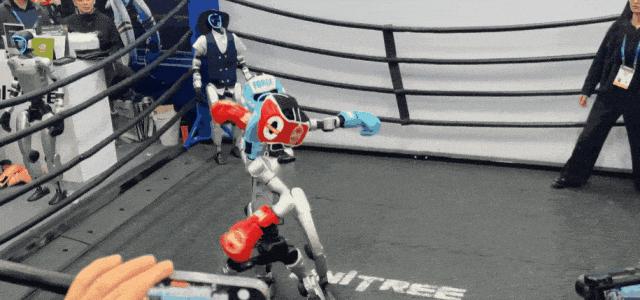
Specifically, Unitree Technology became the "star" at CES 2025 with the real - time interaction between its robotic dogs and humanoid robots. In 2026, Unitree brought the more powerful Unitree H1 humanoid robot, whose 360 - degree panoramic perception ability and 15 - kilogram load capacity can meet the needs of industrial inspections. On - site, two G1 humanoid robots staged an exciting boxing match, attracting many audiences to watch.
The " Jueying " series of robotic dogs from DeepRobotics has taken a leading position in the global energy inspection market. At CES 2026, they showcased the latest generation, the Jueying X30, whose autonomous navigation ability can achieve centimeter - level positioning in indoor environments without GPS.
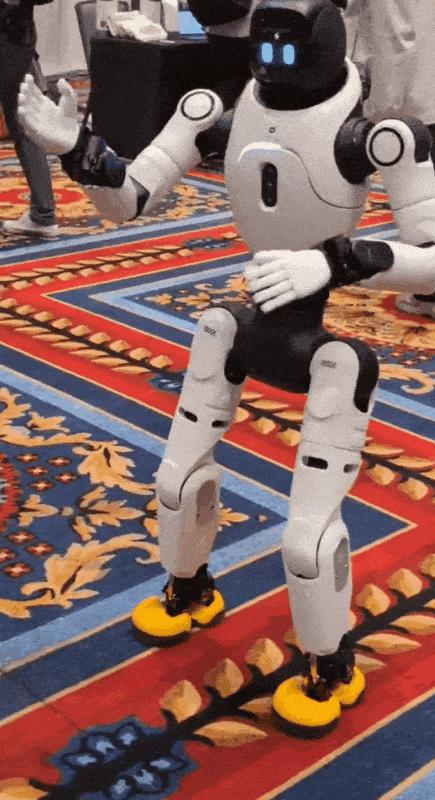
The booth of Zhipu Robotics attracted a large number of audiences to stop and take pictures because of a dancing humanoid robot. It is reported that this is the first time Zhipu Robotics has fully demonstrated its entire product line in the United States, including the Lingxi X2, Yuanzheng A2, and Jingling G2.
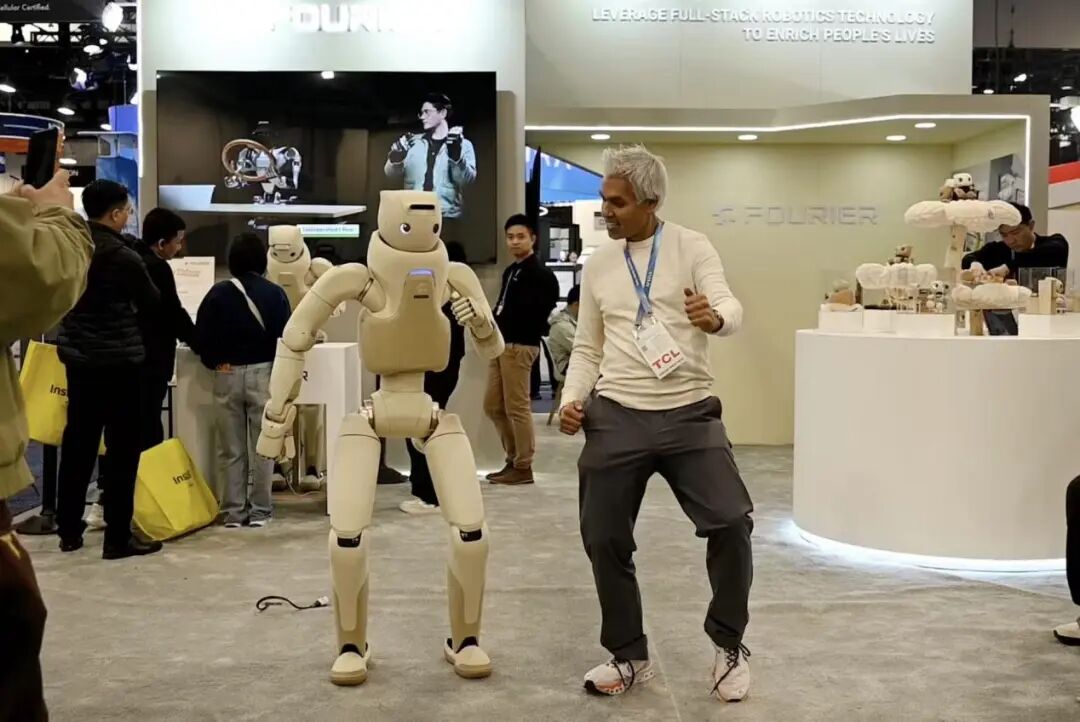
Fourier Robotics brought its new - generation full - size humanoid robot "Care - bot" to the exhibition, and for the first time, systematically demonstrated the implementation of embodied intelligence in real - life scenarios such as companionship and interaction overseas.
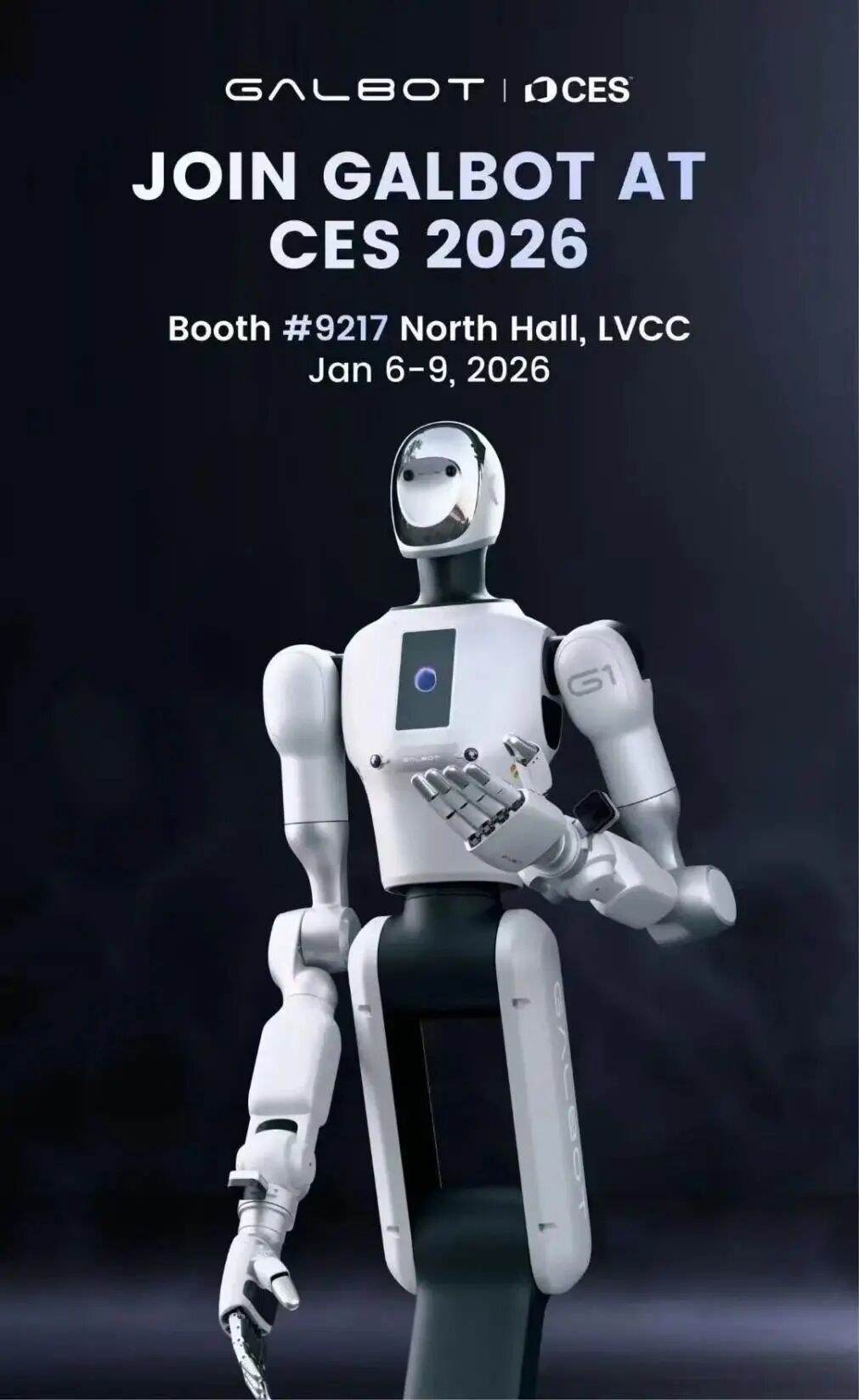
Galaxy Universal demonstrated with the core of "collaborative operation of humanoid and quadruped robots" and presented the whole process of outdoor inspection on - site. At the same time, the company will release for the first time the "multi - sensor fusion system for outdoor inspection special models". This system integrates lidar and visual perception technology, significantly improving environmental adaptability. The battery life is extended to 8 hours, and it can still maintain a 95% generalization grasping success rate in complex environments such as dim light and collision interference.
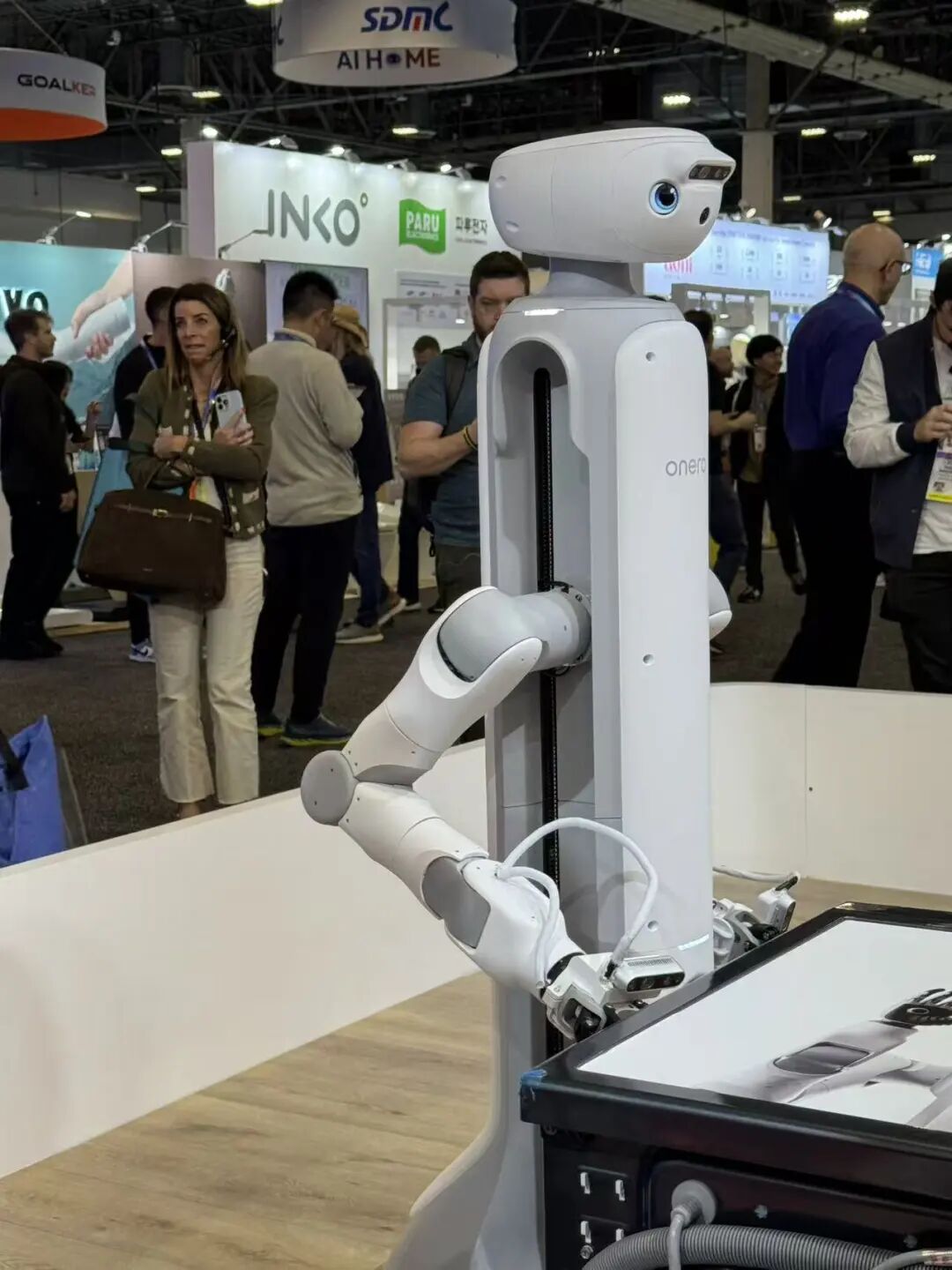
Woan Robotics, which went public on the Hong Kong Stock Exchange just a week ago, showcased the OneRo H1, a humanoid embodied intelligent robot designed for real - life family scenarios. It can perform actions such as preparing meals, folding clothes, and opening and closing doors and windows. It can also be linked with cleaning robots, air purifiers, and humidifiers launched in cooperation with SwitchBot.
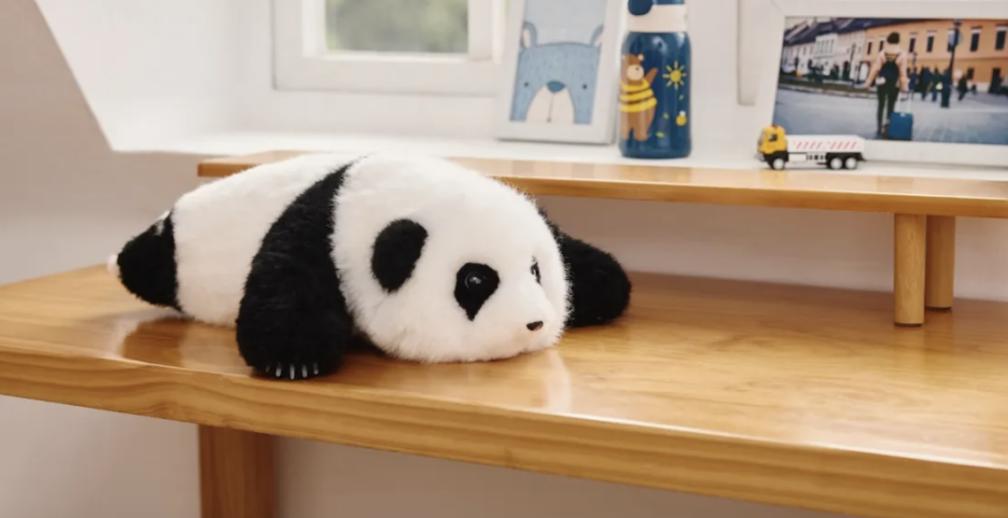
The bionic panda "An'an" exhibited by Shenzhen Wuxin Technology won the Innovation Award at CES 2026. It is a companion - type AI designed for the elderly and people with cognitive impairments. It can soothe emotions, generate reminders, and even has the potential for medical certification. It is one of the few exhibits that make people feel that "AI really has social value".
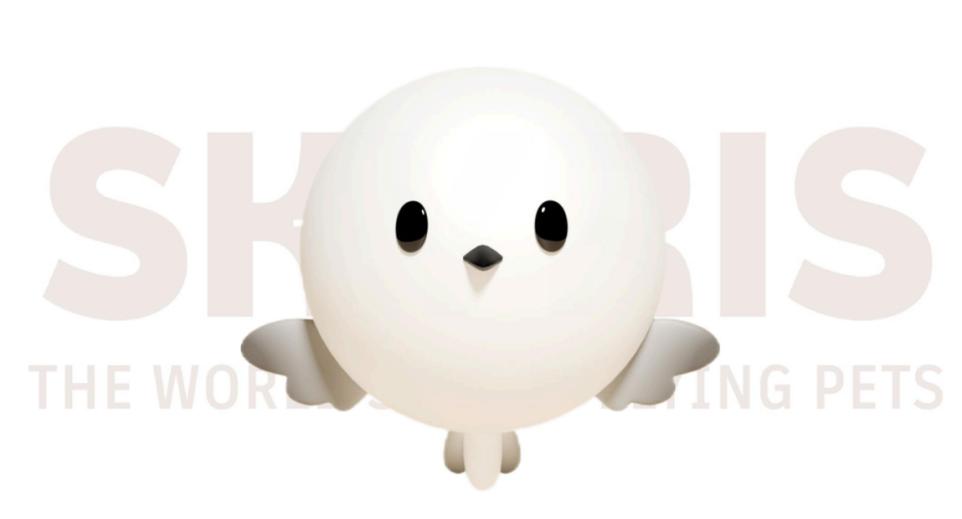
BOOBOO, an AI pet from the Shenzhen - based startup Yuling Infinite, can fly, hover, and actively approach people. It not only responds passively to instructions but also establishes an emotional connection through lights, actions, and voices, just like a fairy pet in a mythological story.
02 Next - Generation Terminals: A Smart Explosion
In the field of consumer electronics, Chinese manufacturers still bring continuous surprises.
In the field of smart glasses, a report from Bank of America Securities states that more than 80% of the global smart glasses supply - chain manufacturers are from China. According to a rough statistics, at this year's CES, a total of 16 Chinese smart glasses companies participated in the exhibition, including Alibaba, Xreal, Rokid, and TCL Thunderbird. In the field of smart home, Dreame, Roborock, and Ecovacs all brought their latest products.
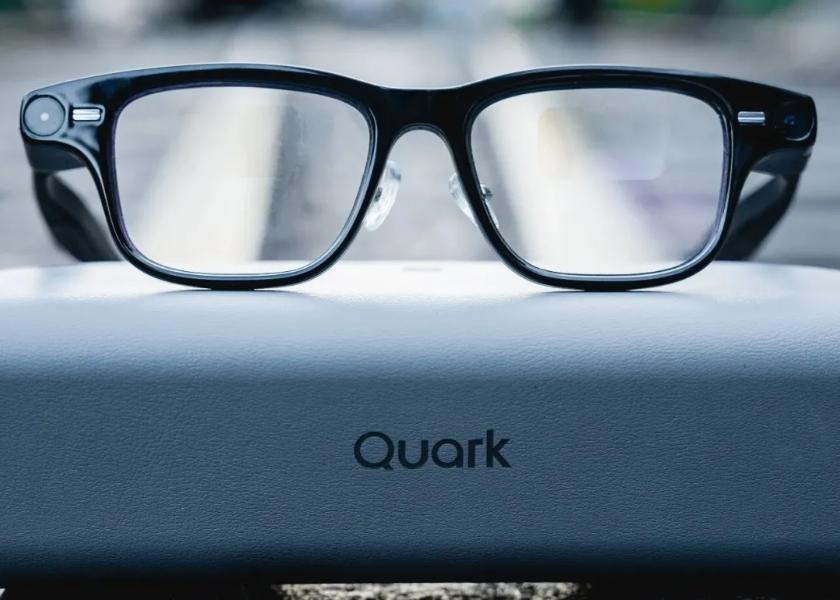
Alibaba's first self - developed AI glasses, the Quark AI Glasses S1, made their debut at CES 2026. As a smart terminal that combines technological performance with daily wearing experience, the Quark AI Glasses S1 adopts a lightweight architecture in its appearance design. The width of the temple is only 7.5mm, the narrowest among similar products globally; the thickness of the upper frame is only 3.3mm, 25% thinner than the mainstream products in the industry, and its visual appearance is very similar to that of ordinary optical glasses.
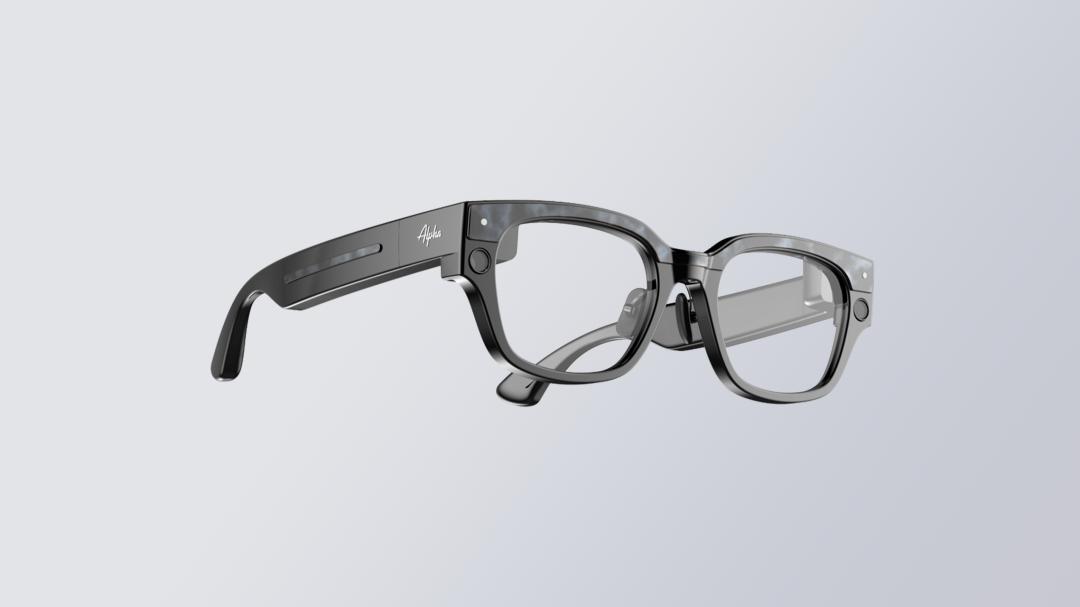
Goertek brought its AI + smart glasses, the reference design Rubis. It features the industry's first three - core heterogeneous platform of MCU + ISP + NPU, which significantly optimizes latency and power consumption; it uses full - color etched waveguide + ultra - small full - color light engine; it is equipped with a self - developed electromyography wristband, bringing a new interactive experience; it features modular VPU nose pads that can be flexibly adapted to various face shapes, and smart microphones that are suitable for various application scenarios.
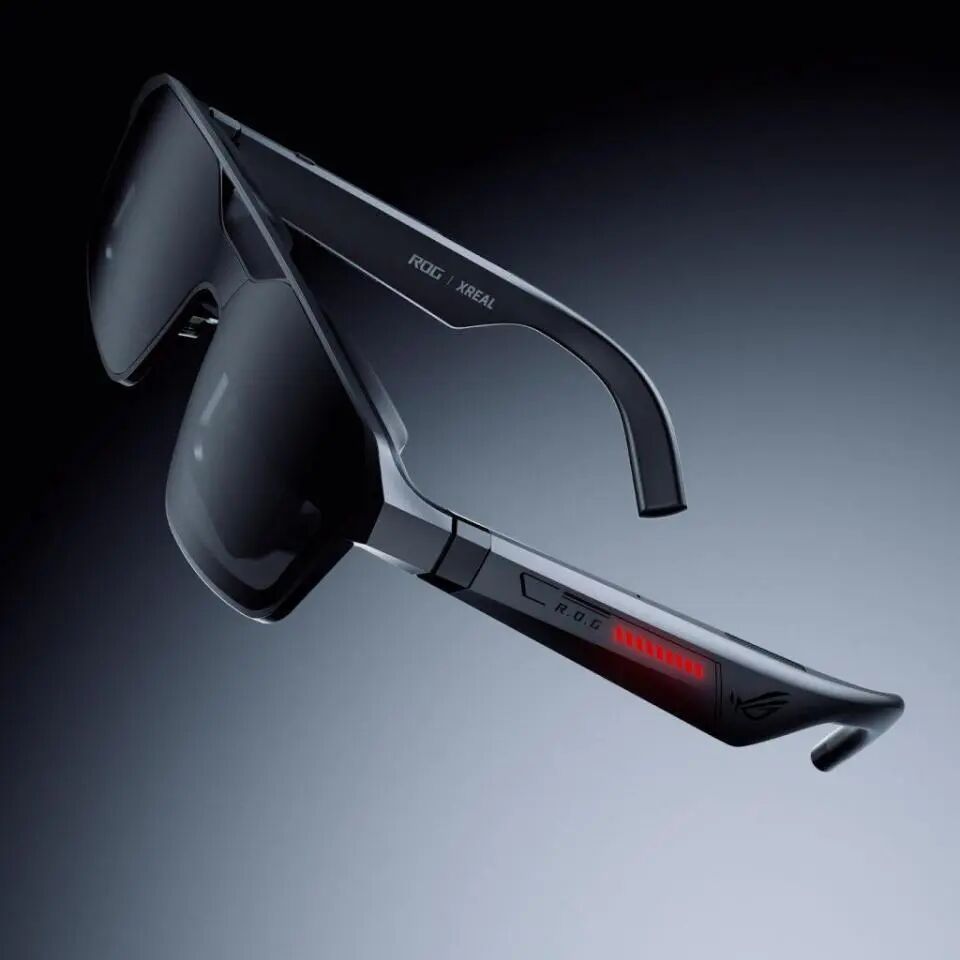
XREAL jointly released the ROG XREAL R1 AR glasses with ASUS ROG. This product is the world's first micro - OLED full - HD gaming AR glasses supporting a 240Hz refresh rate. It is equipped with a dedicated control base and is compatible with PCs and mainstream game consoles.
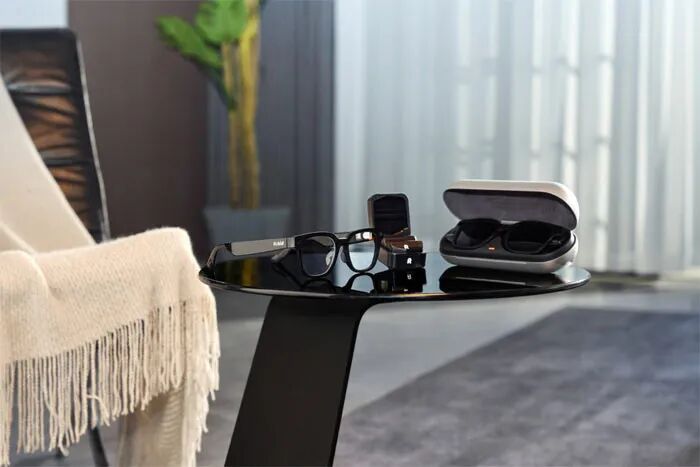
Rokid launched the new AI smart glasses Rokid Style at CES. It features "ultra - light and convenient", with a single - unit weight of only 38.5 grams, claiming to be "the lightest full - function AI glasses on the market", with a starting price of $299. This product supports multiple AI engines including ChatGPT, DeepSeek, and Qwen, and is integrated with global services such as Google Maps and Microsoft AI Translation, enabling cross - regional and cross - language AI use.
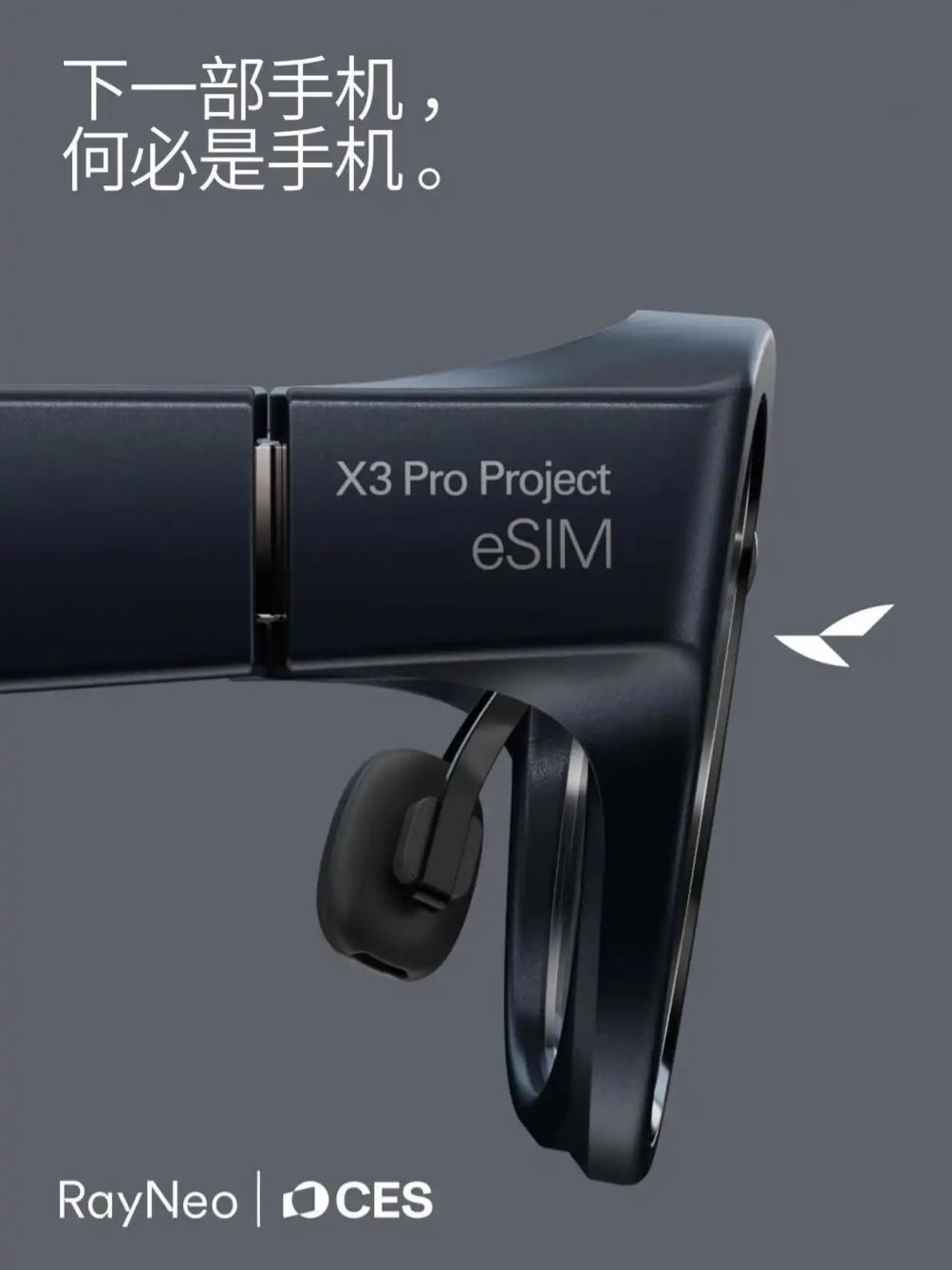
The TCL Thunderbird X3 Pro Project eSIM also completed its global premiere on - site. This product integrates an eSIM communication module and supports 4G protocols. Without the need to connect to a mobile phone, it can achieve multiple functions such as making and answering calls, multi - modal AI conversations, high - quality real - time AI translation, and online streaming music.
XGIMI Technology launched its AI glasses brand "MemoMind" for the first time, which means that the brand has officially entered the smart wearable track. MemoMind uses the MicroLED + waveguide solution, which can provide visual information to meet various needs from message reminders to graphical navigation. It is expected to be officially launched later this year.
In the field of household cleaning robots, it is still the home court of Chinese companies.
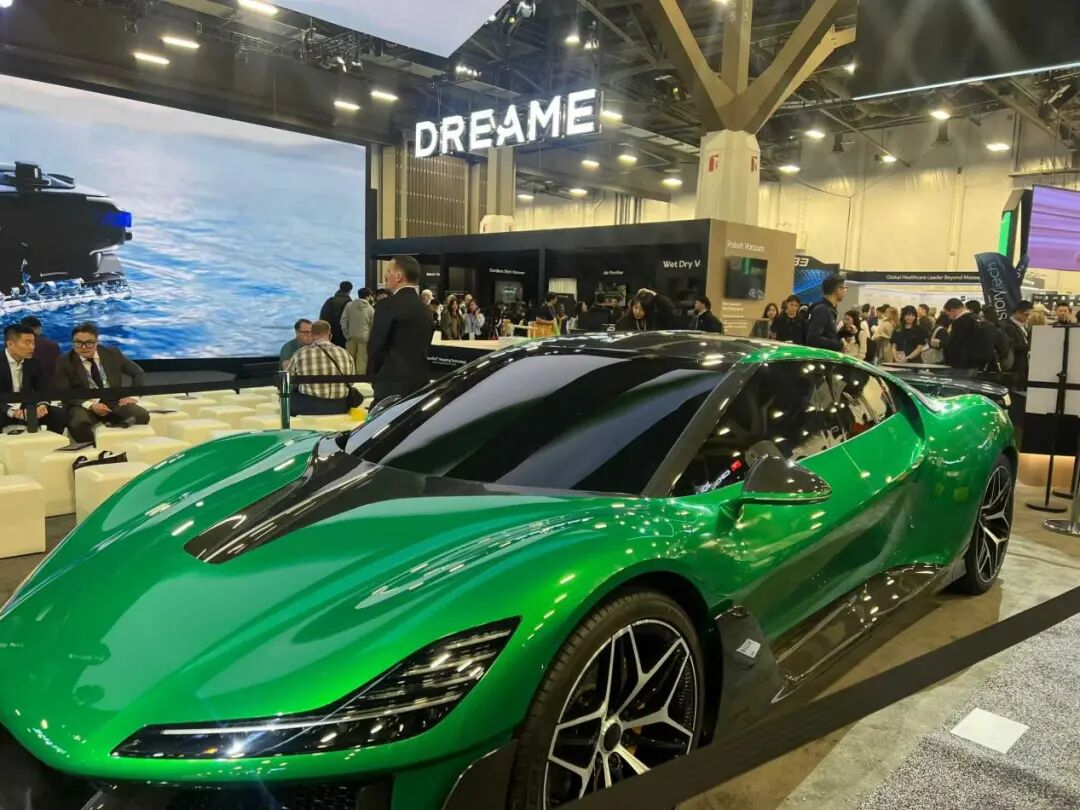
Dreame Technology brought its "whole - house smart ecosystem" to CES 2026, including a full line of products such as smart large appliances, smart cleaning, smart kitchen appliances, personal care products, smart gardens, and smart audio - visual equipment. It also showcased innovative achievements such as embodied intelligent vacuum cleaners and embodied intelligent lawn mowers for the first time. However, the most eye - catching thing on - site was the official debut of the Dreame concept car Nebula Next 01 Concept.
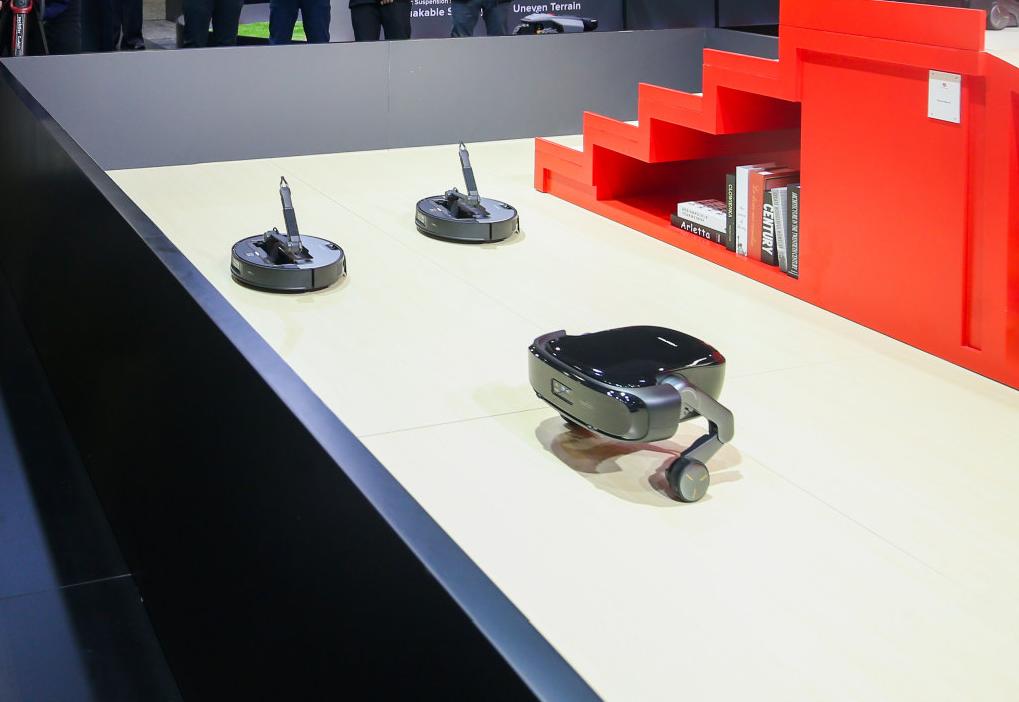
Roborock launched the wheel - legged vacuum cleaner G - Rover, which can clean stairs autonomously. This marks that household service robots have officially entered the "three - dimensional space" era from the "two - dimensional plane".
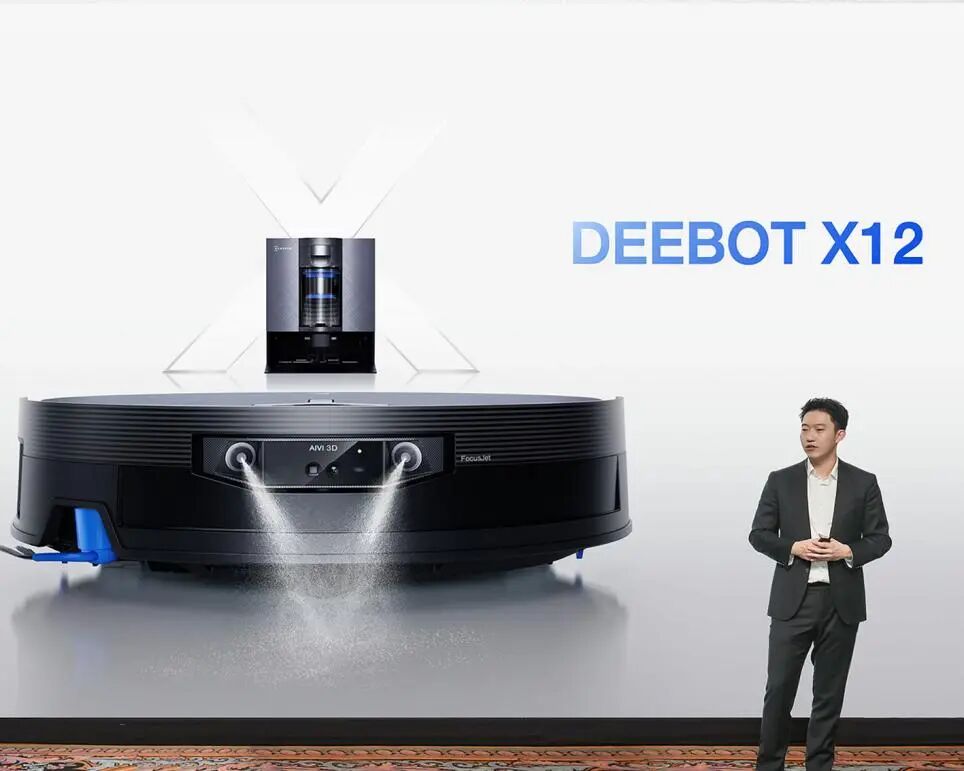
Ecovacs brought multi - scenario robots to CES, including the new Deebot T90 PRO OMNI, the Deebot X12 series, the window - cleaning robot Winbot, and multiple new products in the GOAT series of lawn mowers. It also launched the pool robot ULTRAMARINE and the latest R & D achievements in the field of embodied intelligence.
Narwal brought five models of vacuum - mopping robots, the Narwal Flow 2, Narwal Flow, Narwal Freo Z10 Pro, Narwal Freo X10 Pro,