Die CES wird zur chinesischen Tech-Show: Roboter tanzen, Pandabots gewinnen Preise
As the annual guiding image of the global technology industry, the annual CES exhibition has always been the "premiere stage" for cutting - edge technologies and the "barometer" for industry trends. It is also increasingly becoming a springboard for Chinese technology companies to gain a foothold globally.
When asked about the themes of this year's CES, Gary Shapiro, the executive chairman and CEO of the American organizing organization, the Consumer Technology Association, directly said, "Obviously, it's the 'human - centered' AI applications."
Analysts from Huatai Securities have pointed out that the core theme of this year's CES exhibition might shift from the traditional presentation of consumer electronics to system - wide technological changes focusing on AI.
Another remarkable trend is that Chinese companies are increasingly moving into the spotlight. Official data shows that the total number of exhibitors at this year's CES was over 4,000, among which 942 were Chinese companies, accounting for about 22% of the total. China thus retains its rank as the second - largest exhibiting country. In some niche areas, Chinese companies are already the absolute main players. For example, of the 38 humanoid robots on display, 21 are from China, accounting for 55%; of the 23 AI glasses brands on display, 16 are from China, accounting for almost 70%...
Several foreign media have also noticed the performance of Chinese companies at the CES. The "Nikkei Asia Review" has rated the presentations of Chinese companies as worth seeing. The South Korean newspaper "JoongAng Ilbo" has directly said that the highlights of the exhibition, once dominated by Samsung and LG, are now increasingly being taken over by Chinese technology companies.
Next, Xiaoguangshe will introduce the typical products of CES 2026, which either set trends, are novel and fun, or inspire imagination...
01 Chinese Robots Dominate the CES
The year 2026 could be the year of the further development of the execution ability of humanoid robots.
Huatai Securities believes that Chinese manufacturers could still dominate the "cost reduction and efficiency improvement". The serial versions and core components such as dexterous hands of different brands might be able to demonstrate their practical abilities in unstructured environments like factory lines. At the CES, Chinese brands have dominated the industry.
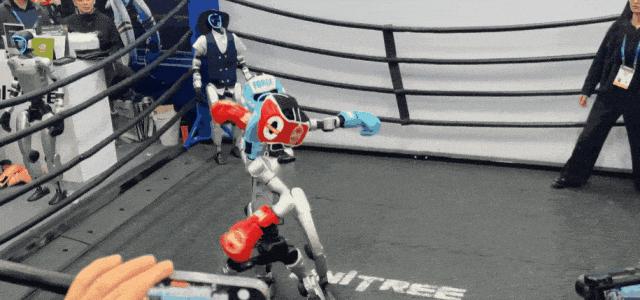
Specifically: Unitree Robotics was the "people's favorite" at CES 2025 thanks to the real - time interaction between robot dogs and humanoid robots. In 2026, Unitree brings the more powerful Unitree H1 humanoid robot. Its 360 - degree panoramic perception ability and the load - bearing capacity of 15 kilograms already meet the requirements for industrial inspections. Two G1 humanoid robots showed an exciting boxing match on - site, which attracted many spectators.
The "Jueying" series of robot dogs from Deep Robotics has already taken a leading position in the global market for energy inspections. At CES 2026, they presented the latest model, the Jueying X30, whose autonomous navigation ability already enables centimeter - accurate positioning indoors without GPS.
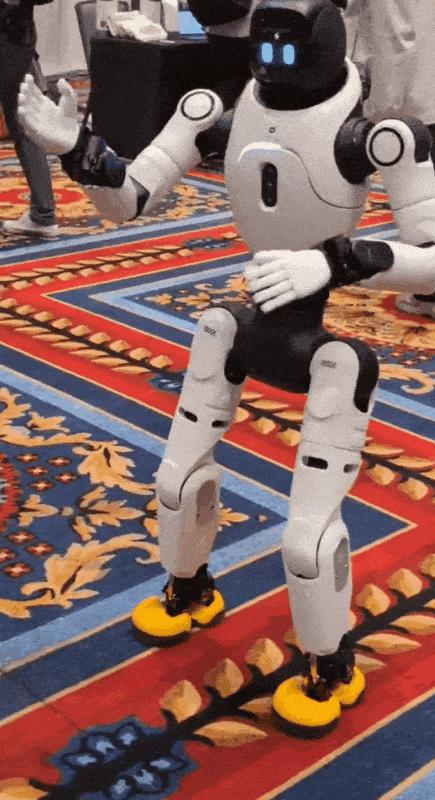
The booth of Zhipu Robotics attracted many visitors who took photos of a dancing humanoid robot. According to announcements, this is the first full - scale presentation of the entire product line of Zhipu Robotics in the United States, including Lingxi X2, Yuanzheng A2, Jingling G2, etc.
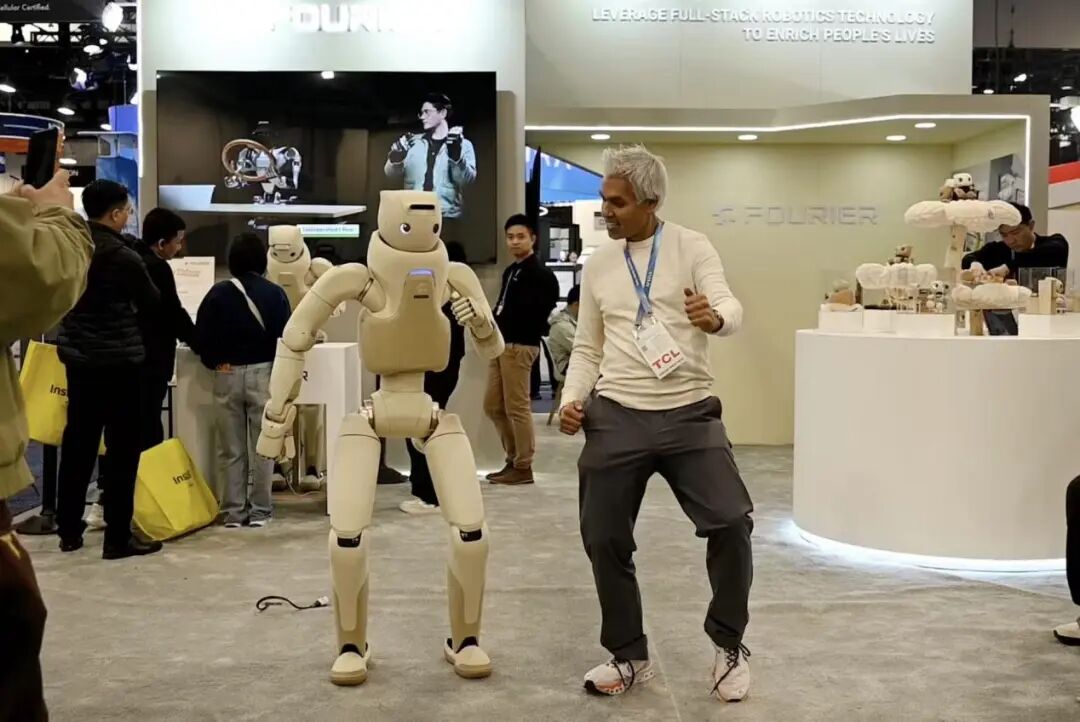
Fourier presented the new full - format humanoid robot "Care - bot" at the exhibition and for the first time abroad systematically showed the practical application of Embodied AI in real scenarios such as companionship and interaction.
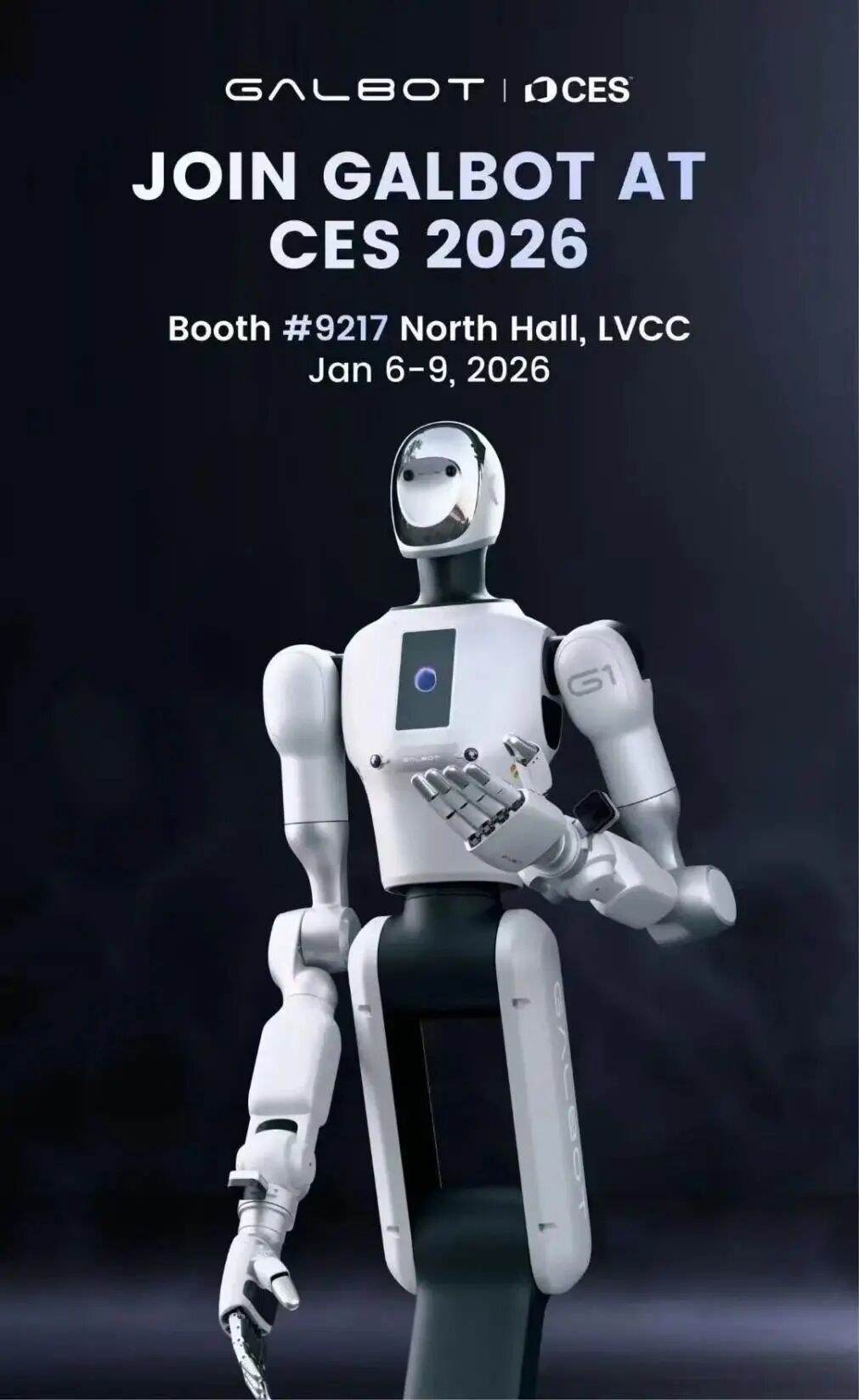
Yinhe General carried out a presentation focusing on the "collaborative work of humanoid and quadruped robots" and showed the whole process of external inspection live. At the same time, the company will present for the first time the "special model for external inspections with multi - sensor fusion system". This system combines lidar and visual perception technology, significantly improves the environmental adaptability, and extends the battery life to 8 hours. It also maintains a generalization success rate of 95% in grasping even in complex environments such as darkness and collisions.
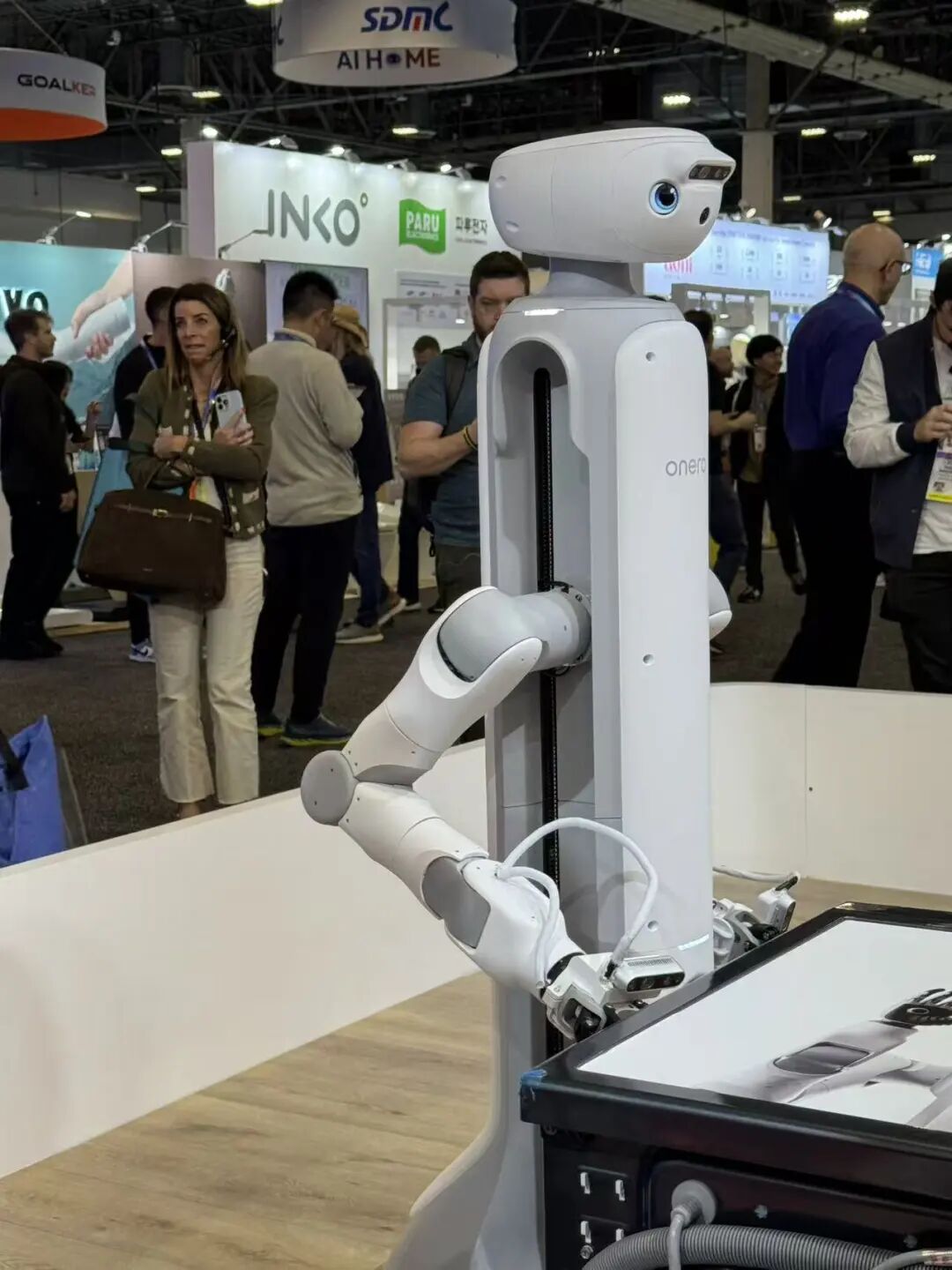
Woan Robotics, which was listed on the Hong Kong Stock Exchange a week ago, presented the OneRo H1, a humanoid Embodied AI robot specially developed for real household scenarios and capable of performing actions such as preparing meals, folding clothes, and opening and closing windows and doors. It can also cooperate with devices such as vacuum cleaners, air purifiers, and humidifiers from the cooperation with SwitchBot.
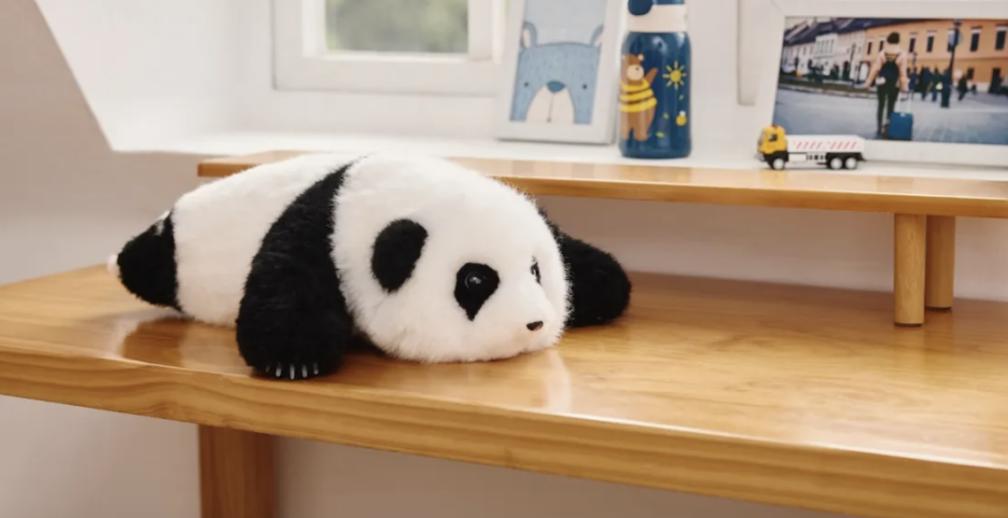
The bionic panda "Anan" from Shenzhen Wuxin Technology has won the innovation award of CES 2026. It is a companion AI for the elderly and people with cognitive disorders. It can soothe emotions, generate memories, and may even have the potential for medical certifications. It is one of the few exhibits that give people the feeling that "AI really has social value".
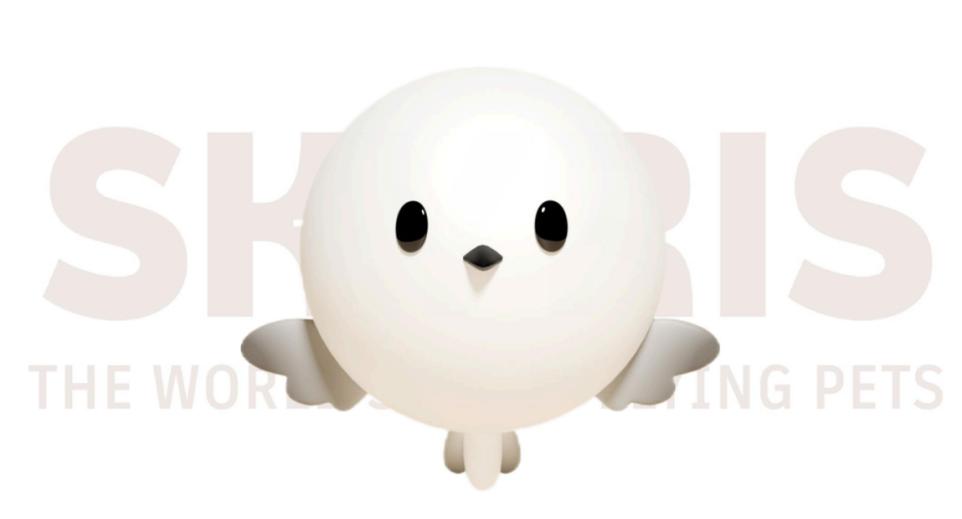
The AI toy BOOBOO from the startup Yuling Infinite in Shenzhen can fly, hover, and actively approach people. It not only responds passively to commands but also establishes an emotional connection through light, movements, and language, similar to a magical pet from a fairy tale.
02 The Next Generation of End - Devices: AI Explosion
In the field of consumer electronics, Chinese manufacturers continue to bring surprises.
In the field of smart glasses, a study by BofA Securities found that over 80% of the global suppliers in the smart glasses supply chain are from China. According to rough estimates, a total of 16 Chinese smart glasses companies participated in this year's CES, including Alibaba, Xreal, Rokid, TCL Thunderbird, etc. In the field of smart home, Roborock, Stone Technology, Ecovacs, etc. have presented their latest products.
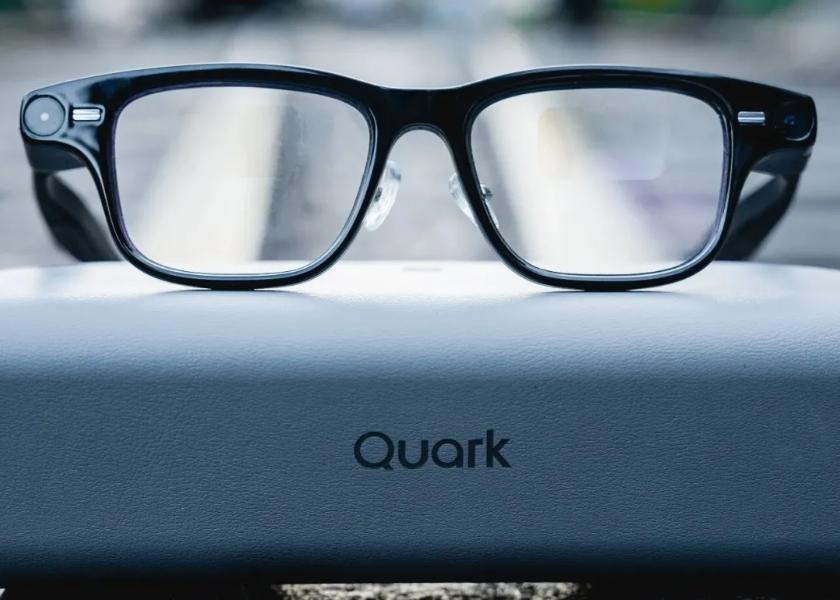
Alibaba's first self - developed AI glasses - the Quark AI Glasses S1 - were presented at CES 2026. As an intelligent end - device that takes into account both technological performance and daily wearability, the Quark AI Glasses S1 have a lightweight design in appearance. The width of the temples is only 7.5 mm, which is the narrowest in the global market; the thickness of the upper frame is only 3.3 mm, 25% thinner than the leading products in the market, and the visual appearance is very similar to that of ordinary optical glasses.
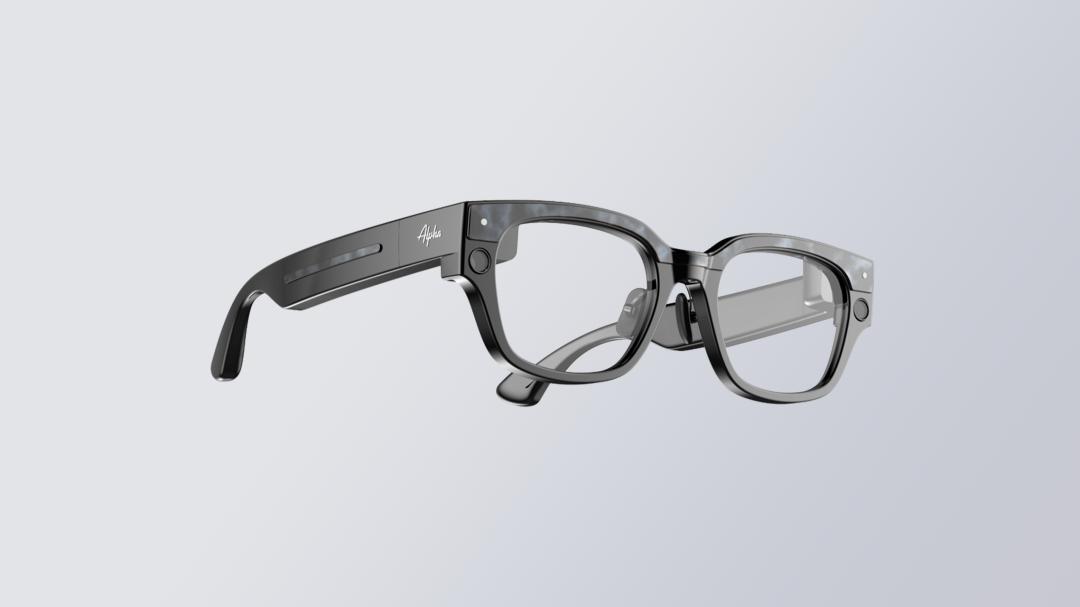
Goertek presented an AI + smart glasses reference design, Rubis, which for the first time in the field has a three - core heterogeneous platform with MCU + ISP + NPU, significantly optimizing latency and power consumption; it uses a full - color etched waveguide + an ultra - small full - color light engine; it is equipped with a self - developed EMG armband, which offers a new interaction experience; it has a modular VPU nose bridge that can be flexibly adjusted to different face shapes and an intelligent microphone that can be adapted to different application scenarios.
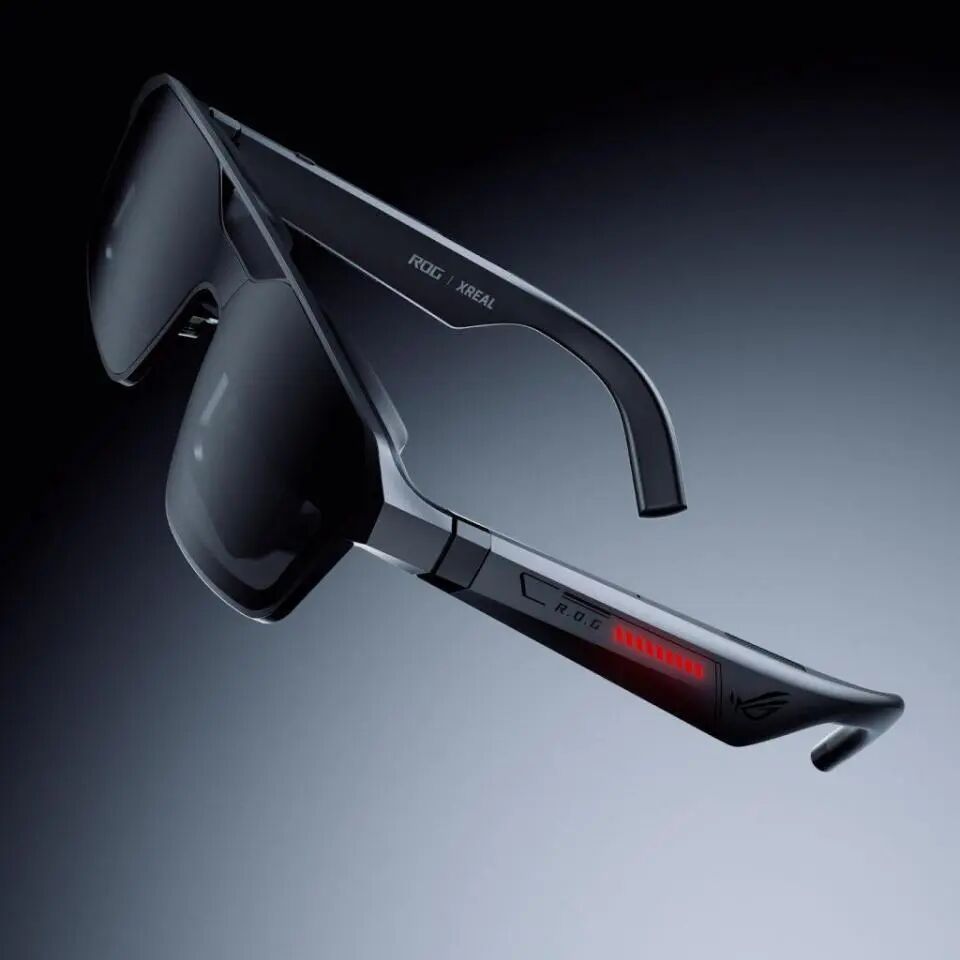
XREAL presented the ROG XREAL R1 AR glasses together with ASUS ROG. This product is the world's first micro - OLED full - HD game AR glasses that support a 240 - Hz refresh rate. It is equipped with a special control module and is compatible with PCs and common game consoles.
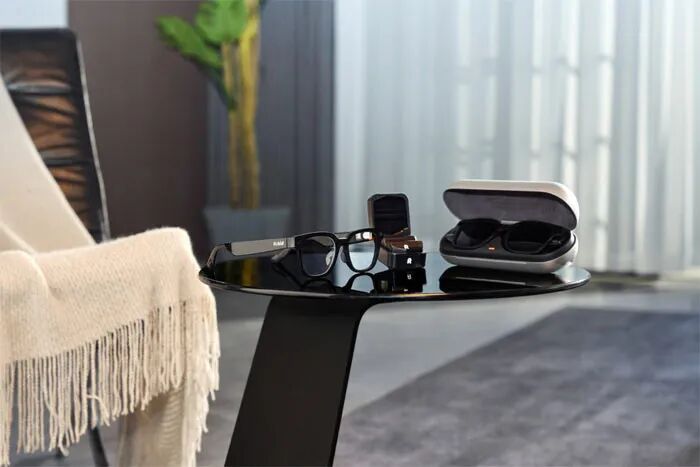
Rokid presented the new AI smart glasses Rokid Style at the CES, which focuses on "ultra - light and practical". The single weight is only 38.5 grams and it is called "the lightest full - function AI glasses in the market". The price starts at $299. The product supports multiple AI engines, including ChatGPT, DeepSeek, and Qwen, and is integrated with global services such as Google Maps and Microsoft AI Translation to enable AI use across regions and languages.
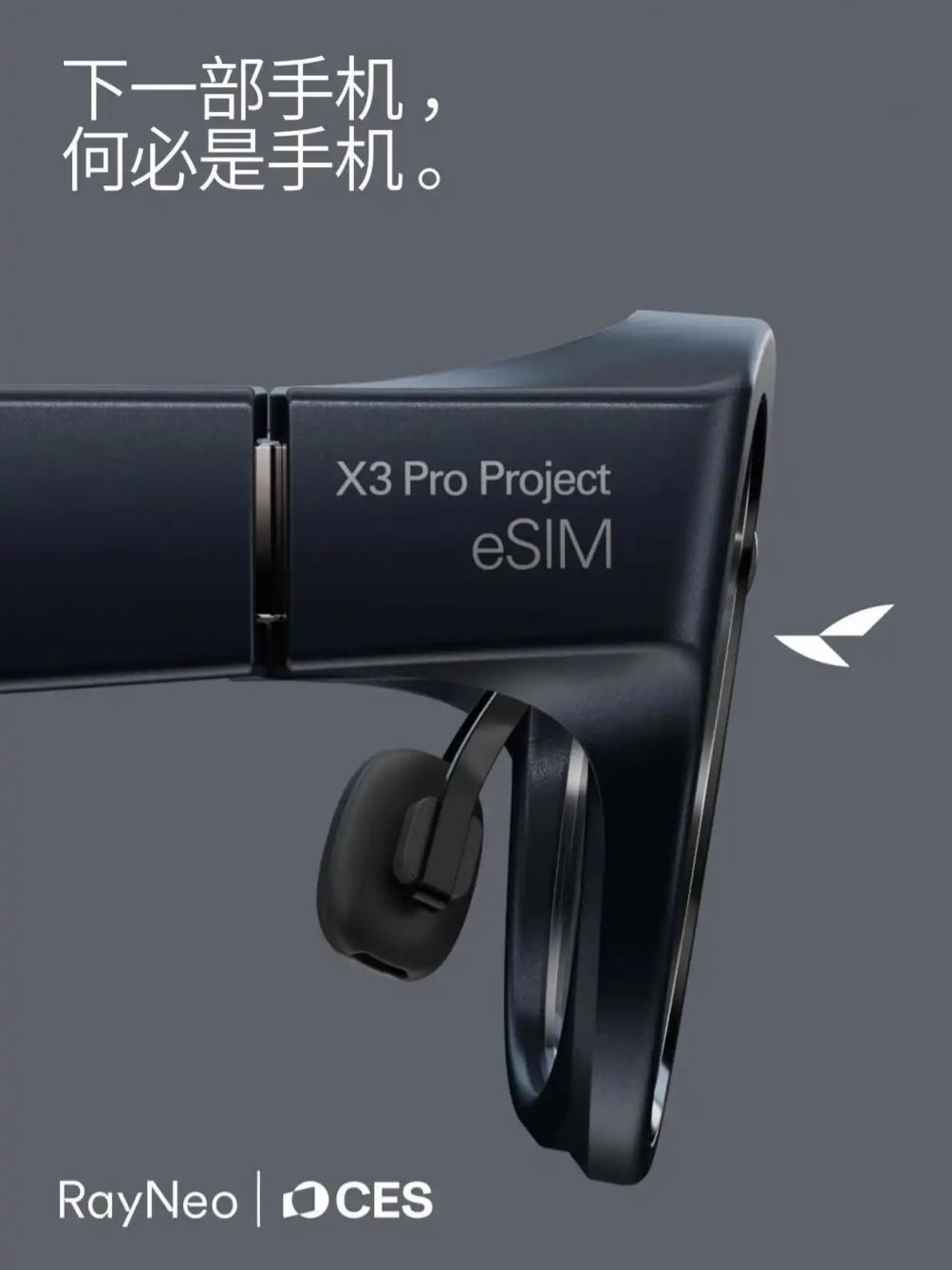
The Thunderbird X3 Pro Project eSIM had its world premiere at the exhibition. The product integrates an eSIM communication module and supports the 4G protocol. Without the need for a mobile connection via a smartphone, it can offer multiple functions such as making and receiving calls, multimodal AI dialogues, high - quality real - time AI translations, online streaming music, etc.
XGIMI presented the AI glasses brand "MemoMind" for the first time, which means that the brand officially enters the field of smart wearables. MemoMind uses a MicroLED + waveguide system and can provide visual information to meet various needs from message notifications to graphical navigation. It is expected to officially enter the market later this year.
In the field of household cleaning...