In 2026, among these second-generation entrepreneurs, who can break through the encirclement, and who is the one that can never be helped up?
In 2025, the new energy vehicle industry staged an inspiring and exciting drama.
In 2025, Leapmotor, Hongmeng Zhixing, XPeng, and Xiaomi Auto firmly occupied the positions in the first echelon of new car - making forces, forming a clear leading competitive camp.
In contrast, the so - called "second - generation entrepreneurial" brands such as Deepal, IM Motors, Avita, Voyah, and Zeekr, which originated from traditional large - scale vehicle manufacturers, although born with a silver spoon in their mouths, backed by powerful parent companies that provided them with technology and resources, have always been stuck in the second echelon, with lackluster performance.
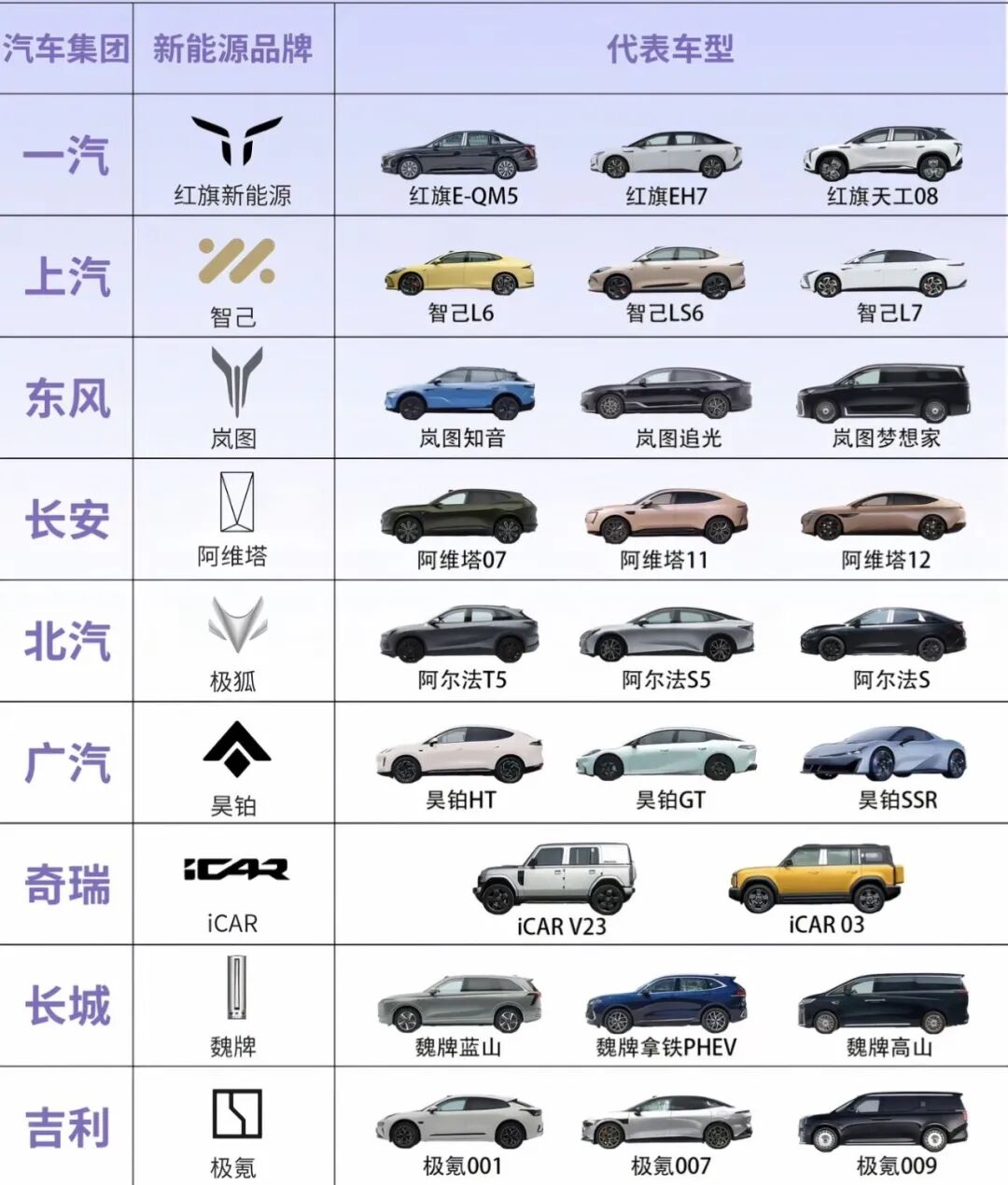
Picture/Source of parent companies of "second - generation entrepreneurial" brands and their representative models: Screenshot from Internet and New Energy Outlook
Entering 2026, the new energy vehicle market will enter a new stage of slower growth and intensified competition in the existing market. Especially at the beginning of the year, BMW cut the prices of 31 models by up to 301,000 yuan, and Tesla launched financial policies with low - interest loans for 7 years and zero - interest loans for 5 years. The "price war" has flared up again.
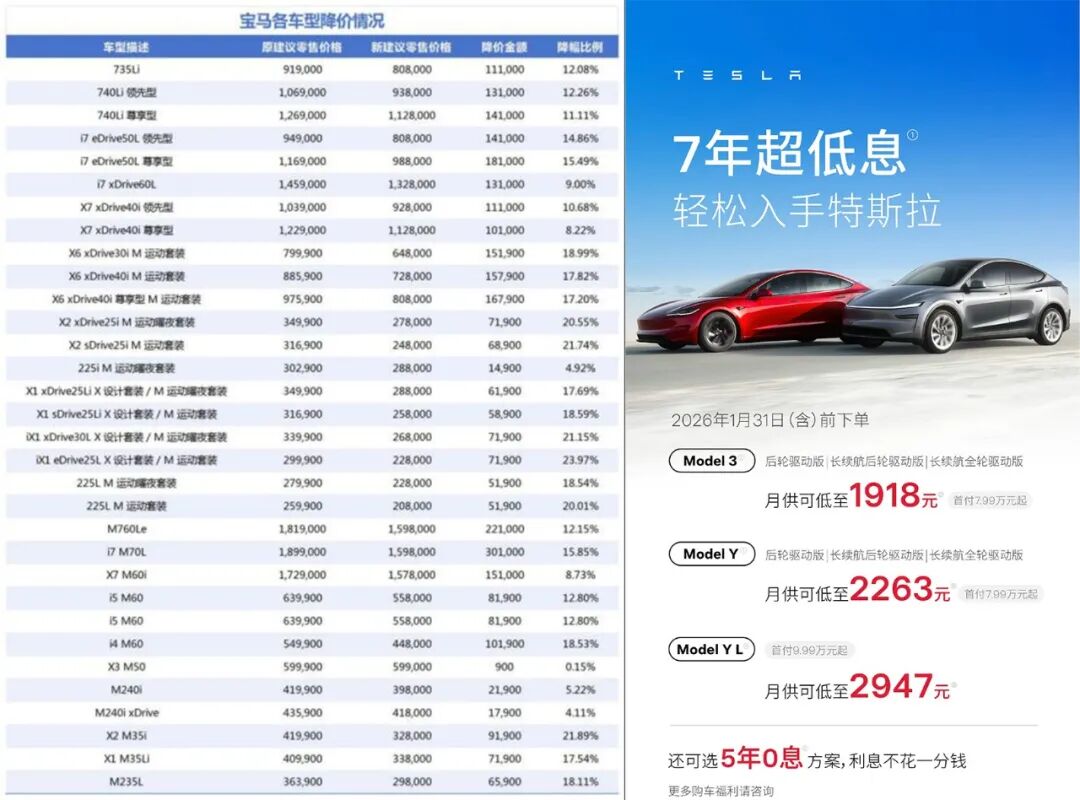
Picture/Source of preferential policies of BMW and Tesla: Screenshot from Internet and New Energy Outlook
A more intense elimination race has arrived. Even the car companies currently in the first echelon cannot rest easy.
However, for the "second - generation entrepreneurial" brands, they may be able to reverse the situation with their substantial "family assets" and stage a story like "The Revenge of the Youngest Son in a Wealthy Family". So, who will break through and succeed, and who will remain a hopeless case?
At the end of 2025, the "underperformers" in the sales report
In 2025, the overall new energy vehicle market continued to grow, but the differentiation pattern among brands became clearer, and the leading effect intensified significantly. Judging from the annual sales data, the new car - making brands showed a situation where "the first echelon led the way, while the second echelon struggled to catch up".
Data shows that in 2025, the top three new car - making brands were Leapmotor, Hongmeng Zhixing, and XPeng, with sales of 596,600, 589,100, and 429,400 vehicles respectively, representing year - on - year growth of 103%, 32%, and 126% respectively.
Following them were Xiaomi Auto (over 410,000 vehicles), Li Auto (406,300 vehicles), Deepal (333,100 vehicles), and NIO (326,000 vehicles).
Voyah, Avita, and IM Motors became the "bottom - ranked" car companies among the major new car - making brands in 2025, with annual sales of 150,200, 128,800, and 81,000 vehicles respectively.
Notably, IM Motors, with an annual sales volume of 81,000 vehicles, became the only major new car - making brand with sales of less than 100,000 vehicles, and the gap with leading brands has widened to over 500,000 vehicles.
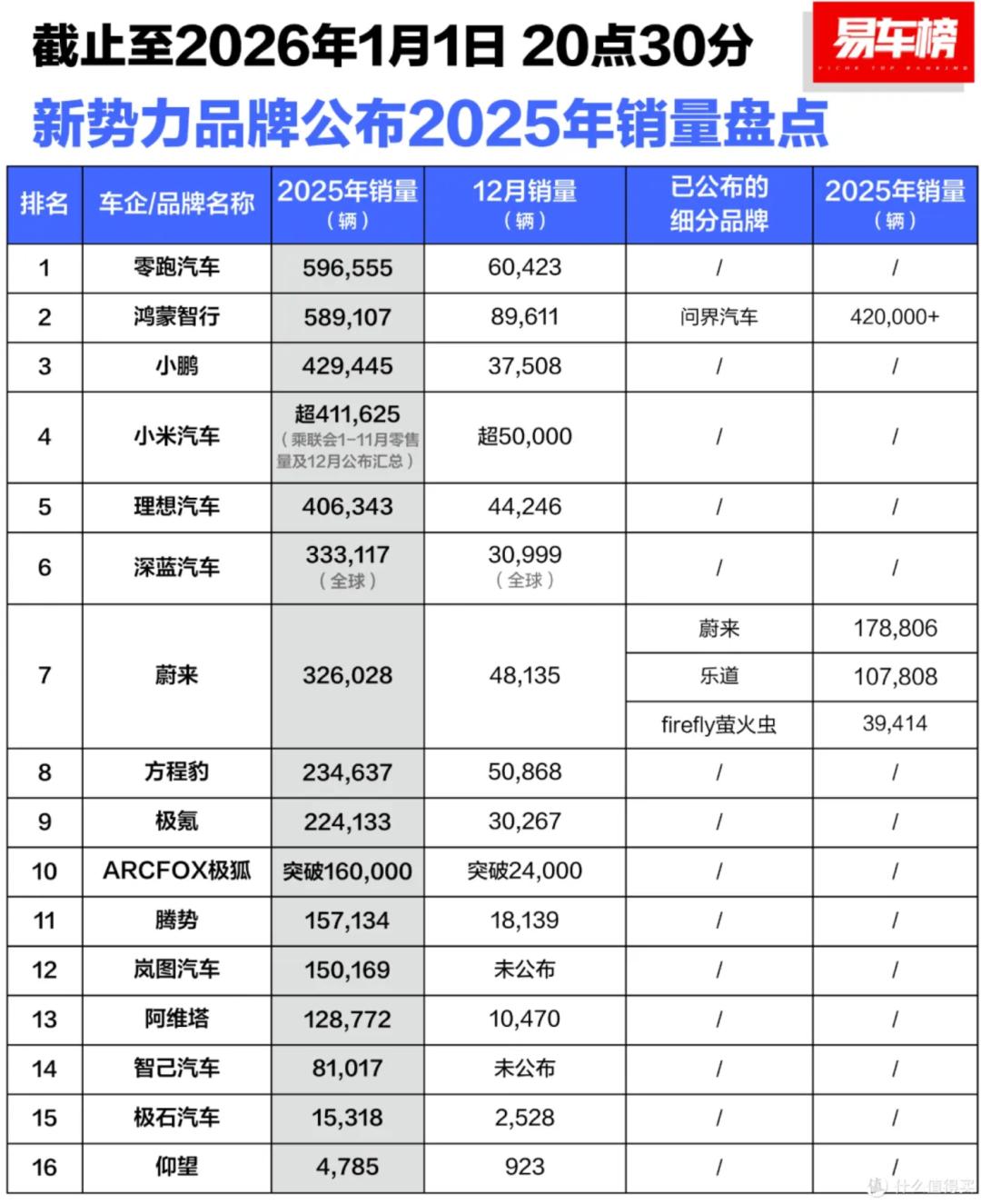
Picture/Inventory of new energy vehicle sales in 2025: Screenshot from Yiche and New Energy Outlook
Meanwhile, it is not difficult to see from the distribution of the above sales data that in the competitive landscape of new car - making brands in 2025, there was also a rather distinct feature: Most car companies in the first echelon were pure new car - making forces, while the brands in the second echelon, although also classified as new car - making brands, upon closer examination of their backgrounds, most of them were "second - generation entrepreneurial" brands under traditional large - scale vehicle manufacturers - new energy brands incubated relying on the technology, capital, and supply - chain resources of traditional car companies.
However, although there is still a significant gap between these "second - generation entrepreneurial" brands and the pure new forces in the first echelon in terms of total sales, from the perspective of their own growth, their growth rate performance in 2025 was quite remarkable.
Specifically, among the "second - generation entrepreneurial" brands, the year - on - year growth rates of Deepal, Voyah, and IM Motors all exceeded 30%, and the year - on - year growth rate of Voyah Auto was as high as 87%.
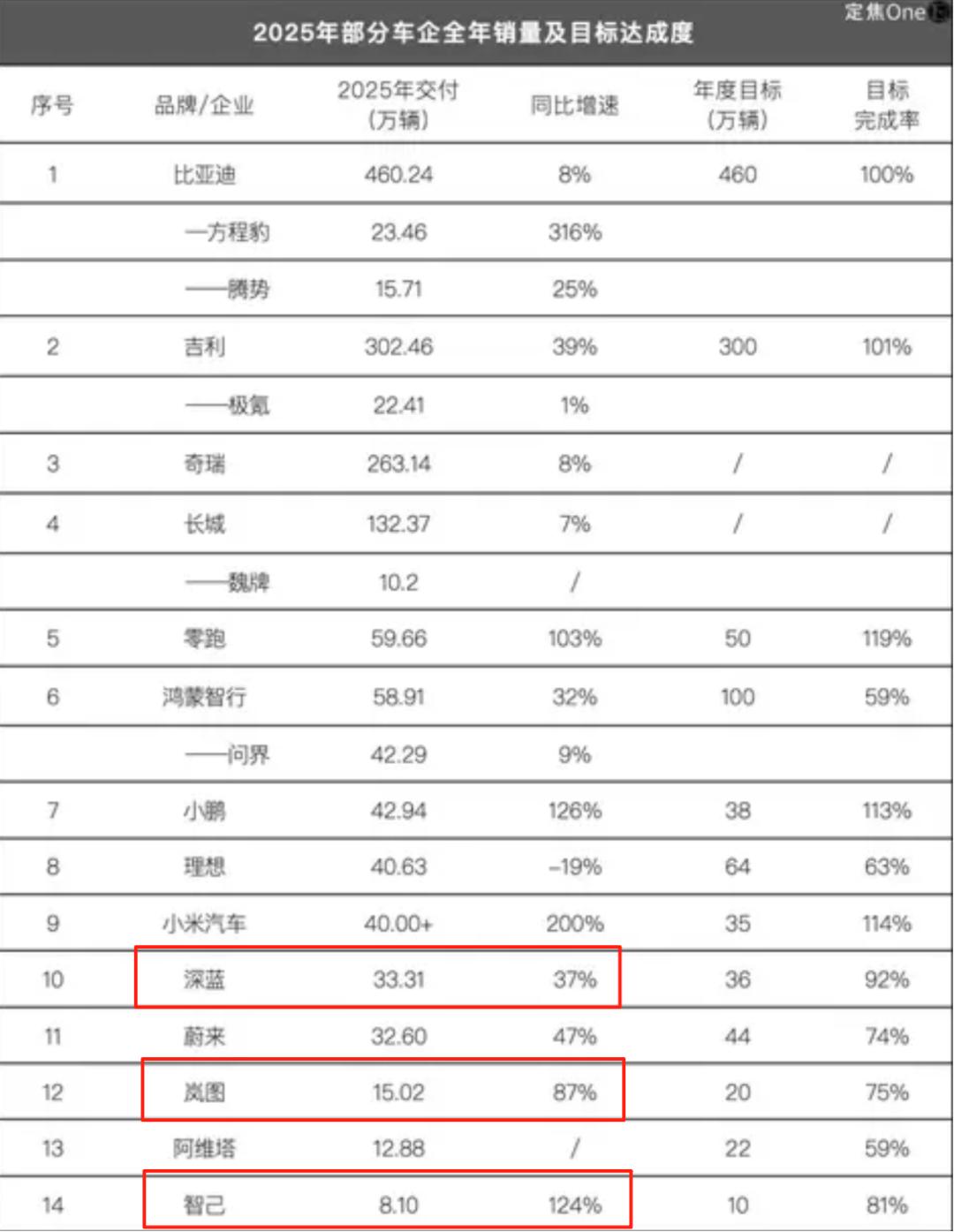
Picture/Sales and target achievement of some car companies in 2025: Screenshot from Dingjiao One and New Energy Outlook
On November 10, 2025, the 300,000th vehicle of Voyah Auto rolled off the production line, making it the first high - end new energy brand of central and state - owned enterprises to achieve this goal. Therefore, it became one of the most aggressive brands under Dongfeng Motor in 2025.
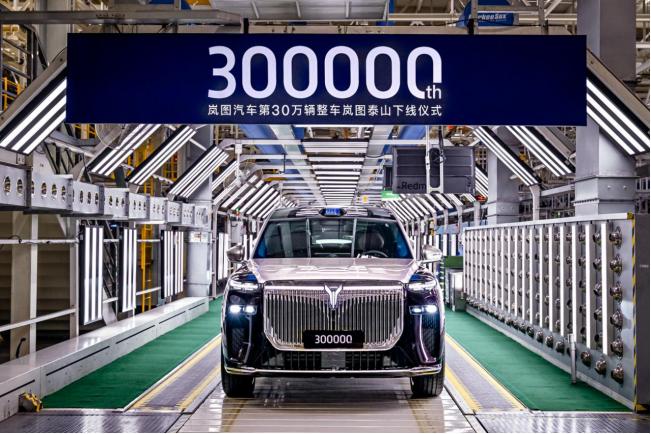
Picture/The 300,000th vehicle of Voyah Auto rolling off the production line: Screenshot from Internet and New Energy Outlook
The "hope" in the eyes of parents
Although there is an obvious gap in sales compared with the first echelon and they are also slightly inferior in terms of popularity, in the eyes of their "parents" - traditional large - scale vehicle manufacturers, the "second - generation entrepreneurial" brands are still the core hope for their new energy transformation.
Most intuitively, whether it is Zeekr, which was once an independent brand under Geely and now has returned to the "One Geely" system, IM Motors created by SAIC Group, Avita jointly launched by Changan and Huawei, or Voyah, which is a key layout of Dongfeng Motor... Almost all of them bear the important mission of traditional large - scale manufacturers to enter the high - end new energy market and form a differentiated complement to the new energy vehicles launched by the large - scale manufacturers behind them.
Precisely because they carry the heavy responsibility of transformation and entering the high - end market, traditional large - scale vehicle manufacturers spare no expense in supporting these "second - generation entrepreneurial" brands. They provide all - round and unconditional support in terms of technology, capital, and channels.
In terms of technology, as a former representative of Geely's attempt to enter the high - end new energy market, Zeekr was equipped with Geely's self - developed SEA vast architecture at its birth. Subsequently, Geely spent 7 billion yuan to develop the Vast - M architecture, and the first product equipped with this architecture is the Zeekr MIX.
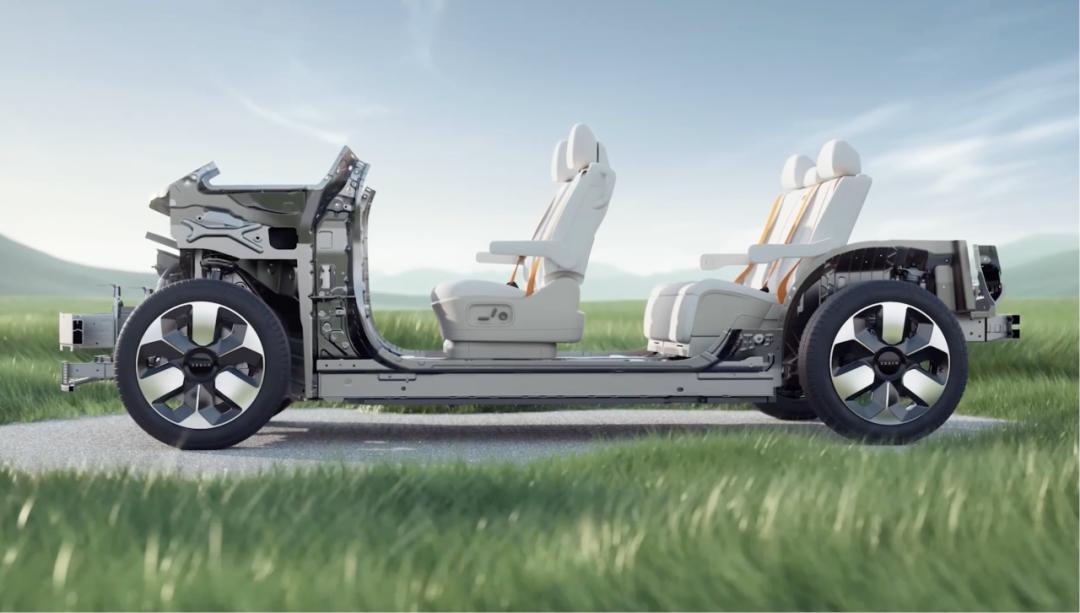
Picture/Zeekr MIX equipped with the Vast - M architecture: Screenshot from Zeekr's official website and New Energy Outlook
At its birth, Avita was supported by Huawei's assisted - driving technology and Changan's intelligent manufacturing capabilities in many aspects, making it the first choice for many "geek" consumers.
In addition to technology, traditional large - scale manufacturers are also very generous in terms of capital and channels.
In August 2025, Dongfeng Group Co., Ltd. announced that it would delist through privatization and apply for the introduction listing of Voyah on the H - share market. In September, Voyah Auto completed industrial and commercial changes, and its registered capital increased to 3.68 billion yuan, further accelerating the listing plan.

Picture/Voyah Auto's registered capital increased to 3.68 billion yuan: Screenshot from Qichacha and New Energy Outlook
Lu Fang, the chairman and general manager of Voyah Auto Technology Co., Ltd., previously publicly stated that the listing plan reflects Dongfeng Group's firm determination to promote the reform of state - owned enterprises. "The company will contribute its best business results to help Dongfeng Group achieve its transformation goals and development vision."
It is also relying on the strong capital advantage of their "parents" that the "second - generation entrepreneurial" brands can establish independent channels while rapidly expanding their stores, complete the layout of sales and service outlets across the country, and reduce the time cost and capital pressure of channel construction.
This all - round resource support has also become the core advantage of the "second - generation entrepreneurial" brands compared with new car - making forces.
In 2026, who will rise, and who will continue to face pressure
However, the growth rate of the new energy vehicle industry has slowed down, and the market has shifted from "incremental competition" to "stock game".
Zhang Yongwei, the chairman of the China Electric Vehicle 100 - person Forum, predicted that in 2026, the domestic automobile market may only achieve a slight growth of about 2%, with the sales volume expected to reach 28.2 million vehicles, far lower than the year - on - year growth rate of 9.7% from January to November 2025.
Against this background, even among the "second - generation entrepreneurial" brands, there will be a differentiation due to factors such as capital strength, technology reserves, and product competitiveness. Some will rise, some will decline, and some will remain mediocre.
So, who will become the dark horse and rise in 2026?
Voyah, a high - end new energy brand of central and state - owned enterprises, with 10 consecutive months of growth in delivery volume and reaching the first production and sales scale of 300,000 vehicles in November 2025, is one of them. In 2026, Voyah will continue to expand its new models based on the product matrix of SUVs, MPVs, and sedans. It is expected to have 6 - 9 models by the end of 2026.

Picture/Voyah Auto is expected to have 6 - 9 models by the end of 2026: Screenshot from Internet and New Energy Outlook
In addition to the steady growth in the product segment, Voyah Auto will also enter the substantive stage of listing on the Hong Kong stock market in 2026. With the support of capital, Voyah will surely gain more momentum.
Deepal Auto can also break through. In 2025, Deepal Auto delivered nearly 340,000 vehicles, achieving an annual target completion rate of 92%. This target completion rate not only leads among the "second - generation entrepreneurial" brands but also exceeds that of many car companies in the first echelon.
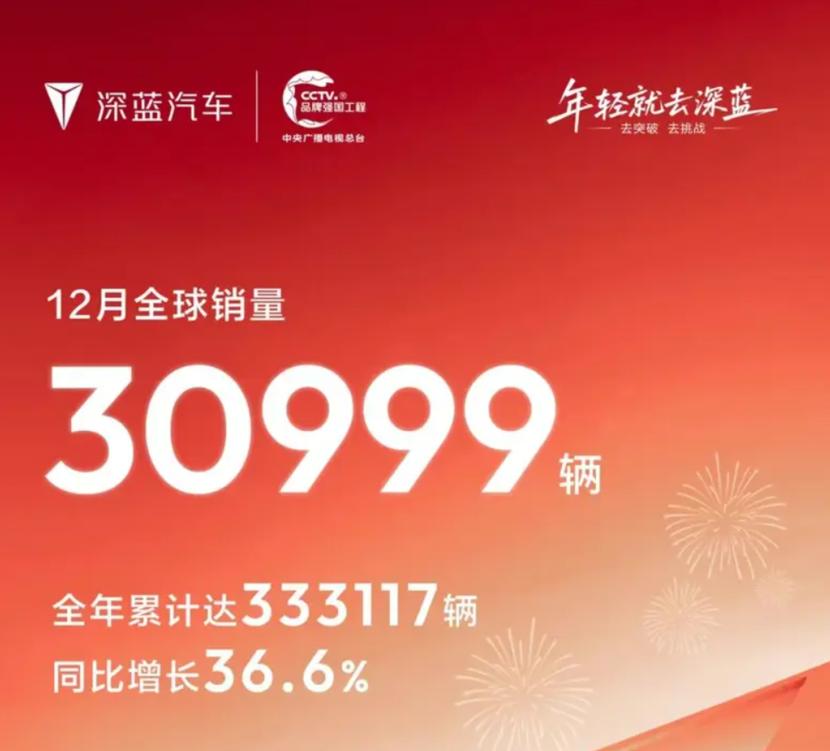
Picture/Deepal Auto's sales in 2025: Screenshot from Internet and New Energy Outlook
In December 2025, the Ministry of Industry and Information Technology announced the market access permits for the first batch of L3 - level conditionally autonomous vehicles in China, and Deepal Auto was one of them. In the same month, Deepal Auto announced the completion of a Series C financing, with a total capital of 6.122 billion yuan.
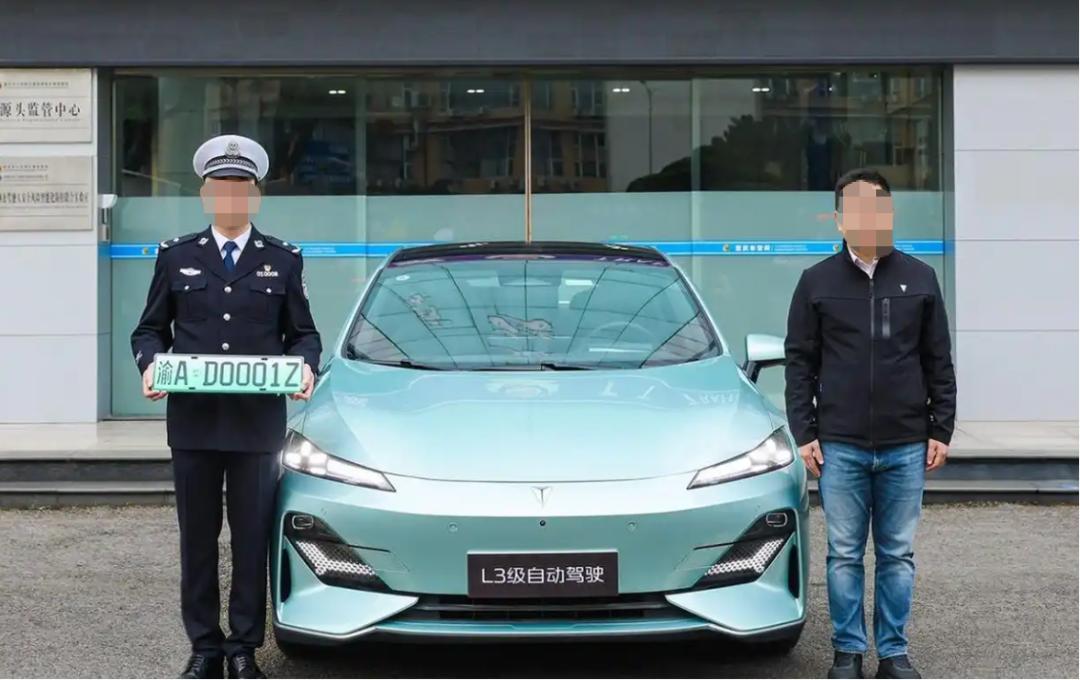
Picture/The first batch of L3 - level autonomous vehicles in China: Screenshot from Internet and New Energy Outlook
A series of favorable policies also bring more possibilities for Deepal Auto in 2026.
Compared with Deepal and Voyah, the Avita and Zeekr brands will continue to stabilize and recover in 2026, but their sales will not be particularly impressive.
In fact, there is no doubt about Avita's product strength. The entire series is standard - equipped with Huawei's high - level intelligent driving system and is equipped with CATL batteries. It also plans to launch 5 upgraded models in