追觅有“乐视”野心,但造车是一道难迈的坎儿
Can Dreame achieve what Jia Yueting failed to accomplish with the "ecological synergy"?
On December 29, 2025, a rumor stirred up waves in the automotive circle. It was reported that Dreame Technology had reached a cooperation with Chery and would launch a modified model based on the Jetour Cross G700. However, within less than 24 hours, Chery responded that "there is no such thing."
On December 31, a photo of Chery's Chairman Yin Tongyue with Dreame executives and Chen Longdong, the legal representative of Xingchen Future (Suzhou) Automotive Technology, circulated online, along with news of a strategic signing for the Jetour Traveller model. The next day, Chery again denied the rumor of cooperation with Dreame, stating that "both parties confirmed that no cooperation agreement has been signed."
Xingchen Future (Suzhou) Automotive Technology is the operator of the "Dreame Auto" WeChat official account. Photo/Dreame Auto WeChat official account
This complicated and confusing situation reveals the industry's continuous attention to Dreame's car - building plan.
On August 28, 2025, Dreame Technology officially announced its entry into the new - energy vehicle field. Subsequently, it took continuous actions within just a few months: in September, it went to Germany to select a site for a factory, claiming that the planned area would be 1.2 times that of Tesla's Berlin factory; in the same month, it completed its first - round financing; at the end of December, its "Starry Sky Plan" established several subsidiaries in succession and announced that it would launch its first model at CES 2026.
In September, Yu Hao, the founder of Dreame, publicly announced in his WeChat Moments that starting from the end of 2026, multiple businesses under the Dreame ecosystem would conduct "batch IPOs" on global exchanges.
Floor - cleaning robots, car - building, mobile phones, drones, astronomical telescopes, and even hot - pot restaurants - Dreame's business map is expanding at a dizzying speed. This inevitably makes people think of another name: Jia Yueting. Back then, LeEco's "ecological synergy" was also grand in scale but ultimately collapsed due to a broken capital chain.
In the face of the industry's speculation and doubts, Dreame actively chose to demonstrate its financial strength. On December 28, Yu Hao, the founder of Dreame, announced that all employees would receive an additional 1 - gram gold bonus, which, based on the current gold price, would cost approximately 26 million yuan.
Ten years have passed. Both the times and the players have changed. Can Dreame smoothly realize the same ecological dream?
A dream of luxury cars on a light - asset path?
Dreame's ambition in car - building cannot be underestimated.
On August 28, 2025, Dreame officially claimed that its first ultra - luxury pure - electric product would be benchmarked against the Bugatti Veyron, a top - level super - car with a starting price of about 1.4 million euros, aiming to be "the fastest car in the world." The second product would be an ultra - luxury flagship SUV benchmarked against the Rolls - Royce Cullinan.
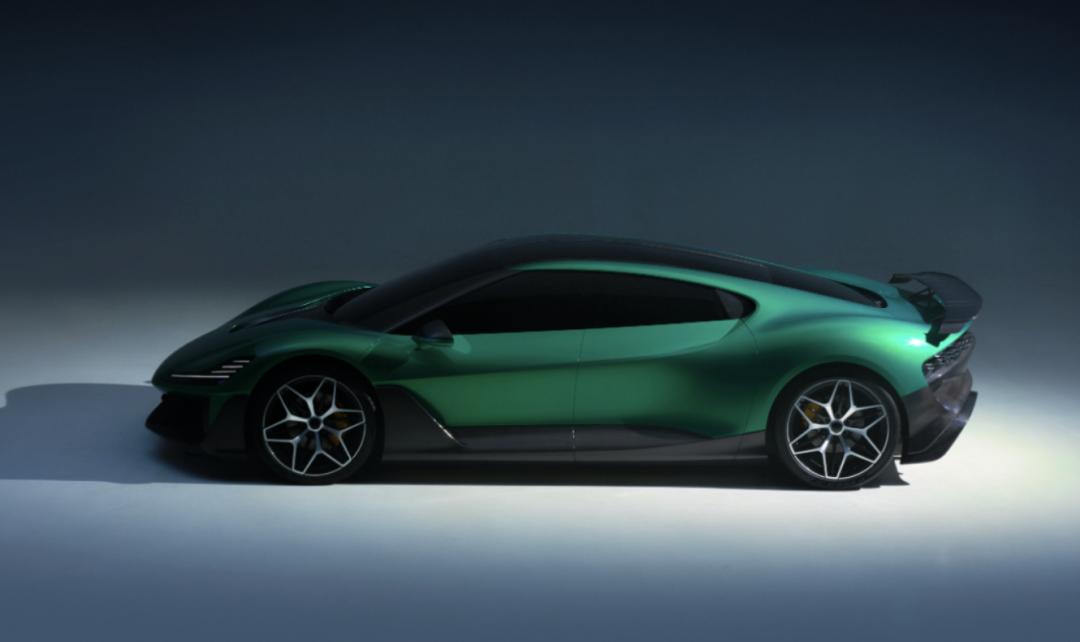
Schematic diagram of Dreame's first model. Photo/Dreame Starry Sky Plan WeChat official account
According to "Automotive Business Review," at that time, Yu Hao stated internally that "the automotive industry is the most important strategic direction. We have to do it, and we must succeed."
However, according to the same report, people familiar with the matter revealed that Dreame adopts a light - asset operation model. In the early stage, it will hand over the vehicle manufacturing to the main car - maker, relying on its mature supply chain to ensure product quality. Dreame will be responsible for product definition, differentiated selling points, and product upgrades. Specifically, Dreame plans to cooperate with leading car companies, modify their popular models, and then quickly launch them in overseas markets.
The light - asset model clearly has its rationality, with low investment costs, short implementation cycles, and relatively controllable risks. However, the problems are also obvious: if it only modifies existing models, how can it support the ultra - luxury positioning of "benchmarked against Bugatti"? Moreover, which car company would be willing to provide its competitive products for Dreame to re - brand and sell, creating direct competition with its own products?
Currently, Chery's rapid denial of the news of launching the Jetour Cross G700 in the first quarter of 2026 is sufficient to prove the car - maker's cautious attitude.
It is not difficult to see that there are three unavoidable paradoxes in this path.
Firstly, if the modified products carry new brands, unless they target specific markets such as the United States, they will inevitably compete directly with the main car - maker's existing products. Secondly, car companies may not be willing to provide competitive products for Dreame to modify. If they are only marginal models, the possibility of turning them into best - sellers is not high. Thirdly, the profit in the current automotive industry has been compressed to the limit by price wars. According to data from the National Bureau of Statistics, the profit of the automotive manufacturing industry in 2024 was about 460 billion yuan, a year - on - year decrease of about 8%. In this environment, both parties need to carefully weigh the profit distribution.
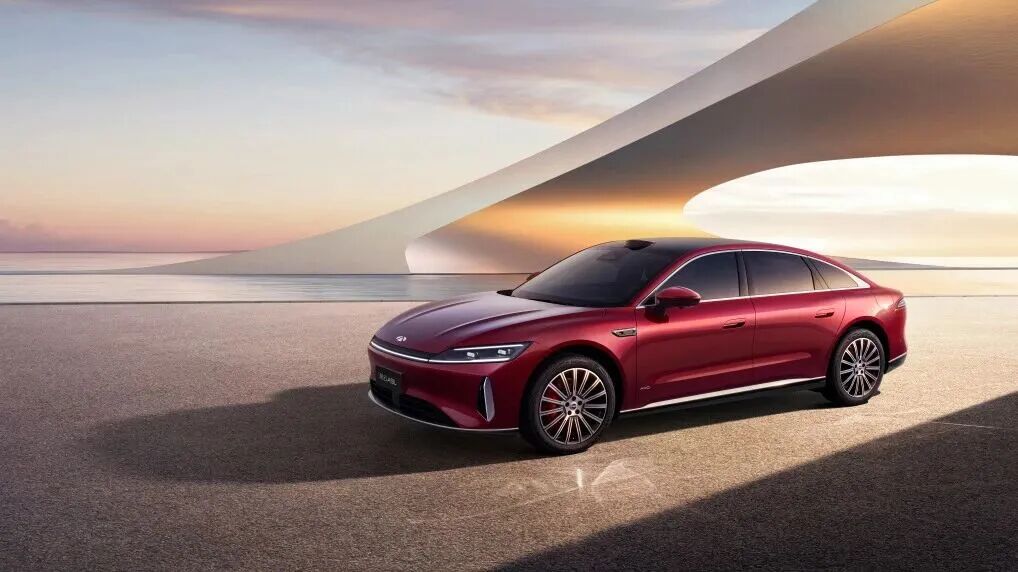
Chery's flagship sedan, the Fengyun A9L. Photo/Chery Automobile WeChat official account
The aforementioned report revealed that Dreame's proposed solution is to "avoid competition through differentiated pricing and use a gambling agreement to safeguard the interests of both parties."
However, this answer obviously oversimplifies the complexity of the problem. In a more realistic scenario, it is as difficult for a technology company lacking car - building experience to persuade traditional car companies to provide their core assets for modification as it is to convince consumers to buy a new car brand.
According to the aforementioned report, Dreame has obtained the management rights of three domestic car - company factories, acquired several modification plants, and is in discussions with six state - owned enterprises about a capital - advance cooperation of about 5 billion yuan.
These actions indicate that Dreame is indeed seriously planning, but there is still a long way to go before actual mass production and delivery.
The gap between the grand narrative of luxury super - cars and the actual operation of light - asset modification itself exposes the uncertainty of Dreame's car - building plan. And this uncertainty is just the tip of the iceberg in Yu Hao's even more extensive cross - border business map.
Car - building is just one piece in Yu Hao's ecological dream
On March 19, 2025, Dreame held a press conference named "Born Without Borders" in Shanghai. This name is quite meaningful - it implies that Dreame is no longer satisfied with the intelligent cleaning niche market but wants to break boundaries and build a full - scenario ecosystem covering "people - cars - homes - space - the universe."
If we only look at car - building, Dreame might be regarded as a brave cross - border player. However, when we broaden our perspective, we will find that car - building is just one piece of the puzzle in Yu Hao's grand blueprint.
In the months after the press conference, Dreame's business map expanded rapidly: it entered the large - home - appliance field, launching air conditioners, refrigerators, and washing machines; announced its entry into car - building, benchmarking against Bugatti and Rolls - Royce Cullinan; released its first smart phone, the Dreame Space, claiming to "divide the market equally with Huawei and Xiaomi"; laid out in the drone business, entering the low - altitude economy track; and even entered the astronomy field, proposing an ecological strategy of "integration of air, space, and ground."
According to media reports, Dreame has also opened hot - pot restaurants and coffee shops and invested in a tea - beverage brand. This breadth of cross - border expansion reminds people of Jia Yueting's "ecological synergy" proposed back then - breaking industrial boundaries and enabling each business segment to cooperate and empower each other symbiotically.
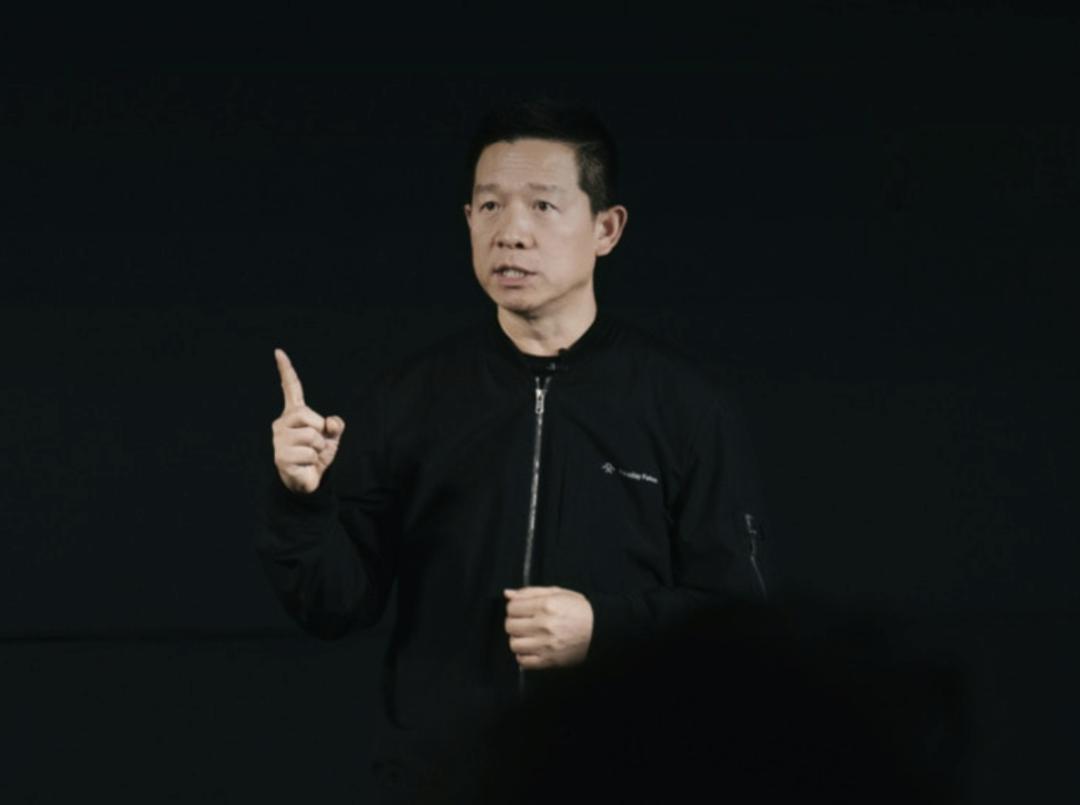
Jia Yueting, the founder of LeEco Holdings Group. Photo/Faraday Future official website
According to public information, Dreame's current business map includes: intelligent cleaning (floor - cleaning robots, floor scrubbers, vacuum cleaners), large home appliances (air conditioners, refrigerators, washing machines, TVs), kitchen appliances (range hoods, gas stoves, dishwashers), personal care (hair dryers), smart phones, drones, new - energy vehicles, astronomical equipment, trendy toys, tea beverages, hot - pot restaurants, and there are even rumors that it plans to enter the aerospace field and build business - class large aircraft.
The lesson of LeEco is still fresh in our memory. The core problem of "ecological synergy" is that each new business requires a large amount of capital investment, and the ecological synergy effect is far from easy to achieve as expected. When the business scope expands too widely and the self - hematopoietic ability is insufficient, once the financing fails to keep up with the burning rate of money, the capital chain will quickly break.
However, Dreame's core business - intelligent cleaning home appliances - is facing fierce market competition.
IDC data shows that in the first three quarters of 2025, Dreame's market share in the global floor - cleaning robot market was about 12%, ranking third, still lagging behind Roborock (about 22%) and Ecovacs (about 14%). Aowei Cloud Network data shows that in 2024, Dreame's online market share of floor - cleaning robots was about 16%, ranking fourth. In addition, the retail volume of the Chinese floor - cleaning robot market in 2024 was only 6.036 million units, failing to return to the peak of 6.54 million units in 2021.
The market growth has stagnated, but the competition has intensified. The entry of new players such as DJI has further compressed Dreame's profit margin.
Before forming an absolute advantage in its main business, Dreame is aggressively entering more competitive red - ocean markets such as mobile phones, cars, and drones. Can this logic work? The mobile - phone market is already a battlefield for giants like Huawei, Xiaomi, and OPPO. It will be extremely difficult for Dreame to gain a share. The drone market is firmly dominated by DJI, and the astronomical - equipment market is a niche track.
On the other hand, car - building is also a high - stakes capital gamble.
Li Bin, the founder of NIO, once said, "A few years ago, I said that the threshold for car - building was 20 billion yuan. Now, it may take 40 billion yuan at least." Xiaomi, a latecomer in car - building, has already invested more than 30 billion yuan and has a reserve of 100 billion yuan.
Taking Jishi Auto as an example, which relies on Roborock and adopts a similar light - asset model, it has not yet achieved profitability. If Dreame wants to build cars independently, the capital gap will be astronomical.
In 2013, Yu Hao wrote a car - building plan at Tsinghua's "Sky Workshop," but he also admitted that the "conditions were not mature" at that time. Twelve years later, in 2025, Dreame finally announced its entry into car - building, but it chose a rather poor time window.
Having a technical background does not guarantee business success. Car - building is far more complex than consumer electronics. It requires not only technology transfer but also the integration of full - chain capabilities such as supply - chain management, quality control, channel construction, and after - sales service.
When Xiaomi announced its entry into car - building in 2021, some people said that it might be "the last ticket to enter the market." The market environment in 2025 is far more severe than four years ago. According to media statistics, in the past three years, more than 24 car companies have gone bankrupt, and at least 75 car brands have disappeared. Price wars have compressed the profit of the entire vehicle to the limit, and leading companies are struggling for survival.
Back then, Jia Yueting's "ecological synergy" ultimately collapsed, mainly due to a broken capital chain. Each segment of LeEco, including LeEco.com, LeEco Pictures, LeEco Sports, LeEco Mobile, and Faraday Future, needed continuous capital injection, while the profitability of core businesses such as LeEco TVs was far from sufficient to support this huge system.
Now, the challenges faced by Dreame are even greater. Each of its cross - border new businesses is in a red - ocean market. Even with a light - asset model, these businesses still require a large amount of investment in R & D, marketing, and channels.
Yu Hao has ambition, but does Dreame have enough funds?
Amid the controversy, Dreame sent a signal through high - profile welfare measures: it is not short of money.
On December 28, 2025, Yu Hao, the founder of Dreame, announced that all employees would receive an additional 1 - gram gold bonus, which, based on the current gold price, would cost approximately 26 million yuan. In the previous few months, Dreame had already invested hundreds of millions of yuan in bonuses and launched a "Family Health Protection Plan" covering employees and their families. On December 30, 2025, Dreame announced that it would purchase serious - illness insurance and cancer - prevention insurance for all employees and their immediate relatives.
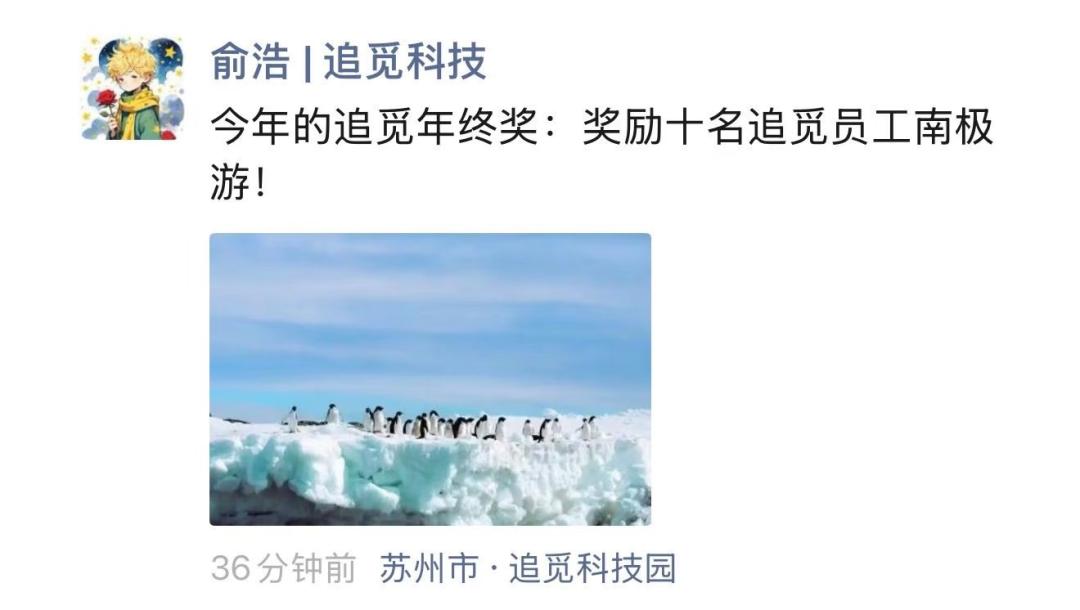
Yu Hao announced in his WeChat Moments that the year - end bonus would include a trip to Antarctica. Photo/Yu Hao's WeChat Moments
According to Dreame's public disclosure, its revenue in 2024 was about 15 billion yuan. At the 2025 Full - Scenario New - Product Launch Conference, Dreame Technology announced that its operating income in the first half of 2025 had already exceeded the total for the whole of 2024.
This figure seems large, but it may be difficult to support the continuous burning of money in multiple fronts such as car - building, mobile phones, and drones. Taking Roborock as a reference, according to its prospectus, its revenue in 2024 was 11.918 billion yuan, with a gross profit of 6 billion yuan and a net profit of 1.977 billion yuan. The gross - profit margin and net - profit margin were 50.4% and 16.6% respectively.
According to media reports, Dreame's gross - profit margin is about 70%, and the net - profit margin is between