The Ambitious Goal of Selling One Million Units Annually: The Odds and Costs of Leapmotor's "Upscale" Strategy
When Zhu Jiangming, the chairman of Leapmotor, set the goal of selling one million vehicles annually by 2026 at the company's tenth - anniversary press conference, the outside world, which had grown somewhat accustomed to new car - making forces constantly challenging sales peaks, was not overly surprised. Instead, based on an understanding of the company's goals and upgrade path, a crucial question was raised: Is Leapmotor really ready to raise its prices?
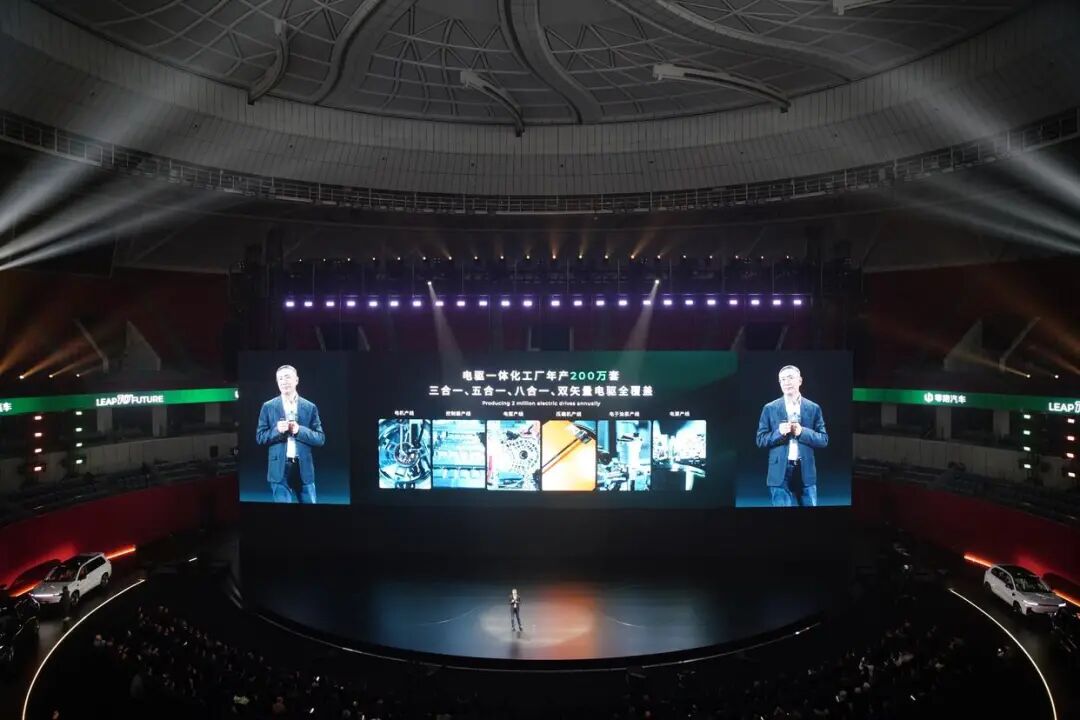
For Leapmotor, which has already topped the sales list among new car - making forces, the sales figure itself may no longer be the most difficult challenge. The real test lies in how to break the long - established brand inertia of "high cost - effectiveness" and convince the market to accept a more expensive and higher - positioned Leapmotor. This is not only a product upgrade but also a comprehensive leap in brand and system capabilities.
From "Dark Horse" to Benchmark: The Realistic Grounds for the Million - Unit Goal
Looking back on the past year, Leapmotor's growth has been one of the most impactful in the new car - making forces camp. In 2025, Leapmotor's annual sales are expected to approach 600,000 vehicles. This achievement not only secures its leading position in the sales rankings of new car - making forces but also enables Leapmotor to enter the top ranks of mainstream Chinese automakers for the first time, completing the transformation from a "chaser" to a "leader."
What supports this role transformation is Leapmotor's long - standing "full - scale self - research" approach. Through a high proportion of self - research on core components, Leapmotor has built significant advantages in cost control, supply stability, and large - scale manufacturing. This ability has allowed it to achieve phased profitability ahead of others in the context of the escalating new - energy price war, making it one of the few new car - making forces with self - sustaining capabilities.
It is on this basis that Leapmotor sets its sights on the distant future. The million - unit sales goal proposed by Zhu Jiangming is not simply a demand for scale expansion but an attempt to promote the company into the competitive sequence of "world - class automakers" through the synergy of scale, efficiency, and technology.
Brand Inertia: The First Hurdle to High - End Positioning
However, sales success does not necessarily equate to "brand upgrade."
For a long time, Leapmotor has established a market image of "good quality at an affordable price" in the price range of 60,000 - 200,000 yuan. This positioning has helped it rapidly expand its user base but has also inadvertently solidified consumers' psychological expectations. When the product price crosses into the 250,000 - 300,000 - yuan range, the core issue Leapmotor faces is no longer whether the configuration is sufficient but whether consumers are willing to pay a higher premium for the "Leapmotor" brand itself.
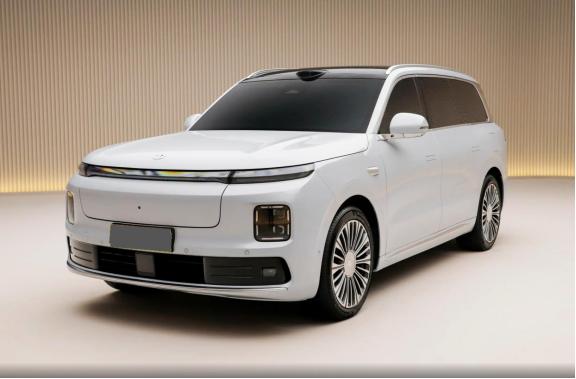
In the high - end market, consumers are not just buying a car but a comprehensive experience of brand, technology, service, and identity recognition. For brands that have broken through the market with cost - effectiveness in the early stage of competition, how to reshape this mental perception is the most difficult hurdle to cross in the process of high - end positioning.
The Tension in Product Logic: Cost - Based Pricing Meets High - End Narrative
Another challenge for Leapmotor's upward breakthrough comes from its consistent product logic.
The company has always emphasized "cost - driven pricing," compressing manufacturing costs through large - scale production and self - research capabilities to provide users with higher - configured products at more attractive prices. This model has been repeatedly verified in the mainstream market, but in the high - end niche market, its marginal effect is changing.
In the higher - price range, consumers' judgment of "value" does not increase linearly with the improvement of configuration. Stacking configurations does not automatically translate into brand premium. Technological leadership, system experience, and long - term service capabilities often become more important factors in consumers' purchasing decisions.
Meanwhile, in key technological fields such as intelligent driving, Leapmotor is still in the chasing stage. Although the company has clearly increased its investment in relevant fields, in the high - end market, any lag in the technological rhythm may be quickly magnified, thereby affecting consumers' confidence.
Amidst the Red Ocean: The High - End Market Is Not Short of Competitors
From an industry perspective, the 250,000 - 300,000 - yuan price range has long been one of the most fiercely competitive battlefields for new - energy automakers. Brands such as Tesla, Li Auto, NIO, and AITO have completed their high - end positioning through different paths and established relatively stable user groups.
In contrast, Leapmotor has chosen a "bottom - up" climbing path - first accumulating scale in the mass market and then breaking through the brand ceiling upwards. There have been successful precedents for this path, but historical experience shows that it is often more difficult and uncertain.
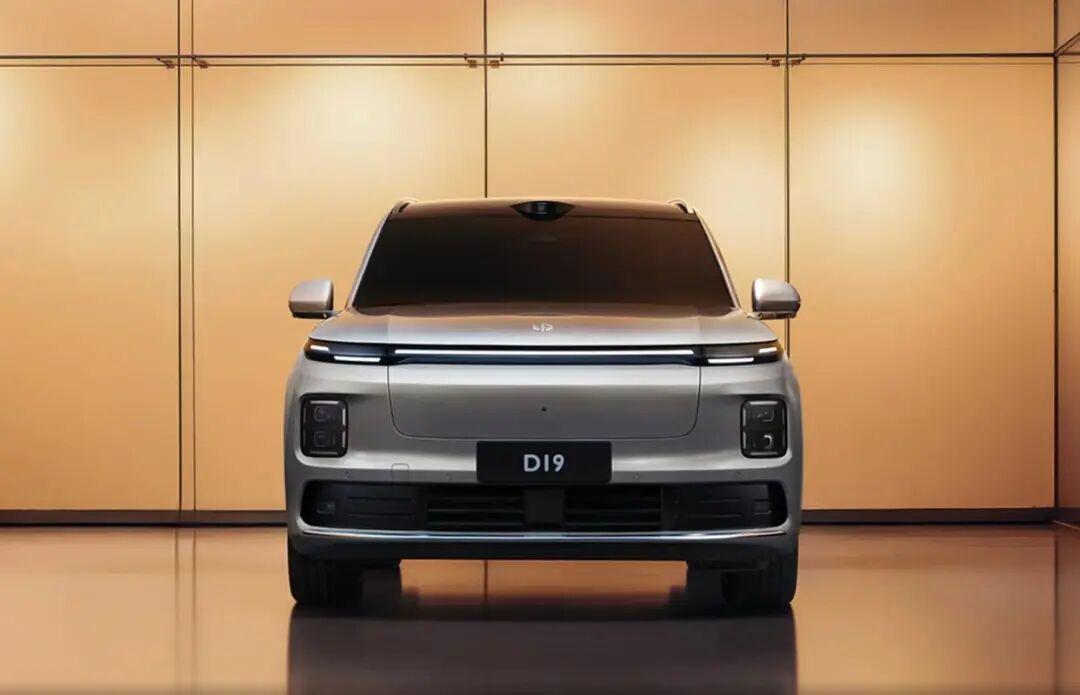
The competitive logic of Leapmotor's D - series, which aims to "compete with higher - priced models with greater value," is essentially a re - education of brand perception. The impact on users will be reflected in many aspects such as experience and service, and its complexity is far higher than a simple product launch.
The Stress Test of System Capabilities: From 600,000 to One Million
Moving from nearly 600,000 to one million vehicles means achieving nearly 70% scale expansion in a relatively short period. This is not only a matter of market capacity but also a comprehensive stress test of the company's system capabilities.
At the channel level, Leapmotor needs to build service standards that better meet the expectations of high - end users on the basis of the existing distribution system; at the supply - chain level, the continuous supply of core components and battery resources will directly determine the delivery capacity and product - quality stability; at the organizational level, high - end positioning means a higher density of talents and greater management complexity.
Any mistake or oversight in any link may evolve into a systematic risk that endangers the company's development during the scale - up process.
Balancing Profitability, Globalization, and Patience
While aiming for one million sales, Leapmotor has not avoided the profit target. How to maintain a dynamic balance among price competition, high - end investment, and gross margin will directly test the company's financial and strategic determination.
In terms of globalization, Leapmotor is accelerating its overseas layout by leveraging the channels and resources of international automaker groups. However, the overseas market usually prioritizes scale over profit in the initial stage, which means the company needs stronger financial endurance and a longer return cycle.
Zhu Jiangming has always emphasized engineering efficiency and return on investment. This pragmatic style has helped Leapmotor survive the overall trough of the industry. However, in the new stage of high - end positioning and globalization, the market may need to see the company show more patience in long - term investment.
When lidar, 800V platforms, and high - performance chips are installed in 300,000 - yuan - level vehicles, Leapmotor has taken a crucial step upwards. But the real test still comes from the invisible brand - value line in consumers' minds.
The "one - million - unit milestone" in 2026 is not only Leapmotor's strategic goal but may also become an important example for Chinese new - energy automakers to break through collectively. The final answer may not only concern Leapmotor but also a larger proposition: When cost - effectiveness reaches its peak, how can Chinese brands achieve the next value leap?
This article is from the WeChat official account "Caiguan Erjie." Author: Erjie. Republished by 36Kr with permission.