Xiaomi Auto Ends the Year with 410,000 Units Sold and Achieves First Profit. Lei Jun Sets a Goal of 550,000 Units. Four New Models to Bombard the Extended-Range Market
Lei Jun's "genuine nature" has never been just an empty label.
During the New Year live broadcast on January 3rd, he didn't make the all - around display of the Xiaomi YU7 the sole focus. Instead, he proactively brought up controversial topics that had been hotly debated across the internet, such as "fine - print marketing", "only one charge for 1300 kilometers", and "closing the comment section", and directly responded to them. Facing malicious rumors, he angrily refuted them on the spot without mercy; when it came to "fine - print marketing", he didn't offer the slightest excuse and simply said, "This problem really needs to be fixed", clearly showing his honesty.
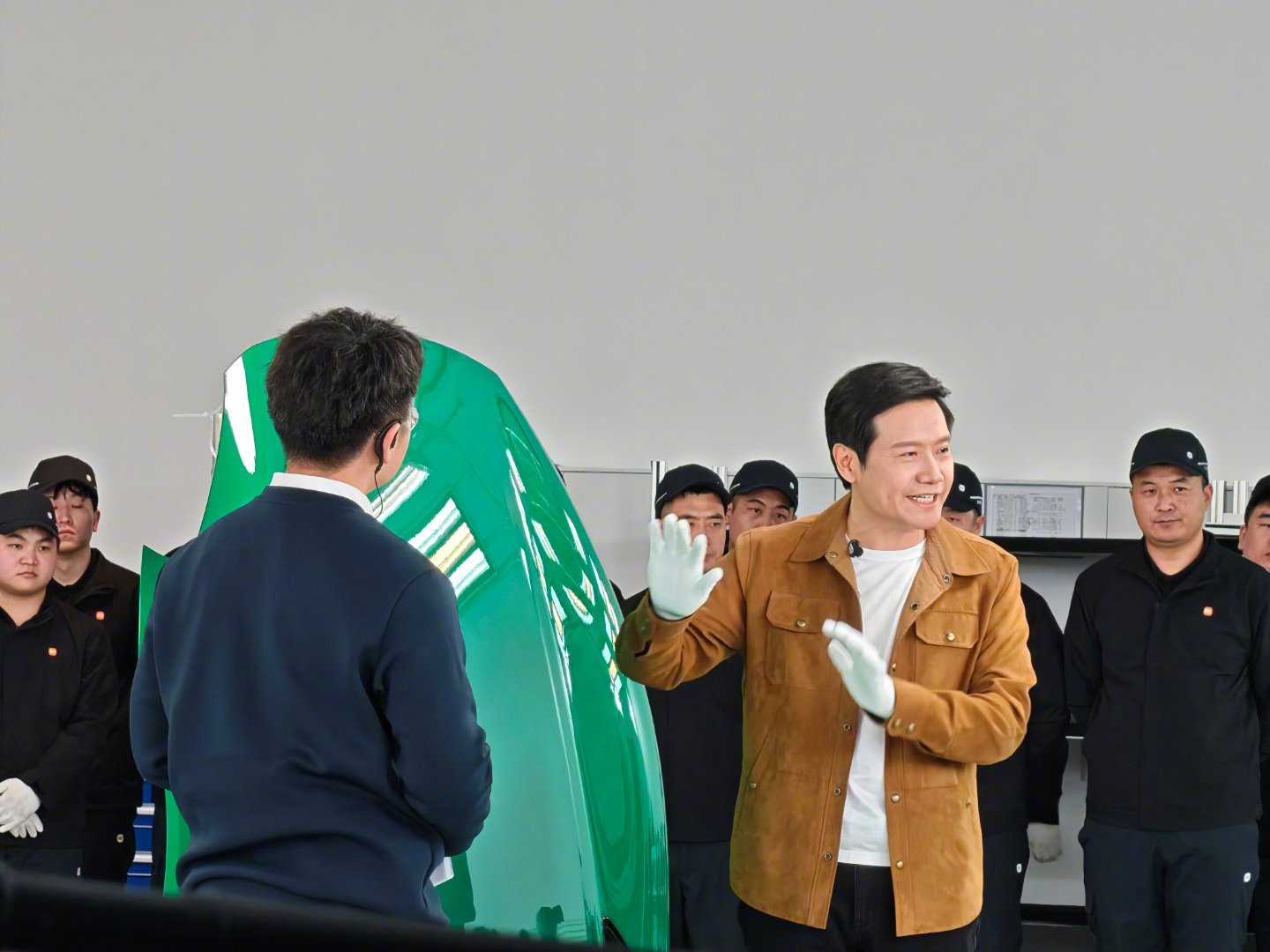
Image source: Weibo @Lei Jun
Looking back at the past year of 2025, Xiaomi Auto moved forward amidst continuous market doubts. As Lei Jun said, "The overwhelming public opinion left us a bit dazed." Fortunately, this pressure didn't become a stumbling block. Instead, it achieved a bumper performance in terms of sales.
Starting from setting a delivery target of 300,000 vehicles at the beginning of the year, and then raising it to 350,000 vehicles in the middle of the year due to better - than - expected market performance, Xiaomi Auto finally exceeded the target with an actual delivery volume of 410,000 vehicles. The performance of its core models was also remarkable: The Xiaomi SU7 ranked first in the cumulative sales of sedans priced over 200,000 yuan in the past 12 months (as of November 2025); the Xiaomi YU7, which had been on the market for only half a year, achieved over 150,000 deliveries, becoming the key to driving sales growth; the Xiaomi SU7 Ultra reached the delivery target of 10,000 vehicles in less than half a year after its launch.
More significantly, Xiaomi's Q3 financial report clearly showed that innovative businesses such as smart electric vehicles and AI achieved single - quarter profitability for the first time.
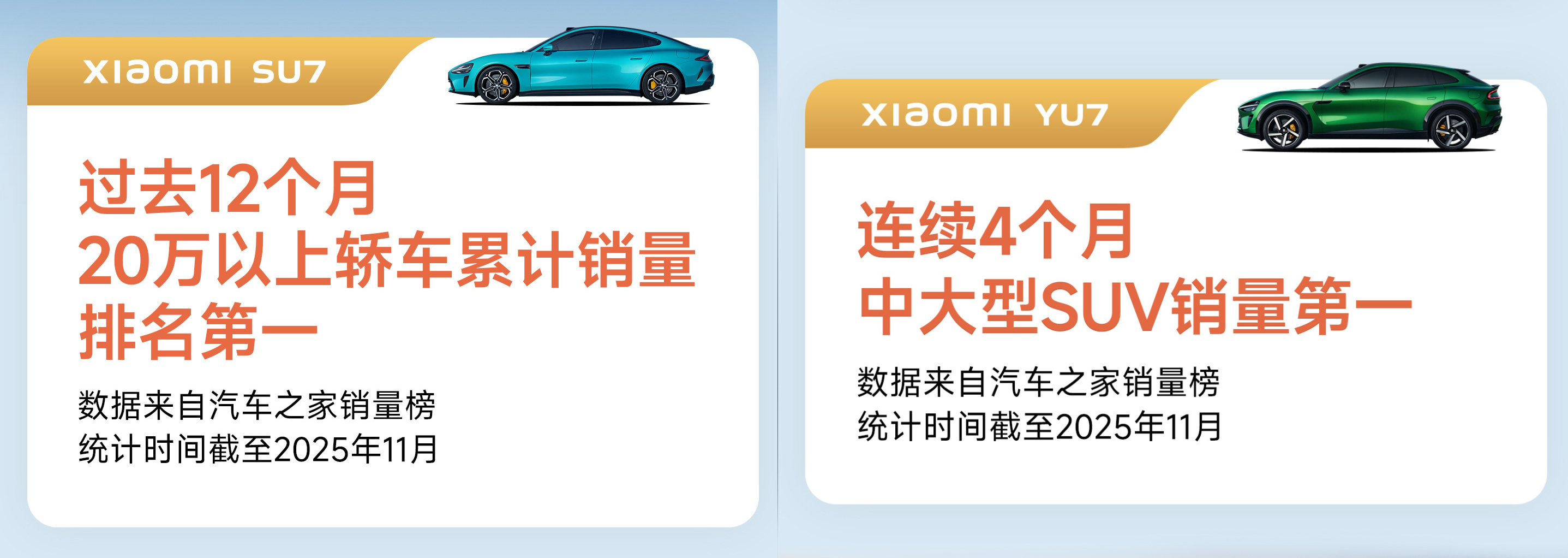
Image source: Weibo @Xiaomi Auto
With such a remarkable performance in both sales and profitability, Lei Jun, taking the opportunity of the New Year live broadcast, set his sights firmly on the new year.
Double - wheel drive of technology and AI: Sell 140,000 more vehicles this year!
Lei Jun clearly announced in the live broadcast that "in the next five years, we will invest at least 200 billion yuan in R & D", which means an average annual investment of 40 billion yuan.
This huge investment is mainly concentrated in two directions. One is to thoroughly explore core technologies, such as key areas like batteries, electric drives, and intelligent driving that directly affect the vehicle's hard power; the other is to focus on generative AI large - scale models.
There's no need to elaborate on the former, as it is the foundation for an automobile enterprise, directly related to the product's performance baseline and market competitiveness; the latter is the key to upgrading the product's intelligent experience. With generative AI large - scale models, vehicle interaction will be more user - friendly and considerate, and the learning ability will be stronger, truly taking the overall intelligent experience to the next level.
Lei Jun put it quite straightforwardly: "Xiaomi will adhere to using AI technology and concepts to're - do all the internal businesses that have been carried out', achieve full AI empowerment, and strive to create an 'all - in - one ecosystem of people, vehicles, and homes' for an ultimate experience."
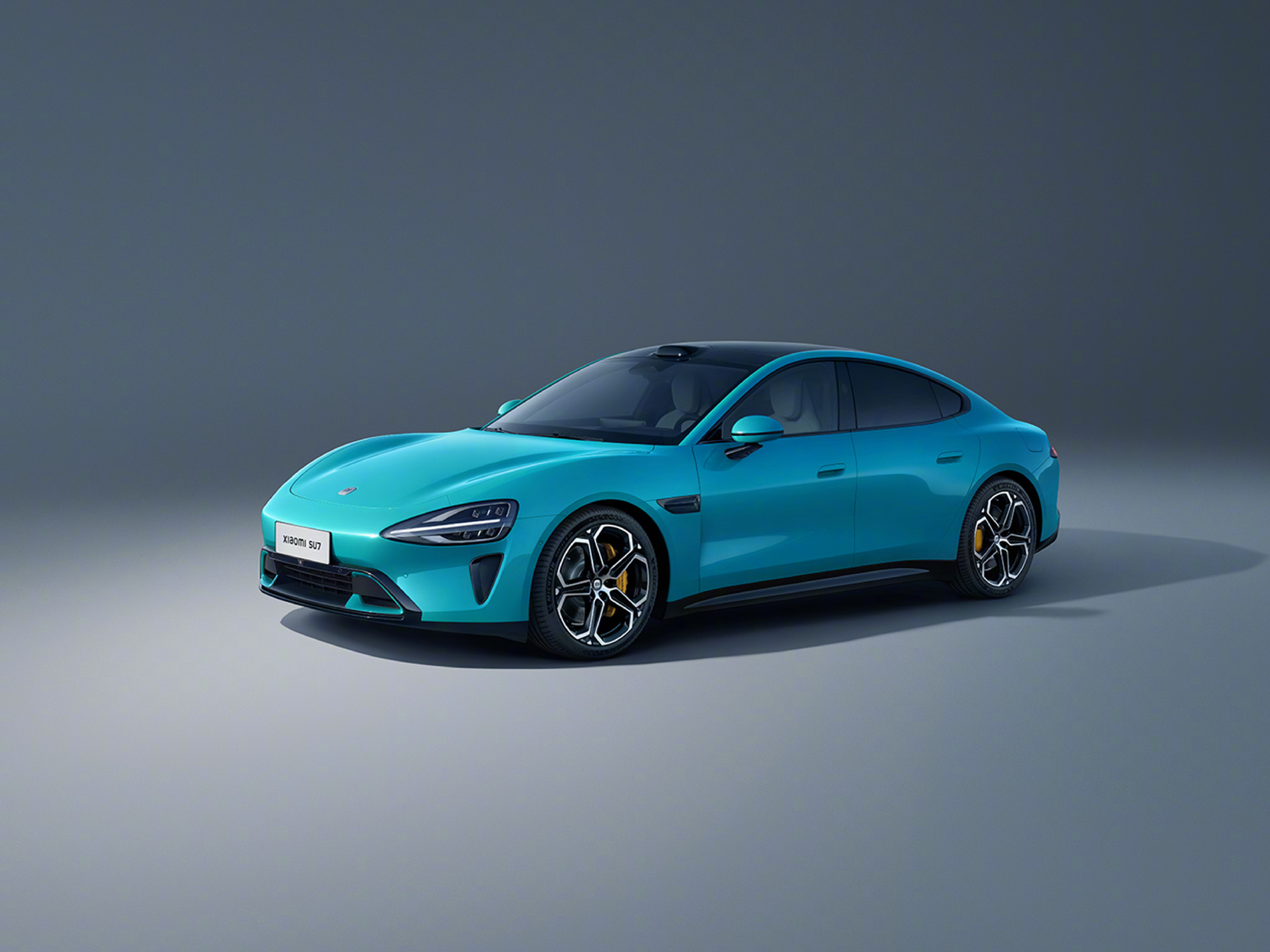
Image source: Xiaomi Auto official
The development of the industry in the past few years has fully demonstrated that whether it's intelligent driving or intelligent cockpits, they all rely on the computing power support and learning ability of AI large - scale models. In the field of automobile manufacturing today, AI is increasingly regarded as a core weapon by more and more automobile enterprises, penetrating every key link from R & D design, production and manufacturing to the end - user experience.
Take Geely, one of the most proactive automobile enterprises in embracing AI, for example. It released the industry's first "full - domain AI for intelligent vehicles" technology system, integrating AI throughout the entire chain of automobile R & D, production, and use: The GEA architecture, 3.0 electronic and electrical architecture, and automotive - grade chips all incorporate AI technology, and it also created an AI digital chassis, enabling better coordination between chassis control, intelligent driving, and the power system; the AI simulation test system introduced in the R & D stage can simulate thousands of extreme scenarios in chassis tuning, collision safety, etc., directly shortening the test cycle by more than 40%.
Coincidentally, Zhang Xinghai, the chairman of Seres Group, directly pointed out the core of the industry: "AI is not an optional question but a mandatory one!" The "Seres Industrial Brain" driven by AI not only increased R & D efficiency by 20% but also improved the on - time delivery rate of orders by 13%.
The AI empowerment in the entire automobile manufacturing process has completely subverted the inefficient traditional automobile manufacturing model and made AI a necessary option for automobile enterprises to reduce costs, increase efficiency, and build core competitiveness. This is also one of the key reasons why Lei Jun is willing to make a large - scale investment.
Nowadays, the competition in the global automobile market is no longer about power performance or space configuration. Instead, it's about intelligent experience, and AI is the core battlefield of this competition. More importantly, AI technology is reshaping the entire automobile manufacturing industry ecosystem: from AI chips and sensors in the upstream, to vehicle design and manufacturing in the middle, and then to intelligent mobility services in the downstream, a new industrial chain centered around AI has taken shape.
Under this general trend of industry transformation, Xiaomi Auto's R & D investment of 200 billion yuan in the next five years not only accurately recognizes the strategic value of AI but also is an inevitable choice following the trend of industrial upgrading.
When it comes to the delivery target for 2026, Lei Jun even set a goal of 550,000 vehicles. Compared with the delivery volume of 410,000 vehicles in 2025, it means selling 140,000 more vehicles.
However, to achieve this incremental target of 140,000 vehicles, technical confidence alone is not enough. The technology also needs to be implemented, and the core support lies in the four high - profile new products that will be launched intensively this year.
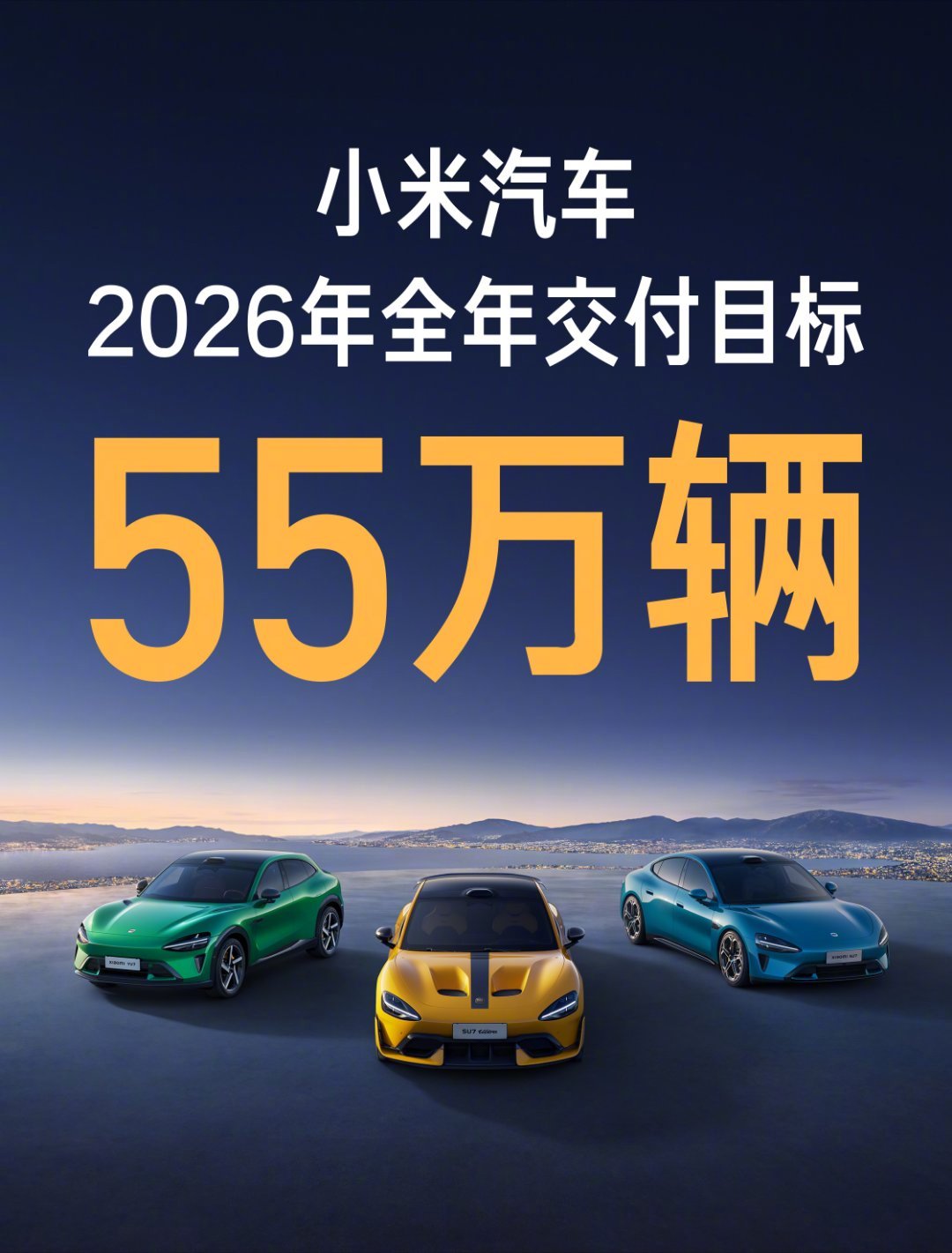
Image source: Weibo @Lei Jun
Four new cars are coming: Xiaomi is about to enter the extended - range vehicle market!
According to a report by 36Kr Auto, Xiaomi Auto plans to launch four new cars this year, including the new Xiaomi SU7, the Xiaomi SU7 Executive Edition, and an extended - range five - seat SUV and an extended - range seven - seat SUV.
The arrival of the new Xiaomi SU7 is not surprising. Previously, Electric Vehicle News verified with Xiaomi Auto sales staff and learned that the new car is likely to be launched in March or April this year, which coincides with Xiaomi's rhythm of spring new product launches in previous years.
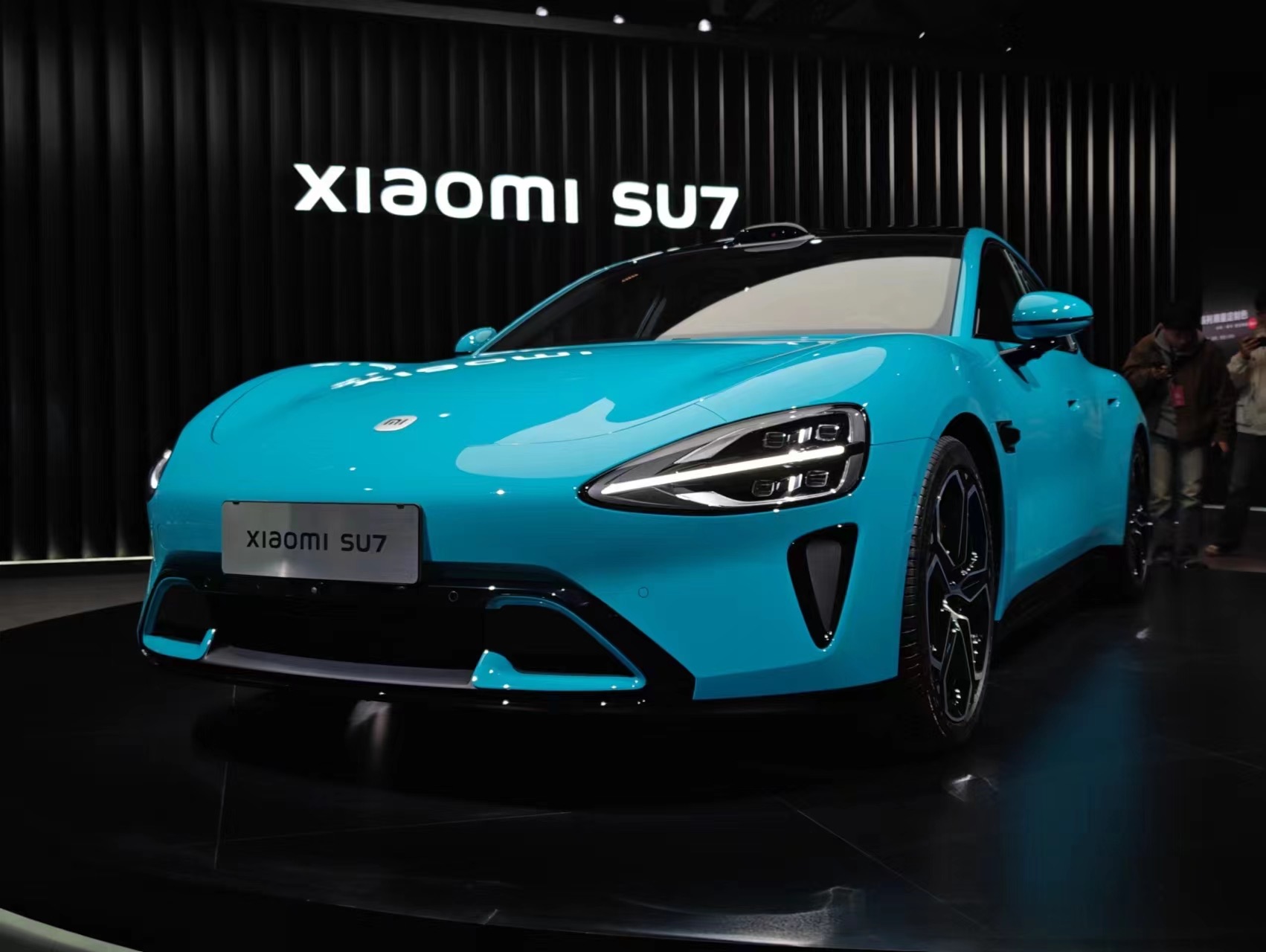
Image source: Filmed by Electric Vehicle News
In contrast, the other three new cars have more highlights.
Spy photos of the Xiaomi SU7 Executive Edition have been exposed. Compared with the current Xiaomi SU7, the most significant change in this car is the extended wheelbase. To match its "Executive Edition" status, the rear - seat space of the new car will be further improved, and it is very likely to be equipped with high - end features such as zero - gravity seats and rear - seat entertainment screens. Of course, after the size upgrade, it is highly probable that a larger - capacity battery pack can be installed, and the cruising range is expected to increase significantly.
Xiaomi's plan to launch extended - range SUVs has long been an open secret in the industry. However, what surprised Electric Vehicle News was that Xiaomi would launch two new extended - range SUVs at once this year.
Among them, spy photos of the test vehicle of the seven - seat extended - range SUV have been exposed. This car is quite large, with an expected length of over 5.2 meters. It is expected to compete with large - scale SUVs such as the Wenjie M9 and the Li L9 and is very likely to be Xiaomi Auto's flagship SUV.
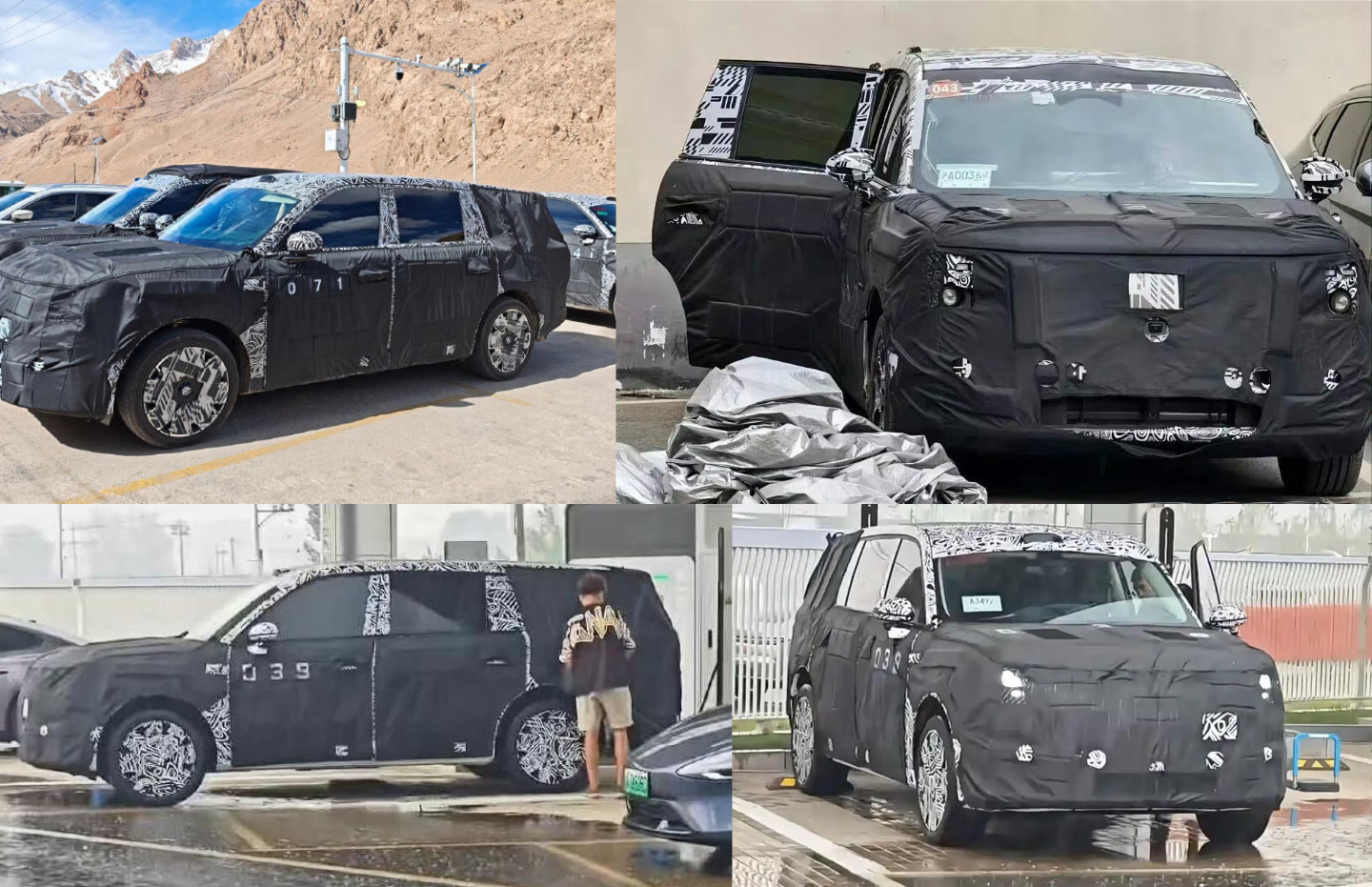
Image source: Weibo
As for the five - seat extended - range SUV, although there isn't much definite information at present, it can be inferred that its positioning is slightly lower than that of the seven - seat version, similar to the Wenjie M8 and the Denza N8L. Its core competitiveness will probably focus on two dimensions: "cost - effectiveness" and "practicality", aiming to attract family users who value practicality.
Currently, the market popularity of large - size SUVs continues to rise. Xiaomi's decision to launch two extended - range SUVs at once clearly targets the high - end family - use market, aiming to firmly establish a foothold in this highly competitive market.
The popularity of models such as the Li L series and the Wenjie M series has long revealed the core demand of this niche market: What users want is not just a "drivable car" but a "mobile space convenient for the whole family".
You know, large - scale SUVs are extremely competitive in the "experience battle": The five - seat version of the Wenjie M9 offers customized storage boxes, limiters and other configurations to precisely meet users' outdoor activity scenarios, and the new NIO ES8 can transform the trunk into a "mobile cloakroom" in an instant, with great attention to details.
However, this approach of "meticulously meeting users' daily needs" is exactly what Xiaomi is good at.
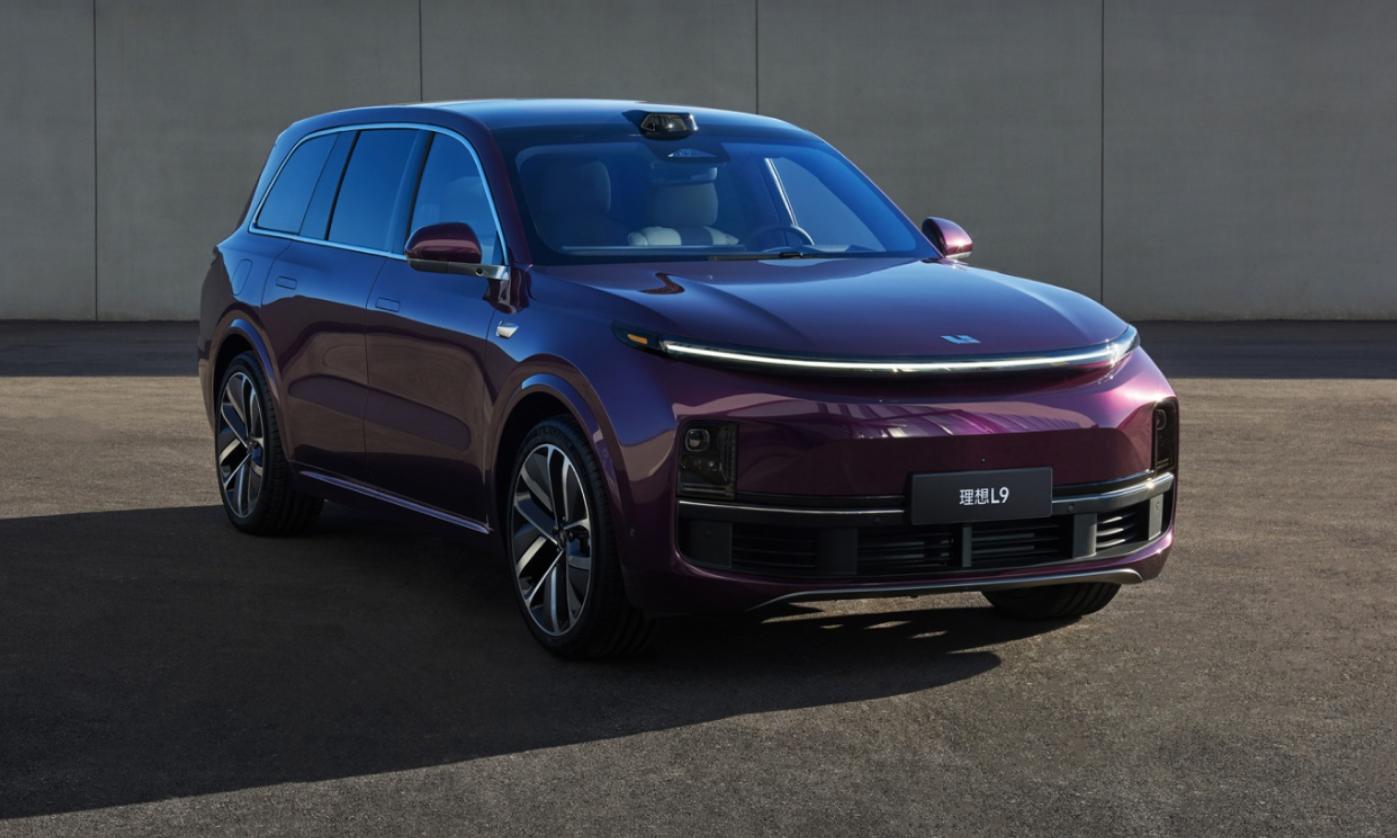
Image source: Li Auto official
Although the Xiaomi SU7 and the Xiaomi YU7 are mainly focused on sports and performance, don't forget that Xiaomi has a huge ecosystem and a mature supply chain. Small items such as phone holders, car sunshades, customized headrests, and flashlight storage boxes that are suitable for daily use can be easily incorporated into the new cars. Moreover, relying on the advantage of the "all - in - one ecosystem of people, vehicles, and homes", it can connect the in - car experience with smart home devices, which many competitors can't match.
Electric Vehicle News even believes that the market popularity of Xiaomi's two extended - range SUVs may be higher than that of the Xiaomi SU7 and the Xiaomi YU7, which are performance - oriented products.
From the target incremental volume of 140,000 vehicles, it can be seen that Xiaomi Auto is not only confident in the upcoming "experience battle" but also has full confidence in its production capacity. After all, to support such a large incremental volume, both product strength and delivery ability are indispensable.
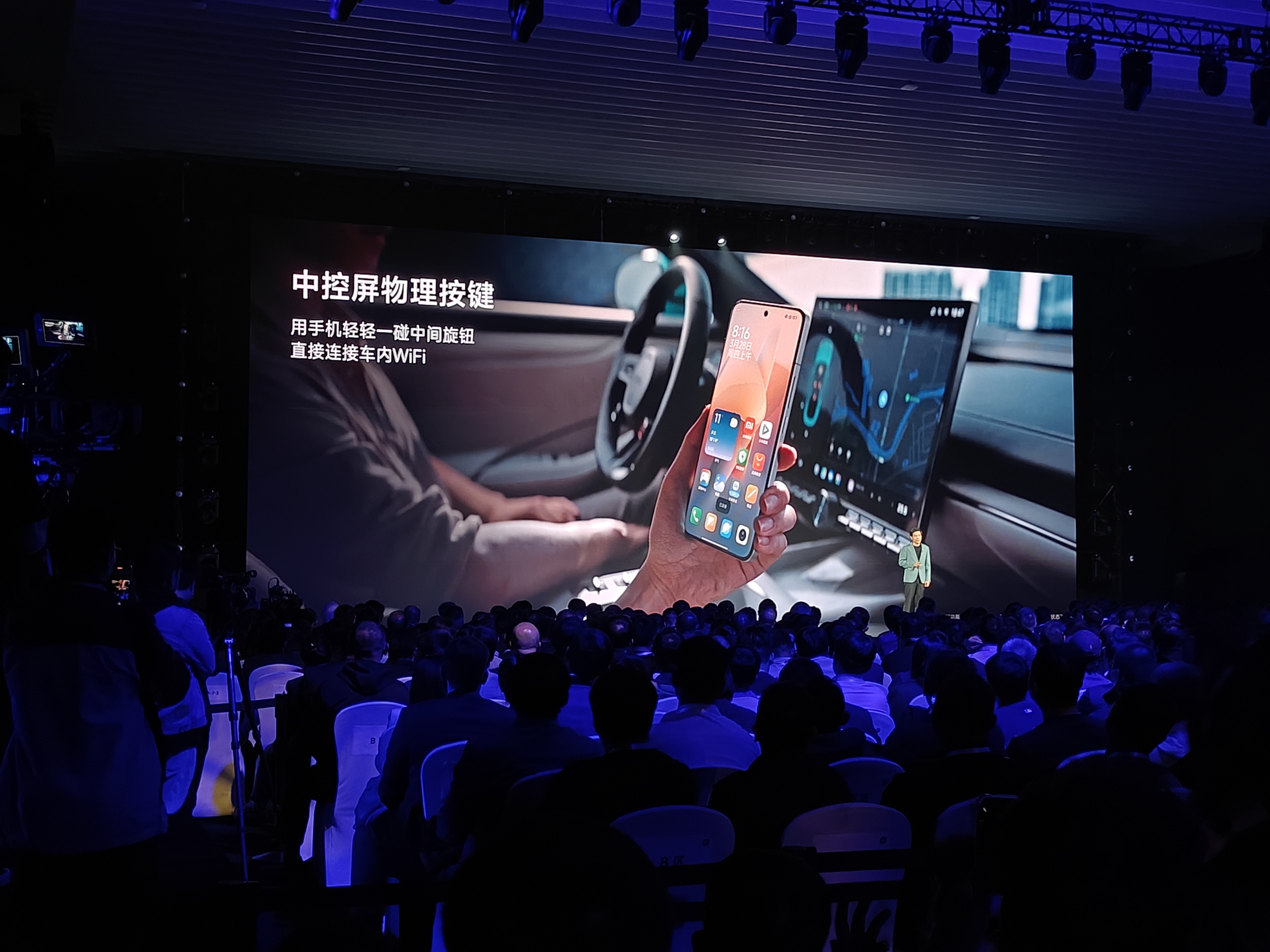
Image source: Filmed by Electric Vehicle News
Currently, after the merger of Xiaomi Auto's first - and second - phase factories, the annual basic production capacity has reached 300,000 vehicles. If the double - shift production mode is adopted, the actual annual production capacity is likely to reach 450,000 vehicles, which can fully meet the current market delivery demand. More importantly, in June 2025, Xiaomi Auto won the land for its third factory, and it is expected to be officially put into production this year, which will further increase the total production capacity.
With sufficient production capacity as a guarantee, Xiaomi's product offensive will have a significant impact on the industry. Especially for new - energy vehicle brands such as Li Auto, Wenjie, and LeDao, which mainly rely on large - size SUVs for sales, they are likely to face direct and fierce competition. After all, Xiaomi is good at leveraging its ecological advantages, cost - effectiveness strategy, and accurate understanding of user needs in the highly competitive high - end family - use market.
The large - scale SUV market is destined to undergo a new round of reshuffle.
Both hardships and blessings are gifts from heaven
In 2025, Xiaomi Auto had both achievements and controversies.
"Both hardships and blessings are gifts from heaven." Just as Lei Jun showed his honesty in the live broadcast, whether it was the remarkable achievements of exceeding the delivery target and achieving profitability for the first time, or the controversies such as "fine - print marketing" and "closing the comment section", they all became nutrients for the rapid growth of this automobile enterprise.
More importantly, Xiaomi Auto's R & D investment of 200 billion yuan in the next five years, along with the intensive launch of a full - range of products this year, indicates that this automobile enterprise is not only pursuing short - term sales but also preparing for long - term development.
However, it should be noted that NIO and XPeng have already established a foothold in the overseas market and made substantial progress