Why do domestic mobile phones also use "foreign names"? There's actually some knowledge behind this.
On January 1, 2026, the newly revised "Law of the People's Republic of China on the Standard Spoken and Written Chinese Language" is about to come into effect. One of the most anticipated clauses is the first addition of "Online publications such as online games should use the standard spoken and written Chinese language (i.e., Mandarin and standardized Chinese characters) as the basic language and characters."

What does this mean? Let's take the simplest and most direct example. Currently, in most "Chinese-version games," it's basically impossible to see commonly used foreign words. Even if a game previously had foreign-language interface elements or was mainly designed in a foreign language, it has often been "localized" and now uses 100% Chinese characters for description.
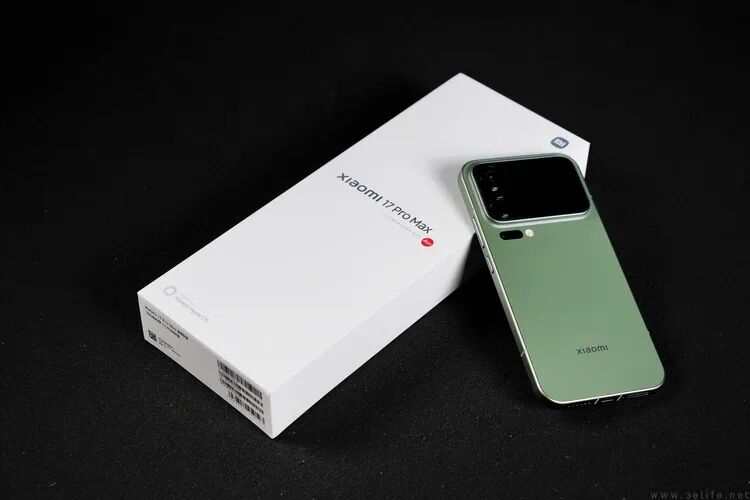
However, in the smartphone field, we often see many English product names. Whether they are overseas brands or genuine "domestic phones," manufacturers seem to prefer using English for naming. Some brands even use English names for their entire series and all product lines. More commonly, there are various "English suffixes," such as Plus, Pro, Max, Ultra, Power, Turbo, Energy, etc.
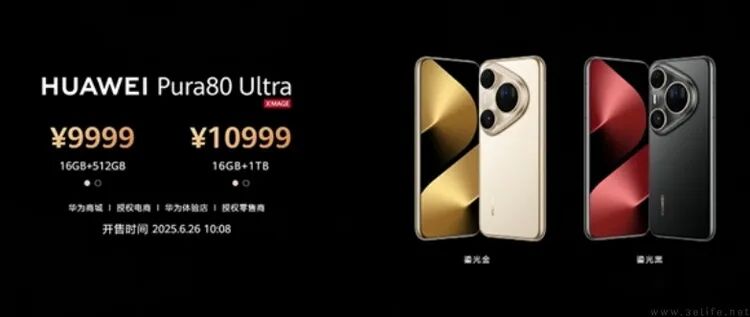
So, why are these "foreign names" so popular in the mobile phone industry? What do they mean respectively, and is there a certain "recognized" rule? Today, we at 3eLife will discuss this topic.
From "Cut-down Version" to "Flagship," There Are Many Tricks in Common Product Names
First of all, these "English words" in smartphone naming can basically be classified into three major categories. The first category consists of words that mainly describe the product's grade. Their function is to tell consumers whether this model belongs to the "low-end," "enhanced version," or the truly fully-equipped "big flagship" in the entire product line.

Here are some common examples in this category.
Lite: It was originally an informal spelling of the English word "Light" and now usually means "lightweight" or "simplified." However, in the smartphone industry, when the suffix "Lite" appears in a product name, in most cases, it doesn't actually mean that the model is a "cut-down version." In fact, most products with the "Lite" label only look like higher-end models in appearance, but their actual configurations are much lower, and they may not even deserve the concept of "simplified."
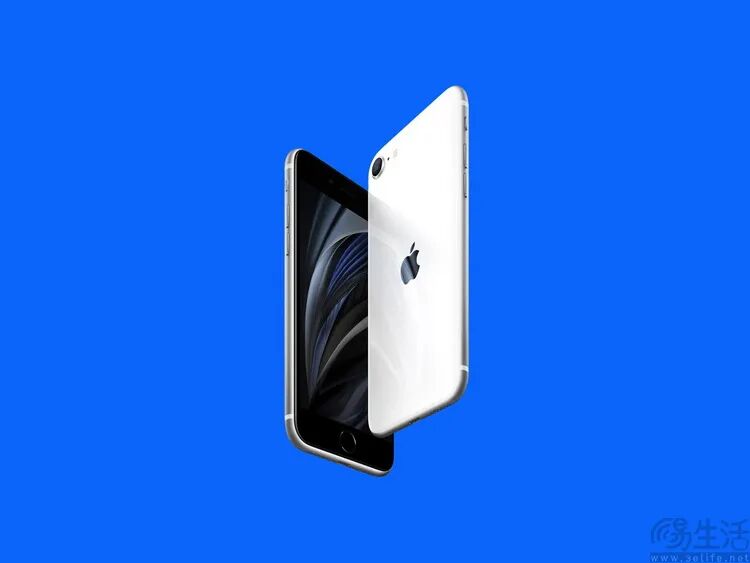
The iPhone SE, perhaps the most well-known "SE" phone
SE: In the smartphone industry, the suffix SE usually stands for "Standard Edition." However, as we all know, the model name without a suffix is usually the real "standard edition," while "SE" in most cases means a "streamlined version" or "functionally cut-down version" below the standard edition.

E: That is "Entry," which means the entry-level model. But like SE, in practice, it generally doesn't refer to the "standard configuration version" either. Instead, it's a term for a "simplified and cut-down version" lower than the standard configuration.
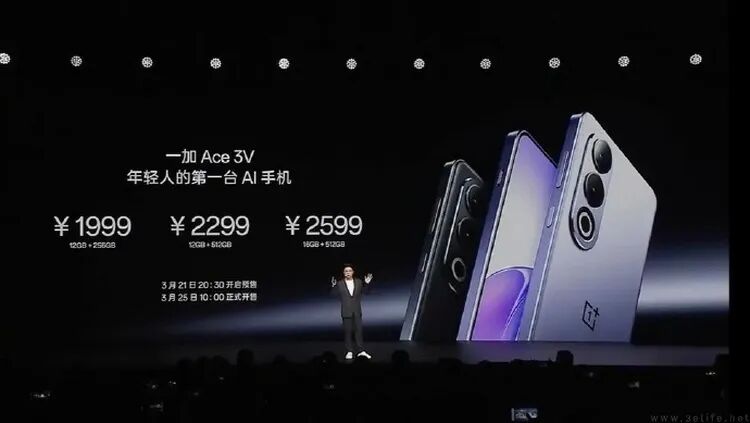
V: The original meaning of "Value" is "value." Now in the mobile phone industry, it can be translated as "value-for-money version." Obviously, this is also a slightly nicer way to refer to a cut-down version. It's worth mentioning that it's usually abbreviated as "V" and used as a suffix for the product model.
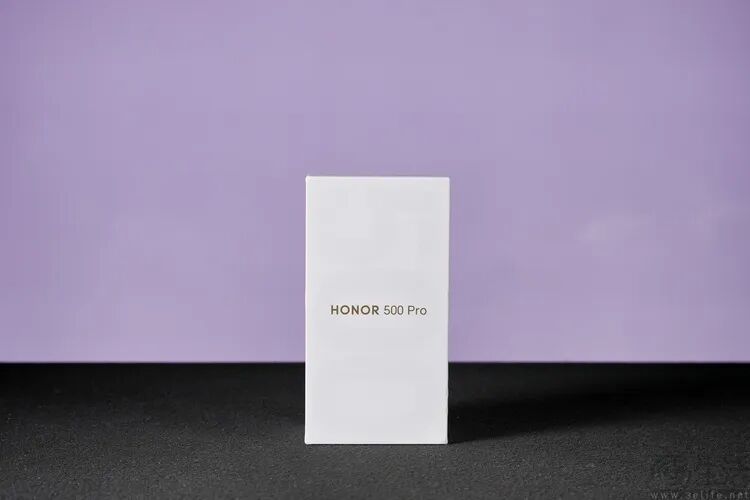
Pro: Professional, that is, the "professional version," and it may be the most common "English word" element in the mobile phone industry. In principle, the Pro version usually represents a version in the same generation of the product line that has a higher overall configuration than the "standard edition" and is positioned more "professionally" and "hardcore." For example, the Pro version of the iPhone obviously focuses more on imaging capabilities. However, most other manufacturers just use it as a term for a "higher level than the standard edition" and don't necessarily include a "professional-oriented" function description.

Ultra: Its original meaning is "superior" or "beyond the ordinary." Interestingly, from a pure semantic perspective, Ultra is not actually considered to mean "the most extreme" in English. In the context of the consumer electronics industry, its comparative level is usually considered to be below Extreme and Ultimate. Perhaps because the word "Ultra" is relatively short and more suitable as an easy-to-remember product name element, it is now often used by mobile phone manufacturers as the "exclusive suffix" for their highest-end flagship products.
Small Screen, Ultra-thin, or Extra-large Screen? You Can Tell from the Name
After talking about the names that indicate the product "level," let's take a look at the second major category. These words are usually used as suffixes in product names, and their function is to describe the form and size characteristics. The following are some typical examples.
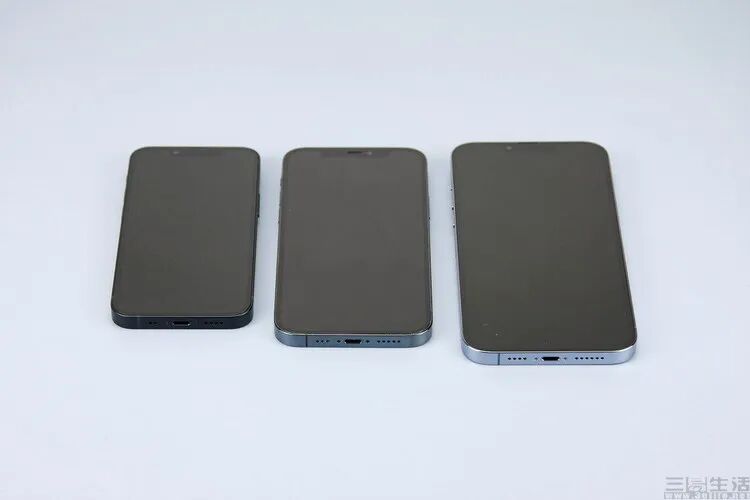
mini: That is, "mini." Obviously, this is a common product suffix for various small-screen devices. Although the standard for what is considered a "small screen" varies over time, devices with "mini" in their names are always smaller than the common standards on the market at the same time.

Air: Its original meaning is "air." But in the digital product circle, it is usually used as a naming element for products that focus on being lightweight and thin.

The Plus version of the iPhone can be said to be a very straightforward interpretation of this word: larger in size but without enhanced functions
Plus: It's the mathematical symbol for "plus." In the smartphone industry, the "Plus" version of a model usually only refers to a "large-screen standard edition" with an increased size (and battery) but no stronger imaging or performance than the standard edition. Of course, if "Plus" is used as a suffix after Pro, it may become a more "professional" product that is "more Pro than Pro."

Max: Like Lite, Max is also an abbreviation. Its "full form" is Maximum, which means "the largest." Generally speaking, when it appears in a smartphone product name, the model is definitely a "large-screen" or even a "giant-screen" device.
Large Battery, Three-proof, Foldable Screen, There Are Corresponding Words for Functional Features
Finally, there is another category of "English words." They neither indicate the "price" of the product nor describe its size. Instead, they focus on reflecting certain specific functional orientations. For example, the following ones.
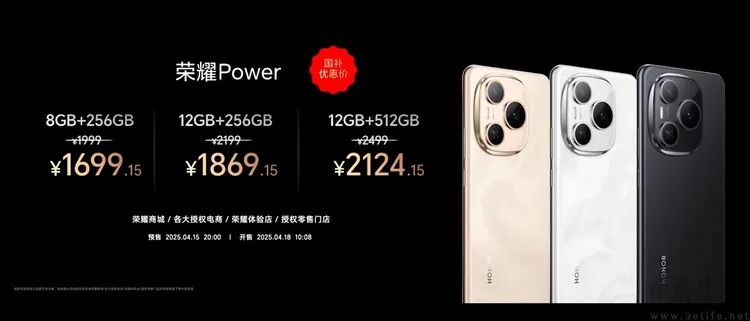
Power: Its original meaning is "power." However, when it appears in a mobile phone's name, in most cases, it only means that the model has a large-capacity battery and doesn't mean that its performance (computing power) is very strong. A similar example is "Energy." After all, if a model has "I have a large battery" written in its name, there's not much hope for it to have other selling points.
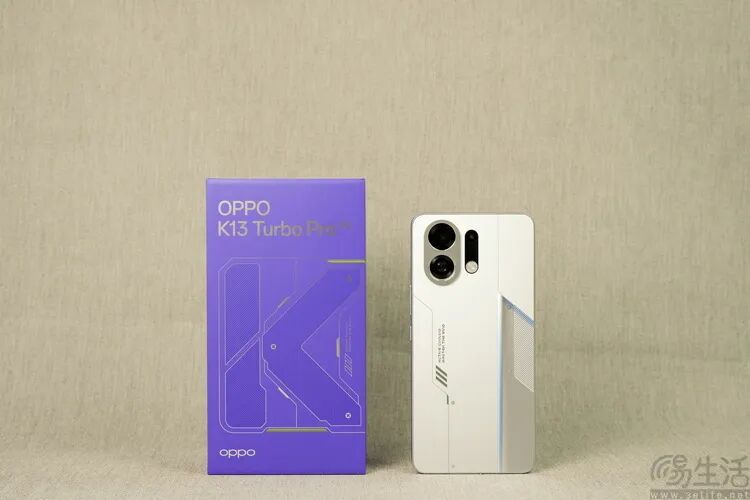
T: Turbo. Its original meaning refers to a car's turbocharger, but in the consumer electronics industry, it often means a "performance-enhanced version." It should be noted that Turbo and Pro are not in conflict. Because Pro is often a "higher-end model than the standard edition in the same generation," while Turbo is often used for a "semi-generation enhanced version that focuses on performance upgrades." Therefore, expressions such as XX Turbo Pro (or abbreviated as T Pro) may appear.
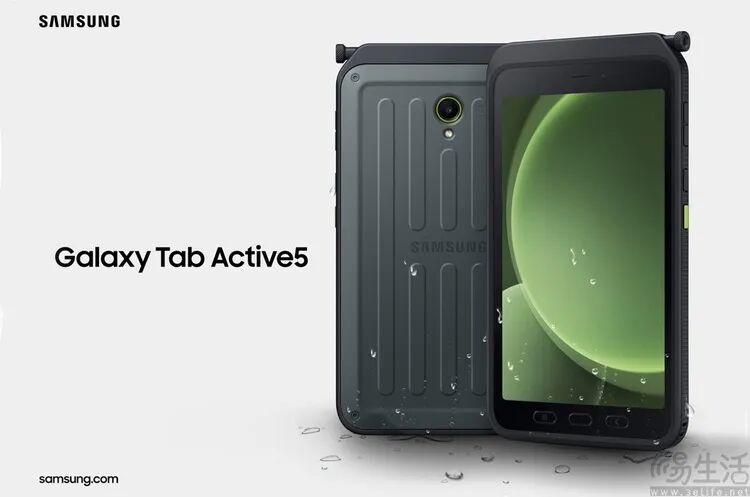
Active: Its original meaning is "active" or "dynamic." So, what kind of models would fit this word? That's right, it's basically exclusive to those "hardcore three-proof phones." These models are usually equipped with a very thick rubber buffer shell, and all interfaces are protected by waterproof plugs. Therefore, even though most mainstream models today can achieve a certain degree of waterproofing, phones and tablets with "Active" in their names are still more trusted by professionals.
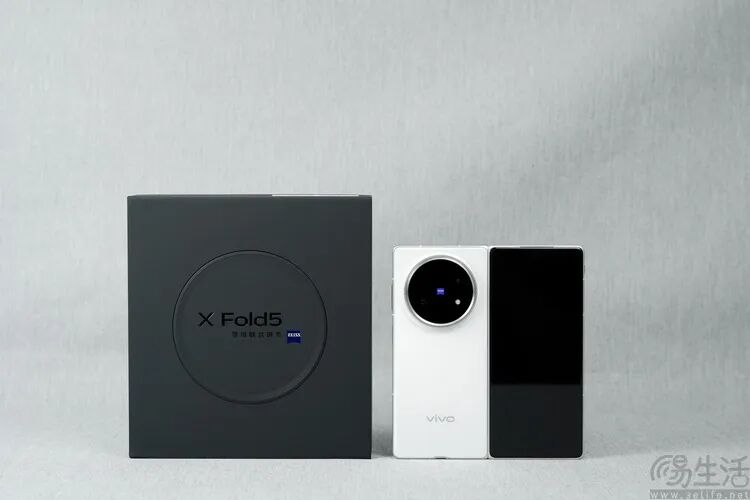
Fold: I'm sure you're not unfamiliar with this. Its meaning is the same as the most prominent feature of the models that use this suffix, which is "foldable." It's worth mentioning that Fold usually specifically refers to the "large fold" that opens left and right. For the "small fold" that opens up and down, their exclusive name is "Flip," which means "flip." It's also a very appropriate summary of the "small fold" in terms of its shape, paying tribute to the early flip phones.
Why Are There So Many "English Words" in Mobile Phone Names? It's Due to Both Long-term Inheritance and Competition Factors
After summarizing so much, there's still one last question to answer. That is, why do we see so many "English words" in smartphone product names in the smartphone market?
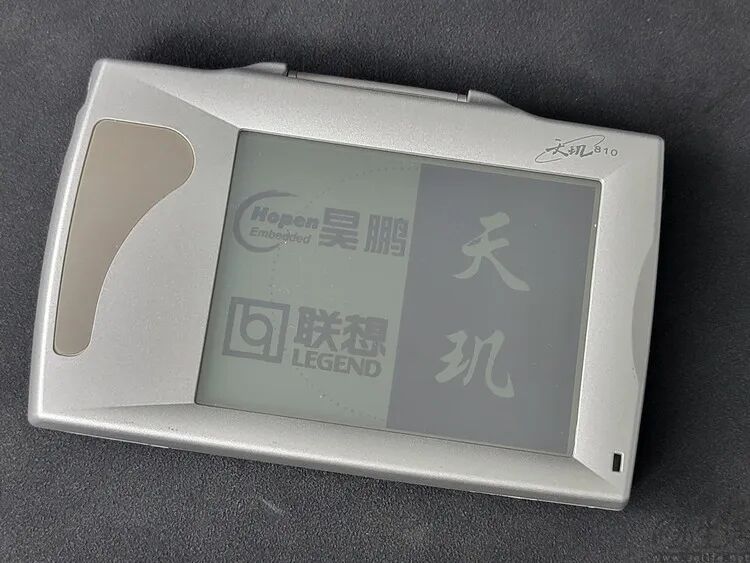
The history of Chinese enterprises participating in the global market competition may be much