Amid the cheers of record-breaking sales, automakers will brace for an even more brutal 2026.
In the howling cold wind, the auto market in December has also entered its own winter.
According to data from the China Automobile Dealers Association, from December 1st to 28th, the retail sales of the national passenger car market reached 1.928 million units, a 17% year-on-year decrease compared to the same period in December last year and a 3% decrease compared to the same period last month.
The smoke of negative growth lingers in the air, but car companies involved are exerting all their efforts to find growth points.
NIO delivered 48,000 vehicles in December, setting a new historical high. Among them, 46% of the deliveries came from the new ES8. The new ES8 is undoubtedly the "hero" of NIO.
XPENG and Xiaomi are steadily climbing, both achieving year-on-year and month-on-month increases. XPENG delivered 37,000 vehicles in December, and Xiaomi delivered over 50,000 vehicles.
Li Auto's monthly delivery volume climbed from 30,000 units in November to 40,000 units. This is due to Li Auto's active adjustment of production capacity. It is reported that the power battery of Li Auto i6 adopts a dual-supplier model to ensure delivery.
Leapmotor's delivery volume in December remained stable at the level of 60,000 units.
However, the biggest winner is still Hongmeng Zhixing. With an average transaction price of 390,000 yuan, Hongmeng Zhixing is hardly affected by subsidies. In December, it broke the delivery record, achieving a good result of nearly 90,000 units and ranking first among new forces.

Source: Chart by Future Auto Daily
Looking at traditional car companies again. BYD's result of 420,000 units firmly holds the sales championship, but it declined by 12% month-on-month and 18% year-on-year. However, it is worth mentioning that BYD's overseas performance this year is particularly eye-catching. According to Yiche data, from January to November this year, BYD's cumulative exports reached 878,000 units, a year-on-year surge of 144%.
BYD, which is "gently stepping on the brakes" in the domestic market, chooses to move forward at full speed overseas.
Geely, also in the 150,000-yuan price range, has also been affected. After breaking through 300,000 monthly sales for two consecutive months, its sales in December dropped to 230,000 units.
The "second-generation entrepreneurs" in the auto industry are gradually finding their rhythm. VOYAH's single-month delivery is approaching 16,000 units, with an annual delivery of 150,000 units, a year-on-year increase of 87%; IM Motors' annual sales exceeded 80,000 units; ZEEKR is gradually emerging from the shadow of "three model changes in a year". The ZEEKR 9X has become the sales champion of large SUVs priced over 500,000 yuan, and the ZEEKR brand's monthly sales have exceeded 30,000 units, reaching the benchmark line of new forces.
Looking forward to 2026, with the Spring Festival postponed and the implementation time of national subsidies advanced, industry insiders expect that January will see a positive growth and a good start.
However, throughout 2026, the auto industry will still move forward under pressure.
High-end cars remained stable in December, while low-priced cars were under pressure
The impact of the tightened subsidy policy and consumers' wait-and-see attitude towards the coming year were more intense than car companies had estimated.
According to data from the China Automobile Dealers Association, the sales volume in the first four weeks of December decreased by 32%, 17%, 11%, and 12% year-on-year respectively, and the downward trend continued throughout the month.
This round of decline is directly related to the change in the subsidy rhythm.
Since November, many car companies have actively introduced purchase tax support policies to stimulate consumption, overdrawing a part of the demand. After entering December, car companies did not increase subsidies with sufficient persuasion, and the market expected that new support policies would be introduced in 2026, so consumers generally chose to hold off on spending.
Li Bin once lowered the fourth-quarter delivery guidance from 150,000 units to 120,000 - 125,000 units, also considering the policy adjustment. His choice was to keep the price stable because there were still inventory orders for the new ES8 scheduled at least until May 2026.
NIO's fourth-quarter delivery just reached 124,800 units, proving Li Bin's consideration.
Car companies with a main sales price of 150,000 yuan and below were most affected by the policy. Leapmotor ended its nine-month consecutive growth in December, with a month-on-month decrease of 14%.
The average selling price of Hongmeng Zhixing's "Five Realms" is approaching 400,000 yuan, and it is hardly affected by subsidies. In December, it set a new delivery record of 89,600 units. The models under Hongmeng Zhixing almost dominated the sales championships of cars priced over 300,000 yuan: the Xiangjie S9T became the sales champion of medium and large sedans priced over 300,000 yuan in China from September to November; the Wenjie M8 won the sales championship in the 400,000-yuan class for six consecutive months; the Wenjie M9's cumulative delivery volume in 20 months won the sales championship in the 500,000-yuan class; the Zunjie S800 ranked first in the sales of luxury sedans priced over 700,000 yuan for three consecutive months.
Li Auto achieved a month-on-month increase mainly because the delivery rhythm of the i6 accelerated. Previously, Li Auto promised to bear the purchase tax for users who locked in orders before October 31st, which means that for each additional vehicle delivered in 2025, it can save at least 10,000 yuan in expenses.

Source: Official of Li Auto
Under cost pressure, Li Auto has a stronger motivation to deliver. In December, Li Auto started the dual-supplier model for batteries, accelerating the release of production capacity. Against the background of concentrating on digesting backlogged orders, Li Auto's fourth-quarter delivery volume was 109,000 units, just within the fourth-quarter delivery guidance of 100,000 - 110,000 units.
According to the plan, the production capacity of Li Auto i6 will be increased to 20,000 units at the beginning of next year. After the orders are gradually delivered, Li Auto is expected to achieve a stable delivery start in early 2026.
Although Geely's sales declined in December, its cumulative sales reached 3.02 million units, exceeding the target of 3 million units.
Its Galaxy brand has become the biggest highlight, with a year-on-year surge of 150%. The Geely Xingyuan has exceeded 40,000 monthly sales for seven consecutive months, and the Geely Galaxy M9, Geely Galaxy Xingyao 8, and Geely Galaxy A7 continue to expand the product matrix.
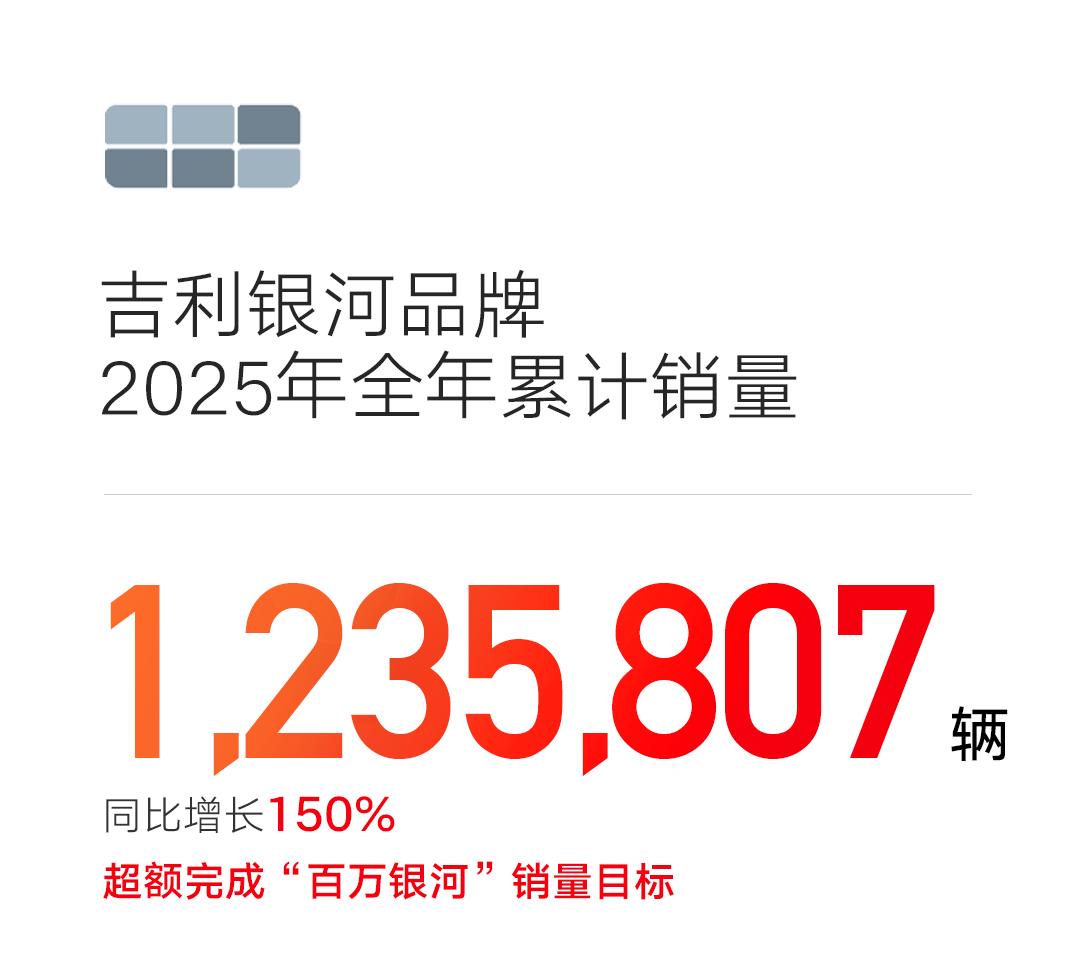
Source: Official of Geely Auto
Compete for the market in 2025, compete for value in 2026
At the beginning of the year, major car companies set ambitious sales targets to secure a place in the market.
BYD set its annual sales target at 5.5 million units. Leapmotor, XPENG, Geely New Energy, and Li Auto set their growth rates at 40% - 90%. Some even more ambitious companies, such as Avita, Xiaomi, Hongmeng Zhixing, and NIO, hoped to double their sales.
Car companies are seeking the maximum sales volume in the limited market growth, which also means that this year's industry competition will still be intense.
Fortunately, after years of elimination, the surviving car companies are more resilient this year. Only a few players were eliminated from the competition, and instead, more "dark horse players" with long-term accumulation appeared in the battle.
These car companies have naturally come up with their best strategies to deal with the situation. Firstly, they are decentralizing technology. Car companies represented by BYD are promoting the transition of assisted driving from "high - end configuration" to "standard configuration". At the same time, brands such as IM Motors and Hyper are solving the shortcomings of extended - range vehicles by upgrading battery specifications and bringing 60 - kWh large batteries to the 200,000 - yuan price range.
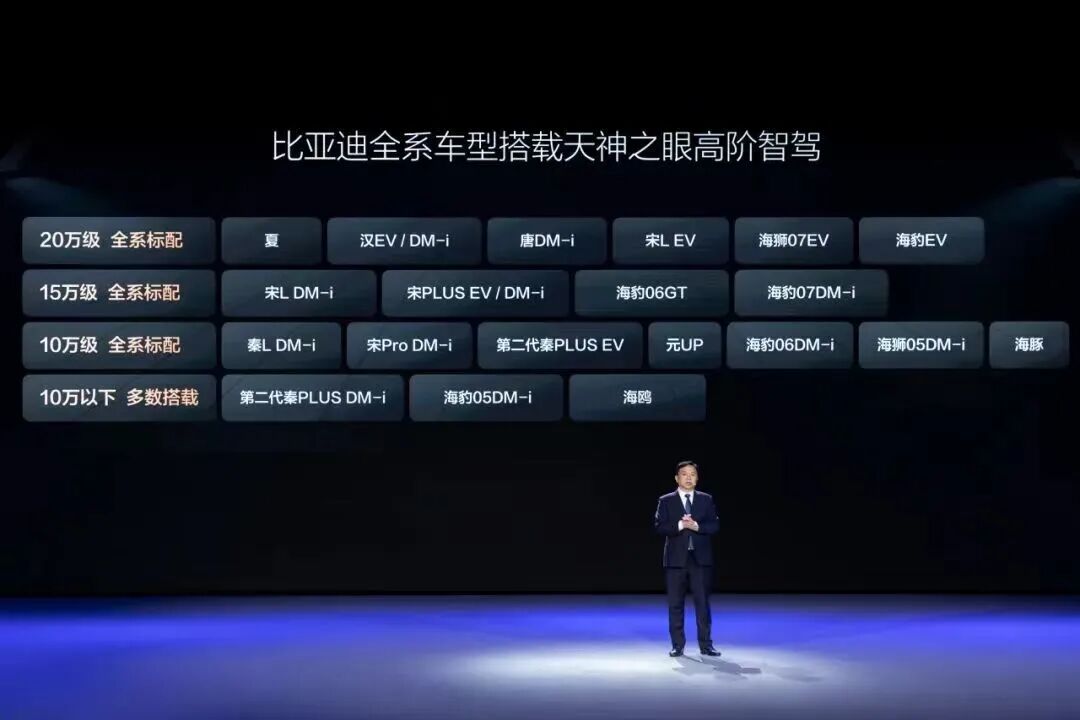
Image source: BYD
Secondly, they are actively seeking niche markets. Represented by the LeDao L90 and NIO ES8, car companies are starting to build products around clear usage scenarios such as "large three - row SUVs" in an attempt to create a clear demand space in the highly competitive market.
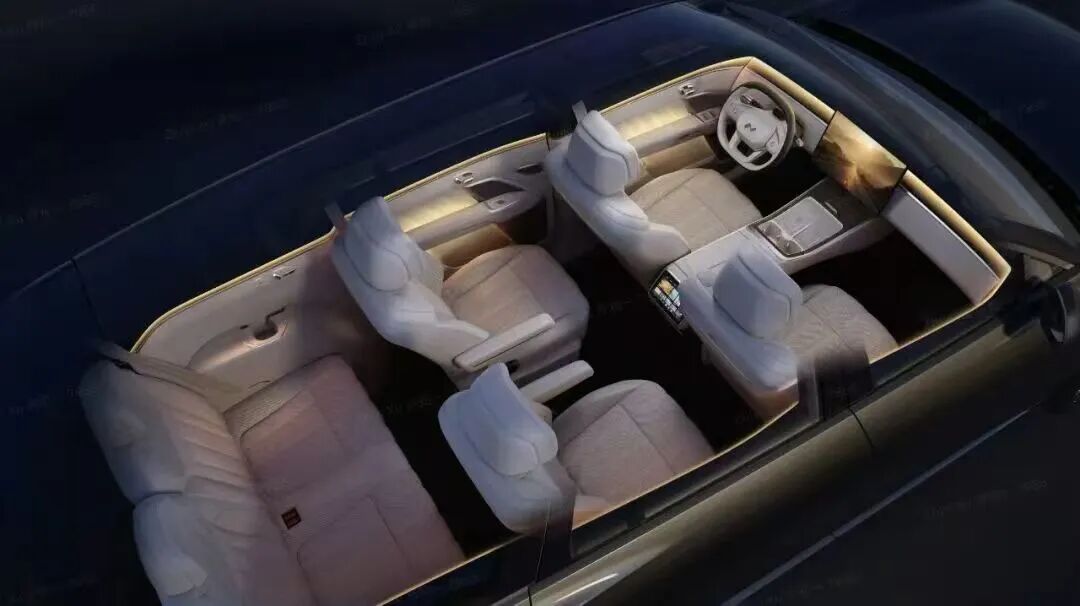
Image source: LeDao Auto
Great Wall is also actively exploring new product categories to capture incremental market share. As Zhao Yongpo, the general manager of WEY, put it, "We were forced to do so in the highly competitive market."
In the process of intense competition, many car companies have returned to rationality. At different stages this year, car companies such as BYD, Li Auto, and Deepal have successively lowered their targets. NIO also no longer mentions "doubling sales" and has shifted its focus to "making a profit in the fourth quarter".
After a series of adjustments, Xiaomi, XPENG, Leapmotor, Geely, and BYD finally achieved their annual targets.
Xiaomi achieved an annual sales result of 380,000 units with the SU7 and YU7 models, and XPENG's annual sales reached 429,000 units, both exceeding their targets.
Leapmotor's annual sales reached 596,000 units, exceeding the annual sales target of 500,000 units. With the launch of the A/B/C/D four major series next year and the expansion overseas, Leapmotor has set its 2026 target at 1 million units.
Geely's implementation of the "One Geely" strategy has achieved obvious results. After integration and focus, both the Galaxy and Lynk & Co brands have achieved year - on - year growth.
There are still many companies with a large gap to fill.
The launch of the LeDao L90 and NIO ES8 has earned NIO a long - awaited "pragmatic" evaluation. NIO delivered 326,000 new vehicles throughout the year, setting a new historical high, but there is still a gap of 100,000 units from the "doubling" target.
However, it is worth noting that NIO's annual sales growth mainly relies on the LeDao brand's annual sales increasing to 100,000 units and the new brand Firefly contributing nearly 40,000 units.
Even with the support of the best - selling ES8 model, the annual delivery volume of the NIO main brand is still lower than last year. This may also indicate that the collective replacement of NIO's four main models, the new ES6, new EC6, new ET5, and new ET5T, has not brought the expected popularity.
Li Auto only achieved a 63.5% completion rate, mainly due to the poor start of the i6. Fortunately, Li Auto quickly adjusted and returned to the "one - configuration" strategy with the i8, sacrificing profit for sales volume.
Hongmeng Zhixing's annual sales are close to 600,000 units. Although it did not reach the ambitious target of 1 million units, its high - end image has already taken root in people's hearts. Next year, when the "Five Realms and Three Realms" are all launched, a million - unit sales volume is very possible.
The competition in 2025 was particularly fierce, and 2026 will only be more brutal.
The new year has arrived, and a new battlefield has also opened. Under the new policy structure, the structure of the auto market will also change accordingly.
On December 30, 2025, eight departments including the Ministry of Commerce jointly issued the "Implementation Rules for the Subsidy of Trading in Old Cars for New Ones in 2026". Although the subsidy amount remains unchanged, the subsidy structure has changed significantly, from unified subsidies in 2025 to subsidies based on the vehicle price ratio.
Industry insiders generally believe that this meets the country's requirements for high - quality development. However, this also means that the subsidy amount for low - priced electric vehicles will be greatly affected, while the growth of high - end models will be relatively stronger.
In other words, next year, car companies' focus will completely revolve around "value".
It is reported that models such as Xiaomi's extended - range SUV and Leapmotor D19 will be equipped with 80 - kWh batteries. In 2026, the definition of "large batteries" will be further upgraded.
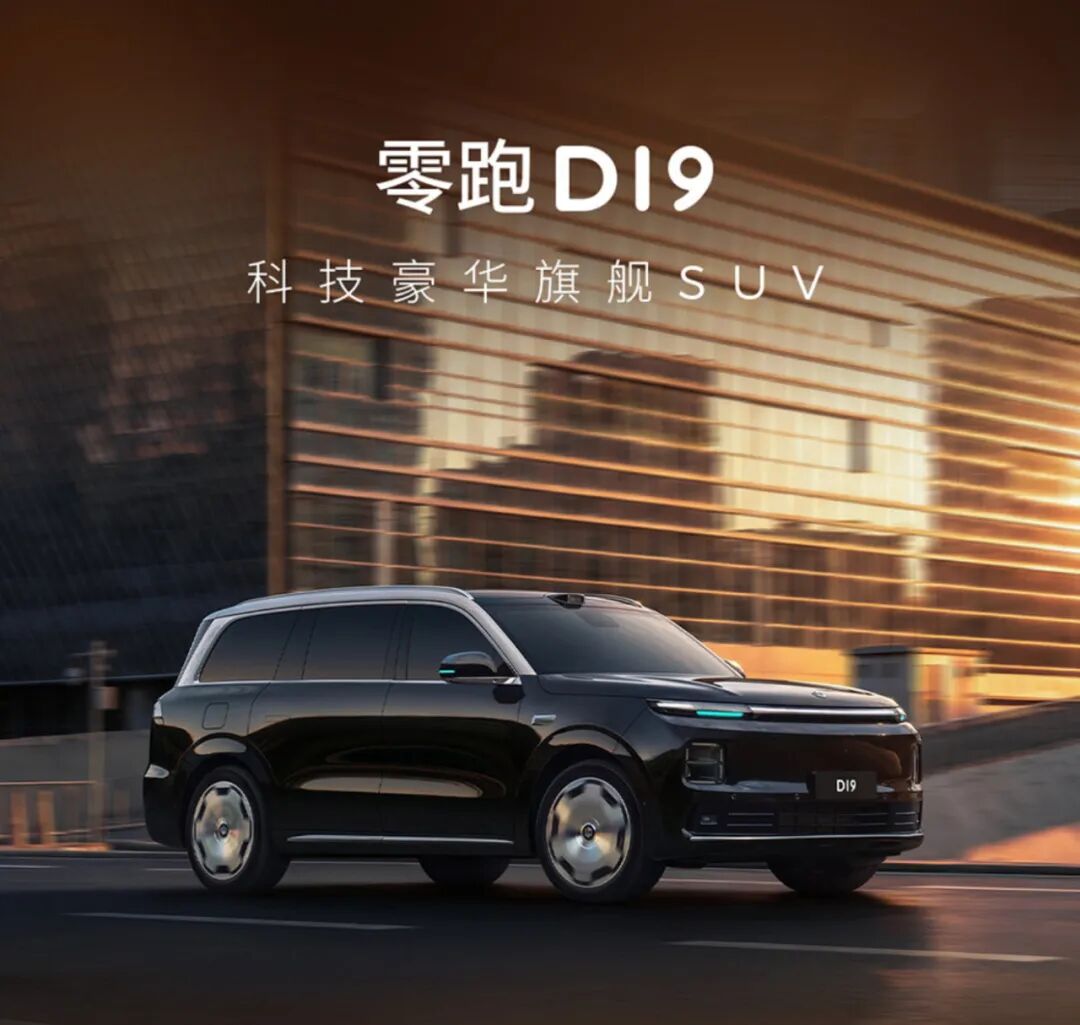
Image source: Leapmotor
Li Auto will also streamline configurations, enhance the luxury feeling of flagship models, and widen the gap in terms of product strength and price. It will "respond to the market's uncertainty with definite technological upgrades, definite delivery rhythms, and definite user values".
In December 2025, the State Administration for Market Regulation issued the "Compl