In the after-sales service of new energy vehicles, who is the real winner and who is the loser?
In 2025, the sales figures of new energy vehicles continued to break records.
In the first 11 months, the cumulative retail sales of new energy passenger vehicles in the market reached 11.472 million units, a year-on-year increase of 19.6%, surpassing traditional fuel-powered passenger vehicles by 1.462 million units. In November, the domestic retail penetration rate of new energy vehicles soared to 59.3%, an increase of seven percentage points year-on-year.
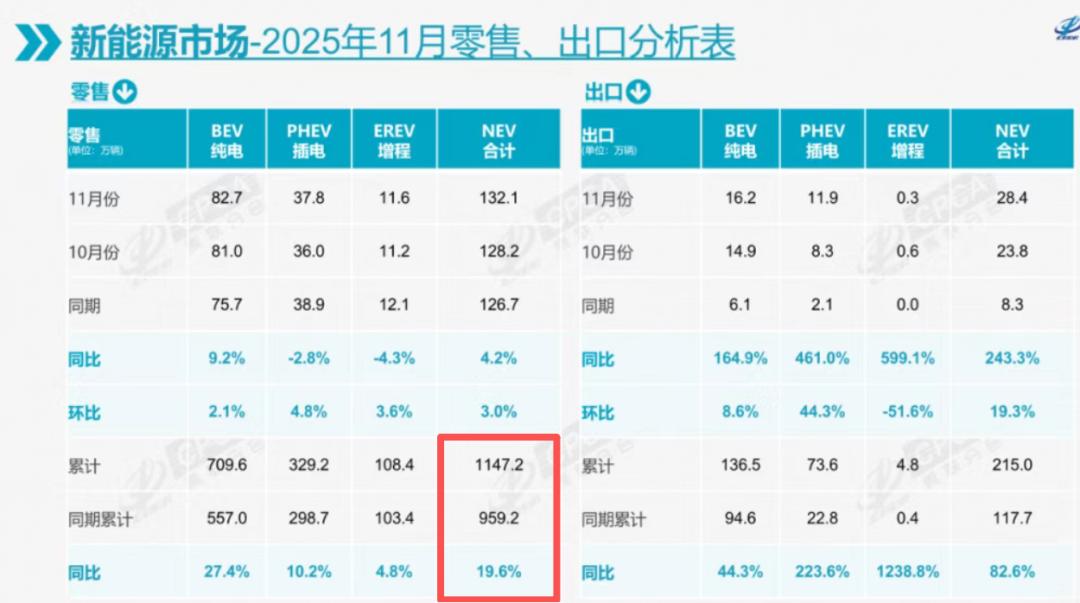
Image/Retail sales of new energy vehicles from January to November 2025. Source/Screenshot from "New Energy Perspective" on the Internet.
However, behind the soaring sales, more and more car owners are finding that the experience after buying a car seems to be far from the travel promises made by salespeople at the time of purchase.
"The initial appeal of the smart cockpit and long-range capabilities has now been overshadowed by a series of after-sales headaches."
Mr. Zhang, who drives a Lynk & Co Z10, helplessly complained, "It took three days after reporting a malfunction in the car's infotainment system to get a response saying that I need to wait in line for inspection. This is far from the promised smart travel; it's just a nuisance."
What's even more frustrating is that in the past six months, Mr. Zhang's car has also had issues with inaccurate navigation positioning, with deviations of up to several hundred meters in severe cases.
While the industry is immersed in the grand narratives of range breakthroughs and intelligent driving, a more fundamental and urgent issue has emerged: Can after-sales services keep up with the rapid development of products?
In our interactions with dozens of new energy vehicle owners, we gradually discovered that the lag in after-sales services is becoming a key shortcoming that restricts the user experience and even affects the brand's reputation.
This is not alarmist talk. Today's after-sales pain points have long gone beyond the early single issue of "difficult charging" and spread to all aspects of the entire chain, including maintenance, servicing, response, and integrity. The ultimate outcome of this silent battle over services may determine the competitive landscape of the new energy vehicle market in the next stage.
1. Real Complaints from Car Owners: Three Major After-Sales Pain Points Are Really Annoying
Mr. Song, who lives in Chaoyang, Beijing, bought a pure electric vehicle from a new force brand six months ago. According to Mr. Song's recollection, when he bought the car, the salesperson promised that the brand's charging piles were not only densely distributed but also came with exclusive after-sales operation and maintenance support. In case of charging failures, he could contact the 24-hour customer service for urgent handling at any time.
However, when real problems arose, the promises turned out to be "empty checks." One weekend last month, Mr. Song drove to the suburbs for a trip. On his way back, he specifically went to a nearby brand-exclusive charging pile to recharge. To his surprise, the charging pile malfunctioned repeatedly - the charging stopped automatically two minutes after plugging in the gun, and after trying to plug and unplug it more than a dozen times, he still couldn't charge the car stably.
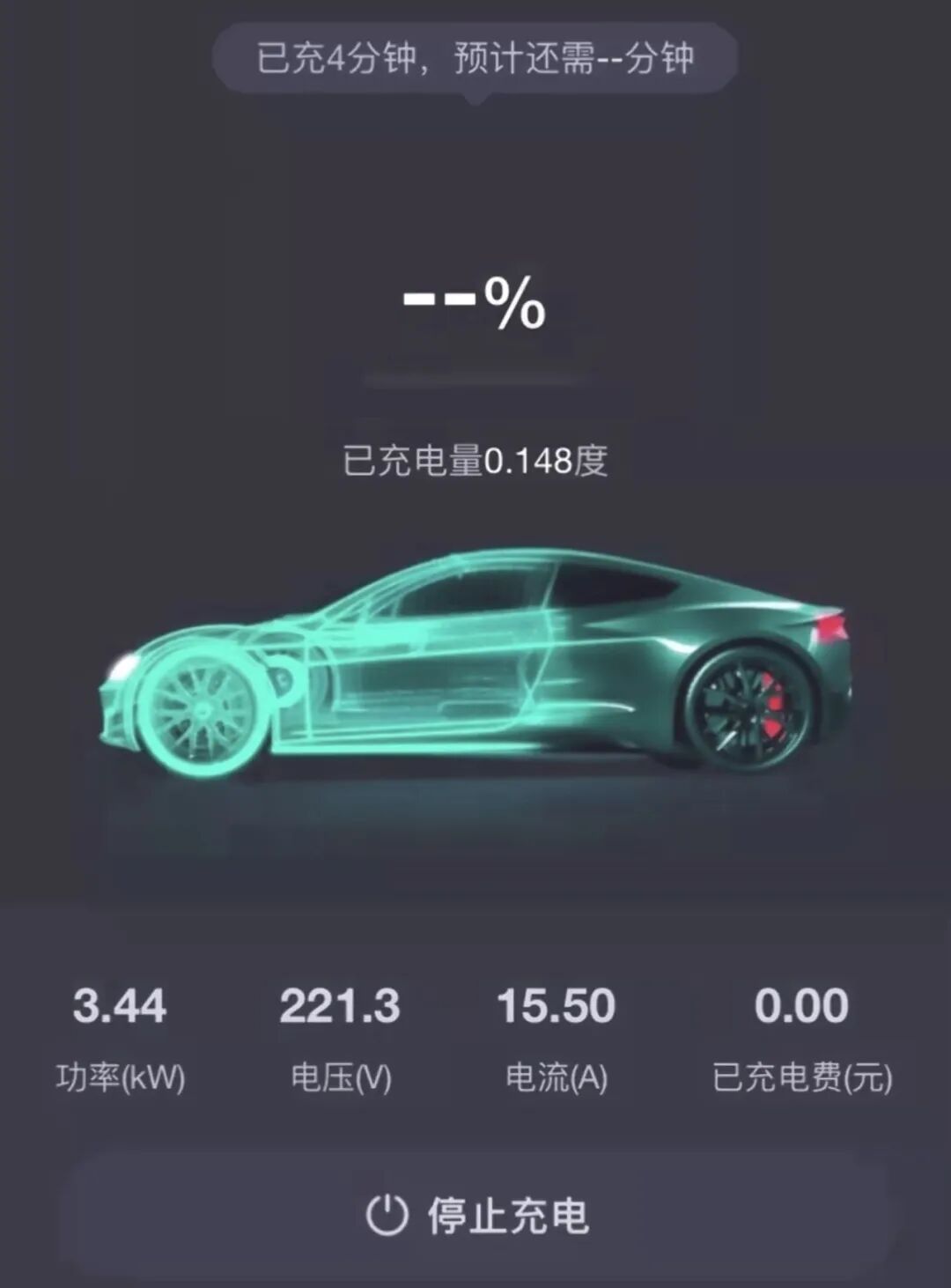
Image/A certain model experiences automatic disconnection during charging. Source/Screenshot from "New Energy Perspective" on the Internet.
He immediately called the brand's after-sales customer service. After registering the information, the customer service replied that "maintenance personnel will be dispatched to the scene as soon as possible," but he had to wait for more than two hours. During this time, Mr. Song called the customer service back several times, but either no one answered or he was told by a robotic voice that "the work order is being processed." Seeing that it was getting late, he had no choice but to drive for half an hour to find a public charging pile of another brand for emergency charging.
"I paid the full price for the exclusive charging pile, but when a problem actually occurred, the after-sales service was even more sluggish than that of ordinary charging piles." Mr. Song's complaint echoes the feelings of many car owners - car manufacturers promote charging pile construction as a selling point but neglect the back-end after-sales operation and maintenance services, making the after-sales guarantee for the charging process a mere formality.
If charging is a daily "minor annoyance," then maintenance is a "major headache" that can completely wear down consumers' patience.
Mr. Li, a car owner from Xiangxi, Hunan, deeply understands this. The XPeng MONA M03 he bought doesn't have an official after-sales service point in his local area. A minor chassis collision unexpectedly turned into a half-month-long "maintenance marathon."
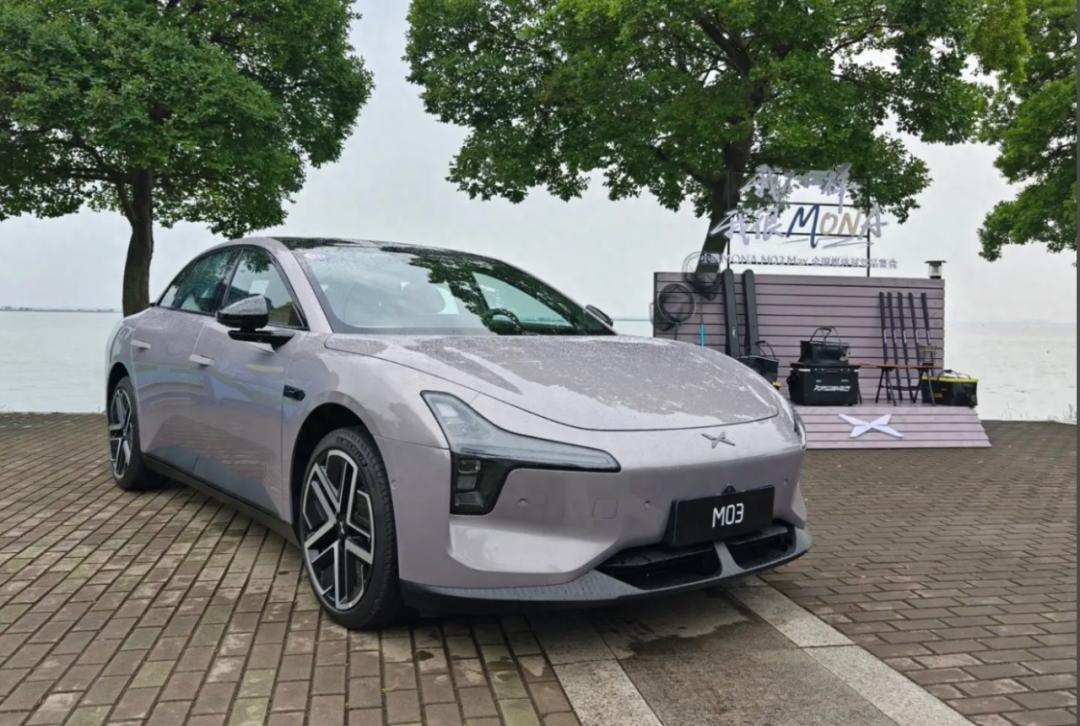
Image/XPeng MONA M03. Source/Screenshot from "New Energy Perspective" on the Internet.
"The local repair shops didn't dare to take on the repair of the electric car's chassis, saying that it involved the battery pack or high-voltage system. Without the manufacturer's authorization and professional equipment, they were afraid of taking responsibility." Mr. Li finally had to tow the car more than a hundred kilometers away to the brand's service center in the neighboring city. What made him even more frustrated was that just waiting for a damaged battery module part took a whole week.
"The salesperson said that the car has national warranty when I bought it, but when something actually went wrong, I found that national warranty doesn't mean convenient warranty."
Moreover, the so-called full-process digital services hyped up by car manufacturers during sales often "fail" in reality.
Mr. Wang, a post-85s driver, owns a Voyah Zhuiguang PHEV. When he bought the car, the salesperson emphasized that one-click reservation for maintenance services could be achieved through the brand's APP.
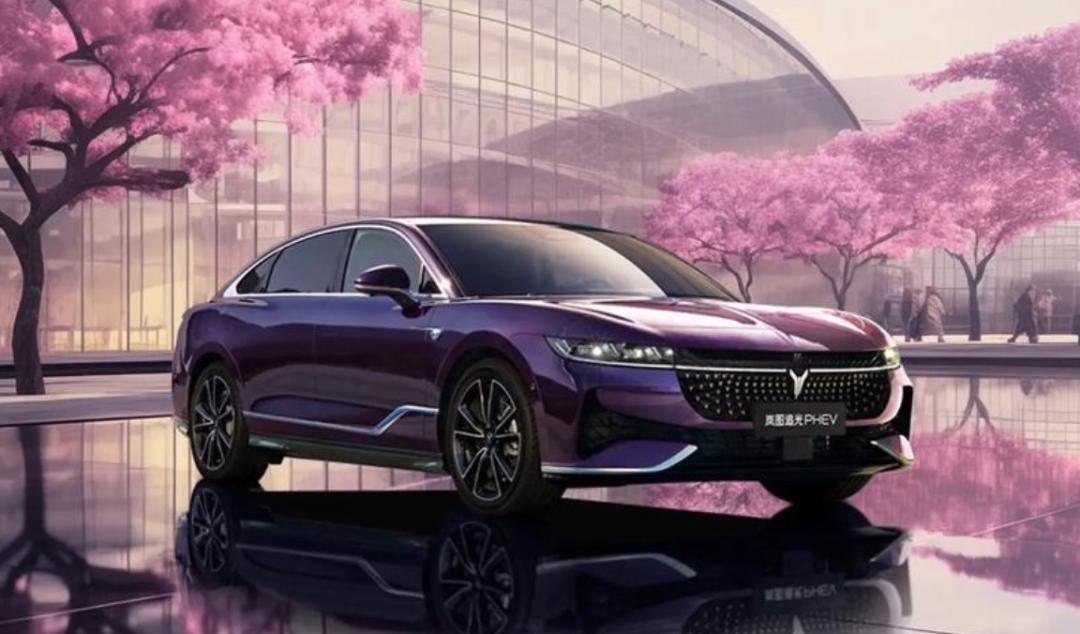
Image/Voyah Zhuiguang PHEV. Source/Screenshot from "New Energy Perspective" on the Internet.
However, in actual experience, Mr. Wang found that while the online reservation interface for maintenance was indeed simple and smooth, when he arrived at the Voyah service center in Wufangqiao, Beijing, he still had to wait in line. "The shop was crowded with people, in a complete mess. Sometimes there was even no place to stand. When I asked the staff when it would be my turn, I only got a perfunctory reply of 'Please wait patiently.'"
Many consumers share Mr. Wang's feelings. Even more seriously, some car owners' experiences are related to safety and trust.
Many consumers said that their cars suddenly had emergency failures such as "power limitation" on the highway. They immediately called the brand's rescue hotline, but the response on the other end of the phone was far from "prompt." "I waited for more than an hour without any definite news about the rescue vehicle. The customer service just kept repeating 'We've expedited the order. Please wait patiently.'"
2. Why Can't After-Sales Services Keep Up with Sales?
The imbalance between sales and services is obviously not accidental.
Looking at the Chinese new energy vehicle market, this seems to be closely related to the structural "bias" in the early development stage of the new energy vehicle industry. In the past decade, the competition in the new energy vehicle industry has mostly focused on battery range, smart cockpits, and autonomous driving. A huge amount of resources and attention have been directed towards product R & D and marketing.
This tilt in strategic focus is particularly evident in the financial reports of some car manufacturers.
Take Li Auto as an example. Its R & D investment increased from 6.78 billion yuan in 2022 to 11.07 billion yuan in 2024. In 2025, this trend continued to intensify. The cumulative R & D investment in the first three quarters has reached 8.3 billion yuan, and the company plans to invest 12 billion yuan for the whole year, with more than half of it focusing on the field of artificial intelligence.
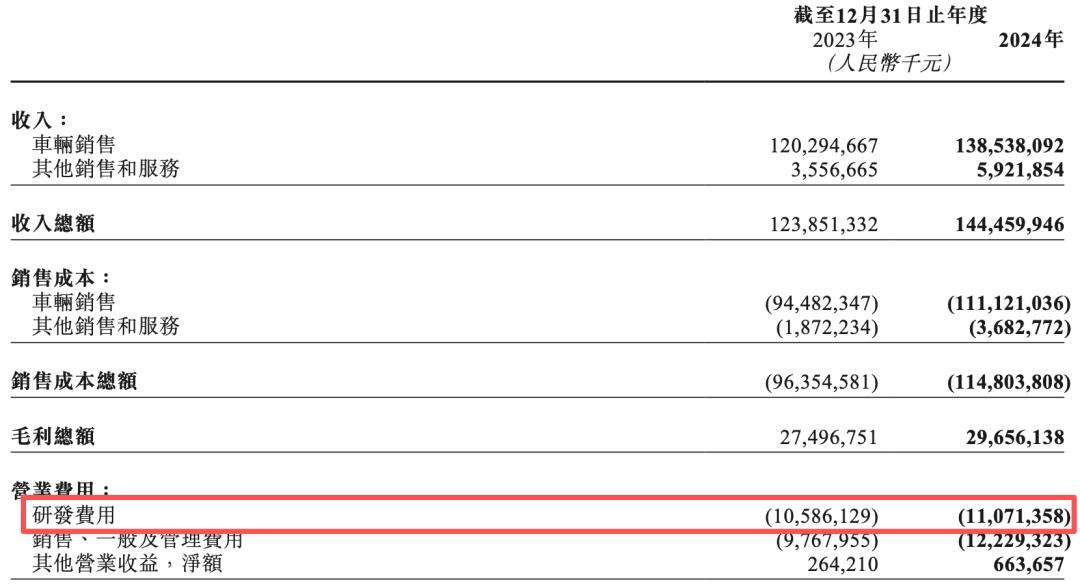
Image/R & D expenses of Li Auto from 2023 - 2024. Source/Screenshot from "New Energy Perspective" on the Internet.
XPeng Motors also focuses its R & D investment on product hard power. The R & D expenses from 2022 to 2024 were 5.215 billion yuan, 5.277 billion yuan, and 6.457 billion yuan respectively. The cumulative R & D investment in the first three quarters of this year has exceeded the whole - year level of 2024, about 6.6 billion yuan, with the core funds focusing on fields such as autonomous driving, embodied intelligence, and AI infrastructure.
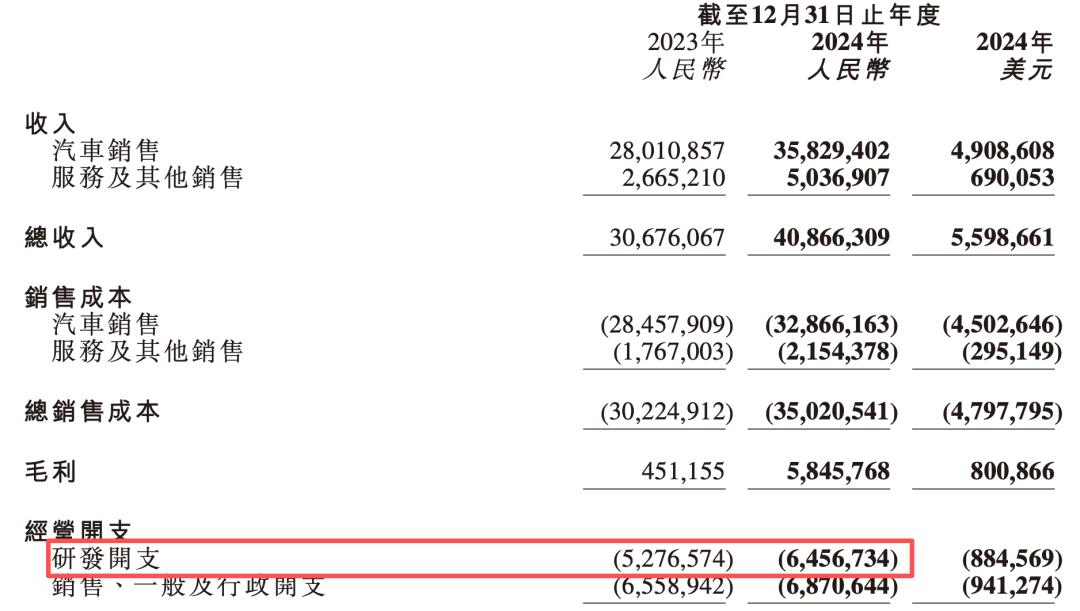
Image/R & D expenses of XPeng Motors from 2023 - 2024. Source/Screenshot from "New Energy Perspective" on the Internet.
However, more troublesome than the imbalance in resource allocation is that the rapid technological iteration of new energy vehicles has invisibly set up a barrier for after - sales services.
Different from fuel - powered vehicles with relatively mature structures, the three - electric systems of new energy vehicles involve the integration of multiple disciplines such as mechanics, physics, and electrochemistry, with extremely high technical thresholds. Especially with the wide application of CTP (Cell - to - Pack) technology, although it has improved space utilization and energy density, it has also greatly increased the difficulty of maintenance. Once a problem occurs, the whole battery pack often needs to be replaced, and local maintenance is difficult.
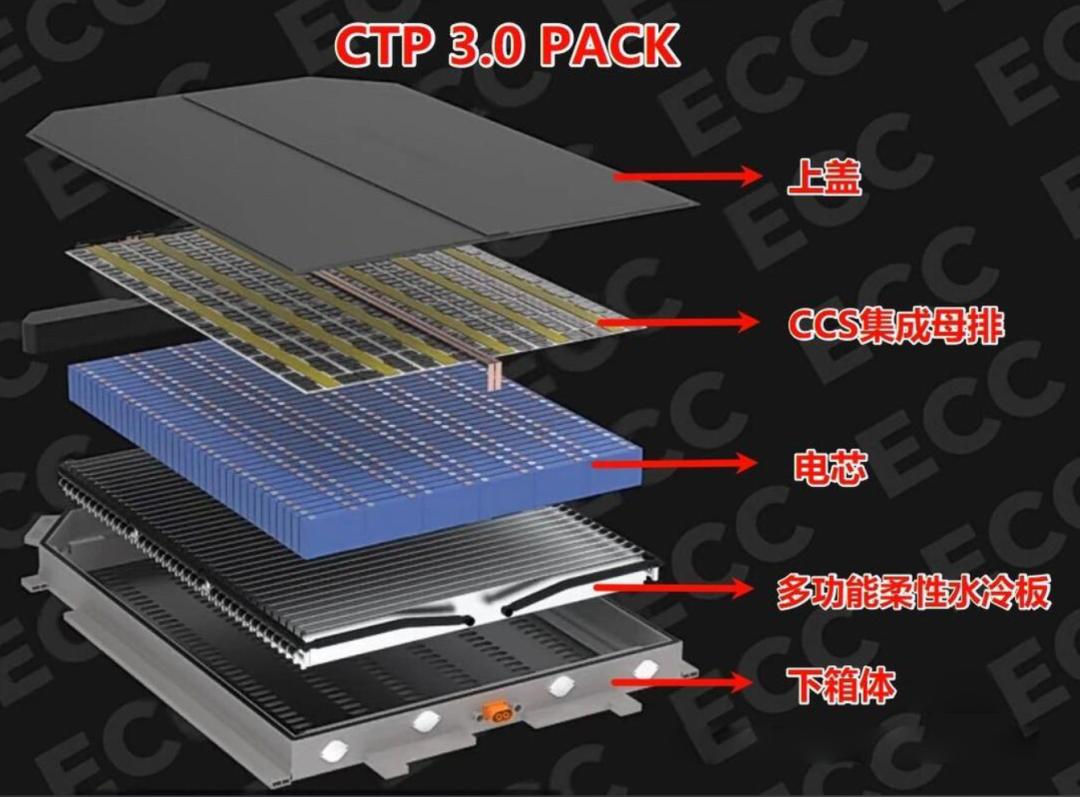
Image/Exploded view of the CTP 3.0 battery pack. Source/Screenshot from "New Energy Perspective" on the Internet.
More importantly, the rapid technological iteration leads to frequent updates of maintenance standards and equipment. Ordinary maintenance personnel need continuous training to keep up, but currently, there is a lack of a perfect talent training system in the industry, and there is a huge shortage of professional after - sales maintenance personnel.
This problem is even more prominent in low - tier cities and county - level regions. Due to the relatively small market volume and limited profit margins, car manufacturers' service network layout in these areas lags behind, and professional maintenance personnel are even scarcer.
"There is no official service point for my new energy vehicle in my local area. The nearest 4S store is dozens of kilometers away in Weifang. Once the vehicle encounters a problem that cannot be solved remotely, I have to be prepared for a long - drawn - out process. The so - called smart and convenient experience promised at the time of purchase has turned into a 'long - distance journey' during maintenance."
"After my electric car had a black - screen malfunction in the car's infotainment system, I visited all the repair shops in the county, but they all refused to take it because they lacked special diagnostic equipment and the manufacturer's authorization. In the end, I had to drive 120 kilometers to the 4S store in the provincial capital for maintenance. Just the round - trip journey took half a day, and with queuing for inspection and parts allocation, the whole maintenance process took nearly ten days." Many new energy vehicle owners living in low - tier cities or county - level regions complained.
In addition, the parts of new energy vehicles are relatively expensive. For example, the average single - part zero - to - whole ratio of the power battery pack exceeds 50%. The cost of replacing the power battery of a new energy vehicle worth 300,000 yuan exceeds 150,000 yuan. Therefore, after - sales services require multiple inspections and responsibility division to determine whether to replace the parts for free, and it is often difficult to meet all the demands of car owners.
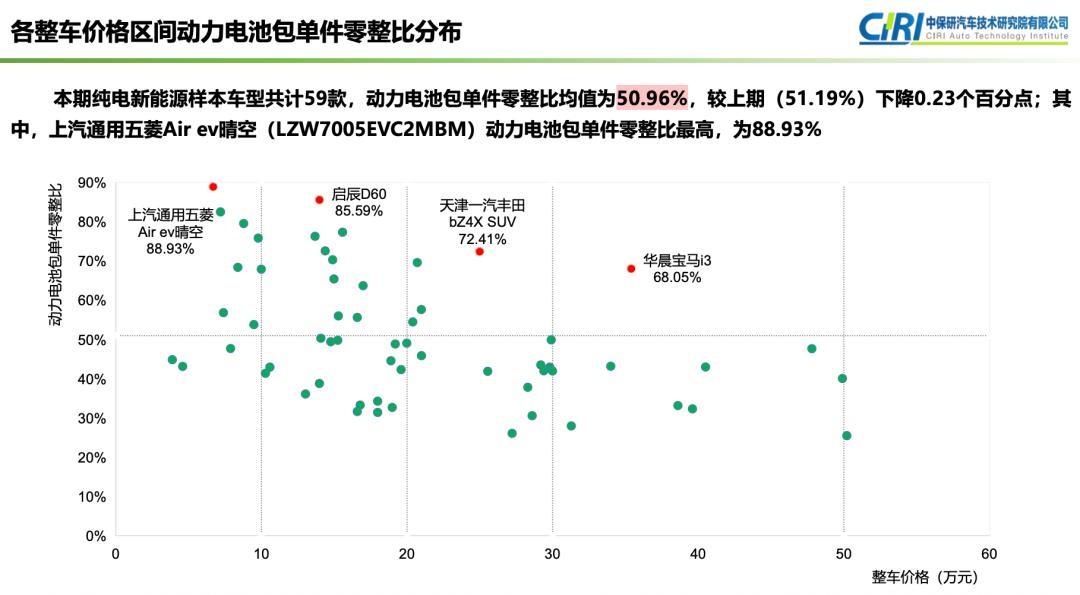
Image/The average single - part zero - to - whole ratio of the power battery pack is 50.96%. Source/Screenshot from "New Energy Perspective" on the Internet.
3. Who Can Solve the Problem? The Divergence of Service Models Determines the Industry's End - game
Facing the service challenges, car manufacturers with different backgrounds have chosen different paths. The divergence of these paths not only reflects the strategic determination of car manufacturers but also subtly determines the competitive outcome of the new energy vehicle market.
Take NIO as an example. It has chosen the path of heavy investment in building a high - quality self - built service system, making the service experience a core brand label. From a widely - covered battery - swapping network to exclusive service centers, from door - to - door pick - up and drop - off services to 24 - hour roadside assistance, NIO has built a full - scenario service ecosystem.
