DeepSeek, is it just a side project?
Was DeepSeek initially just a side project?
Today, this summary by Yuchen Jin, co-founder of Hyperbolic, has sparked intense discussions within the industry.
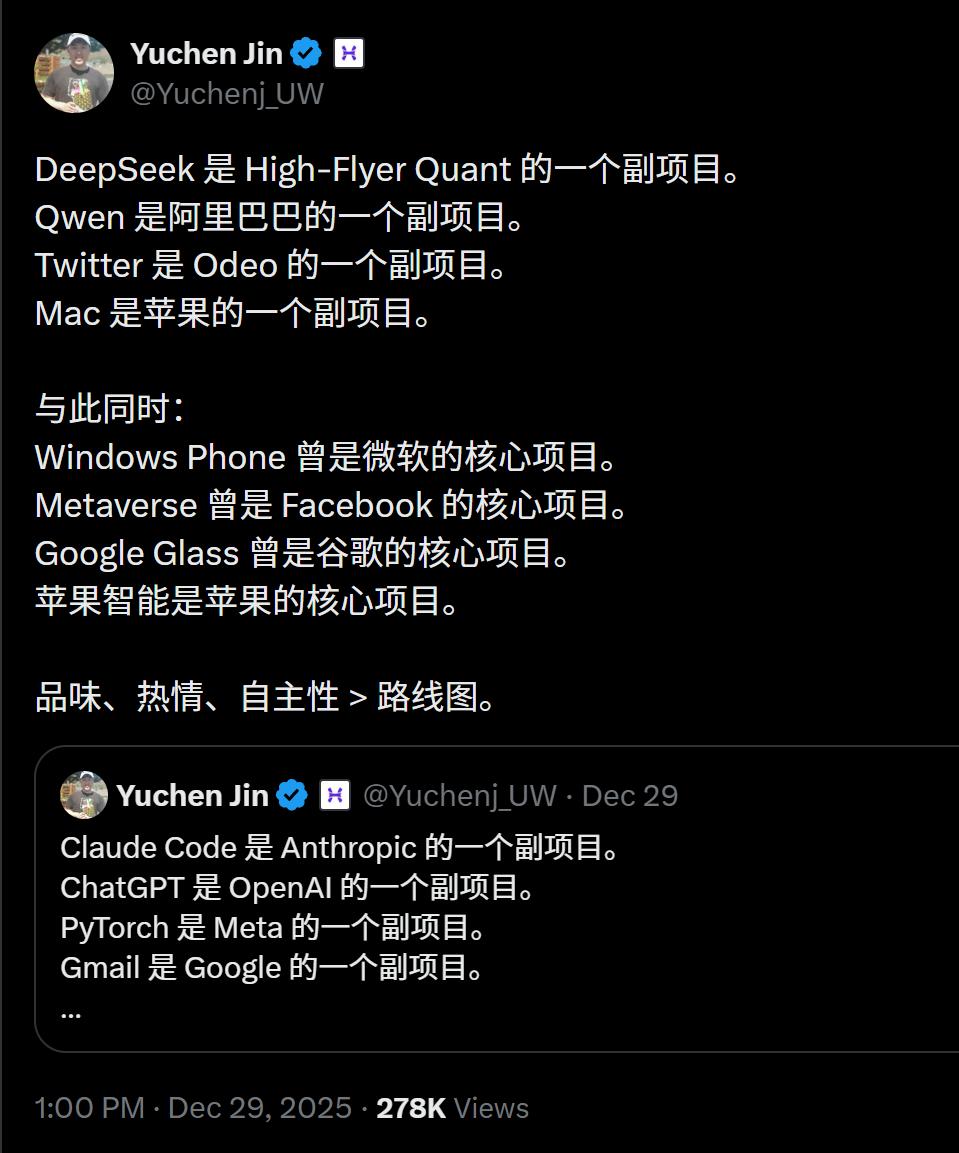
Yes, counterintuitively —
DeepSeek is a side project of Magic Square Quant.
Qwen is a side project of Alibaba.
Twitter is a side project of Odeo.
Mac is a side project of Apple.
Meanwhile, Windows Phone was once a core project of Microsoft.
The metaverse was once a core project of Facebook.
Google Glass was once a core project of Google.
Apple Intelligence is a core project of Apple.
Even, Claude Code is a side project of Anthropic.
ChatGPT is a side project of OpenAI.
PyTorch is a side project of Meta.
Gmail is a side project of Google.
Linux is also just a side project.
Seeing these, would you be stunned for a moment?
In the history of technology, there is a counterintuitive but repeatedly verified law:
The products that truly change the world are often not on the PPT roadmap.
They are born from the periphery, probably just a casual attempt by engineers, an amateur endeavor of the team, or simply a plan B after the failure of the company's strategy.

On the contrary, those "core projects" that are highly anticipated, written into the annual OKR, and occupy the most budget often quietly disappear in history.
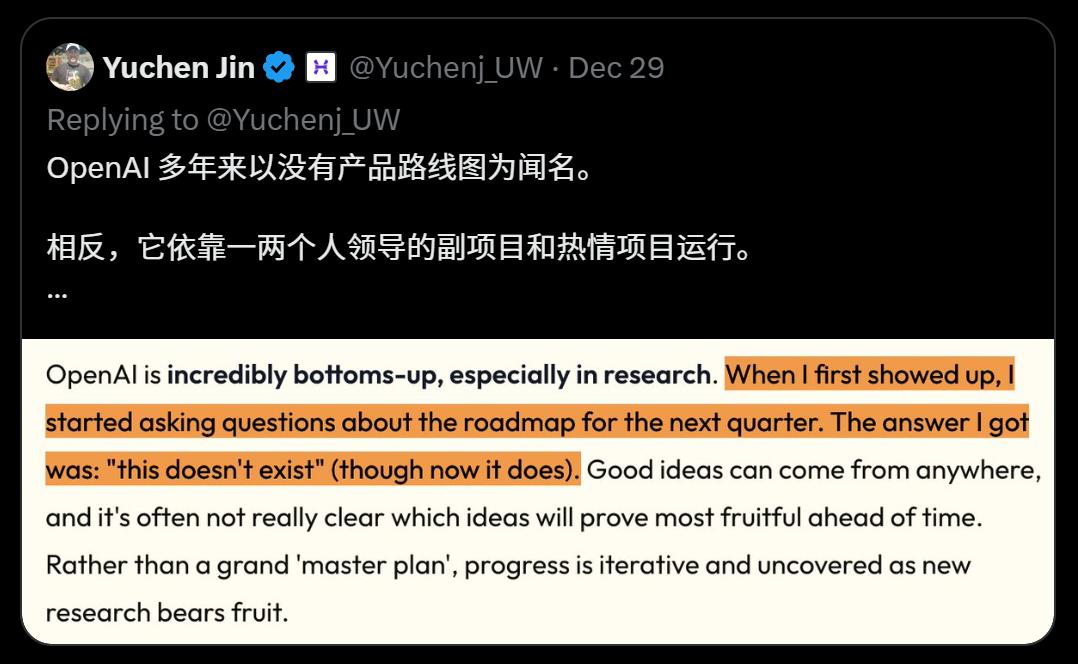
DeepSeek: The "Outlier" from Outside the Main Business
You know, the main business of Magic Square Quant is quantitative hedge funds.
And DeepSeek was not the company's initial "orthodox strategy."
It's more like a group of top engineers conducting a serious experiment of "pushing the model to the extreme" outside the main business.
As a result, this "casual" project directly shocked the entire industry with its reasoning ability and completely changed the global competition landscape of large models.
Twitter: A By-product of a Failed Project
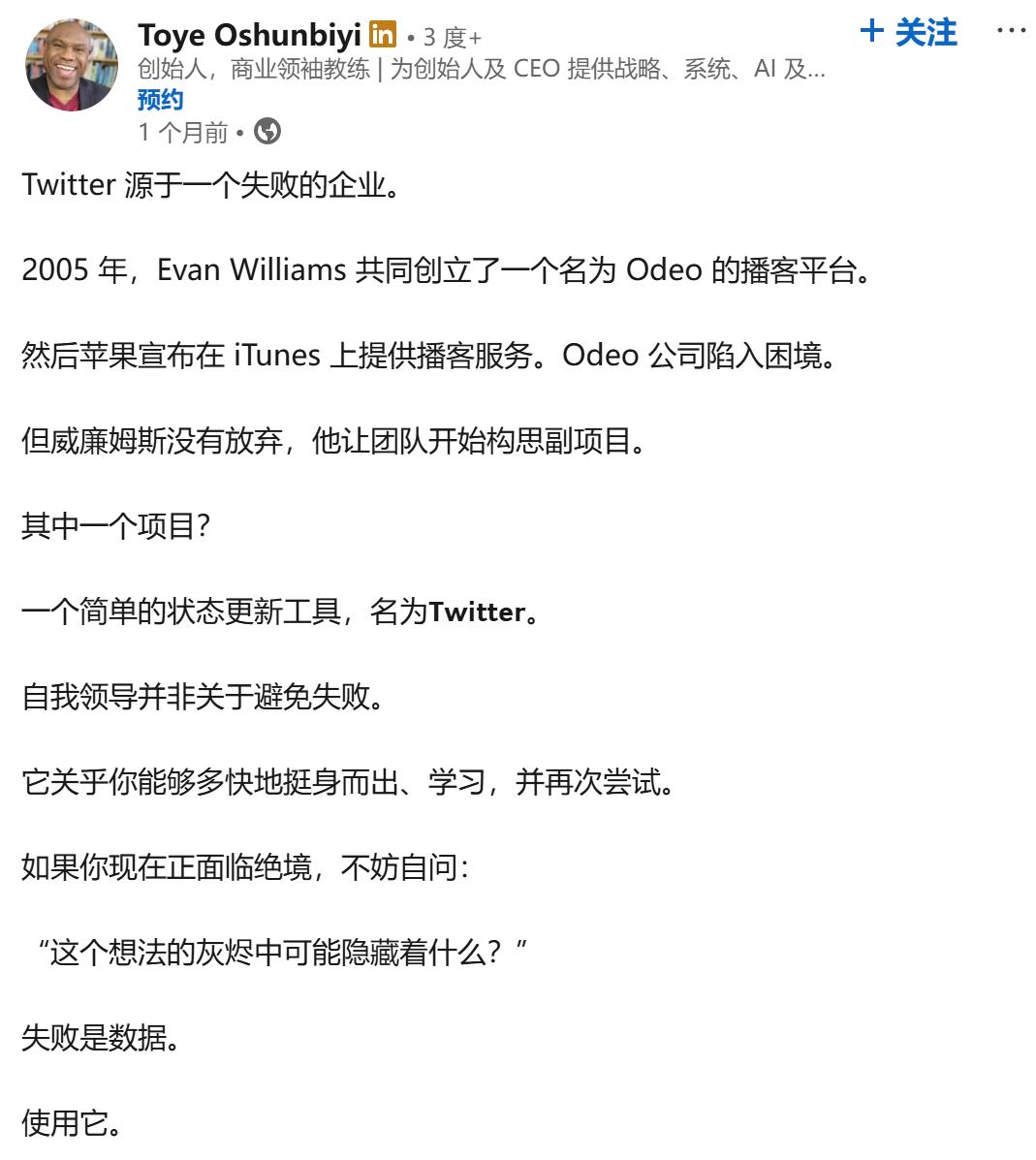
Let's go back further in time to 2006. The podcast company Odeo bet all its chips on the audio platform, but was kicked out by Apple's iTunes.
After the failure of the main business, the company's morale was extremely low.
Anyway, having nothing to do, a group of engineers created a "small status-posting tool" internally.
Later, this side project was renamed Twitter.
Ultimately, Odeo couldn't be saved, but Twitter changed the global information dissemination method and the lifestyles of hundreds of millions of people.
Mac: An Experiment That Even Jobs Couldn't "Save"
What many people don't know is that Mac was not initially a core project of Apple.
Back then, Apple's real main line was Apple Lisa — a high-end computer with high hopes. The company invested a lot of money and resources.

And Mac was just an experimental project secretly carried out by Jobs within the company. The team was small, resources were limited, and it was even marginalized by the senior management at one point.
So, what happened?
Lisa died, Mac survived, and directly became the product line that defined "personal computers."
Many Core Projects Have Died
On the contrary, where have those core projects gone?
Microsoft Windows Phone
Once upon a time, Microsoft also actively participated in the smartphone wave.
Windows Phone was a strategic project at the board level: from the system underlying, UI design to the developer ecosystem, the company's resources were tilted towards it.
For this reason, Microsoft spent $7.2 billion to acquire Nokia's mobile phone business, and all kinds of supporting marketing resources were fully utilized.
However, developers need patience, but Microsoft didn't have time to wait.
Ultimately, Windows Phone didn't wait for the ecological flywheel to turn and died in a series of "strategic adjustments."
Google Google Glass
Once, Google Glass was called the "next-generation computing platform."
At the press conference, it represented the future: wearable computing, augmented reality, and an always-on information overlay world were directly written into Google's blueprint for the next decade.
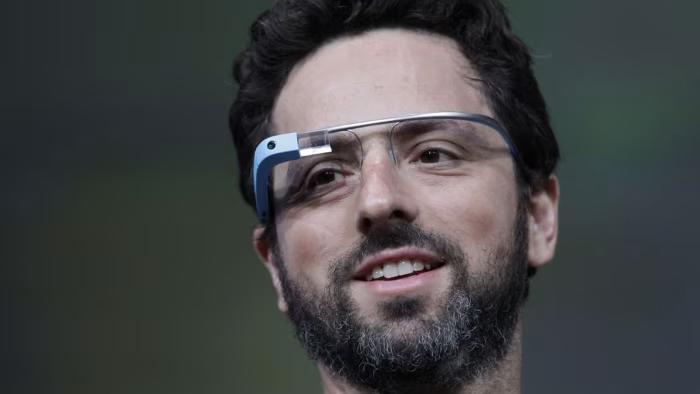
However, when the product came out, it was shelved by users because of its vague usage scenarios and high price.
Ultimately, Google Glass faded out of the consumer market and only became a footnote in the history of technology hardware.
Meta's Metaverse
To bet on the metaverse, Zuckerberg spared no expense.
He renamed Facebook to Meta and poured tens of billions of dollars into Reality Labs.
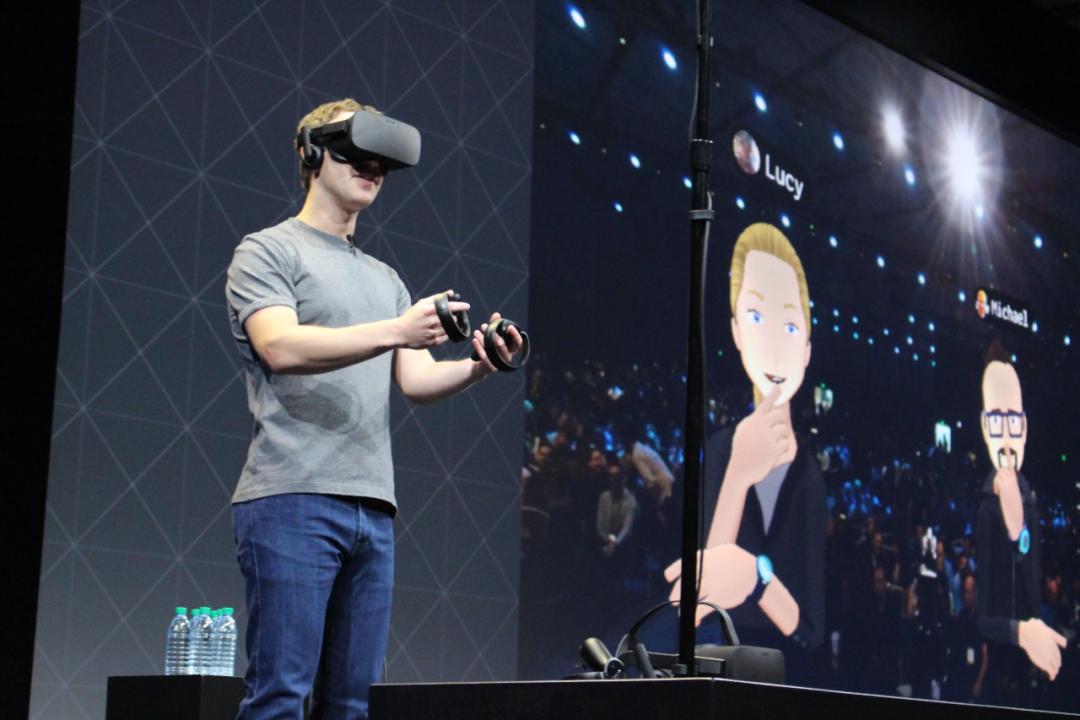
However, the vision of the metaverse is too certain, but the path is not clear. The hardware, content, social, and economic systems all need to be established simultaneously. Any lag in one link will drag down the overall experience.
When the growth of real users, revenue pressure, and the patience of the capital market conflicted, the metaverse had to quickly declare failure.
Are Side Projects More Likely to Succeed?
The reason why side projects are more likely to succeed is very simple.
For example, side projects actually have real autonomy. They are not in the KPI assessment, don't need to prove their commercial value immediately, and don't have to report to too many levels.
So, engineers can truly be responsible for technical taste.
Without a roadmap, they can get closer to real needs.
Moreover, it's hard to ask a person to have continuous enthusiasm for the "PPT direction" assigned to them.
But side projects are different. They often come from the sudden inspiration of engineers — I think it can be better! This kind of enthusiasm is the real fuel to drive a project to success.
Really great projects are often not "planned." They are just allowed to survive and then will grow on their own.
If a company only allows "correct" projects, it often misses many really important things.
Maybe, the next product that will change the world in the future is hiding in the "side project folder" of a company at this moment, without a budget, a press conference, or grand narratives.
It only depends on two things:
A little bit of freedom
A group of people who really love it
Reference Materials:
https://x.com/Yuchenj_UW/status/2005504117054328937
This article is from the WeChat official account "New Intelligence Yuan", author: New Intelligence Yuan, editor: Aeneas. Republished by 36Kr with permission.