Embodied Intelligence @2025: On the Eve of "Human-Machine Symbiosis"
“When I first got it from the manufacturer, it looked no different from ordinary hardware, just a bit bigger. I was a bit skeptical when I read online that it could replace me in doing some strenuous and dangerous work. Its limbs were folded, and its surface was quite smooth and felt cold to the touch. However, I was quite surprised that after powering it on, it seemed to come to life. But it still walked a bit unsteadily on the ground. To make it perform some operations and handling work, I had to use the remote control to make it wave, shake hands, squat, turn around and perform a few other simple actions. I can only say it's still a semi - perfect being.” Xiao Lin, who works in shipping in a factory, has mixed feelings towards the robot.
Xiao Lin is not the only one with such expectations and complaints. Such scenarios have been playing out in countless Chinese factories, families and other various settings, forming a huge and accelerating trend “silhouette”.
The year 2025 witnessed tremendous changes in China's robot industry.
It almost completed the transformation from pure performance and fighting to becoming a “factory worker”. A large amount of technology has also made its head and body more flexible. At the capital level, it is reflected in the explosive growth of orders, the intensive influx of capital, and enterprises flocking to go public.
However, on the other side of the high - speed development, customers and consumers keep asking when robots can truly be put into “valuable work”?
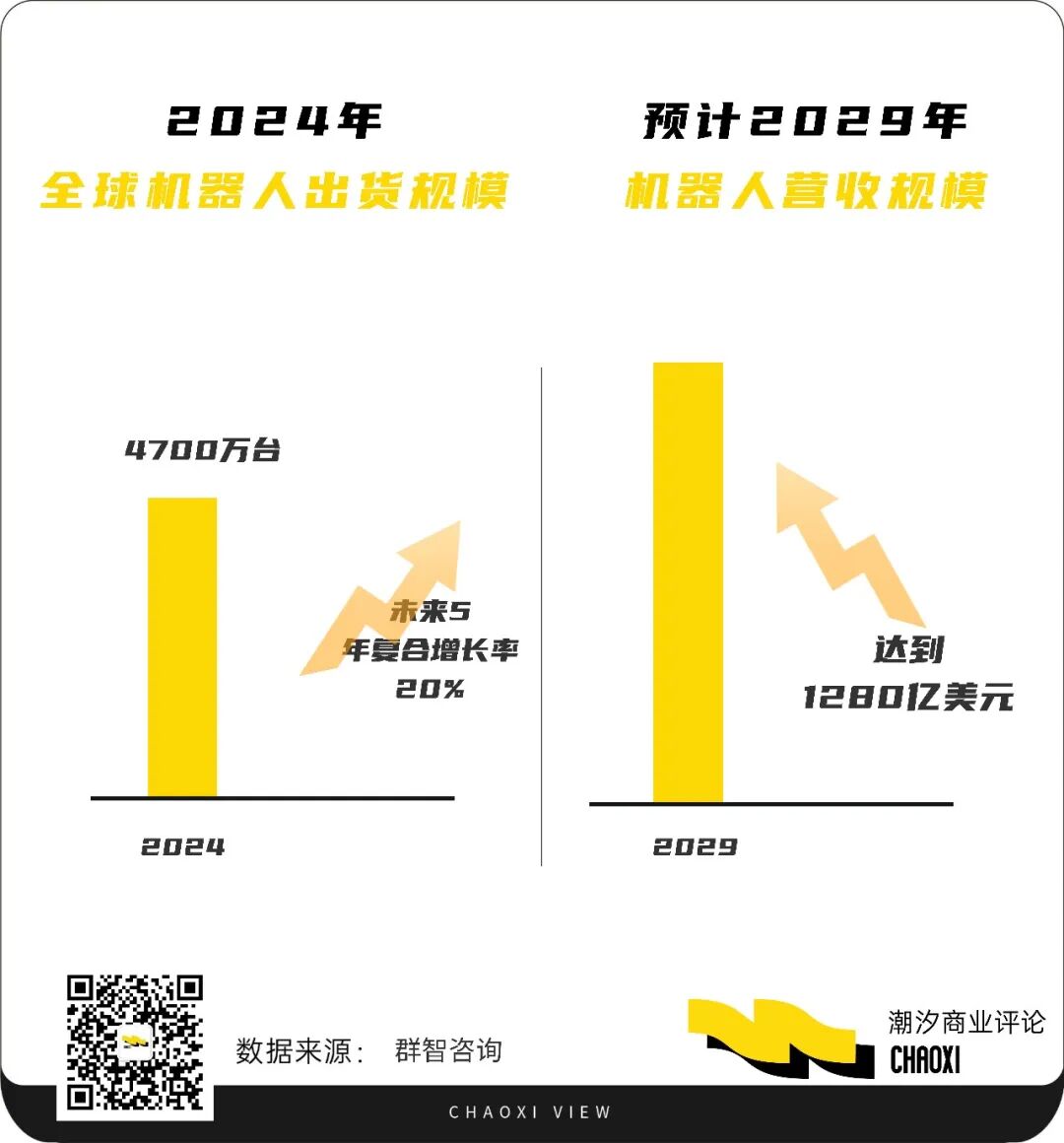
Slowly, the minor breakthroughs in robot technology are converging into an irresistible wave in the technology industry. According to data from TrendForce, the global robot shipment volume was about 47 million in 2024, and it is expected to maintain a compound growth rate of over 20% in 2025 and the next five years. It is also predicted that its revenue will reach nearly $128 billion in 2029.
Just as embodied intelligence becomes the common choice for industrial competition and mass consumption, those scenarios that only appeared in science - fiction movies in the past are quietly stepping out of the screen and into human living spaces.
Are we ready in 2026 to embrace a new era of “human - robot coexistence”?
Starting from Scratch, a Decades - long “Marathon”
The robot industry can be divided into two stages. The first stage is the technological development from scratch to version 1.0 and its application, and the second stage is the 2.0 stage when it enters the era of artificial intelligence.
Both inside and outside the industry believe that the evolution of robots is a long - term accumulation spanning decades, and its future form is similar to the android David in the movie “Prometheus”.
The starting line was set in 1950. That year, Turing proposed the “Turing Test” in “Computing Machinery and Intelligence”: How can machines think? Since then, the first theoretical sprout and seed of robots were planted.
In the 1970s, the concept of artificial intelligence began to germinate, giving a boost to the “marathon” of robots. In the 1990s, industrial robots began to be popularized, and companies such as ABB and Fanuc established the industry pattern.
It was not until recent years that the robot industry truly witnessed explosive growth and became the core arena of global technological competition. In China, the robot industry has entered the “fast lane”. In the first three quarters of 2025, the production of industrial robots in China reached 595,000 units, and the production of service robots exceeded 13.5 million sets, both exceeding the annual production in 2024.
Policy drive is not the core factor. What really makes robots amazing is the concentrated explosion of AI, that is, model technologies such as intelligent perception and decision - making, which have enabled robots to move from mere demonstrations to a new value level oriented towards practical applications, and this change has penetrated the entire industrial chain.
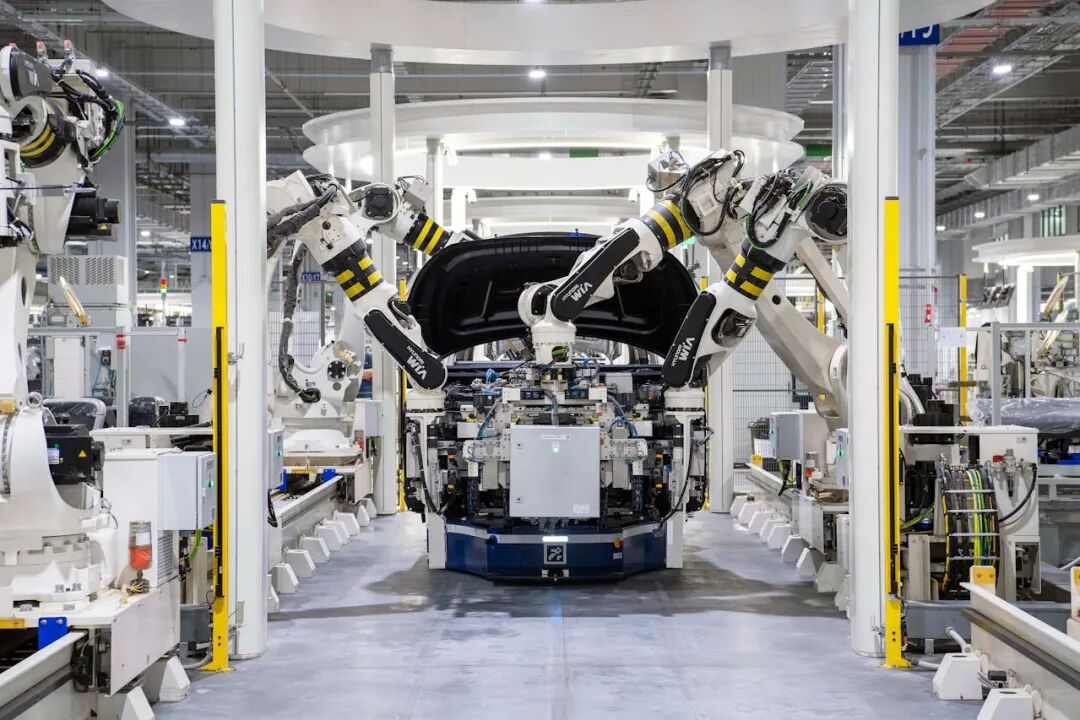
By analyzing the robot industry chain, we can see that the upstream core components (robot arms, chips, sensors, reducers), the mid - stream whole - machine manufacturing, and the downstream scenario applications have formed a complete and mature industrial ecosystem.
However, only with breakthroughs in large models, computing power, and algorithms can robots move from mechanical execution to intelligent perception. In the 20th century, neural networks began to form decision - making and perception. Large models have endowed robots with more and more natural language interaction capabilities. For example, the NVIDIA Jetson AGX Orin chip enables robots to process real - time data, and the reinforcement learning algorithm allows robots to adapt to different scenarios autonomously.
Embodied intelligence has gradually shifted from the early modular AI algorithm integration to a unified technical framework driven by large models. With the support of multi - modal perception, embodied intelligence has become smarter. Looking back, inspiration forms the gene for the emergence of robots, and technological progress lays the foundation for their development.
Therefore, people can see their active figures in homes, factories and every corner today. The “marathon” is approaching the finish line, and the robot industry has finally entered the 2.0 era. Since robots are the core carriers of the embodied intelligence industry, from the 1.0 stage to the 2.0 era, robots have started to flourish.
This is mainly reflected in “diversified enterprise patterns, a wide variety of application scenarios, and the enthusiasm of the capital market”, which together outline a prosperous picture of the robot industry.
For example, KUKA Robots of Midea Group has continuously won projects in European countries such as Spain and Slovakia, with an order value exceeding 50 million euros; the Walker X humanoid robot of Ubtech has autonomous navigation and gesture interaction capabilities and has been applied in scenarios such as airports and exhibition halls; the Yuanzheng A1 of ZHIYUAN ROBOT has become a capable “assistant” in many industries with its precise grasping ability.
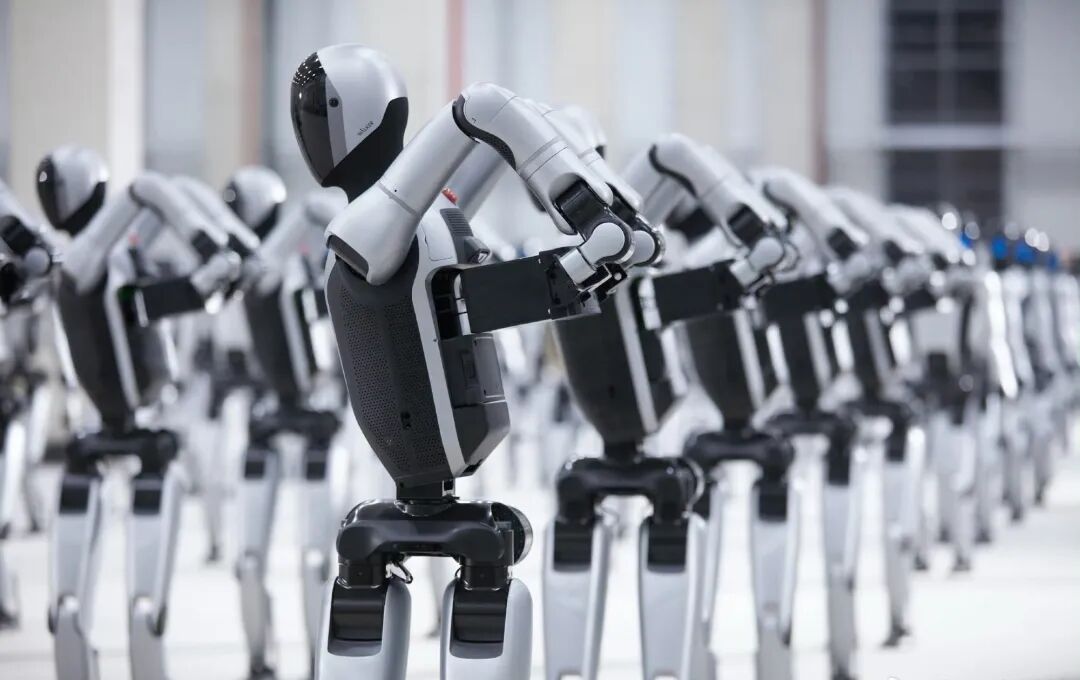
Therefore, against the backdrop of a large number of products being widely introduced into the market, the enthusiasm of the capital market has indeed become another highlight of the entire industry.
Public information shows that in September alone, there were more than 21 related financing events, with a total disclosed financing amount exceeding 10 billion yuan, setting a new monthly financing record.
Of course, all products, technologies and capital stories ultimately need to be implemented in scenario applications. The expansion of scenarios is the core symbol of the evolution of robots to the 2.0 era. Currently, humanoid robots and quadruped robots are each showing their strengths and penetrating into multiple fields of the social economy.
For example, during the World Robot Conference in August this year, 220 domestic and foreign enterprises gathered in Yizhuang, Beijing, and displayed 1,569 products, further demonstrating the diverse forms and tool - oriented nature of robot application scenarios.
Robots: Just One “Brain” Away
The entire industry seems to be booming, but a key question has emerged: What does it take for robots to truly enter every household?
In the development logic of the consumer industry, scale often depends on breakthroughs in mass - production capabilities. Only when stable supply is achieved and costs are reduced will the public's awareness and willingness to pay increase. However, robots have not become as popular as smartphones yet, and the high price does not simply reflect manufacturing difficulties.
The core contradiction in the robot industry currently is the high product price and low penetration rate, which are mainly limited by the realization of large - scale mass production. With the relatively mature automation production technology at present, mass production itself is not the fundamental problem. The key factor restricting the industry's development is the lack of a large model specifically designed for robots to drive their implementation.
Why do robots need a dedicated large model?
The core reason is that there is a “natural gap” between general large models and the application scenarios of robots. Currently, the mainstream general large models mainly focus on fields such as natural language processing and image recognition and are good at “static interaction”. However, robots face “dynamic scenarios” and need to perceive environmental changes in real - time, adjust actions quickly, and handle emergencies. This requires the large model to have the characteristics of “low latency, high precision, and strong adaptability”.
For example, when a home service robot encounters an elderly person having a sudden illness, it needs to respond within 0.1 seconds, contact the family members and call the emergency hotline, which is difficult for general large models to achieve. Similarly, Wang Xingxing, the CEO of Unitree Technology, once said that robots should start working, but the existing AI is not sufficient.
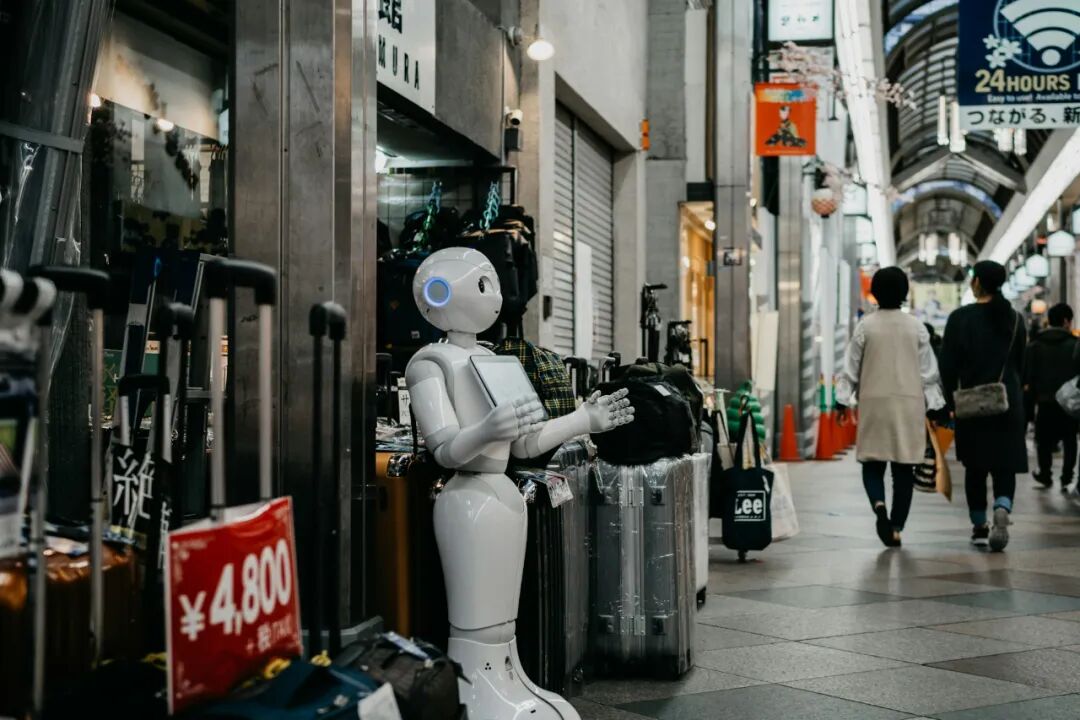
The research and development of a dedicated large model is not easy. Currently, only a few global enterprises are involved in the research and development of dedicated large models for robots. Most start - up companies find it difficult to break through the bottleneck due to insufficient funds and technological accumulation. To put it simply, robots are still a bit clumsy in terms of flexibility.
On the other hand, robots are an intermediate form between 3C consumer electronics and automobiles. The engineering volume and complexity are lower than those of automobiles, and the value proportion of the battery itself is not large. The key technical indicator for automobiles is battery life, but robot users care more about intelligence rather than battery life.
The research and development of a dedicated large model is the key to “winning the future”. For the entire industry, reshuffling will drive resources to concentrate on high - quality enterprises, accelerating technological iteration and commercial implementation.
When robots have dedicated large models, when large - scale mass production becomes a reality, and when prices become more affordable, robots will no longer be “luxuries in the laboratory” but “partners in every household”, truly reshaping human living spaces and industrial forms.
The Year of the Robot Has Arrived
The trend of the entire robot industry in 2026 may be the concentrated realization of capital.
The reason why the robot track can accommodate so many players is related to the maturity of the industry. During the industry's dividend period, manufacturers with basic capabilities in fields such as industry, AI, and algorithms have all targeted this blue ocean. They are very similar to the new forces in the new energy vehicle industry, sharing obvious commonalities: strong technological innovation ability, good at expanding markets, young entrepreneurs, and good at telling stories to the capital market.
The year 2025 was also the “listing sprint year” for many robot companies. They all needed the market to pay attention and invest money. Public information shows that by the end of 2025, at least nearly 30 companies in the robot industry chain had submitted listing applications to the Hong Kong Stock Exchange. If we also consider the A - share and US - stock markets, the number on this list will be even larger. The listed enterprises also cover all aspects of the entire industry chain from core components, whole - machine manufacturing to system integration.
For robot whole - machine manufacturing enterprises, considering that Unitree's first store will open, its application store will be launched, and it may have completed the listing guidance, 2026 may be a year when more players will sprint for IPO. Going public is not only to obtain continuous investment funds but also to demonstrate commercial realization capabilities to investors. This is similar to the logic of L4 - level autonomous driving enterprises going public in 2025.
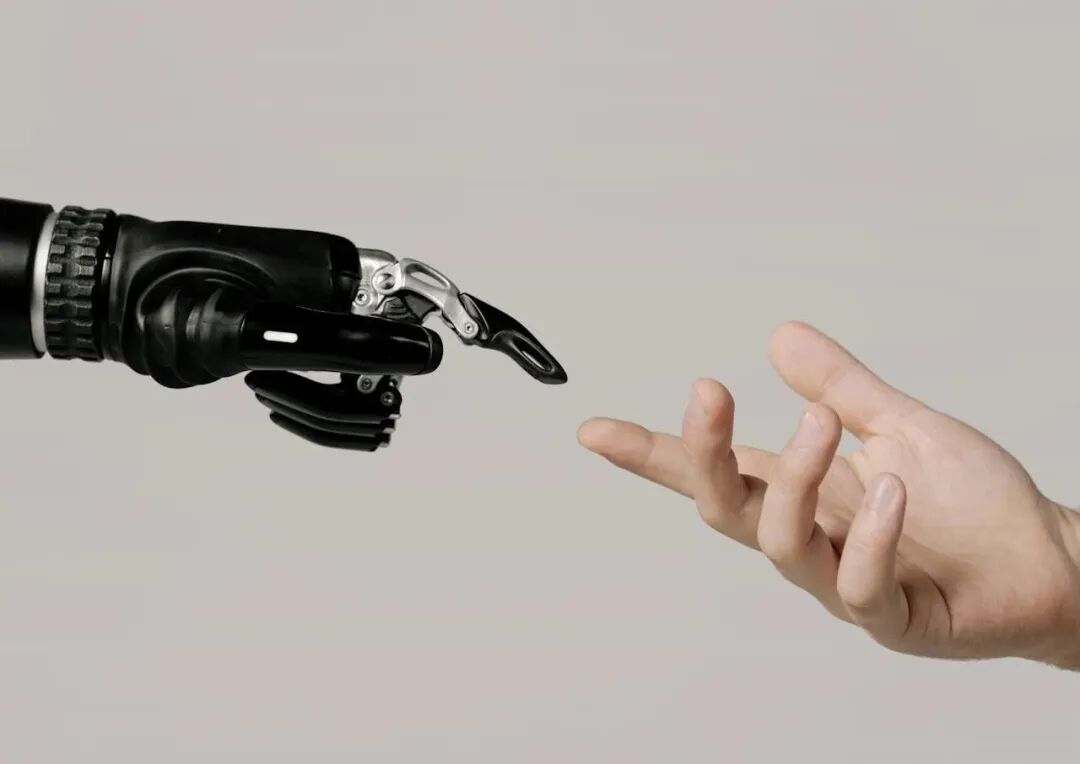
From the product perspective, on the basis of robots becoming smarter in 2025, the “brains” and “cerebellum” of robots, especially humanoid robots, will become more mature in 2026.
Currently, the iteration speed of technical parameters of large - model manufacturers has been compressed to a few months, which provides support for the arrival of embodied large models and the acquisition and training of massive data. Once the data barrier is broken, the training of robots can be similar to the training of autonomous driving in previous years, forming a rich data resource pool to correct the immature thinking, decision - making, judgment and behavior of robots.
In other words, robots in 2026 may become more anthropomorphic. XPeng Motors has previously released highly realistic robots, which means that the industry has the technical foundation and manufacturing capabilities.
Expanding to the entire industry, the industry will evolve into a standardized development stage.
On December 26, 2025, the Standardization Technical Committee for Humanoid Robots and Embodied Intelligence of the Ministry of Industry and Information Technology was officially established. The committee will be mainly responsible for formulating and revising industry standards in fields such as basic commonality, key technologies, components, whole - machines and systems, applications, and safety of humanoid robots and embodied intelligence.
With the implementation of many standards, robot products are gradually moving towards standardized development, and the downstream application scenarios are gradually being opened up, especially in sectors such as retail services, commercial exhibitions, and industrial manufacturing.
It's time to redefine robots in 2026.
This article is from the WeChat official account “florayang01” (ID: daily - case), author: Donald, editor: Ray, published by 36Kr with authorization.