Will the "Starry Sky Project" make a comeback in the cross-border car manufacturing industry after its debut at CES?
Since Xiaomi and Huawei successively entered the automotive market and stirred up a huge wave across the industry with their respective capabilities, everyone is certain that after several rounds of market elimination, no new players would dare to enter the car - manufacturing business. Moreover, due to the dual impact of price wars and public opinion wars, if you say there are still people thinking about entering the market from other industries to grab a share, it would surely be considered "absurd".
Imagine that when almost all Chinese automakers have to follow Huawei's lead and keep their distance from Xiaomi cars, which cross - industry player can really gain a foothold in such a market environment?
On August 28, 2025, Dreame Technology, a company well - known for its robotic vacuum cleaners, officially announced its entry into the new energy vehicle industry. It also claimed that it would create a super - luxury pure - electric vehicle brand. The first model is positioned as a "super - luxury pure - electric sports car", is planned to be unveiled in 2027, and directly targets multi - million - yuan supercars like the Bugatti Veyron, with the goal of becoming "the fastest car in the world".
Upon learning this information, although we can't say that everyone will think Dreame is joking, for most people in the industry, with so many cautionary tales in front, it's really surprising that a technology company dares to enter the new energy market at this moment.
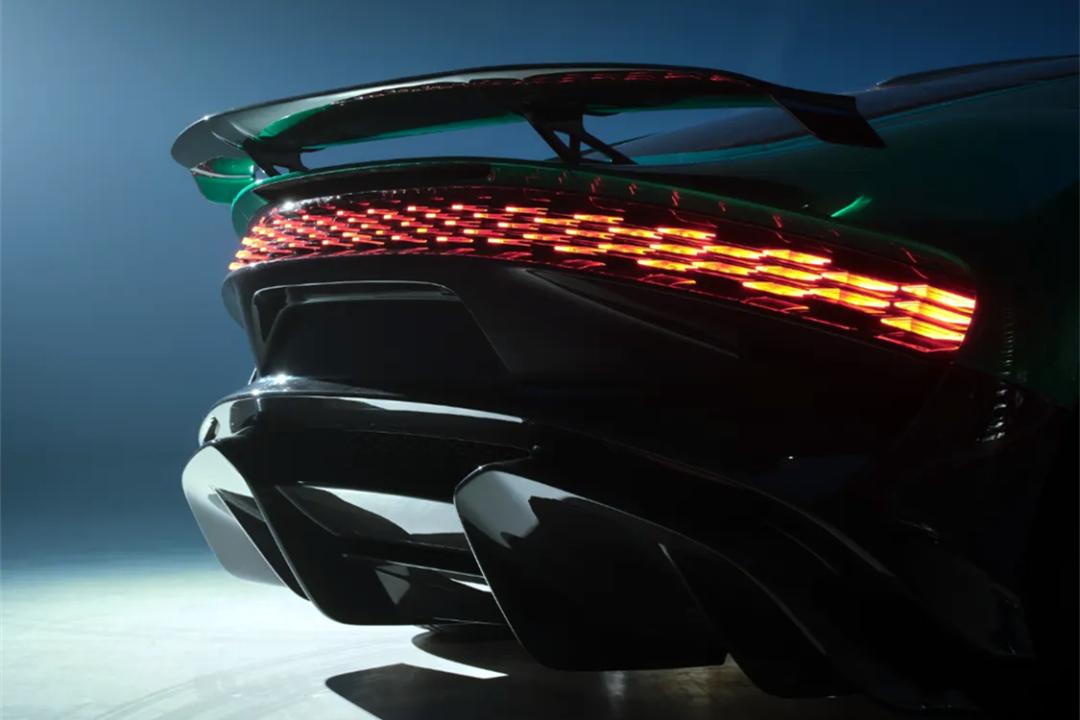
Just a few months later, it was thought that the topic of "Dreame making cars" would gradually be overshadowed by the hustle and bustle of the Chinese automotive market. Who would have thought that "Star Project Cars", the vehicle for Dreame's entry into the market, announced a few days ago that in their plan, the 2026 CES (Consumer Electronics Show) will be the debut stage for Dreame cars. According to the information, the new car to be unveiled at the exhibition might really be a super - sports car.
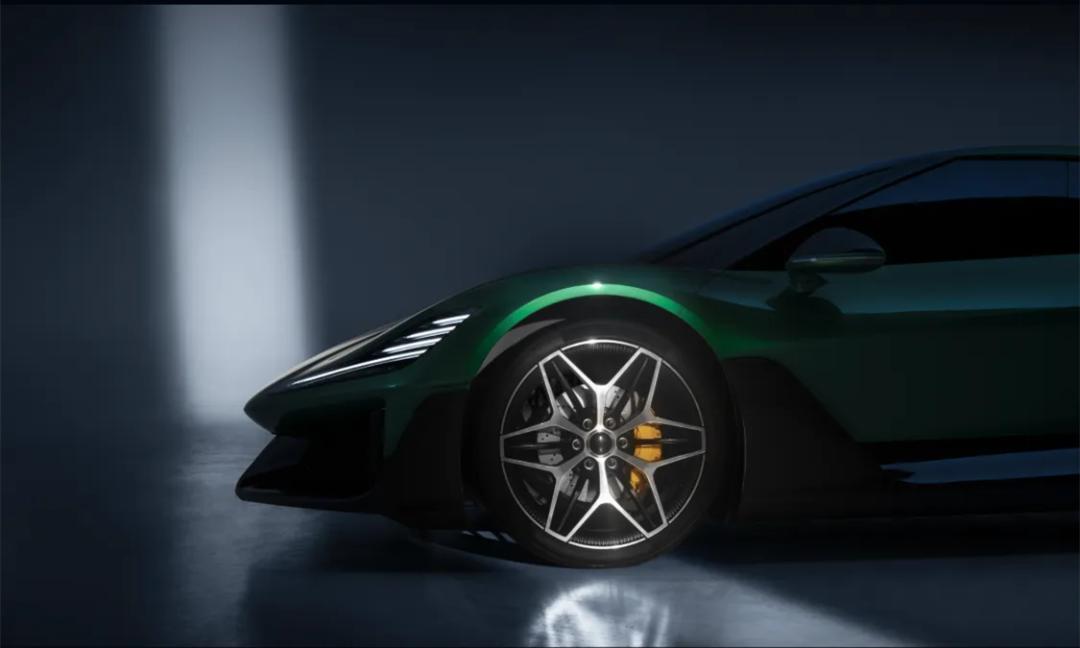
"What kind of car - making path will Dreame take?" Here, I believe this is the question everyone wants to ask. In the past decade, hundreds of new - energy vehicle startups have tried every possible way in car - making. In the end, there are hardly any that compete in the market with sports cars as the anchor point. Even the peculiar NIO EP9 is just a product used to build the brand image. So, what exactly is Dreame up to?
Dreame is Becoming More Determined to Make Cars
Looking back at 2025, not to mention how actively traditional automakers were showing the future development direction of the industry. When the remaining "NIO, XPENG, Li Auto, and Leapmotor" among the new - energy vehicle startups have put survival first and have all launched cost - effective models into the market, we should know that any flashy products have been removed from the list of automakers. This not only means a change in consumer trends but also indicates the future direction of the Chinese automotive industry.
Of course, looking at the current market situation, perhaps due to the unfavorable economic environment, Chinese automakers are all leaning towards cost - effectiveness. But under the premise of an unpredictable future, who can break out of this survival logic?
Previously, as Dreame itself believed, in the context of the accelerating trend of high - end and globalization of new energy vehicles, there are still only a handful of Chinese luxury brands that have truly established international recognition. Therefore, in this scarce window period, Dreame can rely on the technological strength, global channels, and brand recognition accumulated in the intelligent hardware field to achieve a strategic leap from'smart home appliances' to'super - luxury electric vehicles'."
During the period from December 23rd to 25th, the Star Project intensively established new companies. It was found that Star Project (Shanghai) Automotive Technology Co., Ltd. established 11 new companies in Baoshan District, Shanghai, and Jiaxing City, Zhejiang Province within the above three days. These companies belong to industries such as scientific research and technological services, wholesale and retail, and the shareholding ratio is 100%.
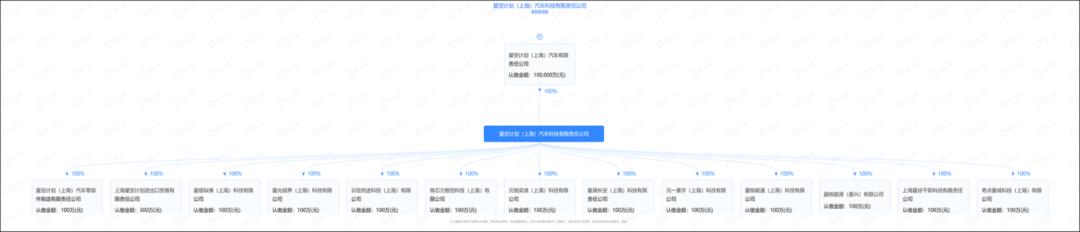
It seems that all these signs are increasingly proving to the outside world that this technology company that suddenly entered the automotive industry has sufficient confidence to change the current dull situation of the automotive market.
You may say this is the courage of ignorance. Around 2020, we could think so. But looking at the market changes in the past three years, from high - end brands like HiPhi, Ji Yue, and Evergrande Auto to lower - end ones like Nezha, Skyworth, and Rading, none of them can maintain basic survival ability. To be honest, it's really hard to figure out what Dreame is after.
The stage of the 2026 CES always gathers high - tech companies from all over the world. When these companies flock together, if you don't have real capabilities, it's out of the question to get exposure.
In other words, for the Star Project, since it dares to bring a super - sports car to its first appearance, it always makes people think that, different from other Chinese new - energy vehicle startups, its technological strength is quite strong.
Indeed, founded in 2017, Dreame was initially a part of the Xiaomi ecosystem and is well - known for its smart home devices such as robotic vacuum cleaners. Calculating from its early planning, Dreame's core technologies lie in high - speed digital motors, intelligent algorithms, and robot sensing and control. Once these technologies are applied to the electric drive system, intelligent cockpit, and assisted driving fields of cars, will the effects be immediate?
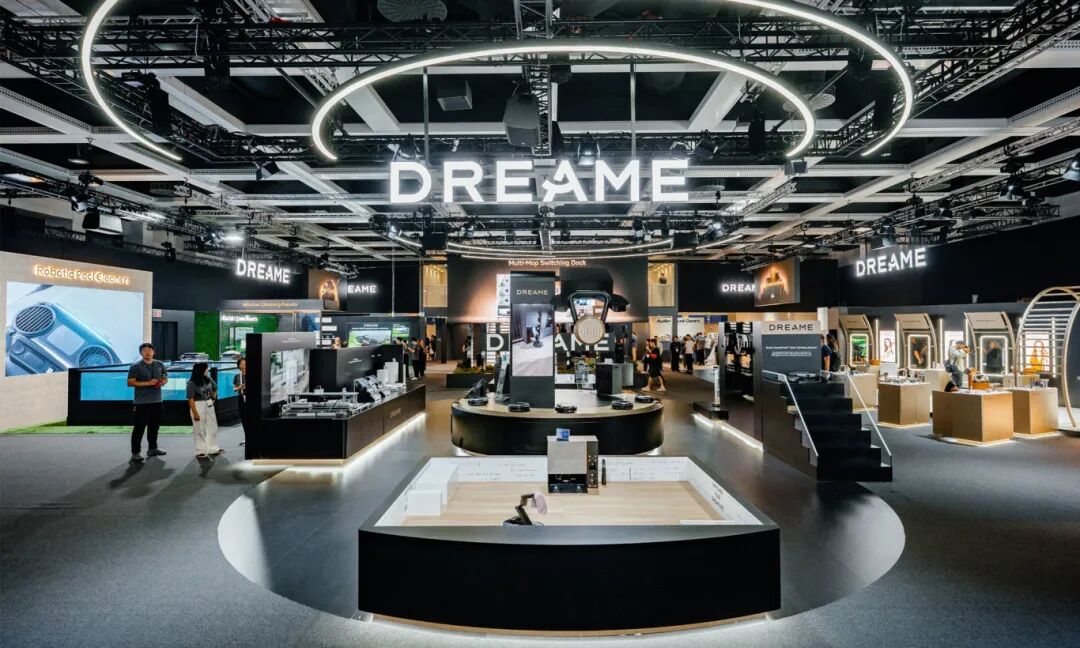
As of May 2025, Dreame has applied for more than 6,300 patents globally, of which 45% are invention patents, covering core fields of intelligent vehicles such as sensor fusion and motor control. Does this also indicate that in the car - making logic of the Star Project, it is not impossible to replicate Xiaomi's success?
In terms of technological reserve, it can be said that Dreame is not like those previous speculators who blindly entered the automotive market with just a PPT. In terms of relevant industrial personnel, there are enough talents who have been left jobless due to the wave of new - energy vehicle startup closures in recent years for Dreame to form a car - making team. But standing at the juncture of 2025, a time of constant disputes but also a gradually returning market order, the future of new players still seems to be waiting to be explored.
The Chinese Automotive Market Cares About Reality, Not Sentiment
Throughout the year, since Nezha sounded the final death knell for new - energy vehicle startups, information about new - energy vehicle startups is no longer as prevalent on the Internet as in previous years. At most, Jia Yueting and his undead Faraday Future will pop up from time to time to amuse everyone.
When everyone is deciding life and death in price wars and selling products frantically with the help of subsidy policies, for today's consumers, buying a car has nothing to do with the emotional value that a brand can bring. Maybe compared with the extremely colorful era in the past, the Chinese automotive market is too dull now. But from another perspective, this market situation that simply focuses on price clearly sets a survival rule for everyone.
The Chinese automotive market is so large that no matter what the new automakers did before, there should still be room for them to survive. The key lies in whether the enterprises can truly keep up with the future development rhythm, rather than acting on the will of the founders randomly.
In the past two years, after many new - energy vehicle startups withdrew, the Chinese automotive market still welcomed some powerful cross - industry players. Relying on traffic and a large user base, and understanding what Chinese consumers really need, and then launching products that meet the needs of the era, it doesn't seem that difficult to "sell like crazy".
Of course, no matter how inclusive the Chinese automotive market is, with the current consumption concept and economic environment, it's simply nonsense to think that one can complete the original accumulation with sports cars. Years ago, when people's lives were getting better, a sports car priced at more than 600,000 yuan couldn't survive. So, I don't believe that the current market, which regards cost - effectiveness as the golden rule, will change.
How practical Chinese consumers are in recent years? Too many stories are proving this point. No matter which automaker it is, the strict classification of vehicle levels is no longer a concern. Overnight, B - class or even C - class cars are sold at A - class car prices, mid - large SUVs are directly in the 200,000 - yuan price range, and intelligent driving and intelligent cockpits can be standard on 100,000 - yuan cars... These have all become the generally accepted development rules.
Among the surviving new - energy vehicle startups, NIO is both reducing prices and launching models like the LeDao L60/L90 and the Firefly; to further win over users, XPENG has launched a large number of extended - range models into the market; needless to say about the "dark horse" Leapmotor, which, with its "half - price Li Auto" strategy, takes on both good reputation and high sales, and has even been favored by FAW Group and directly become a technology provider.
It is said that it's hard to guess what Chinese consumers are thinking. Their demands of "wanting it all" are really hard to meet. But now, the existence of these enterprises is proving to us that even without brand halo, the path of coming from the masses and going back to the masses is always applicable.
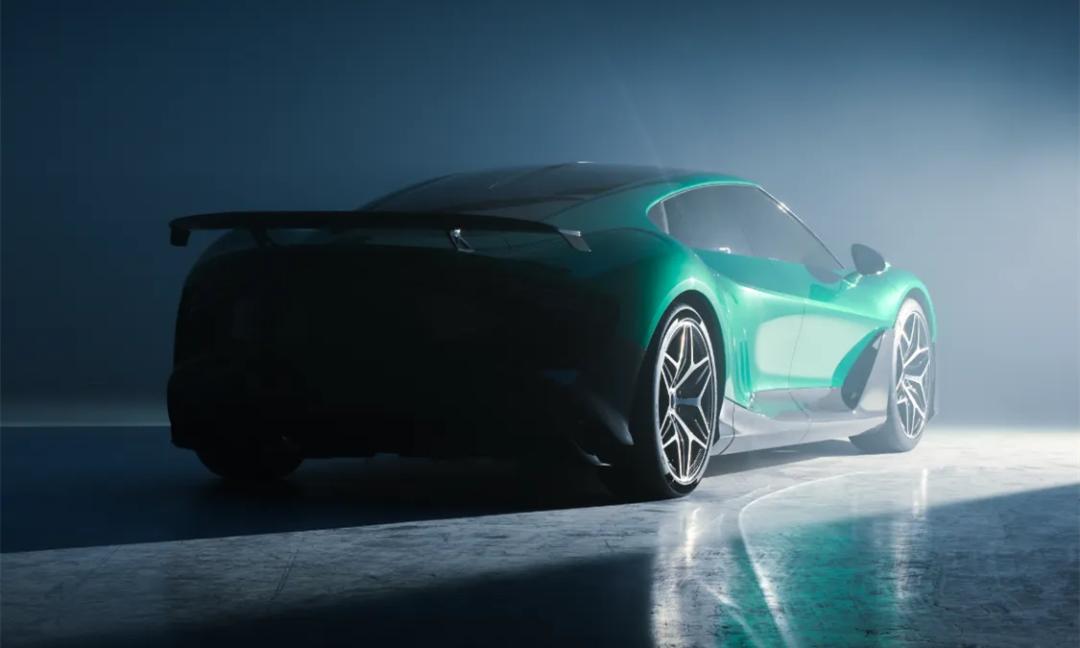
In the field of smart home appliances, Dreame's public reputation is obvious to all. Sometimes, its technological attributes inherited from Xiaomi can also resonate with people. Maybe it was seeing the great success of its predecessors as soon as they entered the market that made Dreame so determined to enter the Chinese automotive market. Appearing on the 2026 CES stage is even a must - option in the established plan.
However, in any case, the appearance of the Star Project at the CES is just the first step in Dreame's long - march of car - making. By positioning itself in the super - luxury market, Dreame has to some extent avoided the fierce competition in the mass market. The determination of its founder, Yu Hao, is no less than that of its predecessors. But in today's era when the Chinese automotive industry has changed from a "follower" to a "leader", whether Dreame's cross - industry attempt can succeed not only depends on the product strength but also tests the market's tolerance for emerging brands.
This article is from the WeChat official account "Automotive Commune" (ID: iAUTO2010), author: Cao Jiadong, published by 36Kr with authorization.