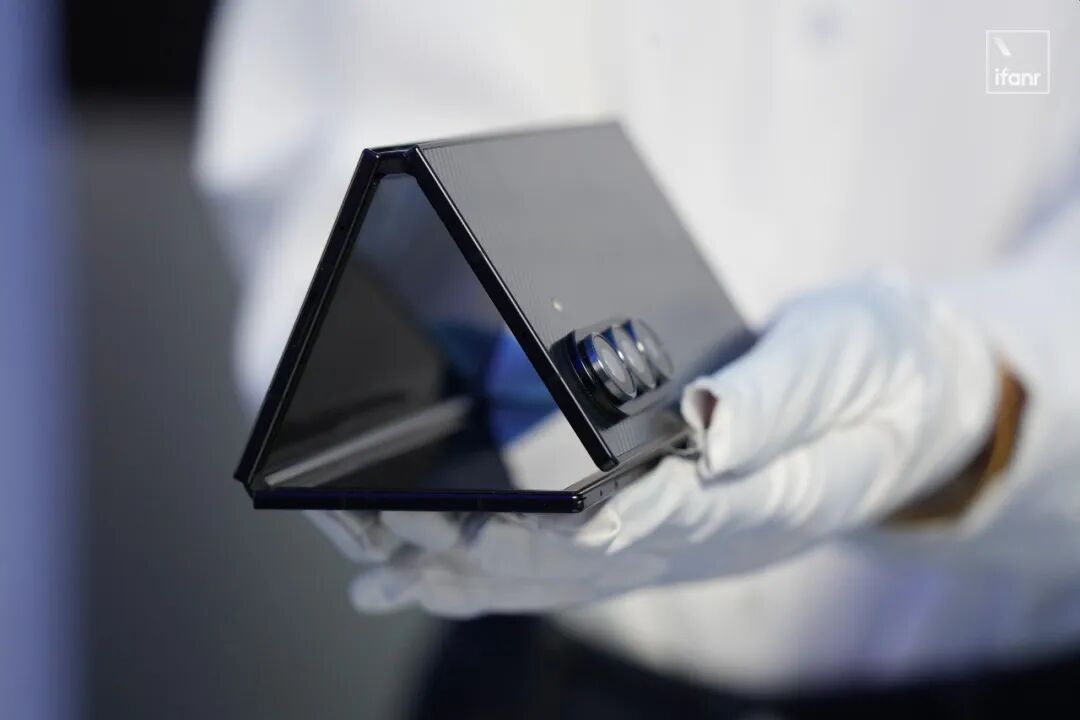
Samsung's triple-foldable phones: Why does it lose money on every unit sold?
It's quite astonishing that scalpers are snapping up Samsung products. This is unheard of in recent years when Samsung's market share in China has been on a continuous decline.

Image | Android Headlines
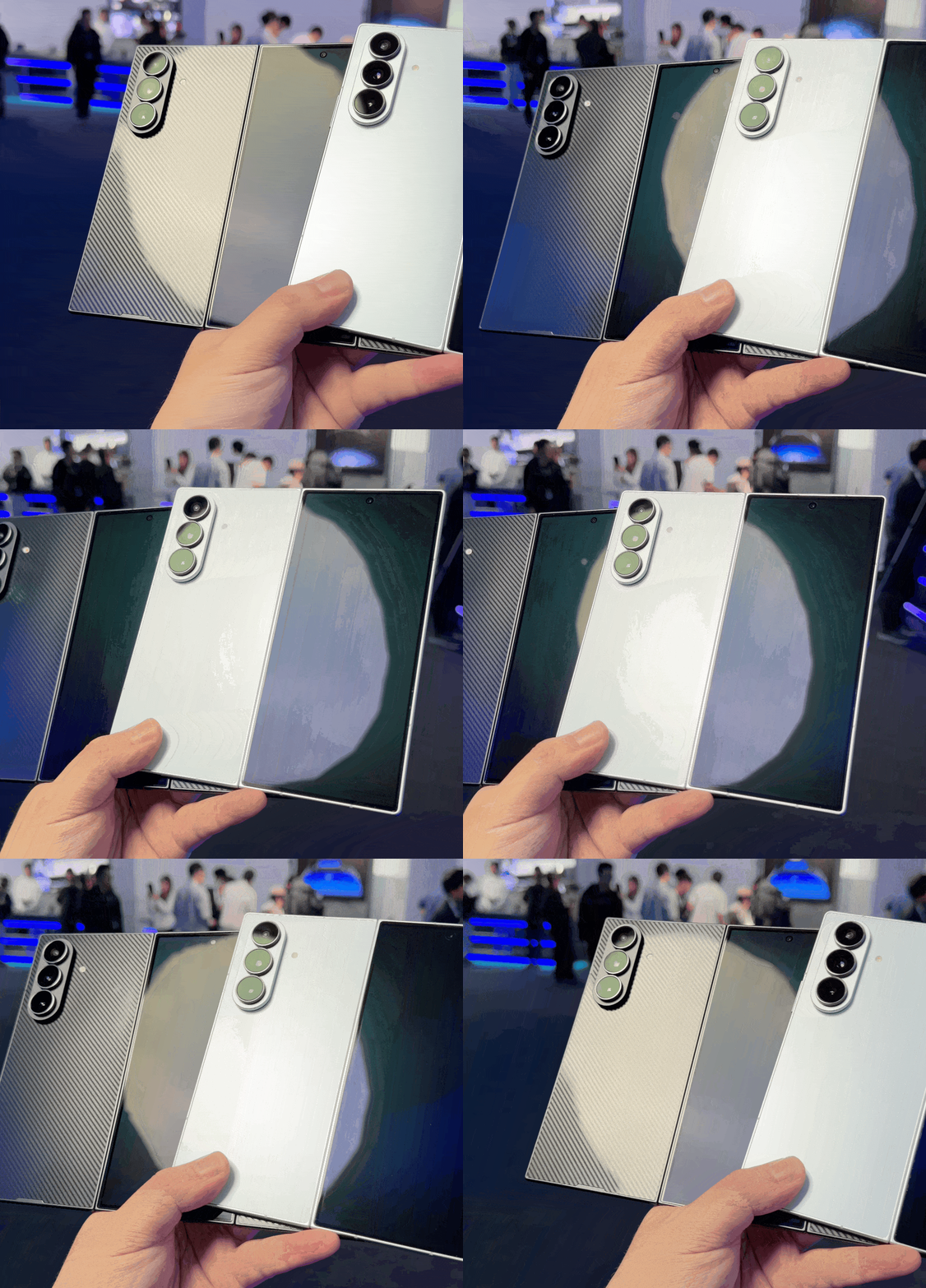
However, the fact is that Samsung's first triple-foldable phone, the Galaxy Z TriFold, is facing the same situation as the Huawei Mate XT when it was first launched: it's extremely difficult to reserve, you have to pay a premium to get one, and in some cases, you even have to unpack and activate it on the spot.
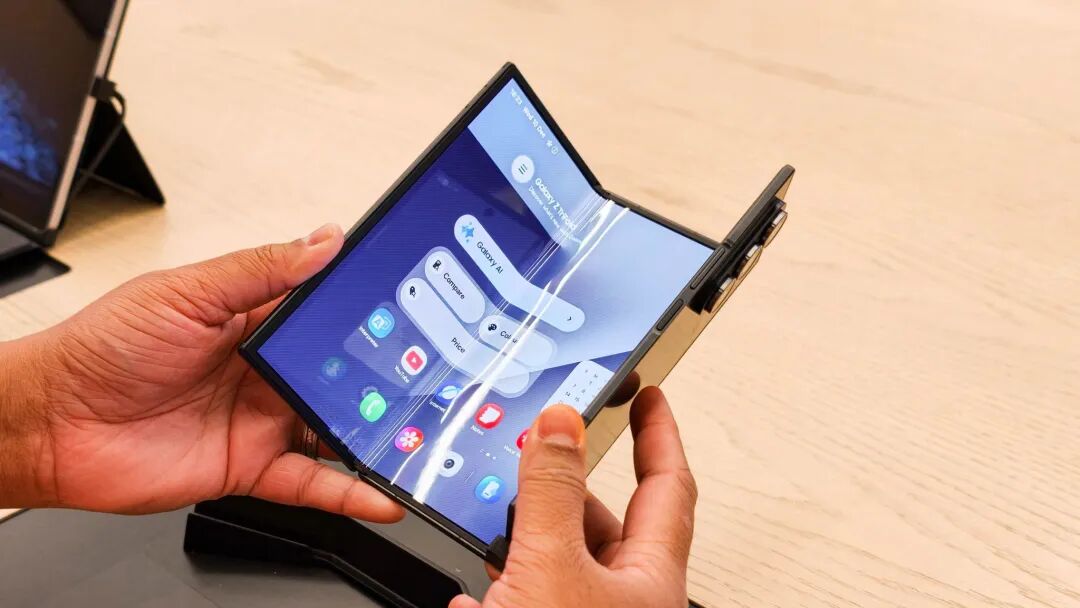
Image | Android Central
This is due to both the early release in Asia compared to the global market and the popularity of this new form-factor product, which has given a phone with a starting price of 20,000 yuan the same level of attention as an iPhone.
We will bring you an official review of the Samsung triple-foldable phone later.
However, while the market is bustling, Samsung doesn't seem to be very happy.
According to a report by South Korean media The Bell, the initial planned price of the Samsung Galaxy Z TriFold during its R & D and design phase was around 4 million won (about 19,500 yuan), but the final retail price is 3.5904 million won (about 17,500 yuan):
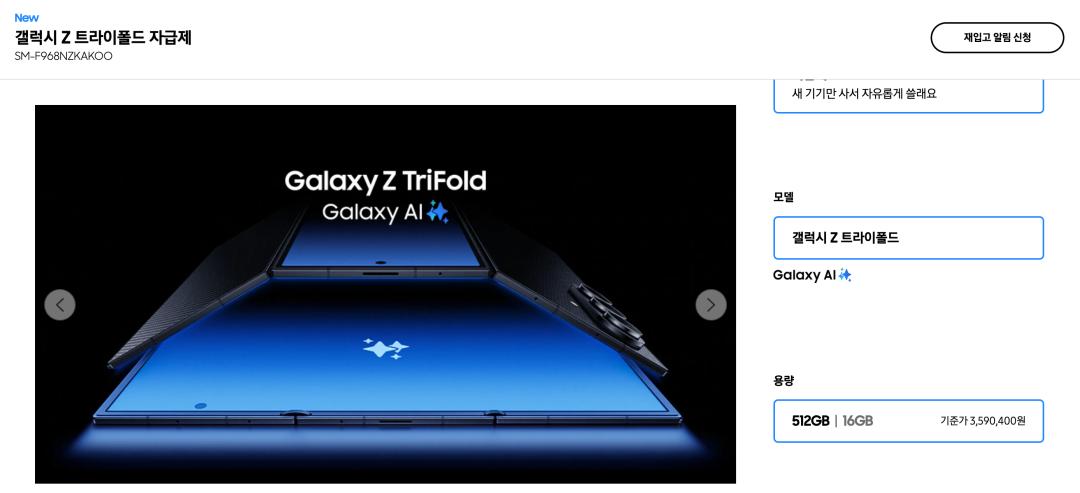
Image | Samsung official website (South Korea)
The problem lies precisely in this price of 3.5904 million won. According to the calculations of supply chain information and the statement of Lim Sung-taek, the deputy general manager of Samsung Electronics in South Korea, in an interview:
(Galaxy Z TriFold) is a special edition product. Rather than aiming for high sales volume, we hope it's available for those who really want it. Despite many issues such as the price of memory chips, this is a price that was difficult to set after repeated cost-cutting to consider the overall situation.
Calculated in this way, there is a high probability that the Galaxy Z TriFold is literally "losing money for the sake of popularity". The shortage is not due to insufficient production capacity, but rather Samsung simply wants to lose less -
The BOM (Bill of Materials) cost of the Samsung Z TriFold, plus the upfront R & D costs, new production line costs, mold-opening costs, and marketing expenses that need to be amortized, is most likely higher than the South Korean version's selling price.
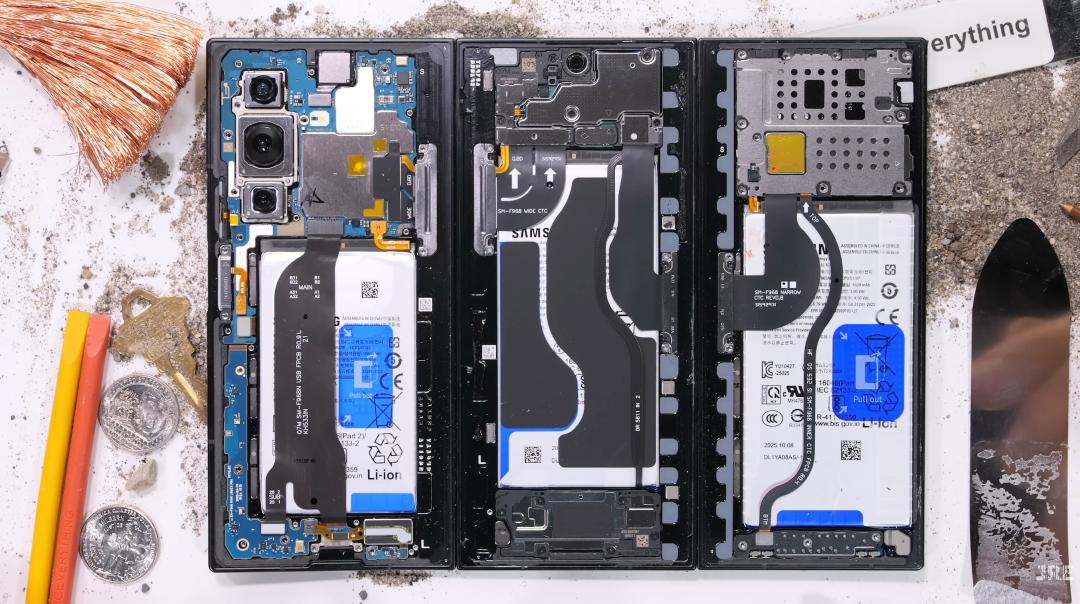
Image | Youtube @JerryRigEverything
Naturally, the largest part of the BOM cost is the 10 - inch flexible inner screen.
Due to the limitations of the evaporation process used in OLED production, the cycle of "larger area - lower yield - higher cost" has never been broken.
According to supply chain data, the material cost of the inner screen assembly of the Galaxy Z Fold7 is about 360,000 won. It is estimated that the cost of the TriFold's inner screen will increase by 30% - 50% compared to the Z Fold7, that is, about 500,000 won.

Adding the same 6.5 - inch outer screen as the Z Fold7, the screen BOM cost of the TriFold will reach 600,000 - 700,000 won, approaching one - fifth of the whole - phone selling price.
At the same time, the TriFold also includes a customized Snapdragon 8 Elite processor with a cost of about 350,000 won, a camera module of about 150,000 won, a double - hinge mechanism of about 200,000 won, and a motherboard, battery, and internal parts of about 260,000 won. These scattered costs add up to nearly 1 million won.

Image | Youtube @JerryRigEverything
What's even more troublesome is that the recently price - increased storage parts are not included here.
According to previous calculations by consulting agencies, the procurement price of 12 + 512GB is about 85 - 95 US dollars. Considering the sharp increase in the price of LPDDR5X, the cost price of the 16 + 512GB storage chip may reach 110 - 120 US dollars, about 160,000 won.
At this time, the bare - phone BOM cost of the Galaxy Z TriFold has reached around 2 million won, which is a significant increase compared to the estimated BOM cost of about 1.3 million won for the Z Fold7.
In addition, if we add all the aforementioned costs that need to be amortized, the remaining 1.5 million won margin will basically be filled up quickly.
Even if there is an additional profit margin, it can almost be ignored for a product at this price point.
Of course, the above situation only applies to the South Korean version of the Galaxy Z TriFold. But for the more expensive Chinese mainland, Taiwan, and Southeast Asian versions, even if the TriFold doesn't make a loss, the achievable profit margin is still very limited.
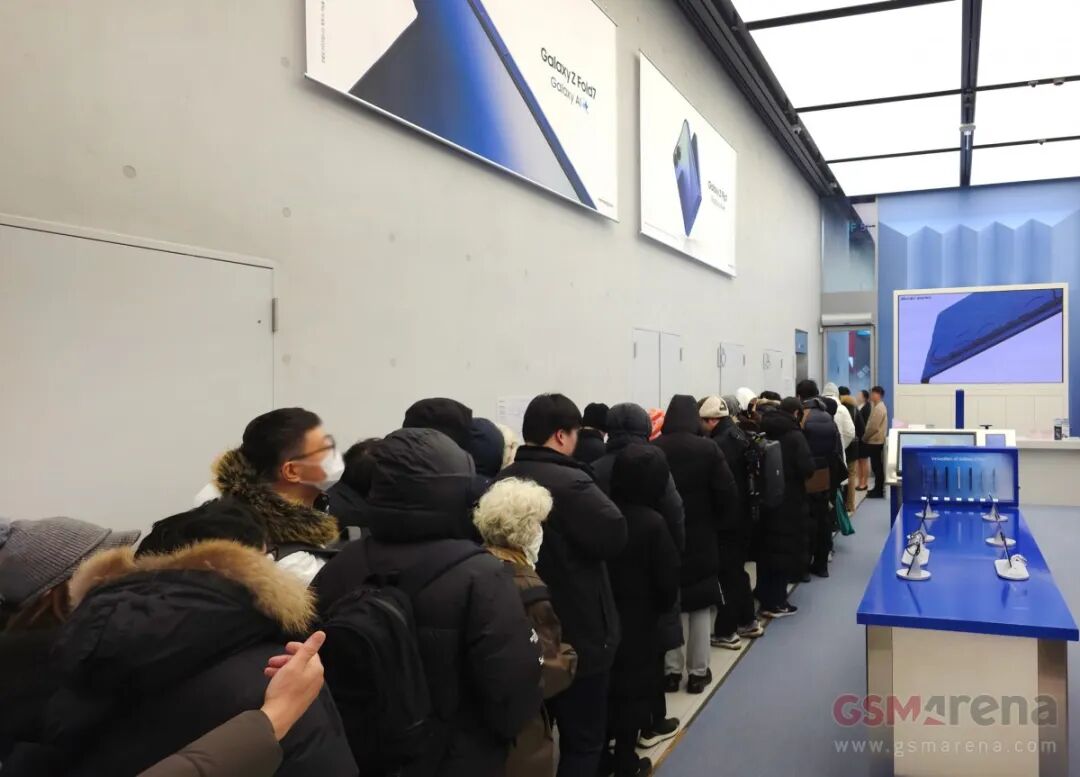
Image | GSMArena
If we consider the US version that will be launched next year, as well as the global logistics, warehousing, and marketing costs, the best result for Samsung's entire Galaxy Z TriFold product line is just to recover the R & D costs, and it may not even be as profitable as the A series.
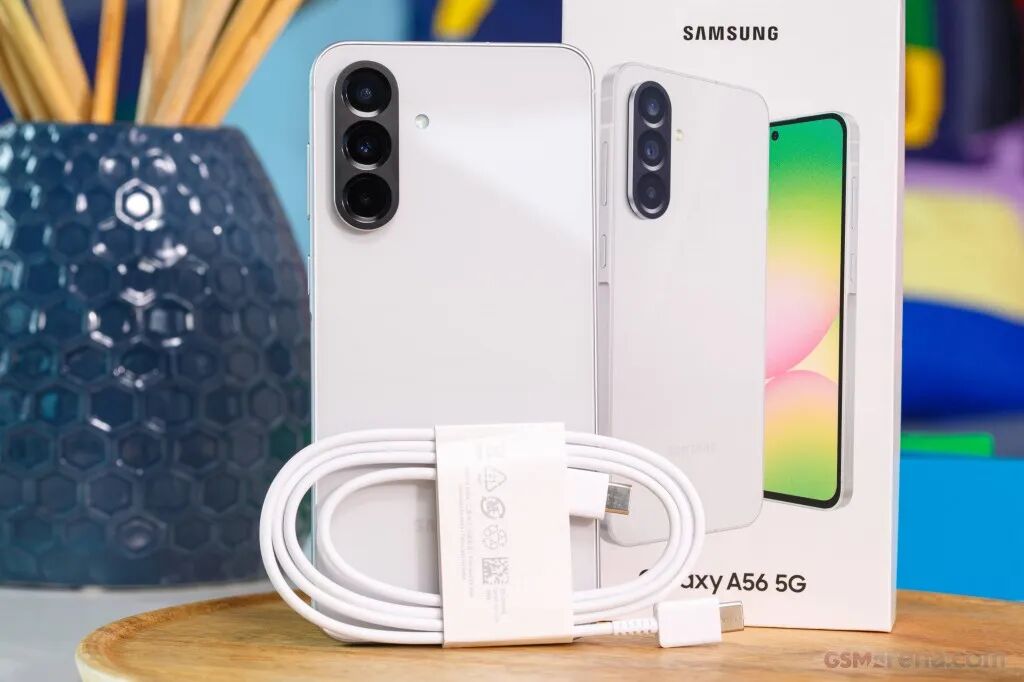
Image | GSMArena
The triple - foldable is just one side of the problem.
Although Samsung has not responded to the media's claim of "selling the TriFold at a loss", another thing cannot be avoided: the launch of next year's S26 series has also been severely delayed due to cost issues.
Insider information indicates that for the Galaxy S26 series, which was originally planned to be launched at the end of January 2026, due to the huge fluctuations in component prices, Samsung has not only cancelled the planned upgrade of the camera module but also postponed the Unpacked event to the end of February or even March -
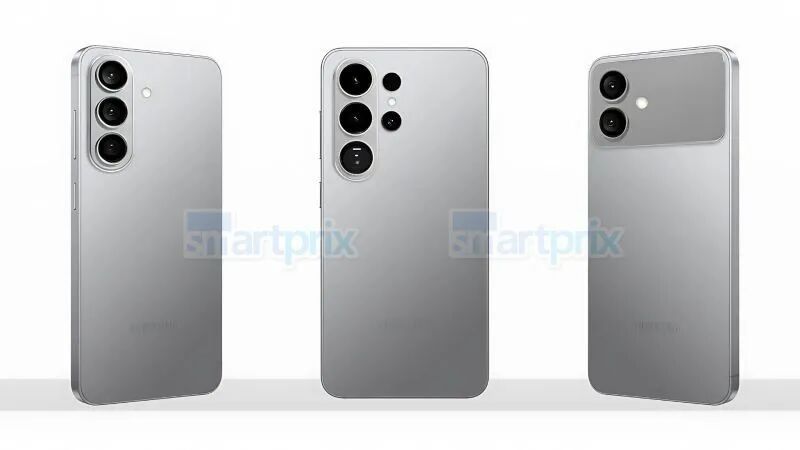
Image | Android Central
The reason behind this is quite funny: although Samsung itself is one of the world's leading DRAM and NAND chip manufacturers, internal corporate strife is still an unavoidable factor.
Just last month, when the DRAM price was continuously rising and the single - chip price of 12GB LPDDR5X reached 70 US dollars, the DS department of the Samsung Group, which is in charge of storage, actually rejected the procurement request from the MX department of consumer electronics -
In other words, Samsung cut off the supply of memory and hard drives to its own flagship mobile phones.
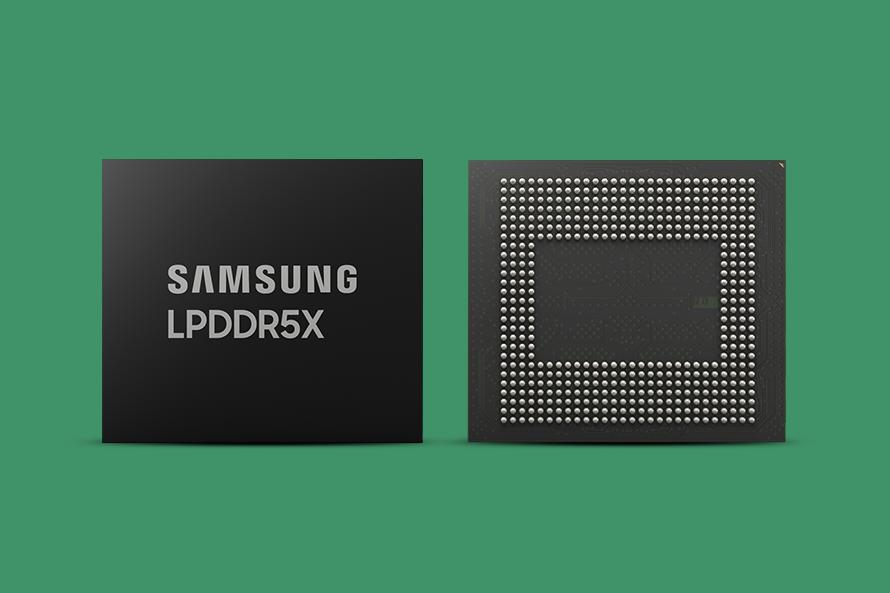
Image | Samsung Semiconductor Newsroom
The Samsung DS department even overturned the previous annual procurement agreement and demanded quarterly contracts. In the end, even when Samsung's senior executives got involved in the negotiation, they only promised to ensure the DRAM supply for the fourth quarter of this year. It's still unknown how the MX department will procure storage chips next year.
The reason behind this is, of course, the AI industry's Scramble that IFanr mentioned before.
With the almost crazy profit margins, the Samsung DS department has allocated most of the production capacity of its improved 2nm GAA process to enterprise - level high - bandwidth memory (HBM) products.
Asking it to earn less from HBM and sell memory chips to the mobile department is more painful than making a loss.
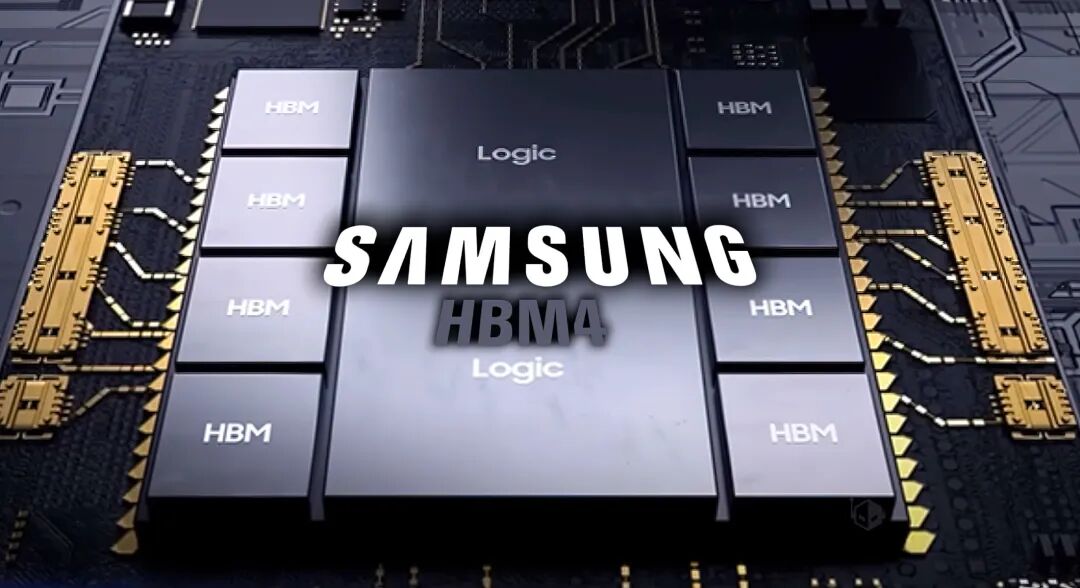
Image | Wccftech
Moreover, it's not just storage. Since OpenAI will be the first customer of TSMC's 2nm process products next year, the Snapdragon processor planned for the S26 series will also see a price increase.
The rumored 2nm Exynos processor won't start to amortize the R & D costs until the foldable screen is launched in the middle of the year. All these factors combined make it the most headache - inducing problem for Samsung to decide how much to increase the price of the S26.
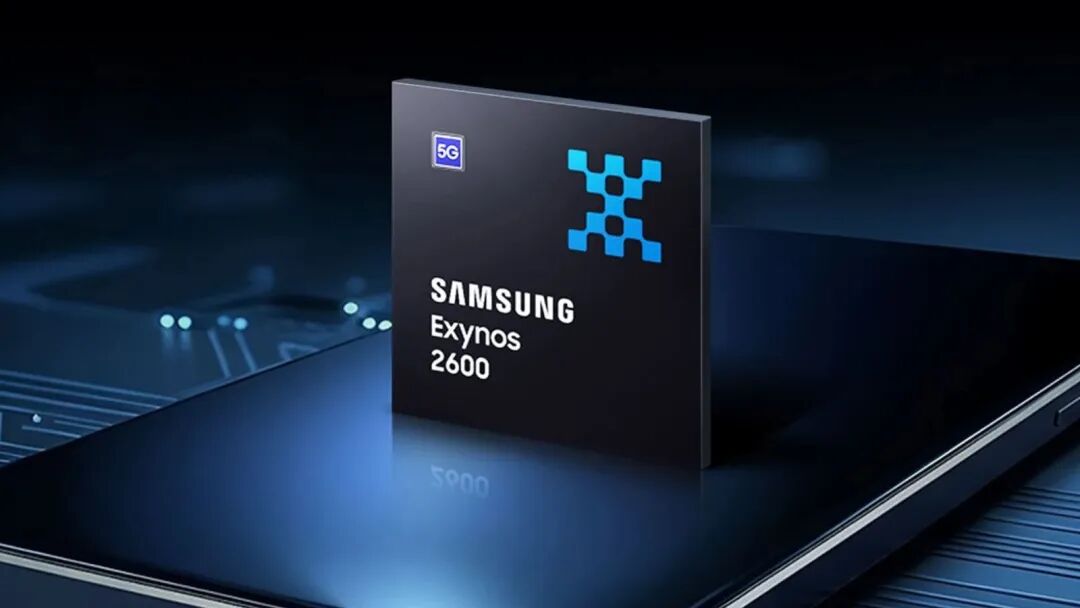
Image | MacRumors
Coupled with the great success and good reputation of the iPhone 17, the S26 series, whose sales cycle is in the middle to later stage of the iPhone's, is in an even more difficult situation. It's not impossible for Samsung to sell the S series at a loss.
However, we can't just laugh at Samsung.
After all, it's almost certain that the prices of storage, screens, and 2nm process processors will all increase in 2026.
Although the S26 series is still far from us, it's also inevitable that domestic mobile phones will become more expensive next year.
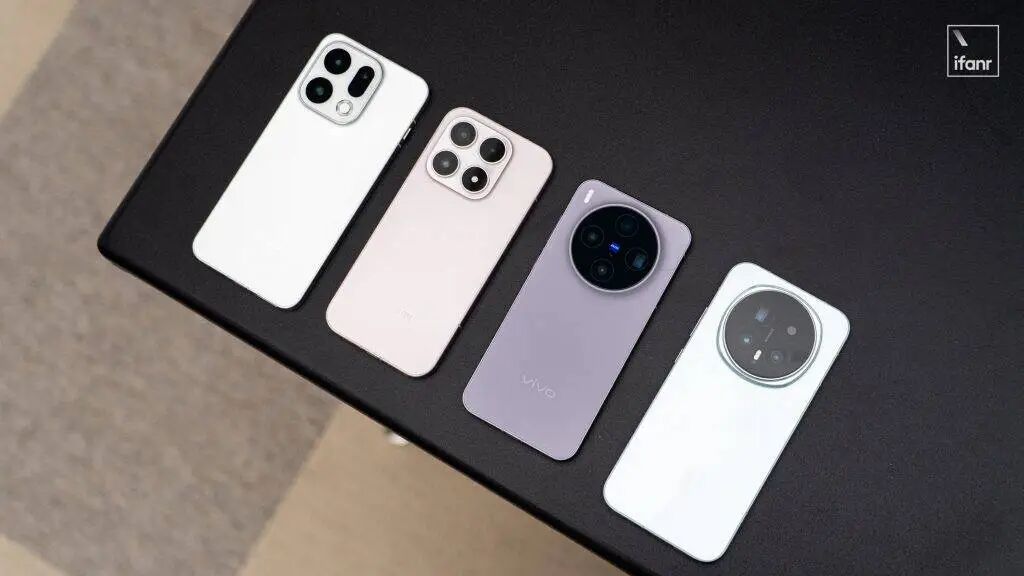
Due to the sensitivity of product parameters and the increasingly intense R & D competition in the past two years, we may observe a very interesting phenomenon in 2026 -
Within a certain price range, the higher - end the product, the smaller the profit margin.
It's well - known that the competition in the domestic Android market is fierce, and the profit margins of the top - tier models of each brand are about the same. But who would have thought that after all these years, even the well - respected South Korean company Samsung has to sell its super - flagship products at a loss for the sake of popularity...