Tesla's 4680 battery project has failed. Zeng Yuqun once told Elon Musk that it would never succeed.
The fig leaf of Tesla's 4680 battery has been ripped off by its supplier.
During the last earnings conference call, Musk mentioned that the large 4680 batteries could be supplied externally. However, the battery material supplier has just reported that the value of their contract has plummeted by 99.99%.
When the contract was signed two years ago, it was worth up to approximately $2.9 billion (about 20.3 billion yuan). But now, it has dropped sharply to about 47,000 yuan, almost zero.
What does this mean?
The large order that was originally anticipated failed to materialize as expected and has almost turned into a bubble.
The supplier didn't elaborate on the reasons for the sharp decline, simply responding with "changes in the supply volume".
It seems like they said nothing, yet also said everything.
Actually, Zeng Yuqun had already pronounced a "death sentence" on the 4680 battery earlier.
The contract between Tesla and its 4680 battery supplier has collapsed
The source is a South Korean battery material supplier called L&F Company, which has just released an announcement related to Tesla.
The announcement shows that L&F signed a supply contract with Tesla in 2023, worth approximately $2.9 billion (about 20.3 billion yuan). It was agreed that from January 2024 to December 2025, L&F would continuously supply high-nickel cathode materials to Tesla.
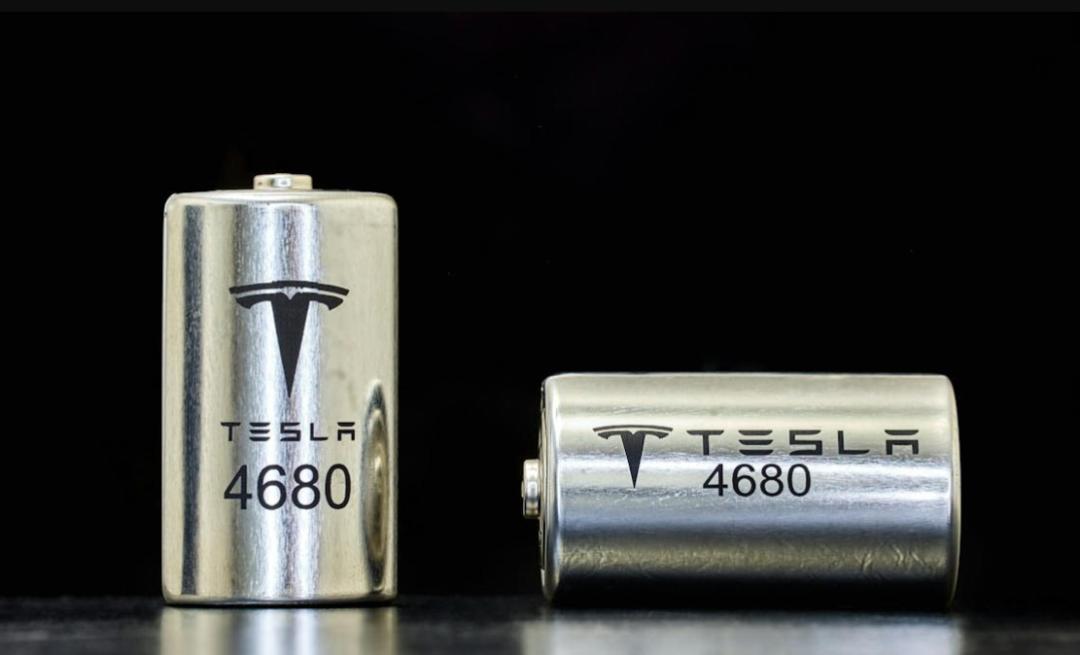
These high-nickel cathode materials refer to the cathode materials for lithium-ion batteries with a high nickel content. They feature high energy density and can increase the driving range of electric vehicles.
According to insiders, this material is the core material of Tesla's 4680 battery and is also one of the keys to helping Tesla achieve its goals of "reducing battery costs and increasing production capacity".
When the contract was first signed, most external voices believed that the cooperation between the two companies would gradually deepen. L&F even adjusted its production plan for this order and increased its production capacity investment in high-nickel cathode materials.
Unexpectedly, after two years, the cooperation has changed dramatically:
L&F disclosed that by the end of this year, the contract value has been reduced to 9.73 million won, equivalent to approximately 47,000 yuan.
You read that right. It has dropped from 20.3 billion yuan to 47,000 yuan, a significant shrinkage of 99.99%, almost zero.
L&F didn't explain the specific reasons for the sharp decline in the contract value in the announcement, only mentioning "changes in the supply volume". However, this statement contains enough information to figure out the underlying meaning.
The insufficient supply volume indicates that the production of the 4680 battery has fallen short of expectations. Since the 4680 battery is currently only used in Tesla's Cybertruck, it further reflects the weak sales of the Cybertruck.
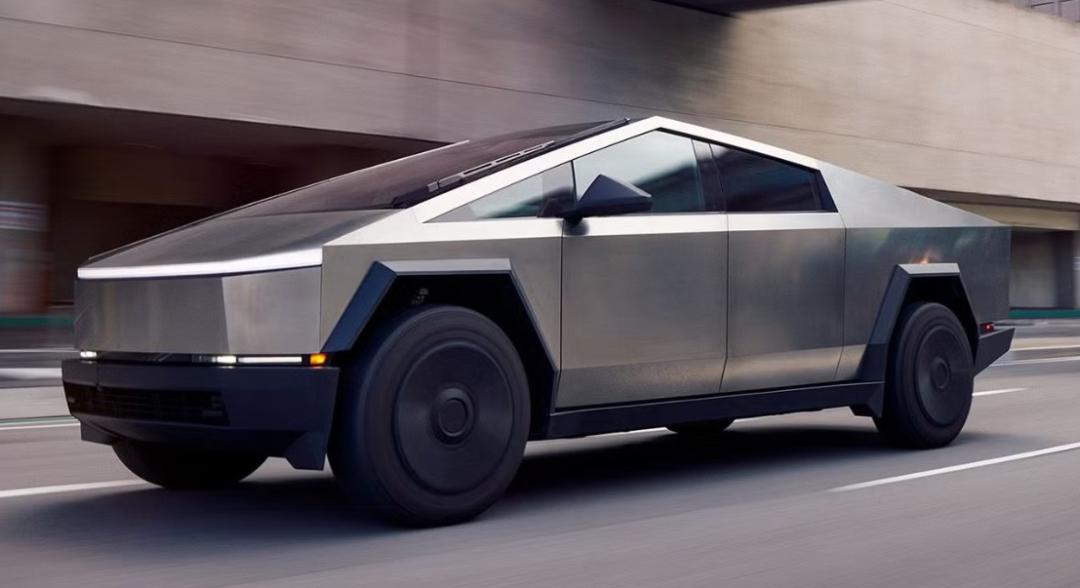
Musk had high hopes for this pickup truck and predicted that its annual sales could reach hundreds of thousands or even millions of units. However, the reality is far from that.
Market estimates suggest that the Cybertruck's sales in 2024 were approximately between 35,000 and 50,000 units, with an average of about 8,750 to 12,000 units per quarter.
This year, the sales have even decreased. It is estimated that the sales in the second and third quarters were 4,300 and 5,400 units respectively, with a year-on-year decline of over 50%, far from the target of one million annual sales.
However, it's not surprising that Musk set the goal of one million annual sales. After the all-electric pickup truck was unveiled in 2019, it did attract a lot of attention and anticipation. Tesla claimed to have received more than one million pre-orders.
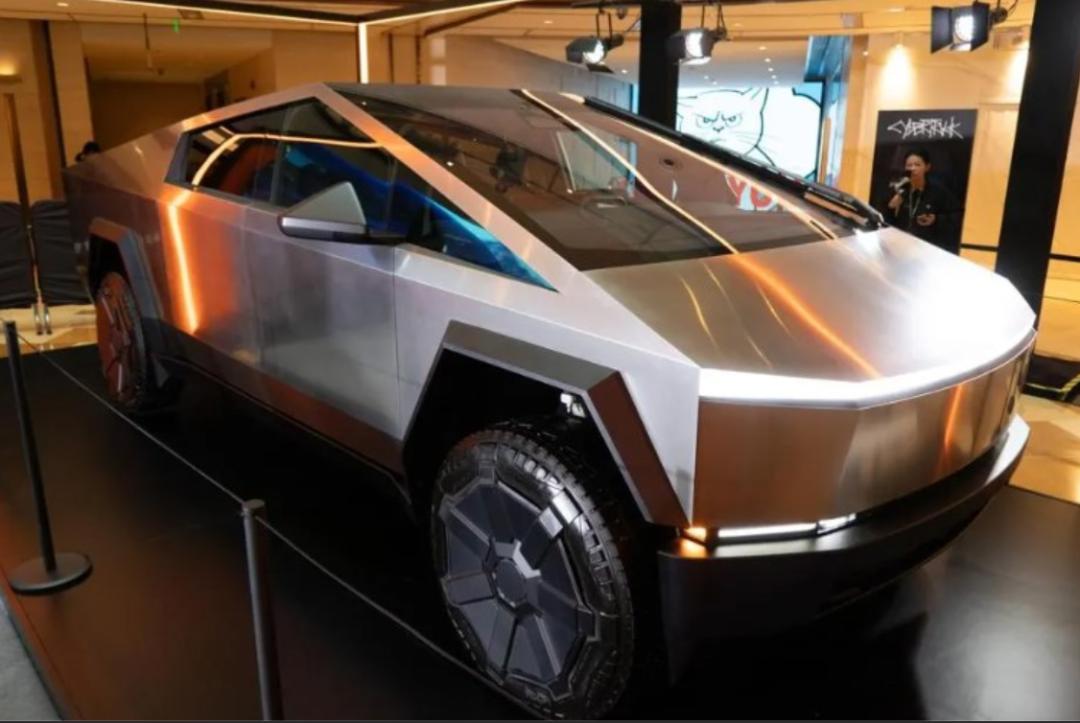
However, when the mass-produced version was finally launched in 2023, the price was twice as high as previously announced, and the driving range was shorter than promised. This led to a sudden drop in demand.
Although Tesla offered interest-free loans for the Cybertruck this year, equivalent to a discount of $10,000 (about 70,000 yuan), it still failed to significantly boost sales. Even the entry-level Cybertruck has been discontinued.
This has left L&F's originally planned supply materials with no use. L&F said helplessly in a statement:
The contract revision was inevitable and needed to be adjusted according to the changes in the global electric vehicle market and the battery supply landscape.
Is the 4680 battery doomed?
Tesla's five-year-in-the-making battery was "condemned" by Zeng Yuqun
The launch of the 4680 battery is an important part of Tesla's strategy to reduce the production cost of its vehicles.
As early as 2020, Musk proposed this self-made battery plan, hoping to increase the vehicle's driving range and power while reducing costs.
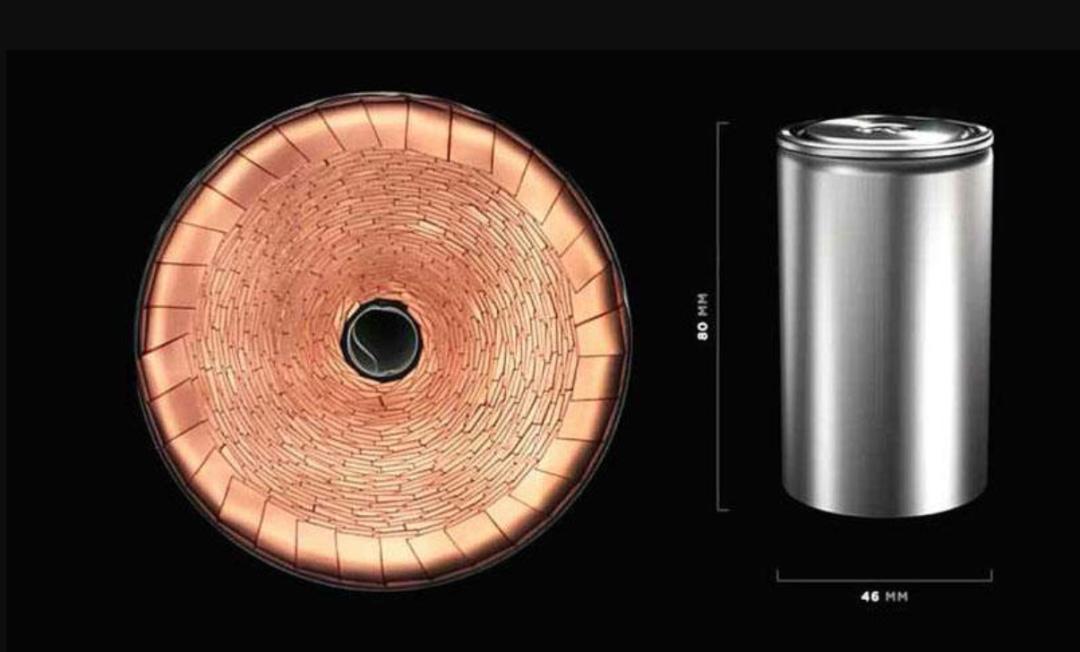
The 4680 battery project, named after its size, was born. The battery has a diameter of 46mm and a height of 80mm.
Since it is larger than the traditional 18650 and 2170 batteries, the 4680 battery can theoretically achieve higher energy density and thermal management efficiency.
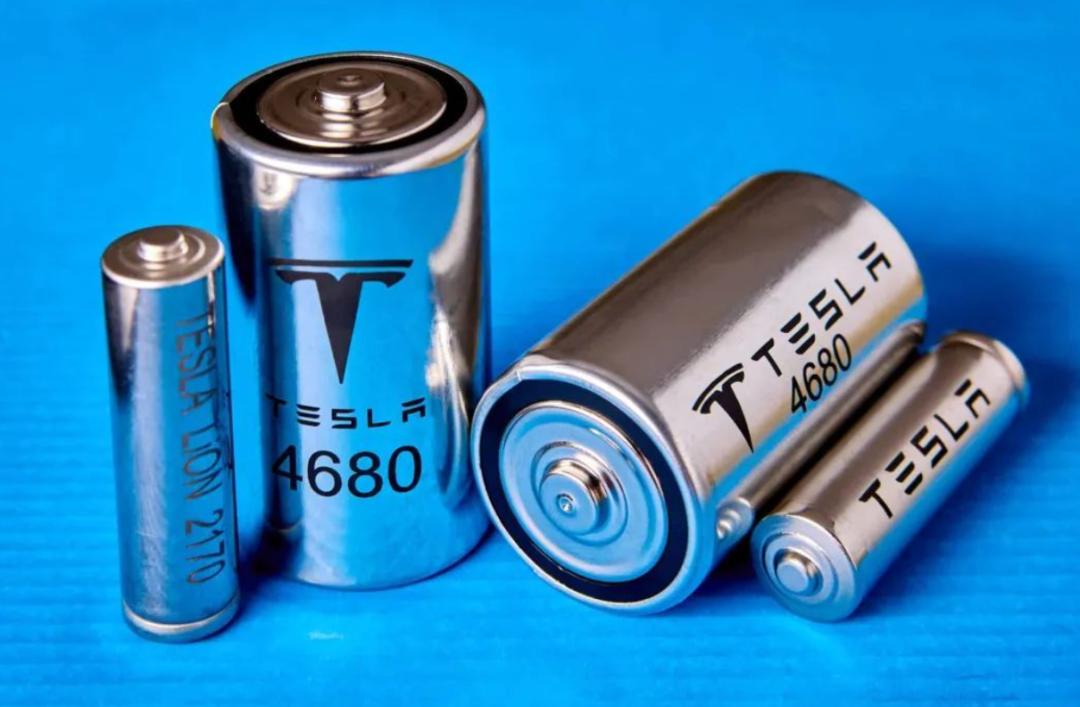
According to Musk's vision, the 4680 battery would be used in all Tesla models in the future. However, more than five years have passed, and it has only been installed in the Cybertruck in large quantities.
Over the years, Musk has mentioned the 4680 battery almost every earnings season. During the last Q3 earnings conference call, Musk also revealed that this most cost-competitive battery cell of Tesla "will be supplied to external companies in the future".
However, each time the progress is updated in a piecemeal manner, it always seems like "it's almost there", but it never really crosses the threshold.
What exactly is the reason for the repeated delays of the 4680 battery?
Perhaps the technical route can provide some explanations:
Firstly, the 4680 battery adopts the tabless design. As the name suggests, it eliminates the traditional tab structure of the battery.
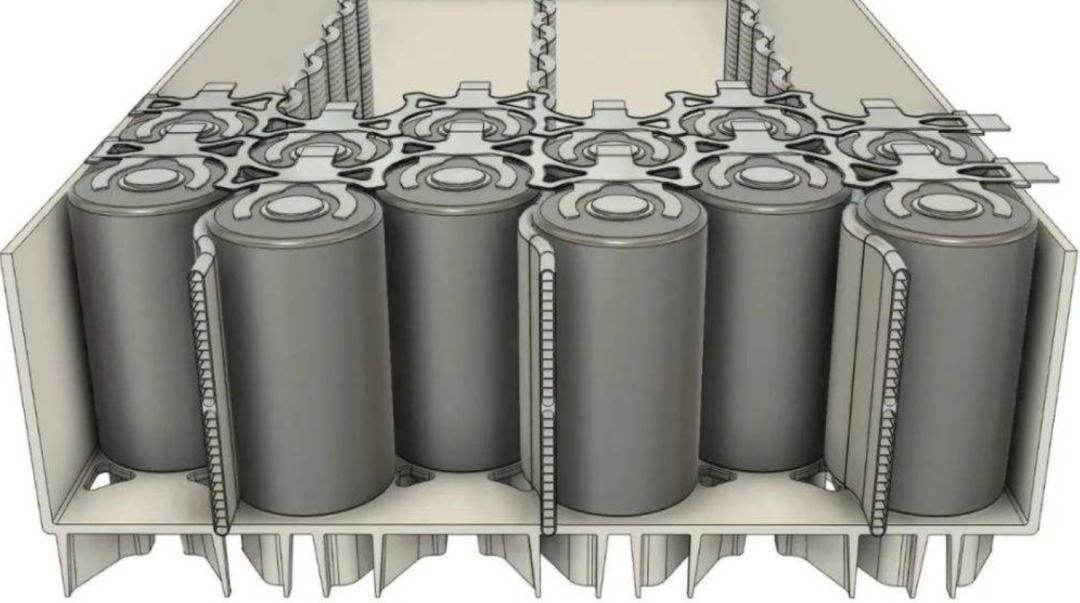
This is actually a design tailored for large battery cells. By directly connecting the positive and negative current collectors to the cover/container, it shortens the current conduction path, and the entire end face of the battery cell is equivalent to a tab.
The current path becomes shorter and wider, which greatly reduces the internal resistance and generates less heat. It also allows for a higher fast-charging rate without sacrificing the battery's cycle life.
Moreover, the volume and weight of the entire battery pack are optimized, leaving more space for the vehicle body.
However, the challenge lies in that this process requires extremely high precision in the laser welding process. The welding volume has increased significantly, and the difficulty of controlling the laser intensity and focal length has skyrocketed. There is a higher chance of problems such as welding through (burning into the battery) or incomplete welding (poor contact), which directly affects the battery's yield rate.
Another even greater challenge is the dry electrode process, which Musk himself has admitted is a difficult task. This was originally the most important part of reducing the battery cost.
The essence of the dry electrode process is to use dry powder instead of wet slurry to manufacture battery electrodes. Compared with the traditional wet process, it skips the "wet mixing" and "high-temperature drying" steps, saving solvent costs and drying energy consumption and simplifying the production line.
Since the electrodes are directly compacted from dry powder, they have a lower porosity, a higher proportion of active materials, and higher energy density.
Moreover, the advantages of the dry electrode process are comprehensive, and the more large-scale the production, the more obvious the advantages.
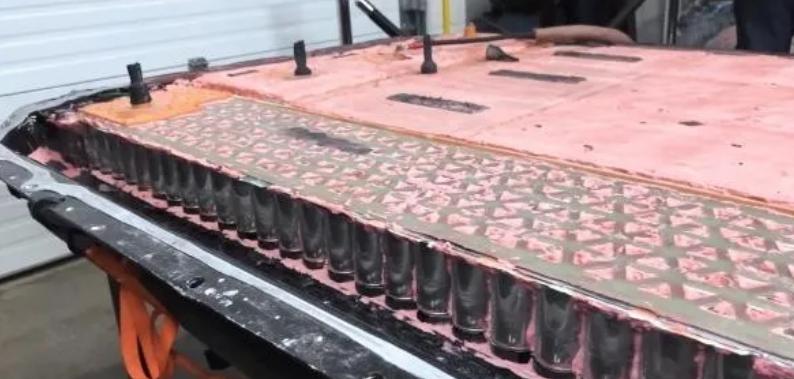
However, the difficulty of implementing it far exceeds expectations, and there are two core technical bottlenecks:
One is poor uniformity of dry powder mixing. Without solvent lubrication, it is extremely difficult to uniformly disperse the active materials.
It is very difficult to mix the ternary lithium of the positive electrode, the graphite of the negative electrode, and the binder evenly. Once the mixing is uneven, the electrodes will have uneven thickness, resulting in poor battery consistency, uneven heating during charging, and even thermal runaway.
The other is insufficient electrode adhesion.
The wet slurry in the wet process can adhere firmly to the current collector, while the dry powder of the dry electrode is rolled by mechanical force, and its adhesion is inherently weak. The electrodes are prone to falling off during the charge-discharge cycle, which affects the battery life.
This makes the technical route of the 4680 battery seem very promising, but extremely difficult to implement.
The yield rate has never met expectations. Mass production will only further lower the yield rate, let alone using it in Tesla's main models.
Actually, Zeng Yuqun, the chairman of CATL, once told Musk face-to-face: "The 4680 battery will fail and will never succeed."
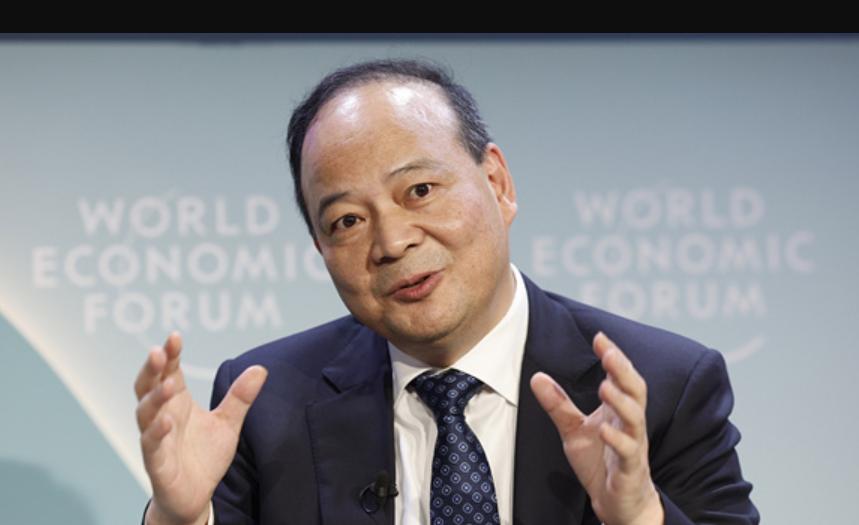
According to Zeng Yuqun's recollection of the scene, he had a face-to-face debate with Musk and explained why cylindrical batteries were not feasible.
"Because Musk is good at chips, software, hardware, and machinery, but this is the field of electrochemistry, and he doesn't know how to manufacture batteries."
After listening, Musk fell silent.
This article is from the WeChat official account "Intelligent Vehicle Reference" (ID: AI4Auto), author: Jessica. It is published by 36Kr with authorization.