Is integrated casting a pie in the sky or a major trend? People are arguing heatedly.
Recently, there has been a fierce remote debate in the automotive industry regarding the "integrated die - casting" technology.
One side is Wei Jianjun, the chairman of Great Wall Motors, who is known for "speaking the truth". He bluntly criticized that the integrated die - cast body has high costs and extremely poor repairability in China. Aluminum materials become "brittle" upon impact, leading to a sharp increase in both repair costs and insurance premiums. He also stated that "all established global automakers have not chosen this technology, so Great Wall Motors has abandoned it."
These remarks not only brought the topic of integrated die - casting into the view of consumers but also attracted a "counter - attack". The person in charge of material technology at Li Auto responded on a social platform. He not only refuted the "demonization" of repair, emphasizing that the advantages of integrated die - casting lie in "lighter weight and higher integration", which can effectively improve production efficiency, body stiffness, and energy consumption performance. He also pointed out that overseas brands such as Volvo (EX90) have already adopted this technology, and the core reason why most automakers do not use it is actually "cost", not repairability.
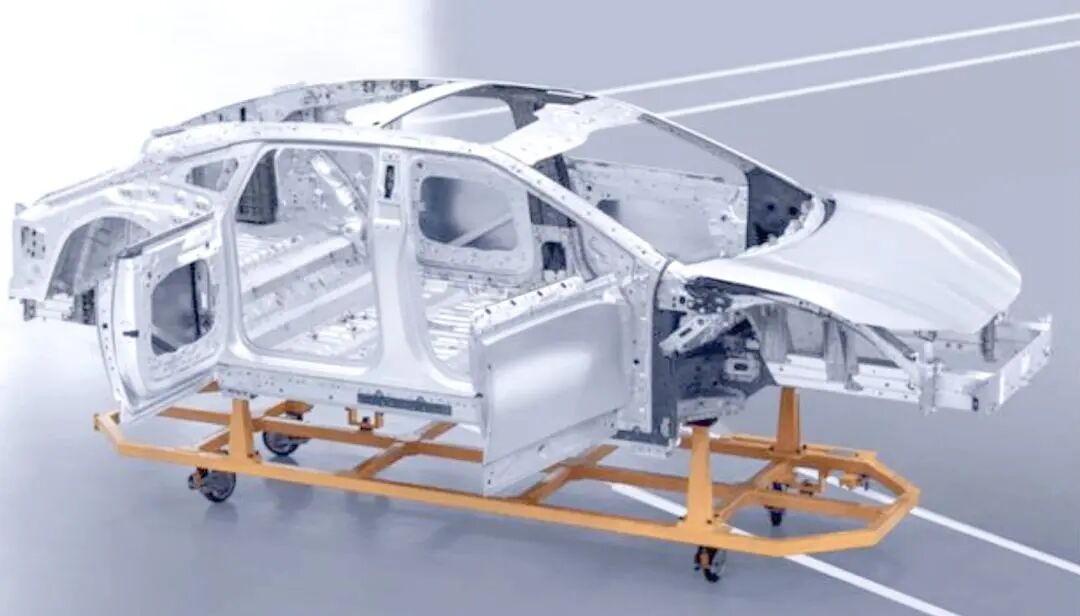
On one hand, traditional automakers consider the full - life - cycle cost for users. On the other hand, new - energy vehicle startups pursue manufacturing efficiency and product performance. Although there is no absolute right or wrong in this debate, it has brought the industry's divergence on future manufacturing routes to the public.
So, is integrated die - casting the major trend leading the automotive manufacturing revolution or just a "pie in the sky" blown up by capital and marketing?
A Manufacturing Revolution Triggered by Cost Reduction and Efficiency Improvement
To determine whether integrated die - casting is just empty talk or a major industry trend, we need to go back to its origin.
The integrated die - casting technology did not emerge out of thin air. Its breakthrough point can be precisely traced back to September 2020. At that time, Elon Musk, the CEO of Tesla, officially announced that the Model Y would start using the integrated die - casting method to produce the rear body floor assembly. This process, called "Gigacasting" by Tesla, aims to replace more than 370 stamping and welding parts on the traditional body floor with 2 - 3 large die - castings.
Musk had a shrewd plan. According to him, this change would reduce the number of rear - floor components from more than 70 to 1, reducing the manufacturing cost by about 40%.
Behind this is a clear efficiency account. The sharp reduction in the number of parts means a significant decrease in the number of stamping presses, molds, and welding robots required on the production line, which helps to compress the factory floor area and construction costs. The extremely simplified production process condenses dozens of processes such as stamping, welding, and gluing into just two or three minutes of "pouring in molten aluminum and getting out the casting", greatly improving the production rhythm. The higher utilization of materials is also remarkable. Liquid metal is precisely formed, and the waste of scrap materials is much lower than that of traditional stamping.
For Tesla, which pursues economies of scale, integrated die - casting is a powerful tool for cost reduction and efficiency improvement. And the benefits it brings are far more than just on the manufacturing side.
Among them, lightweight is one of the core advantages. Replacing steel with aluminum alloy castings significantly reduces the weight of the body. Data shows that the integrated die - cast rear floor of the Tesla Model Y reduces the body weight by more than 10%. For electric vehicles, weight reduction directly means an increase in range. In addition, the significant improvement in body stiffness and safety is another major gain. The integrated structure avoids the problems of stress concentration and strength attenuation that may occur at a large number of welding points, significantly enhancing the torsional rigidity of the body and providing a solid foundation for handling stability and collision safety.
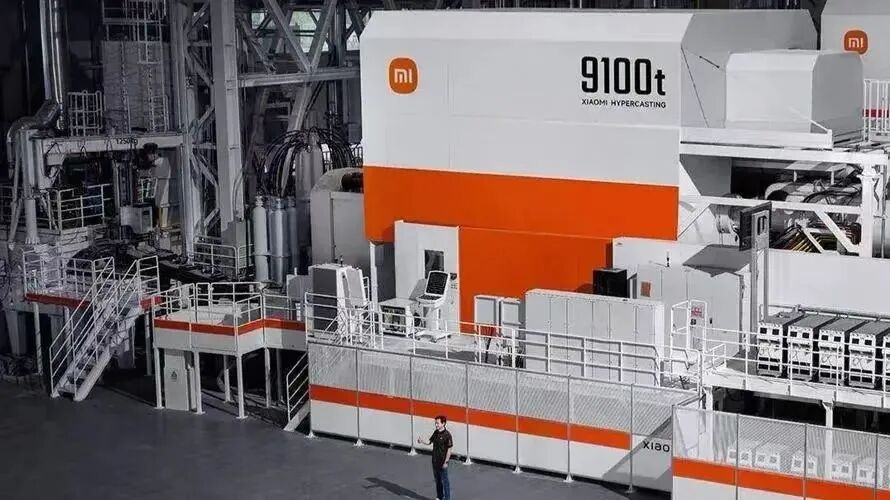
Tesla's successful example, like a stone thrown into a lake, has caused huge ripples in the world's most competitive new - energy vehicle market in China. It is the Chinese new - energy vehicle startups, which are labeled with "efficiency" and "technology", that have quickly followed suit.
Li Auto uses it as the "technological background" of its flagship models, emphasizing its value in improving rigidity and production efficiency. Xiaomi Auto has publicly announced its 9100 - ton super - large die - casting technology "Xiaomi HyperCasting" and presented the 20 - in - 1 integrated die - cast aluminum triangular beam as the core selling point of the SU7, claiming that it brings leading vehicle torsional rigidity in its class.
In addition, brands such as Zeekr, NIO, and AITO have successively joined the integrated die - casting camp. From Tesla to Chinese new - energy vehicle startups, integrated die - casting is spreading like a prairie fire. Under the wave of electrification and intelligence, they are achieving extreme cost control, performance improvement, and production efficiency through a highly integrated manufacturing revolution. This is not just simple marketing talk but a real path for industrial upgrading.
Route Divergence
However, any revolutionary technology is accompanied by huge controversies and real challenges. When Wei Jianjun put forward the "uselessness theory of integrated die - casting", he hit the pain points related to users' wallets and automakers' strategies under the glory of this technology.
First and foremost is the high repair cost and concerning repair economy. This is the pain point that consumers can directly feel. Different from traditional steel bodies that can be locally repaired by sheet metal, the aluminum alloy parts of integrated die - casting are prone to tearing or ductile fracture when subjected to a large impact and are almost impossible to repair, usually requiring a whole - part replacement. A seemingly minor collision may result in the replacement of an integrated rear body worth hundreds of thousands of yuan.
Insurance companies are well aware of this, so the insurance premiums for models equipped with this technology generally increase, and this additional cost is ultimately passed on to consumers. Although supporters emphasize that die - castings have protective designs in general collisions, the potential high cost is real once damage occurs.
Secondly, there are daunting upfront investments and high technical thresholds. Integrated die - casting cannot be used casually. The unit price of the core equipment, the super - large die - casting machine, often exceeds 50 million yuan or even 100 million yuan. Moreover, the mold development cycle is long and costly, and the molds are dedicated to specific models.
This not only means huge capital expenditure but also poses extremely high requirements for production processes and quality control. Tesla spent nearly a year to increase the yield rate of the Model Y's rear floor from 30% to 70% - 85%. For models with annual sales that have not reached a certain scale (at least 100,000 units), it is impossible to spread this huge investment, which will instead lead to an increase in the cost per vehicle.
Based on these practical considerations, the automotive industry's attitude towards integrated die - casting has shown obvious differentiation.
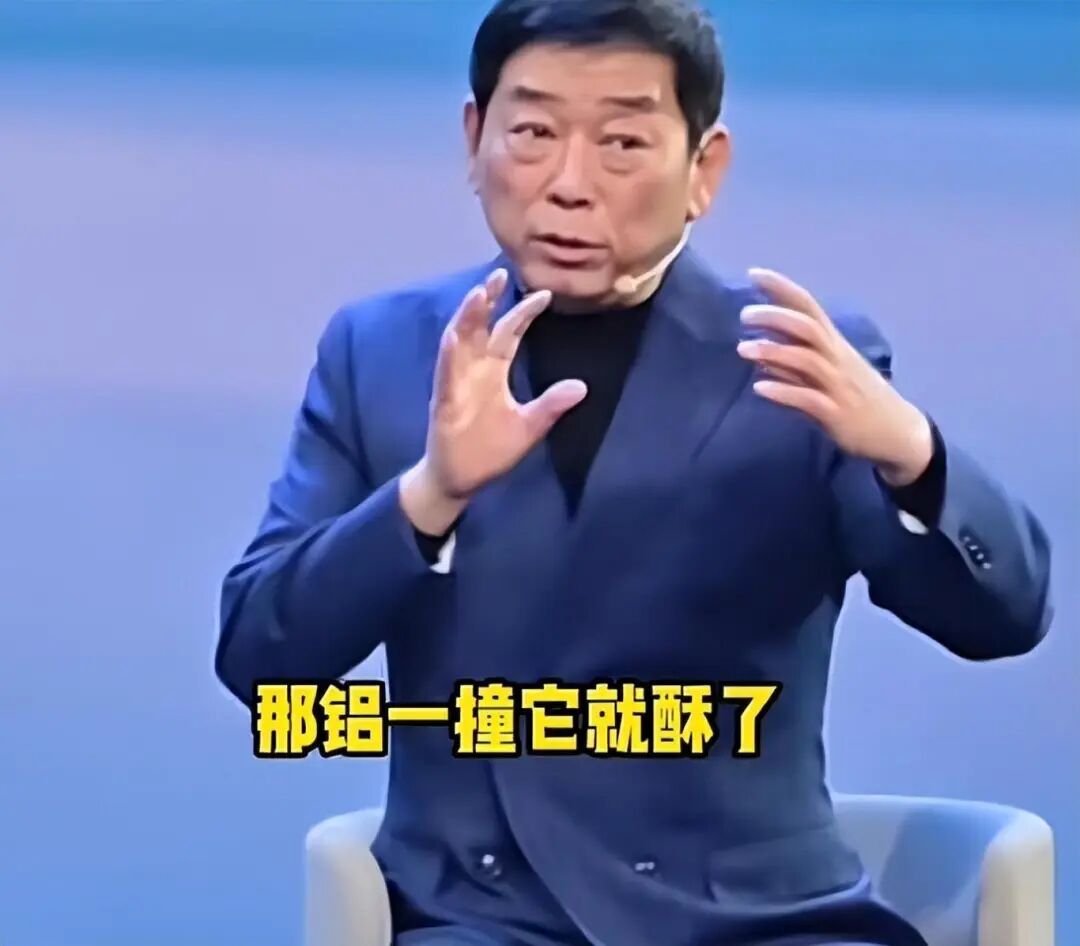
The opponents or the cautious group are represented by Great Wall Motors. Wei Jianjun is calculating the big account of the user's "total cost of ownership over the entire life cycle". He believes that integrated die - casting does not make sense in terms of repair convenience, insurance cost, and upfront investment. Instead of chasing the trend, it is better to stick to a reliable and low - maintenance - cost technical route. This pragmatic attitude also exists in some traditional automakers, which have more conservative considerations regarding heavy - asset investment and supply - chain flexibility.
On the other hand, the supporters or the radical group are increasing. In addition to the aforementioned Tesla and Chinese new - energy vehicle startups, more and more international traditional giants are entering the field. Volvo has announced that starting from the EX90, all future electric vehicles will adopt large - scale integrated die - casting technology. Volkswagen in the Trinity project, as well as Toyota, Ford, Hyundai, etc., are all deploying or applying this technology. Their participation strongly refutes the claim that "all established foreign automakers do not use it", indicating that integrated die - casting has become a key part of the technological reserves of global leading automakers.
The essence of this divergence is the route choice of different automakers based on their own positioning, product strategies, and cost structures. For automakers with a large number of product series and fast - paced product iterations, the rigidity of the integrated die - casting molds may be a burden. However, for brands that pursue single - product blockbusters and extreme efficiency, it is a powerful weapon.
There Is More Than One Way to the Future
After weighing the pros and cons, let's go back to the original question: Is integrated die - casting a trend or just empty talk?
In the view of many people, the answer is the former, that is, it is a major trend. However, industry insiders also say that it is a "strong medicine" rather than a "cure - all".
From Tesla igniting the spark to global mainstream automakers' successive deployments, the manufacturing direction of high integration and extreme efficiency represented by integrated die - casting is expected to become a major trend in the evolution of the automotive industry. It deeply meets the rigid demand for lightweight of electric vehicles and the eternal pursuit of cost reduction and efficiency improvement in the global manufacturing industry.
However, a potential major trend does not equal a universal truth. The problems pointed out by Wei Jianjun, such as poor repair economy, high insurance premiums, and huge upfront investment, are all real user pain points and technical barriers.
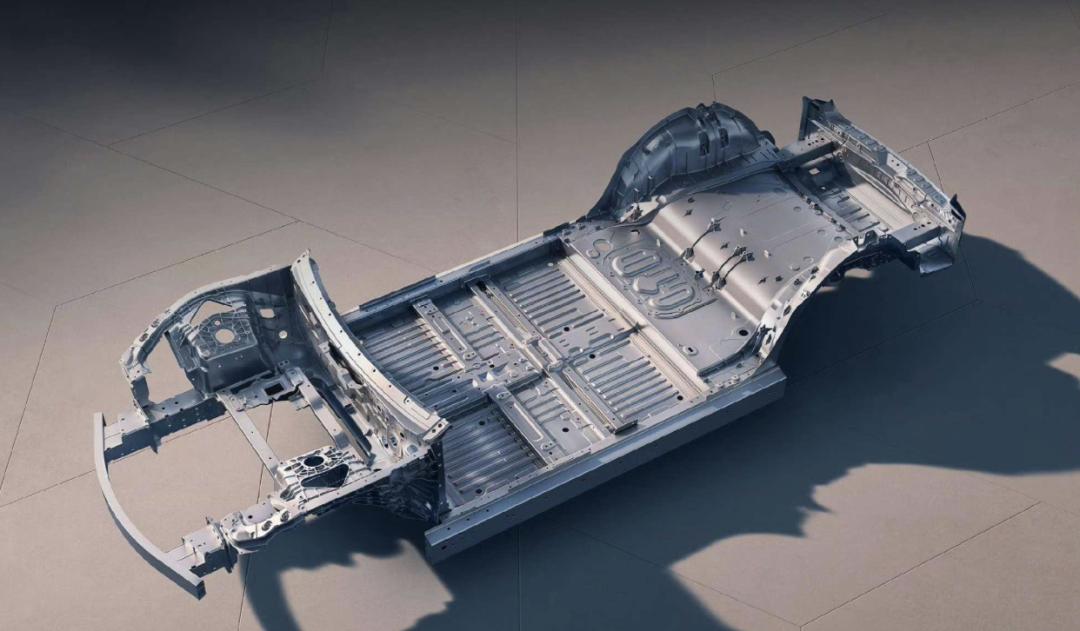
This reminds us that the advancement of technology must be balanced with market acceptance and the actual interests of users.
Therefore, a more accurate description is that integrated die - casting is becoming a mainstream and important technical route in the automotive industry, especially in the field of mid - to - high - end electric vehicles. It will be an "arena" for automakers with strong financial strength, pursuing economies of scale and a technological brand image. At the same time, diversified technical routes (such as multi - material bodies and modular platforms) will still coexist for a long time to serve different market positioning and user needs.
The value of this remote debate triggered by Wei Jianjun and Li Auto does not lie in determining a winner but in completing in - depth industry popularization and consumer education. It shows us that the progress of the automotive industry is a complex trade - off, and no single technology can dominate the market. Ultimately, the beneficiaries are consumers who gain more diverse and mature choices through such full - fledged competition and transparent discussions.
The wheels of the times are rolling forward, but there has never been just one way to the future.
This article is from the WeChat official account "Automotive Commune" (ID: iAUTO2010). Author: Li Sijia. It is published by 36Kr with authorization.