Why do vegetable markets in Sichuan and Chongqing always like to write "Mom brings son"?
If you're talking about the characteristic winter vegetables in Sichuan and Chongqing, the baby mustard must be mentioned.
Whether in supermarkets or vegetable markets, other vegetables are simply priced directly. Only beside the baby mustard, there will be a confusing sign, usually reading "mother with babies" and "babies separated from mother". Interestingly, the selling prices also differ in these two cases. The "mother with babies" bundle is cheaper, while the "babies separated from mother" are a bit more expensive. Supermarkets even kindly remind customers that buying the "mother with babies" together is more cost - effective.
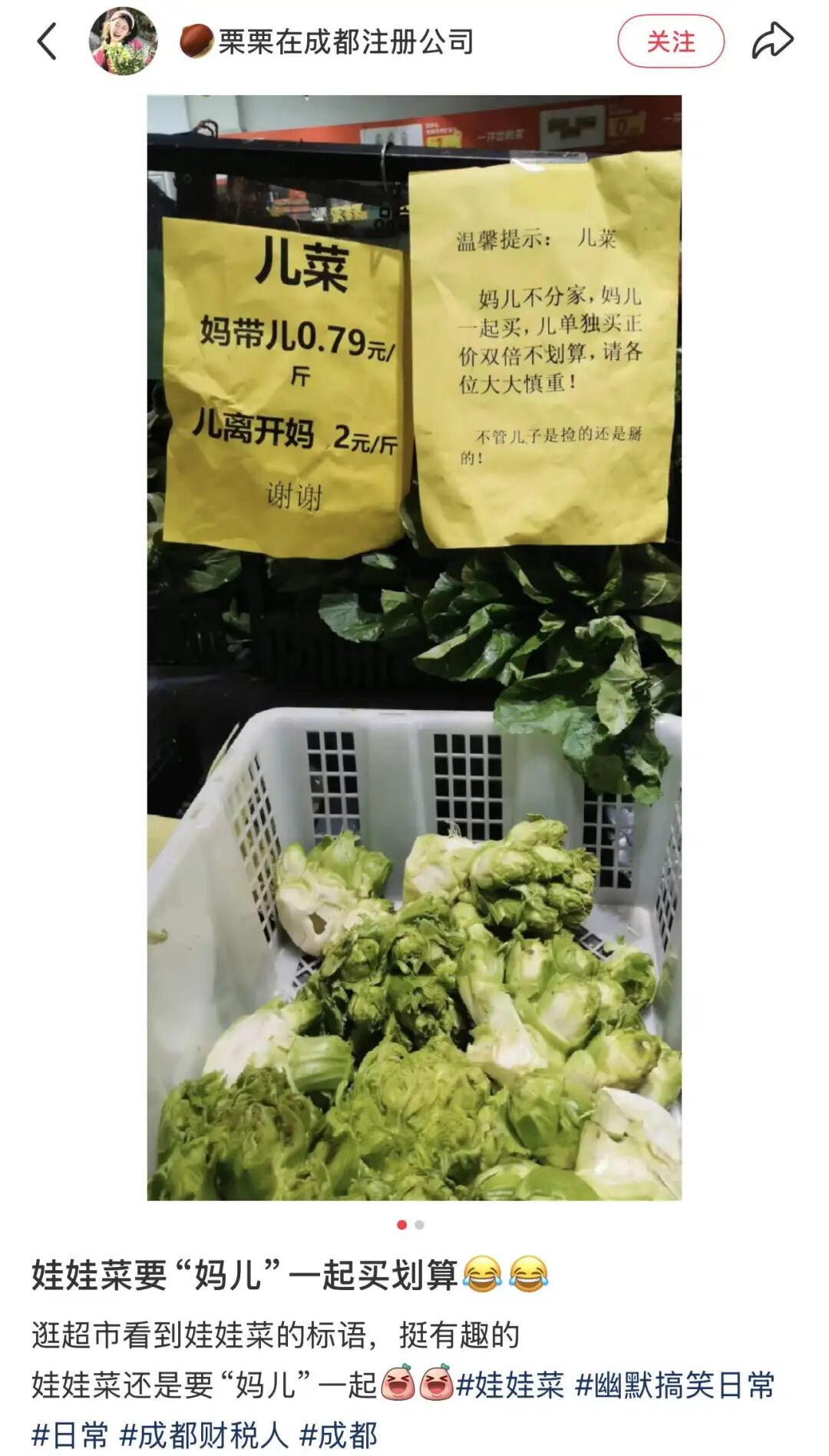
Image source: Xiaohongshu @Lili in Chengdu Registered Company (Authorization obtained)
This peculiar classification leaves many out - of - town tourists confused. Some netizens joked that it was the first time they saw a "family - oriented" vegetable and thought it was some special code. Others wondered why the same vegetable was more expensive when separated.
Why is it that in Sichuan and Chongqing areas, the baby mustard has signs reading "mother with babies" and "babies separated from mother"? What exactly do these mean?
The "Strange" Labels for Baby Mustard
For people in Sichuan and Chongqing, baby mustard is a unique taste on the winter dinner table, and even its selling method is full of fun.
The most common ways to sell baby mustard are either weighing the "mother with babies" together or selling the "babies" separately. Usually, the "mother with babies" costs 2.5 yuan per jin, while the "babies" sold separately cost 4 yuan per jin. Netizens joked that it's like the "mother" being disliked by the "babies", and the price of love is 1.5 yuan more per jin.
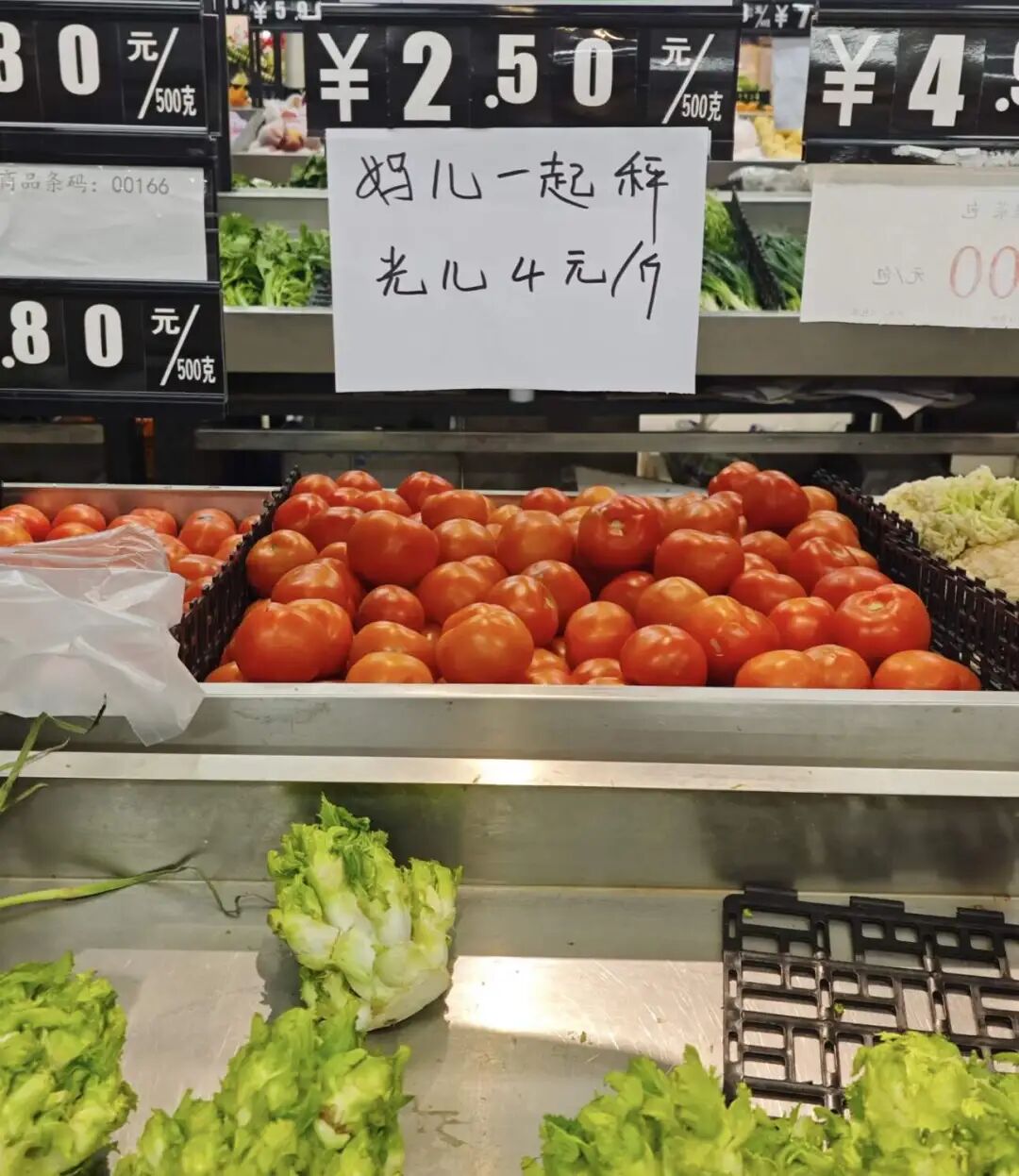
Image source: Xiaohongshu @Bi Facai's Travel Notes (Authorization obtained)
The situation is the same for baby mustard on fresh food platforms.
In Hema stores in Sichuan, baby mustard is divided into two forms for sale: baby mustard buds and baby mustard heads. The former is what people often call "babies separated from mother", and it even topped the hot - selling list of frost - beaten vegetables. 400g of it is sold at 4.71 yuan, which is about 5.88 yuan per jin. The latter corresponds to the "mother with babies" category, and the selling price is 3.73 yuan per jin.
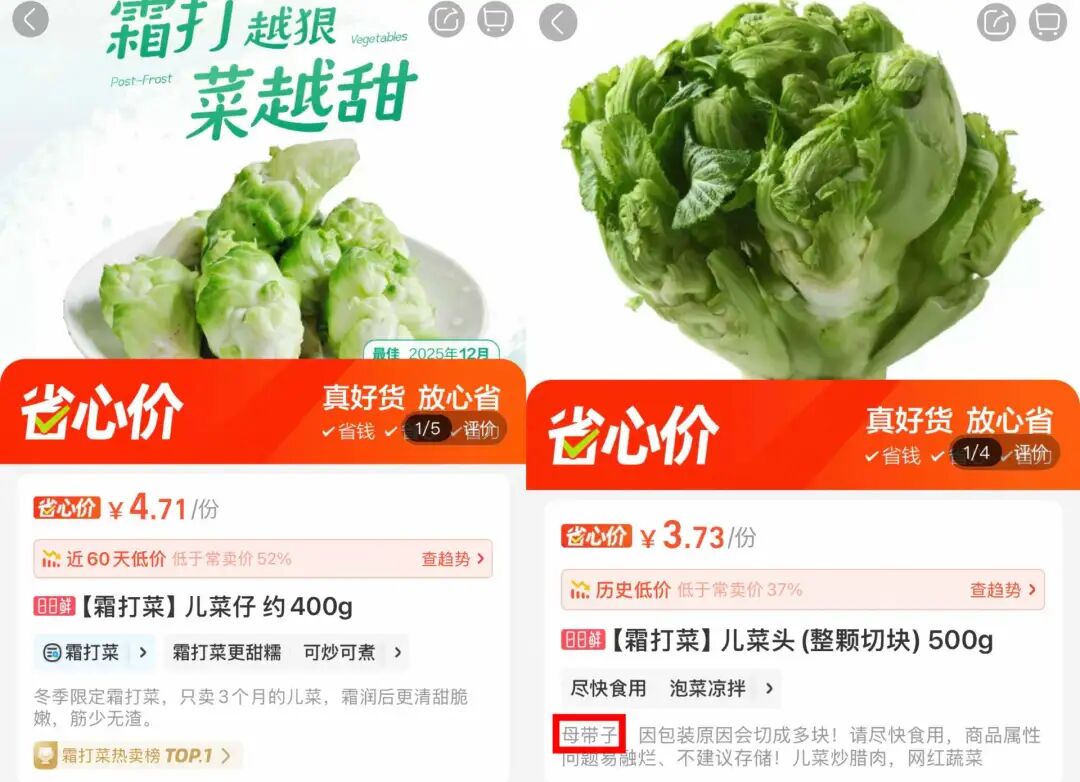
Image source: Hema App
Some supermarkets sell baby mustard as "mother with babies" by default, and there is also a cute note saying "babies can't leave the mother", "you can't just pick the babies, there must be a mother". If customers want to buy the "babies" separately, they can, but they have to be weighed at the premium price.
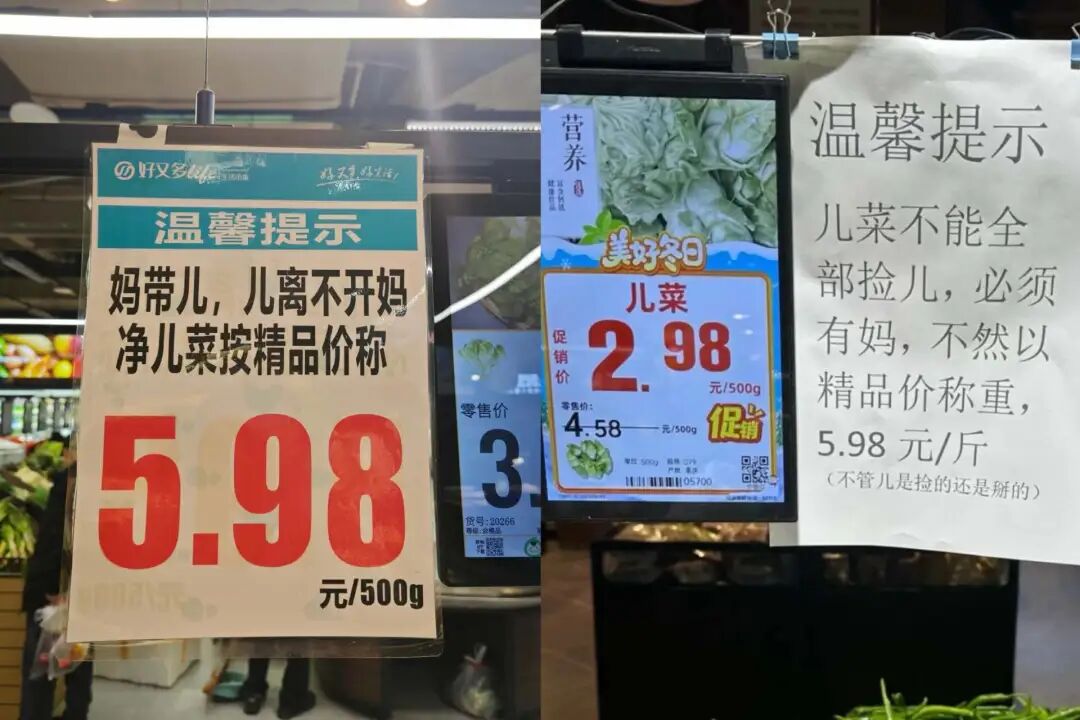
Image source: Xiaohongshu @Xi La; Tomorrow Will Be Better (Authorization obtained)
Some merchants make even more detailed distinctions, and the prices are clear at a glance. The baby mustard buds belong to the "babies separated from mother", with the highest price. The whole baby mustard is the "mother with babies", with a medium price. The single - sold baby mustard head is the "mother" itself, and it is the most affordable.
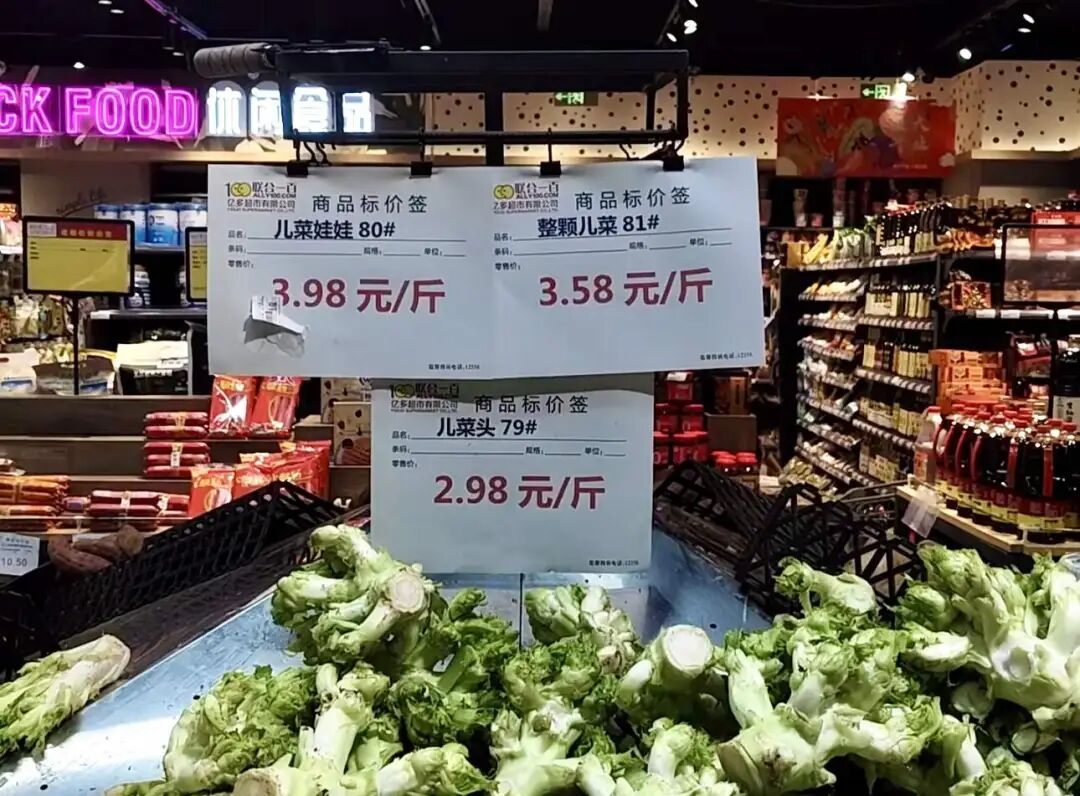
Image source: Xiaohongshu @Gao Gao's Random Notes (Authorization obtained)
Of course, the terms "mother" and "babies" for baby mustard are not exclusive to Sichuan and Chongqing areas.
Baby mustard in Guangdong, Jiangxi, Fujian, Yunnan and other places is also sold in different grades. Some supermarkets even change the names to "father" and "son". The "son" is more expensive, costing 7.98 yuan per jin, while the "father" is much more affordable, costing 4.98 yuan per jin.
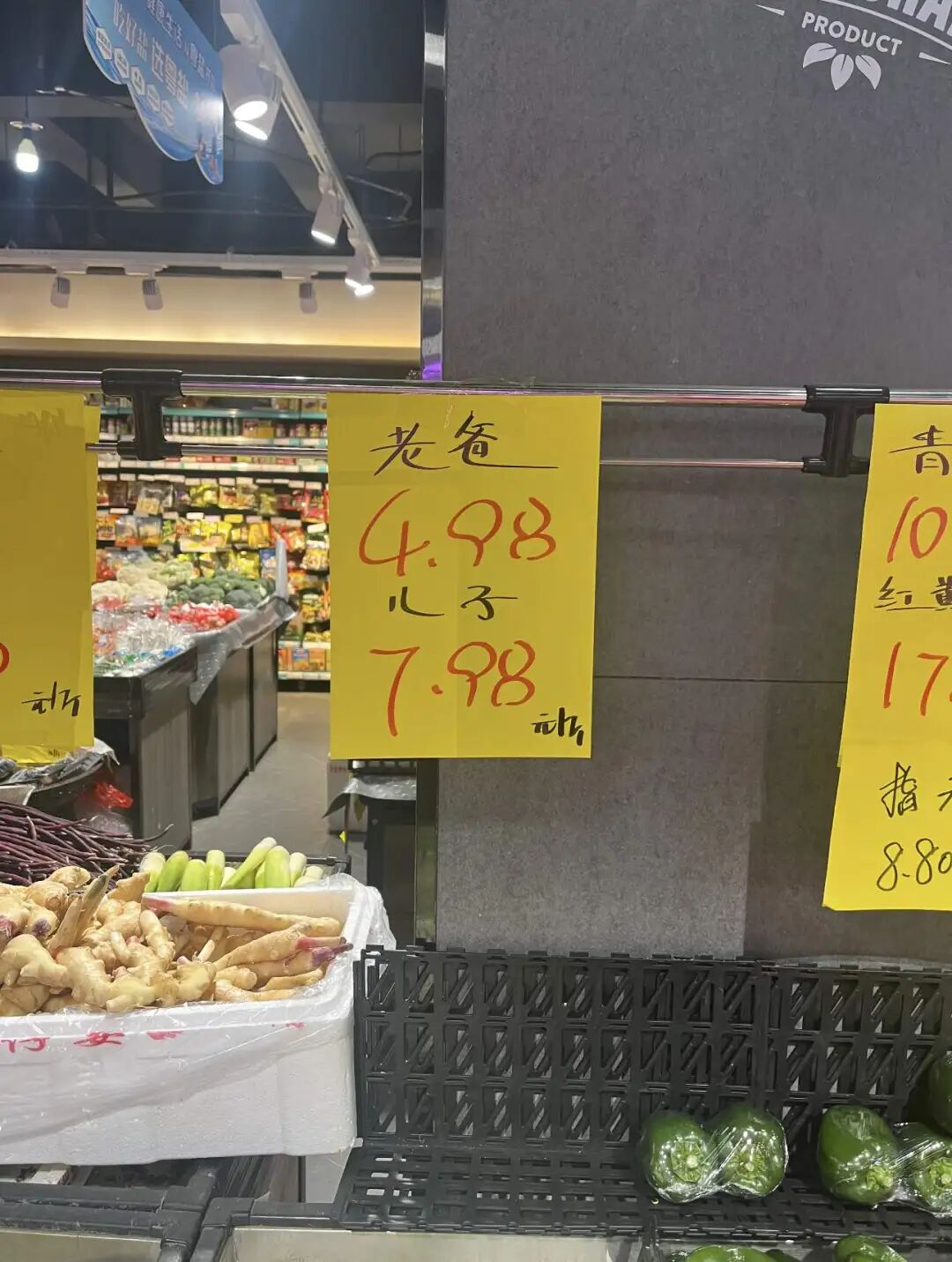
Image source: Xiaohongshu @Luobo Te Zhaojun (Authorization obtained)
Why is baby mustard divided into "mother" and "babies", and how did these names come about?
The Origin of the Names for Baby Mustard
The scientific name of baby mustard is Brassica juncea var. gemmifera. It is a variant of stem - using mustard in the Cruciferae family and is also known as bud - using mustard. People in Sichuan and Chongqing are used to calling it baby mustard. Besides, it also has names like fist mustard, baby mustard, and baby - holding mustard.
To understand the origin of the terms "mother" and "babies", we have to start with the shape of baby mustard.
The main stem of baby mustard is a short, thick, and fleshy stem. Around the main stem, there are small buds that tightly cluster around it, growing layer by layer upwards. From afar, it looks like a green tower. The main stem, buds, and outer green leaves are all edible parts.
Because of the unique shape where the main stem protects the buds and the buds nestle against the main stem, it looks like a mother holding many children in her arms. So people naturally use "mother" and "babies" to name these two parts. Simply put, the thick main stem of baby mustard is the "mother" that supports the whole plant, while the small buds around it are the "babies".
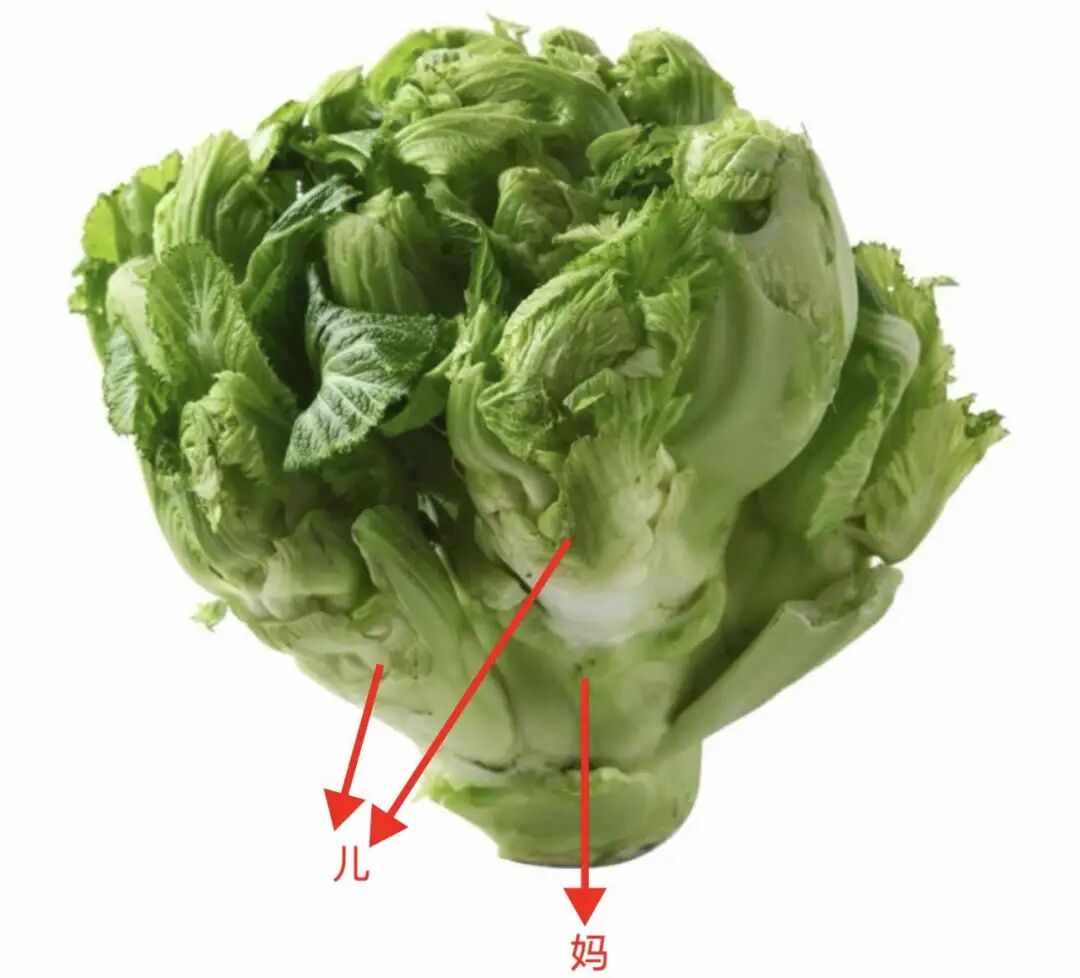
Image source: Hema App
The popularity and selling prices of the "mother" and "babies" are directly related to their taste differences.
Compared with the main stem, the buds of baby mustard are crisper and more tender, and their selling price is also higher. Since most people prefer the fresh and crispy buds and few are willing to buy the thick main stem, many stores have an unwritten rule that if you want the buds, you have to buy the main stem together. You can't just pick the buds, otherwise, the price will double.
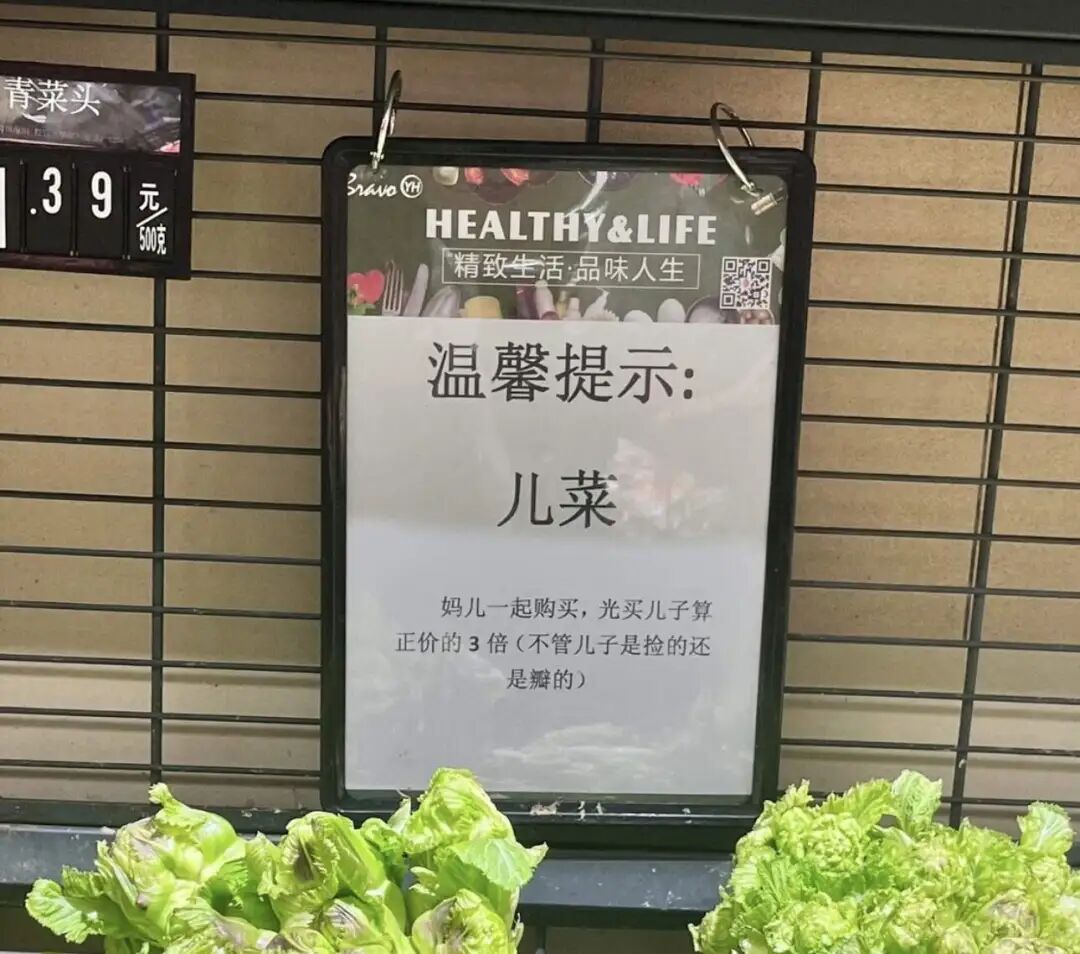
Image source: Xiaohongshu @Down! (Authorization obtained)
However, although the buds of baby mustard are crisper and more tender, overall, the taste of baby mustard is not particularly appealing. Many people who try it for the first time find it a bit strange. Some netizens complained that it has an obvious pungent taste when eaten, and some even have a slight bitter taste, which is hard to accept. This is mainly because baby mustard contains glucosinolates.
A study published in RSC Advances shows that baby mustard contains a substance called glucosinolate, which is an important secondary metabolite in cruciferous plants. More importantly, the glucosinolate content in the "babies" is significantly higher than that in the "mother", which means that the pungent taste is likely to be more obvious when eating the "babies".
When we cut the baby mustard or chew it in our mouths, its cell walls are broken, and the myrosinase in it will quickly react with glucosinolate to produce volatile compounds such as isothiocyanates. These substances are highly irritating and will produce an obvious pungent taste when they come into contact with the oral and nasal mucous membranes.
Although this slightly pungent taste is hard for many people to accept, there are also many who say they like this peculiar taste. Moreover, the components that cause the pungent taste have significant benefits.
Some studies have pointed out that these substances can effectively reduce the risk of various cancers, such as bladder cancer, lung cancer, and colon cancer. In addition, baby mustard also contains soluble proteins, soluble sugars, carotenoids, etc. And existing studies have determined that the calcium and phosphorus content of baby mustard ranks among the top in various vegetables, and the content of thiamine, riboflavin, and niacin is also quite prominent.
However, this vegetable with a peculiar taste and high nutritional value may be quite unfamiliar to people in the north.
The north is not the main production area of baby mustard. The cultivation area of baby mustard was initially limited to the Sichuan and Chongqing areas in the Sichuan Basin and has gradually expanded to the middle and lower reaches of the Yangtze River and adjacent areas such as Guizhou, Yunnan, Hubei, Hunan, and Jiangxi.
This is mainly determined by its growth habits. Baby mustard is a vigorously growing vegetable variety that prefers a humid and cold growing environment. It is neither tolerant of severe cold and low temperatures nor can it withstand extreme heat. The most suitable germination temperature is in the range of 22 - 25°C, and it grows fastest in an environment of about 20°C. Limited by the cold and dry winters and hot and humid summers in the north, it is difficult to grow baby mustard on a large scale in the north. However, with the development of logistics and preservation technologies, people in the north can also eat baby mustard. Most of the baby mustard on the northern dinner tables comes from southern production areas.
Next time you see baby mustard, don't worry about choosing the mother or the babies. Just take them all. Every bite is a unique taste.
References:
[1] Zhong Jianguo, Zhang Yimo, Liu Xiaobo, et al. Discussion on the industrial development of Brassica juncea var. gemmifera in Chongqing area[J]. China Vegetables, 2013, (19): 11 - 13.
[2] Wang Yan. Cloning and expression analysis of genes related to the MAX pathway in baby mustard[D]. Chongqing University, 2011.
[3] Bo Sun, Yu - Xiao Tian, et al. Variation in the main health - promoting compounds and antioxidant activity of whole and individual edible parts of baby mustard (Brassica juncea var. gemmifera). RSC Advances, 2018, 8, 33845 - 33854.
Authors: Minmin, Zhang Yi
Editor: Tennessee
On - duty editor: Minmin
This article is from the WeChat public account "Interesting Report", authors: Minmin, Zhang Yi. Republished by 36Kr with authorization.