Interview with the "First Subject" of Musk's Brain-Computer Interface: 23 Months After Having a Chip Implanted in My Brain, I'm Reclaiming My Independence
“At that very moment, this technology completely turned into something out of a science - fiction story in my eyes.”
These were the words of Noland Arbaugh when he first moved the computer cursor with just his mind.
In 2016, Noland Arbaugh lost the ability to move below his shoulders due to a diving accident. On January 28, 2024, he underwent a surgery to have the Link chip from Neuralink, a brain - computer interface company under Elon Musk, implanted and became the “Subject No. 1” of the experiment.
Twenty - three months later, this coin - sized device he named “Eve” not only reconnected him to the digital world. More importantly, it is helping him gradually move from being “a burden to his family” towards living independently, and he is expected to become the first “double - implant” patient.
Recently, the technology iteration of Neuralink has accelerated. The time to implant a single electrode wire has been shortened from 17 seconds to 1.5 seconds. There are already over ten thousand applicants waiting in line for implantation, but it is estimated that only 20 patients will complete the brain - computer interface implantation surgery by the end of 2025.
Recently, Noland Arbaugh gave an exclusive interview to a reporter from NBD (National Business Daily). From the “science - fiction moment” of moving the cursor with just his mind at the beginning, to the changes brought by the brain - computer interface technology to himself, and then to the ethical issues of this technology, this “brain - computer human” shared his unique experiences, mental journey and in - depth thoughts.
On the first experience of mind control: It's so sci - fi
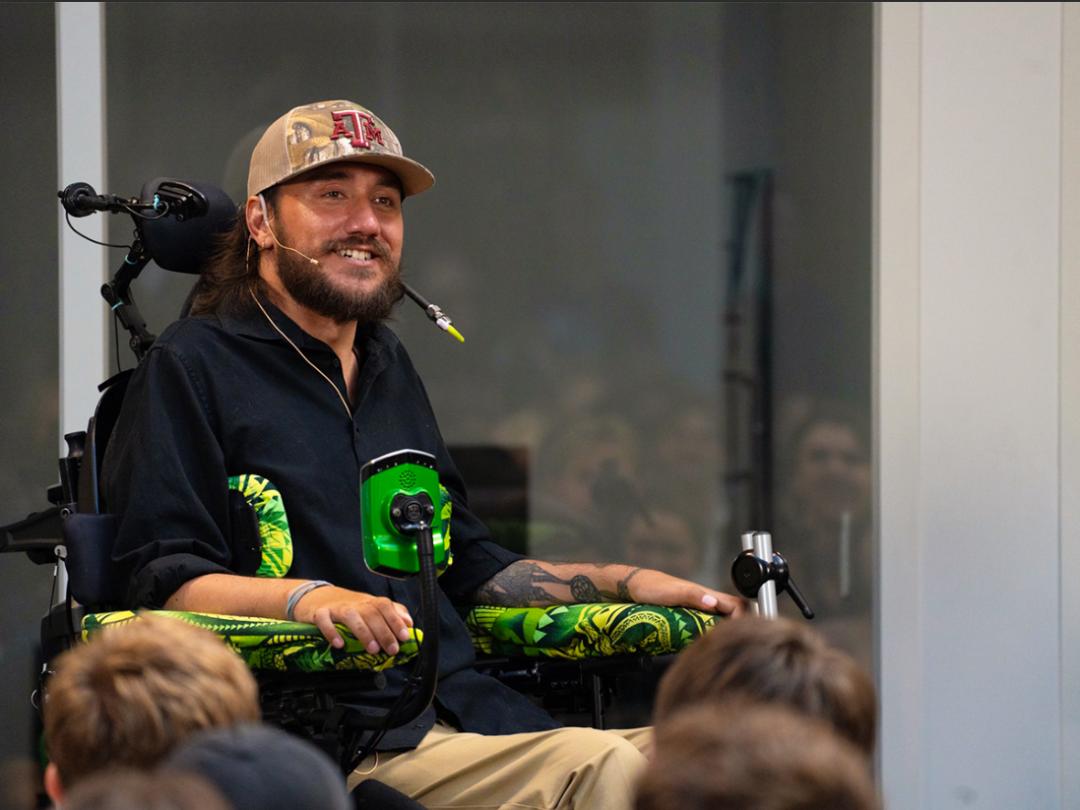
Noland Arbaugh. Photo source: Provided by the interviewee.
NBD: How did you feel when you first controlled the computer cursor with just your mind?
Noland Arbaugh: This experience can be divided into two stages.
In the first stage, I wasn't as shocked as people might think.
Although my spinal cord was damaged, the neurons in my brain were still firing normally. After the Neuralink chip captured these neural signals, it converted them into operation instructions on the computer.
Specifically, the Neuralink device was implanted in the motor cortex of the left hemisphere of my brain, precisely corresponding to the area that controls the right hand. When I tried to move my right hand, specific neurons would be activated. After the device captured these signals, it converted them into operation instructions on the computer in a pre - set way.
When I saw the cursor move with my own eyes, I thought it was “so cool”. My mind was full of imaginings about all the possibilities in the future, but more than that, I felt that “it should be like this all along”.
The real shock came in the second stage - controlling the cursor with “imaginary actions”. As the name suggests, it means moving the cursor completely with the mind, without trying to move any part of the body.
When I first made the cursor move just by “imagining”, I was really completely stunned. I grinned stupidly with excitement all day. At that very moment, this technology completely turned into something out of a science - fiction story in my eyes.
On the changes in life: From “a burden to the family” to gradually living independently
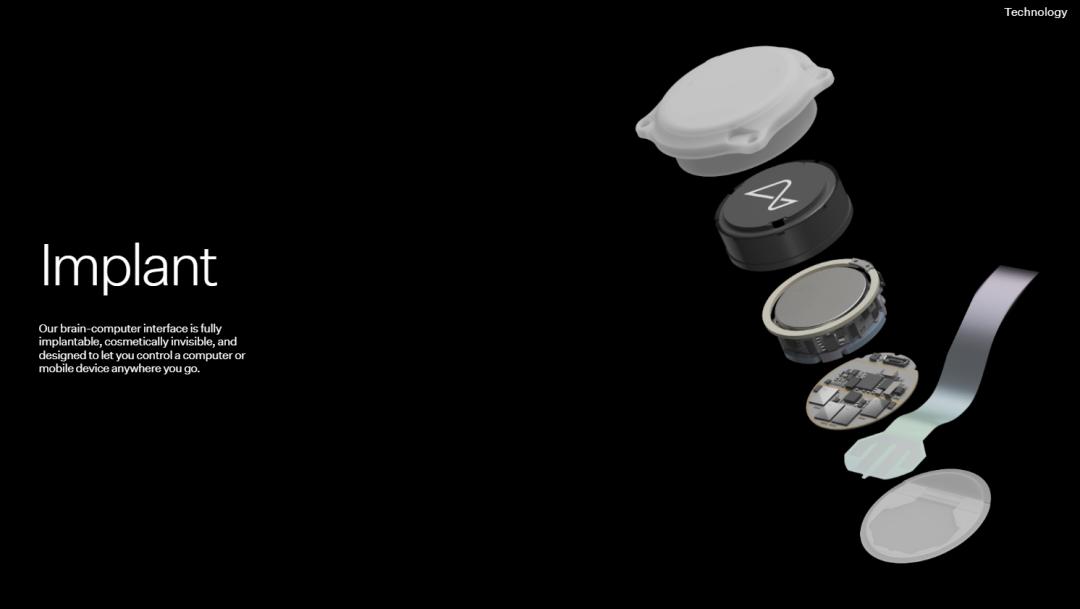
Neuralink brain - computer chip. Photo source: Company official website.
NBD: It has been 23 months since you had the Neuralink brain - computer chip implanted. What has been the most profound change for you?
Noland Arbaugh: Before the surgery, I thought I would be a burden for the rest of my life. I couldn't do anything. No matter how hard I tried, I couldn't find a job, and I couldn't help the people I loved most in any meaningful way. I used to think that my family would take care of me until I died, or until they could no longer bear it.
But now I believe that within the next year, I will definitely be able to become completely independent, at least to 90%. I'm almost able to take care of myself. For me, independence is the most important thing, and Neuralink is giving this independence back to me.
NBD: You are also an inspirational speaker now. What do you hope people can learn from your experience?
Noland Arbaugh: I hope that after listening to my story, people can be inspired, find hope and a purpose in life. But I never want people to compare themselves with me, nor do I want them to compare their struggles with the hardships I've been through.
Each of us has our own life journey, full of different sufferings and experiences. But when people come to listen to my speech, I hope they can see the beauty of human nature, the glimmer of light at the end of the long and dark tunnel, and how a coin - sized chip can change the world.
On “double implantation”: Looking forward to the technology unlocking more possibilities
NBD: Musk recently revealed that you might become the world's first person to have two Neuralink chips implanted. How do you feel about this?
Noland Arbaugh: I'm not the least bit afraid, and I've never been. “Excited” and “curious” are very appropriate to describe my feelings, but I'd also like to add one more word - honored.
I've always felt extremely lucky to have this opportunity to be the first subject to have two chips implanted and to change the lives of my family and myself through this. I want to help more people, which is also the original intention for me to participate in this research. Whether it's good or bad, whether it goes smoothly or not, I know that my experience in this research will eventually help someone in the future.
NBD: Neuralink expects its Telepathy device to be approved by US regulators in 2029. After that, it plans to perform about 2,000 implantations each year, generating an annual revenue of no less than $100 million. From your personal experience, what improvements would you like to see before this technology becomes mainstream?
Noland Arbaugh: There is so much room for improvement. There is still a huge potential for improvement in typing, cursor control, gaming experience, and exploring more areas of the brain.
In my opinion, this technology will continue to grow and change. Each iteration will bring improvements. Every new participant will unlock new application scenarios and possibilities.
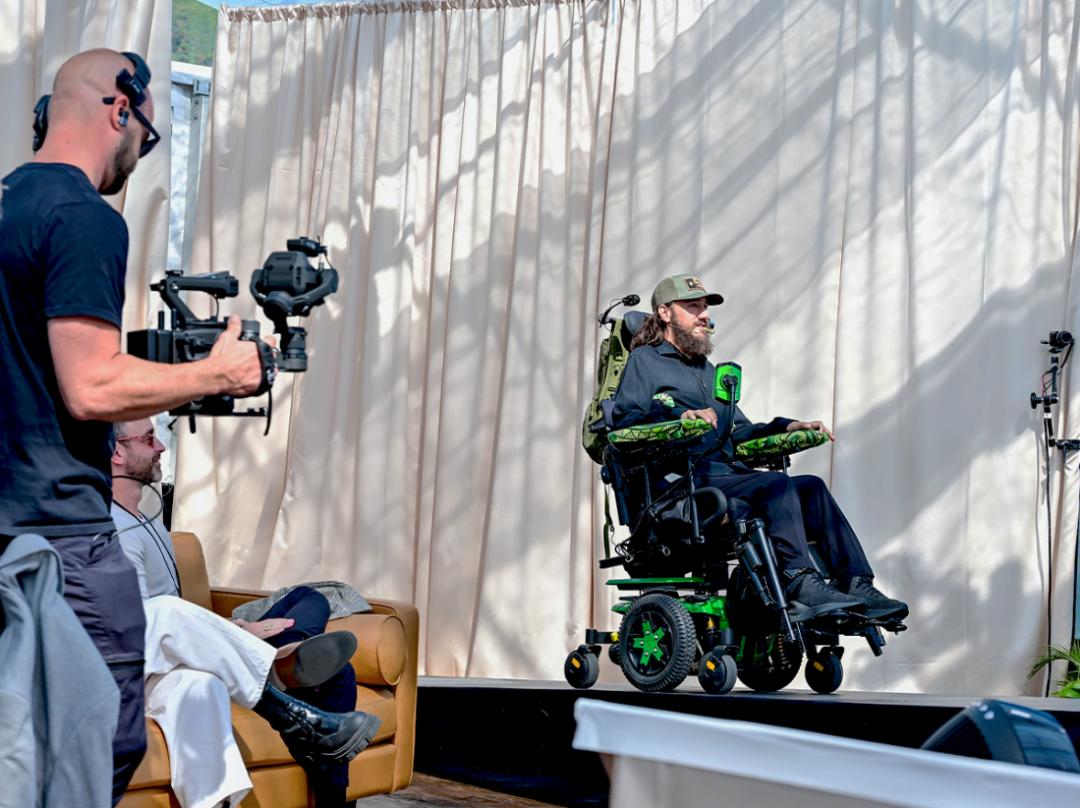
Noland Arbaugh. Photo source: Provided by the interviewee.
On ethics and humanity: Brain - computer interface won't change who we are, but can revolutionize our potential
NBD: Has this special experience reshaped your understanding of the human brain?
Noland Arbaugh: Even before participating in this research, the human brain has always fascinated me deeply. This special experience has just deepened this fascination from a brand - new perspective. I have many questions about the brain, and its mysteries always exceed my expectations, which in turn raises more new questions.
After all, the main reason I'm doing all this is to satisfy my own curiosity. My goal is clear: learn as much as I can, and then find a way to help more people. And all this is something I never dared to hope for after that accident.
NBD: Apart from restoring lost abilities, Neuralink is now entering a stage where it can enhance human performance, such as improving reaction speed in games. Where do you think the ethical line should be drawn between treatment and enhancement?
Noland Arbaugh: I'm not an ethics expert, and I don't think I can give a perfect answer to this question. I'm not sure where this line should be drawn. From some perspectives, I'm not even sure if there should be a line between treatment and enhancement.
If it involves issues like manipulating DNA, I'd be a bit hesitant, but this is probably mainly due to my lack of understanding of this field. However, I think it might also help a lot of people. If we're just strictly talking about enhancing reaction speed, cognitive function, or even physical fitness, I have no objections at all.
NBD: Looking to the future - maybe five to ten years from now - do you believe that brain - computer interface will redefine “what it means to be human”?
Noland Arbaugh: Simply put, I don't think brain - computer interface will redefine what it means to be human. I believe it will redefine the limits of human abilities, but it won't change who we are. After all, it's a technology, a tool. It will be used for good, but unfortunately, it may also be used for evil. It can't redefine human nature, but it can revolutionize our potential.
This article is from the WeChat official account “NBD Headlines”. Author: Lan Suying. Republished by 36Kr with permission.