Is the commercial space industry, with stocks hitting the daily limit across the board, a more exciting New Year's theme than GPUs?
There is only perseverance, no miracle in engineering.
On December 24th, the concept stocks of commercial space in A-share market staged another wave of limit-up. Tiangong Co., Ltd. rose more than 22%. Many stocks such as Xinjinggang, Chaojie Co., Ltd., and Xinleineng hit the 20cm limit-up. A large number of stocks including China Satellite, Jiuding New Material, Hezhong Sizing, and Zaisheng Technology also hit the limit-up. More than 20 stocks in the sector hit the limit-up or rose more than 10%.
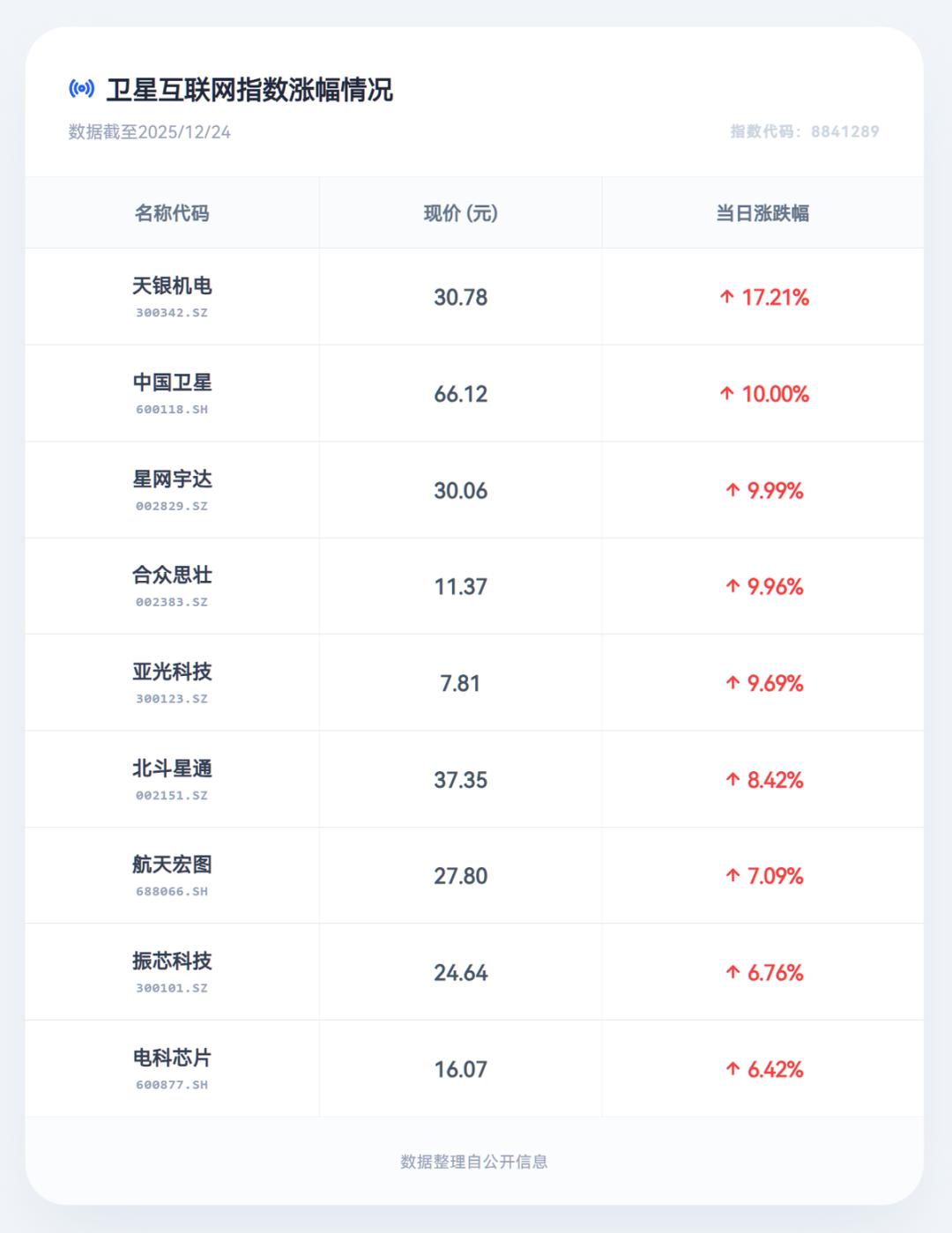
The concept of commercial space has been quite "wild" recently. The commercial space index has risen nearly 50% this year, and the stock prices of dozens of stocks have doubled. Landspace has completed the listing guidance and may become the "first commercial space stock on the Science and Technology Innovation Board". In June, the China Securities Regulatory Commission (CSRC) clarified that the fifth set of listing standards on the Science and Technology Innovation Board can be applied to commercial space companies, allowing unprofitable enterprises to enter the capital market.
The policies, industries, and capital converged in the same direction at the end of 2025, which is likely to create a "dizzying illusion" similar to the sharp rise caused by the chip industry. However, we need to clarify three things: first, the underlying logic of this wave of sentiment; second, whether the industrial fundamentals can support the imagination; third, in which links do the capital and enterprises really have sustainable opportunities. Although the theme is good, don't be greedy.
Facts drive emotions, and emotions obscure facts.
Since December this year, the commercial space sector has continued to heat up in the A-share market. Many concept stocks such as Tongguang Cable, Zhongchao Holdings, and Sichuan Jinding have hit the limit-up frequently. Tianli Composite has risen nearly 200% in 7 trading days, and Zaisheng Technology has hit the limit-up five times in 8 trading days. On December 24th, Shenjian Co., Ltd. had 5 consecutive limit-ups, and Guoji Precision had 3 limit-ups in 4 days. From rocket structural components, special cables, to satellite testing systems, materials, and components, almost the entire upstream and downstream chain has been "targeted" by funds.
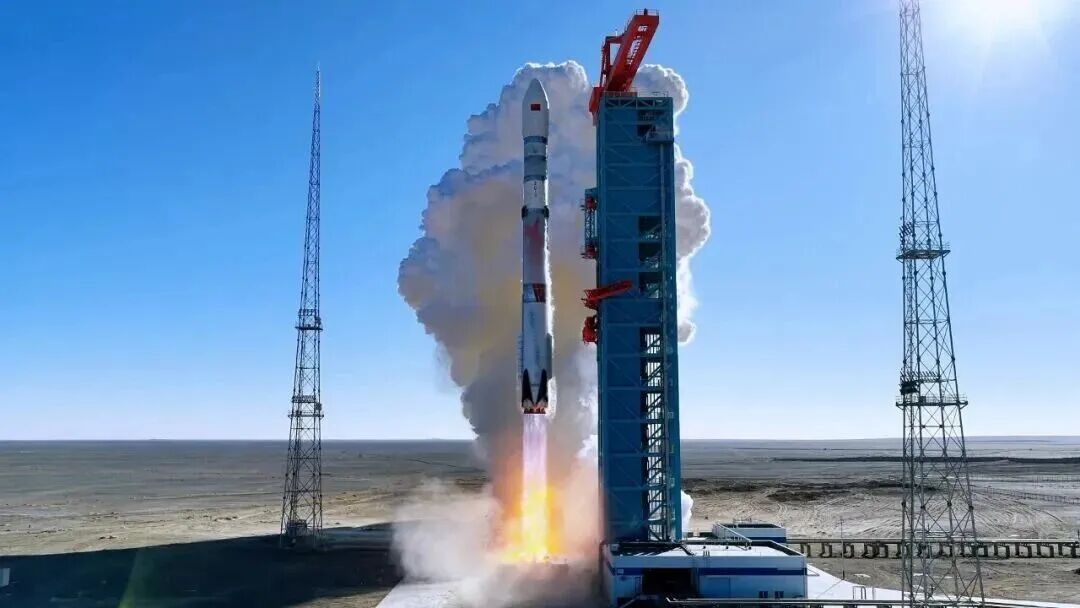
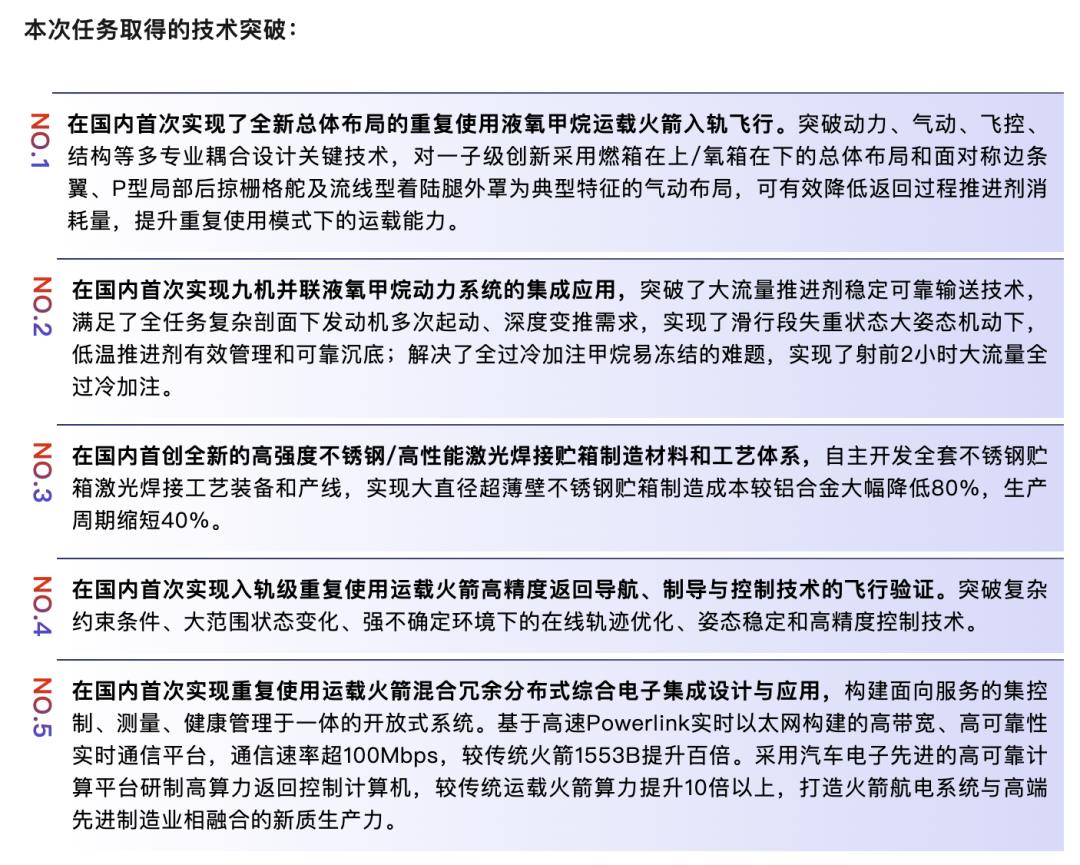
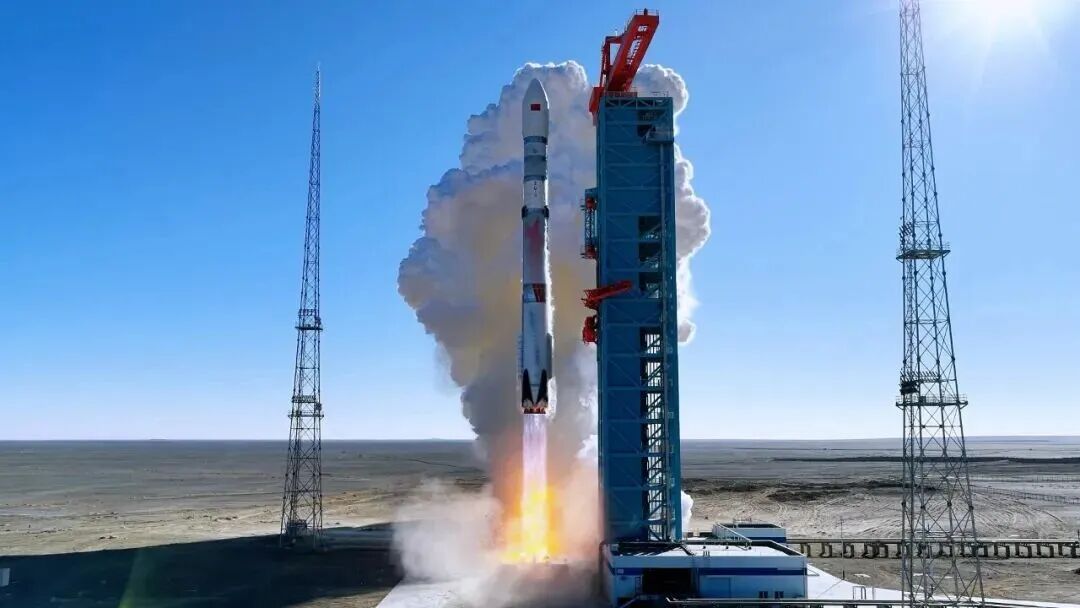
The direct catalysts are all industry actions. The Beijing Commercial Space Development Conference, the Xi'an Commercial Space Summit, and the Shenzhen Commercial Space Exhibition have been held one after another, with the "government, industry, academia, research, and application" highly focused on this track. The first flight tests of reusable rockets such as Zhuque-3 and Changzheng-12A have been carried out one after another, and China's rocket launches have entered the "final December". The National Space Administration has proposed to establish a Commercial Space Department and a National Commercial Space Development Fund, and the National Defense Science, Technology and Industry Administration plans to recruit a "Space Supervision Position in the Commercial Space Department", so the concept has been highly recognized.
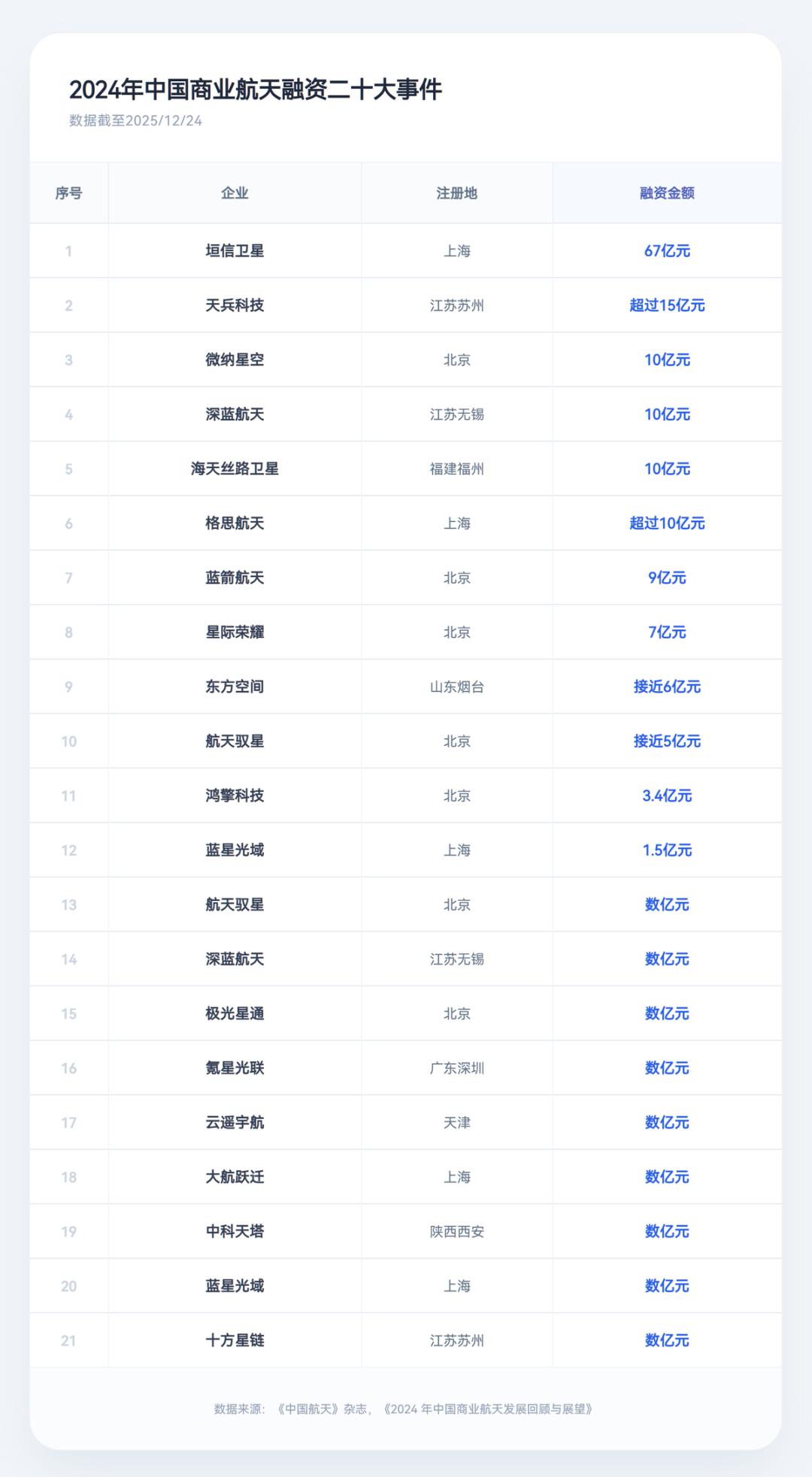
More importantly, the institutions have played a leading role in allocating commercial space. The essence of commercial space is venture capital under the theme of the times. Many investment decisions are not only based on financial return considerations but also for technological reserves for future national strategies.
The reform of the Science and Technology Innovation Board has clarified that commercial space companies can use the fifth set of standards for listing, allowing unprofitable enterprises with key technologies to enter the public market. Leading companies such as Landspace, Tianbing Technology, Zhongke Astronautics, and Xinghe Power have entered the listing guidance or application stage, and a closed-loop between the primary and secondary markets is taking shape. Coupled with the profitability of SpaceX and the rigid demand for satellite Internet, it provides relatively rare medium - and long - term visibility for capital.
Of course, the rise in sentiment also has an obvious side effect: the valuation has risen rapidly, and the entry price of high - quality targets is almost refreshed monthly.
A few years ago, the valuations of leading rocket and satellite companies were only in the billions, but now they generally stand on the platform of 15 billion and 20 billion yuan. After listing, their expected market values are directly discussed at the "trillion - level". Some key subsystem companies only had a valuation of one or two times at the beginning of this year, but recently, with the support of several rounds of financing and local funds, their prices have skyrocketed. These targets may enter the secondary market starting from next year, and the competition at that time can be imagined.
Correspondingly, the currently popular companies in the market have obtained excessive premium space in the short term. The "leading premium" may be overdrawn at any time, and simply following the sentiment is likely to be trapped at the high - valuation level. The industry has entered a stage of fine differentiation. If you don't understand the project progress and customer structure and only select stocks based on the "theme", the risks outweigh the opportunities.
There is only perseverance, no miracle in engineering.
In the long run, commercial space is by no means a niche theme.
China's commercial space market scale has increased from about 3.8 trillion yuan in 2015 to 23 trillion yuan in 2024, with an average annual compound growth rate of about 22%. It is expected to reach 7 - 10 trillion yuan by 2030. The proportion of the global commercial satellite industry in the overall space revenue has exceeded 70%. The downstream revenue is mainly concentrated in terminal equipment and satellite services, and the investment direction is very clear.
What drives them is nothing more than user demand and international resource competition. There are still billions of people in areas not covered by the ground Internet who cannot enjoy stable broadband and Internet of Things services. Satellite Internet provides a practical supplementary path. The rule of "first - come, first - served" for frequency and orbit resources has made the competition among countries in the low - orbit Ku/Ka frequency bands and orbital positions extremely fierce. Whoever completes the network construction first will lock in the scarce long - term resources.
The two mega - satellite projects, the "State Grid Constellation" and the "Thousand - Sail Constellation", plan to deploy tens of thousands of satellites in total. Xingwang and Yuanxin have launched more than 170 satellites in 2025, but this is still less than 5% of the target deployment quantity. This means that in the few years around 2030, the annual satellite launch volume needs to be multiplied on the existing basis, and the contradiction of "more satellites, fewer rockets" will become more and more acute. So the topic comes to the most important launch cost and launch frequency.
According to international experience, the launch service cost accounts for about 30% - 40% of the total constellation cost. Traditional single - use rockets emphasize mission reliability, with a long model development cycle and a high degree of customization, resulting in high unit launch costs. Commercial rockets have significantly reduced the launch cost through standardized design and flight test iteration. SpaceX's Falcon 9 has reduced the unit launch cost to about $3,000 per kilogram through the first - stage recovery and fairing recovery, making it one of the rockets with the lowest freight rates in the world so far.
The first stage integrates the engine and most of the structure, which is the most expensive part of the whole rocket, accounting for 60% - 70% of the cost. Once stable reuse can be achieved, the single - launch cost will show a downward - bending curve of "high at first and then low". The first flight is actually more expensive because of the installation of recovery - related hardware, but as the number of reuse times accumulates, the hardware cost is quickly diluted, and finally approaches the "marginal cost of reuse".
Landspace in China has set the goal for Zhuque - 3 to reduce the unit launch cost to less than 20,000 yuan per kilogram after 20 reuses, which is close to or even expected to catch up with the same - level of the Falcon 9. Its current valuation exceeds 20 billion yuan and is highly valued by capital because it is the first private aerospace enterprise in the country with the full - industrial - chain capabilities.
Regarding the frequency, in the era of giant constellations, it is not only necessary to "fly cheaply once" but also to "fly frequently many times". It usually takes one year or even longer from signing the contract to launching for traditional models, which is difficult to match the rhythm of batch constellations. The "rocket supermarket" model of commercial rockets - large - scale production, inventory standby, and launching as soon as the satellites arrive - is becoming the new goal. SpaceX's Falcon 9 in the United States has proved that a single model can carry out more than 100 missions a year, with an annual carrying capacity of more than 2,000 tons, providing abundant low - cost carrying capacity for Starlink.
In 2024, China completed a total of 68 launches, of which more than 40 were commercial launches (including rideshare and piggy - back launches). As of December 2025, it has approached 90 launches, setting a new historical high. Zhuque - 2 has become the world's first liquid oxygen methane rocket to successfully enter orbit. Zhuque - 3 and Changzheng - 12A have successively carried out/planned to carry out the first flight verification of recoverability, and new rocket models such as Tianlong - 3 and Yinli - 2 are also waiting to be launched.
It is foreseeable that in the next three to five years, China will enter a period of intensive debut of reusable medium - and large - scale rockets, and there is expected to be an obvious inflection point in the carrying capacity and cost curve.
Opportunities for capital and enterprises: possible emergence
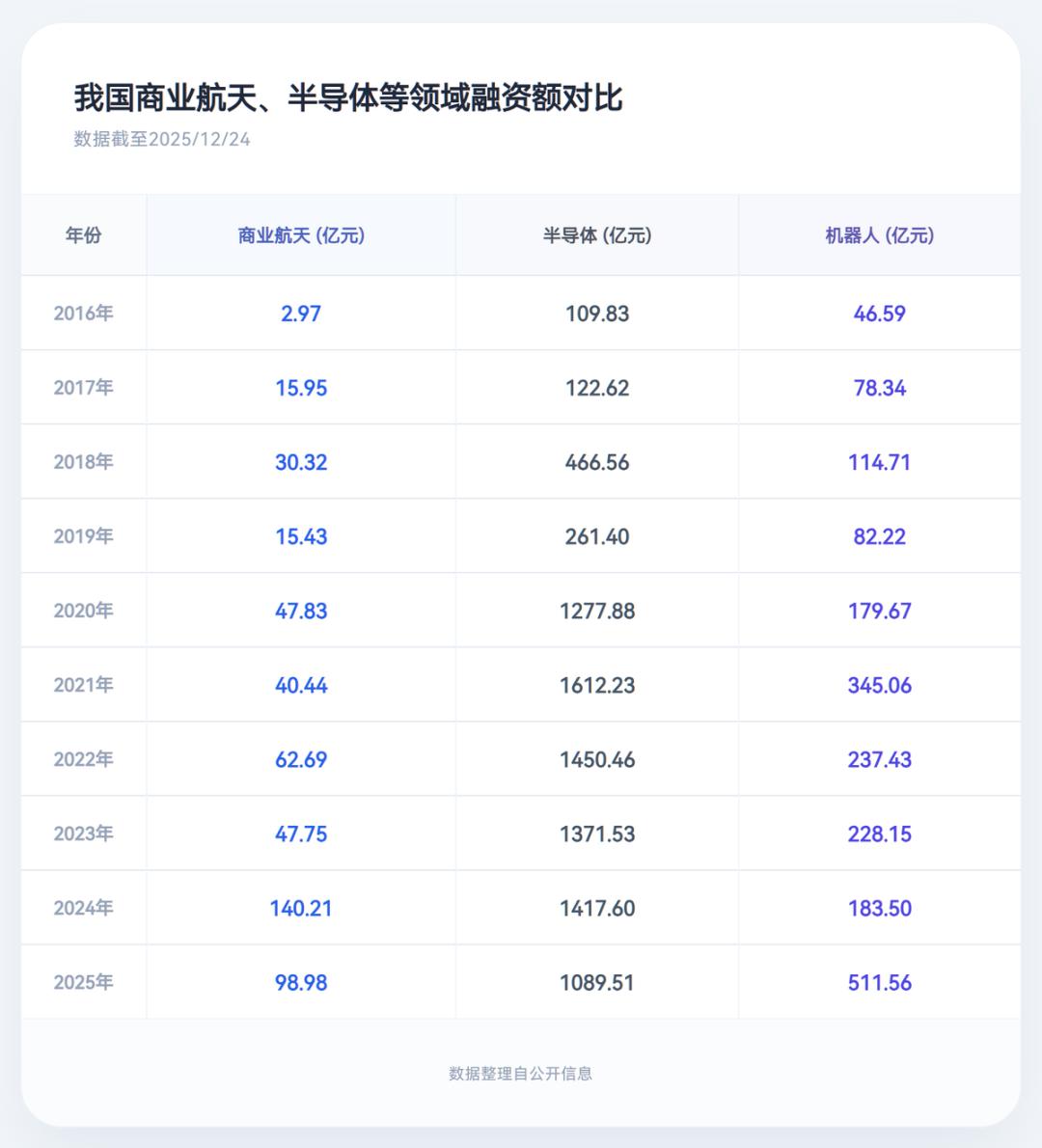
From 2016 to 2025, the total publicly disclosed financing in the domestic commercial space field was slightly more than 50 billion yuan. In contrast, the financing scale of the semiconductor industry exceeded 900 billion yuan, and that of the robotics field was also more than 200 billion yuan during the same period. For a heavy - asset track with typical characteristics of "high investment, long cycle, and slow return", this amount of money is not much.
In the A - share market, in the past ten years, the companies in the Wind Commercial Space sector have raised a total of about 82.5 billion yuan through IPOs and private placements. From 2021 to 2025, the growth rate of the initial public offering (IPO) funds was lower than the market average, indicating that there are still relatively few listed companies with "commercial space as the main business".
However, the situation will soon change. The CSRC has included commercial space in the fifth set of standards on the Science and Technology Innovation Board, allowing unprofitable enterprises with core technologies to list. Leading companies such as Landspace, Zhongke Astronautics, Tianbing Technology, and Xinghe Power have successively completed the filing for listing guidance and are expected to enter the application or inquiry stage in the next one or two years.
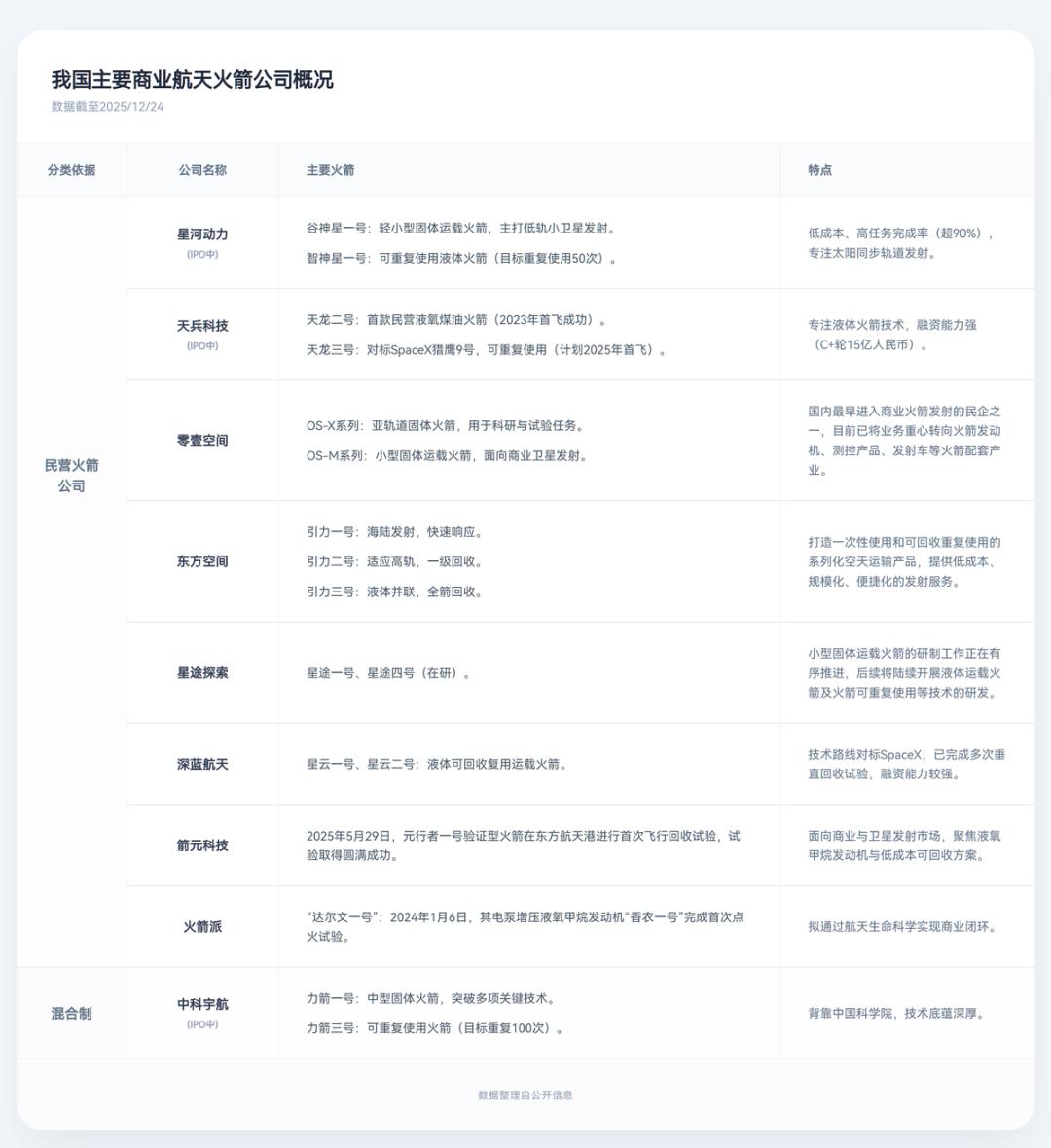
Once the first batch of hard - technology commercial space companies are listed on the Science and Technology Innovation Board, it means that a complete capital cycle from angel investment, VC, PE to the primary and secondary markets will be closed. The industry will obtain a relatively clear path of "technology - orders - listing - reinvestment", which will have a strong demonstration effect on the subsequent entry of funds.
The leading rocket and satellite companies are still in the primary market. The companies highly concerned in the secondary market can be roughly divided into the following categories:
The first category is the suppliers of key structures and materials for rockets and satellites. The rocket structure and engine components account for more than 30% of the total rocket cost. As the launch volume increases, the demand for this part will show an "amplification effect".
The engine inner - wall material of SRI International, which rose sharply today, has been used in the vertical take - off and landing test of Zhuque - 3, and its commercial space orders have increased significantly since the second quarter of this year. Chaojie Co., Ltd. with a 20cm daily limit has entered the rocket structural component field through its subsidiary and has achieved batch delivery of shell sections and fairings. The structural components can account for 25% of the total rocket cost. The special cable business of Hualing Cable has achieved a year - on - year increase of more than 40% in space - related revenue in the first three quarters of 2025.
These enterprises were originally active in the traditional industrial field but have obtained new opportunities by entering the commercial space supply chain.
The second category is high - value - added subsystems such as testing, measurement and control, and power supply that are suitable for mass production. As the Xingwang and G60 Thousand - Sail Constellation enter the mass - launch stage, satellite manufacturing is shifting from the "project - based" to the "assembly - line mode", and the demand for testing systems, measurement and control systems, inter - satellite communication, and power supply systems has increased rapidly.
Companies like Holerwork used to deliver only one or two testing systems a year, but now they need to deliver several sets a month. In the fields of inter - satellite laser communication, electric propulsion, and power management, there have already been players with a highly concentrated supply share. They directly "earn" the financing and orders obtained by downstream satellite and rocket companies and are jokingly called the "new - generation To VC enterprises".
The third category is new application - oriented companies around data and computing power. Low - orbit constellations are not only "able to connect to the Internet" but also "able to calculate, observe, and manage". New businesses around remote - sensing data, spatio - temporal big data, and space computing power centers are attracting a new round of entrepreneurs and capital.
There are many small - market - value players among these companies, which can easily arouse emotions. There is even a type of beneficiary in the secondary market, that is, the investor enterprises. A typical example is Goldwind Science & Technology, which has invested in Landspace.