The Year 2025 for Robotaxi: Tesla Enters the Game, "Luo Xiaowen" Claims a Third of the Market, and Commercialization Accelerates Across the Board
The wave of Robotaxi pilot projects and promotions led by companies like Luobo Kuaipao reached new heights in 2025.
In this year, Luobo Kuaipao exceeded 17 million cumulative service trips globally, becoming the world's first Robotaxi service platform to achieve this scale. XPeng Robotics' Guangzhou Robotaxi fleet (seventh - generation models) achieved revenue balance per vehicle. Through in - depth cooperation with partners like Uber and local regulatory authorities, WeRide operates the world's largest Robotaxi fleet outside the Chinese and US markets.
On the other side of the industry's rapid development lies fierce market competition.
A major power outage in San Francisco gave a big boost to Elon Musk's own Robotaxi fleet. Even though the Tesla Cybercab currently only has L2 - level assisted driving in commercial use, its rival, Waymo, the pioneer of Robotaxi, now has 450,000 weekly orders, indicating the demand for L4 - level autonomous driving Robotaxi models.
In this year, the capital market remained enthusiastic about the Robotaxi industry. Two leading domestic autonomous driving companies, WeRide and XPeng Robotics, were listed on the Hong Kong Stock Exchange on the same day this year, becoming dual - listed companies on both the US and Hong Kong stock markets. Waymo, which is not yet listed, is reported to be advancing a new round of financing, aiming for a valuation between $100 billion and $110 billion.
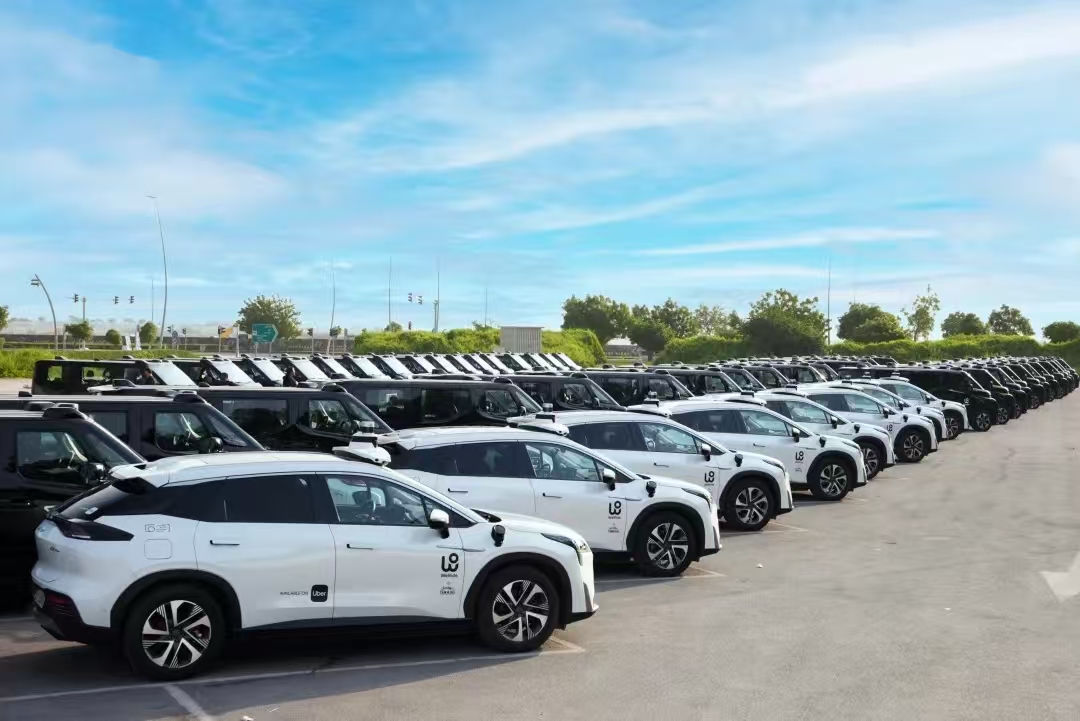
(Image source: WeRide)
Many signs this year indicate that the global Robotaxi industry (especially in the Chinese, American, Middle Eastern, and European markets) is on the verge of a new stage of large - scale commercialization. However, as the market is about to explode, the reshuffle across the industry is accelerating. Some domestic companies like iMotion, Haomo.AI, and Horizon Robotics fell before the dawn.
At the end of this year, with the launch of L3 - level autonomous driving vehicles in China, the magnificent wave of high - level autonomous driving technology application and popularization has reached a new starting point.
Saying goodbye to the anxiety of losses, the Robotaxi business can finally make money
During Baidu's Q2 earnings conference call this year, Robin Li revealed that Luobo Kuaipao's fleet has achieved revenue balance per vehicle (Unit Economic Model, UE) in Wuhan. Data shows that Luobo Kuaipao has deployed 1,000 Robotaxis in Wuhan.
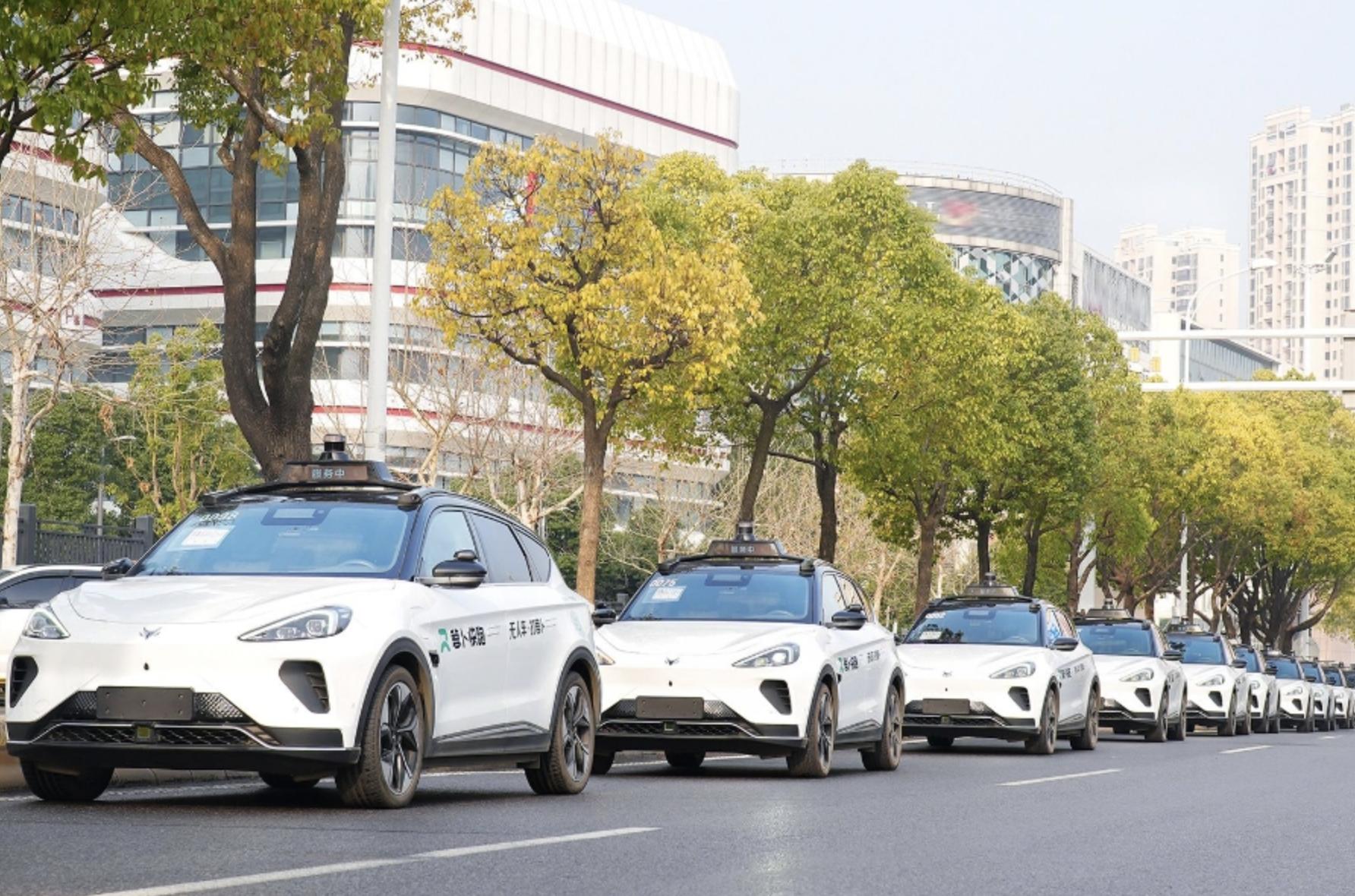
(Image source: Luobo Kuaipao)
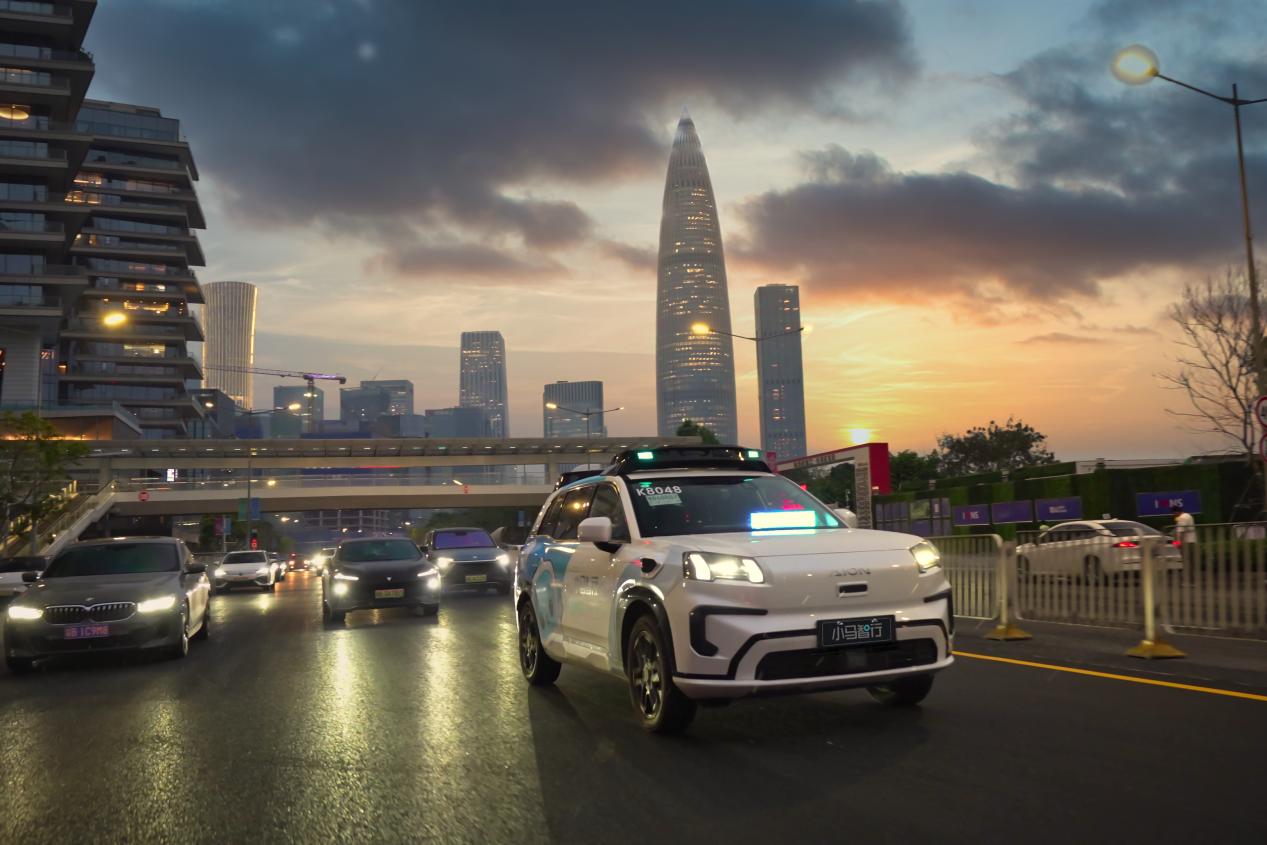
As the only autonomous driving company with Robotaxi demonstration operation licenses in Beijing, Shanghai, Guangzhou, and Shenzhen, XPeng Robotics' seventh - generation Robotaxi models in Guangzhou have reached an average of 23 daily orders per vehicle. After deducting discounts and refunds, the average daily revenue per vehicle is 299 yuan, enabling XPeng Robotics' Guangzhou Robotaxi fleet (seventh - generation models) to achieve revenue balance per vehicle recently.
As is well - known, it is generally difficult for a new technology or service to turn a profit during the pilot and promotion phases. The fact that Luobo Kuaipao in Wuhan and XPeng Robotics in Guangzhou have started to make a profit from their Robotaxi fleets this year at least proves that domestic autonomous driving companies can move beyond the pilot and promotion phases and enter a new stage of real commercial operation in the autonomous mobility service platform market, even if it is only in individual cities and only at the per - vehicle profit level for now.
Overseas, WeRide also brought good news. With the launch of fully driverless commercial operations, the acquisition of new licenses, and the continuous improvement of vehicle utilization, WeRide stated that its Robotaxi service with Uber in Abu Dhabi will achieve break - even per vehicle.
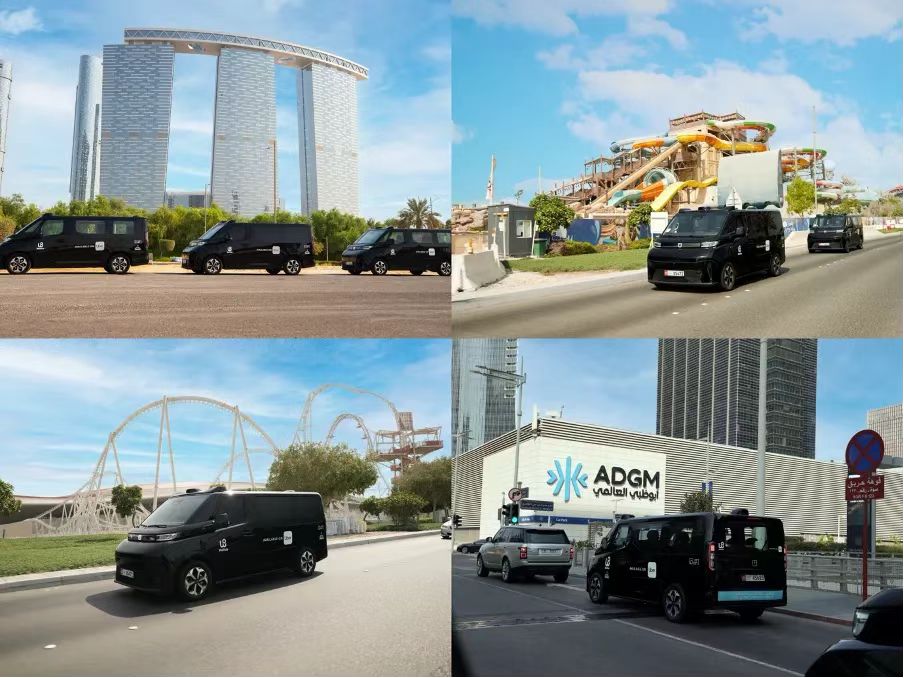
(Image source: WeRide)
So, how did domestic Robotaxi fleets achieve per - vehicle profit?
According to Wang Haojun, the co - founder of XPeng Robotics, the cost of each fifth - and sixth - generation Robotaxi model is in the "hundreds of thousands" range. The more vehicles are deployed, the greater the losses. For the seventh - generation Robotaxi models, XPeng Robotics has only one core goal: "to make money".
XPeng Robotics' executives revealed in an interview with Leikeji and others that on the premise of 100% automotive - grade components, the seventh - generation Robotaxi models achieved a major breakthrough with a 70% reduction in the total cost of the autonomous driving kit compared to the previous generation. At the same time, they have a designed lifespan of 600,000 kilometers, which is equivalent to the total mileage of a ride - hailing vehicle driven continuously for 5 to 6 years. Specifically, XPeng Robotics significantly reduced the cost of two core components of the seventh - generation Robotaxi models: by using a self - developed domain controller, the cost was reduced by 80% compared to the previous generation; for the automotive - grade lidar, the cost was reduced by 60% to 70% compared to the previous generation.
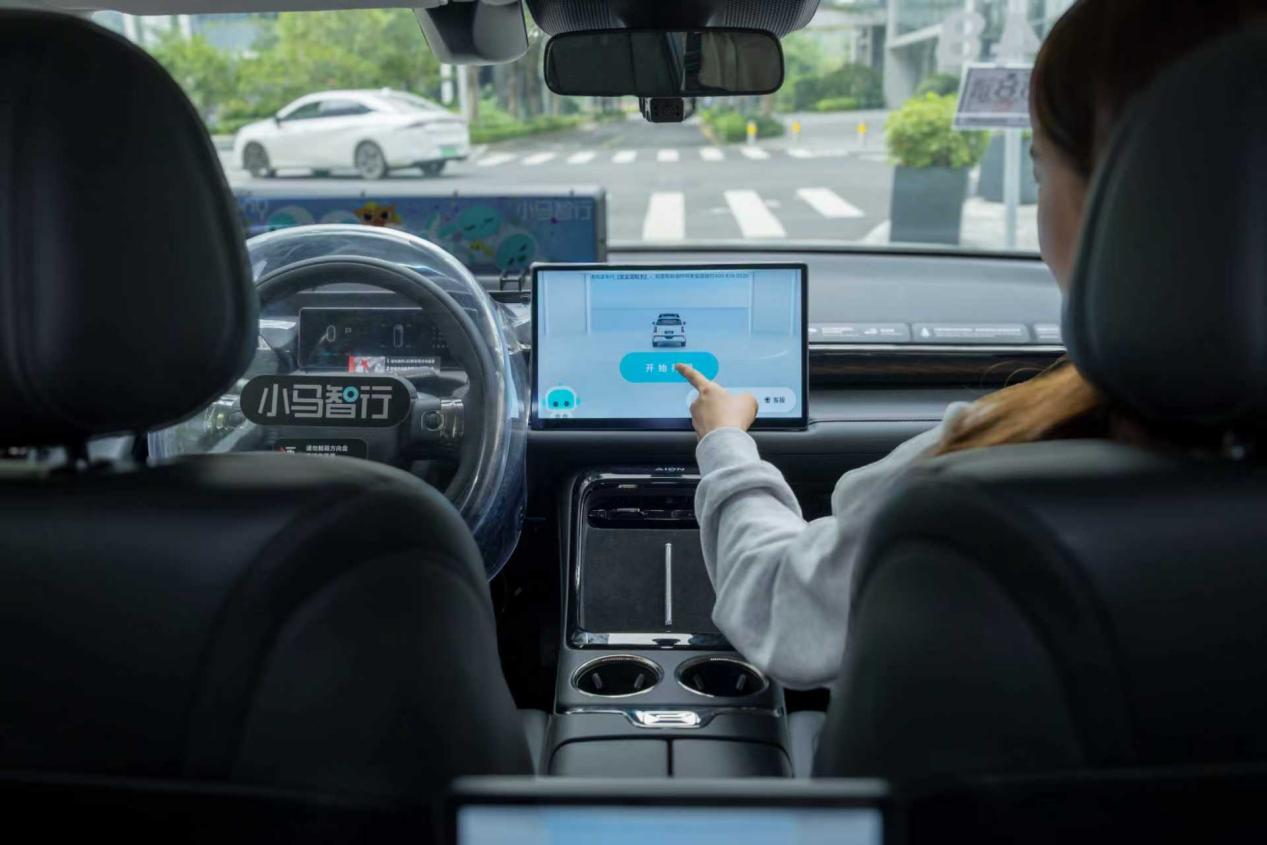
(Image source: XPeng Robotics)
The cost of the currently operating sixth - generation Luobo Kuaipao models has also been significantly reduced by 60% compared to the previous generation, with a per - vehicle cost of 204,600 yuan, about one - seventh of the cost of Waymo's models.
Fundamentally, for domestic Robotaxi fleets to make money, the primary goal is to significantly reduce the total cost of relevant models, especially the total cost of the autonomous driving kit.
Of course, Luobo Kuaipao's ability to achieve per - vehicle profit in Wuhan this year is related to its fleet scale of 1,000 deployed Robotaxis in the city.

(Image source: Luobo Kuaipao)
As the fleet scale continues to expand, for example, from 100 to 1,000 vehicles, the overall operating cost of Robotaxis will further decrease because hardware procurement can enjoy larger volume discounts, and a single dispatcher can manage more vehicles, for example, increasing from 20 to 30 vehicles. Wang Haojun said that the per - vehicle cost of XPeng Robotics' seventh - generation Robotaxi models will be reduced by another 20% next year compared to the current level this year.
It should be noted that XPeng Robotics' seventh - generation Robotaxi models in Guangzhou achieve an average of 23 daily orders per vehicle, with an average daily revenue of 299 yuan per vehicle and an average monthly income of about 9,000 yuan per vehicle. Compared with the current average level of human drivers in the domestic ride - hailing market, it doesn't have a significant advantage.
The report "Employment Resilience in Urban Mobility: Employment Landscape and Professional Performance of Ride - Hailing Drivers (2025)" released by the China New Employment Forms Research Center shows that the current average monthly income of ride - hailing drivers nationwide is 7,623 yuan. Among them, the average income of ride - hailing drivers in first - tier cities who are online for at least 8 hours a day is 11,557 yuan.
(Image source: XPeng Robotics)
More importantly, XPeng Robotics' Robotaxi models in Guangzhou have achieved 24/7 all - weather operation. Calculated on a "24 - hour non - stop" basis, the average hourly income of a single Robotaxi with a daily income of 300 yuan is only 12.5 yuan.
What are the two technical routes of Robotaxi competing for?
Recently, a major power outage occurred in San Francisco, the United States, causing the city's traffic light system to go out.
In such an unexpected situation, the Robotaxi services of Waymo and Tesla showed two completely different emergency responses:
Waymo's L4 - level driverless Robotaxi adopts the "vehicle - infrastructure cooperation" strategy. That is, in response to abnormal external environments, it chooses to stay in place and wait for the environment to recover, for dispatching control, or for external intervention. However, due to the long - lasting and wide - spread power outage (dispatchers were unable to connect to relevant vehicles), the vehicles could only be moved by external intervention in the end.
Tesla's L2 - level assisted - driving Robotaxi adopts the "single - vehicle intelligence" strategy. It ignores external environmental abnormalities and can also operate normally through manual intervention.
Since this year, Waymo's order volume has been continuously increasing and has now reached 450,000 orders per week, with a fleet size of over 2,500 vehicles.

(Photographed by Leikeji)
L4 - level driverless Robotaxis represented by Waymo are still the mainstream paradigm in the industry, including domestic companies like Luobo Kuaipao, XPeng Robotics, and WeRide. However, domestic and foreign manufacturers do not have exactly the same understanding of "vehicle - infrastructure cooperation".
The XPeng Robotics team said in an interview with Leikeji and others that "vehicle - infrastructure cooperation" is helpful for urban traffic management, but autonomous driving should not overly rely on external facilities. For example, a vehicle should not be unable to drive due to the lack of "vehicle - infrastructure cooperation". The core still lies in the vehicle's own technical capabilities. Now, this prediction has come true.
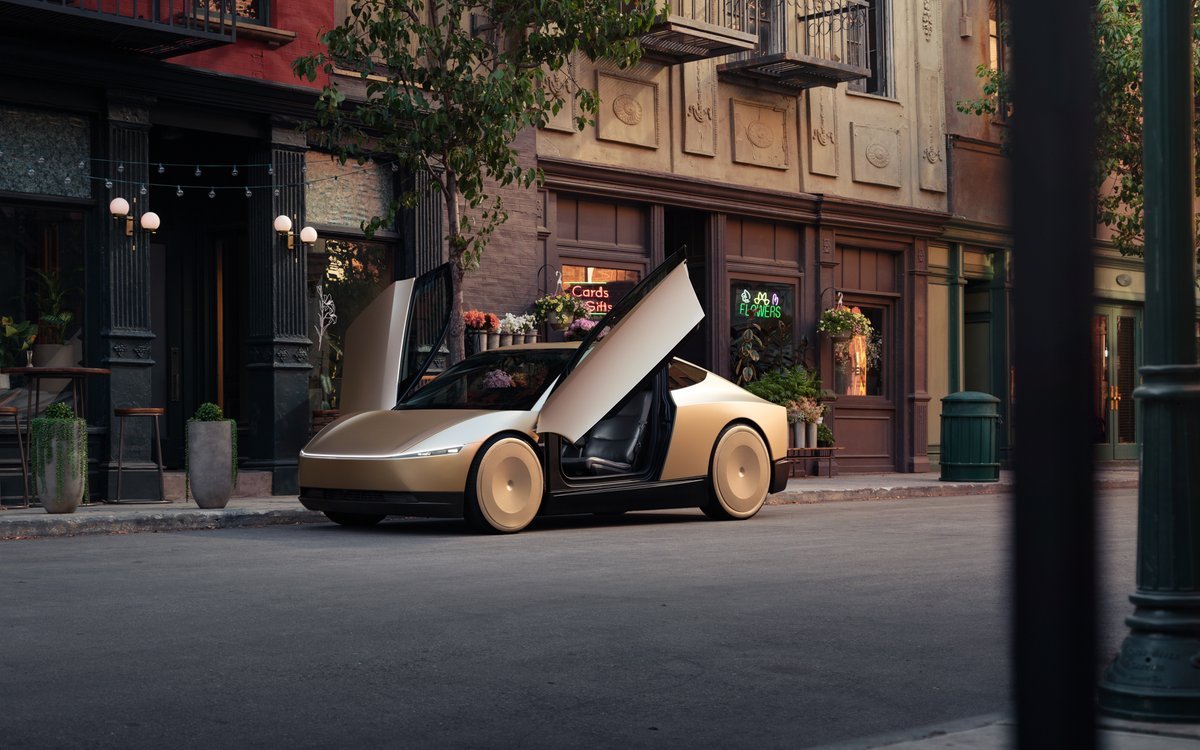
This year, Tesla officially entered the Robotaxi market. However, its actual commercial application is still L2 - level assisted driving (note: it has started testing L4 - level autonomous driving), focusing on "single - vehicle intelligence", mainly relying on pure vision and AI algorithms rather than lidar and high - precision maps.
As the earliest fully implemented commercial application scenario of autonomous driving, the technical route competition in the Robotaxi industry this year seems to be about whether the "complex hardware system" or the "AI vision model" should dominate on the surface. In essence, it is about the best path to the ultimate goal of safe driving.
(Image source: Tesla)
Under the "vehicle - infrastructure cooperation" strategy, Robotaxis pay special attention to the surrounding environment, including the stability of the signal environment. As long as the sensors on the vehicle detect environmental abnormalities, it will leave a "safety margin". In the case of the traffic light outage caused by the San Francisco power outage, Waymo's Robotaxis immediately adopted the most conservative "safety strategy" and stayed still, waiting for dispatch or external control.
Under the "single - vehicle intelligence" strategy, Robotaxis place more emphasis on the sufficiently intelligent AI algorithms trained with a large amount of user data (scene vision).
If "vehicle - infrastructure cooperation" is like giving Robotaxis a pair of sharp eyes, then "single - vehicle intelligence" is like building a pair of intelligent brains for them.
From a technical perspective, the compatibility and in - depth integration of the two are undoubtedly a better solution. However, even if the cost of complex hardware and sensors drops significantly, the component procurement cost for relevant enterprises will still be a considerable expense. Perhaps more importantly, before "vehicle - infrastructure cooperation" is fully introduced into the private car market, the "single - vehicle intelligence" solution can more quickly and earlier open up the path for the integrated development of Robotaxis. That is, using the concept of "shared mobility", more private cars with high - level driving technology can be incorporated into the Robotaxi ride - hailing market ecosystem.
It should be added that companies like Luobo Kuaipao were reported this year to remove lidar from their subsequent Robotaxi models. There is even a possibility that they may move closer to Tesla's FSD solution in the future, further eliminating millimeter - wave radar and ultimately achieving high - level autonomous driving only through pure vision and AI algorithms. Whether Luobo Kuaipao will make such a major shift in its technical route remains to be seen with the debut of its new - generation Robotaxis.
The launch of L3 - level autonomous driving vehicles paves the way for the technological downgrade of domestic Robotaxis
Recently, the Ministry of Industry