User conferences are cropping up. Is it time for Chinese automakers to "compete" in brand value?
Since the automotive industry has been regarded as the main carrier for driving industrial progress and technological revolution in the new era, everyone wants to rely on consumption to achieve a new round of industrial leap and elevate their own brands to become the business cards of Chinese automobiles.
Compared with the past, Chinese automobiles now have the confidence to be proud. Unlike in the past when they could only sell cheap cars, many users are now willing to pay for Chinese cars worth hundreds of thousands of yuan. Even with the support of new energy technologies, in just a few years, new cars worth over a million yuan, such as Yangwang U8/U9 and Zunjie S800, have entered the market one by one.
However, looking back at the progress of the Chinese automotive market in 2025, under the successive bombardment of price wars and public opinion wars, Chinese automakers seem to simply focus their development on sales volume. In the face of the "survival or death" issue, any actions unrelated to sales volume have almost become meaningless.
That is to say, since for most Chinese consumers, price is the key factor in deciding to buy a car rather than the so - called brand story, automakers naturally have to cater to this trend. In the face of competition, timely launching new cars cheaper than competitors has increasingly become the main theme of the market.
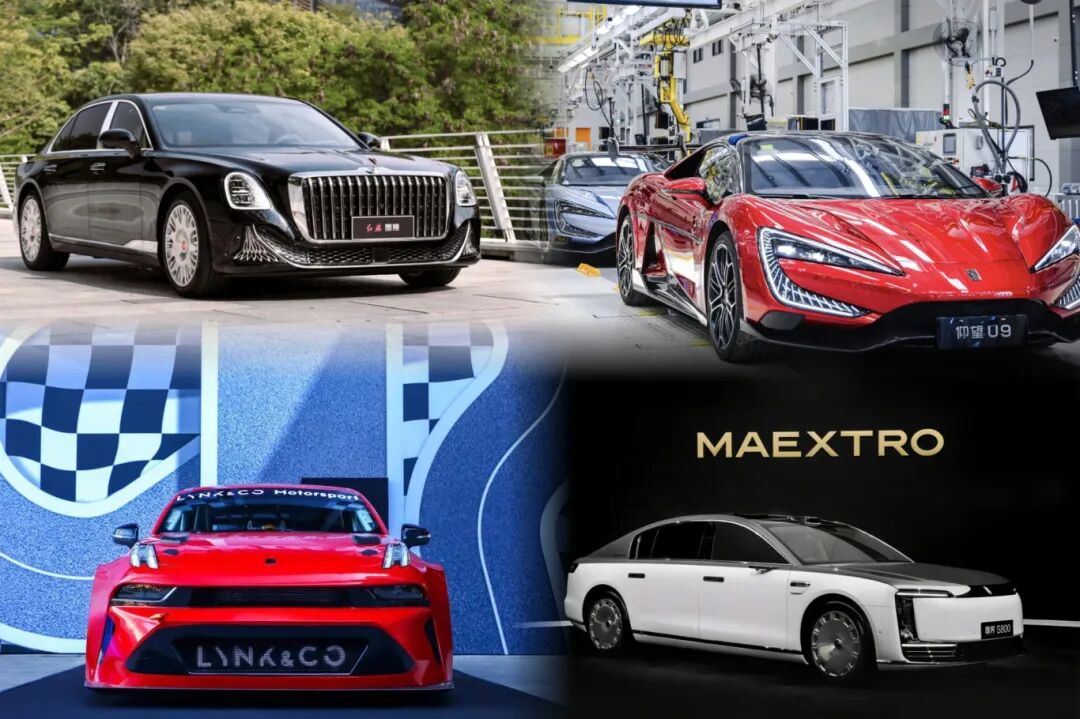
Many people like to use the word "intense competition" to describe the current market situation. In China, with the formation of a mature new energy vehicle industry chain, it is always right for automakers to provide consumers with high - quality and affordable products. But at the end of 2025, seeing that the competitive atmosphere in the automotive market will continue in the future, to be honest, no one wants to see the industry fall into a vicious cycle where the input and output of automakers are out of proportion due to intense competition.
Here, we can't help but ask, does Chinese automotive industry have brand value? In the future, when technology enters a stage of unified development, what new criteria should consumers use to make choices?
01
Price wars are unsustainable
Not long ago, the State Administration for Market Regulation issued the "Compliance Guidelines for Price Behaviors in the Automotive Industry (Draft for Comments)", stipulating that except for legally reducing prices to dispose of overstocked goods, automakers shall not set the ex - factory price below the production cost in other ways; they must clearly mark prices, prominently indicate vehicle configurations, prices, and promotion rules, and are strictly prohibited from adding extra fees; sellers must specify the specific delivery date in the contract and be responsible for any breach of contract.
Subsequently, many automakers such as Great Wall, Changan, XPeng, BAIC, and BYD expressed their support and promised to optimize price management and eliminate price fraud. The China Automobile Dealers Association also pointed out that this move helps to curb the "involution - style" price wars in the industry and promote competition to return to technology, service, and value improvement.
Actually, from the perspective of automakers themselves, a healthy industrial ecosystem cannot be achieved through unlimited price wars. So, in the face of new industrial competition, automakers should think about where the new development outlet is if they don't compete based on price.

Actually, through observations in the past year, we can find some new signs to set an example for everyone. The power of "HarmonyOS Smart Mobility" is definitely no less than that of Tesla. This shows that once products enter a stage of homogeneous competition, brand building starts to become meaningful.
In the last month of this year, we have noticed that more and more Chinese automakers are gradually aware of building new brand moats for themselves. From BYD Ocean's fourth - anniversary event, to the continuous Lynk & Co CO - Club events over the years, and then to the HarmonyOS Starlight Festival, we believe that the core purpose of these events is not only to provide a gathering stage for their existing user groups, but also to convey the sustainable development of the brand to the outside world.
Indeed, Chinese users are now more demanding about products than ever in history. Automakers are going all out to introduce all their ideas into the market when planning new products. But obviously, at this moment, single - product competition no longer has long - term market dominance.
Looking at the Chinese market, there are actually emerging brands that always propose to develop the enterprise with a user - centered mindset. NIO is a very obvious example. No matter how much NIO has spent on this aspect, the results are obvious to all.
Although we can't say that NIO is the only new energy automaker with brand premium, judging from the market performance of LeDao L90 and Firefly this year, NIO, as the parent brand, must have played a significant role. In contrast, those Chinese brands that are still struggling with sales and constantly lowering their prices are really helpless. For the question "Does brand value really have practical significance?", many Chinese automakers still don't have a clear answer.
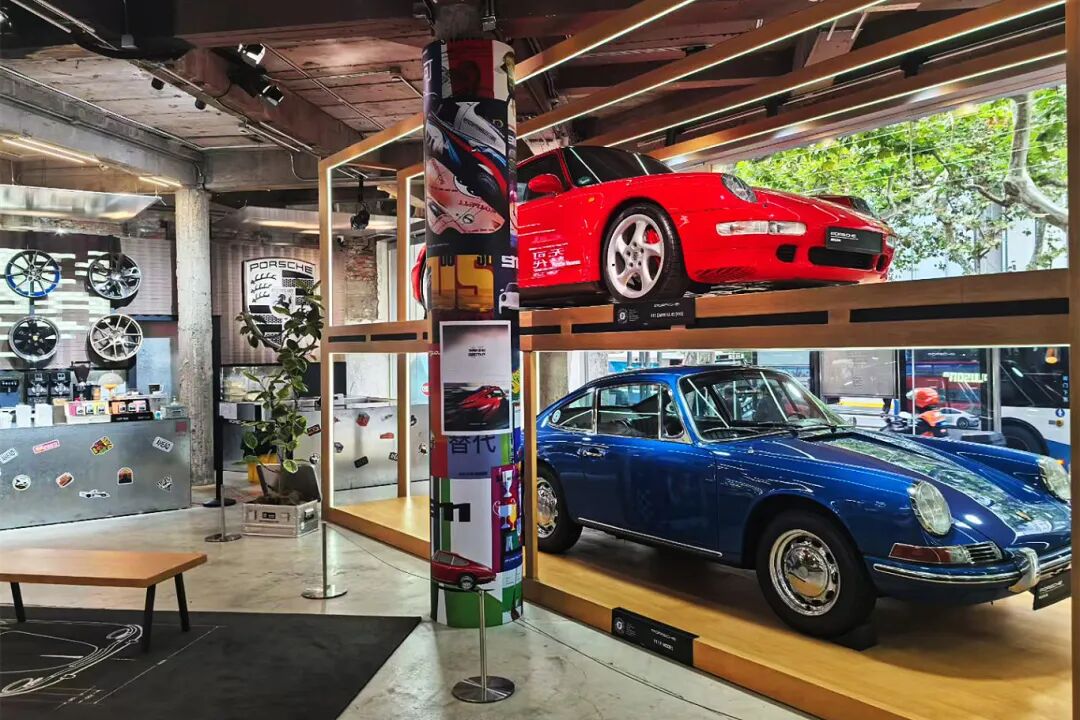
In fact, even if we don't take NIO as an example, the booming development of the Chinese automotive market in the past 20 years has given suggestions. However, these suggestions have gradually been forgotten in the constant condemnation of foreign - funded brands on the Internet.
At that time, from high - end brands like BBA, Lexus, and Porsche to mass - market brands like Toyota, Volkswagen, and Honda, in addition to providing good products, the images and charms of these brands were what Chinese consumers cared about. So, even now, despite people's many complaints about them, the brand - building ideas provided by joint - venture brands are still worth learning for Chinese automakers.
02
Chinese automobiles need brand value
In 2025, we must admit that leading enterprises such as BYD and Geely are very clear in their bones about holding user conferences to maintain brand images. However, it must be said that as the new energy industry has completely changed the industry ecosystem, consumers' vehicle - using needs are completely different from the past. Chinese automakers need to think about how to appropriately change the core of user conferences. There is no need for mere formal expressions.
Once upon a time, foreign - funded brands with rich historical stories were used to using their past glories to prove their current development and infecting every user with the spirit of iteration since their establishment. To be honest, in the cultural background where China lacks industrial accumulation, such brand narratives are definitely attractive. As car owners, it is easy for them to associate their feelings with the development of the brand.
Brands like Volkswagen, Toyota, and Honda still have a large number of fans. Maybe it's because of their large scale, but it's definitely related to their consistent brand promotion. Due to survival reasons, well - known event IPs like VAG Family have disappeared. But it's precisely the brand communication over the years that has allowed these leading joint - venture brands to remain in China.
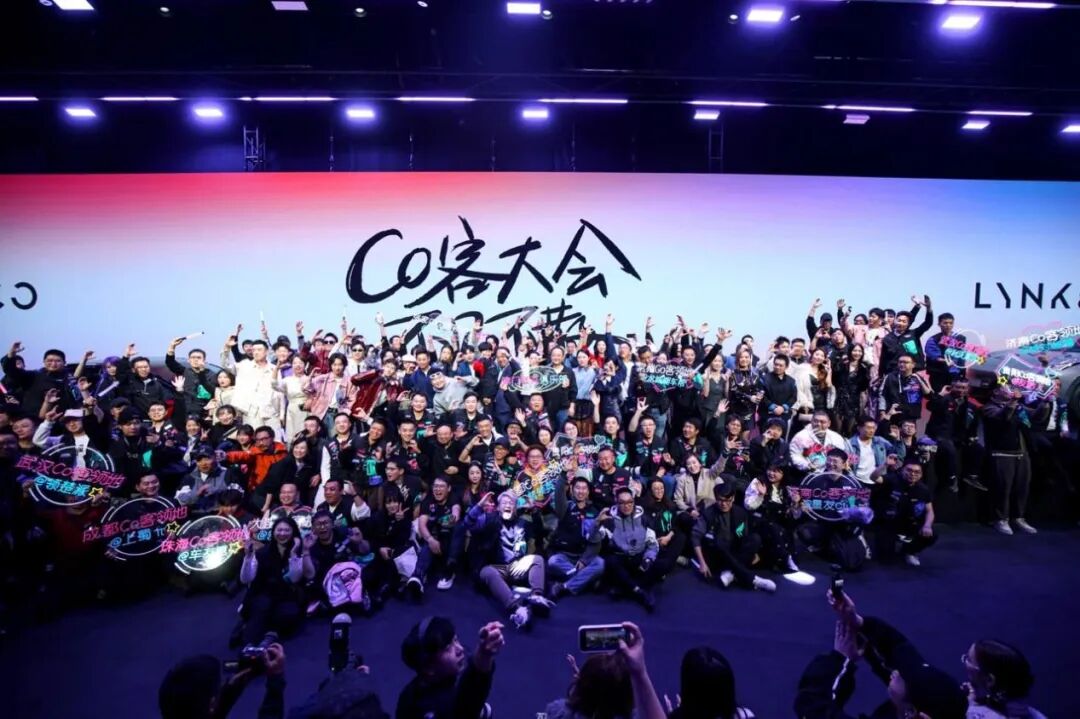
Comparing with them, Chinese automakers have had the idea of sorting out a clear brand story for themselves for several years. The best example is Lynk & Co of Geely. After years of holding the CO - Club events, the core concept of these events is completely in line with the original intention of the brand's establishment. This is also an important reason why Lynk & Co can maintain a certain brand premium in the independent brand camp.
With examples in front, looking at the current situation, many Chinese brands have clear guidelines for maintaining users. However, it cannot be denied that in terms of truly enhancing brand value, each brand is still a bit inexperienced. Especially in the booming development stage of the new energy industry, without brand historical precipitation, from what angle should they cut in to break through?
Some brands that have achieved success in sales believe that the brand growth path from a matrix of popular models precisely meeting the segmented market, to a deep co - creation ecosystem centered around users, and then to a flagship series targeting high - end markets is sufficient to provide users with strong value support. However, looking to the future, in the face of the real consumption environment, formulating plans based on the development of the enterprise itself is only one aspect.
The manifestation of brand value requires a whole ecosystem built around user needs, rather than a simple description of the current situation.
In the new energy era, when the frequency of vehicle maintenance is greatly reduced, for brand owners, more sticky actions from pre - sales to after - sales are needed to provide users with emotional value. Holding an annual user conference is important, but the more crucial thing is how to prioritize users' needs throughout the year. In this way, the saturated price offensive may no longer be the survival mindset that automakers desperately adhere to.

After all, when everyone is trying to hold their ground with price, for Chinese automakers that are truly willing to rely on their own capabilities, the significance of developing brand value is definitely far greater than getting involved in a price war.
Compared with the past few years, the automotive brands that have survived until 2025 must have gone through multiple major clean - ups in the technology field and truly achieved self - blood - transfusion in terms of sales volume. Since various institutions predict that the competition in the automotive market in 2026 will be more intense than this year and the overall sales volume may decline, those who can give full play to brand value will be like putting on a layer of protective armor from the source.
This article is from the WeChat official account "Automotive Commune" (ID: iAUTO2010), author: Cao Jiadong, editor: He Zengrong, published by 36Kr with authorization.