Europeans are really funny. They banned fuel-powered vehicles and now they're regretting it.
In 2021, Academician Ding Zhongli of the Chinese Academy of Sciences said the following words in an interview.



Four years later, a new EU regulation has directly turned Academician Ding's view at that time into a classic and prophetic prediction.
A few days ago, the European Commission issued a proposal stating that originally they planned to completely ban the sale of all fuel-powered vehicles (including hybrids) in Europe in 2035 to reduce carbon emissions.
However, this plan seems to be facing some headwinds at present, so they have decided to put it on hold for now. Instead, car manufacturers can not only sell hybrid vehicles but also use many other methods to offset the carbon emissions caused by hybrid vehicles, which will lead to a boom in the sales of hybrid vehicles.

As soon as the news came out, public opinion exploded.
On one hand, car manufacturers like Volkswagen and BMW, which have been producing fuel-powered vehicles for decades, heaved a sigh of relief: the ancestral craftsmanship has finally been preserved! On the other hand, car manufacturers like Polestar and Volvo, which have already transformed into electric vehicle production, were completely devastated: "We've already completed the transformation, and now you're telling me it was all in vain?"
Michael Lohscheller, the CEO of Polestar, even lashed out: "Suspending the 2035 target is a terribly bad idea. ... If we back down now, it will not only harm the climate but also damage Europe's competitiveness."
It's understandable that he's so angry. After all, in 2021 when the EU first decided to issue a ban on fuel-powered vehicles, the mainstream technology of European car manufacturers was still centered around developing more efficient and environmentally friendly internal combustion engines.
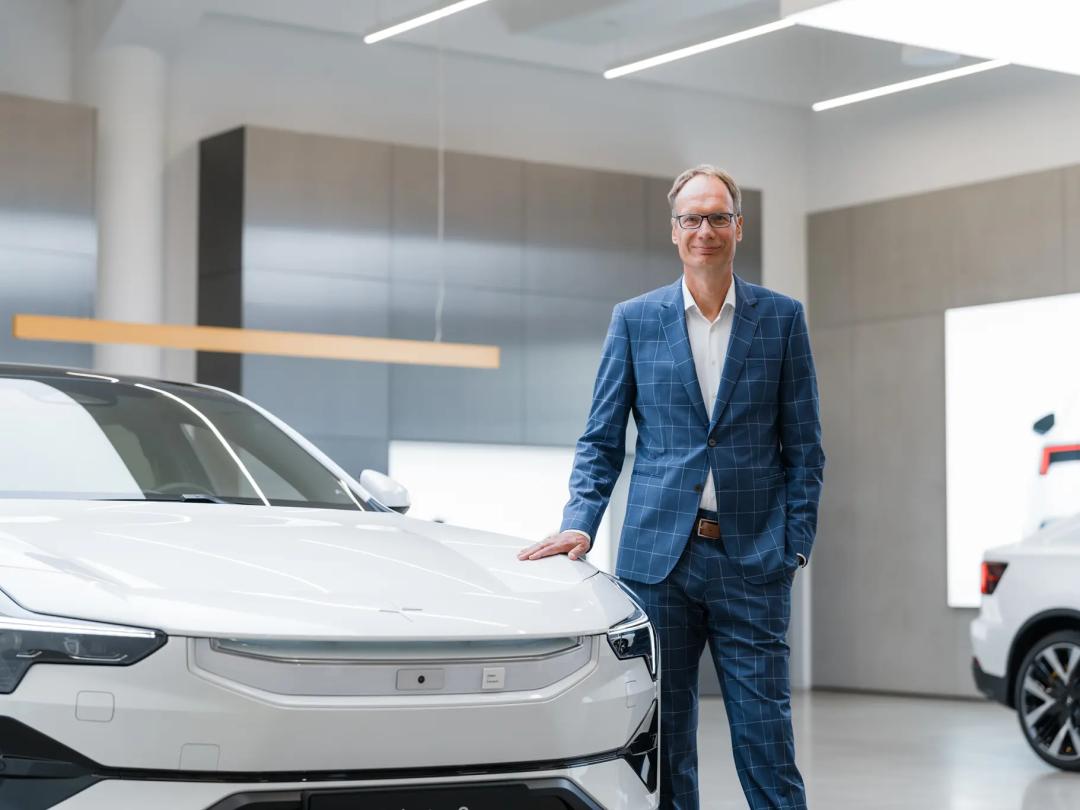
Michael Lohscheller
Suddenly announcing that the production of engines that have been made for over a hundred years will be banned and that all production will have to switch to electric vehicles in a dozen years is no less of a shock than announcing in a liberal arts class three months before the college entrance examination that the liberal arts comprehensive exam will no longer be held and that the science comprehensive exam will be taken instead, and telling students to figure it out on their own!
It can only be said that those who aren't worried after hearing this are like this

Interestingly, when the EU announced the environmental protection and emission reduction plan "Fit for 55" in 2021, the member states and car manufacturers were quite confident.
They not only mentioned banning the sale of fuel-powered vehicles in 2035 and reducing carbon emissions by 100% but also planned to greatly expand the charging infrastructure in member states. For example, there should be a charging station every 60 kilometers and a hydrogen energy refueling facility every 150 kilometers.
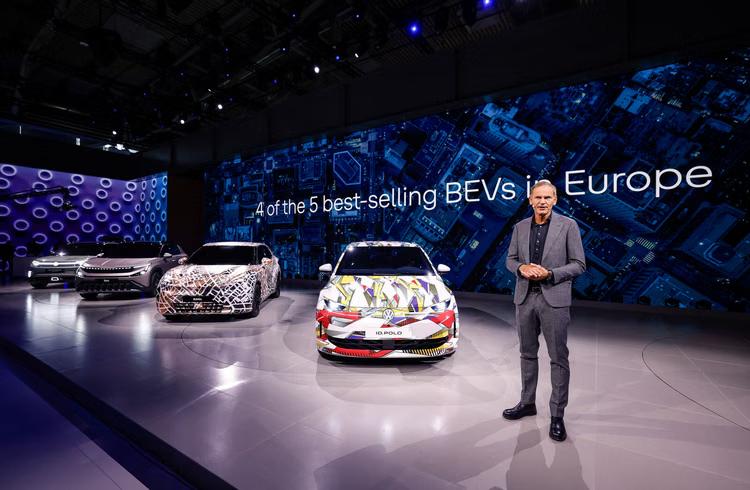
Seeing this grand plan, car manufacturers were highly motivated. Luca de Meo, the CEO of Renault, even made a solemn commitment at that time, "We will ensure the production of one million electric vehicles in Europe by 2030."
After reading the plan, Volkswagen also immediately stated that it had allocated 73 billion euros to support the development of electric vehicle technology before 2025.
However, when the EU officially passed the emission reduction agreement in 2023, several countries led by Germany, Italy, and Portugal suddenly changed their stances.
They not only publicly opposed the plan to ban the sale of fuel-powered vehicles in 2035, hoping to postpone it by five years, but also stated that if fuel-powered vehicles use carbon-neutral synthetic fuel e-fuel (methanol gasoline produced using carbon capture technology), they should not be included in the list of banned vehicles.
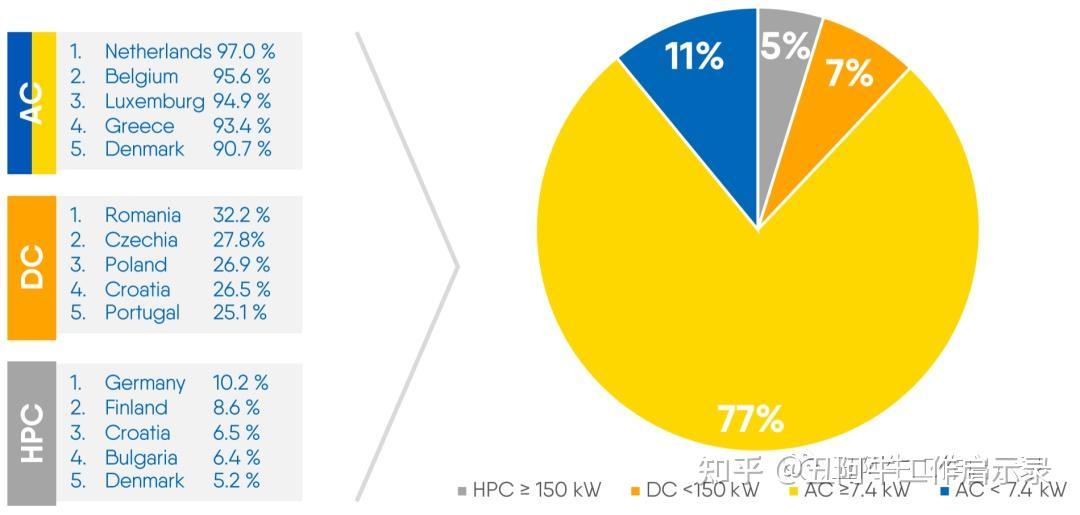
Why? Because not only is there no sign of the charging infrastructure promised by the EU being rolled out (from 2021 to 2022, the 27 EU countries only added a total of 150,000 charging piles, and 88% of them are slow AC charging piles), but also in the world's largest electric vehicle markets (China, the United States, and Europe itself), the products of European car manufacturers are faring poorly.
If we really can't sell fuel-powered vehicles in the future, how will our German car manufacturers survive? What will happen to the employees in these car manufacturers?
The EU thought that Germany's argument seemed reasonable. So they waved their hands and said that the rest of us should continue with the electrification process as usual. Those who want to develop synthetic fuels can go ahead, and an exemption from the ban will be granted in 2035.
Since then, European car manufacturers have become more aggressive in their electrification efforts. BBA has started to launch a large number of new pure electric vehicle models, and smart car manufacturers like Volvo even use Chinese new energy vehicle models as a base and then resell them back to Europe.
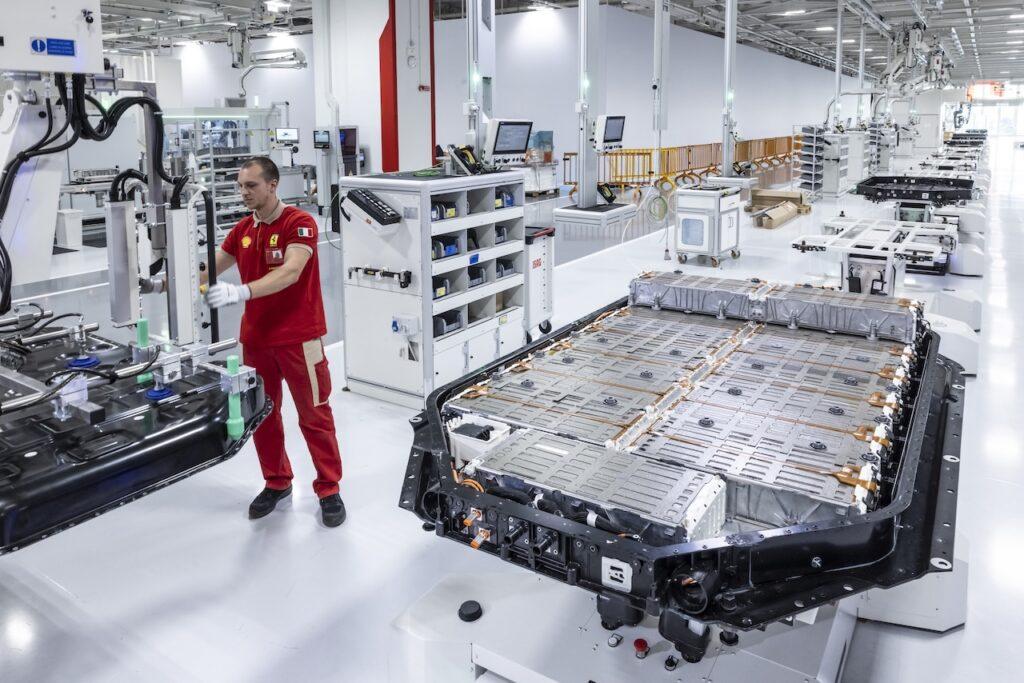
Even Ferrari, which has been producing internal combustion engines for nearly a century, has started to incorporate hybrid technology into its vehicles and developed its own pure electric vehicle architecture.
It's truly a prosperous scene.
However, as they continued, European car manufacturers found that the electrification plan seemed to be facing more and more headwinds.
Not only has the situation of inadequate charging facilities and poor market sales not improved, but European companies are also unable to produce the core components of electric vehicles smoothly.
Take power batteries as an example.
Once upon a time, there was a super unicorn battery company in Europe called Northvolt. It was founded in 2016, received 12 million euros in financing the following year, and even got a 52 million euro loan from the European Bank in the third year.
Car manufacturers like Volkswagen, BMW, and Volvo kept pouring money in, placing a total of $55 billion worth of orders with Northvolt.
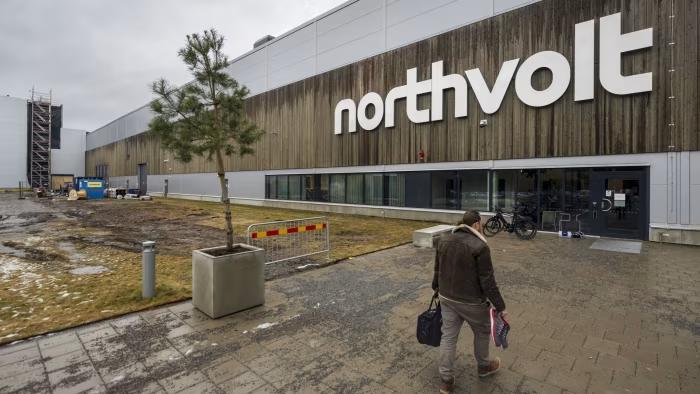
The reason why Northvolt received such treatment is that it was originally regarded as Europe's CATL, aiming to break the supply monopoly of Asian companies (such as CATL and LG) in the power battery market.
However, in 2024, Northvolt declared bankruptcy. At the time of bankruptcy, it only had $30 million in available cash on its books and was in debt of $5.84 billion.
Zeng Yuqun, the boss of CATL, once commented on Northvolt: "If they want to expand their scale, they will definitely encounter utilization problems. Then there will be reliability problems, and after two or three years, there will be safety problems. So almost all the mistakes are combined."
Compared with its highly - anticipated status, Northvolt is actually more like a shoddy operation.
Not only do the employees, engineers, managers, and board members at all levels have no experience in power battery production, but many of the employees and machines in the factory are even outsourced from China and South Korea, and they can't even communicate smoothly in the basic working language.
This has directly led to a series of extremely abnormal follow - up situations, such as a low yield rate, an inability to deliver products on time, and a dust explosion in the factory due to non - standard safety management, resulting in casualties.
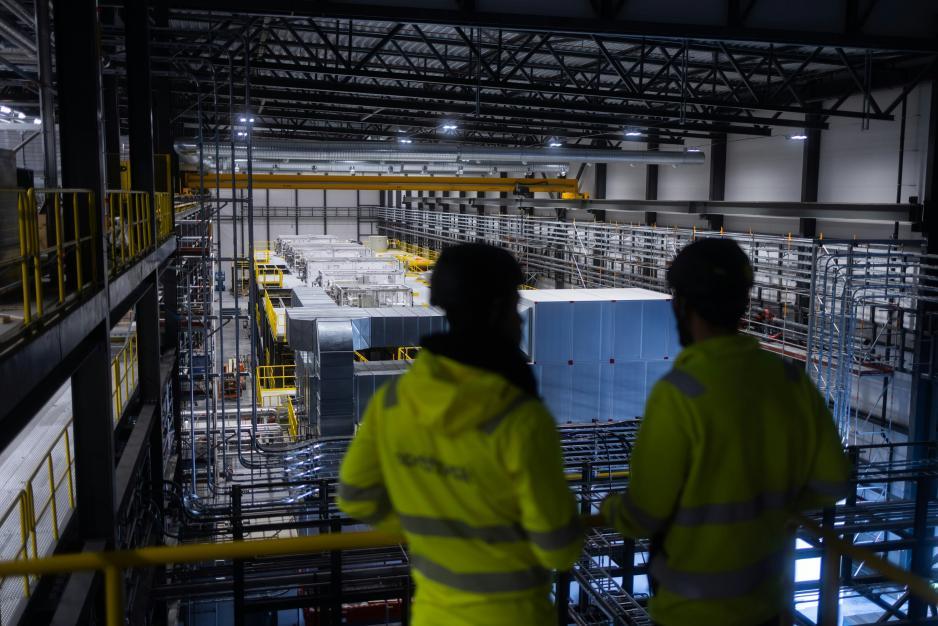
Of course, it's not just Northvolt. The situations of Ibeo in the lidar field, Volkswagen CARID in the vehicle - machine interaction field, and Vitesco in the drive motor field are similar. The final result is that as the foundation for abandoning fuel - powered vehicles and fully transitioning to electric vehicles, Europe has not even been able to support a qualified local supplier, let alone develop a reliable electric vehicle industry chain.
Ironically, after all their efforts, the Europeans looked back and found that the sky had fallen.
"Huh? Why are Chinese electric vehicles being sold in our own markets? We have to raise taxes quickly to protect our market!"
"What? BYD has still become the sales champion despite the tariffs?!"
As a result, the plan to ban fuel - powered vehicles set by the Europeans in 2021, which was originally a grand plan to "help humanity reduce carbon emissions" and stimulate the local automotive industry to take the lead in the transformation to electric vehicles, making European cars the global leaders in the automotive industry as they were in the fuel era, has turned into a bleak prospect where they can only barely maintain their competitiveness by relying on overseas technical solutions.
Is there a better future ahead? Not at all.
Seeing that the set goals seem impossible to achieve despite their best efforts, the Europeans had a change of mind. Maybe...
They should just change the goals!
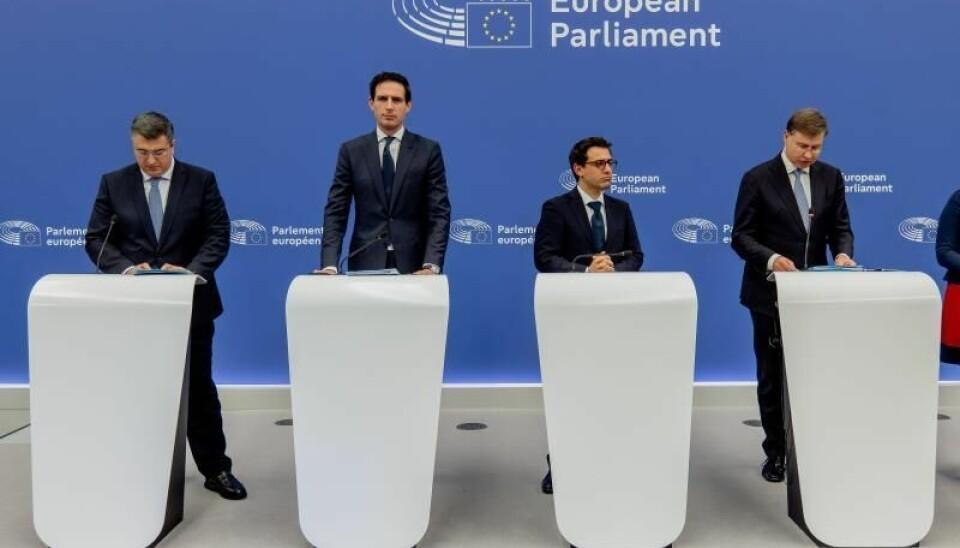
So at the EU Commission meeting on Tuesday, they announced the proposal mentioned at the beginning.
They not only reduced the original 100% emission reduction target to 90%, allowed car manufacturers to continue selling hybrid vehicles in 2035, but also proposed a carbon - credit - like offset mechanism. As long as car manufacturers purchase low - carbon steel produced in the EU and use synthetic fuels, the remaining emissions can be offset.
Therefore, like many so - called environmental protection and emission reduction arguments in the Western world, as an important step towards achieving the so - called carbon neutrality in 2050, the lofty environmental goal of banning the sale of fuel - powered vehicles has finally been defeated by the cruel business reality.
Due to the EU's reversal, car manufacturers outside Europe, including Ford, have also suddenly changed their stances and abandoned their pure electric vehicle plans.
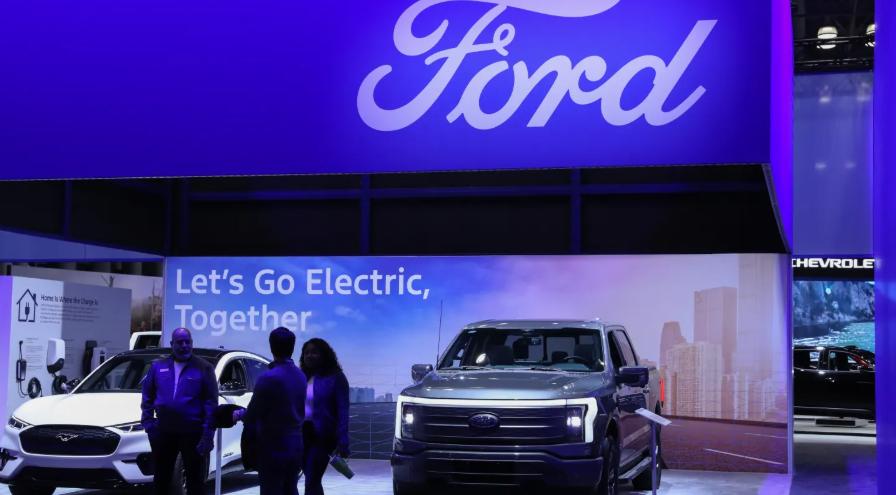
The ban on the sale of fuel - powered vehicles has basically become a formality.
Recently, there have been many views on the Internet saying that the Western world has abandoned electrification and gone back to producing fuel - powered vehicles. In contrast, since the domestic electric vehicle industry is so developed, are we being misled by the Europeans? In fact, the opposite is true.
As early as 2009, we had already included new energy as one of the seven strategic emerging industries through the "Ten Cities, One Thousand Vehicles" plan.
Because it can not only help us reduce our dependence on imported oil resources but also enable us to bypass the Western world's advantages in internal combustion engines and compete on an equal footing.
