Can't just sell old phones casually? The strictest new regulations in history have been introduced.
By the way, do you also have several "electronic antiques" lying in your drawer?
Many people buy new phones but still keep their old ones at home. It's not that they don't want to sell them, but that they dare not.
The main concern is that photos, chat records, payment information, etc. in the phones might be retrieved by others.
There have been quite a few such news reports. Some people were precisely scammed after selling their old phones, and some even had hundreds of thousands of yuan stolen from their accounts.
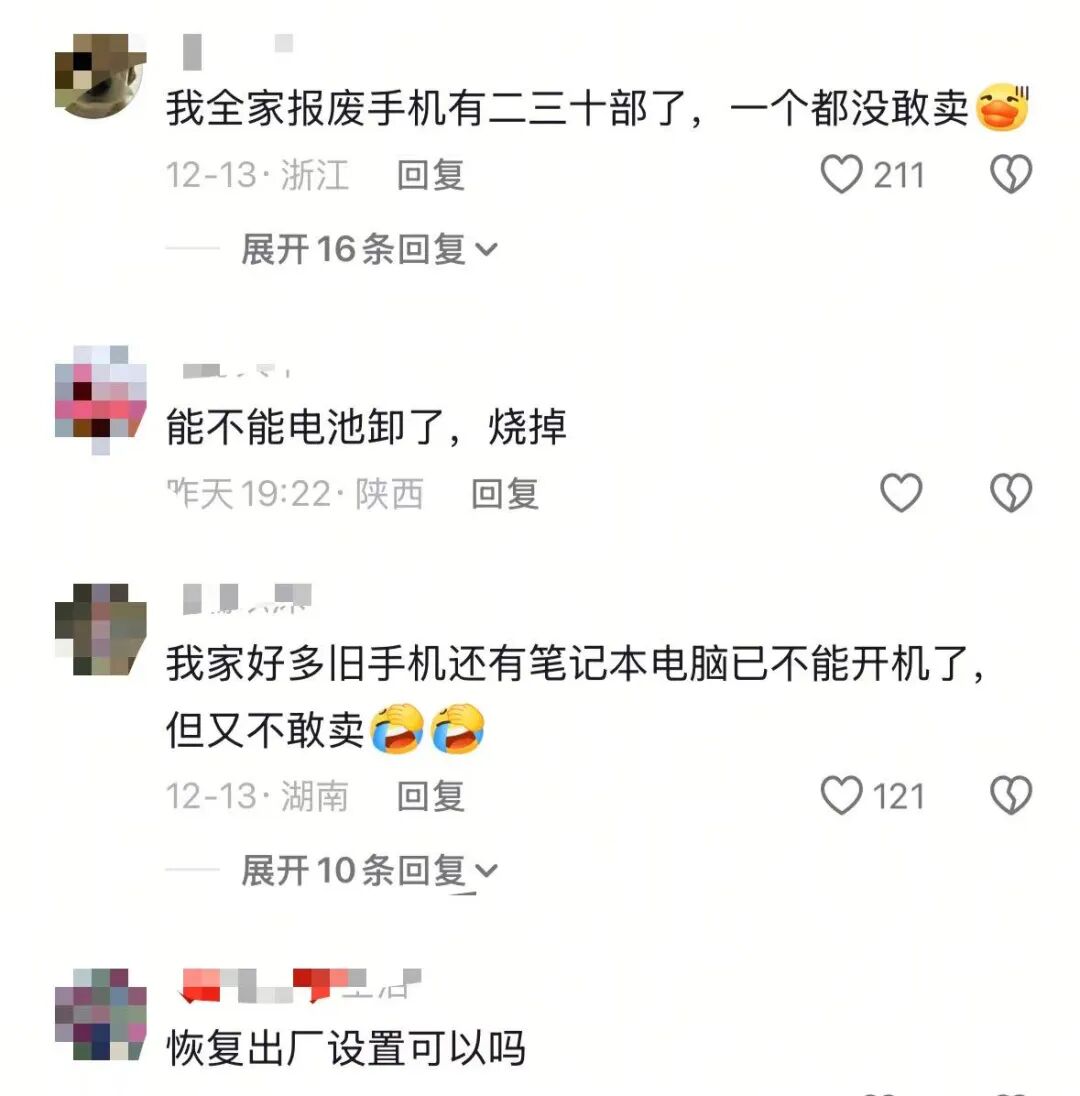
Then, is it okay to restore the phone to "factory settings" before selling it?
What you think is safe is vulnerable in the face of technology. In a random phone repair shop on the street, those selfies and chat records you deleted might be restored. There are even online stores specializing in remote data recovery services.
To put it simply, ordinary deletion or factory reset only marks the data as "invalid". In fact, the data is still hidden in the storage medium and can be easily retrieved.
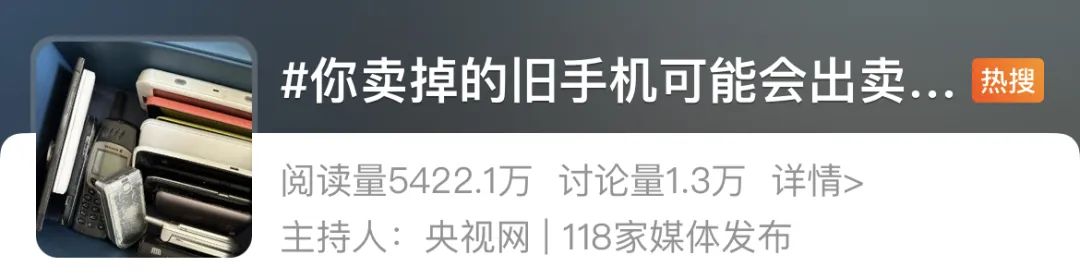
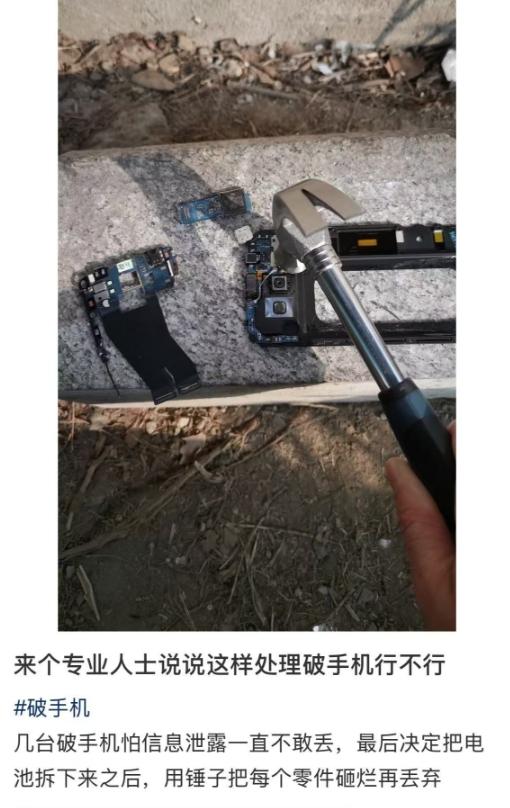
People have wracked their brains to safely dispose of these old phones.
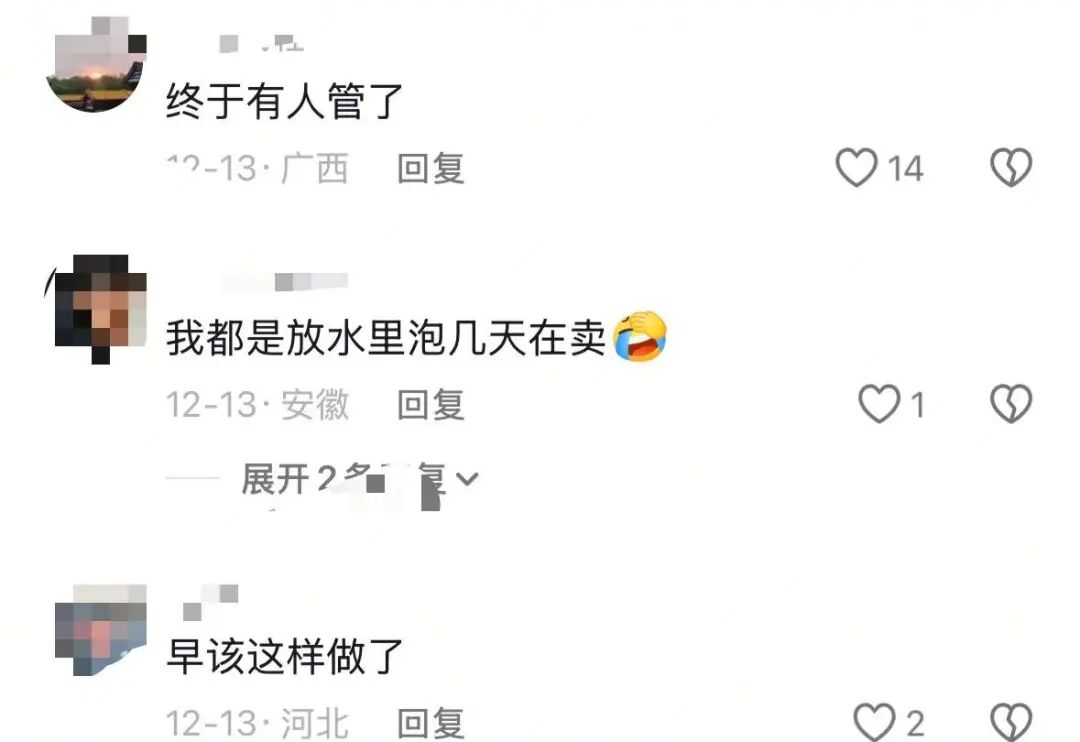
Some choose to soak the phones in water for a few days before selling them; others simply remove the battery and smash or burn the phone...
Now, there's no need to worry or go to great lengths. The state has finally stepped in to address this issue.
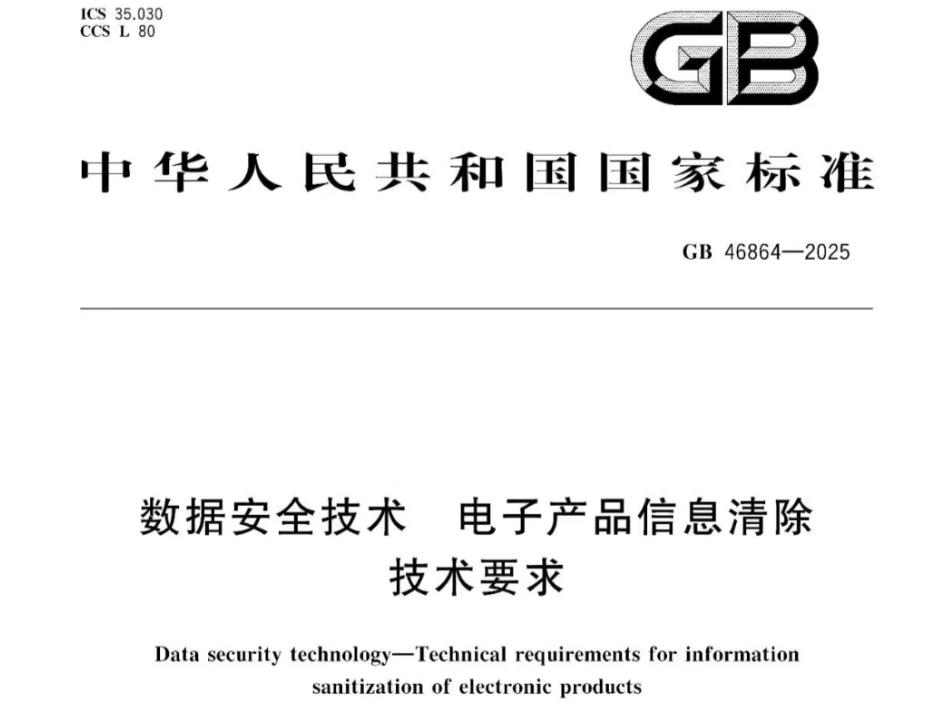
A new national standard has just been released and will be officially implemented on January 1, 2027. It has a rather long name: "Technical Requirements for Information Clearance of Electronic Products in Data Security Technology".
It doesn't matter if you can't remember the name. Anyway, the core idea is: the previous methods were all "fake deletion", and the new standard requires "true clearance".
Let's highlight the key point: this new national standard is not a recommendation but "mandatory".
That is to say, both phone manufacturers and recycling merchants must follow this rule. Those who don't comply will be punished, which can be called "the strictest in history".
Moreover, its coverage is extremely wide. In addition to phones, it also applies to tablets, laptops, smartwatches and other electronic products with storage functions. It's like putting a safety lock on the recycling of all second - hand digital products.

Next, let's talk about how to achieve "true clearance".
It mainly uses two technologies: digital overwriting and block erasure.
We can regard the data storage area of a phone as a notebook full of words. The previous deletion is like lightly drawing a line on the paper. In fact, the words are still there.
Digital overwriting is equivalent to repeatedly covering the original words with pens of different colors until the original words are completely obscured and cannot be seen at all.

Block erasure is more straightforward. It's equivalent to directly tearing off the whole page full of words and replacing it with a blank one. It doesn't overwrite the data word by word, but directly clears all the data in the entire block at once, which is more efficient.
This is why block erasure is more commonly used for semiconductor media. After all, there are many "blocks" in phone storage. Clearing the whole page is more convenient than overwriting word by word, and the data cannot be recovered at all.
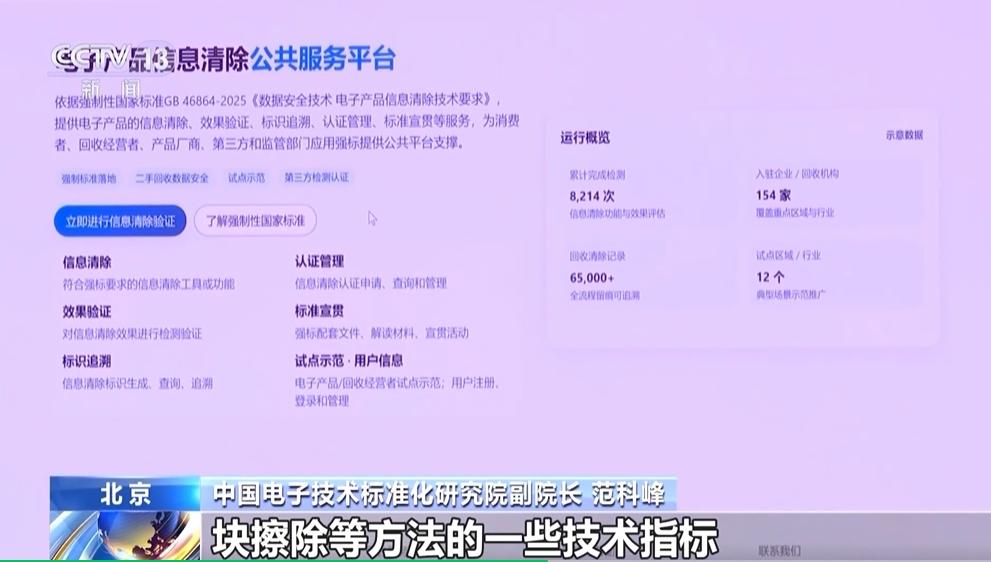
Then the question arises: Who is responsible for this? It can't be left to users to figure it out on their own.
Actually, the new national standard makes it very clear that neither manufacturers nor recycling merchants can shirk their responsibilities.
First, for phone manufacturers, new phones must have a built - in clearance function similar to a "data shredder" in the future.
Of course, if they can't develop a built - in function, they must provide third - party clearance tools or offer users free information clearance services.
Moreover, before the clearance, they must clearly tell users what will be cleared, what method will be used and what the impact will be. They can only operate after getting the users' consent and cannot do anything secretly.
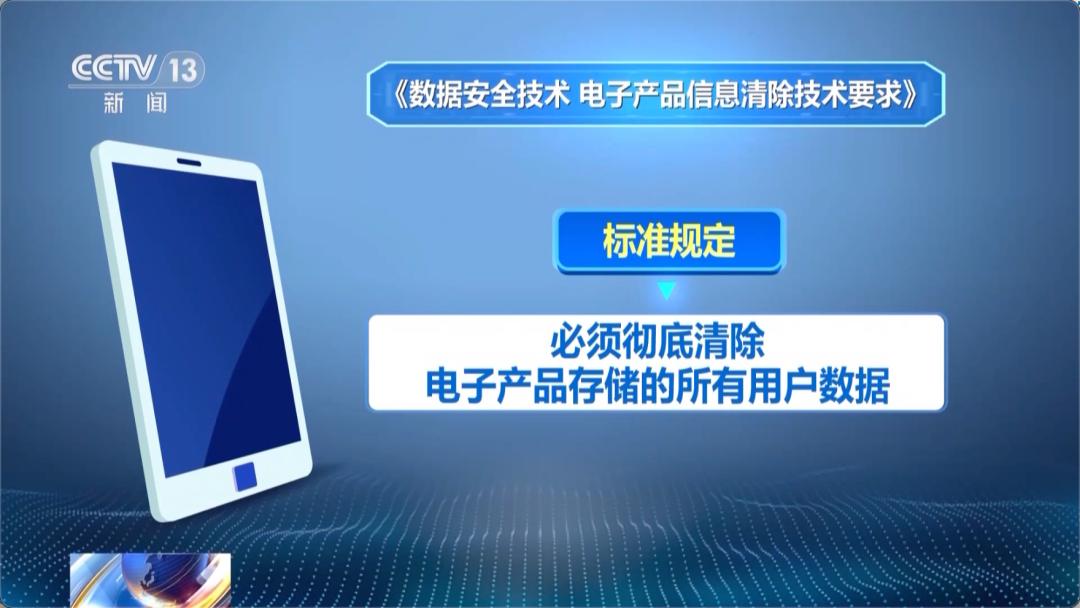
Now, let's look at recycling merchants. This time, the regulations are even stricter. The new national standard has directly drawn three red lines that they cannot cross.
First: They must actively remind us to clear the data before recycling. Without our consent, they must not view, copy or retain any data in the phone.
In the future, if a recycling merchant asks you to log in to your account to check the phone or rummage through your photo album, just refuse and you can also complain to the market supervision department.
Second: They must use methods that meet the new national standard to clear the data. Phones that are not completely cleared are strictly prohibited from being resold or transported out of the country.
Third: They must establish a file for the clearance operations and verification results and keep it for at least 3 years.
After selling our phones, we have the right to ask for this clearance certificate. In case of a privacy leak in the future, this will be the crucial evidence for accountability.
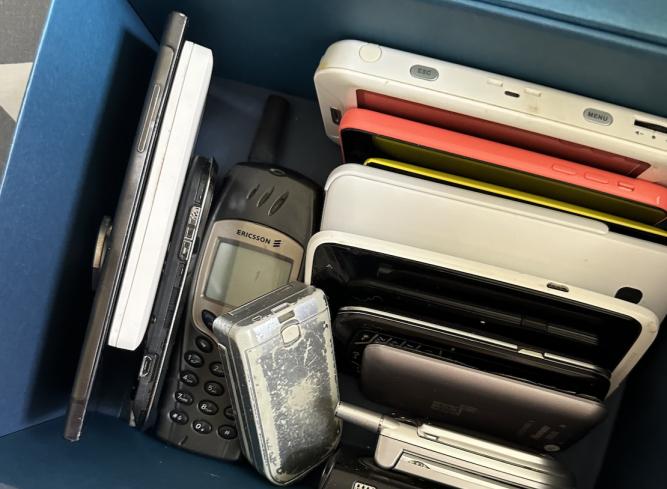
To be honest, the introduction of the new national standard is very timely.
Data shows that there are more than 6 billion idle old phones in China, which means that on average, each Chinese person has more than 4 old phones, but only 10% of them enter the second - hand market.
To be honest, I have about twenty old phones of different sizes at home.
There are all kinds of our "digital assets" in these many phones. Previously, due to the lack of a unified standard, the recycling market was in a mess, and people were afraid to sell their phones with confidence.
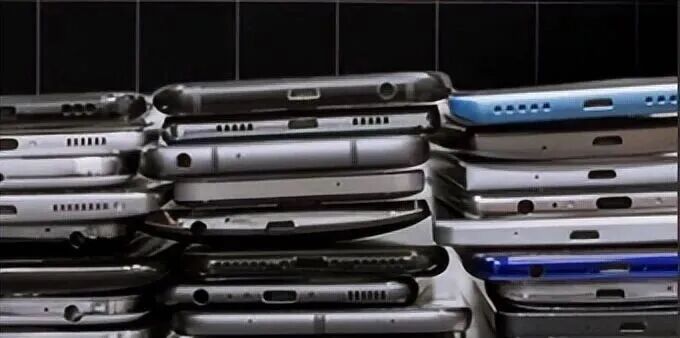
Many netizens said: "I was always worried when selling old phones before, but now someone is finally in charge."
But some netizens are also very worried: "The standard is a good one, but I'm afraid it won't be implemented effectively."
Some people also asked: "Do the old computers and smartwatches at my home also fall under this standard?"
Let me clarify here. This standard applies to all electronic products with non - volatile storage media produced and sold within the territory, except for those involving state secrets, which should follow confidentiality regulations.
However, I still need to remind you at the end. Although the new national standard does add a safeguard for our safety, we can't rely on it completely.
We should do basic protection on our own before selling old phones and choose a proper and regular channel to minimize the risks. After all, it's always right to be more careful about privacy and security.
Reference materials:
CCTV News, Douyin, Xiaohongshu
This article is from the WeChat official account "Tech Fox" (ID: kejihutv), written by Lao Hu and edited by Chacha. It is published by 36Kr with authorization.