Looking back at Jia Yueting's ten-year broken dream of building cars
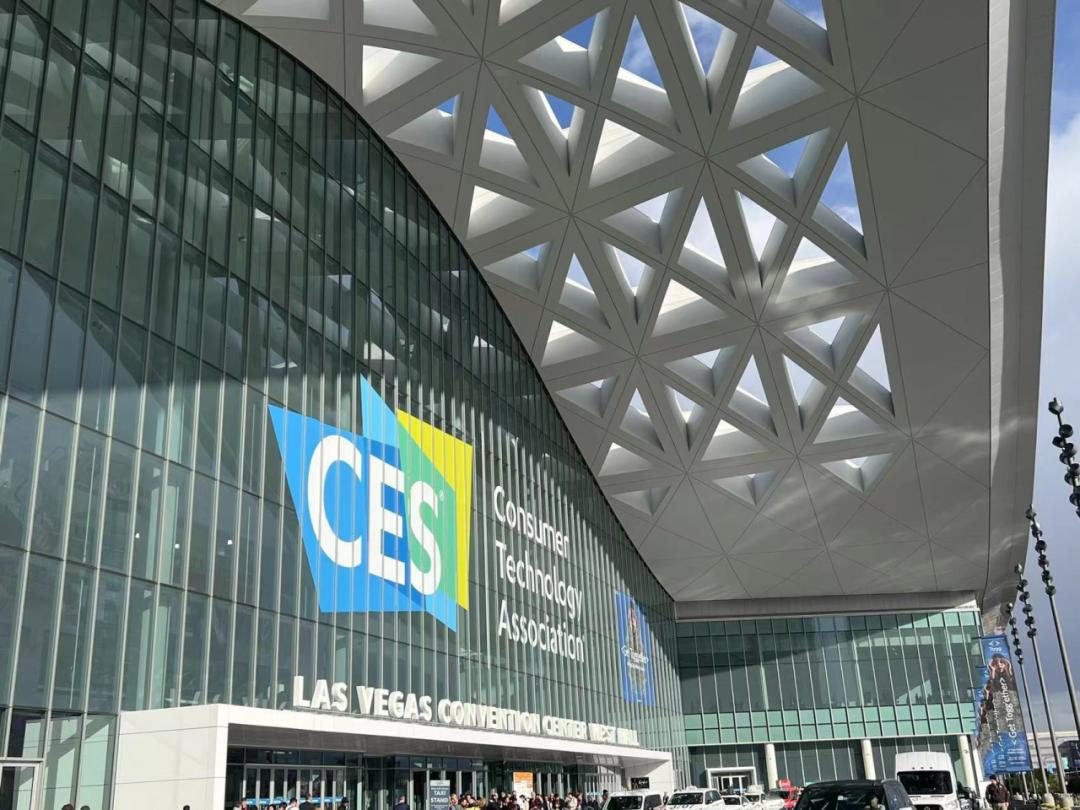
In January 2016, in Las Vegas. It was an era when Chinese tech brands flocked to the United States to showcase their strength. As the world's largest consumer electronics show, CES was filled with Chinese products that had traveled across the ocean. However, the most eye - catching and buzz - generating exhibit that year was not a mobile phone or a computer, but a car from China, the first concept car FF Zero 1 jointly launched by LeEco and FF.
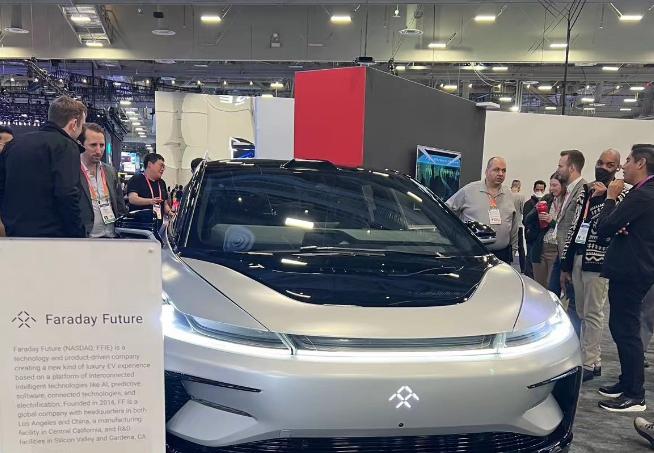
At that moment, supporters roared that Mr. Jia's dream of building cars had finally come true, and the myth of internet - based car manufacturing was about to arrive; opponents said that it didn't seem very pleasant to have to watch a three - minute advertisement before driving.
Ten years have passed, and numerous new cars will still be launched at the upcoming CES. Chinese new energy vehicles have truly risen, and there are also successful cases of internet companies building cars. However, that Faraday Future seems to have gradually faded from the public view as Jia Yueting's promise of "returning next week" turned into "returning next year" and then "returning in the next decade."
This dream of building cars continues to this day. FF has received new pre - orders, and there are announcements about achieving mass - production goals and even parts arriving at the factory. However, few people would say that this car - building endeavor has been successful, and the planned "redefinition of future mobility" has not materialized.
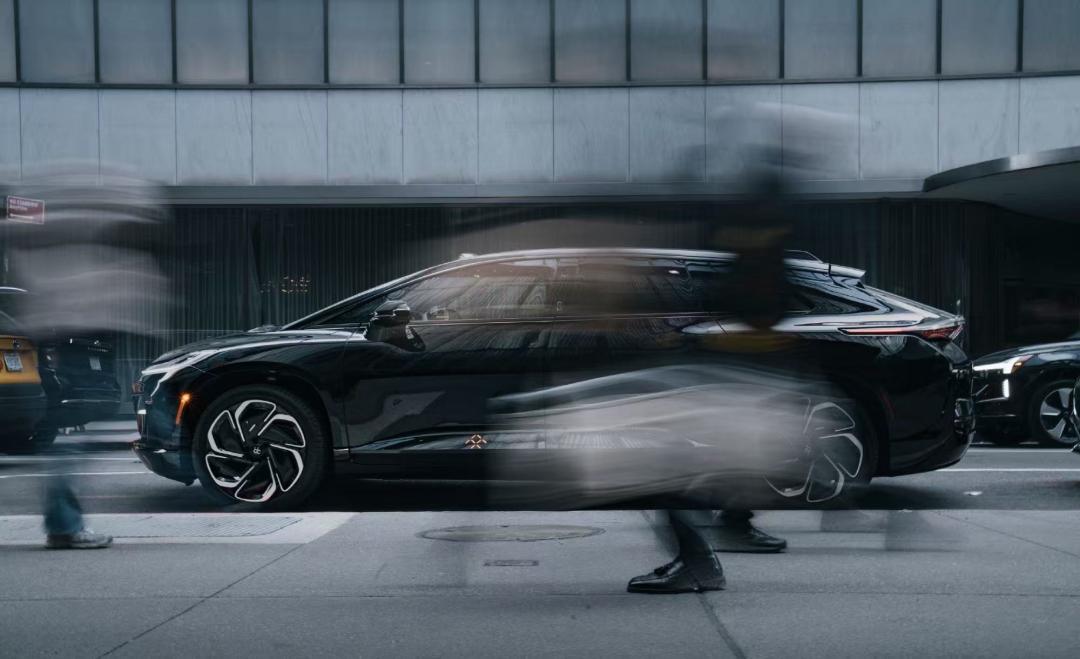
What exactly made Mr. Jia perfectly miss the golden development period of new energy vehicles, being the first to "taste the crab" but not getting a single bite of the crab meat? Apart from the well - known factors such as broken capital chains, difficulties in mass production, and strategic vacillation, what other aspects of this fiasco are worth further analysis?
Let's delve into this rather suffocating dream and see how it turned into a fading memory.
Indeed, this is a very hindsight story. But how can those currently involved in building and buying cars ensure that they are not in another big dream?
The Illusory Dream of Technology
There is a view that LeEco's attempt to build cars failed because its technology was too far ahead of its time to be accepted by the era.
This view may be completely unfounded. Indeed, after LeEco announced its car - building plan, it boasted a large number of technological capabilities in a short period. For example, the LeSEE models of Lenovo from 2016 - 2017 already had functions such as automatic parking, route planning, and HUD enhancement. LeEco also successively announced cooperation with BAIC and BYD to develop vehicle connectivity, hired Ni Kai, the former head of Baidu's autonomous driving department, to layout autonomous driving, and established a research and development center in the United States.
However, the problem is that these technological layouts were characterized by being scattered and ineffective. After announcing its car - building plan, LeEco wanted to possess every kind of technology, and in a very short time, it listed the seemingly strongest technological combination on paper. These technological investments were fragmented, and resources could not be concentrated on any specific breakthrough points. Eventually, almost no technological assets that could be effectively integrated or put into the market were formed.
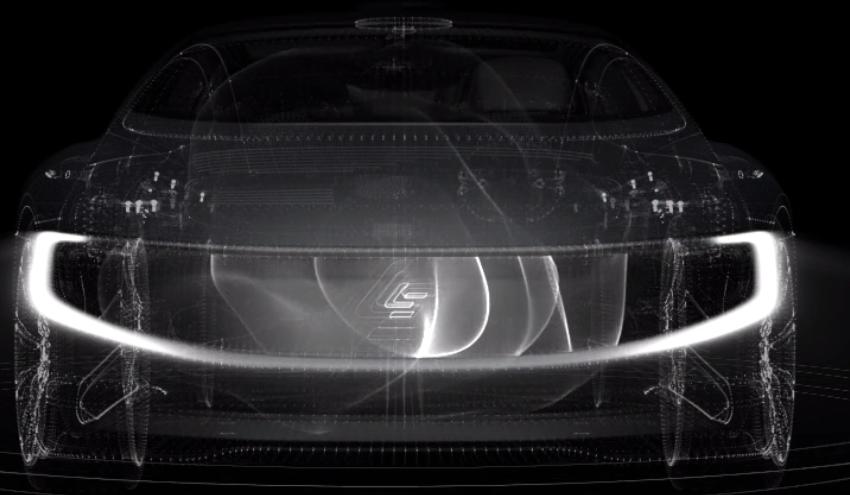
We often overlook the importance of technological breakthroughs in car - building, after all, cars have been around for over a century. However, when making horizontal comparisons, we can find that real and tangible technological differences are crucial for a new brand to enter the market. For example, BYD's three - electric system, Huawei's ADS and Hongmeng cockpit, and Tesla's OTA capabilities. LeEco assembled a seemingly luxurious technological team in the shortest time but failed to manage such a large - scale automotive technology system. Eventually, these technologies hardly appeared in the actual cars. This is a bit like Jiumozhi in "Tian Long Ba Bu," who knew all 72 martial arts skills of Shaolin but went crazy because his martial arts were too mixed and impure.
The signs of this "going crazy" were already evident in 2017. In the FF 91, which was launched before the major collapse of LeEco and Jia Yueting's departure to the United States, the technological features previously described were nowhere to be seen. Instead, it focused on promoting basic capabilities such as 0 - 100km/h acceleration. I remember that at that time, some media seriously analyzed that FF was going to overthrow the table of traditional super - cars.
The car - building stories of LeEco and FF first proved that technological layout and technological output are two different things. The former can be achieved by opening a PPT, while the latter is a long and complex journey. Many players who didn't understand this later ended up looking bad in the changes in automotive technology.
The Peculiar Dream Beyond Cars
If the "weakness in technology" is a common problem in the automotive industry, then there is a problem that can be regarded as a rare disease uniquely developed by LeEco in car - building. At that time, LeEco very much hoped to replicate its strategy in other hardware fields in the automotive field, that is, selling hardware at low prices or even for free and then generating continuous commercial value by integrating car buyers into the ecosystem.
Many people even thought that cars were the last piece of the puzzle in Jia Yueting's LeEco ecosystem. If cars could be incorporated into this ecosystem, Mr. Jia could truly turn things around. I've always wondered about the logic behind this statement. Why would the entry of cars make a difference? Is it because of the financial tool attribute of the car business, or is it that the whole family of car owners watching ads in the car would generate an unimaginable consumption impulse?
Who knows. Anyway, at that time, everyone was "suffocating for the dream" and thought that after building cars, LeEco's extremely large ecological kingdom would be officially established. The car was not just a car; it was part of the ecosystem. This strategic direction was not verified in the market because the cars of LeEco and FF never made it to the market. However, it was disproven during the car - R & D stage. While other new car - building forces were raising funds and heavily investing in the car business, LeEco was constantly siphoning funds from the emerging FF system to support the money - burning LeEco ecosystem.
This upside - down approach directly led to the subsequent break of the capital chain. It also made LeEco and FF miss the opportunity to layout the supply chain in China, ultimately resulting in the inability to achieve mass production.
LeEco's ecological layout in fields such as mobile phones and video websites did not boost its car - building efforts; instead, it became a drain on the car business. This also made internet giants that were eager to enter the automotive industry using similar methods hit the brakes. When LeEco was at its peak, various internet companies were trying to enter the automotive field through cooperation with car manufacturers, relying on the logic of integrating the internet ecosystem into cars. Later events showed that the logic of the internet "swallowing everything" did not hold. Car owners don't necessarily need to connect to an ecosystem on the car screen. A car is just a car. Building better cars is more important than building a "wheeled mobile phone with a seat."
The Dream of High - End
Another factor that restricted FF from seizing the golden opportunity of the new energy vehicle market is that due to the broken capital chain and the failure of supply - chain layout, Jia Yueting significantly adjusted FF's market positioning in the first few years of its development. According to the original plan, cars in the LeEco ecosystem were supposed to follow the idea of cheaper hardware and more expensive ecosystems. There were even rumors that LeEco was going to build sports cars that everyone could afford.
However, with the broken capital chain and the unsatisfactory supply - chain layout, FF had to continuously reduce its expected production capacity and postpone its mass - production and delivery plans step by step. This forced FF to be unable to produce products for large - scale delivery. Since the quantity couldn't go up, the only option was to raise the price. So FF kept increasing the expected selling price and came up with plans such as limited editions and custom orders. In the rising period of new energy vehicles when new cars could receive tens of thousands of large - scale pre - orders, FF created an air of hand - crafted super - cars from the mid - 20th century.
In 2023, FF finally delivered the long - awaited FF 91 2.0 Futurist Alliance, priced at $309,000, approximately 2.2 million yuan, with a global limit of 300 units. Even so, this rather mysterious luxury car only delivered more than 10 units in its first year on the market, fully demonstrating the "beauty and wonder" of a fully hand - crafted product.
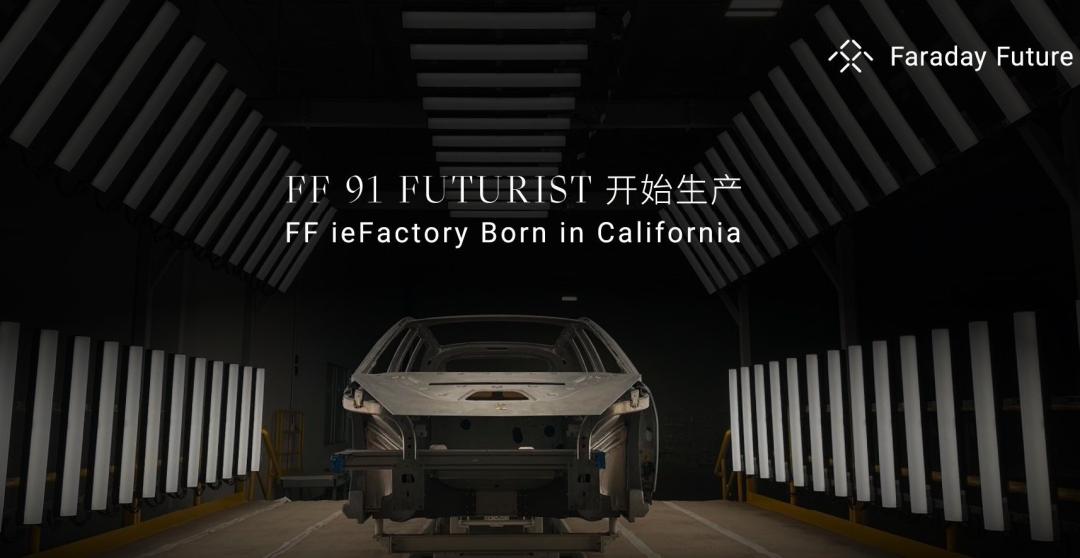
Although FF's high - end positioning was largely out of necessity, it clearly missed the best commercial opportunity for the popularization of new energy vehicles among the general public. During the same period, the mainstream of the Chinese new energy vehicle market was concentrated in the range of 200,000 - 400,000 yuan. As a luxury car worth over a million yuan, FF had to face fierce competition in the high - end market on the one hand and was unable to form a large - scale effect on the other hand.
At present, FF keeps proposing to launch low - priced products. However, its embarrassing mass - production capacity, combined with the intense competition in the core market, makes it difficult for the outside world to be optimistic about this legendary brand's return to the public view.
Once you miss something, you miss it.
The American Fantasy
Another thing that LeEco and FF missed was the boosting power brought by the maturity of China's automotive industrialization and new energy market to a brand. Of course, objectively, we can say that Mr. Jia's decision to go to the United States was somewhat ambiguous and out of necessity. But in fact, from the beginning of LeEco's layout in car - building to the establishment of the FF brand, it always firmly chose to embrace the US supply chain, R & D system, and market environment.
It's impossible to know what proportion the premonition of leaving home and the admiration for the US market each played in FF's choice. However, the result was that while FF painstakingly located its factory, supply - chain system, and R & D center in the United States, China entered the development dividend period of new energy vehicles. Starting around 2015, China's subsidy policy for new energy vehicles reached its peak. But at this time, LeEco was struggling to survive in the United States and didn't achieve a US listing until 2021 through a company acquisition.
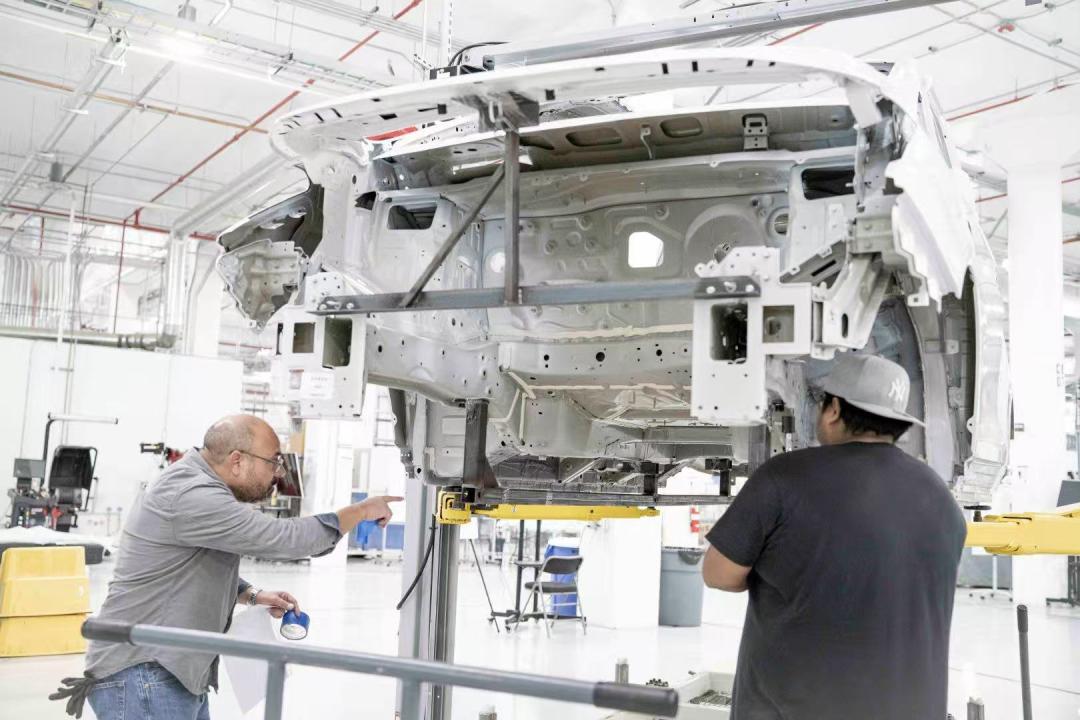
Putting trust in the United States, on the other hand, FF verified the truth of the rumor about the hollowing - out of the US manufacturing industry. From the suspension of the Nevada factory due to a shortage of funds to the extremely low capacity utilization rate of the California factory, FF seems to have participated in an experiment to show the world that the US manufacturing industry is no longer what it used to be. In contrast, NIO's Hefei factory and XPeng's Zhaoqing factory quickly achieved large - scale production of new energy vehicles. Even Tesla achieved a leap in production capacity after establishing its Shanghai factory. FF's contrary approach proved that the "American dream" is not so easy to achieve.
Ten years later, CES is still being held, but Chinese tech companies seem to have lost interest in it. LeEco and FF's big investment in Las Vegas has finally become a fading dream that is rarely mentioned.
However, the dream of Chinese car - building seems to have come true in these ten years. L3 - level autonomous driving cars are running on Chinese streets, and ports are busy shipping Chinese cars to all parts of the world.
This may be a reminder to us that those complex leverage games will eventually collapse. Instead, basing on market demand and trying to change the status quo with solid technology can turn a seemingly irrational dream into reality one day.
This article is from the WeChat official account "Brain - Hole Cars", author: Feng Ciyuan. Republished by 36Kr with permission.