The dramatic changes in the automotive market in 2025: The popularization of intelligent driving, the counterattack of fast charging, the revolution of the chassis... Ten major trends will shape the future.
"The decline of fuel-powered vehicles and the rise of electric vehicles" has become a foregone conclusion in the Chinese automotive market.
This year, major mainstream automakers have taken turns on the stage, almost without exception, shining the spotlight on new energy vehicles.
From January to November this year, the retail penetration rate of new energy vehicles in China's narrow passenger car market has climbed to 53.6%. More significantly, since March, the penetration rate of new energy vehicles has remained steadily above 50% for nine consecutive months. This precisely indicates that new energy vehicles have evolved from trendsetters in the past to the dominant force in the market.
This structural reversal has directly reshaped the competitive logic of the Chinese automotive market.
In the past, the traditional value benchmarks centered around engine displacement and the number of cylinders seem to be gradually losing their effectiveness. Instead, a new evaluation dimension has emerged, encompassing aspects such as "three-electric" performance (range achievement rate, energy replenishment efficiency), intelligence level (intelligent cockpit experience, assisted driving capabilities), and ecological service experience. The competition among automakers has gradually escalated into an all-round systematic contest covering technology, products, services, and user operations.
As part of the annual special topic of Lei Technology MCN, Electric Vehicle Insights will review the top ten core changes in the automotive market this year. We will analyze the technological drivers and market logic behind these phenomena one by one, attempting to explore the underlying reasons why Chinese new energy vehicles not only achieve high sales but also gain deep recognition from users.
Advanced capabilities such as intelligent driving and fast charging become standard features for the masses
No matter how advanced a technology is, it can only truly demonstrate its value when it is popularized in the mass market.
Since last year, the Chinese automotive market has witnessed a revolution in "technological equality." In 2025, this revolution has become even more intense. Advanced technologies such as high-level intelligent driving and fast charging have gradually moved from high-end models to the mass market, becoming powerful tools for automakers to compete for market share.
As the boundaries of technology are rapidly being flattened, a new market landscape will emerge.
1. Intelligent driving "enters the homes of ordinary people": Enjoyable for less than 100,000 yuan
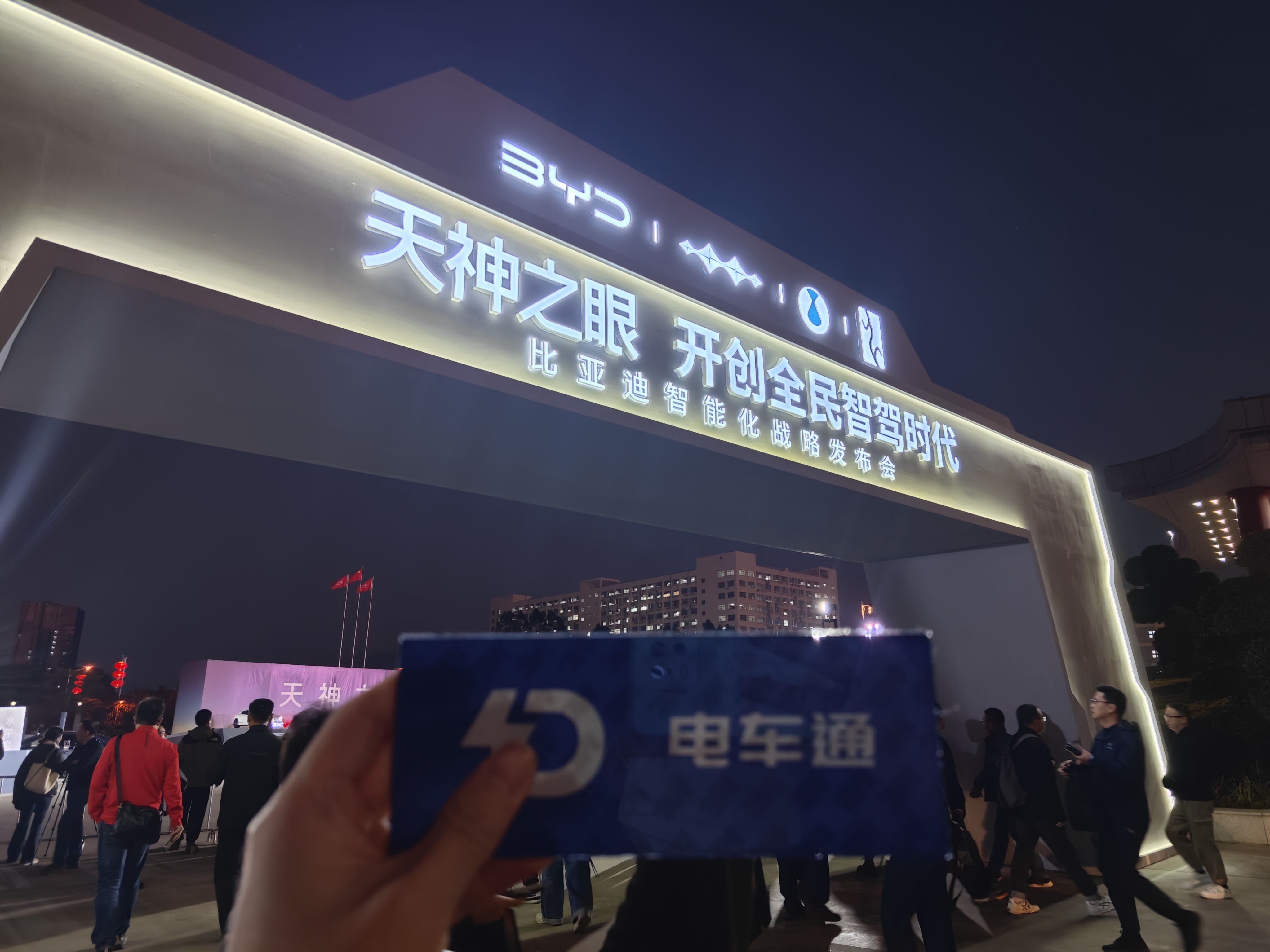
Last year, the domestic new energy vehicle market introduced user-friendly high-level assisted driving technology to models priced around 150,000 yuan. At the beginning of this year, leading domestic brands represented by BYD took an unprecedentedly bold step, pushing the front line of this technological popularization campaign to the 100,000-yuan level.
Source: Filmed by Electric Vehicle Insights
Electric Vehicle Insights test-drove the Seal 06 DM-i equipped with the "Heavenly Eye C" system and found that this assisted driving system has reached a high level of usability and practicality on highways and expressways. Although it cannot yet achieve urban assisted driving, this indicates that significant progress has been made in the application of high-level intelligent driving technology in low-priced models, and the experience of high-level intelligent driving is no longer exclusive to a few.
Moreover, intelligent driving suppliers represented by Momenta and Horizon have continuously reduced the hardware costs and development thresholds of intelligent driving systems.
This year, more and more automakers have cooperated with Momenta. Through in-depth cooperation with global giants such as Mercedes-Benz, BMW, and Toyota (for example, the GAC Toyota bZ3X empowered by Momenta has become a best-selling model in the joint-venture new energy market), Momenta has rapidly spread its R & D costs and verified the universality and economic efficiency of its solutions.
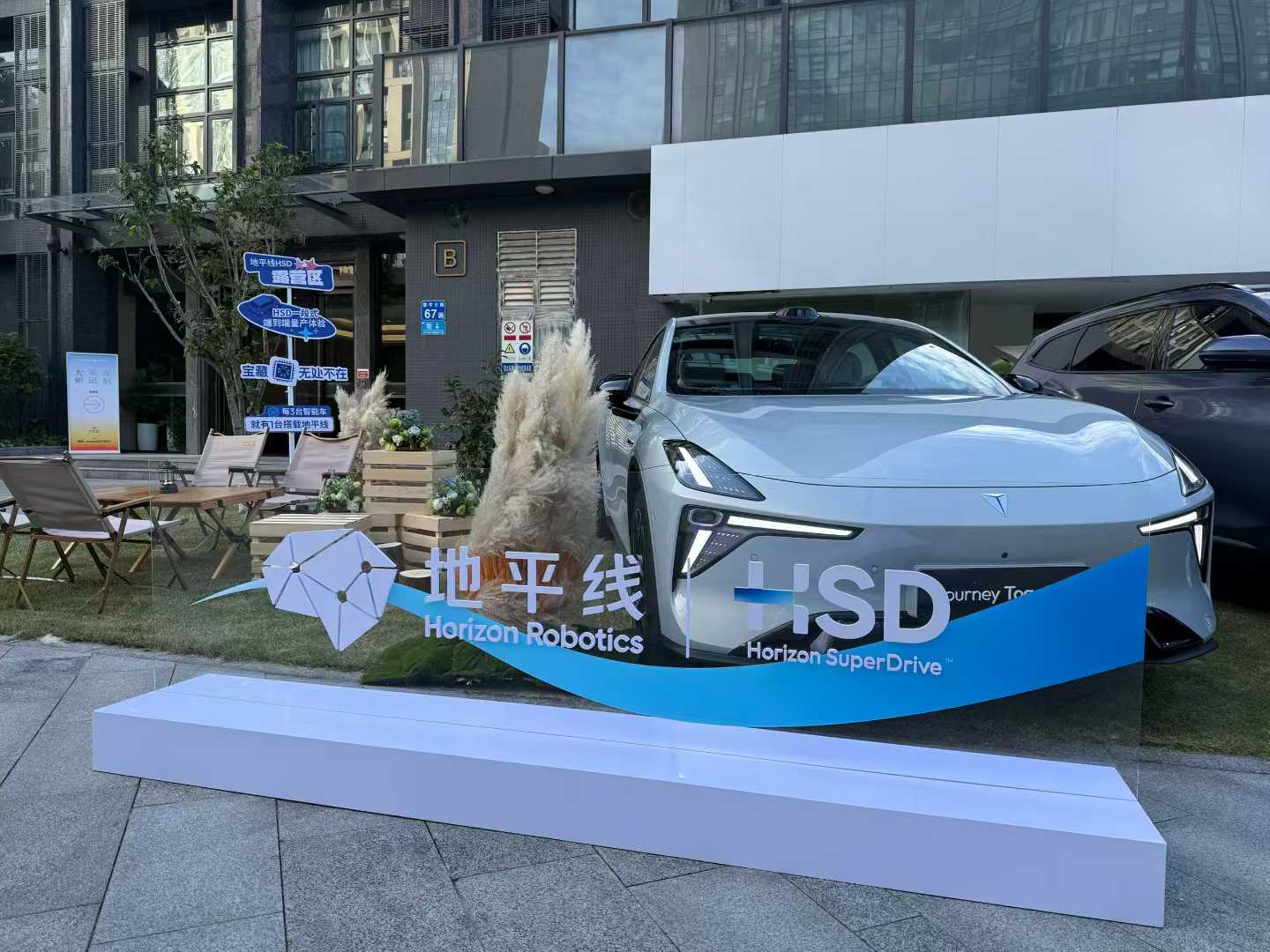
The Xingtu ET5 and Deepal L06, jointly developed with Horizon, have introduced high-level intelligent driving to the mainstream market at the 150,000-yuan level. Yu Kai, the founder of Horizon, has publicly stated that the HSD solution is expected to control the cost per vehicle within 7,000 yuan and plans to equip the urban assisted driving solution on national vehicles priced as low as 70,000 yuan next year, with the goal of achieving a production scale of tens of millions in the next 3 - 5 years.
Source: Filmed by Electric Vehicle Insights
From a technical perspective, two core breakthroughs have significantly reduced the cost of intelligent driving:
The large-scale mass production of high-computing power chips has spread the R & D costs. The price of intelligent driving chips, which used to exceed 10,000 yuan per unit, has now dropped to the thousand-yuan level.
The efficient algorithms of large models have reduced the absolute demand for chip computing power, while dedicated chips ensure that large model algorithms can operate with lower power consumption.
In other words, the in-depth collaborative optimization of software and hardware has achieved cost reduction and efficiency improvement with a "1 + 1 > 2" effect.
Once upon a time, high-level assisted driving was considered a pseudo-demand by many "old drivers." However, when a high-level intelligent driving system that can effectively relieve fatigue during long-distance driving and improve driving safety becomes accessible, its value has changed from a "futures" to a "spot" that users can experience every day.
2. HarmonyOS Smart Mobility enters the fuel-powered vehicle market. Is the "old guard" about to "fight back"?
Fuel-powered vehicles, once labeled as "traditional," are quietly launching a counterattack in the field of intelligentization.
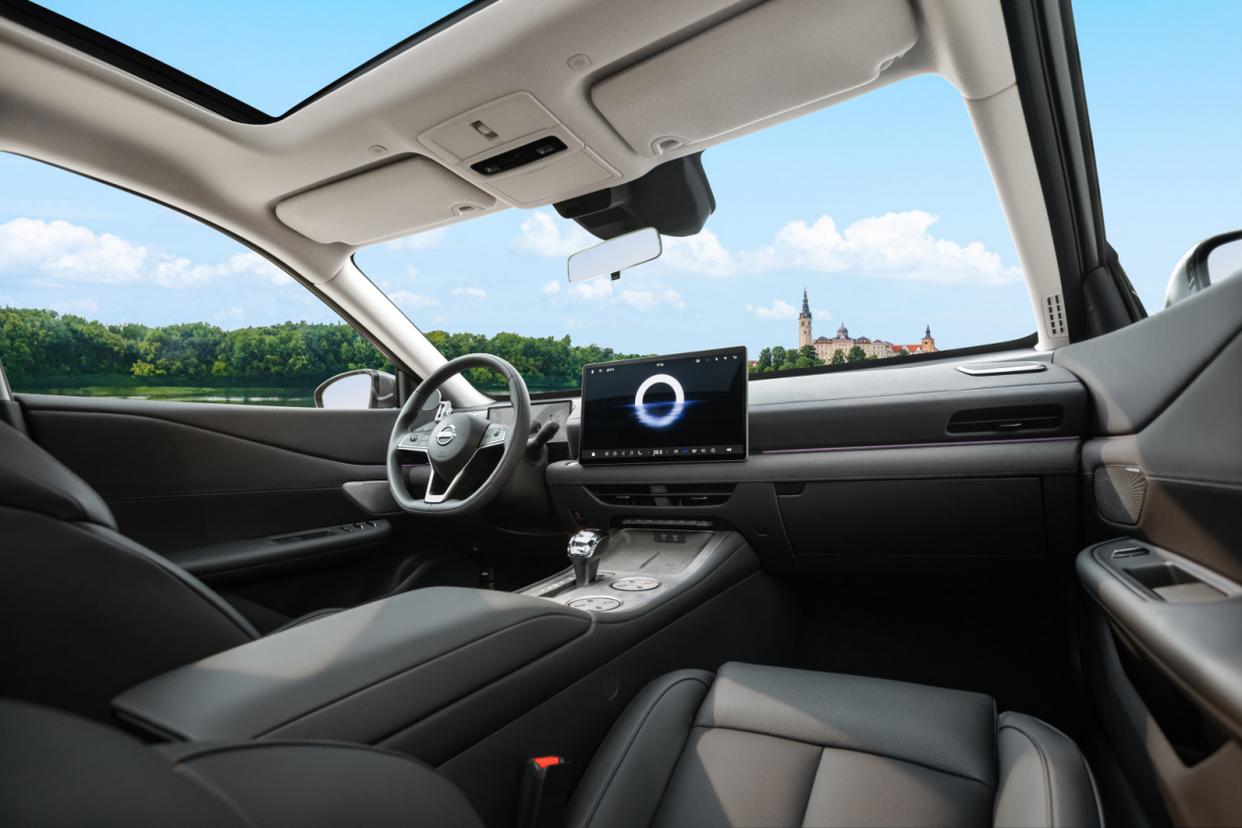
When the Nissan Teana equipped with Huawei's HarmonyOS cockpit made its debut at the 2025 Guangzhou Auto Show and announced that it offers an experience comparable to that of mainstream electric vehicles, a clear signal emerged: The argument that "fuel-powered vehicles are not intelligent" is being rapidly rewritten.
Source: Official website of Dongfeng Nissan
Similarly, SAIC Volkswagen has clearly put forward the strategy of "equal intelligence for fuel and electric vehicles." From the new Audi A5L Sportback and E5 Sportback to multiple intelligent new models of the Volkswagen brand's Pro family in the 2026 version, a wave of intelligentization has emerged, which cannot be underestimated.
The once single-choice question of "choose electric for intelligence, choose fuel for stability" seems to be being erased by fuel-powered vehicles themselves. However, this fierce "counterattack" is more like a "survival race" at its core.
The strategy of joint-venture brands is precise and practical. Without the ability to revolutionize the traditional electronic and electrical architecture, they prioritize optimizing the intelligent cockpit, the most directly perceptible unit for consumers, to retain users who are familiar with the brand and eager for an intelligent experience.
However, this also means that the inherent architecture of traditional fuel-powered vehicles will inevitably encounter bottlenecks in supporting higher computing power, achieving faster data transmission, and realizing in-depth vehicle-wide collaboration.
Perhaps this electronic and electrical architecture is sufficient to meet basic needs such as navigation and entertainment. However, when users start to pursue the next-generation experience of seamless OTA and in-depth integration of the cockpit and driving domains, they will eventually hit a ceiling in terms of cost and efficiency, and the subsequent upgrade path will become increasingly difficult.
Therefore, the essence of this "counterattack" may be more of a defensive strategy adopted by fuel-powered vehicles to stabilize their market share in the face of the widespread demand for intelligentization among consumers. However, it also shows that intelligentization has become the "entry ticket" for all vehicle models, and the key to determining the winner in the future intelligent field lies in a more thorough revolution of the electronic and electrical architecture for next-generation vehicles.
3. Energy replenishment enters the "countdown era": Megawatt flash charging is implemented, and 900V is no longer rare
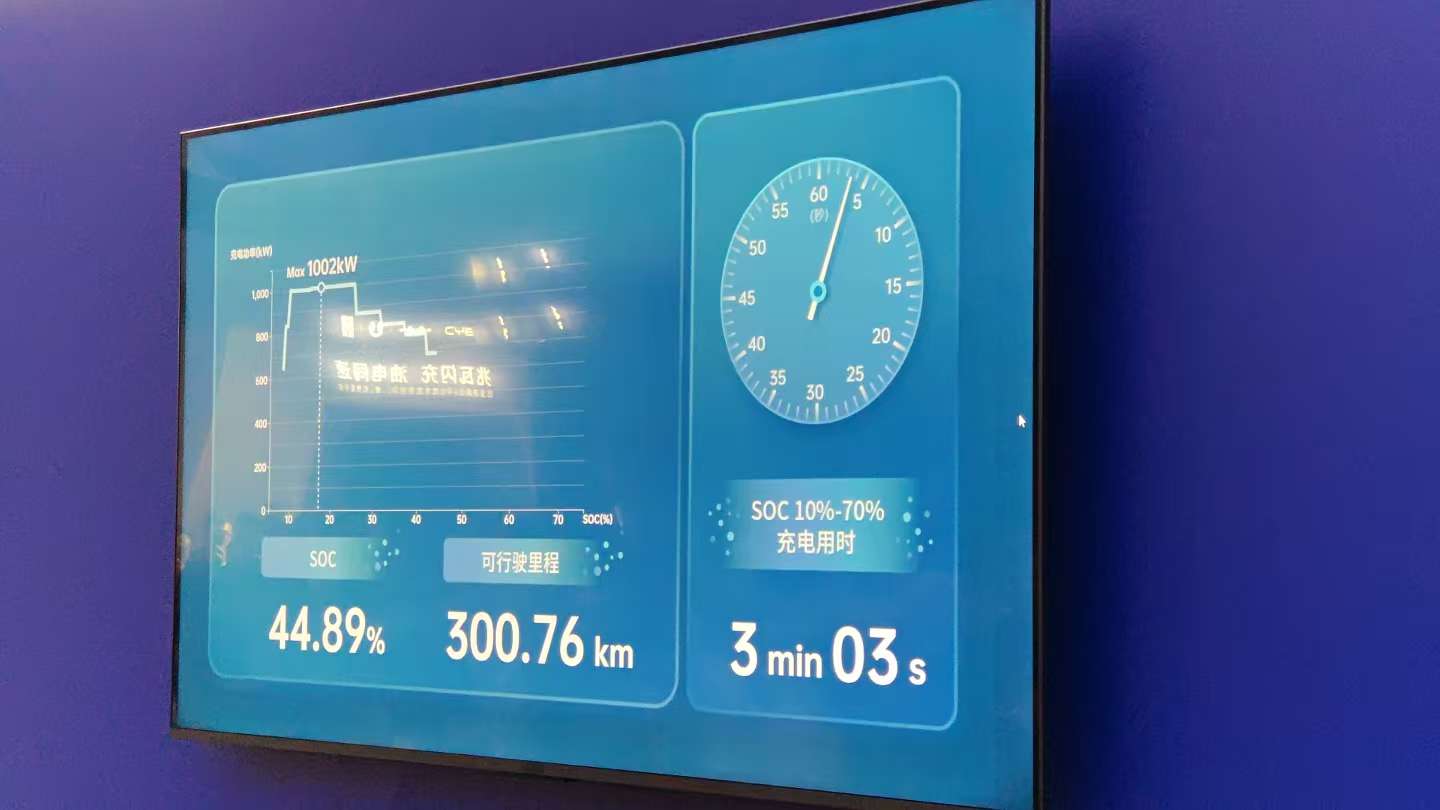
In addition to the "equalization of intelligent driving," BYD also launched the Super e-Platform this year, introducing the flash charging technology that can provide a range of 400 kilometers with a 5-minute charge to the market. For the first time, it has theoretically surpassed traditional fuel-powered vehicles in terms of energy replenishment efficiency, a core indicator.
Source: Filmed by Electric Vehicle Insights
Meanwhile, technology-driven companies represented by NIO have chosen to "walk on two legs." New models such as the new NIO ES8 and the LeDao L90, built on the full-domain 900V high-voltage architecture, combined with its mature battery swapping network, have constructed a three-dimensional energy replenishment solution of "ultra-fast charging + ultra-fast battery swapping."
As the largest power battery manufacturer in terms of mass production and installation volume, CATL is also promoting the development of fast charging technology. The second-generation Shenxing Ultra-Fast Charging Battery, released in April, has taken the energy replenishment competition to a new level.
This battery has a peak charging rate close to 12C and a peak power of over 1.3 megawatts, achieving the amazing performance of "charging 2.5 kilometers in 1 second." Moreover, it is compatible with all megawatt-level ultra-fast charging stations. More importantly, it has overcome the industry problem of fast charging in low temperatures, allowing electric vehicle users in the north to enjoy the "flash charging" experience even in the cold winter.
Before the release of these fast charging technologies, the fast energy replenishment speed of fuel-powered vehicles was always the direct reason for "fuel enthusiasts" not to choose new energy vehicles. Now, new energy vehicles have surpassed traditional fuel-powered vehicles in terms of environmental protection, intelligence, and cost, and have even achieved a "comeback" in the hardcore indicator of energy replenishment speed. The only reason left for "fuel enthusiasts" to hold on may be the used car resale value, which has not been fully conquered.
In the future, the energy replenishment landscape is likely to form a diversified ecosystem with "gas stations, ultra-fast charging stations, and battery swapping stations" standing side by side. Of course, we also need to clearly recognize that the construction of megawatt-level ultra-fast charging networks has just begun, and it will take time to achieve the same level of convenience as gas stations, where you can "find one around the corner."
However, the trend of the energy replenishment system is clear: When charging is no longer a shortcoming, the popularization of electric vehicles will truly accelerate.
4. Semi-solid-state batteries are here. Can all-solid-state batteries be far behind?
Solid-state batteries are considered the ideal solution for next-generation electric vehicle batteries and were highly anticipated last year. However, the reality is that some key technical challenges are not easy to overcome quickly. Academician Ouyang Minggao of the Chinese Academy of Sciences recently pointed out that all-solid-state batteries are more likely to achieve industrial breakthroughs around 2030, and the possibility of short-term industrialization is relatively limited.
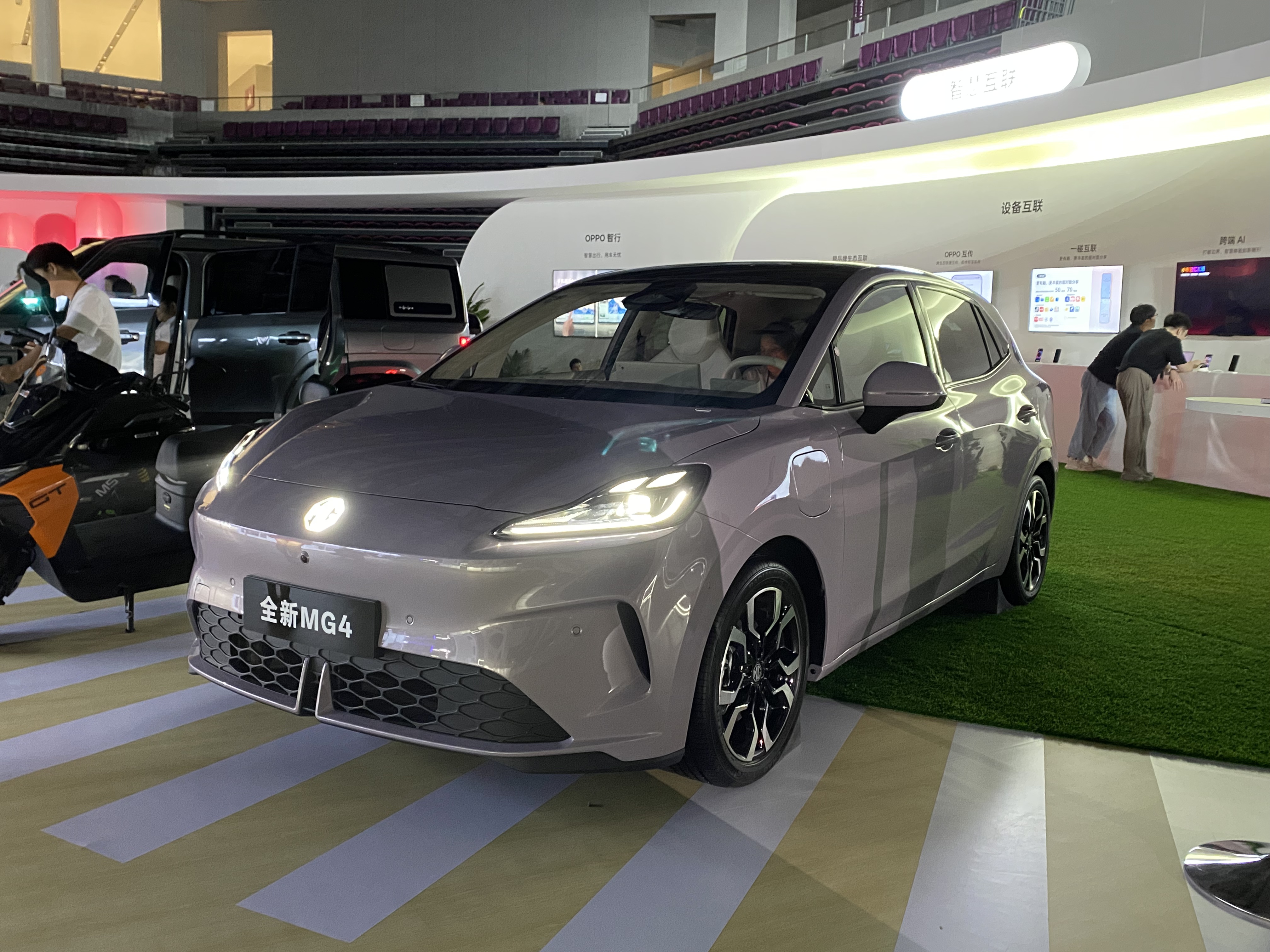
However, the industry has not stagnated in waiting. On December 19 this year, the new MG4 Semi-Solid-State Anxin Edition under SAIC MG was officially delivered. Although it is still a "semi-solid-state" battery, this means that solid-state battery technology has finally moved from the laboratory to consumers' garages, and the first step has finally been taken.
Source: Filmed by Electric Vehicle Insights
Semi-solid-state batteries are certainly not the end, but their practical significance has been demonstrated through the most rigorous tests. This battery has successfully passed six national-level safety tests organized by the China Automotive Technology and Research Center, including threaded steel puncture, three-way extreme extrusion of the battery cell, immersion in high-salt corrosive liquid, extreme cold freezing, bottom ball impact, and high-temperature burning, achieving a qualitative leap in safety performance.
More importantly, it has opened a crack in the commercialization door for the entire solid-state battery industry. From materials, manufacturing to vehicle installation, the entire chain has been run through once, accumulating valuable experience.
This more practical and gradual path is actually paving the way for the ultimate arrival of all-solid-state batteries around 2030.
The right to define products is being returned to users
Automobiles are no longer just simple means of transportation. They have been defined by automakers as "intelligent mobile terminals," and this concept is being increasingly understood and accepted by consumers.
Based on this, the core logic of automobile design and R & D has also undergone a fundamental change: From the engineering thinking centered around the vehicle, it has completely shifted to the experience thinking centered around people.
In other words, when automakers define their products, the starting point of all technologies, functions, and services will be how to more intuitively, smoothly, and imperceptibly enhance the all-sensory experience and emotional connection of passengers. In the automotive market this year, Electric Vehicle Insights has observed at least three significant changes, which are the most direct manifestations of this concept.
5. Li Auto is the first to implement VLA, and XPeng quickly follows
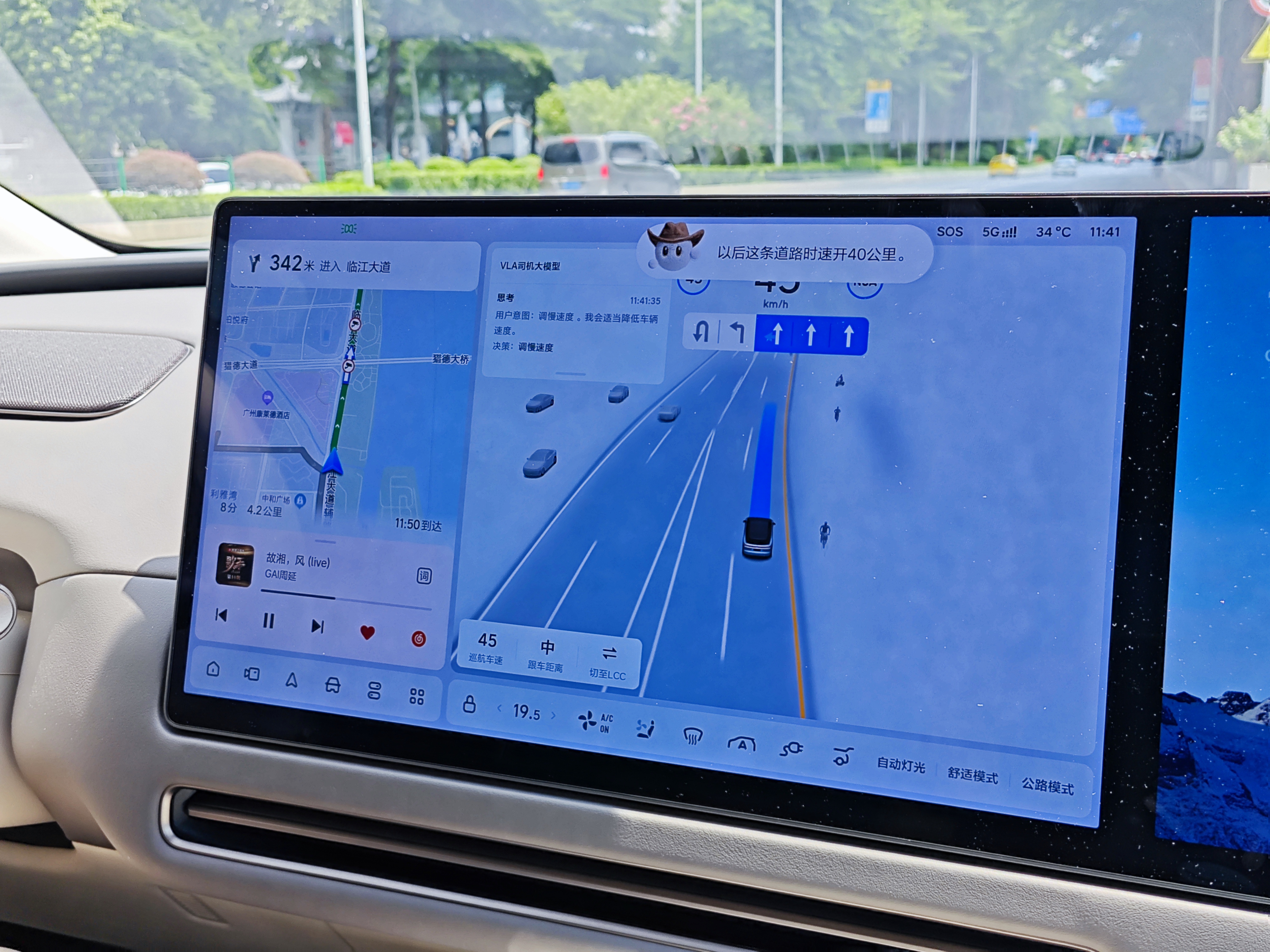
It is said that intelligentization is the second half of the automotive industry. Assisted driving technology, which allows users to experience technological advancement, will inevitably be a battleground for automakers. Tesla was the first to introduce the end-to-end large model, which has been adopted by various automakers. Li Auto, on the other hand, was the first to launch the Li Auto VLA driver large model, which can communicate with the outside world, to compete with other new energy automakers.
The biggest breakthrough of this system lies in its ability to "understand human language." In actual experience, whether it is a direct command such as "pull over" or "overtake the vehicle in front" or a vague expression such as "take the left road" or "you're driving too fast," the system can accurately understand and execute smoothly. Even personalized settings such as "always drive at 40 km/h on this road in the future" can be learned and remembered, making the car more and more familiar with your habits.
Source: Filmed by Electric Vehicle Insights