Is it no longer illegal to drive without hands on the wheel? Clarify all the truths about the implementation of L3 in one go: Can everyone drive? Who is responsible in case of an accident?...
Level 3 autonomous driving is finally coming!
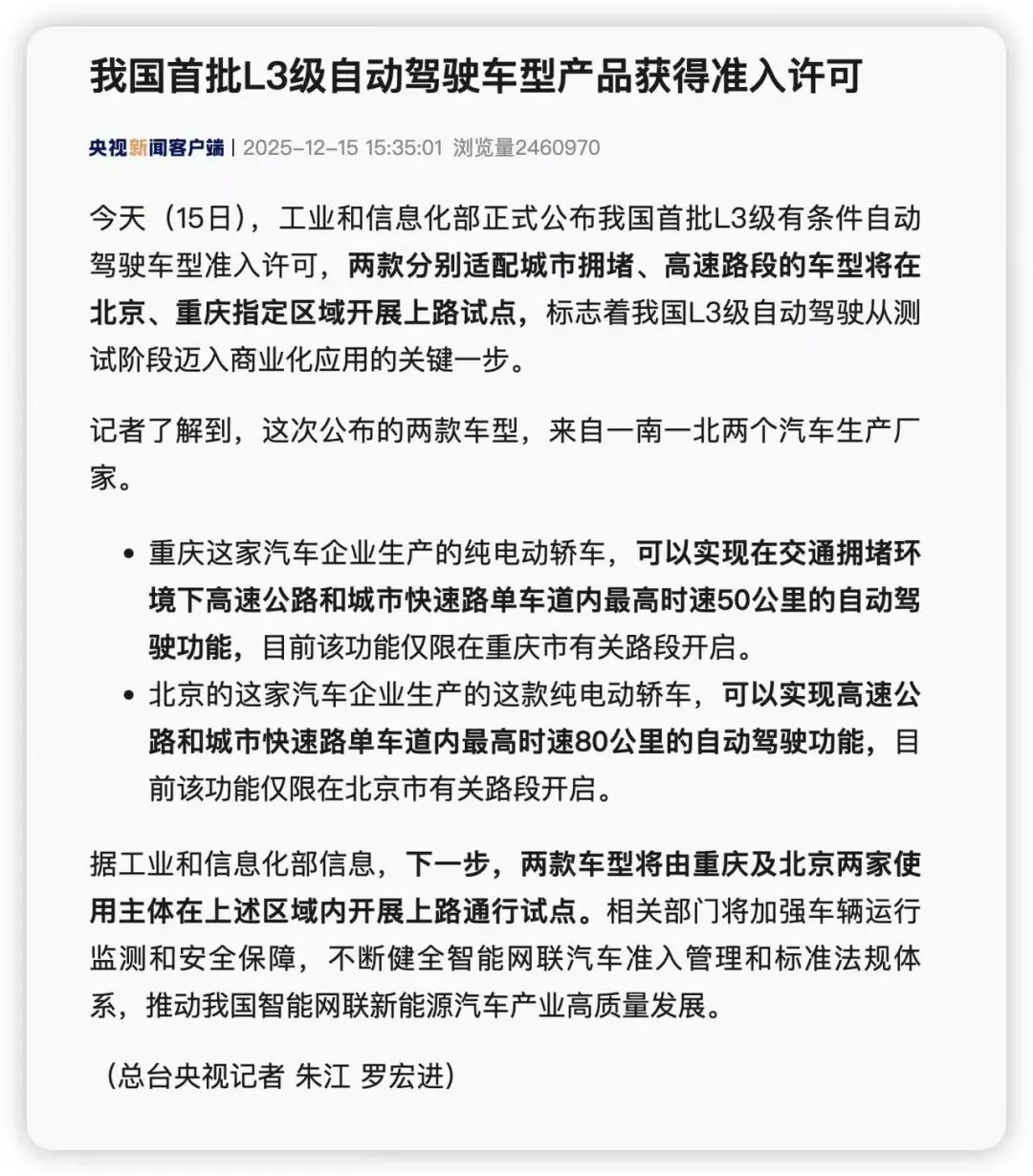
Recently, the domestic automotive circle was ignited by a bombshell news - the Ministry of Industry and Information Technology officially announced the first batch of access permits for Level 3 conditionally autonomous vehicles in China.
I believe many people saw the news. BAIC and Changan, two automakers from the north and the south respectively, were the first to get the "entry tickets". Two specific models under their banners will conduct on - road pilot tests in designated urban areas such as Beijing and Chongqing.
Immediately in the following two days, popular brands such as AITO, XPeng, Li Auto, and BYD followed suit, and their Level 3 test vehicles took to the roads.
All of a sudden, Level 3 seems to have changed from a distant technological concept to an accessible "tomorrow's technology". It is no longer just automakers' futile efforts in closed areas, but is expected to be on the roads on a large scale!
However, despite the excitement, I'm sure many people are still skeptical: What exactly is Level 3? Can you really keep your hands off the steering wheel throughout the drive? Can ordinary people drive such cars? Who is responsible if an accident occurs? Well, today let's figure it out and uncover the details of Level 3 autonomous driving.
Policy opens the door, BAIC and Changan take the lead on the road
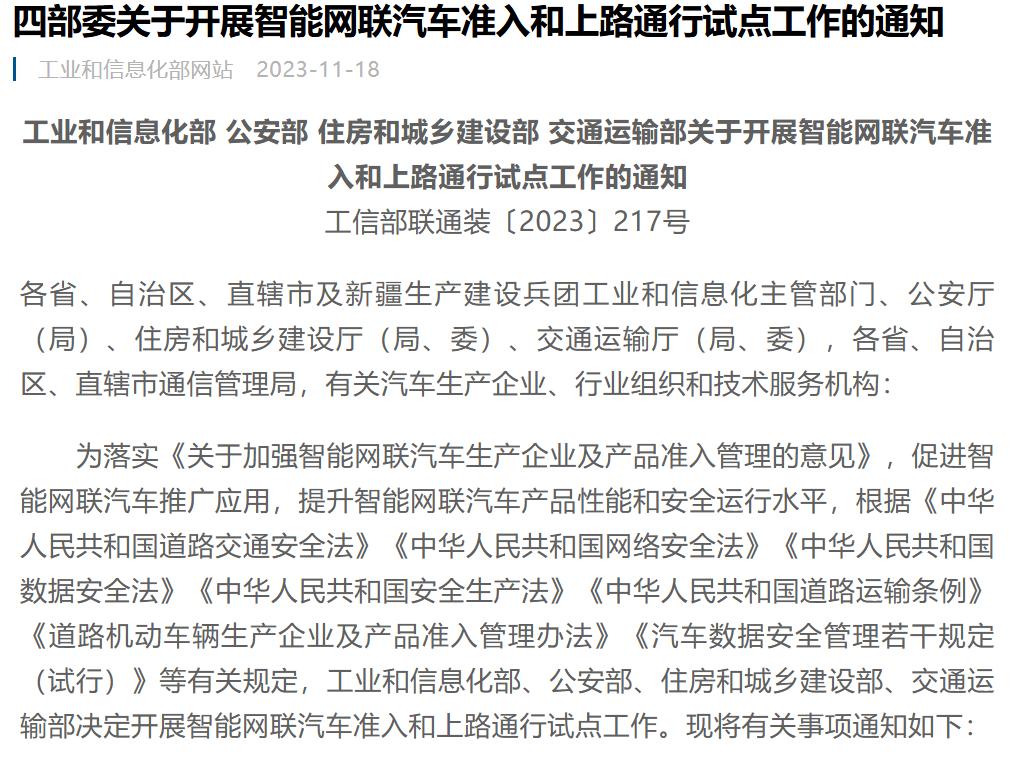
The real arrival of Level 3 this time is the result of the joint efforts of policies and technologies. At the end of 2023, when policies such as the "Notice on Carrying out Pilot Work on the Access and Road Traffic of Intelligent and Connected Vehicles" were introduced, the commercialization of Level 3 autonomous driving in China finally had clear rules and officially entered the stage of "full - scale testing with legal basis".
This December is a crucial turning point for Level 3 autonomous driving, marking the real start. First, traditional automakers were the first to take the plunge. On December 15, the on - road pilot tests of two Level 3 conditionally autonomous vehicles, Changan Deepal and BAIC ARCFOX, were approved.
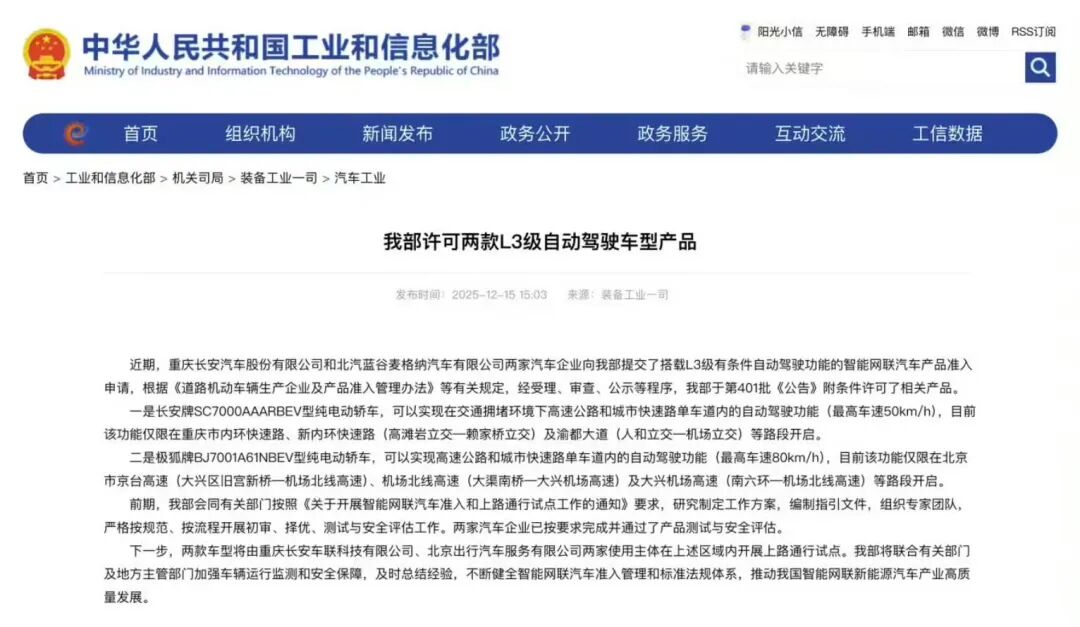
Official announcements show that the two test models correspond to the ARCFOX Alpha S (Level 3 version) and the Changan Deepal SL03.
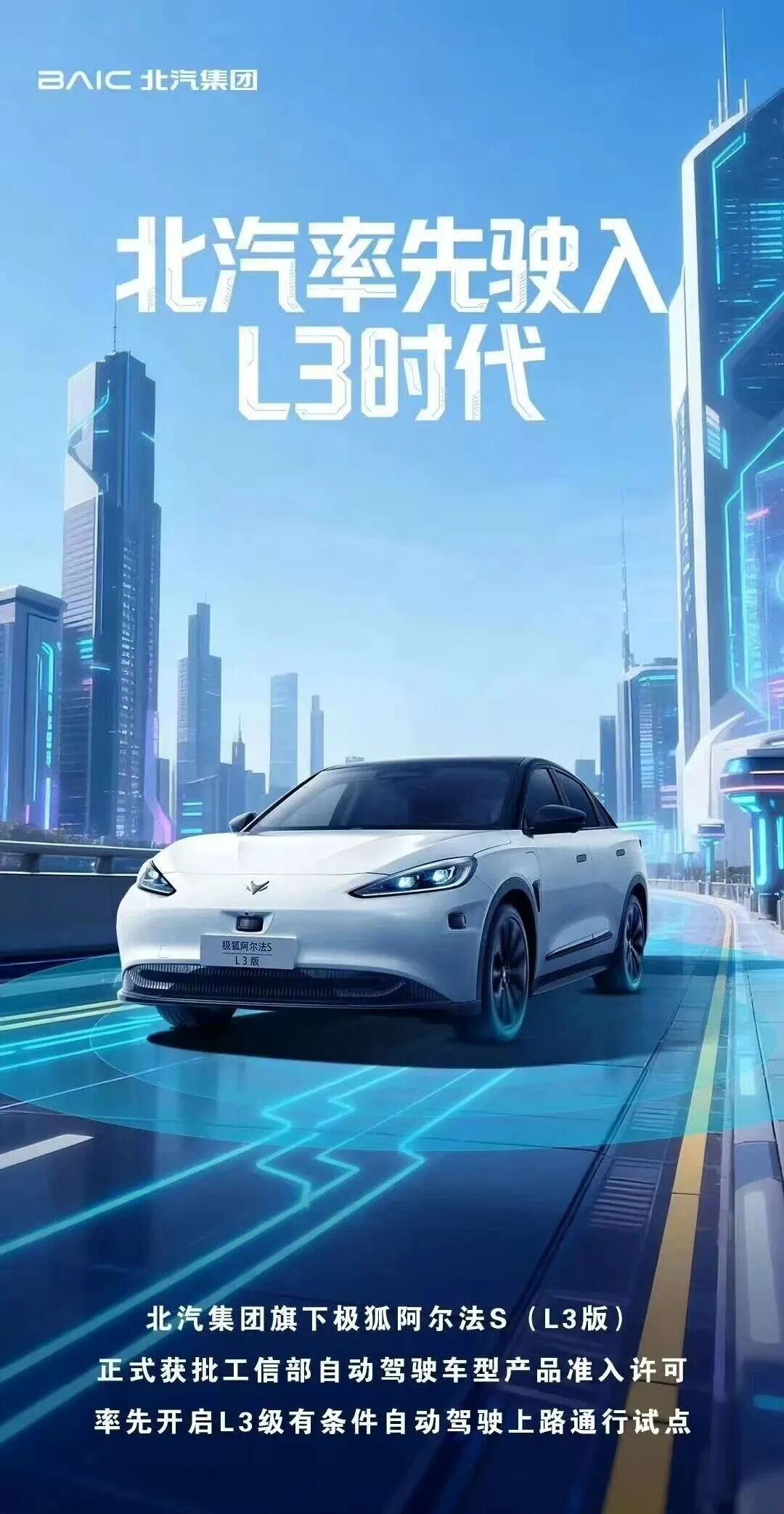
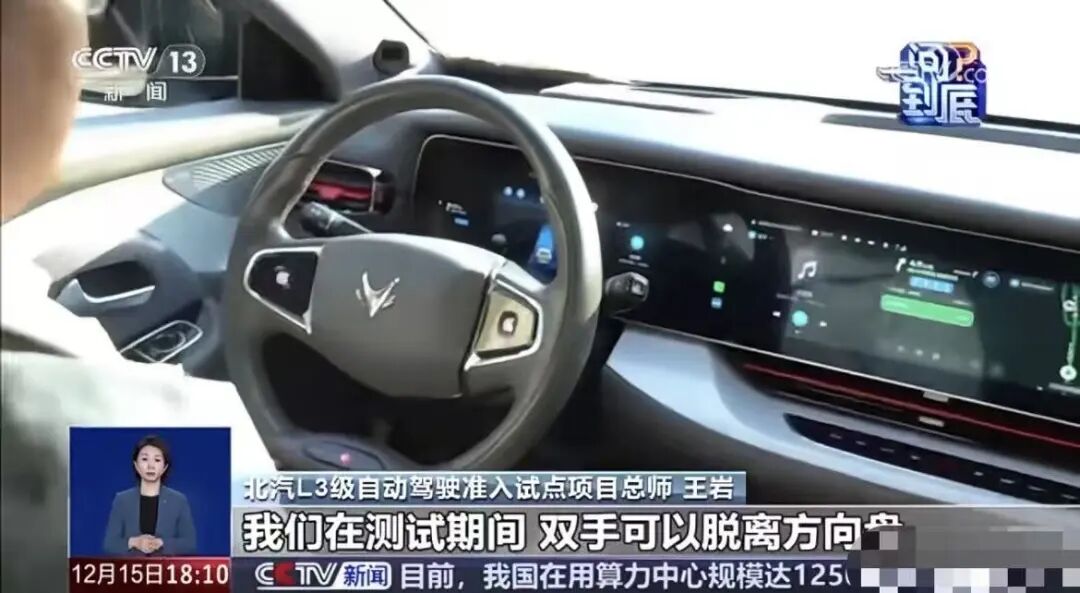
Among them, the ARCFOX Alpha S model equipped with Huawei's ADS has recently shown off its Level 3 capabilities in specific areas.
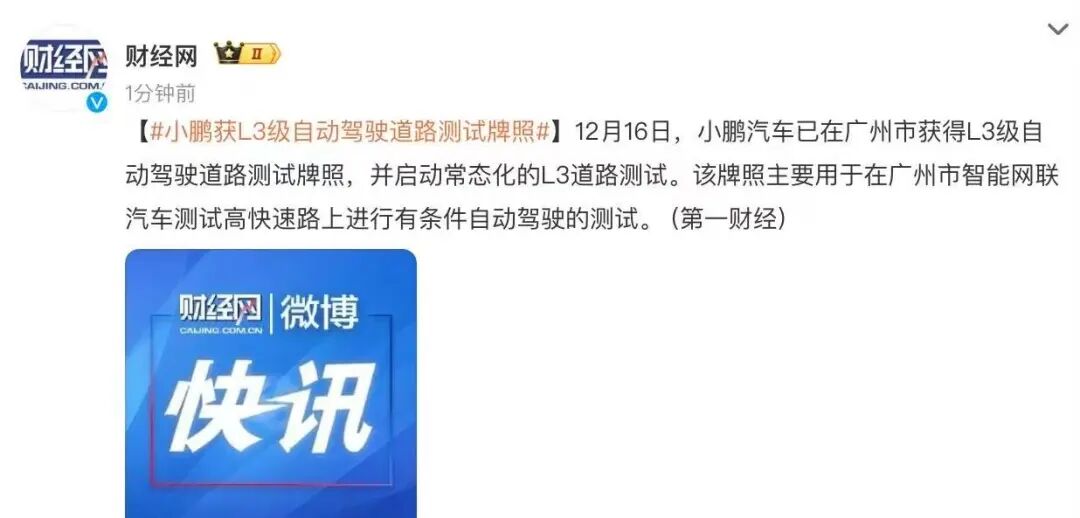
The next day, new - force automakers and technology giants also caught up. On December 16, XPeng was exposed to have obtained the Level 3 road test license in Guangzhou.
Li Auto was also exposed to have obtained a license in Beijing and has been conducting regular tests.

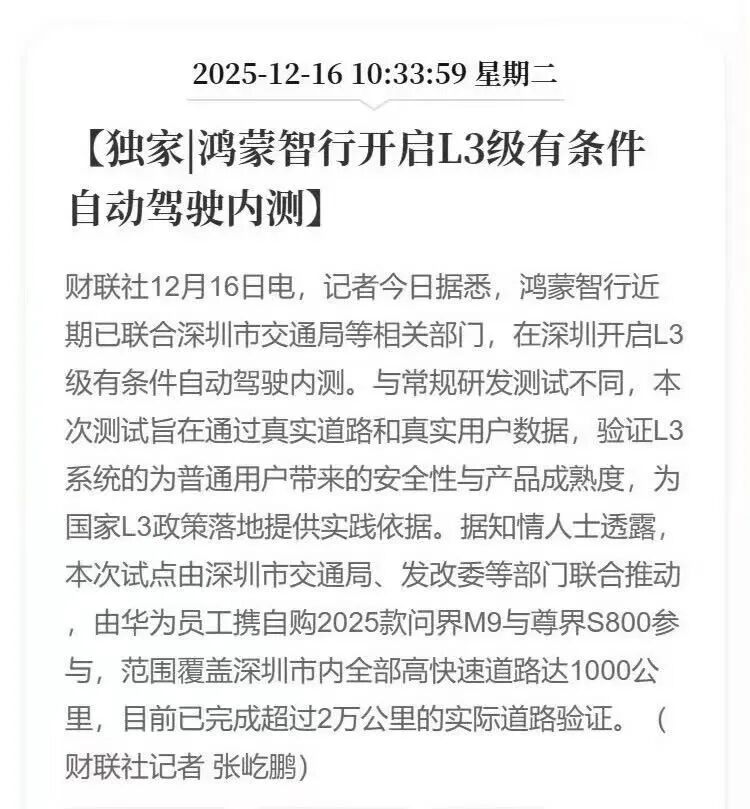
HarmonyOS Intelligence Mobility also announced on the same day that it will conduct an internal Level 3 test across Shenzhen, covering 1000 kilometers of highways and expressways. Models such as the AITO M9 and the Zunjie S800, relying on Huawei's full - set of technologies, have become the main test vehicles.
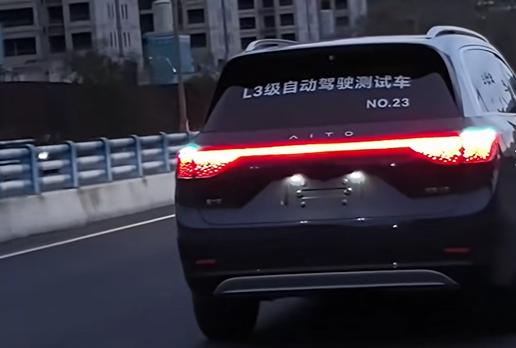
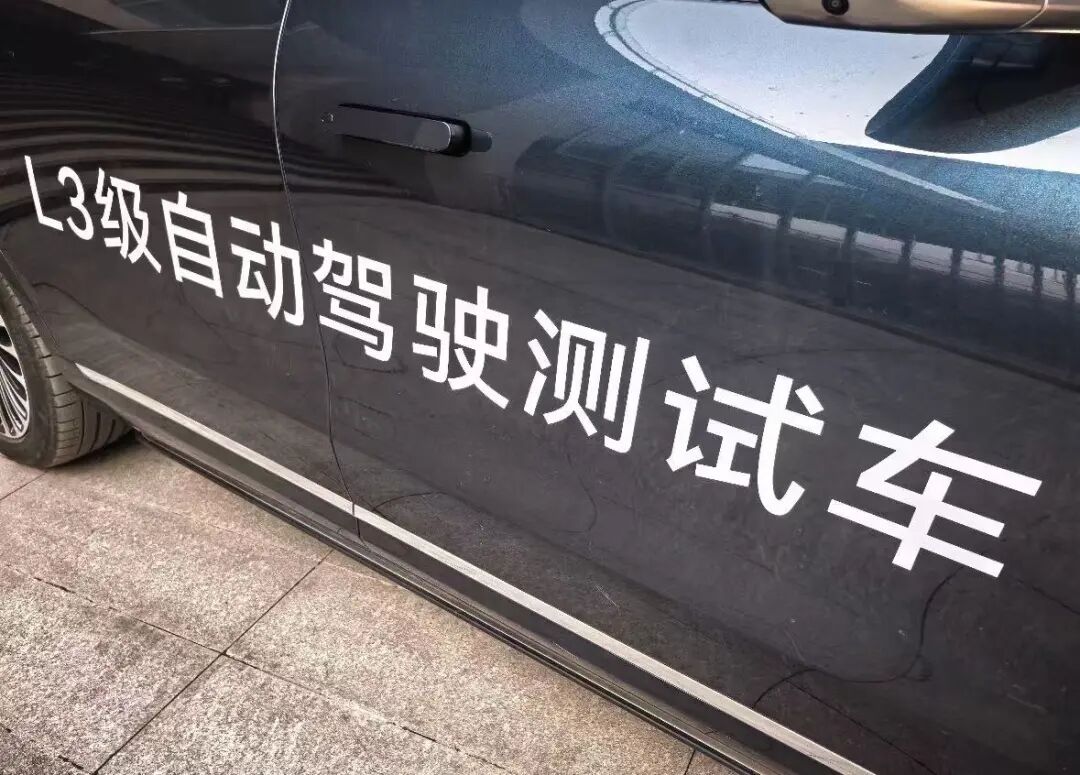
Many netizens have encountered the test vehicles, and the words "Level 3" are very conspicuous.
Even BYD, which was previously criticized for being "too conservative" in intelligent driving, has acted very quickly this time.
As one of the first nine approved enterprises for the Level 3 access pilot, BYD has also made real progress recently. It has launched a comprehensive internal Level 3 test for mass production in Shenzhen, covering more than 150,000 kilometers of real roads, including the open highways and expressways in Shenzhen. It has also deliberately selected complex conditions such as rainy days, nights, and construction sections to test the system.

It is said that BYD also plans to mass - produce the urban navigation system on the Yangwang U9. This means that Level 3 can be used not only on highways but also on complex urban roads in the future. It is obvious that BYD's Level 3 layout has quickly moved from "obtaining the qualification" to the crucial stages of "verifying on real roads" and "definitely mass - producing".
In short, the signal is clear this time. The "market access" approved by the Ministry of Industry and Information Technology is no longer just a simple technical test but is paving the way for real mass production.
From Level 2 to Level 3, can you really take your hands off the wheel?
After enjoying the excitement, let's talk about something practical and relevant to us ordinary people.
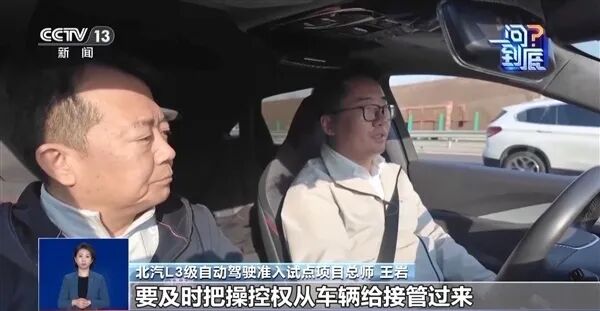
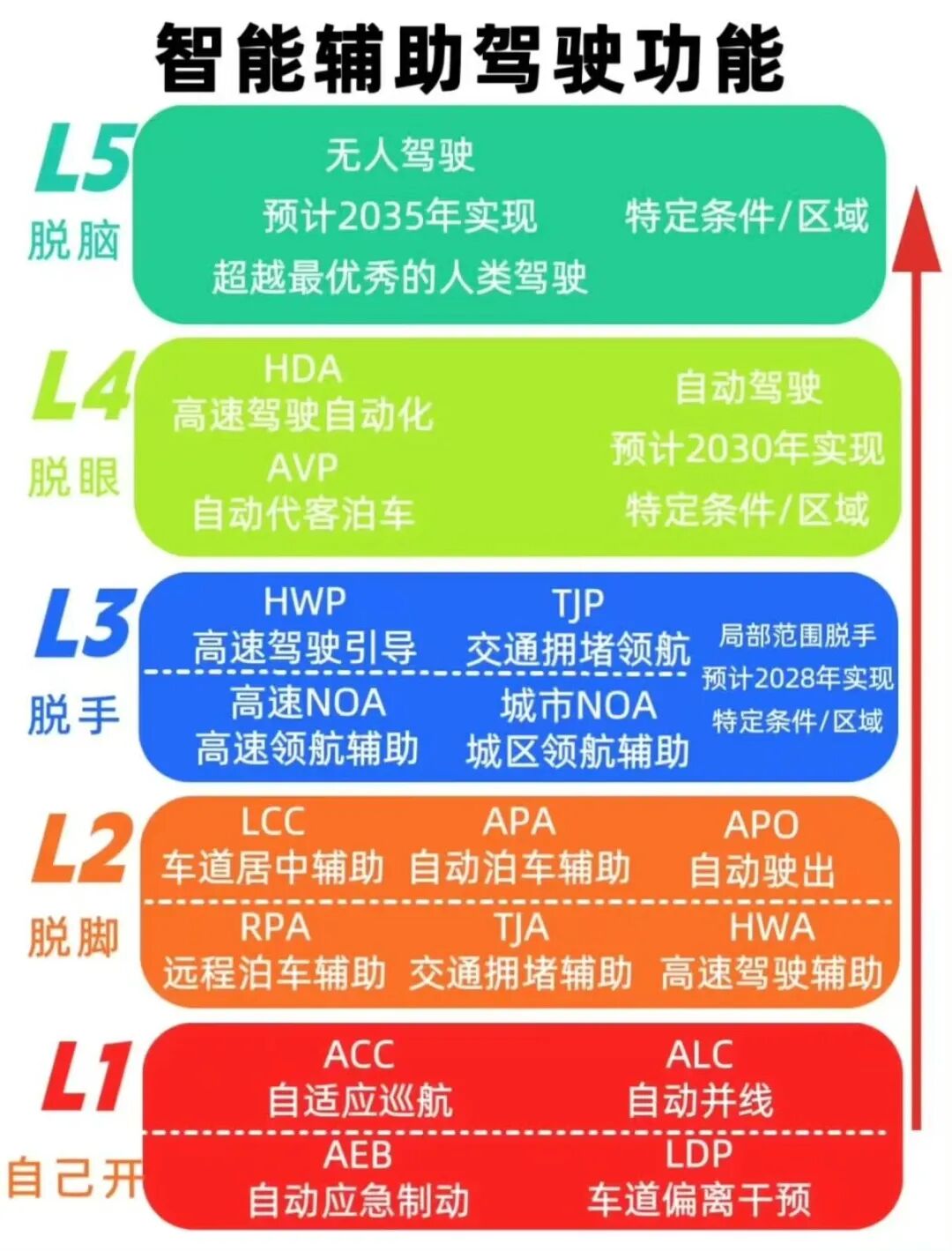
First, understand what Level 3 is. It is real "drive - for - you" autonomous driving, not the previous Level 2 assisted driving. However, there is a major premise - the driver can completely take their hands off the wheel only under specific conditions, and the system controls the vehicle independently. However, the driver still needs to take over in time when requested by the system.
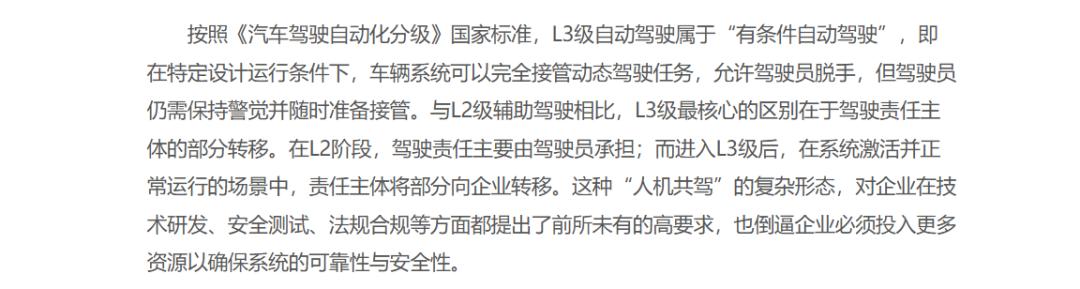
Moreover, the responsible party for "who is to blame if something goes wrong" has changed. In a Level 2 accident, the driver is fully responsible. However, in Level 3, when driving on specified sections such as highways and expressways, as long as the system is driving on its own and has not asked you to take over, the main responsibility lies with the automaker.
This means that when turning on Level 3 on permitted sections, the role of the car owner has changed from a driver to a "supervisor". You don't have to keep your hands on the steering wheel all the time and can reply to messages or watch videos, but your eyes cannot leave the road completely, and you need to react immediately when the system asks you to take over.
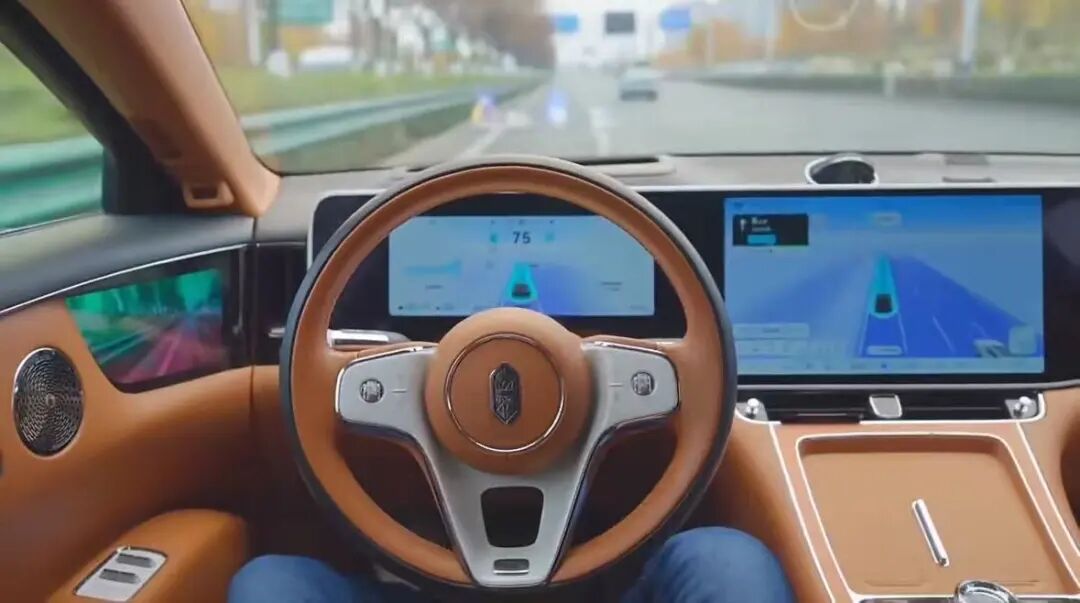
Recently exposed test videos of the AITO M9 and the Zunjie S800 show that the steering wheel seems to be free after activating Level 3 autonomous driving.
Moreover, theoretically, after the responsibility is transferred, as long as the system is operating normally when driving Level 3, even if there is a car accident, there is no need to argue with the insurance company, and the automaker will directly cover the compensation.
This will also force automakers to no longer develop an intelligent driving system, test it themselves, list the parameters, and then sell the cars as before. Now they have to truly be responsible for the safety of "driving".
What kind of cars can be considered "true Level 3"?
So, what kind of cars can be considered true Level 3? Currently, they need to meet two strict conditions:
First, they need a legal certificate. They have to pass the strict national access pilot. Currently, only two models under BAIC and Changan have obtained this "admission ticket".
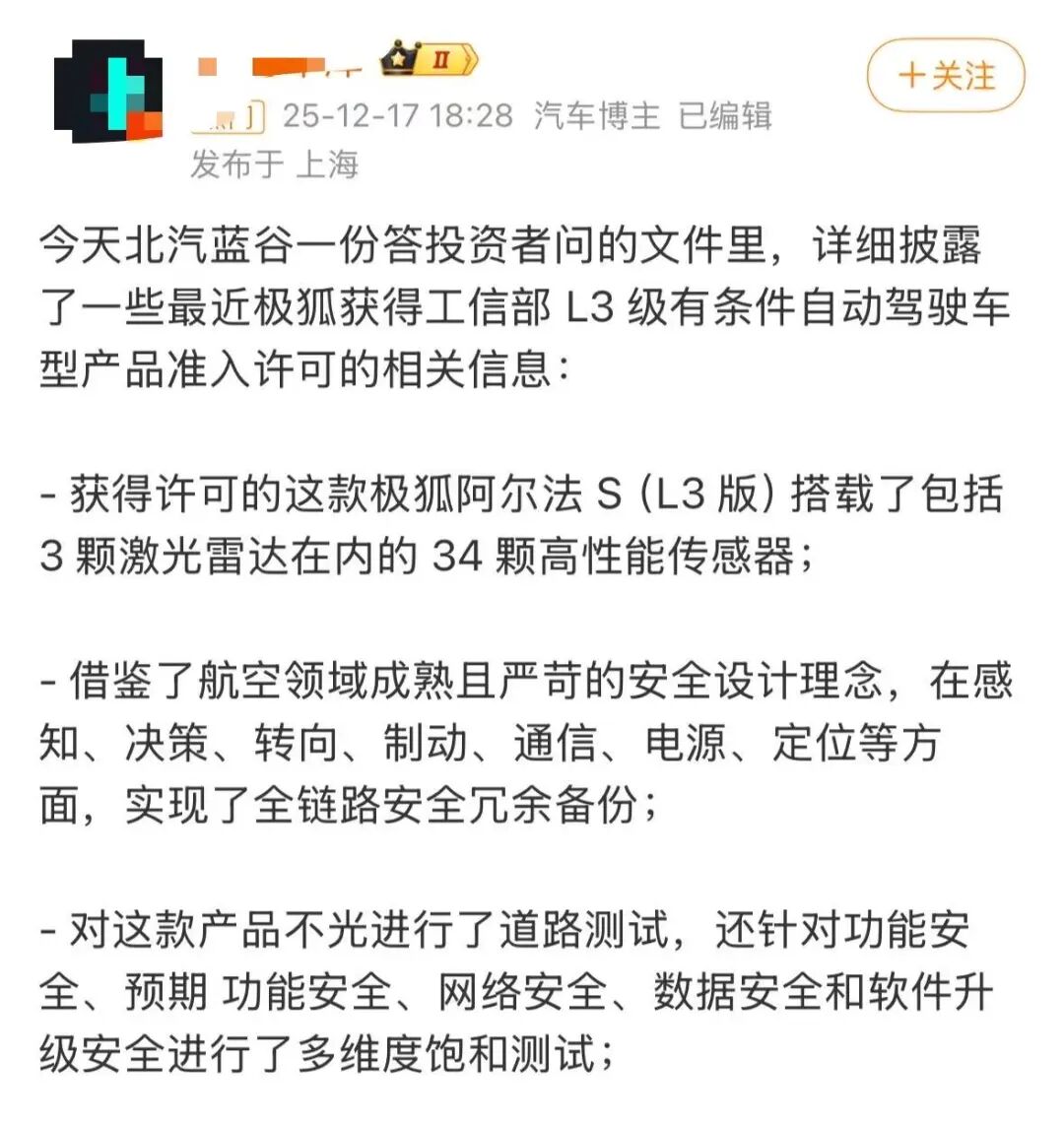
Second, the hardware needs to be "top - notch". There should be many sensors, and the key systems should have double - insurance. For example, the approved ARCFOX Alpha S is equipped with 3 lidars and a total of 34 sensors, like giving the car 360 - degree all - around vision. The Changan Deepal SL03 has seven - fold backups. In case the main system fails, the backup system can take over instantly within 0.2 seconds, faster than a human blink. In short, the hardware of the vehicle itself is strictly controlled.
Other restrictions are also extremely strict. For example, the two approved models can only activate the Level 3 function in specific scenarios. One is the restricted section, a certain road in a certain city; the second is the restricted speed, which is within 50 km/h and 80 km/h this time; the third is the restricted lane, all are Level 3 within a single lane and cannot change lanes.
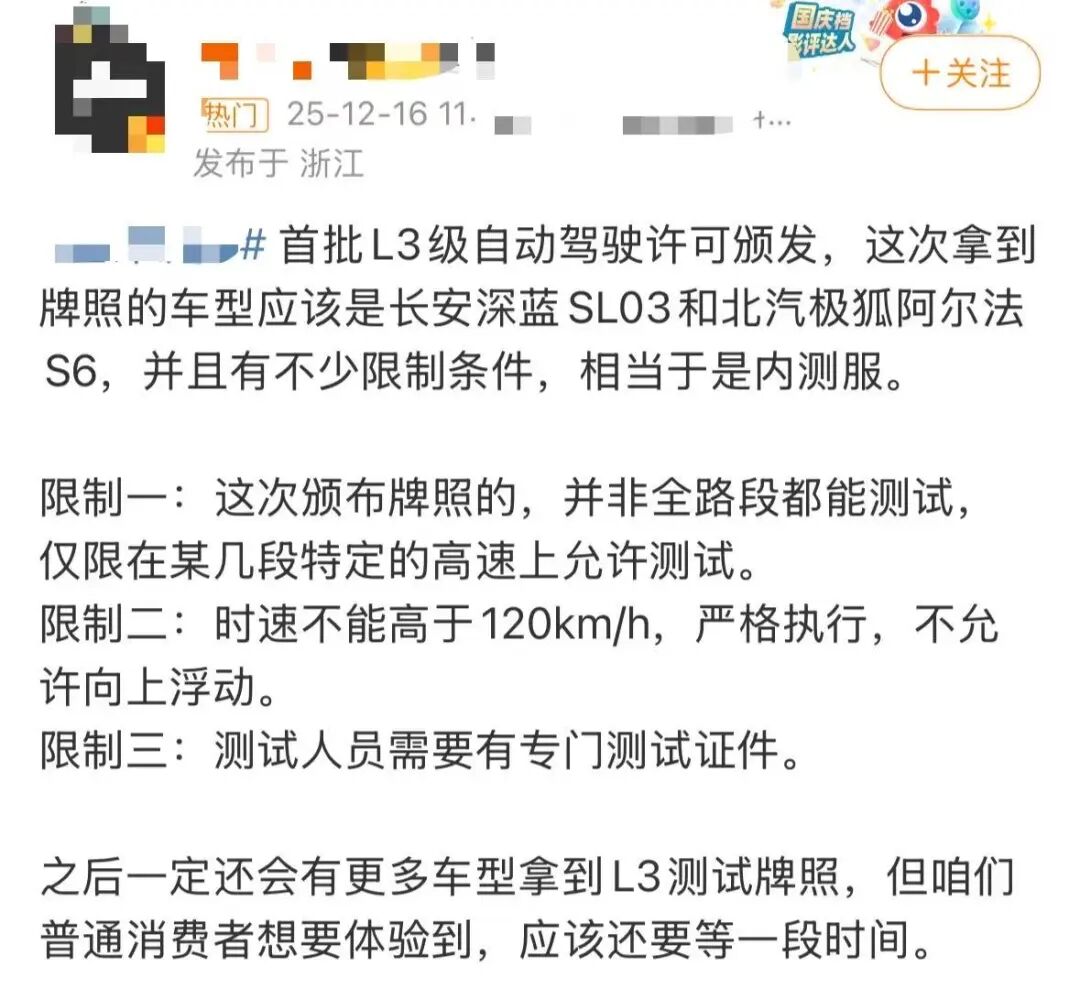
Moreover, at this stage, all approved Level 3 vehicles belong to "company assets" and are managed by automakers and operating companies, not for individual sales. The only