The Year 2025 for Humanoid Robots: How Far Are They from Entering Our Homes?
The significance of 2025 doesn't lie in "reaching the finish line." Instead, it marks a crucial leap from a "science - fiction concept" to an "industry hotspot."
As we stand at the end of 2025, if we had to use one word to describe humanoid robots, "human - like presence" would probably be the most representative buzzword of the year.
In the past year, humanoid robots have quietly become a topic of conversation for countless people after meals: the "clumsy cuteness" shown when they fall while running, the stability and flexibility demonstrated during backflips, hip - hop dancing, and boxing, and the amazing "catwalk" that makes people suspect they are just "humans in robot suits"...
The "all - around household nanny" that can help us cook and do household chores may still exist only in carefully edited videos. However, the "leap" of humanoid robots in 2025 is an undeniable fact. It might be the "watershed" for humanoid robots to step out of the laboratory and enter thousands of households.
Looking back on this year, we've noticed three distinct signals.
-01- A Positive Signal: Humanoid Robots Have Become a Traffic Magnet
Differing greatly from the past, humanoid robots in 2025 are no longer just a source of "self - indulgence" in the tech circle. They have gradually become the "top - trending" attraction on social media.
The most iconic event was the CCTV Spring Festival Gala in the Year of the Snake in 2025.
When the curtain rose, 16 humanoid robots wearing traditional northeastern floral - printed jackets performed a creative dance called "Yangge BOT" with human dancers, showcasing the difficult skill of "spinning the handkerchief": the handkerchief spun rapidly on their fingertips without falling, and the formation changes were perfectly coordinated.
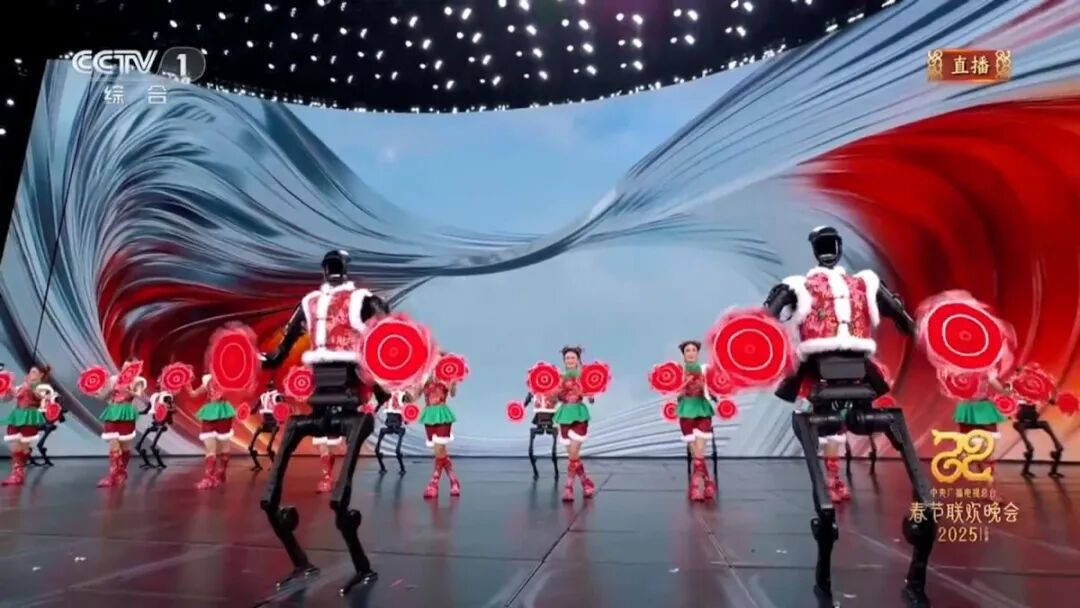
The ingenious combination of cyberpunk and Chinese folk customs quickly heated up social media. For the first time, humanoid robots had the communication power at the level of a "cultural symbol."
This phenomenon - level popularity almost lasted throughout the whole year.
At the half - marathon held in Yizhuang, Beijing in April, the 20 participating humanoid robot teams really "made a fool of themselves": some stood still at the starting line and were finally carried off the field by the staff; some lost control and crashed into the guardrail just ten meters from the starting line; less than half of the "contestants" actually reached the 2.5 - kilometer robot supply point; some humanoid robots "lost their heads" but still kept running...
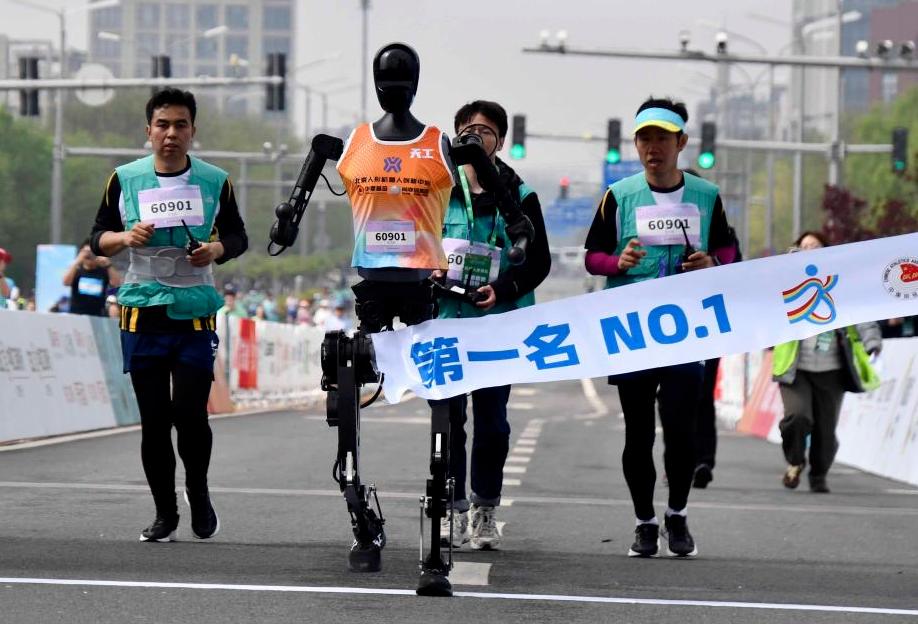
It was precisely this "shameless" technical practical exercise that further highlighted the authenticity of the competition, dominating social platforms like Weibo and Douyin for several consecutive days.
After humanoid robots became synonymous with traffic, more and more bloggers were attracted to participate, creating funny videos of humanoid robots gracefully playing the piano, having intense duels in the boxing ring, and imitating Michael Jackson's moonwalk, which received billions of views on short - video platforms.
Among them, there were also marketing battles among humanoid robot manufacturers, giving rise to various marketing forms such as fashion show walks, e - commerce live - streaming sales, fighting variety shows, live - streaming race walking, and sponsoring large - scale galas. In the sponsorship bidding for a certain large - scale gala, companies like Zhipu Robotics and Unitree Technology even pushed the advertising fees up to hundreds of millions of yuan.
However, from an industrial perspective, the traffic - based marketing of humanoid robots is by no means a bad thing.
Japanese robotics expert Masahiro Mori proposed the famous "Uncanny Valley" theory in 1970, believing that as robots become more and more similar to humans in appearance and movement, humans will like them more. But when the similarity reaches a critical point, people's goodwill towards robots will suddenly stop, and they may even find them terrifying.
The traffic - based marketing of humanoid robots has subtly influenced people's expectations. The "Uncanny Valley Effect" is being disassembled by scenarios, diluted by emotions, and smoothed out over time.
A direct example is XPeng's humanoid robot IRON, with its female - shaped appearance design, 1:1 human - like spine, bionic muscles, and flexible skin, and even its realistic "catwalk." Instead of causing people's panic, it led to a flood of doubts about whether it was a real person in disguise.
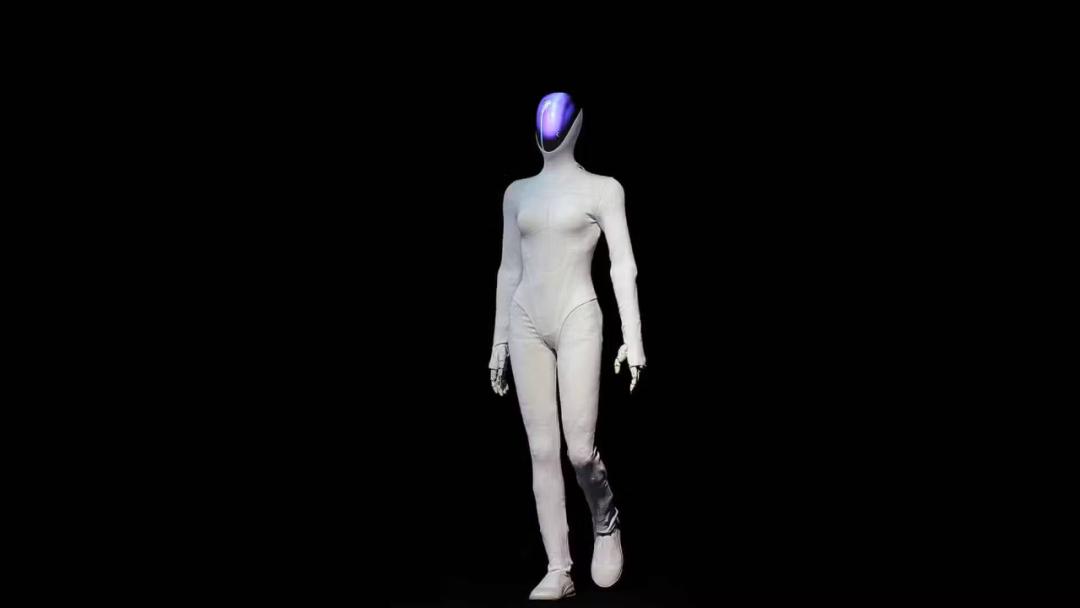
When humanoid robots become "objects to be watched, discussed, and made fun of," it significantly lowers users' psychological defense thresholds. And the public's psychological acceptance may be the first step for humanoid robots to enter thousands of households, an indispensable "psychological infrastructure" step.
-02- A Pragmatic Signal: Localization of the Supply Chain and the Cost Revolution
If the eye - catching effect in terms of traffic is the "surface," the pragmatic innovation on the supply - chain side is the "core," once again proving the "crushing" ability of Chinese manufacturing.
The aspects that were once regarded as the "ceiling" of the industry achieved a phased breakthrough in 2025. The overall leap from core components, basic software to the engineering system has significantly reduced the external dependence of the humanoid robot supply chain, and the long - standing structural risks are starting to be cleared.
Firstly, the localization of core components.
For example, the planetary roller screw, known for its high barriers, has long been monopolized by European companies such as GSA, Rollvis, and Rexroth. The unit price is as high as tens of thousands of yuan, and the delivery time is long.
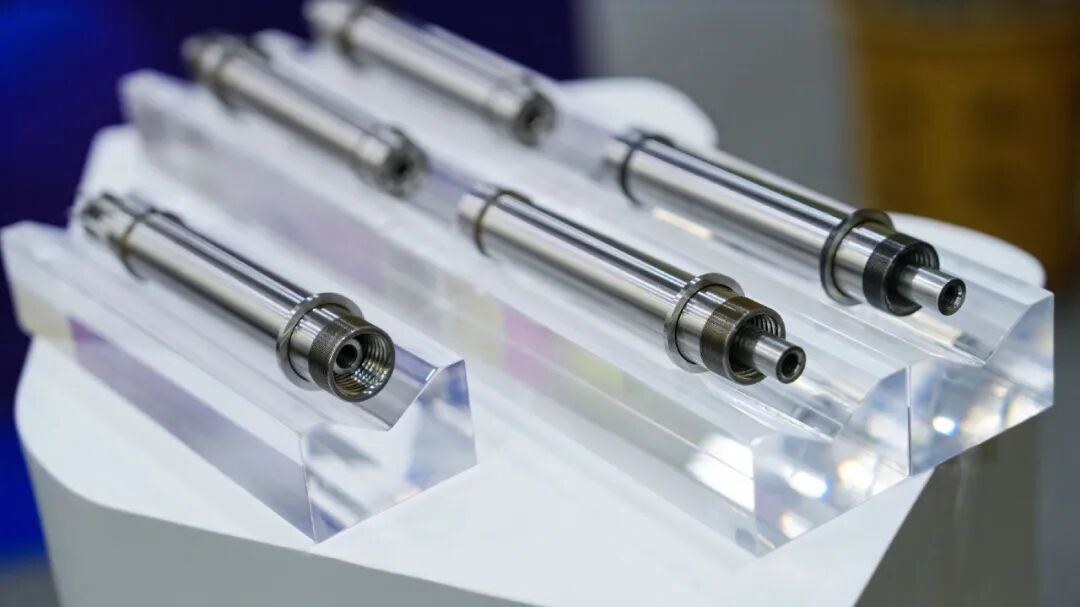
Domestic enterprises represented by Shuanglin Co., Ltd. and Wuzhou Xinchun Co., Ltd. innovated in technology and used reverse engineering in 2025. On the premise of ensuring that the performance meets the industrial - grade threshold (such as lifespan and accuracy), they significantly reduced redundant costs, and the price is expected to drop from "sky - high" to "affordable."
Take the dexterous hand, which is considered the "most technically difficult" in the hardware field. In the process of humanoid robots moving towards practical use, the dexterous hand can be regarded as the "last mile" of interaction with the outside world.
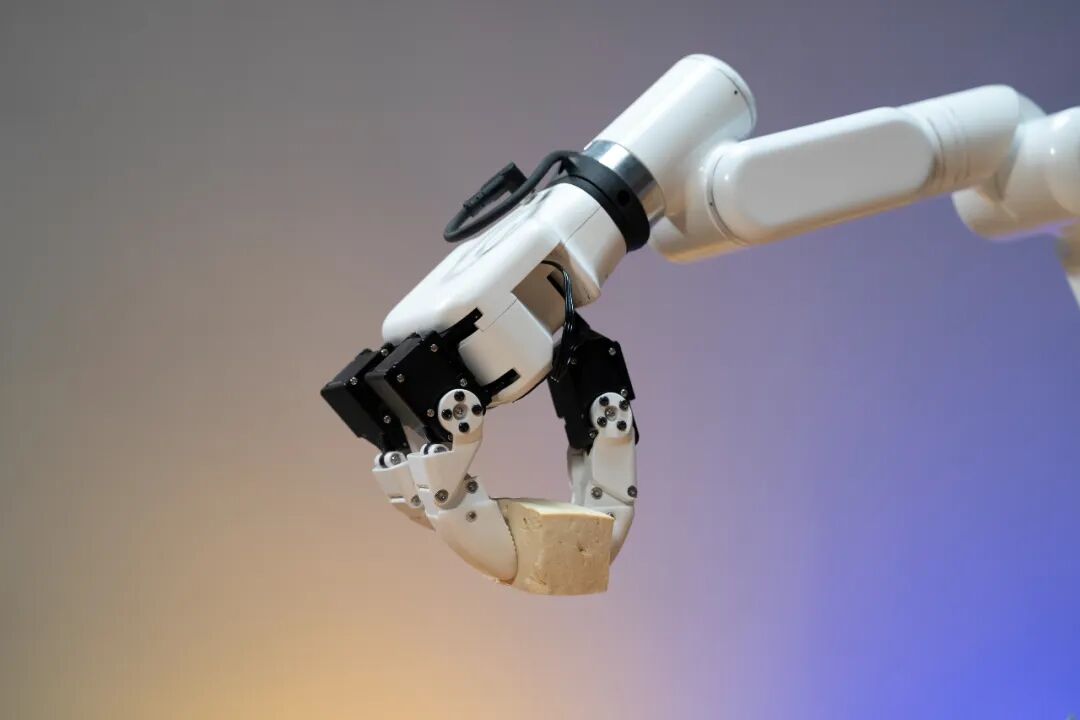
In 2025, the high - resolution tactile - sensing dexterous hands of enterprises such as Pacini, Daimon, and Hanwei Technology have entered the "mass - production - oriented" stage, enabling humanoid robots to handle fragile items such as eggs and soft cloth with their hands.
Another example is the frameless torque motor and joint module.
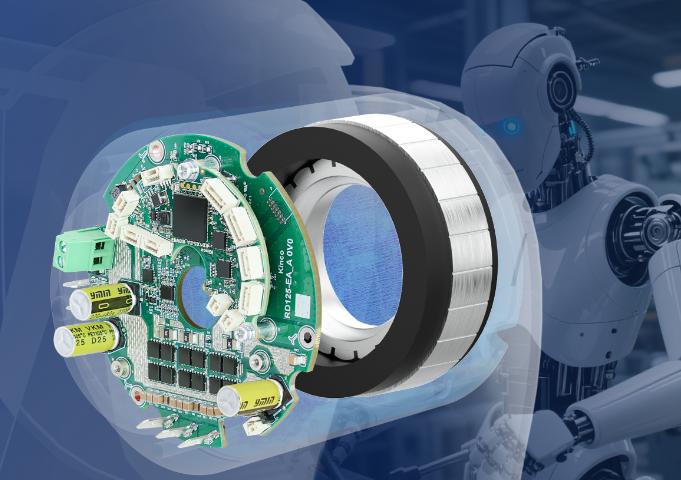
In the past, it was dominated by European and American manufacturers such as Kollmorgen, WITTENSTEIN, and Maxon Motor. However, with China's large - scale electric vehicle supply - chain foundation, a large number of domestic players such as Inovance Technology, Wolong Electric Drive, and Haozhi Electromechanical have emerged, accelerating the low - cost mass production of high - torque - density motors. This not only provides powerful core power for humanoid robots but also further reduces costs.
Thanks to the localization of core components, the sky - high cost of millions of yuan will soon become history, paving the way for humanoid robots to have an "affordable price."
Secondly, the evolution of the "brain" of humanoid robots.
After the open - sourcing of the DeepSeek large - scale model, many enterprises integrated the capabilities of large - scale models into humanoid robots, achieving stronger semantic understanding capabilities. Taking the scenario of an automobile factory as an example, workers only need to issue a vague instruction such as "check if the left - side seat belt is stuck," and the humanoid robot can combine visual perception to autonomously plan the action sequence to check the situation of the seat belt without pre - writing specific codes.
Another manifestation of the "brain" evolution lies in the driving model.
In 2025, the "ChatGPT moment" for the robot brain did not occur. However, leading humanoid robot manufacturers have successively launched VLA models. Among them, the general embodied base model "ZhiYuan QiYuan Large - scale Model" released by Zhipu Robotics uses the "Vision - Language - Latent - Action" architecture, which can learn from human videos and achieve rapid generalization with small samples. It has currently been deployed on several robots.
Undoubtedly, humanoid robots still have a long way to go. However, the "production - capacity - first" strategy and the pursuit of "cost - performance ratio" demonstrated in 2025 undoubtedly provide a technological and industrial - chain foundation for humanoid robots to move from expensive scientific research teaching tools to commercial services and even enter households.
-03- A Cautious Signal: There Is Still a Gap Between Ideal and Reality
The positive situation in terms of traffic and the pragmatic innovation in the supply chain have directly changed the capital market's perception of humanoid robots, giving rise to rounds of financing booms.
As of early December, there have been more than 550 investment and financing events related to the domestic robot industry chain, with a total financing amount of over 83.9 billion yuan. Even though the implementation path has not been fully established, the valuations of leading enterprises such as Zhipu Robotics and Unitree Technology have reached tens of billions of yuan.
When a new hotspot emerges, the capital market may go crazy, but it is never blind. Different from the "flood - like investment" in the previous two years, the typical feature in 2025 is selective investment.
Take UBTECH, whose stock price more than doubled in 2025, as an example. The Walker S series of robots have been sent to the workshops of factories such as NIO, BYD, and ZEEKR, and are deployed on the assembly line and quality - inspection posts, performing tasks such as pasting car logos, checking seat belts, and carrying boxes.
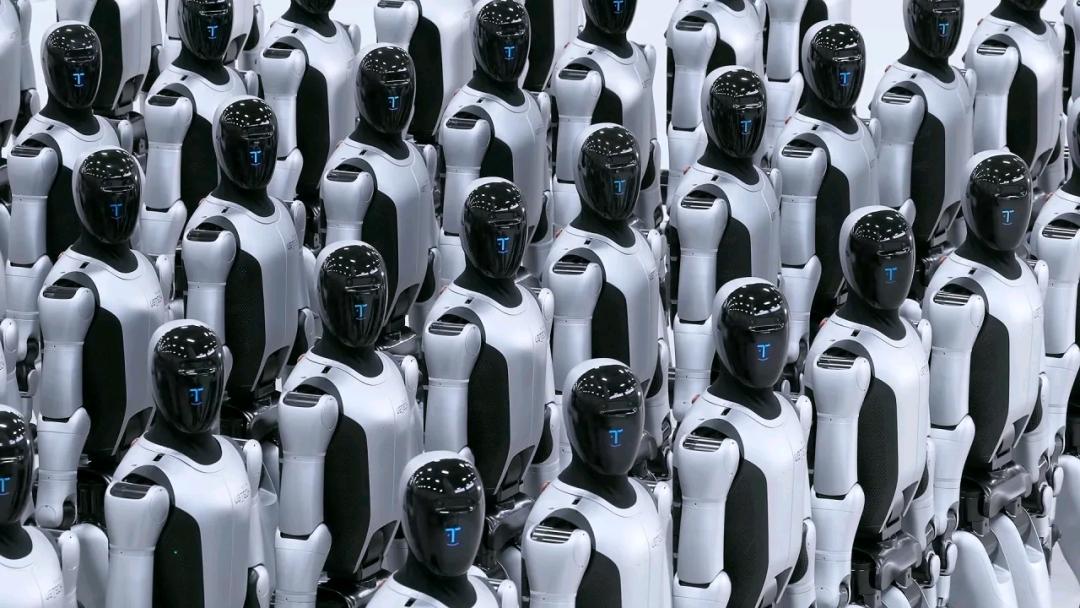
We need to rationally recognize that currently, humanoid robots have not become the "core of productivity" and are mainly concentrated in low - risk, highly - standardized, and splittable process nodes. Compared with the statement of "robots taking up jobs," it is more like a controllable organizational experiment.
There is also "good news" from the household scenario.
A startup called Lingqiwanwu released a set of demo videos in November, showing a modified Unitree G1 robot autonomously completing a series of complex tasks such as pulling the curtains, folding clothes, watering the flowers, taking out the trash, and tidying up sundries in a real - life household environment.

In just four months, Lingqiwanwu completed three rounds of financing, with a total financing amount of nearly 100 million yuan. This further confirms the attitude of the capital market: paying for visible progress.
The story doesn't end here.
Some netizens posted the video on the social platform X and @ed Brett Adcock, the founder of Figure. The response was: "It looks like an open - loop playback RL controller (that is, it moves blindly without perception and runs an open - loop playback)..."
This immediately triggered a war of words.
Some netizens posted a backup video, proving the authenticity of the video from different angles. Even a tech blogger published a long article, combining the content in the video and many cutting - edge achievements in robot research in recent years, to elaborate on why Lingqiwanwu's video was "not fake."
Some netizens also posted a "disaster scene" of a Unitree G1 trying to cook: the robot tried to imitate a human chef's stir - frying action but couldn't accurately perceive the dynamic center - of - gravity changes of fluids and ingredients. Its movements were stiff and lagging, and finally, it knocked over the pot and splashed the food, creating a "disaster" in the kitchen with a clumsy fall.
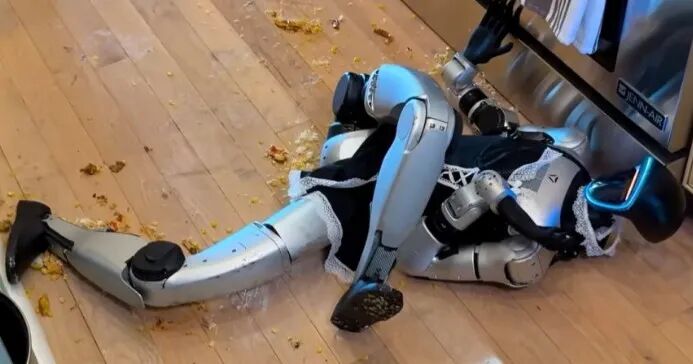
These two completely different scenarios reveal the gap between ideal and reality.
The demo video of Lingqiwanwu may be the result of "over - fitting" training in a specific environment, while the kitchen failure exposes the lack of general generalization ability. This is also the reason why humanoid robots can be tried out in factories but are still far from the household scenario. The non - standard degree of the household environment far exceeds that of factories. A Lego block on the floor or a suddenly running pet may cause the robot to "crash."
If the household scenario is the ultimate goal of humanoid robots,