The global leader in Robotaxi, with a latest valuation exceeding 700 billion.
It's extremely popular. Really popular.
It reflects the popularity of the entire Robotaxi industry, and it benefits all Robotaxi players globally.
Waymo's latest valuation has soared to $100 billion.
After 17 months, Waymo was reported to be raising funds again. Its valuation exceeds $100 billion, and the financing scale exceeds $10 billion, which is equal to the total historical financing, breaking the financing and valuation records in the autonomous driving industry at once.
The first $100 - billion Robotaxi super unicorn has been born. This is the first one, but is it the only one...
The Robotaxi industry is indeed booming and highly competitive. Even for a strong player like Waymo, $5 billion only lasted for less than a year and a half.
This also confirms the previous speculation of industry insiders that Waymo's costs are indeed high, and Chinese players have a great advantage in this regard.
A question arises:
The global competition in the Robotaxi industry has just begun. Standing on the same starting line, should Chinese Robotaxi players with cost - advantage be re - evaluated?
Waymo's valuation soars to $100 billion
According to multiple media reports, due to the fierce competition in the Robotaxi industry, Waymo is conducting a new round of financing at a valuation of over $100 billion, and its parent company, Google, will lead the investment. $100 billion is about 704.9 billion RMB.
The scale of this round of financing has also skyrocketed. Currently, there are two figures: $10 billion (about 70.4 billion RMB) and $15 billion (about 105.6 billion RMB). It will be at least twice the size of the previous round of financing.
This is Waymo's fourth round of external financing and also the largest in history. Briefly looking back at Waymo's history, its predecessor was an autonomous driving project under Google X Lab, and it became independent in December 2016.
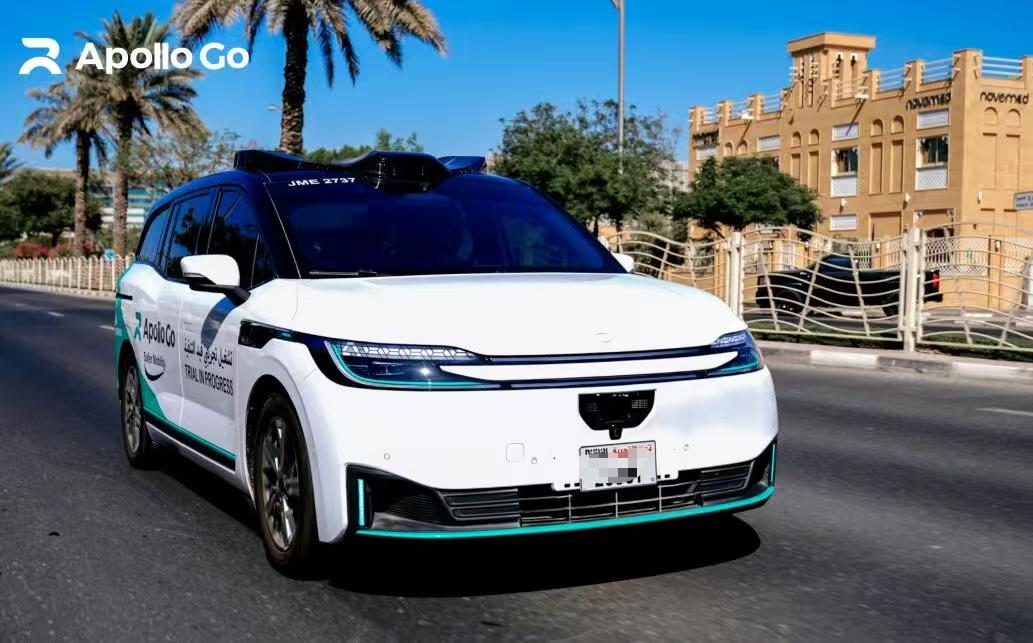
This was also a year when the autonomous driving industry was surging. In this year, Baidu established the Baidu Autonomous Driving Business Group (Baidu IDG) to which Apollo Go belongs, and Pony.ai was also founded in Silicon Valley in the same year.
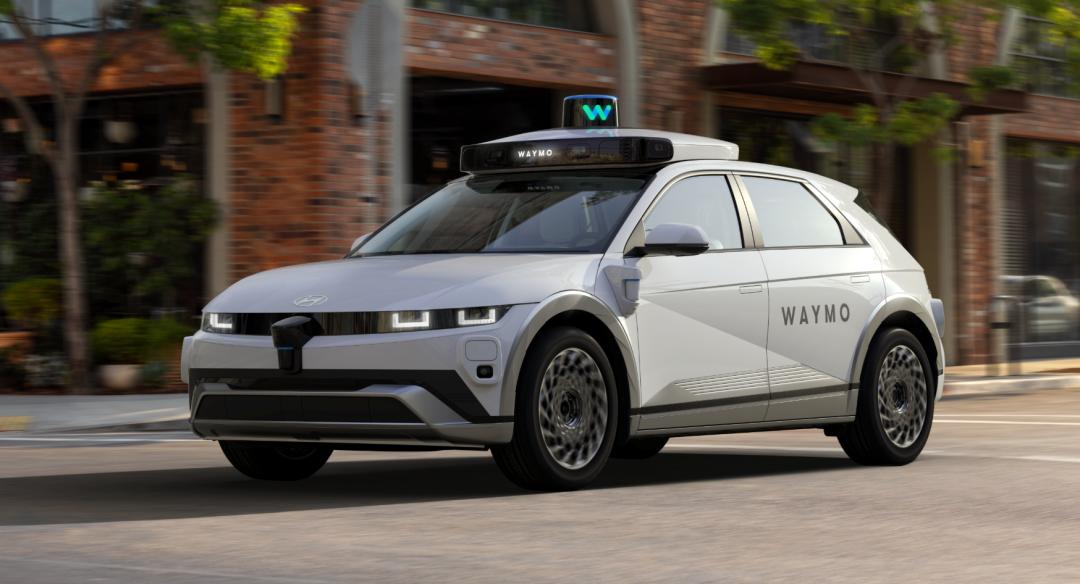
Three years after the competition began, in March 2020, to accelerate the development of the fifth - generation driverless cars (as shown in the picture below), Waymo conducted its first round of external financing, with a scale of $3.2 billion. Its valuation had exceeded $30 billion that year.
At that time, the capital market for autonomous driving was in a cold winter. When Waymo conducted external financing again in June 2021, the financing scale was only $2.5 billion. Investors included Google, Temasek, and Tiger Global Management.
The cold winter lasted for the next three years, and Waymo was silent in the capital market. During this period, there were also reports that Waymo's valuation had been severely discounted... But Google is a large and powerful company, and the general environment cannot affect the strong.
Of course, the strong can affect the general environment.
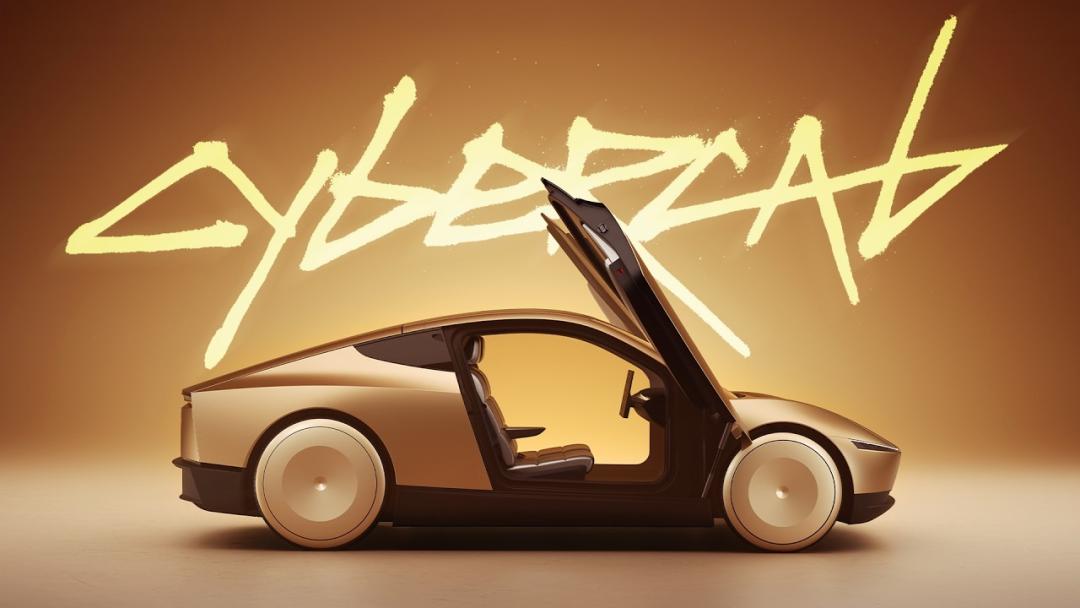
In July 2024, with the emergence of commercialization prospects, technological paradigm innovation, and various benefits brought by the strong entry of Elon Musk, the autonomous driving market began to thaw, showing signs of a warm spring. Waymo started its third round of financing, raising $5 billion at once. Waymo's valuation also rose to $45 billion, only increasing by 1.5 times in three years.
After reviewing Waymo's financing and valuation history, we can more clearly sense the current popularity of the autonomous driving industry. Waymo's valuation has doubled in just one year. The third - round financing is close to the sum of the first two rounds, and the latest round of financing is equal to the total of the three rounds in the past five years.
The new round of financing is not without signs. This month, Waymo just appointed a new CFO, Steve Fieler, who was previously the vice - president in charge of investment and investor relations at Google. In the early years, he was in charge of the financial work of the departments where the two star products, Android and Chrome, belong.

Less than 10 days after Steve took office, an early investor of Waymo "accidentally" revealed Waymo's cards and tried to answer the outside world's questions in advance:
Why is Waymo worth $100 billion?!
Why Waymo?
As mentioned before, one of Waymo's investors is Tiger Global Management. This investment institution launched a new venture capital fund project last week. To attract potential partners, it revealed some information about the two largest positions in its previous fund, namely OpenAI and Waymo.
According to Tiger Global Management, Waymo currently has over 450,000 weekly orders, and its fleet size has reached 2,500 vehicles. Roughly calculating the "vehicle - to - value ratio" — each driverless car contributes a valuation of about $40 million, which is about 280 million RMB. It's quite exaggerated compared to other players in the industry.
Currently, following closely behind Waymo is Baidu Apollo Go, with a fleet size of over 1,000 vehicles. Pony.ai also recently achieved a milestone of 1,000 Robotaxis. As of the time of writing, its market value is $6.3 billion.
WeRide's Q3 financial report shows that it has over 1,600 autonomous vehicles, among which the Robotaxi fleet size is 750 vehicles. As of the time of writing, its market value is $3 billion.
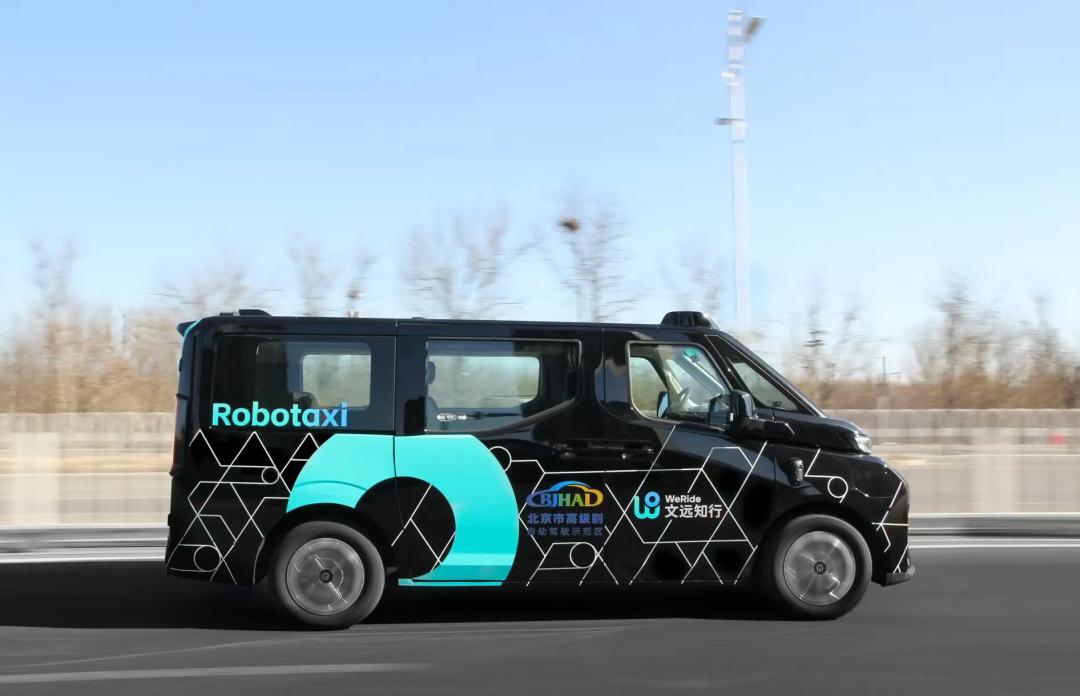
It's hard to understand the logic of the capital market, but the current situation is: The fleet size gap between Chinese L4 companies and Waymo is only 2 - 3 times, but the market - given valuation gap is more than ten times.
Waymo's significant increase in fleet size is not without cost. In the previous financing round, its fleet size was less than 1,500 vehicles. After only 17 months, the fleet size has doubled. Some reports say this is one of the reasons for the new round of financing.
This also indirectly confirms the judgment of Chinese Robotaxi industry insiders that Waymo has a cost disadvantage in driverless cars.
The vehicles it currently operates are still the fifth - generation cars that were developed as early as 2021. The prototype is the Jaguar I - PACE, an SUV with a price of nearly 700,000 RMB.
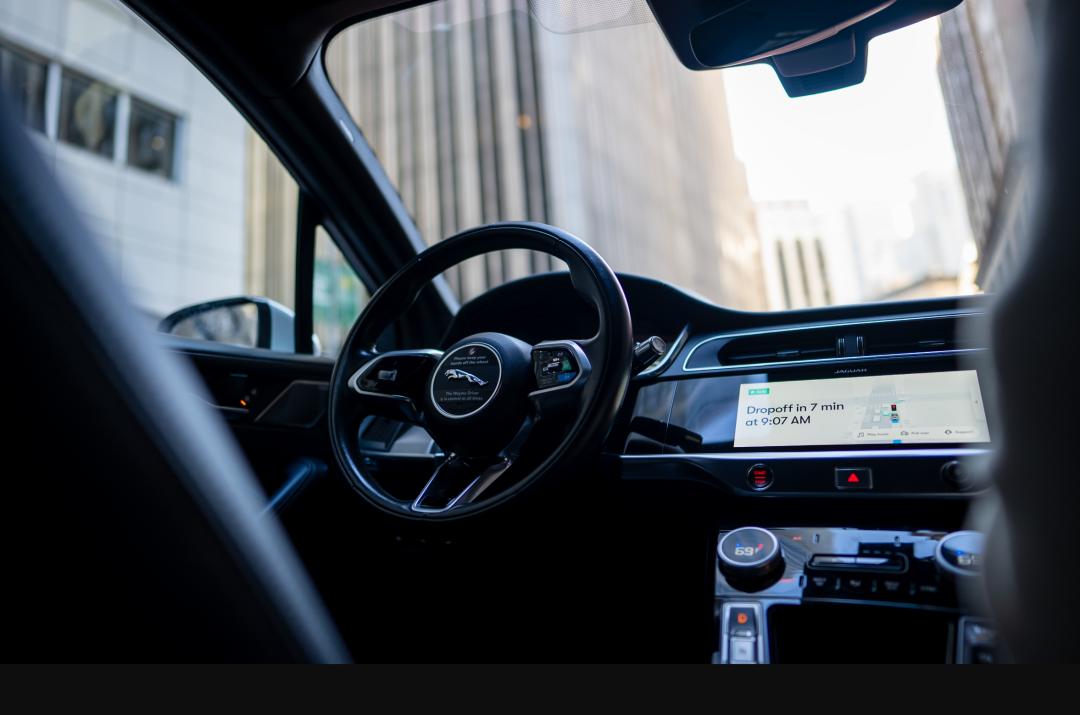
To support driverless operation, Waymo later installed multiple lidars on the Jaguar I - PACE. Compared with China, the lidar industry in the United States is not prosperous and does not have a scale advantage. The price of lidars is relatively high. After all, Tesla, the only company that is fast in both electrification and intelligence, uses a pure - vision approach, which cannot drive the development of related industries. Right?
Therefore, after comprehensively calculating the costs of vehicles and autonomous driving kits, some investment institutions predict that the cost of Waymo's driverless cars should be seven times that of Chinese Robotaxis.
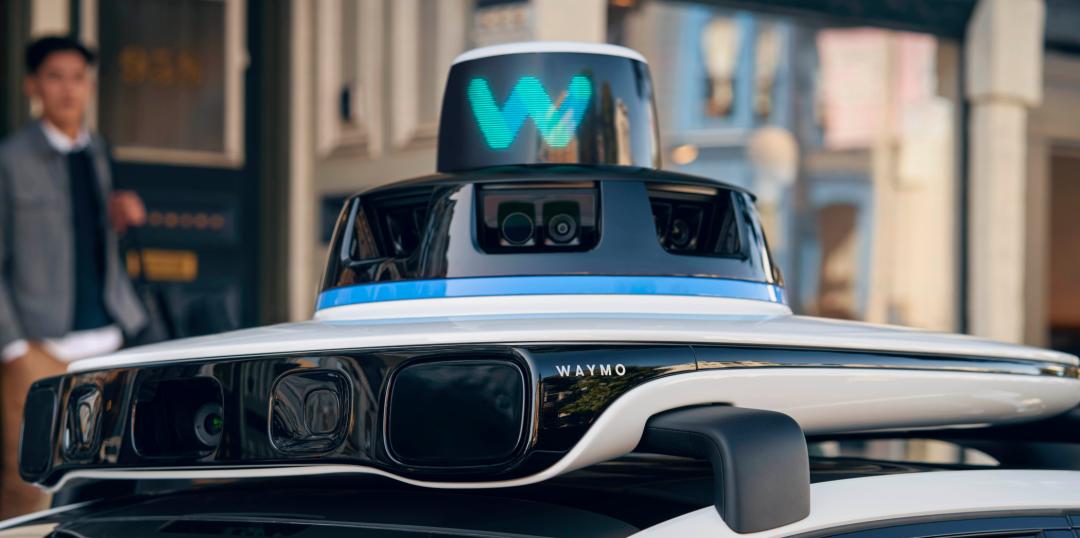
This also means that thanks to the complete intelligent vehicle industry chain in China, Chinese players will also have a cost advantage when competing globally with Waymo.
Finally, the timing of the news about Waymo's new round of financing is quite interesting, which is somewhat stimulated by industry competition.
A month ago, the two Chinese Robotaxi giants, WeRide and Pony.ai, just listed on the Hong Kong Stock Exchange to raise funds and expand their Robotaxi fleets.
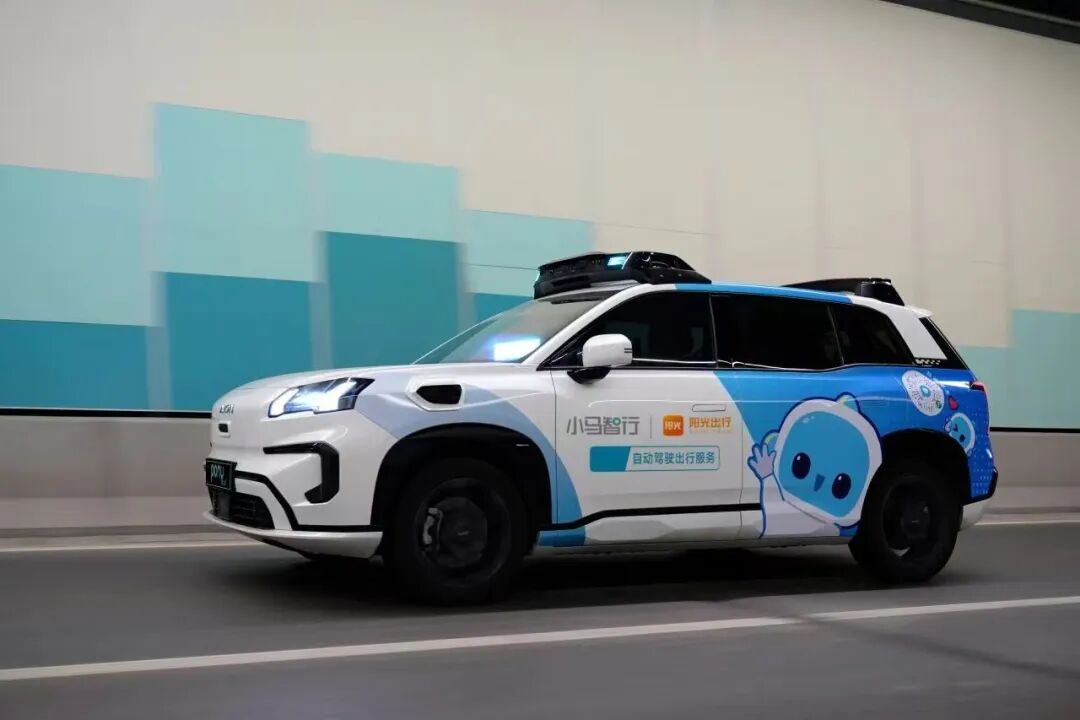
Last week, Elon Musk announced that Tesla's Robotaxi would remove safety drivers and launch a fully driverless service in Austin, taking a crucial step.
Right after that, Dan Ives, the managing director and well - known analyst at the well - known US investment bank Wedbush Securities, wrote an article saying that due to Tesla's new stage in autonomous driving and robotics, Tesla's market value will exceed $3 trillion in a year. This is twice its current market value. This prediction has sparked heated discussions and further highlighted the value and popularity of autonomous driving.
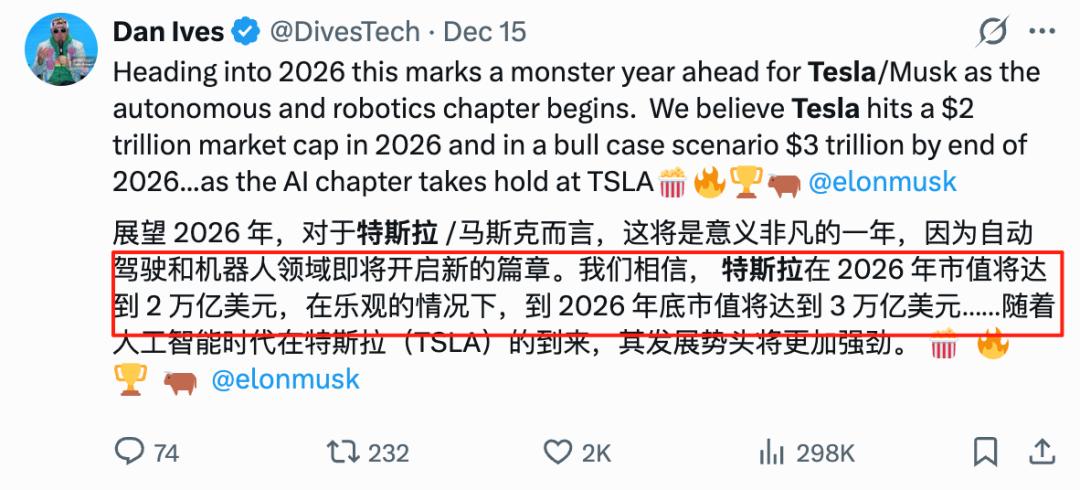
The autonomous driving industry is experiencing similar trends globally. Waymo is being re - evaluated, and Tesla is being re - evaluated.
What about Apollo Go? Pony.ai? WeRide?
Is it also time for them to be re - evaluated?
This article is from the WeChat official account “Intelligent Vehicle Reference” (ID: AI4Auto). Author: "A Car without a Driver". It is published by 36Kr with permission.